
Review · SEMINYAK
Ubud Tour: Monkey forest, rice terraces, temple, waterfall
Ubud packs a lot into one day, and this tour gives you the essentials in a sensible loop: monkeys in a forest sanctuary, a carved temple cave, a waterfall, and rice terraces. I like the private format, since only your group rides together, and I like that the guide provides cultural explanation instead of dropping you at each sight and waiting in the car.
The $35 price is strong value for a private car, driver-guide, admission tickets, water, and a sarong. The main catch is the day’s length. Six to eight hours on Bali’s roads can feel full, especially if you want unhurried time at every stop or are traveling with young children.
Key points to know before you book
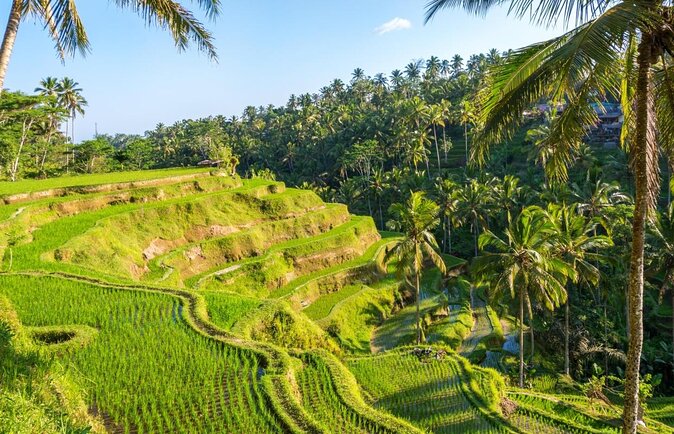
- Four classic Ubud sights: You visit the Sacred Monkey Forest Sanctuary, Goa Gajah, Tegenungan Waterfall, and Tegalalang Rice Terrace.
- Private transport from Seminyak: Your group has an air-conditioned car rather than sharing with strangers.
- Guides with strong personal service: Ketut, Wira, Gede, and Made are names associated with this operator, with particular praise for English, humor, flexibility, and local knowledge.
- Admission costs are covered: Entrance tickets, mineral water, and a temple sarong are included.
- Cultural context is part of the day: Expect explanations about Balinese religion, temple customs, rice cultivation, and local irrigation.
- Bring lunch money: Lunch and personal expenses are not included, so budget separately for food and any shopping stops that may be suggested.
Why this makes sense from Seminyak
Seminyak is a good base for a guided day in Ubud if you want to see the inland sights without arranging several separate rides. The tour handles the long transfer in an air-conditioned car, and pickup is offered from your accommodation area.
You should think of this as a sightseeing day rather than a slow Ubud stay. The route covers several major attractions, but the drive between southern Bali and the Ubud area takes time. Traffic can affect the pace, and the advertised six to eight hours is approximate.
I find the private setup especially useful here. You can ask questions, adjust your pace, and discuss small changes with your guide. This matters more than it might on a single attraction visit because the day includes temples, nature, photography stops, and a short walk through working rice country.
The guides connected with the tour include Ketut, Wira, Gede, and Made. The strongest praise centers on friendly conversation, fluent or strong English, safe driving, clear explanations, and a willingness to adjust the day. Ketut is also described as helpful with family needs and itinerary changes, while Wira is noted for humor and entertaining commentary.
That does not mean you can assume a particular guide will be assigned. If a specific guide matters to you, ask when booking.
More Rice Terrace Tours in Indonesia
- Ubud: Monkey Forest, Water Temple, Rice Terrace, Waterfall
★ 5.0 · 538 reviews - Tanah Lot Tour with Ubud Monkey Forest, Rice Terraces, and Waterfalls
★ 5.0 · 273 reviews - Ancient Temples and Jatiluwih Rice Terrace Private Tour
★ 5.0 · 73 reviews
Monkey Forest: more than a photo stop
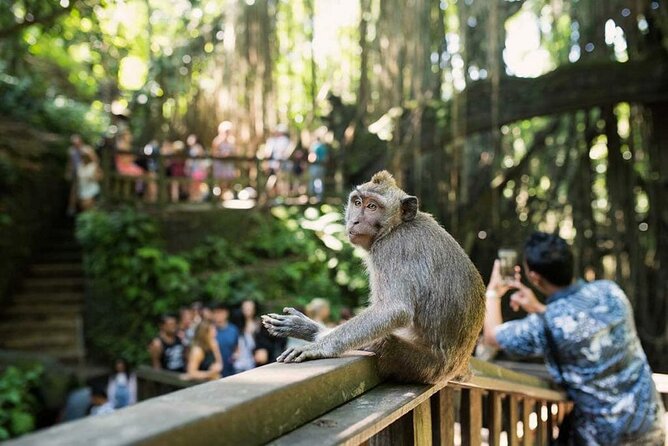
The Sacred Monkey Forest Sanctuary is scheduled for about two hours, making it the longest visit of the day. That is useful because this is not simply a quick roadside attraction. You have time to walk through a protected forest habitat and see long-tailed macaques in a setting tied to Balinese spiritual life.
The name can make the place sound like a wildlife park, but the cultural side matters. The forest is considered sacred, and the sanctuary forms part of Ubud’s identity. Your guide can help explain why monkeys, temples, forest spaces, and daily religious practice are connected in Bali.
Two hours gives you room for photographs and a walk without having to race through. Still, keep your belongings secure and follow the sanctuary’s instructions around the monkeys. They are wild animals, not trained performers, and your guide’s practical advice is worth following.
This is also a good first major stop because it gets you walking early in the day. Wear shoes suitable for an uneven path and bring water, even though a bottle is included. The tour provides mineral water, but one bottle may not be enough for a warm day.
The drawback is that the forest can feel busy at popular times, and the animals do not perform on command. If you want a quiet nature walk, this stop may feel more like a lively attraction. If you want a blend of forest, local belief, and close views of macaques, it earns its place.
Goa Gajah and the meaning behind the cave
The next stop is Goa Gajah, often called the Elephant Cave. You have about an hour here, with admission included and a sarong supplied for temple entry.
Goa Gajah is an archaeological Hindu site with a dramatic carved entrance. The cave itself is compact, so the value of the visit comes from the whole setting and from understanding its place in Balinese belief and tradition. This is where a good guide makes a real difference. A quick look at a dark stone doorway is one thing. Learning how the site relates to worship, ritual, and Balinese life gives the stop more weight.
You should dress respectfully, even with a sarong provided. The sarong is included for temple access, which saves you from renting or buying one at the entrance. Bring comfortable footwear, since the visit involves walking around the site rather than simply viewing the cave from a single point.
One hour is enough for a focused visit, but it will not support a long archaeological study. If ancient sites are your main interest, you may wish for more time. For a first taste of Bali’s temple culture during a mixed sightseeing day, the stop is well judged.
The cultural explanations are one of the tour’s strongest features. Past guests have singled out guides such as Ketut and Wira for answering questions about religion, local customs, and Balinese history in clear English. That kind of conversation can help you read the rest of the day differently, especially when you later see rice shrines and irrigation channels.
Tegenungan Waterfall and the photo factor
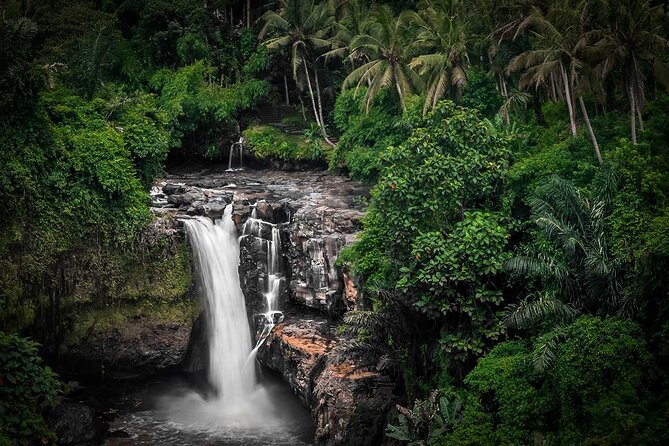
Tegenungan Waterfall is planned for about two hours. The attraction is straightforward: a broad natural setting, a waterfall, and plenty of chances for photographs.
The tour presents this as a strong picture stop, and that is the right way to think about it. You will have time to enjoy the view and build in a pause between the temple visit and the rice terraces. Waterfall conditions can change with weather, so the experience may vary from a clear, photogenic cascade to a wetter, more forceful scene after rain.
Do not assume the visit is only a quick look from the car. A waterfall stop normally involves walking, and the tour description calls it a place for photographs and a panorama. Wear shoes that can handle damp or uneven ground, and take care on wet surfaces.
The two-hour allocation gives you more breathing room than a rushed photo stop. It also means the day depends on your preferred pace. If you want to linger, take pictures, and enjoy the setting, this is helpful. If you would rather spend that time in Ubud’s town center, the waterfall may feel like a detour.
The weather requirement is important. If poor weather forces cancellation, you are offered another date or a full refund. That policy is practical for a waterfall-focused day, since heavy rain can affect both the walk and the view.
More Rice Terrace Tours in Seminyak
- Ubud Full-Day Private Tour: Waterfall, Temple, Rice Terrace.
★ 5.0 · 64 reviews - Bali: Bedugul Lake Temple, Banyumala Waterfall, UNESCO Rice Field
★ 5.0 · 52 reviews - Ubud Rafting – Rice Terrace – Tegenungan Waterfall – Tanah Lot Sunset Temple
★ 5.0 · 41 reviews - Bali: Bedugul Temple, Banyumala Waterfall, UNESCO Rice Terrace
★ 5.0 · 40 reviews
Tegalalang Rice Terrace and the water that feeds it
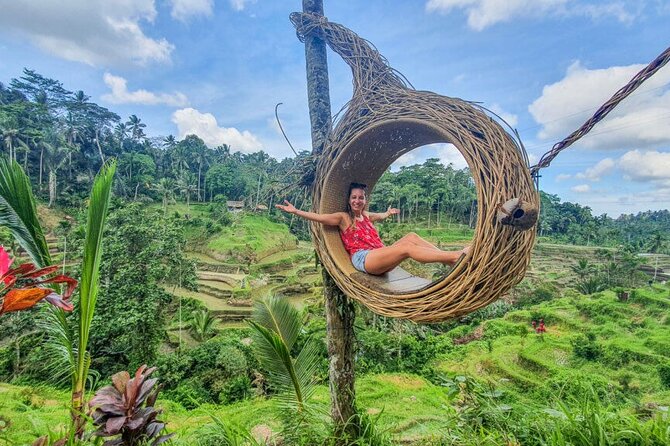
Tegalalang Rice Terrace is the final listed sightseeing stop, with about an hour for a small trek. The attraction is not just the layered green fields. Your guide explains rice growing and Bali’s local irrigation system as you walk.
This is where the tour moves beyond scenery. Rice terraces are working agricultural spaces, and the irrigation system is tied to village cooperation and Balinese life. I like that the visit includes an explanation of how the fields function, rather than treating the terraces as a simple backdrop for photographs.
The walk is described as small, but you should still expect uneven ground and some exposure to sun or heat. Comfortable shoes are more useful than fashionable sandals. If you have limited mobility, ask in advance about the route, since the available information says most people can participate but does not give a detailed accessibility assessment.
An hour gives you a taste rather than a long hike. That is probably right for a day that already includes the Monkey Forest and waterfall. You get the famous view, a short walk, and an introduction to the irrigation system before returning to your hotel.
The timing also makes sense at the end of the route. After several cultural and nature stops, the rice terraces offer a quieter closing scene. From there, the tour returns you to your hotel.
What the $35 price really includes
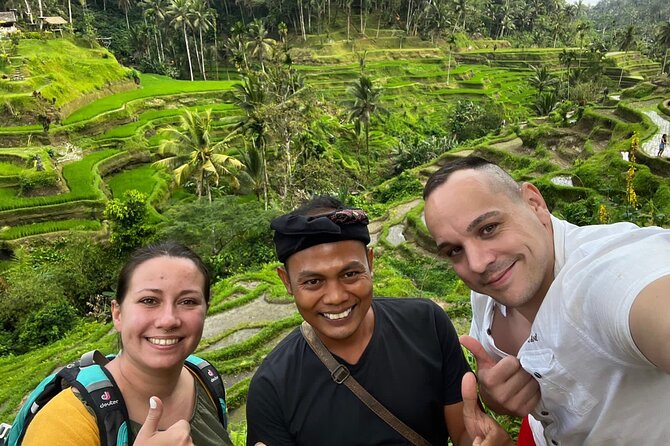
At $35 per person, this is an unusually low price for a private full-day-style outing, though the exact value depends on the size of your group and how much you would otherwise spend on transport and admission.
The price includes:
- Pickup
- Private air-conditioned car
- Local guide
- Entrance tickets
- Mineral water
- Sarong for temple entry
That list matters. Admission fees at four separate sights can add up, and arranging a private car from Seminyak to the Ubud area would normally be the main cost of the day. Having a driver who can explain the sites adds practical value, especially if this is your first visit to Bali.
Lunch is not included. You should set aside money for a meal and personal purchases. The tour information also does not promise a specific restaurant, so ask your guide about lunch options and tell them about any dietary needs before the day begins.
Group discounts are offered, but the exact terms are not stated. Since the activity is private, the price may work best for couples, families, or small groups splitting the vehicle cost. Solo visitors should compare the per-person total with a shared tour before booking.
There is no need to pay separately for a mobile ticket, and confirmation is provided at booking. Those are small conveniences, but they make the arrangement simple.
The guide can shape the day
The route is fixed enough to give you a clear plan, but the operator has shown flexibility with custom requests. Several guests describe changes to their plans, airport transfers, family needs, and added suggestions being handled promptly.
That is useful in Bali, where a day on the road can benefit from local judgment. A guide may help you spend less time at a crowded stop, find a suitable meal, or adjust the pace for children. Do not assume every request is guaranteed, but it is reasonable to raise your priorities before departure.
Ketut receives especially strong praise for cultural explanations, friendly conversation, English, and care with family groups. Wira is described as humorous and well informed about the places visited. Gede is noted for safe, accommodating driving and attention to comfort, while Made is praised for explaining local subjects and even teaching some Indonesian during the drive.
These details point to a tour that relies heavily on the person behind the wheel. The car gets you from place to place, but the guide determines whether the day feels like a series of photo stops or a connected introduction to Bali.
If you enjoy asking questions, tell your guide. Ask about temple etiquette, offerings, the rice cycle, or the irrigation system. You will get more from the day than if you simply follow the camera opportunities.
Who should book this Ubud day trip?
I would recommend this tour to a first-time Bali visitor who wants a broad introduction to Ubud without planning four separate visits. It suits couples, families, and small groups who value a private vehicle and prefer a guide who can adjust the conversation and pace.
It also works well if you are staying in Seminyak and do not want to move hotels just to see Ubud’s major sights. The air-conditioning, included water, and included temple sarong remove several small hassles.
Families should note that the day can be long, even though most people can participate. The waterfall and rice terrace involve walking, and the Monkey Forest requires sensible behavior around animals. The available information does not give an age limit or detailed mobility guidance, so ask questions before booking if you have a very young child, a medical concern, or limited mobility.
This is less suitable for someone who wants a slow, food-focused day in Ubud town, extensive shopping, or a long hike. It is also not ideal if you dislike organized sightseeing or want to spend most of the day at one temple.
Cancellation is free up to 24 hours before the start time. Changes or cancellations made inside that period are not accepted for a refund, and poor weather may lead to a new date or full refund.
Should you book this tour?
Book it if you want four of Bali’s most recognizable inland sights, private transport from Seminyak, and a guide who can explain the culture along the way. At $35 per person, the included admissions, car, water, and sarong make the package good value, especially for a small group.
Skip it if you want a leisurely Ubud day with long meals and unplanned wandering. The route is ambitious, and traffic can make the six to eight-hour schedule feel tight.
For the best fit, confirm your pickup point, ask which guide is assigned, explain any walking or family needs, and request lunch advice in advance. If you enjoy a full day with monkeys, temples, water, and rice fields, this is a practical first look at Ubud.
FAQ
Where does the tour begin?
Pickup is offered from Seminyak. The activity then travels by private, air-conditioned car to the Ubud-area attractions.
How long does the tour last?
The tour lasts approximately six to eight hours. The timing can vary because the route includes several stops and road travel.
Is this a private tour?
Yes. Only your group participates in the activity, rather than joining a shared group.
What sights are included?
The tour visits the Sacred Monkey Forest Sanctuary, Goa Gajah, Tegenungan Waterfall, and Tegalalang Rice Terrace.
Are entrance fees included?
Yes. Entrance tickets for the listed stops are included, along with mineral water and a sarong for temple entry.
Is lunch included?
No. Lunch and personal expenses are not included, so you should budget separately for food and any purchases.
Just added around Seminyak
- Ulundanu Bratan Temple, Jatiluwih Rice Terrace and Tanah Lot Sunset Tour★ 5.0 · 2 reviews
- Ubud Waterfalls and Rice Terraces Private Day Tour★ 5.0 · 12 reviews
- Ubud Full Day Tour Waterfall Monkey Forest Rice Terrace★ 5.0 · 4 reviews
- Ubud Village, Tegalalang Rice Terrace Swing, Tirta Empul Temple and Waterfafall★ 5.0 · 7 reviews
- Private Tour Ubud: Swing at Rice Field with Temple and Waterfall★ 5.0 · 12 reviews
- Ubud Highlights -Private Tour,Temples, Waterfalls & Rice terraces★ 5.0 · 12 reviews
- Ubud Rafting – Rice Terrace – Tegenungan Waterfall – Tanah Lot Sunset Temple★ 5.0 · 41 reviews
- Tenganan Village Rice Field Trekking Tour★ 5.0 · 5 reviews
Seminyak Farm Tours, compared.
Monkey Forest, Water Temple, Rice Terrace, Waterfall
Read our review →
Tanah Lot Tour with Ubud Monkey Forest, Rice Terraces, and Waterfalls
Read our review →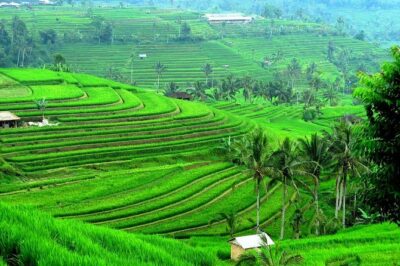
Ancient Temples and Jatiluwih Rice Terrace Private Tour
Read our review →
Ubud Full-Day Private Tour: Waterfall, Temple, Rice Terrace.
Read our review →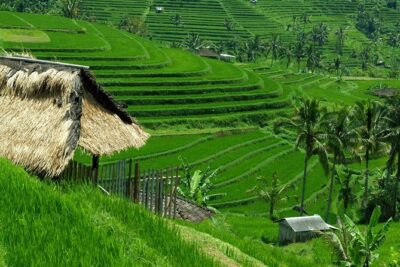
Bedugul Lake Temple, Banyumala Waterfall, UNESCO Rice Field
Read our review →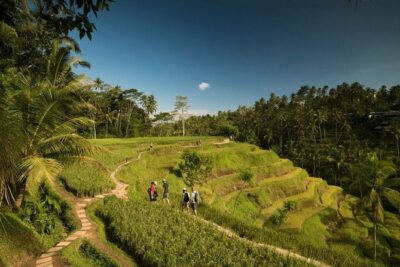
Ubud Rafting – Rice Terrace – Tegenungan Waterfall – Tanah Lot Sunset Temple
Read our review →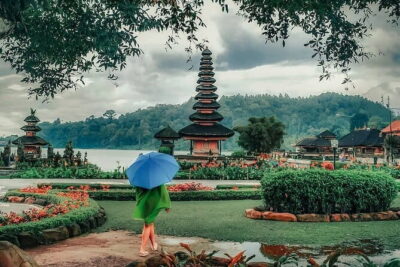
Bedugul Temple, Banyumala Waterfall, UNESCO Rice Terrace
Read our review →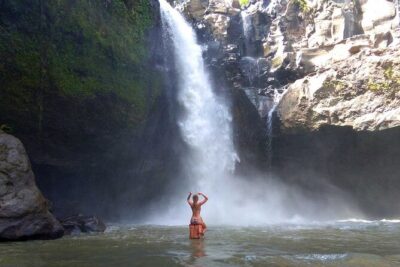
Best of Bali : Bali Temples , Rice Terrace and Waterfall Tour
Read our review →Browse the lists this tour appears in