
Review · SEMINYAK
Ubud Bali: Rice Terrace, Waterfall and Tirta empul Day Tour
The most meaningful part of this day is the melukat purification ritual at Tirta Empul, where you can take part in a Balinese water blessing rather than simply look around a temple. The day also links several very different sides of Ubud: carved stone, falling water, coffee and spices, sacred springs, and rice fields.
I like the private transportation, since Ubud’s sights are spread over a wide area and are awkward to connect by yourself. I also like the clear pricing: at $35.32 per person, your package includes entrance tickets, parking, bottled water, a special sarong, and a locker at Tirta Empul.
The main drawback is the pace. Five stops across 8 to 10 hours make for a full day, and the waterfall and rice terrace each have two hours set aside. If you prefer long, quiet temple visits or relaxed meals, this schedule may feel busy.
Key points to know before booking

- Tirta Empul is the heart of the day: You can learn about and take part in a Balinese melukat purification ritual.
- Five major stops fill the schedule: Expect Goa Gajah, Kanto Lampo Waterfall, Cantik Agriculture, Tirta Empul, and Tegalalang Rice Terrace.
- Private transport keeps the day flexible: Only your group takes part, with hotel pickup and drop-off offered.
- The price covers the costly basics: Entrance tickets, parking, bottled water, a ceremonial sarong, and a locker are included.
- Nature and culture are mixed well: The route moves from an ancient temple to a waterfall, plantation, holy spring, and rice terraces.
- Allow a full day: The planned duration is about 8 to 10 hours, so this is not a quick morning outing.
Why this Ubud day trip works
Ubud is not one compact attraction. Its temples, farms, waterfalls, and rice terraces are scattered across the surrounding countryside. That makes a private day tour useful, especially if you are staying in Seminyak and want to see several places without arranging separate rides.
This tour gives you a simple rhythm: one hour at Goa Gajah, two hours at Kanto Lampo Waterfall, one hour at Cantik Agriculture, one hour at Tirta Empul, and two hours at Tegalalang Rice Terrace. The timing gives each stop enough room for a proper visit, though the overall day remains active.
The English-speaking driver is included, as are transportation, parking, and hotel pickup and drop-off. You are not paying extra each time you enter a site, and you do not need to carry cash for the main expenses. Personal purchases and a tip for the driver are still your responsibility.
The strongest reason to choose this trip is variety. You get a cultural site, a natural attraction, a working plantation, a religious ceremony, and an agricultural setting in one day. That mix is more satisfying than a route made up of five temples or five photo stops.
More Rice Terrace Tours in Indonesia
- Ubud: Monkey Forest, Water Temple, Rice Terrace, Waterfall
★ 5.0 · 538 reviews - Tanah Lot Tour with Ubud Monkey Forest, Rice Terraces, and Waterfalls
★ 5.0 · 273 reviews - Ancient Temples and Jatiluwih Rice Terrace Private Tour
★ 5.0 · 73 reviews
Goa Gajah, an unusual start near Ubud
The first stop is Goa Gajah, often called the Elephant Cave. It is described as a historical temple with both Hindu and Buddhist influences, making it a useful introduction to Bali’s layered religious culture.
You have about one hour here. That is enough time to see the main temple area and notice the carved entrance and stone details without letting the first stop consume the entire day. The site is less about a long walk and more about understanding how religious traditions appear together in one place.
The description identifies Goa Gajah as a historical heritage site with a UNESCO certificate. Your driver can help place the temple within the wider story of Balinese worship and architecture, although the tour information does not promise a specialist guide or a formal guided lecture.
One hour is also a sensible limit if your main interests are waterfalls and rice terraces. If you want a slow archaeological visit, you may wish the schedule allowed more time. Still, Goa Gajah gives the morning an important cultural start before the route turns toward nature.
Kanto Lampo Waterfall takes the most time
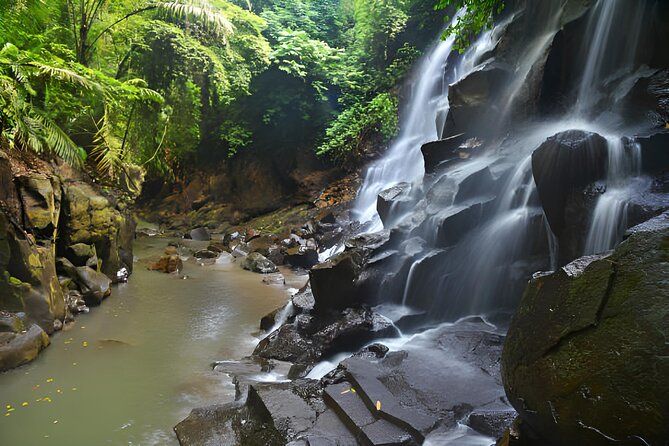
Kanto Lampo is scheduled for two hours, making it one of the day’s main attractions rather than a quick stop for a photograph. It is known for its unusual stone formation, scenic setting, and water spraying over the rocks.
The waterfall is described as highly photogenic, but the two-hour visit should offer more than a rushed picture. You can take in the setting, enjoy the water, and have time to appreciate how the rock shelves shape the falls. The tour information does not specify swimming conditions, changing facilities, or the exact walking distance, so do not book this day assuming a particular water activity.
The setting can also make this stop more physical than the temple and plantation visits. The details provided do not state how accessible the falls are, so ask the operator if you have mobility concerns. For most people, the practical point is simple: wear footwear you are comfortable using around water and expect this to be an active part of the day.
Two hours is generous enough to avoid feeling hurried, but it also adds to the full schedule. If you are mainly interested in Tirta Empul, you may prefer a shorter waterfall visit. If you want a strong nature component, Kanto Lampo is one of the better reasons to choose this route.
Cantik Agriculture explains Bali’s coffee and spices
Cantik Agriculture is a local Balinese coffee and spice plantation. The stop lasts about one hour and includes a chance to see or sample different types of coffee, tea, spices, and chocolate.
This is a useful pause between the waterfall and temple. It changes the mood from scenery to food and farming, and it gives you a look at products associated with Bali’s agricultural economy. The stop also helps explain why rice terraces are not just pretty viewpoints. Farming remains part of the island’s daily identity.
Be aware of the difference between an included visit and included purchases. The tour covers entrance tickets, but personal expenses are not included. If you want to buy coffee, tea, spices, or chocolate, budget separately.
I like this stop because it adds taste and smell to a day that could otherwise become a sequence of viewpoints. Still, plantation visits can feel less important to you if your priority is temples. Consider it a pleasant middle section, not the central purpose of the tour.
More Rice Terrace Tours in Seminyak
- Ubud Full-Day Private Tour: Waterfall, Temple, Rice Terrace.
★ 5.0 · 64 reviews - Bali: Bedugul Lake Temple, Banyumala Waterfall, UNESCO Rice Field
★ 5.0 · 52 reviews - Ubud Rafting – Rice Terrace – Tegenungan Waterfall – Tanah Lot Sunset Temple
★ 5.0 · 41 reviews - Bali: Bedugul Temple, Banyumala Waterfall, UNESCO Rice Terrace
★ 5.0 · 40 reviews
Tirta Empul offers the day’s most personal moment
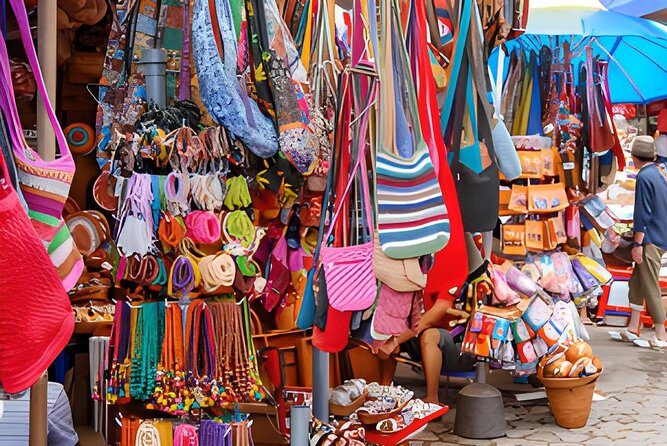
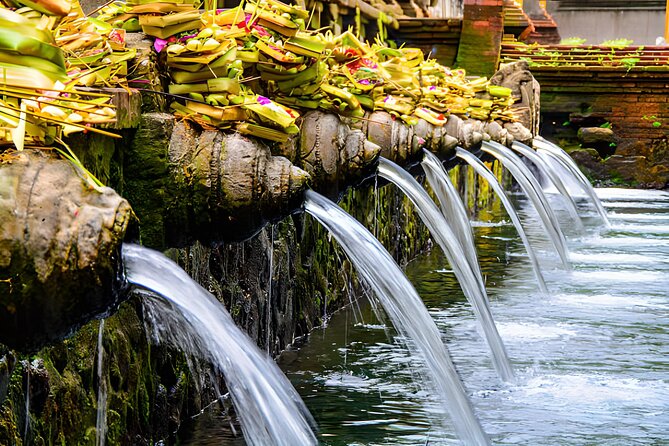
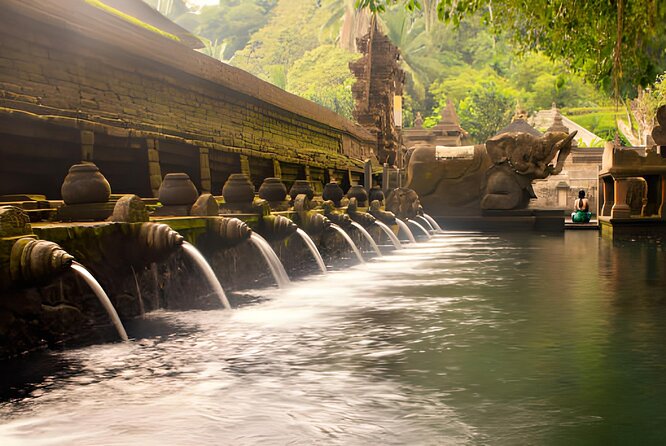
Tirta Empul is a holy spring temple and the emotional center of this experience. Here you can learn about the Balinese melukat ritual, a water purification practice intended to cleanse the body and soul.
This is not simply a temple photo stop. The tour includes a special sarong for the blessing ceremony and a locker at Tirta Empul, which removes two practical concerns. You can change into the required clothing and store your belongings while taking part.
The ritual deserves respect. Follow the instructions from your driver or the temple staff, and treat the spring as a place of worship rather than a backdrop for hurried photographs. The information provided says you can receive a blessing and take part in purification, but it does not spell out every step or guarantee that every participant will enter the water. Ask questions before the ceremony if you are unsure what to do.
The one-hour allocation is fairly short for a sacred site and ritual. You will have an introduction and time for the experience, but you should not expect an extended theological discussion or a leisurely temple exploration. That tradeoff is part of the tour’s design: the day gives you a meaningful cultural encounter while still reaching several other places.
For many people, Tirta Empul will be the deciding factor. If you want to connect with Balinese religious practice in a direct way, this stop gives the day more substance than a simple sightseeing circuit.
Tegalalang Rice Terrace closes the route with big views
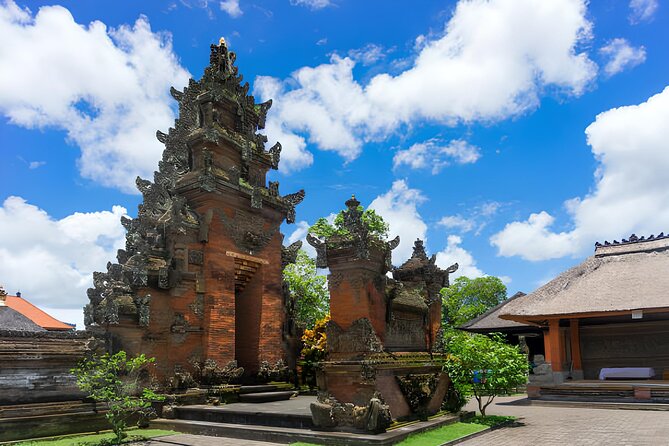
Tegalalang Rice Terrace is one of the best-known scenic areas near Ubud, and the tour allows two hours here. The terraces create a broad agricultural view and offer a final change of pace after the temple and waterfall.
You will have time to look across the fields, take photographs, and understand how farming shapes the area around Ubud. The route description does not specify a particular viewpoint, swing, café, or paid add-on, so treat the included visit as a rice terrace stop rather than assuming extra activities are part of the price.
Two hours can be useful here because the terrace is not just a single object to see. You may find different angles as you move around, though the exact walking conditions are not provided. If you have limited mobility, ask about the route in advance.
This final stop also explains the value of combining Tegalalang with Cantik Agriculture. One shows cultivated fields at a large scale, while the other focuses on coffee, tea, spices, and chocolate. Together, they give you a better sense of Bali as a working agricultural place, not only a scenic one.
Private transport is the practical advantage

A private tour means only your group takes part. That matters on a route with five stops, because you are not coordinating with a busload of strangers or waiting for people at every site.
Pickup is offered, including hotel pickup and drop-off, and the tour is based in Seminyak. The exact pickup arrangements should be confirmed when booking, but the main benefit is clear: you can begin and end the day without arranging separate transport across Bali.
The English-speaking driver is part of the package. The supplied information does not give the driver’s name, and it does not describe the driver as a licensed specialist guide. You should expect practical help with the route and stops, along with English conversation, rather than assume a private historian or religious expert.
Bottled water and parking are included. Those are small details, but they matter over an 8 to 10 hour day. So does the fact that entrance tickets are covered at every listed destination. You can focus your spending on personal purchases and a driver tip instead of repeatedly opening your wallet at the gate.
Is $35.32 good value?
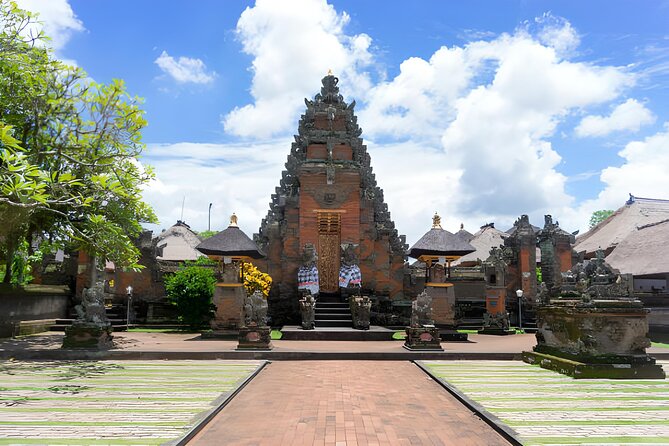
At $35.32 per person, the price is strong for a private full-day outing if you want all five stops. You receive private transportation, an English-speaking driver, bottled water, parking, entrance tickets, a ceremonial sarong, and a locker at Tirta Empul.
The value improves when you are sharing the vehicle with your own group. You are not paying only for a single attraction. You are covering a full route from Seminyak into the Ubud area, with transport between sites and the convenience of a prepared schedule.
The cost does not include tips or personal expenses. The plantation may have coffee, tea, spices, and chocolate available for purchase, but those items are outside the package. Plan for that if you like to bring local products home.
The main question is not price but pace. If you want a private car and a broad first look at Ubud, the cost is reasonable. If you would rather spend most of the day at one temple or rice terrace, a shorter private arrangement may suit you better.
Who should book this experience?
I would choose this tour if you are staying in Seminyak and want a broad introduction to Ubud without managing taxis, tickets, and parking yourself. It suits couples, families, and small groups who value a private vehicle and want both cultural and natural sights.
It is especially suitable if Tirta Empul matters to you. The included sarong and locker make the purification visit easier, and the schedule gives the ritual a clear place in the day rather than treating it as an optional extra.
You should also choose it if you enjoy variety. Goa Gajah offers temple architecture, Kanto Lampo supplies the water and scenery, Cantik Agriculture adds food and farming, Tirta Empul brings religious meaning, and Tegalalang finishes with wide rice-field views.
I would hesitate if you dislike full itineraries, have difficulty with wet or uneven areas, or want a specialist cultural guide. The tour information confirms an English-speaking driver, but it does not promise a named guide, expert lectures, or detailed accessibility arrangements.
The booking includes free cancellation up to 24 hours before the start time. Changes or cancellations made less than 24 hours ahead are not accepted for a refund, so keep that deadline in mind.
Should you book the Ubud rice terrace and waterfall tour?
Book it if you want a practical, private introduction to Ubud with a genuine cultural centerpiece. The Tirta Empul purification experience, included entry fees, and door-to-door transport give this tour more value than a simple collection of scenic stops.
Skip it if you want a slow, deeply focused day at one or two places. Five stops in 8 to 10 hours require energy and reasonable flexibility.
For most visitors staying in Seminyak, this is a well-priced way to connect Bali’s temples, water, farms, and rice terraces in one day. Go for the variety, and set your expectations correctly: this is an active overview with one especially meaningful ritual, not a leisurely retreat.
FAQ
Where does the tour take place?
The tour is based from Seminyak, with visits around Ubud and the surrounding area. Pickup and drop-off are offered.
How long does the tour last?
The experience lasts approximately 8 to 10 hours.
Is this a private tour?
Yes. Only your group participates in the activity.
What places are included?
The route includes Goa Gajah, Kanto Lampo Waterfall, Cantik Agriculture, Tirta Empul Temple, and Tegalalang Rice Terrace.
Is the Tirta Empul blessing included?
The tour includes the Balinese melukat water purification experience, along with a special sarong for the ceremony and a locker at Tirta Empul.
What is included in the price?
Private transportation, bottled water, an English-speaking driver, parking fees, entrance tickets to all listed destinations, a special ceremony sarong, and a Tirta Empul locker are included.
Are tips and personal purchases included?
No. Tips for the driver and personal expenses are not included.
Just added around Seminyak
- Ulundanu Bratan Temple, Jatiluwih Rice Terrace and Tanah Lot Sunset Tour★ 5.0 · 2 reviews
- Ubud Waterfalls and Rice Terraces Private Day Tour★ 5.0 · 12 reviews
- Ubud Full Day Tour Waterfall Monkey Forest Rice Terrace★ 5.0 · 4 reviews
- Ubud Village, Tegalalang Rice Terrace Swing, Tirta Empul Temple and Waterfafall★ 5.0 · 7 reviews
- Private Tour Ubud: Swing at Rice Field with Temple and Waterfall★ 5.0 · 12 reviews
- Ubud Highlights -Private Tour,Temples, Waterfalls & Rice terraces★ 5.0 · 12 reviews
- Ubud Rafting – Rice Terrace – Tegenungan Waterfall – Tanah Lot Sunset Temple★ 5.0 · 41 reviews
- Tenganan Village Rice Field Trekking Tour★ 5.0 · 5 reviews
Seminyak Farm Tours, compared.
Monkey Forest, Water Temple, Rice Terrace, Waterfall
Read our review →
Tanah Lot Tour with Ubud Monkey Forest, Rice Terraces, and Waterfalls
Read our review →
Ancient Temples and Jatiluwih Rice Terrace Private Tour
Read our review →
Ubud Full-Day Private Tour: Waterfall, Temple, Rice Terrace.
Read our review →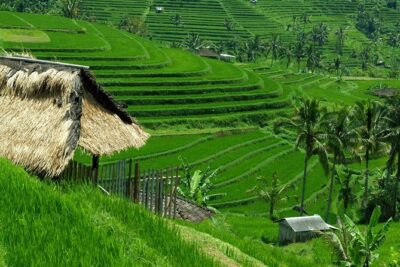
Bedugul Lake Temple, Banyumala Waterfall, UNESCO Rice Field
Read our review →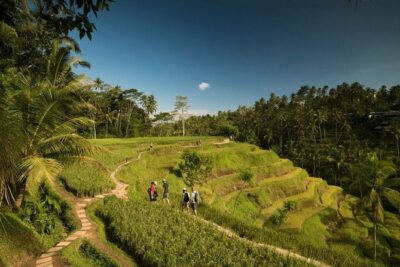
Ubud Rafting – Rice Terrace – Tegenungan Waterfall – Tanah Lot Sunset Temple
Read our review →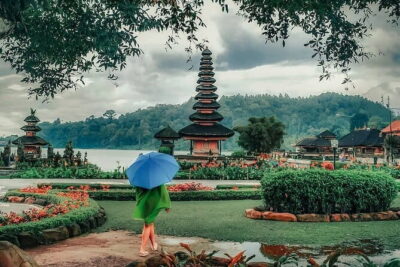
Bedugul Temple, Banyumala Waterfall, UNESCO Rice Terrace
Read our review →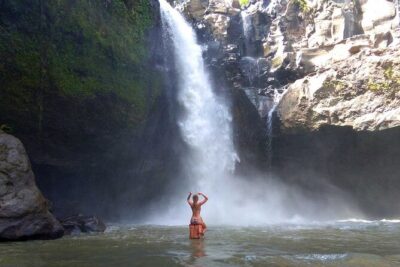
Best of Bali : Bali Temples , Rice Terrace and Waterfall Tour
Read our review →Browse the lists this tour appears in