
Review · SPICE
Tetebatu: Waterfalls, Spices, Rice Terrace, Monkey forest
Tetebatu’s best moments happen between the headline stops: a guide points out a medicinal plant, a farmer explains rice planting, or a village family shows you how bamboo becomes a useful household item. The day links spice gardens, waterfalls, rice terraces, and Monkey Forest into one active outing.
I like the way the tour puts local life beside nature, rather than treating Tetebatu as a string of photo stops. I also like the private format, since guides such as Lan, Anwar, Woody, and Adaouin have adjusted the pace and route to suit individual interests.
The main catch is the walking. Paths can be steep, uneven, wet, and slippery, and reaching one waterfall may mean walking knee-deep through water. Bring proper footwear, a swimsuit, and enough energy for a full day outdoors.
Key points to know before you go
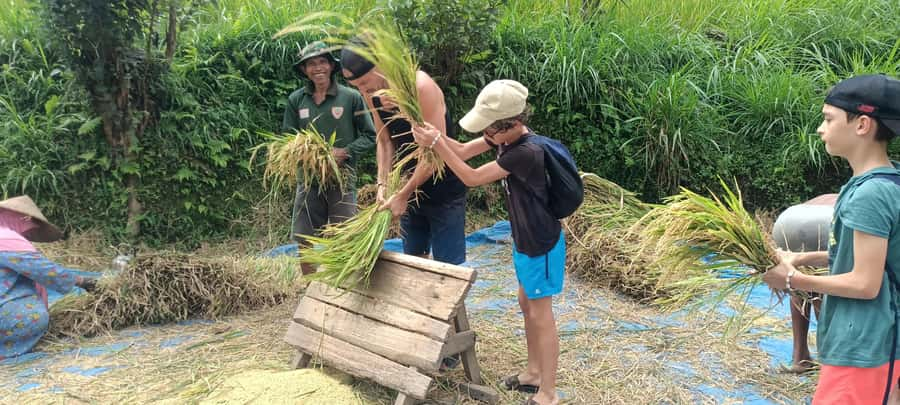
- Walk through working rice country: Learn how rice is planted, harvested, and processed while crossing fields and village paths.
- Swim at a jungle waterfall: Water shoes matter because the route can pass through running water and slippery ground.
- Look for rare black monkeys: The Monkey Forest is home to black-collared monkeys, along with grey monkeys.
- Taste Tetebatu’s plants: Herbal drinks, coffee, tea, chocolate, fruit, and seasonal produce help connect the scenery with local food.
- Try bamboo craft yourself: The final village stop lets you watch artisans and have a go at making something.
- Pay $21 for a private day: The price includes a guide and destination tickets, but not food, snacks, or transport.
Tetebatu is a good place to slow down. On Lombok, it offers a cooler, greener setting than the coast, with farms, forest, waterfalls, and villages spread around the lower slopes of Mount Rinjani. This private tour gives you a practical way to see several sides of the area without spending the day guessing which path leads where.
At $21 per person, the value is strong if you want a guide who explains what you are seeing instead of simply leading you from one stop to the next. You are paying for a local guide, entry tickets at the destinations, and a private experience. You still need to budget for lunch, snacks, drinks at stops, and transport if you are coming from outside Tetebatu.
The advertised duration is six hours to one day, with the main schedule listed at about six and a half hours. That gives you enough time for a proper walk, but the exact pace can change. A private group may move faster, spend longer at the waterfall, or adjust the order when rain arrives.
Starting in Tetebatu with a local guide
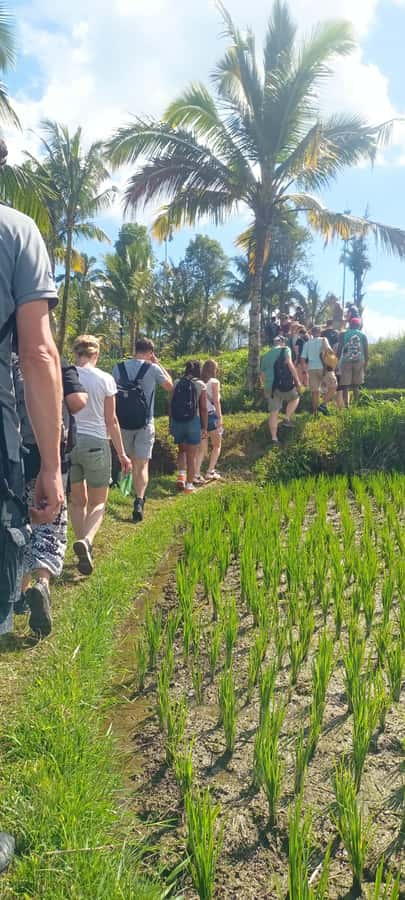
Pickup is available from a long list of Tetebatu hotels, homestays, bungalows, restaurants, and trekking offices. The operator can collect you anywhere in Tetebatu at no extra charge. Pickup elsewhere in Lombok costs more, based on distance.
The local guide is the heart of the day. Lan, Anwar, Woody, and Adaouin have led different departures, and the strongest part of the guiding is the explanation of ordinary things: which plants are used as medicine, how rice farming works, and why certain crops matter to village households.
You may also find that the guide changes the order or length of the stops. One guest with limited time began earlier, while another group changed the route because of heavy rain. That flexibility is useful, but it also means this is not a rigid sightseeing circuit with every minute fixed.
English guiding and an English audio guide are included. The group is private, so you can ask questions without holding up a large busload of people. It also makes the experience a better fit for couples, families with older children, and small groups with different walking speeds.
More Rice Terrace Tours in Indonesia
- Ubud: Monkey Forest, Jungle Swing, Rice Terrace, and Water Temple
★ 5.0 · 7,160 reviews - Ubud: Waterfalls, Water Temple & Rice Terraces Private Tour
★ 5.0 · 5,484 reviews - Ubud: Waterfall, Rice Terraces & Monkey Forest Private Tour
★ 4.9 · 4,894 reviews
Spice plants, herbal drinks, and local flavors
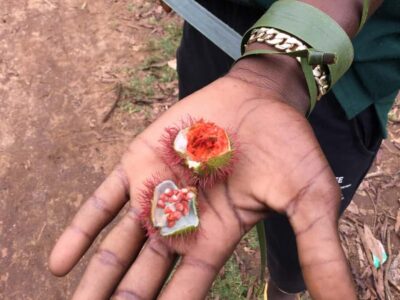
The first part of the experience introduces Tetebatu through its plants. In the spice plantation, you walk among herbs, spices, trees, tea, coffee, and other useful crops. The guide explains how local people use plants in food and traditional remedies.
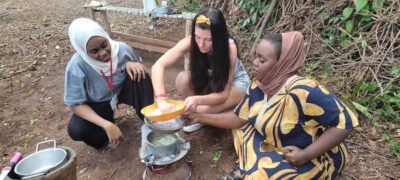
This stop is more interesting than a simple garden visit because it connects what you see with what you taste. A traditional herbal drink is prepared from plants found in the area, and you may also have the chance to try Lombok coffee, tea, or hot chocolate at a small local café or spice shop.
Seasonal fruit may be provided, but it is not guaranteed. Fruit availability depends on the time of year. Some departures have included a stop at a fruit stand with local snacks, while other food and drinks remain your responsibility.
You can buy local spices if you wish, but there is no need to treat this as a shopping stop. The value is in learning what grows here and how it is used. If you enjoy food, plants, and everyday customs, this opening walk gives the rest of the day more meaning.
Finding the waterfall through jungle paths
The waterfall section adds the most physical work. You leave the easier village routes for forest paths and wet ground, with the chance to swim once you arrive. Durian Indah Waterfall is one named stop, and some departures have visited two waterfalls.
The setting is the reward: forest, rock, running water, and a cool place to pause. Guides may join you for a swim, and they can help you find the safest route through the water. One route includes a cave-like section through the waterfall area, which gives the walk a more adventurous feel.
Do not assume you will stay dry. The route may involve water up to your knees, and rain can make the return path slick. Water shoes are strongly recommended, not merely useful. A swimsuit is also worth carrying, even if you decide not to swim.
The waterfall is not a polished resort attraction. That is part of its appeal, but it also means uneven footing and fewer comforts. If you have mobility limits, ask about the route before booking. Babies under one year are not suitable for this activity, and the walking demands make it a poor choice for anyone seeking a gentle, fully paved outing.
Rice terraces and the work behind the view
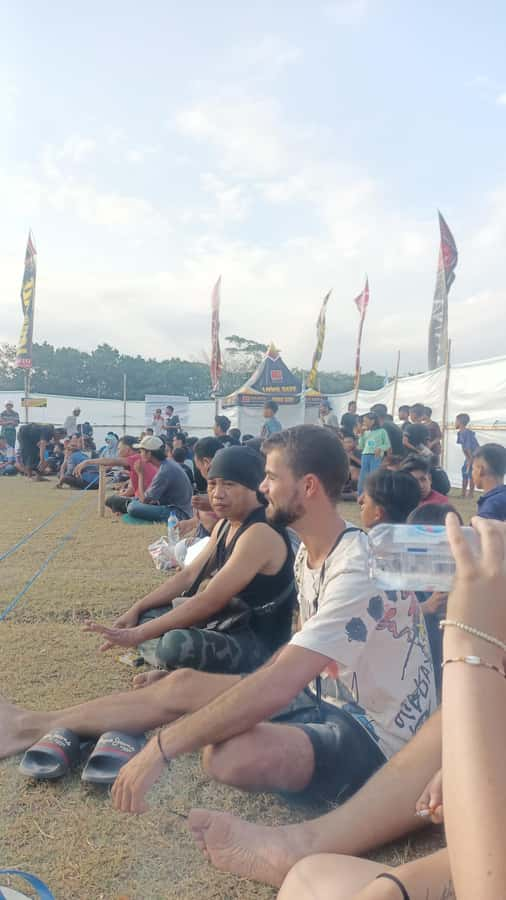
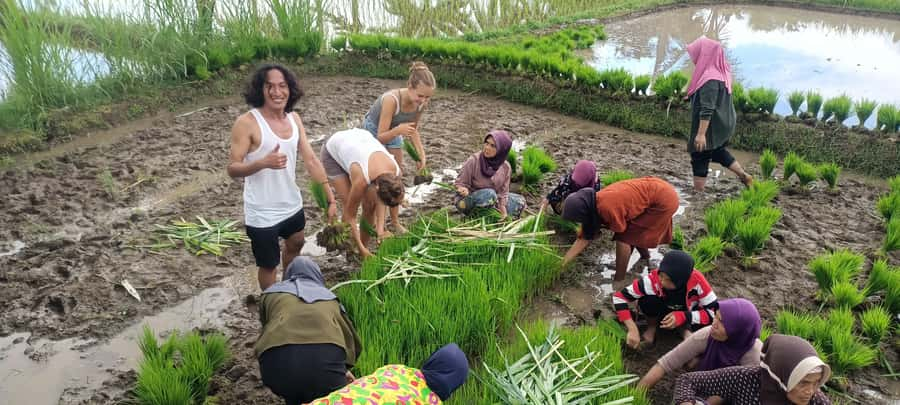
After the forest, the tour moves through Tetebatu’s rice terraces and village paths. This is where the day shifts from scenery to agriculture. You learn about planting, harvesting, processing, and the different stages of rice production.
The guide may show you how farmers work the fields, and some departures have allowed participants to take part in simple farming tasks. You can also meet local farmers along the way. The best feature of this stop is that the terraces are not presented as a picture alone. They are working land that supports local families.
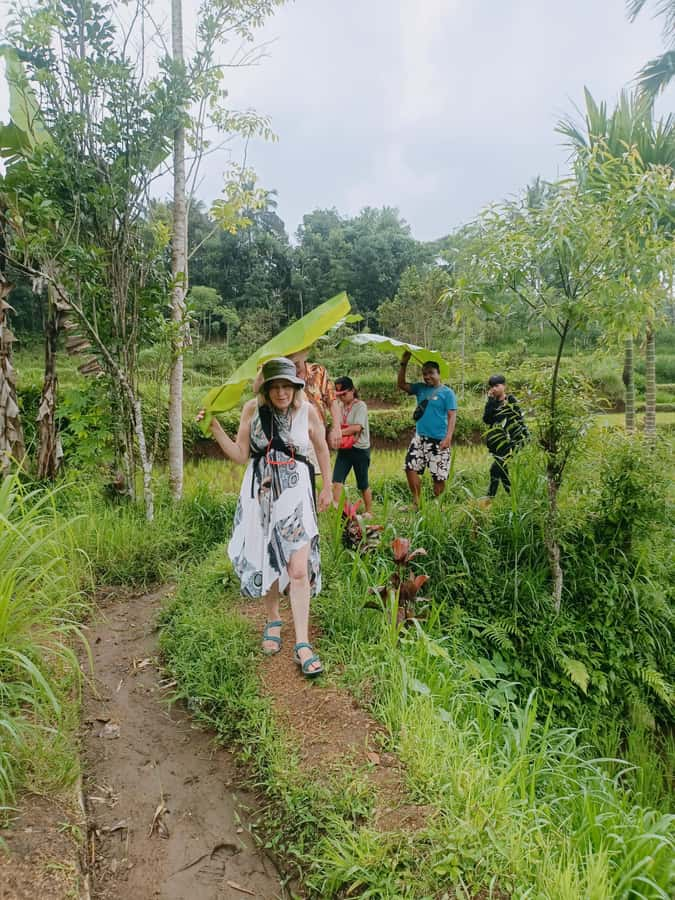
The walking can be more demanding than the photos suggest. Paths may be narrow, steep, uneven, or muddy after rain. The return route from the waterfall through the rice fields and toward Monkey Forest has been described as strenuous, particularly when wet.
Wear shoes with a firm grip and carry water. A hat and sun protection are sensible, though parts of the route pass through shade. Since lunch is not included, you can eat at your own expense during the break. Some guides have taken groups to a local warung, which can be a good chance to try Indonesian food in a simple setting.
More Spice Farm Tours in Indonesia:
- Zanzibar: Prison Island, Stone Town, & Spice Farm Tour
★ 4.5 · 579 reviews - Full-Day Private Stone Town +Spice Farm and Prison Island Tour
★ 4.5 · 216 reviews - Zanzibar: Stone Town & Spice Farm Tour with Lunch
★ 4.5 · 97 reviews - Zanzibar:Stone Town & Spice Farm Private Tour Lunch Included
★ 4.2 · 94 reviews
Searching for black monkeys in Monkey Forest
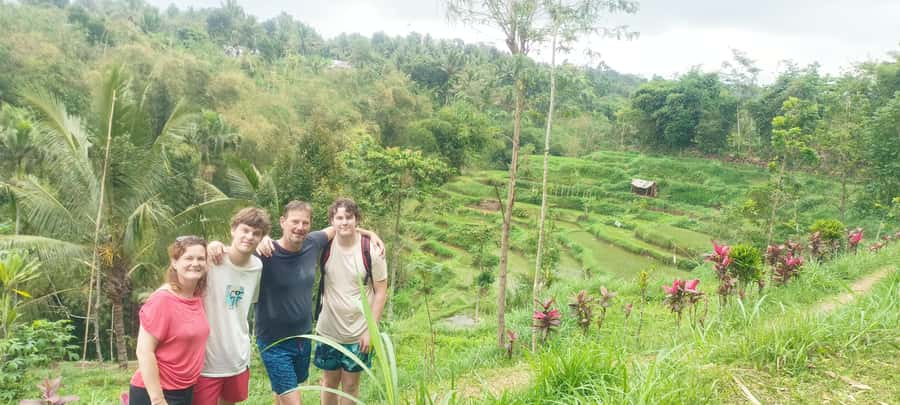
The Monkey Forest is one of the most memorable stops because you are looking for animals in their own wooded setting rather than watching a staged show. The forest contains grey monkeys and the rare black-collared monkey associated with this area.
There is no guarantee of a sighting, and you may need to walk and wait. Some groups have found two families after searching, while others have spotted several black monkeys. That uncertainty is part of the experience, so keep your expectations realistic.
A private guide helps here. Lan, Anwar, Woody, and the other local guides know the area and can explain what you are seeing. Still, wildlife does what it wants. Bring patience, keep your belongings secure, and follow the guide’s instructions around the animals.
This stop works especially well after the rice fields. You have just seen how much of Tetebatu is shaped by farming, then you enter a forest where the focus shifts to native wildlife. It gives the day a good change of pace, though the walk between the main points can feel long if the ground is wet.
Bamboo craft and village skills
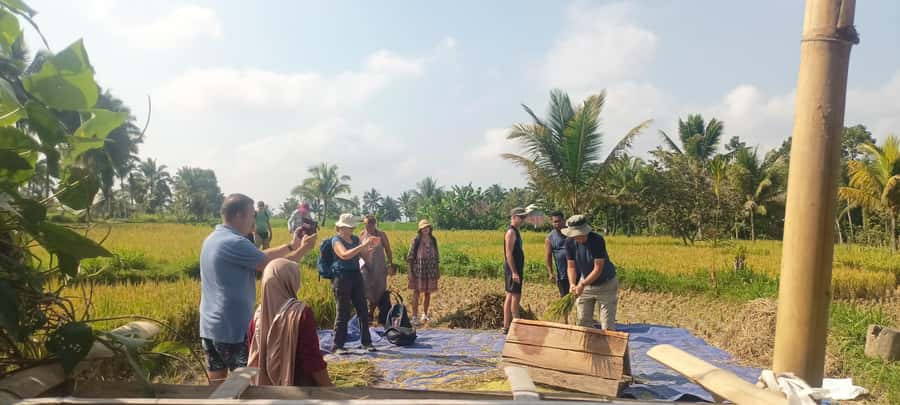
The final cultural stop takes place in a bamboo handicraft village. Here, artisans turn bamboo into household tools, decorative pieces, and other useful objects. You are not limited to watching. You can try the craft yourself.
This is a small but valuable part of the tour because it shows another form of local work. Rice and spices are not the only ways village families use natural materials. Bamboo is practical, widely available, and shaped by hand into objects with a clear purpose.
You may also have the chance to see cotton weaving or traditional pottery if your guide has time to add extra village visits. These additional stops are not presented as guaranteed parts of the main program, so consider them a bonus rather than a promise.
The craft visit also shows how flexible the guiding can be. When one visitor wanted spicier sambal, the guide arranged for a local family to prepare some. That sort of small adjustment is exactly what a private tour can do well, provided you speak up about your interests.
What the $21 price really covers
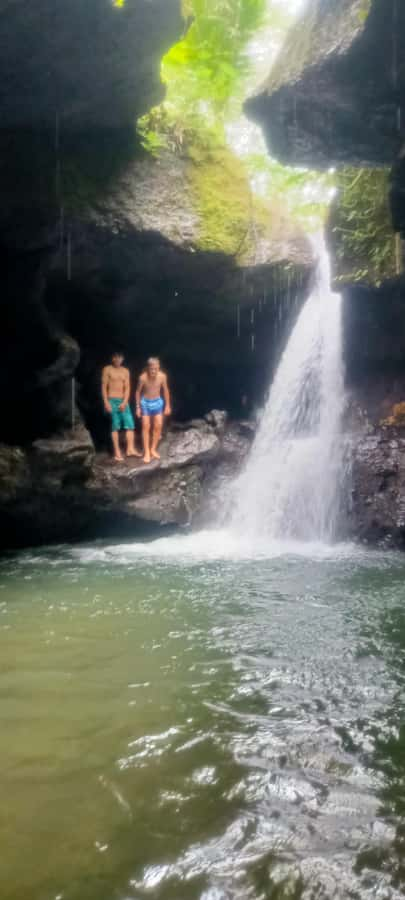
The $21 price is low for a private six to six and a half hour experience, especially with a guide and destination tickets included. You are not paying for a luxury vehicle, a large meal package, or a fully managed resort excursion. You are paying for access, local interpretation, and help with a varied route.
The exclusions matter. Food, snacks, and transport are not included. Pickup is free within Tetebatu, but transport from elsewhere in Lombok costs extra. If you are staying in Kuta or another distant area, ask for the transport price before booking so the final cost does not surprise you.
The tour also offers free cancellation up to 24 hours before the activity and a reserve-now, pay-later option. Those terms are useful if your Lombok route is still shifting, especially during rainy weather when you may prefer to keep your plans flexible.
The 4.9 rating from 55 bookings reflects especially strong praise for the guides, route flexibility, explanations of farming and plants, and the personal feel of the outing. I would place less weight on the exact number and more on the pattern: guides regularly help with slippery paths, change plans when needed, and adapt the day to individual interests.
The walking, weather, and what to pack
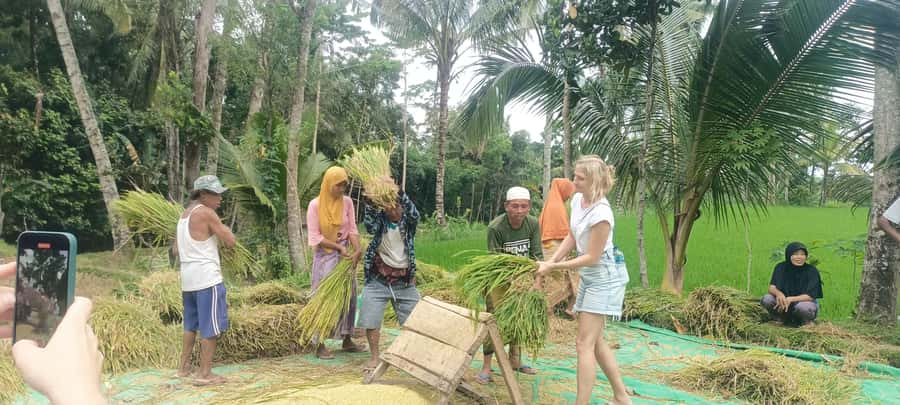
Treat this as an active countryside hike with cultural stops, not as a drive between attractions. You may walk through rice fields, jungle, village lanes, and water. The route becomes harder after rain, and tropical showers can arrive with little warning.
Bring:
- Swimsuit
- Water shoes
- Drinking water
- Sun protection
- A small towel and dry clothing
- Cash for lunch, snacks, drinks, and optional purchases
Water shoes are the most important item. Ordinary sandals may slip, while heavy hiking boots are awkward in knee-deep water. A phone or camera should be protected from splashes, especially near the waterfall.
Alcohol and drugs are not allowed. The activity is not suitable for babies under one year. English is the stated guide language, and the group type is private.
Who will enjoy this Tetebatu day
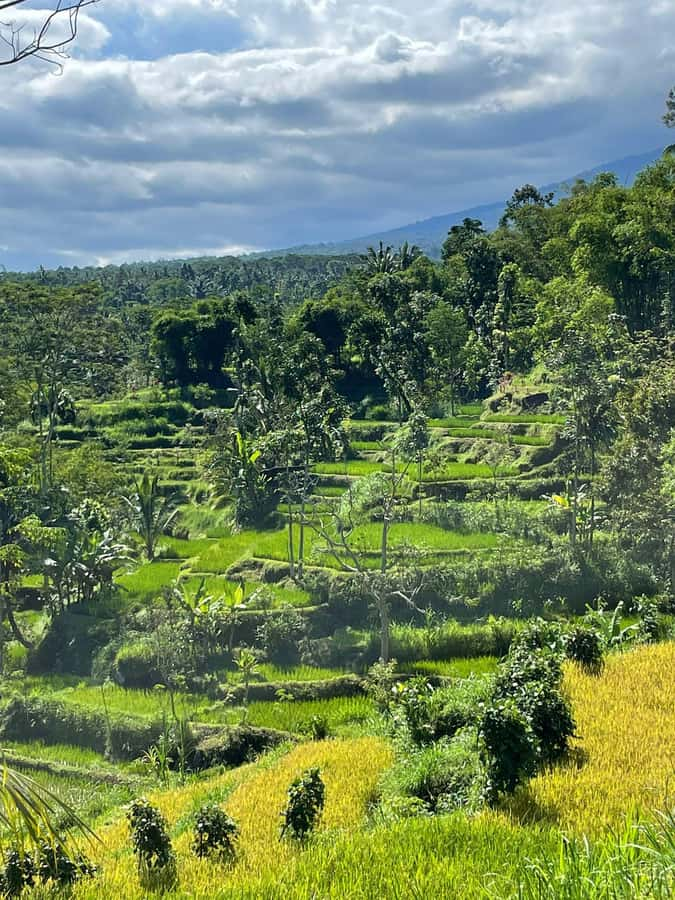
You will likely enjoy this tour if you want a broad introduction to Tetebatu in one day and prefer conversation to a silent escorted walk. It suits people who like plants, food, farming, wildlife, light adventure, and hands-on village activities.
It is especially good for couples and small private groups. The guide can slow down for photographs, spend more time on rice cultivation, or help you search longer for black monkeys. The experience also suits curious solo visitors who want local company without joining a large group.
I would be cautious if you dislike slippery ground, swimming, uneven paths, or changing weather. The tour description should be read as an active route, not a gentle stroll. If you want a short waterfall visit followed by easy transport, this may feel like too much walking.
Should you book this Tetebatu experience?
Book it if you want Tetebatu explained from the inside: how plants are used, how rice is grown, how bamboo is worked, and where to look for black monkeys. At $21, it offers unusually good value for a private, guide-led day, as long as you remember to add food and possible transport costs.
Ask about the day’s exact waterfall route and transport fee if you are coming from outside Tetebatu. Then bring water shoes, accept that rain may change the order, and leave room for the guide to shape the experience around your interests. For an active introduction to Tetebatu, this is a strong choice.
FAQ
How long does the Tetebatu tour last?
The activity lasts about six hours to one day, with the main schedule listed at approximately six and a half hours. Starting times depend on availability.
What is included in the $21 price?
The price includes a guide and tickets at the destination places. Seasonal fruit may also be provided when available.
Is lunch included?
No. Food, snacks, and transport are not included. You should budget separately for lunch, drinks, and any food purchases.
Is pickup included?
Pickup is free from anywhere in Tetebatu. Pickup elsewhere in Lombok is available for an additional charge based on distance.
Can I swim at the waterfall?
Yes, swimming is part of the experience, and some departures have included swimming at one or two waterfalls. Bring swimwear and water shoes.
What monkeys might I see?
The Monkey Forest has grey monkeys and rare black-collared monkeys. Sightings are possible but not guaranteed.
Is this a private tour in English?
Yes. The activity is a private group experience with an English-speaking live guide and an English audio guide.
Just added around Indonesia
- Ubud Rice terrace,Zip-line and waterfall★ 5.0 · 4 reviews
- Full Day Tour to Water Temples UNESCO Rice Terraces in Bali★ 5.0 · 4 reviews
- Explore Ubud Art Market, Monkey Forest and Rice Terraces★ 5.0 · 16 reviews
- Exploring Munduk Village (Waterfalls, rice terrace, Traditional local house)★ 4.5 · 2 reviews
- Ubud Monkey Forest Rice Terrace Temple Waterfall Private Tour★ 5.0 · 7 reviews
- Jatiluwih Spiritual Journey of Melukat with Rice Terrace View★ 5.0 · 9 reviews
- Private Tour to Sumampan Waterfall, Monkey forest, Rice terraces and Swing★ 5.0 · 30 reviews
- Discover Hidden Waterfall, Unesco Rice Terraces and Mountain Temple★ 5.0 · 17 reviews
Spice Farm Tours, compared.
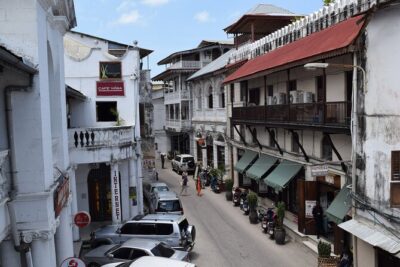
Full-Day Private Stone Town +Spice Farm and Prison Island Tour
Read our review →
Stone Town & Spice Farm Private Tour Lunch Included
Read our review →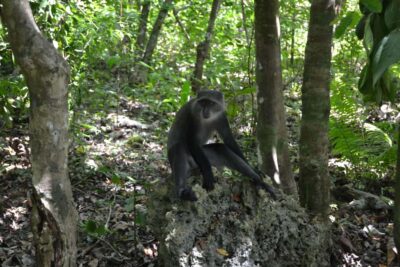
Zanzibar full day Jozani forest + Spice farm and stone town
Read our review →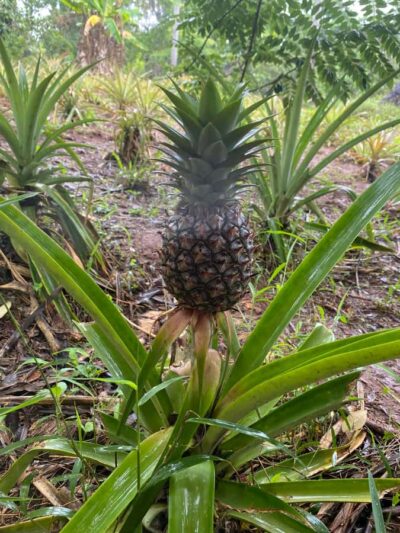
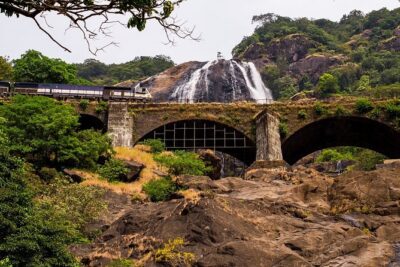
Full-Day Tour Old Goa Dudhsagar Falls and Spice Plantation
Read our review →Browse the lists this tour appears in