
Review · CROATIA
Šmrika (near Rijeka/Krk/Crikvenica) Donkey Farm Family Fun
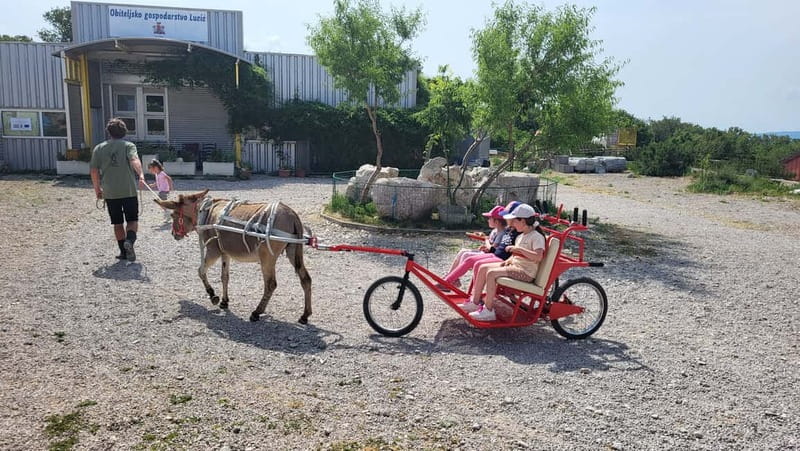
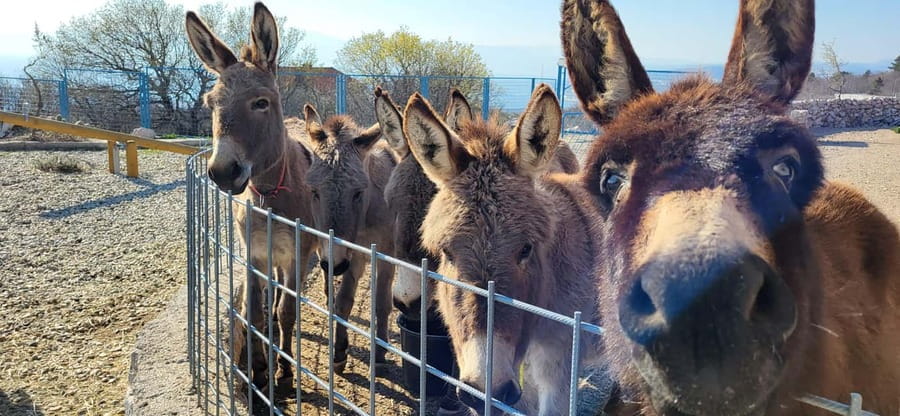
The best part of this small donkey farm near Šmrika is the hands-on contact. Your children can feed, brush, lead, and ride the donkeys without a fence between them. Adults get their own fun, too, with two rounds in a small carriage pulled around the yard.
I like the easy family pace and the chance to learn about Croatia’s endangered littoral Dinaric donkeys, not just snap a quick animal photo. I also like the wide Kvarner Bay view and the playground, which gives children something to do between activities. The main drawback is that the riding time is short, and the farm closes in rain or strong wind.
Key points to know before you go
- Two short donkey rides for children up to 35 kilograms: A gentle first animal experience, but not a long trail ride.
- Two carriage rounds for adults and children: The unusual cart activity gives parents a way to join the fun.
- Direct feeding and grooming: You can touch, brush, and lead the donkeys without a barrier.
- A working farm with a conservation purpose: Learn why littoral Dinaric donkeys are protected and endangered.
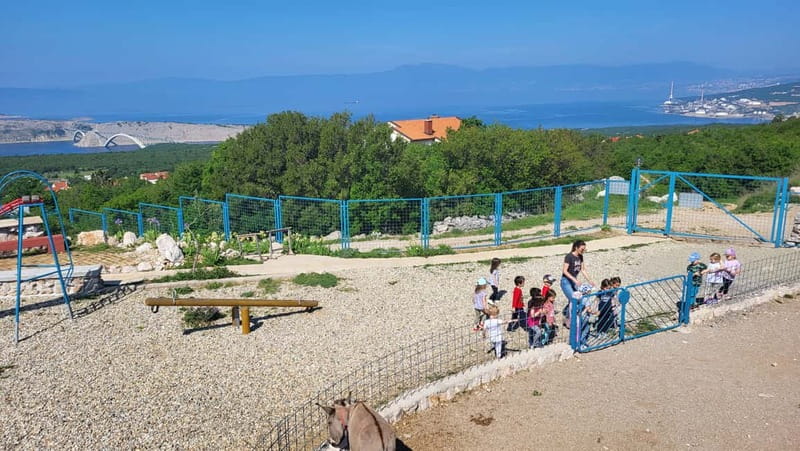
- Kvarner Bay views and a children’s playground: The setting works well for a relaxed family stop.
- Weather matters: Rain or strong wind can close the farm, so check before setting out.
Meeting donkeys above Kvarner Bay
This is the kind of stop that works best when your family wants a break from beaches, old towns, and car time. The farm sits in Šmrika, within easy reach of Rijeka, Krk, Crikvenica, and the Kvarner coast. It combines a small animal encounter with a short lesson about rural Croatia.
The setting adds plenty. From the farm, you can look across much of Kvarner Bay while children play in the yard. The animals are the main attraction, but the view keeps the adults interested. You are not being taken through a large commercial park. The experience feels tied to the land, the animals, and the family running the farm.
The visit is guided in Croatian, English, or German. Marco is specifically noted as a German-speaking guide, and the farm owner speaks English very well. That matters here because the visit depends on conversation. You will hear about donkey behavior, feeding, breeding, milk production, and local animal protection rather than simply walking around and guessing what you are seeing.
The farm is wheelchair accessible, though the approach includes a short gravel stretch and a downhill drive into the yard. If mobility is important for someone in your group, it is sensible to confirm the current ground conditions when booking, especially after wet weather.
A few more farm days around the world worth a look
- Half-Day Thai Cooking Class at Organic Farm in Chiang Mai
★ 5.0 · 19,087 reviews - Ubud: Monkey Forest, Jungle Swing, Rice Terrace, and Water Temple
★ 5.0 · 7,160 reviews - Florence Pizza or Pasta Class with Gelato Making at a Tuscan Farm
★ 5.0 · 6,801 reviews
What happens when you arrive
From Rijeka or Krk, leave the expressway at Križišće. At the roundabout, follow signs for Križišće, then turn toward Crikvenica and Split in the center of town. After about 300 meters, turn right at the Kartodrom Bura sign. After 50 meters, take the first left by the Villa Suzi sign onto the short gravel track.
Keep left, pass through the gate, and drive downhill to the parking area. From Crikvenica, Novi Vinodolski, or Senj, pass Jadranovo and turn right toward Križišće. After the sign marking the end of Šmrika, watch for the Kartodrom Bura sign on the left, then follow the same gravel-track instructions.
These directions are worth saving before you leave. The turn is connected to nearby landmarks rather than a grand entrance, and the farm is reached through a gate and down into the yard. Sports shoes are the right choice. You will be walking around a farm, not a paved museum.
Before you set off, check that the farm is open. The activity is not offered during expected rain or strong wind. You can reserve up to one month ahead, with starting times depending on availability, but the weather decision is important on the day itself.
Feeding and grooming the gentle donkeys
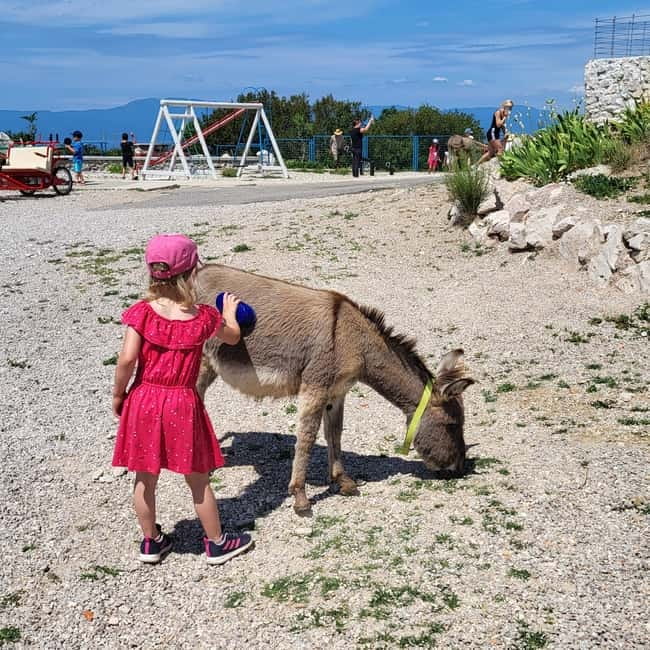
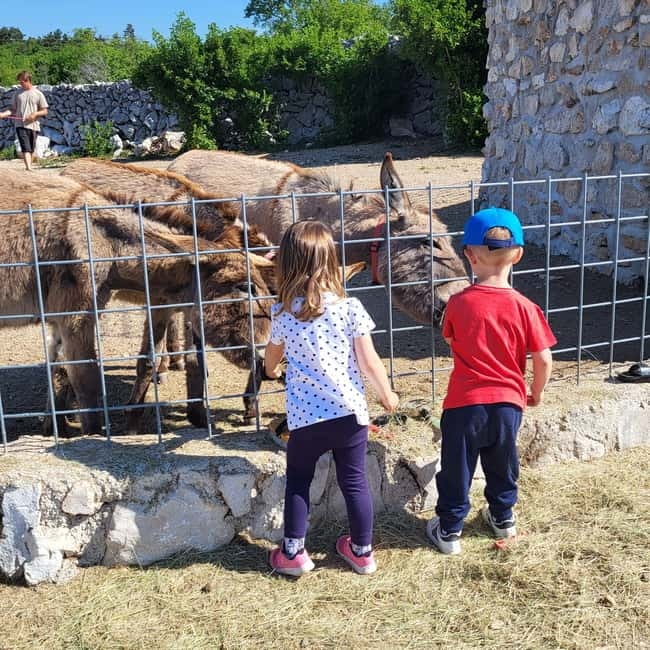
The first hands-on part is usually the most natural one. You can feed and brush the donkeys, stroke them, and learn how to approach them. Children get a close look at their size, ears, coats, and calm movements. The direct contact is more meaningful than seeing animals behind a rail.
You can also lead a donkey on a leash. This turns a familiar idea, that donkeys are stubborn, into a small practical lesson. Your child has to pay attention to the animal rather than simply sit and be carried. The guide can explain how donkeys respond and how their behavior is often misunderstood.
The farm focuses on gentle interaction, but you should still follow the guide’s instructions. Young children may need an adult close by during feeding, brushing, and leading. That is not a flaw in the experience. It is part of teaching children to handle animals with care.
This is also where Marco’s role can make a difference for German-speaking families. The farm owner has been described as explaining the property, the area, and the donkeys in clear English. You get more from the visit when you ask questions, especially if your children want to know why a donkey behaves differently from a horse.
Two riding rounds for children up to 35 kilograms
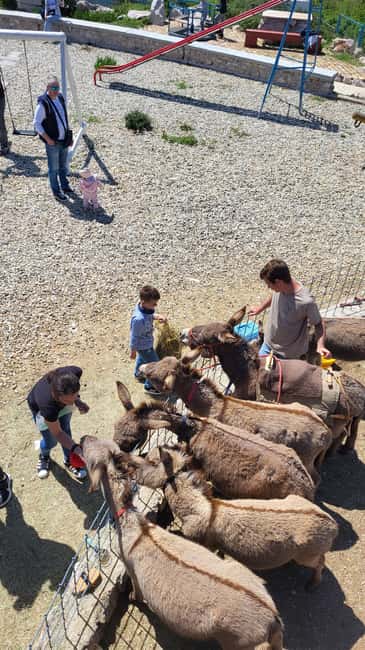
Children weighing up to 35 kilograms can ride the donkeys for two rounds. This is designed as a short introduction rather than a long ride across the countryside. The riding happens at the farm, so it is controlled and easy for parents to watch.
For a small child who has never sat on an animal, two rounds can be just right. The child gets the excitement of climbing on, moving with the donkey, and trying again without being committed to a lengthy activity. It also leaves time for brushing, feeding, the farm walk, and the playground.
The limit is clear: children over 35 kilograms are not included in the donkey riding. Adults do not ride on the donkeys, but they are not left out. The carriage activity gives the whole family another way to take part.
One practical point is time. The riding rounds are short, and one family found the riding a little brief. If your child is expecting a full pony trek, set expectations before you arrive. Think of this as a close animal encounter with a riding element, not an equestrian excursion.
Same fields, a different sort of day out:
- From Porto: 2 Wine Regions, Farm-to-Table Lunch & Boat
★ 4.9 · 5,724 reviews - Ubud: Waterfalls, Water Temple & Rice Terraces Private Tour
★ 5.0 · 5,484 reviews - Ubud: Waterfall, Rice Terraces & Monkey Forest Private Tour
★ 4.9 · 4,894 reviews - Cooking Class and Lunch at a Tuscan Farmhouse with Local Market Tour from Florence
★ 5.0 · 4,831 reviews
The small carriage ride for the whole family
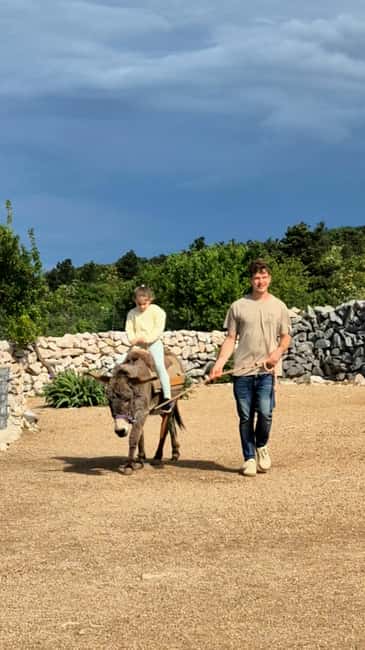
The carriage drive is one of the farm’s unusual features. It is described as the only activity of its kind in Croatia, and it gives both adults and children two rounds around the yard. You sit in a small carriage pulled by a donkey, making this a shared experience rather than a children-only ride.
Parents often appreciate this part because they can take photographs and participate at the same time. It also changes the rhythm of the visit. After children have ridden, everyone can watch the donkey work from a different position and see how the animal responds to the driver.
The ride is around the yard, so keep the scale in mind. This is not a carriage tour through Šmrika or along the bay. Its value is the novelty and the chance to understand how a donkey can pull a small vehicle under supervision.
The two rounds are included in the $10 price per person, along with the children’s riding, feeding, grooming, and educational activities. That is strong value for a family that uses the full visit. If your group only wants a quick ride and plans to leave immediately, the price feels less generous because each activity is intentionally short.
Learning why Croatia’s donkeys need protection
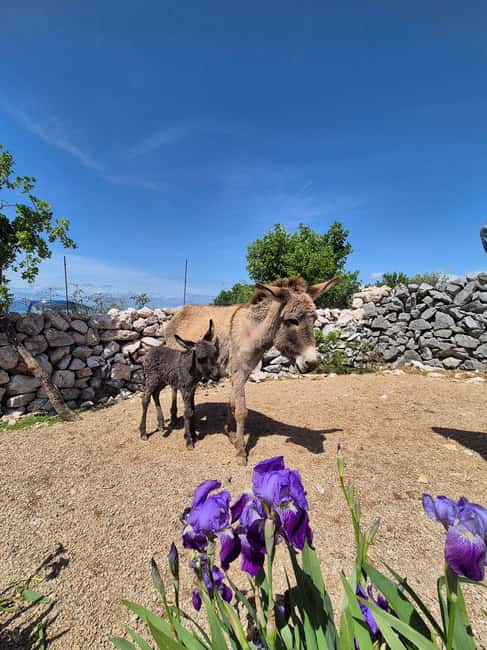
The farm visit has a useful conservation angle. Littoral Dinaric donkeys are part of a program for protected and endangered domestic animals. The guide explains why Croatian donkeys are at risk and how a small farm helps keep the breed alive.
This gives the animals a place in local life beyond their friendly appearance. Donkeys have long been useful farm animals, but modern agriculture and changing rural life have reduced their role. Learning about breeding and care helps you see why maintaining a local breed takes more than simply keeping a few animals.
You also learn about diet and daily care. These details are simple, but they help children understand that an animal encounter is not only about petting. Someone must feed the animals properly, maintain their living area, and plan breeding responsibly.
The discussion of donkey milk adds another local farming subject. You hear how it is produced and why it is regarded as useful for health and immunity. Treat those claims as information about the farm’s practice, not as medical advice. The important point is that the visit connects animals with real farm work and traditional products.
A short walk through the farm
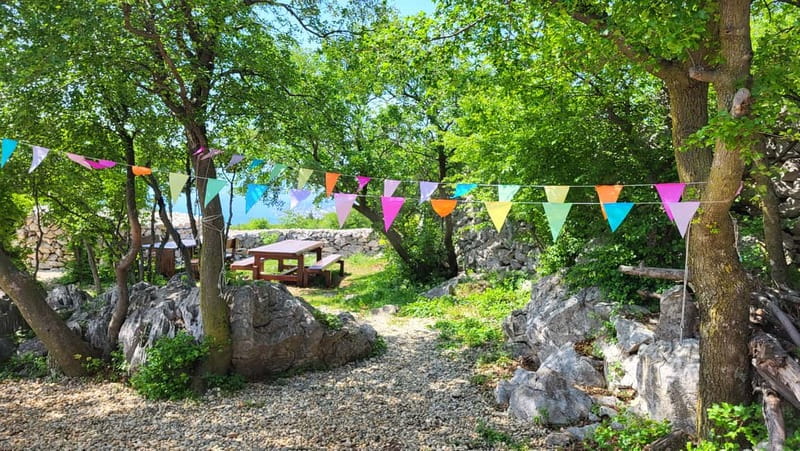
The educational walk takes you beyond the donkeys. You can see the pastures, old water reservoirs, and a green garden area. These details help explain how a small farm uses its land and manages animals in a dry coastal setting.
You will also meet other local domestic animals, including the Hrvatica hen and the Croatian shepherd. That broadens the visit from a donkey stop into a quick introduction to Croatian farm breeds. Children who already know about horses, goats, or chickens can compare what they see here with animals at home.
The walk is guided, so it is not just a look around the property. You can ask about breeding, feeding, and the work needed to keep the farm running. The information will be most useful if you listen for the connection between the animals, the pastures, the water reservoirs, and the garden.
Wear shoes with a firm sole. The farm includes outdoor areas and a gravel approach, and sports shoes are specifically recommended. Avoid treating this as a polished attraction where sandals and dress shoes make sense.
Playground time and the Kvarner view
The playground is a practical part of the visit, especially for families with children of different ages. One child can play while another brushes a donkey or finishes a carriage round. Benches and tables let adults sit down, take in the view, and keep an eye on the children.
The panorama across Kvarner Bay is a major bonus. You get a broad coastal view without having to schedule a separate lookout stop. The farm’s position makes the visit feel connected to the region you are exploring, rather than like an indoor activity that could be anywhere.
There is no food or drink included, so plan around that. The farm provides tables and benches, but the supplied details do not promise a café or a meal service. Bring any needed snacks and drinks according to your plans, and remember that the focus is the farm visit rather than lunch.
This combination of animals, open space, and a playground is why the activity suits families who want a calm half-day-style stop, even though the actual animal activities are made up of short rounds. You can let the children move between the animals and play area instead of rushing from one scheduled item to the next.
Is $10 per person good value?
At $10 per person, the price is modest for what is included. You get two donkey riding rounds for eligible children, two carriage rounds for adults and children, feeding, grooming, farm explanations, a guided walk, and playground use.
The value depends on how much of the visit your group uses. A family with young children can take part in nearly every activity. Adults can join the cart ride and the educational side, while children get the riding and hands-on animal contact. That makes the price easier to justify than an attraction charging only for a brief photo opportunity.
Keep the riding limit in mind. Children must weigh no more than 35 kilograms, and the riding itself is short. The carriage ride helps balance that limitation, but families with older children may find the visit more about learning, grooming, and seeing the farm than riding.
You can cancel up to 24 hours in advance for a full refund and reserve now while paying later. Those terms are useful for a coastal holiday, where weather and changing day plans can affect your schedule. The farm does not open in bad weather, so flexibility is especially helpful.
Who should book this farm visit?
I would choose this for families with younger children, especially those who enjoy animals and benefit from short activities with room to play. It also suits adults who want something gentle and local between beach days and sightseeing in Rijeka, Krk, or Crikvenica.
The visit is a good fit if you value direct contact, conservation information, and a small family-run setting. It is less suitable if you want a long horseback-style ride, a full meal, or a large attraction with many organized activities.
German-speaking families should note that Marco can guide in German. English is available through the farm, and Croatian is also offered. If your children are curious and willing to ask questions, the language support will help them get more from the animal-care lessons.
Leave pets at home. Pets are not allowed on the farm. Also check the forecast before driving over, since rain and strong wind can close the property.
Should you book Donkey Tours Croatia?
Book it if your family wants a friendly animal encounter with real educational value, not just a quick ride. The combination of feeding, grooming, carriage driving, a short farm walk, endangered local donkeys, and the Kvarner view gives you more substance than the low price suggests.
I would not book it expecting a long donkey trek. The rides are brief, and the children’s riding is limited to those up to 35 kilograms. For younger children who want to touch, brush, feed, and ride a gentle animal, the balance is excellent. For older children and adults, the cart ride and farm story are the stronger reasons to go.
FAQ
Where is the donkey farm located?
The farm is in Šmrika near Rijeka, Krk, and Crikvenica, in the Kvarner region of Croatia. The directions use the Križišće and Kartodrom Bura signs, followed by a short gravel track near Villa Suzi.
How much does the experience cost?
The listed price is $10 per person.
How long is the activity?
The booking is valid for one month, with starting times based on availability. A specific visit duration is not provided, so check the available time when reserving.
Can adults ride the donkeys?
Donkey riding is included for children up to 35 kilograms. Adults and children can take two rounds in a small cart pulled by a donkey.
What languages are available?
The guided experience is available in Croatian, English, and German. Marco is identified as a German-speaking guide, and the farm owner speaks English well.
Is the farm open in bad weather?
No. The farm does not open when rain or strong wind is expected. Sports shoes are recommended, and pets are not allowed.
Just added around the world
- Ubud Rice terrace,Zip-line and waterfall★ 5.0 · 4 reviews
- Full Day Tour to Water Temples UNESCO Rice Terraces in Bali★ 5.0 · 4 reviews
- Explore Ubud Art Market, Monkey Forest and Rice Terraces★ 5.0 · 16 reviews
- Exploring Munduk Village (Waterfalls, rice terrace, Traditional local house)★ 4.5 · 2 reviews
- Ubud Monkey Forest Rice Terrace Temple Waterfall Private Tour★ 5.0 · 7 reviews
- Private Tour to Sumampan Waterfall, Monkey forest, Rice terraces and Swing★ 5.0 · 30 reviews
- Discover Hidden Waterfall, Unesco Rice Terraces and Mountain Temple★ 5.0 · 17 reviews
- Jatiluwih Spiritual Journey of Melukat with Rice Terrace View★ 5.0 · 9 reviews
Croatia Farm Tours, compared.
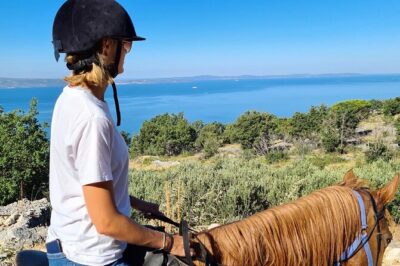
Ranch 22 Podstrana, ” Horse riding 12 km from SPLIT “
Read our review →
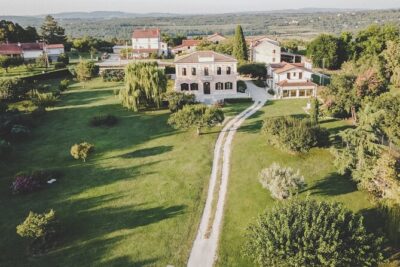
Buje: Authentic Istrian family farm, guided walk, foods & wine
Read our review →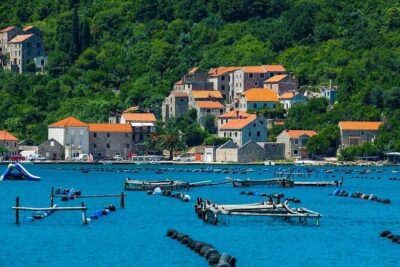
Oyster farm experience / Private day trip from Dubrovnik
Read our review →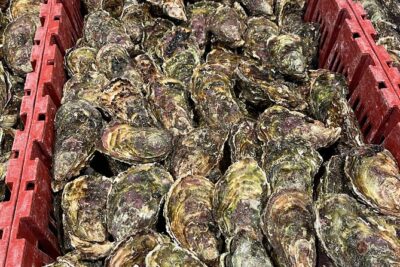
Private Authentic Family Home Local Lunch from Farm From Split
Read our review →
From Dubrovnik: Mali Ston Oysters Farm & Boat Experience
Read our review →
Browse the lists this tour appears in