
Review · ITALY
Slowlife Family Farm: From Garden to Table
The most unusual part of this farm-to-table experience is that the table is only one piece of the story. You begin among rare Sicilian vegetables and an ancient sacred site, then follow wheat through milling and pasta making before sitting down to food prepared by the group. Jess and Carlo bring a personal connection to the land that gives the visit a warm, lived-in feel.
I like the chance to see unusual crops such as the Giant Onion of Giarratana, which can weigh more than 2 kilograms, and I like that the cooking class starts with wheat rather than a packet of ready-made flour. The river, old water mill, archaeological remains, and food pantry also give the four hours plenty of variety.
The main consideration is access. This is not suitable for people with mobility impairments, and the farm is not a simple cooking studio. You will walk around an outdoor property, so wear sensible shoes, bring water and a sun hat, and contact the farm before booking because the calendar is not always up to date.
Key points to know before booking
- A real working farm: You gather ingredients from an organic garden and may learn about edible wild plants before preparing lunch.
- Wheat becomes pasta: The class covers milling wheat and making pasta with modern tools.
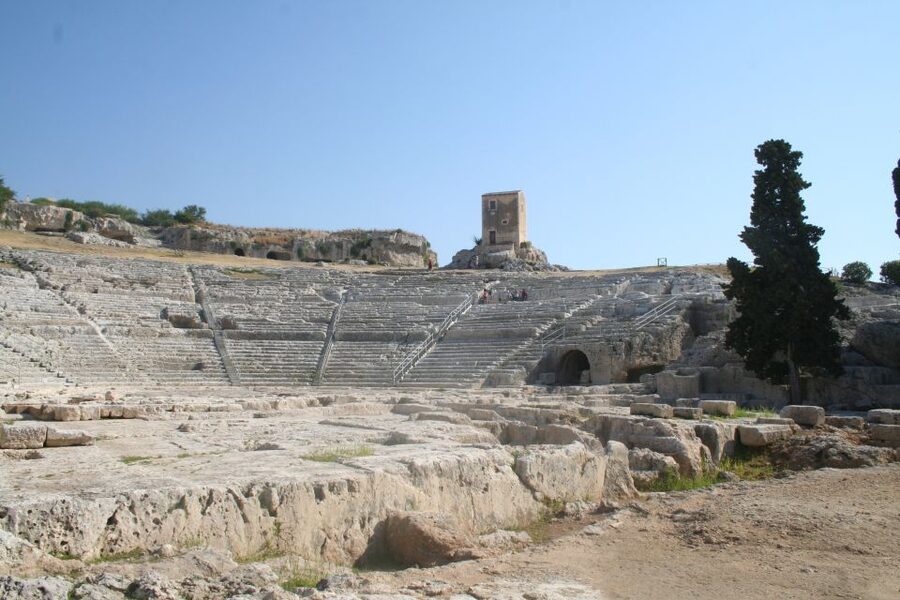
- Ancient sites on private land: Greek and Roman altars have been found on the farm, which has been a sacred site for more than 2,500 years.
- River time is part of the setting: A canyon river and an old lagoon offer the chance to swim when conditions permit.
- Small-group format: The group is limited to 10 people, with English and Italian available.
- Price includes more than lunch: At $164.26 per person, the cost covers the guides, farm visit, cooking class, wine tasting, olive oil tasting, and garden activities, but not transport.
A farm where archaeology meets the kitchen
Slowlife Family Farm is not built around one polished attraction. Its appeal comes from the way several parts of rural Sicily fit together: food growing, local producers, archaeology, water, and a family’s decision to live off the grid for 16 years.
That mix makes the experience more substantial than a standard pasta lesson. You are not simply shown how to shape dough, then sent home with a recipe. You see where some of the ingredients come from, learn how local vegetable varieties are protected, and take part in preparing the meal.
The hosts, Jess and Carlo, are central to the mood. The experience is presented as their home and long-term project, not as a stage set built only for visitors. That matters if you enjoy meeting people who have made a serious lifestyle choice and are willing to explain how it works.
The farm also supports local wheat, olive oil, and wine producers. So the food is connected to a wider network of Sicilian agriculture rather than relying only on what grows behind the house.
A few more farm days around Italy worth a look
- Florence Pizza or Pasta Class with Gelato Making at a Tuscan Farm
★ 5.0 · 6,801 reviews - Cooking Class and Lunch at a Tuscan Farmhouse with Local Market Tour from Florence
★ 5.0 · 4,831 reviews - Sorrento Farm and Food Experience including Olive Oil, Limoncello, Wine tasting
★ 5.0 · 2,524 reviews
The organic garden and rare Sicilian vegetables
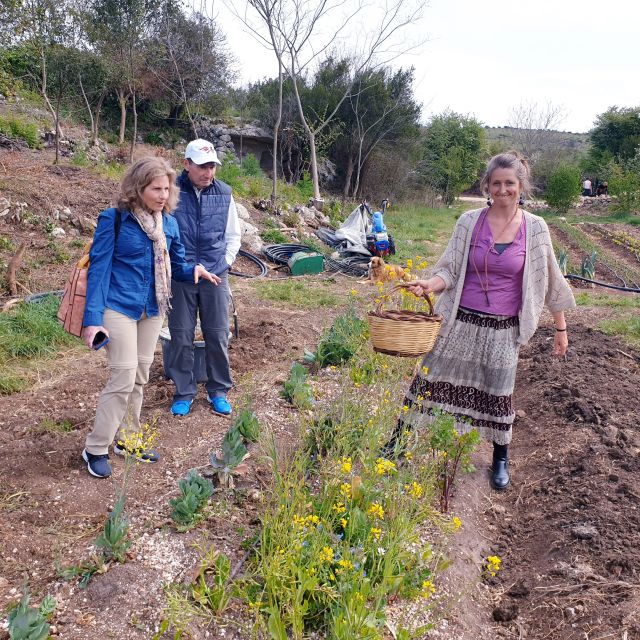
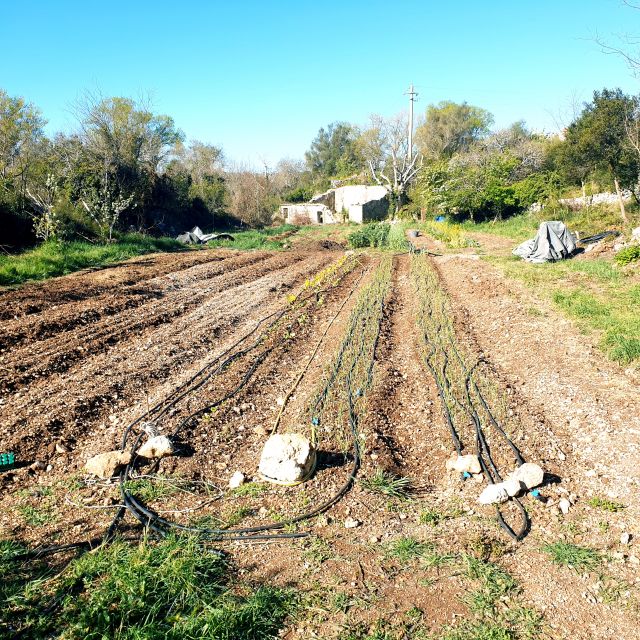
The garden is one of the strongest reasons to book this experience. Slowlife Family Farm researches vegetable varieties protected by the Slow Food movement and grows them in its organic garden. Depending on the season, you may see and taste plants that are not common in ordinary markets.
The star example is the Giant Onion of Giarratana, an endemic Sicilian variety that can grow beyond 2 kilograms. Traditionally, it is baked directly on an open fire. You may not see it at every visit, since garden produce depends on the season, but its presence gives you a useful lesson in how much local food culture can be tied to one particular crop.
I like this part because it changes the way you think about a familiar ingredient. An onion is no longer just a base for a sauce. Its size, growing conditions, cooking method, and local identity all become part of the meal.
You also learn about the farm’s gardening methods. The supplied information does not list every technique, so you should not expect a fixed lecture with a set demonstration. Instead, the visit appears to be shaped by what is growing and what the guides choose to show you that day.
Gathering ingredients from the garden and countryside
The food preparation begins before anyone reaches the kitchen. You gather produce from the organic garden and learn to recognize edible wild plants with a qualified nature guide.
This is useful for anyone who wants more than a recipe to take home. It helps you understand how Sicilian cooking often depends on what is available close by, including plants that might be ignored by people unfamiliar with the area.
The wild-plant portion also requires attention. You should follow the guide rather than picking anything on your own. The point is recognition and responsible use, not a casual walk through the property.
Because the farm is outdoors, the time of year will shape the experience. The garden may offer different vegetables, and some rare varieties may not be ready to taste. That natural variation is part of the appeal, but anyone expecting a precise menu should keep expectations flexible.
From wheat milling to handmade pasta
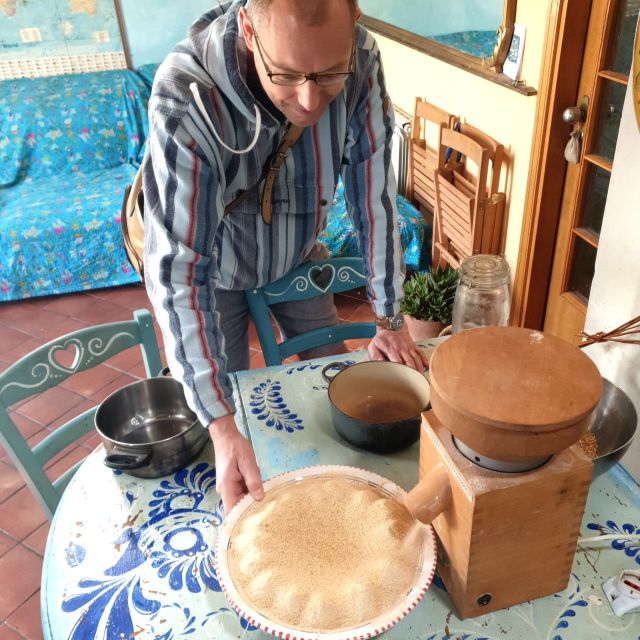
The cooking class is called From Wheat to Pasta, and that wording is important. The process begins with milling wheat using modern tools, then moves toward pasta preparation.
For many visitors, this will be the most hands-on part of the visit. You are not only watching a cook work. You take part in turning a basic grain into something suitable for the meal, which makes the final plate feel earned.
I especially like the link between the farm’s support for local wheat producers and the cooking lesson. You can connect the ingredient in the pantry to the work required before flour ever reaches a kitchen. That context is often missing from short pasta classes.
The supplied details do not specify the pasta shape, exact recipe, or kitchen equipment beyond modern milling tools. The class should therefore be approached as a practical introduction to the grain-to-pasta process rather than a guaranteed lesson in one particular regional shape.
The cooking is done as a group, which can be social and cooperative. It may also mean that not every participant spends the same amount of time on every task. A small group of no more than 10 helps, but this is still a shared class rather than private instruction.
Same fields, a different sort of day out:
- Sorrento: Pizza Lesson, Wine, and Limoncello at a Local Farm
★ 5.0 · 1,513 reviews - Florence: Pizza or Pasta Class with Gelato at a Tuscan Farm
★ 4.9 · 1,181 reviews - Hands-On Cooking Class & Farmhouse Tour on the Amalfi Coast
★ 5.0 · 956 reviews - Pizza School with Wine and Limoncello Tasting in a Local Farm
★ 5.0 · 845 reviews
Lunch built by the group
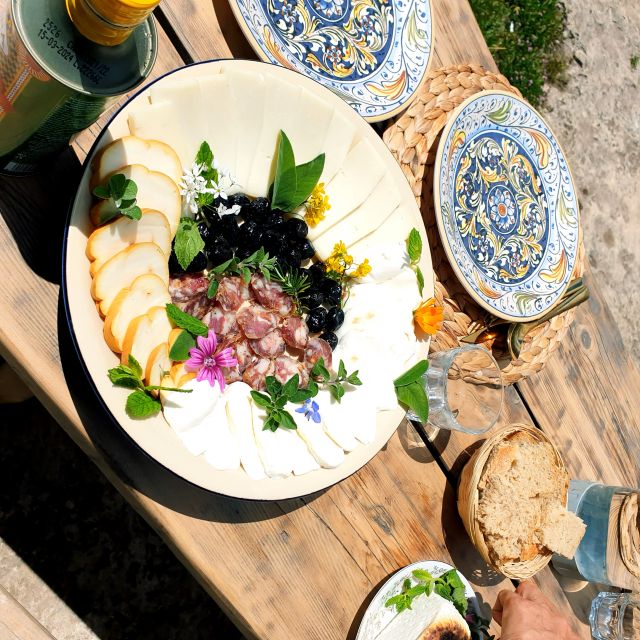
After the garden visit, wild-plant recognition, and pasta work, everyone helps prepare a Sicilian lunch. The meal is the payoff, but it is also a way to bring the earlier parts of the tour together.
You may taste vegetables that you saw growing, use ingredients gathered on the property, and eat pasta made from wheat that was milled during the class. That sequence gives the meal a clear sense of place.
One particularly strong aspect is the satisfaction of starting close to the beginning of the process. You do not plant the wheat or raise every ingredient, of course, but you see enough of the chain to understand the effort behind a simple dish.
The menu is not provided in detail, so do not book this expecting a named list of courses. The food will depend partly on the garden and season. If you have allergies or specific dietary needs, contact the local partner before booking rather than assuming the menu can be changed.
Olive oil, wine, and the historical pantry
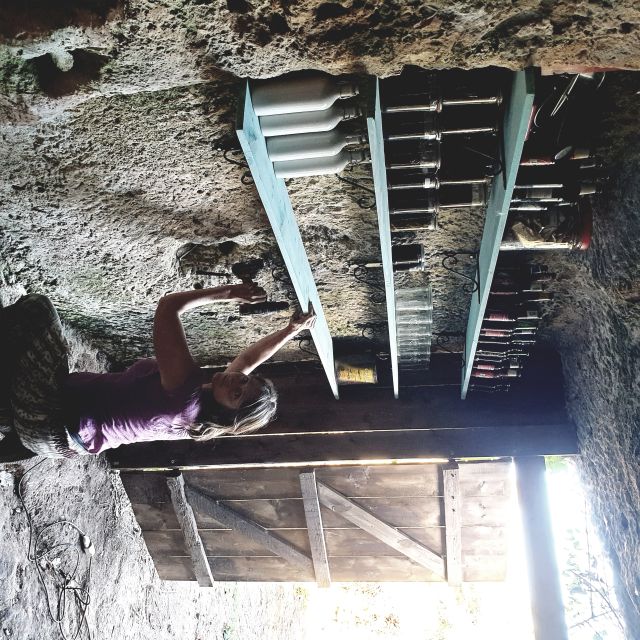
The food is paired with tastings of local olive oil and wine. These are not add-ons to rush through at the end. They fit the farm’s wider purpose of supporting nearby producers and explaining the ingredients that shape Sicilian meals.
The historical food and wine pantry is included in the visit. It gives you a place to connect the agricultural side of the tour with storage, preservation, and everyday food culture, though the supplied details do not specify how the pantry is arranged or which individual products you will taste.
The olive oil tasting should appeal to anyone who wants to pay closer attention to a staple often taken for granted. You may find that the comparison is more useful after seeing the garden and hearing about local production.
Wine is served as part of the experience, so consider that when planning your day. The listing does not specify how many wines are poured or whether nonalcoholic alternatives are available. Ask ahead if that matters to you.
Greek and Roman remains under the trees
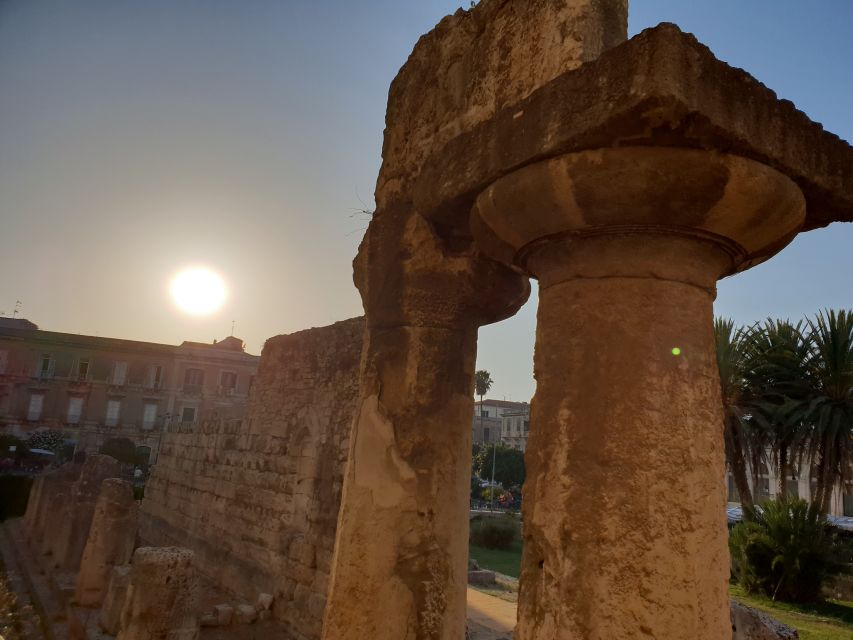
The farm has been a sacred site for more than 2,500 years. Archaeologists have found altars associated with Greek and Roman use, and a licensed historical guide leads the archaeological portion of the visit.
This adds real depth to the outing. You are not visiting a farm in isolation. The same piece of land has been valued, used, and given meaning by different communities over a very long period.
The archaeological tour is likely to interest anyone who wants history in a physical setting rather than inside a museum. You can see the remains in the place where they were used, then return to a modern family project growing food on the same ground.
The word historical should not make you expect a fully excavated monument complex. The supplied information mentions archaeological sites and ancient altars, but not the number, condition, or size of the remains. The licensed guide is included, and the exact route may depend on the property and current conditions.
The river, canyon, and old water mill
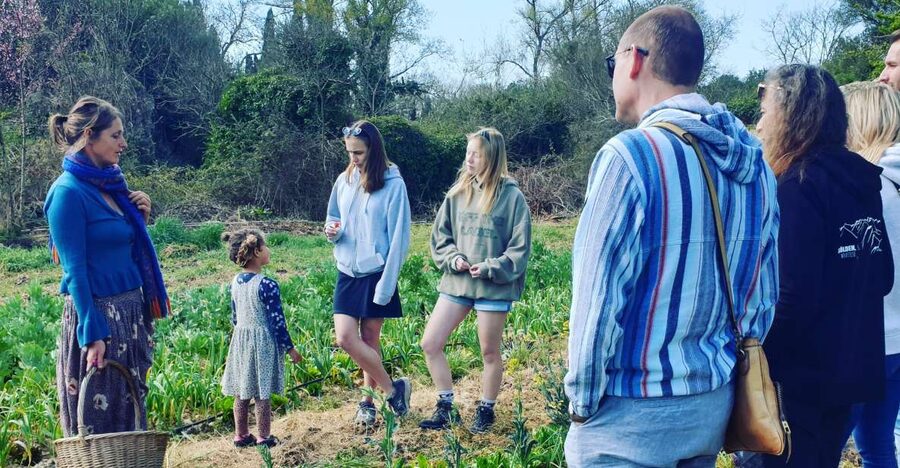
The farm lies within one of Sicily’s famous canyons and is touched by a striking river. The setting includes mature trees, an ancient lagoon, and an old water mill that is being restored.
You may have the opportunity to swim in the river, which can make the outing feel like a country escape rather than a cooking class with a short garden tour attached. Bring suitable clothes if you hope to swim, but do not treat swimming as guaranteed. Water conditions, timing, and the day’s program may affect what is possible.
The old mill is another valuable stop because it connects naturally with the wheat lesson. A mill is not simply an attractive ruin here. It helps explain how grain was processed before modern equipment and why the farm’s grain-to-pasta activity has a clear historical link.
The property’s outdoor setting does mean you should prepare for uneven ground, sun, and walking between stops. Comfortable shoes, water, and a sun hat are specifically recommended. The experience is not suitable for people with mobility impairments.
What the $164.26 price includes
At $164.26 per person, this is not the cheapest pasta class in Sicily. The value depends on how much of the full visit you use.
You are paying for a four-hour experience that combines a historical guide, a nature guide, the organic garden, the pantry, local wine and olive oil tastings, a cooking class, and lunch preparation. If you only want to learn one pasta shape, the price may feel high.
If you want several connected activities in one small-group visit, the cost is easier to justify. A separate archaeological tour, food tasting, garden visit, and cooking class could quickly add up, and this experience links them without making each part feel entirely separate.
Transport is not included. The stated meeting point is Via Malta, 7, 96100 Siracusa, though an alternative meeting point may be arranged based on your accommodation. You will need to organize your own taxi or other transport, including the return if the meeting point changes.
The group limit of 10 is another positive factor. You should have more access to Jess and Carlo than you would in a large coach group, though the experience remains shared and hands-on rather than private.
Timing, meeting details, and smart preparation
The visit lasts four hours, but starting times can be customized. The calendar is not always updated, so contact the local partner before booking. This is especially important if your schedule depends on a particular morning or afternoon.
The usual meeting point is Via Malta, 7, in Syracuse. A different pick-up point may be agreed based on where you are staying, but transport is not included in the price.
Wear comfortable shoes suited to an outdoor farm. Bring water and a sun hat. If swimming interests you, ask ahead about conditions and what you should bring, since the chance to enter the river is described as an opportunity rather than a guaranteed part of every visit.
The experience is offered in English and Italian. Cancellation is free up to 24 hours before the activity for a full refund, and you can reserve now and pay later. Those policies are useful, but the more important booking step is still the direct message to confirm the time, date, and meeting point.
Who will enjoy this farm visit most
I would recommend this to you if you like food with a story attached. It suits people who enjoy learning how ingredients are grown, processed, cooked, and shared, rather than simply eating a finished meal.
It is also a good match for visitors interested in rural life, local food preservation, archaeology, and nature. The farm’s rare vegetables, ancient remains, river, water mill, and pantry give the four hours a broad range of subjects.
Families and couples may appreciate the varied pace, though the outdoor setting and mobility limits need careful thought. Pasta lovers will enjoy the wheat-to-flour-to-pasta sequence, while history fans will value the Greek and Roman remains.
I would hesitate to recommend it if you want a tightly timed cooking lesson, a guaranteed menu, or a fully accessible site. The farm experience depends on the season and the property itself. Its charm comes from that real-world character, but it also means less control than you get in a city cooking school.
Should you book Slowlife Family Farm?
Book it if you want a personal, full-bodied Sicilian day built around food, land, and time. The strongest reasons are the rare garden crops, the wheat-milling lesson, the archaeological sites, and the chance to prepare lunch with Jess and Carlo rather than simply watch a demonstration.
Skip it if your priority is a short, polished pasta class in central Syracuse or if walking outdoors is difficult. At $164.26, the price makes sense when you take advantage of the whole four-hour program, including the garden, history, tastings, cooking, and river setting.
Before paying, contact the farm to confirm the date, starting time, meeting point, seasonal garden activities, and swimming conditions. With those details settled, this offers a thoughtful way to connect a Sicilian meal with the ground and people behind it.
FAQ
How long does the Slowlife Family Farm experience last?
The experience lasts four hours. Starting times should be confirmed with the local partner because dates and times can be customized and the calendar is not always updated.
Where is the meeting point?
The stated meeting point is Via Malta, 7, 96100 Siracusa. An alternative meeting point may be arranged based on your accommodation.
Is transportation included?
No. Taxi service and pick-up or drop-off transport are not included in the price.
What languages are available?
The experience is available in English and Italian, with a live guide.
What is included in the price?
The price includes a licensed historical guide for the archaeological tour, a qualified nature guide for edible wild-plant recognition, the organic garden visit, the historical food and wine pantry, local wine and olive oil tastings, and the wheat-to-pasta cooking class.
Is the experience suitable for people with mobility impairments?
No. The experience is listed as unsuitable for people with mobility impairments. Comfortable shoes, water, and a sun hat are recommended.
Just added around Italy
- Traditional Farmhouse Cooking Experience in Lucca with Lunch or Dinner★ 5.0 · 34 reviews
- Farm-to-table Food Experience★ 5.0 · 23 reviews
- La Maliosa Farm Experience & Wine Tasting★ 4.5 · 29 reviews
- Sorrento: Authentic Lemon Experience at a Farm with Tastings★ 5.0 · 6 reviews
- Sorrento Half-Day Farm Experience: Pizza, Cheese Making and Wine★ 5.0 · 17 reviews
- Marì Cooking Class in a Family Farm with Amalfi Coast view★ 5.0 · 11 reviews
- Amalfi Coast & Sorrento Cooking Class School at Farmhouse★ 5.0 · 25 reviews
- Paestum and Buffalo Farm Day Tour from Sorrento★ 5.0 · 3 reviews
Italy Farm Tours, compared.
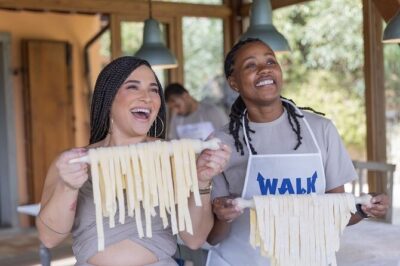
Florence Pizza or Pasta Class with Gelato Making at a Tuscan Farm
Read our review →
Cooking Class and Lunch at a Tuscan Farmhouse with Local Market Tour from Florence
Read our review →
Sorrento Farm and Food Experience including Olive Oil, Limoncello, Wine tasting
Read our review →
Pizza Lesson, Wine, and Limoncello at a Local Farm
Read our review →
Pizza or Pasta Class with Gelato at a Tuscan Farm
Read our review →
Hands-On Cooking Class & Farmhouse Tour on the Amalfi Coast
Read our review →
Pizza School with Wine and Limoncello Tasting in a Local Farm
Read our review →
Authentic Farm Tour with Pizza, Cheese, Wine & Limoncello Tasting
Read our review →Browse the lists this tour appears in