
Review · SAPA
Sapa: Trekking Through Terraced Rice Fields & Valley 1 Day
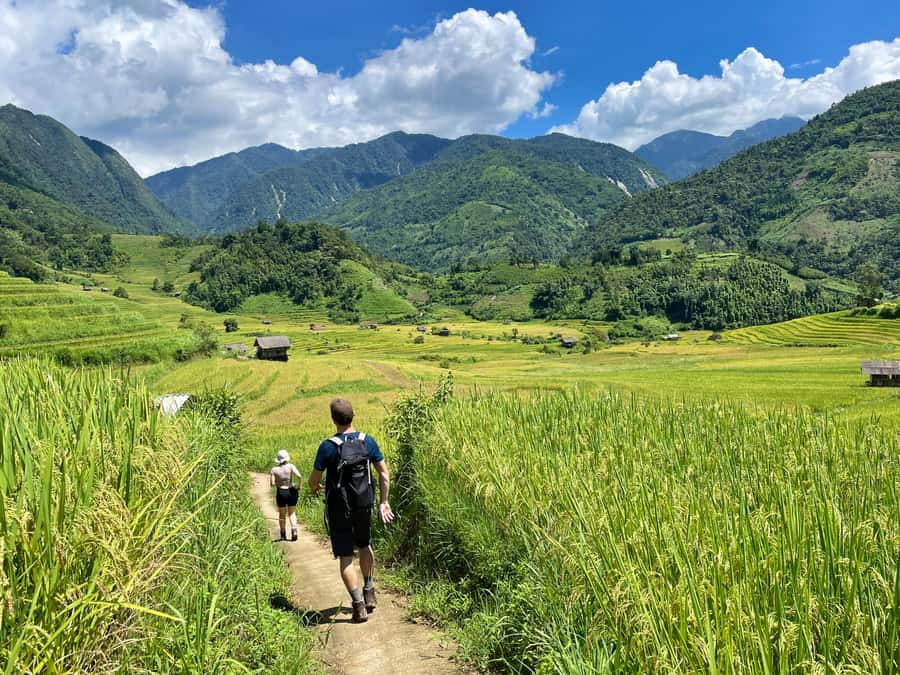
Sapa’s best views come on foot, and this six-hour route gives you a fine slice of the Muong Hoa Valley without asking for a multi-day commitment. You’ll walk from town through bamboo forest, vegetable gardens, rice terraces, and villages linked to the Hmong, Zay, and Red Dao communities. I especially like the lunch beside the stream and the chance to see Hmong cloth being flattened and dyed with indigo.
I also like that transport back to Sapa is included, so you do not need to solve the return journey after several hours on foot. Guides such as Nhu can add a warm, personal touch. The catch is the trail itself: narrow paths and uneven ground make this a poor match for wheelchairs, mobility limitations, and anyone who wants an easy paved walk.
Key points at a glance
- Three distinct village areas: Walk through Y Linh Ho, Lao Chai, and Ta Van, each with its own setting and cultural focus.
- A real valley walk: The route reaches the Muong Hoa River and follows fields and the Muong Hoa Stream.
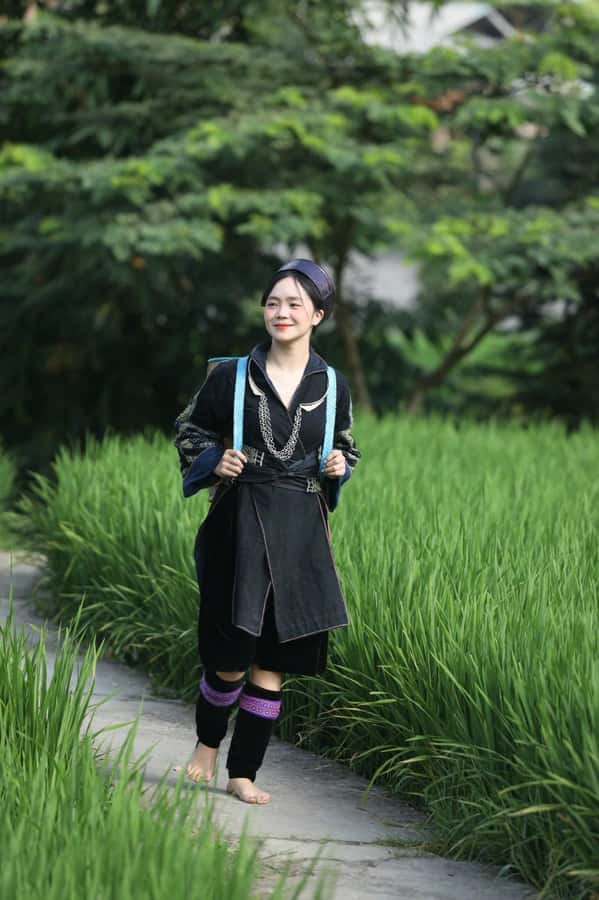
- Local textile traditions: In Lao Chai, you can see Hmong cloth flattening and indigo dyeing.
- Lunch with a view: Eat at a small Black Hmong restaurant beside the stream.
- A practical half-day: The tour lasts about six hours and includes the return transfer to Sapa.
- Strong guide feedback: Nhu was singled out for making one outing especially enjoyable, while another booking was simply called brilliant.
Why this Sapa trek works well
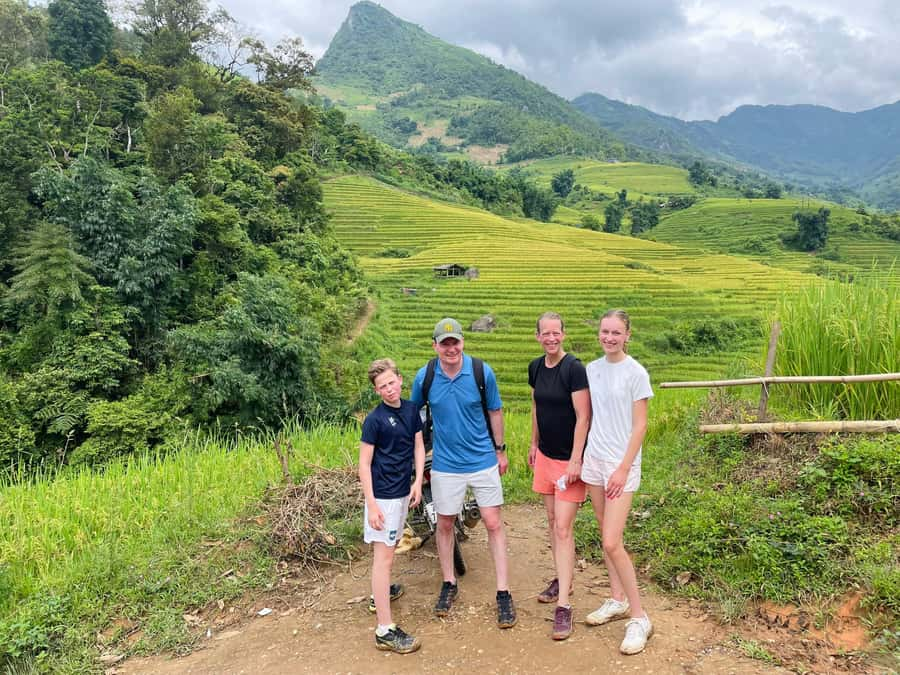
Sapa can be scenic from a roadside viewpoint, but the terraces make more sense when you walk among them. This route takes you away from central Sapa and into the Muong Hoa Valley, where small paths connect fields, streams, forest, and homes.
I like the rhythm of the day. You start with a briefing, walk through gardens and bamboo, reach the river, continue through Y Linh Ho, then spend time in Lao Chai before lunch. The afternoon carries you toward Ta Van and finishes with a transfer back to town. It feels like a proper outing, not just a quick photo stop.
The $30 price is good value if you want a guided route with lunch, village entrance fees, and transport back to Sapa. You are paying for access and local interpretation as much as for the walk itself. Going alone may cost less, but you would miss the explanations about village life, textiles, and the ethnic communities along the route.
This is not a private luxury trip. The group size is not provided, and the exact start time depends on availability. If you want a quiet walk with no other people around, ask about group arrangements before booking. If you mainly want an efficient introduction to Sapa’s valley, the package covers the useful basics.
More Rice Terrace Tours in Sapa
- Explore Sapa by TrekkingAdventures, Mountain,Rice fields
★ 4.9 · 229 reviews - Motorbike 1 Day Off The Beaten Track, Hidden Villages, rice field
★ 5.0 · 203 reviews - Sapa: 2D/1N Trek Rice Terraces & Homestay with Linh
★ 4.8 · 87 reviews
Starting in Sapa and finding the trail
You can be picked up at your hotel in central Sapa, or meet the guide at Sapa Church. That choice is helpful if your accommodation sits outside the central pickup area or you prefer to begin from a clear landmark.
The guide gives you an outline of the day before you leave. Since the route includes several hours of walking, use this moment to ask about the trail, the lunch timing, and the return transfer. The tour ends around 3:00 PM, with the exact start time listed according to availability.
The early part of the walk follows a local trail through vegetable gardens and bamboo forest. This is a gentle way to leave the town behind. Instead of jumping straight into a major viewpoint, you begin with ordinary rural scenery, then gradually reach the broader valley.
After roughly three kilometers, you arrive at the Muong Hoa River. This first section takes about two hours in total, including the walking and sightseeing around Y Linh Ho. Wear shoes with a firm sole. Comfortable footwear is not a minor suggestion here, since the route uses narrow paths and natural ground.
Y Linh Ho: fields, forest, and mountain air
Y Linh Ho is one of the scenic centers of the day. The village is known for its quiet setting, fresh mountain air, green forest, and terraces cut into the slopes. The scenery changes as you walk, with each bend giving you another view across the valley.
The best part is the pace. You are not being rushed from one viewpoint to the next. The guide can explain what you are seeing while you move through the area, and the walk gives you time to notice how the fields follow the shape of the hills.
The terraces look different depending on the season, but the supplied information describes them as lush green fields. Bring a camera, though do not spend the whole time looking through it. The route’s appeal is the combination of views and movement, with the river and forest giving the scenery a sense of depth.
There is also a practical side to this section. Sapa’s mountain weather can change, and a trail that feels easy in good conditions may be slippery after rain. The tour does not claim to be suitable for people with mobility impairments, so be realistic about your balance and walking comfort before booking.
Lao Chai and the Black Hmong way of life
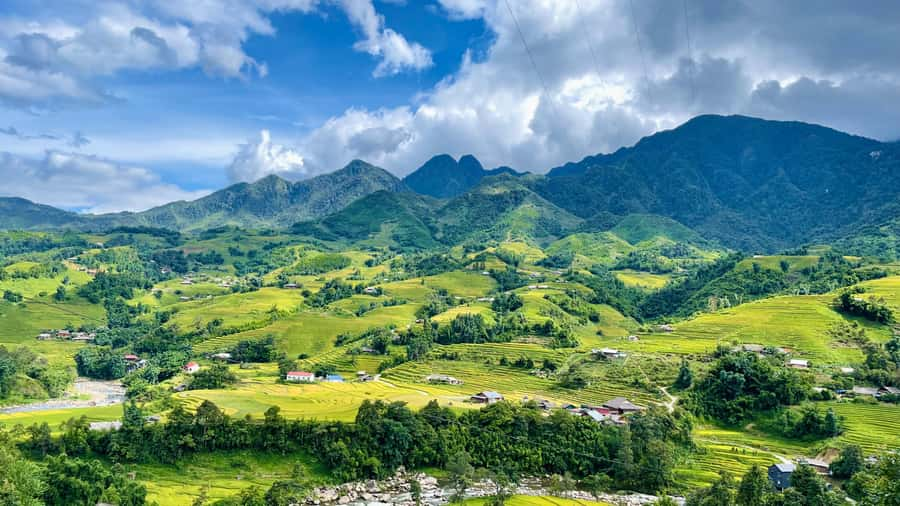
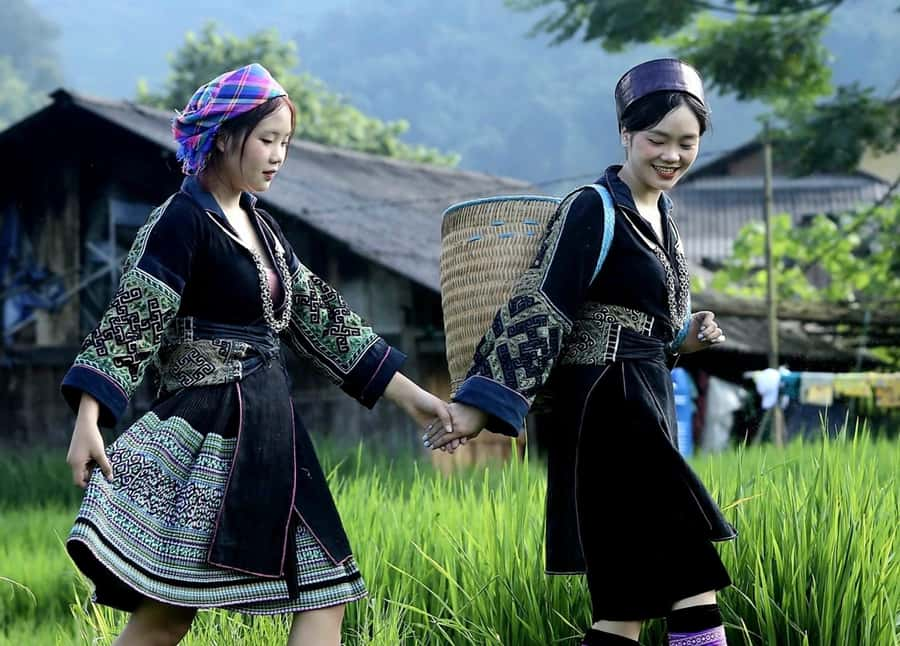
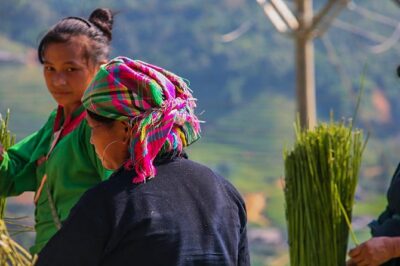
From Y Linh Ho, the path continues through the rice fields toward Lao Chai Village. Lao Chai is home to the Hmong community, and this part of the tour shifts from scenery to daily life.
You can visit traditional houses and see local textile work, including cloth flattening and indigo dyeing. These details matter because they show the work behind the clothing and household items associated with the Hmong community. The stop is not only about taking pictures of a village. It gives you a look at a skill that remains tied to local identity and routine.
The village visit lasts about an hour. That is long enough for a meaningful look, but not so long that the day loses its walking focus. You may have a chance to engage with local residents, but the experience should be approached with courtesy. Ask before photographing people, homes, or textile work.
I appreciate that Lao Chai comes before lunch. After walking through forest and terraces, you reach a place where the cultural side of the trip becomes more direct. The route does not treat the villages as scenery alone. You get context from the English-speaking guide and time to observe rather than simply pass through.
More Rice Terrace Tours in Vietnam
- 1-Day Sapa Long Trek – Rice Field Terrace, Ethnic Culture
★ 4.9 · 62 reviews - Sapa: Love Silver Waterfall, LonelyTree in Heaven-Rice Field
★ 4.9 · 28 reviews - Sapa Half-Day Motorbike Tour: Villages & Rice Fields
★ 5.0 · 22 reviews - SAPA: 1-DAY TREKKING TOUR WITH LOCALS, LUNCH & RICE FIELDS
★ 4.7 · 18 reviews
Lunch beside the Muong Hoa Stream
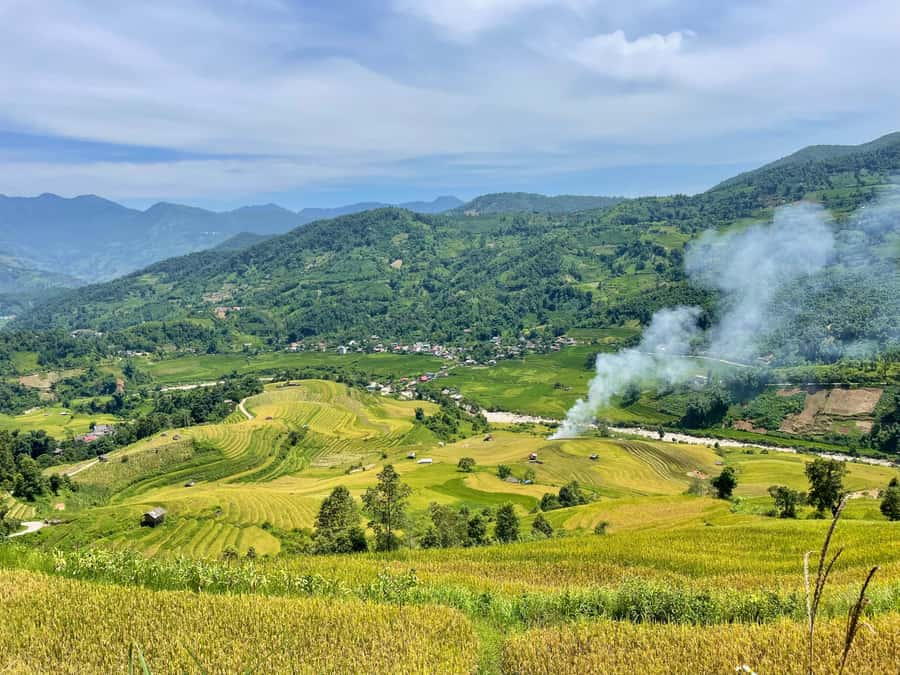
Lunch takes place at a small restaurant run by Black Hmong people, located beside the stream in the Muong Hoa Valley. The meal is included, which keeps the day simple and makes the price easier to judge.
A streamside setting is also a sensible break point. You have already walked for several hours, and the one-hour pause gives you time to eat, rest, and take in the surroundings before the afternoon section. The exact dishes are not specified, so do not book this expecting a particular menu.
This is one of the more appealing parts of the experience for me. The meal is tied to the community and location rather than being a generic stop back in Sapa. It also means you do not need to carry a full lunch, though you should bring water and any personal snacks you need.
If you have dietary restrictions, ask in advance. The provided information confirms lunch is included but gives no details about vegetarian, vegan, allergy-friendly, or special dietary choices.
Ta Van and three ethnic cultures in one valley
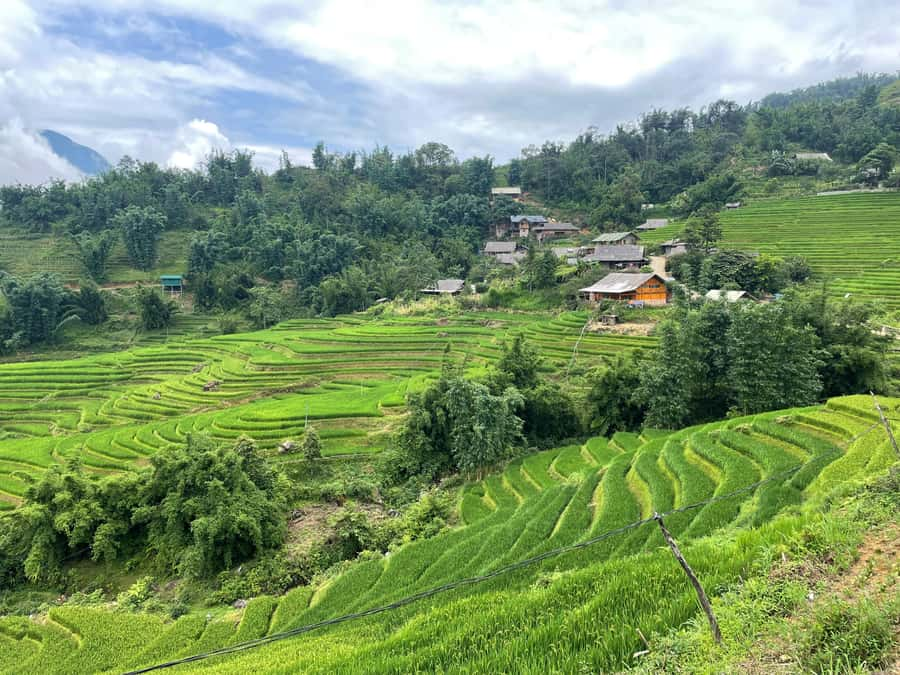
After lunch, the route follows a picturesque path through the fields and along the Muong Hoa Stream to Ta Van Village. This section takes about two hours and forms the final major walking stretch.
Ta Van is associated with Zay, Hmong, and Red Dao communities. That mix gives the afternoon a broader cultural focus than the earlier Lao Chai visit. The guide can help you understand the differences between the communities, while the rural setting gives you a calm place to observe village life.
The walk from Ta Van includes views toward the Hoang Lien Son mountain range. These are the kind of views that reward patience. You may get a broad mountain panorama in one place, then a closer look at fields, homes, or the stream a few minutes later.
The route also offers chances to interact with local residents in peaceful rural surroundings. That wording does not promise a formal cultural performance or a set meeting. Think of it as an opportunity for respectful contact along the way, with the guide helping you understand what you encounter.
Ta Van is a good ending point because it brings together the main themes of the day: terraces, mountain scenery, streams, village life, and several ethnic traditions. By the time you leave, you have seen more than one scenic field and gained a wider picture of the valley.
The return to Sapa around 3:00 PM
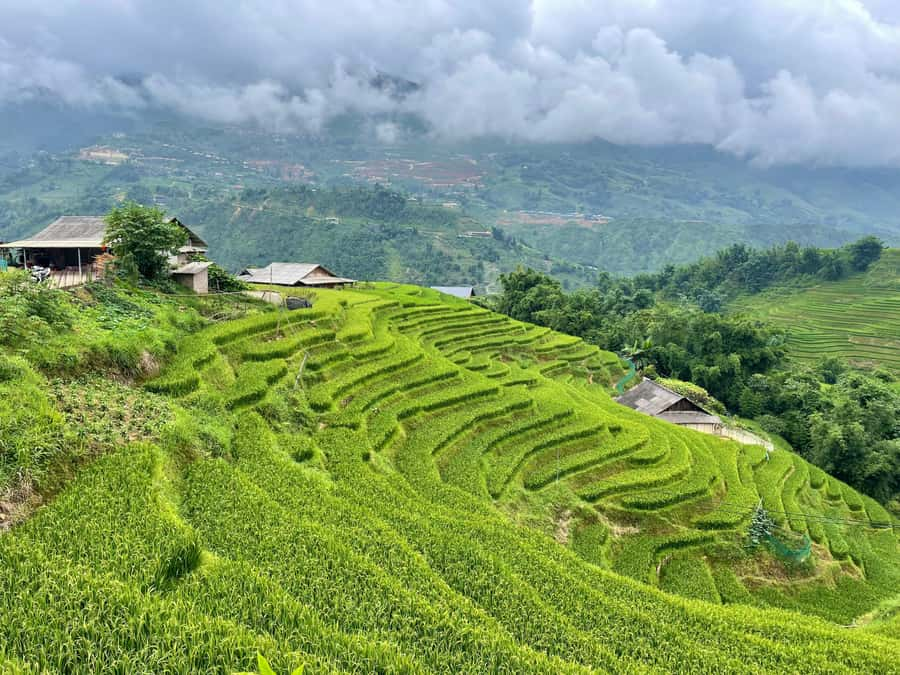
The tour finishes in Ta Van around 2:00 to 3:00 PM, followed by transport back to your Sapa hotel or central Sapa. This included transfer is valuable. After six hours of walking, you do not want to bargain for a ride or work out a route back from the village.
The stated duration is six hours, but start times can vary. Check the available departure time when booking, especially if you have an evening train, bus, or other fixed plan. The information provided gives the tour ending around 3:00 PM, not a guaranteed arrival time for every hotel.
I would leave some breathing room after the tour. Mountain roads and transfers can take longer than expected, and the walking pace may vary with weather and group ability. The return arrangement is covered, but a precise drop-off time is not promised.
How difficult is the walking?
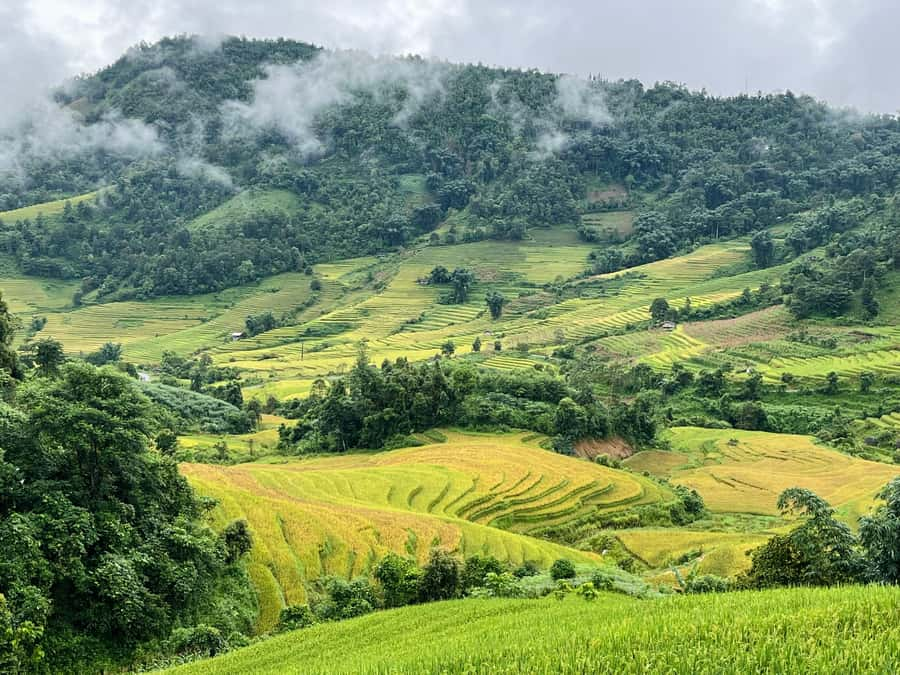
The route is described as trekking and hiking, with narrow paths through rice fields, forest, and village areas. It is not suitable for wheelchair users, pregnant women, or people with mobility impairments.
You should bring comfortable shoes, weather-appropriate clothing, a hat, sunscreen, insect repellent, and a camera. Those items match the setting: you will be outside for most of the day, with sun, insects, changing mountain conditions, and uneven paths all possible.
I would also bring a small amount of water and keep your pack light. The tour includes lunch, so there is no need to carry a large food supply. Your most important preparation is footwear and clothing that can handle a long outdoor walk.
The route is not presented as a technical mountain hike. Still, the absence of a difficulty rating means you should not assume it is effortless. If you walk comfortably on uneven village paths for several hours, it may suit you. If you need frequent paved surfaces or accessible facilities, choose a different Sapa outing.
What the $30 price really includes
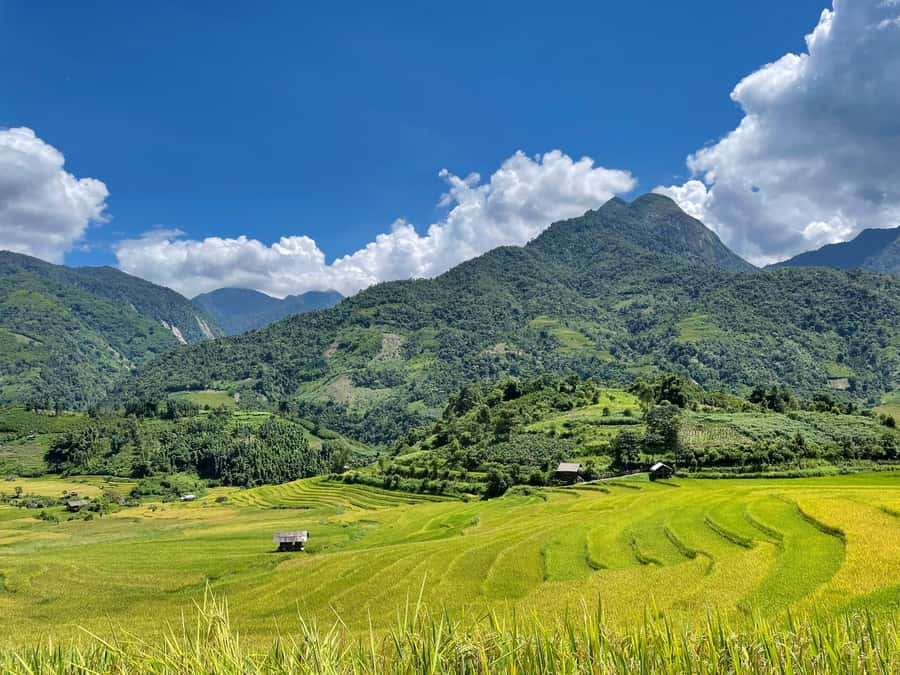
At $30 per person, the trip covers several costs that can add up separately: a professional English-speaking guide, lunch, village entrance fees, and transportation back to Sapa or your accommodation.
That makes the price especially fair for visitors who want structure and local explanation. You are not only buying a walk. You are also paying for someone to lead the route, arrange the meal, cover entrance charges, and help with the return.
Personal expenses and insurance are not included. Plan to pay for your own extras, and do not treat the tour price as travel insurance. The guide language is English, so check that this suits your group before reserving.
Free cancellation is available up to 24 hours before the activity for a full refund. You can also reserve now and pay later, which helps if your Sapa plans depend on weather or other transport. These policies reduce some booking risk, but they do not remove the need to check the exact starting time.
The guide can shape the whole day
A walking tour depends heavily on the person leading it. The available feedback gives special credit to Nhu, with one booking calling the guide a major added value and describing the experience as truly beautiful and immersive. Another booking summed up the trip as brilliant.
That praise is useful because this route has several moving parts. A good guide can explain the communities you meet, point out textile practices, manage the walking pace, and make the transition from scenery to culture feel natural.
The provider is Sapa Odyssey Tour. The tour is offered with a live English-speaking guide, and Nhu is one guide name connected with the experience. Guide assignment may vary, so do not assume Nhu will lead every departure.
The overall rating is 4.8 from four reviews, a small sample but a positive signal. I would give the guide more weight than the number itself. Ask yourself what you want from a guide: basic navigation, cultural explanation, help with communication, or all three. This experience is designed around having a guide, not simply following a marked path.
Who should book this experience?
I would recommend it to you if you have one day in Sapa and want a balanced mix of scenery, walking, lunch, and village culture. It is a practical choice for visitors who do not want to arrange separate transport, food, and entrance fees.
It also suits people who prefer seeing rural life at walking pace. The route includes traditional houses, textile work, fields, streams, and several ethnic communities, so it offers more than a photo stop at a famous terrace.
You should think twice if you dislike uneven ground, need accessible routes, or want a very short and easy stroll. The six-hour schedule is substantial, and the route’s appeal depends on spending much of the day outdoors.
I would also avoid booking without checking the weather if your schedule is tight. The activity is weather-dependent in the practical sense that trails and mountain views can change. The cancellation policy gives you some flexibility up to 24 hours before departure.
Final verdict: a strong one-day introduction to Sapa
Book this trek if you want Sapa’s terraces as part of a wider rural experience. The best features are the progression from Y Linh Ho to Lao Chai and Ta Van, the streamside lunch run by the Black Hmong, and the cultural detail around traditional homes and indigo dyeing.
The main limitation is physical rather than financial. This is a genuine walking day on narrow village paths, not a sightseeing bus with brief stops. For an active visitor, $30 is a sensible price for the guide, lunch, entrance fees, and return transport. For anyone needing easy access or a slower, shorter outing, it is better to choose another activity.
FAQ
How long does the Sapa trekking experience last?
The activity lasts six hours. The visit to Ta Van ends around 2:00 to 3:00 PM, followed by transport back to Sapa.
Where does the tour begin?
You can be picked up from your hotel in central Sapa, or meet the guide at Sapa Church.
Which villages does the route visit?
The route includes Y Linh Ho, Lao Chai Village, and Ta Van.
What will I see in Y Linh Ho?
You will walk through lush forest and terraced rice fields, with views of the valley and the Muong Hoa River area.
What cultural activities are included in Lao Chai?
You can visit traditional Hmong houses and observe textile practices such as cloth flattening and indigo dyeing.
Where is lunch served?
Lunch is served at a small restaurant run by Black Hmong people beside the stream in the Muong Hoa Valley.
Is lunch included in the price?
Yes. Lunch is included, along with village entrance fees, an English-speaking guide, and transportation back to Sapa or your accommodation.
Is the return transportation included?
Yes. Transport back to Sapa town or your accommodation is included after the walk.
What language does the guide speak?
The live guide speaks English.
What should I bring?
Bring comfortable shoes, a hat, a camera, sunscreen, insect repellent, and clothing suitable for the weather.
Is the tour suitable for wheelchair users or people with mobility impairments?
No. The activity is not suitable for wheelchair users or people with mobility impairments. It is also not suitable for pregnant women.
Can I cancel for a refund?
You can cancel up to 24 hours in advance for a full refund.
Can I reserve now and pay later?
Yes. You can reserve your place and pay later.
More Walking and Hiking Trips in Sa Pa
- Trekking Through Rice Terraced Fields – 1Day
★ 5.0 · 173 reviews - Mountain views & Rice Terraced Fields Hiking – 2D 1N
★ 5.0 · 99 reviews - Sapa Trekking Tour Full Day
★ 5.0 · 65 reviews - Sapa 2-Day Trek & Homestay in Ta Van Village – Be a Local
★ 5.0 · 8 reviews
More Rice Terrace Tours in Sa Pa
- From Sapa : 1 Day Amazing Sapa Trek To Terrace rice field
★ 4.6 · 17 reviews - Private Half-Day Tour of Villages, Terrace Rice Fields by Car
★ 5.0 · 16 reviews - Sapa Motorbike Tour 1 Day| See All Of Rice Fields & Valleys in One Day
★ 5.0 · 9 reviews - SaPa: 2-Day Villages,Rice Fields, Love Waterfall Hiking Tour
★ 5.0 · 9 reviews
Just added around Sa Pa
- Sapa 2-Day Trek & Homestay in Ta Van Village – Be a Local★ 5.0 · 8 reviews
- Sapa Private Trekking Through Rice Terraced Fields – 1Day★ 4.5 · 8 reviews
- 5 Hours Trekking with Terraced Rice Field in Sapa★ 5.0 · 2 reviews
- Sapa Motorbike Tour 1 Day| See All Of Rice Fields & Valleys in One Day★ 5.0 · 9 reviews
- Sapa Private Car Tour – 1 Day Enjoy the Rice Terraced Fields★ 4.5 · 3 reviews
- Private Trekking through Terraces Rice Fields in Sapa★ 5.0 · 3 reviews
- Sapa Half Day Local Farming Experience★ 5.0 · 3 reviews
- Sapa Full Day Trekking Through Rice Fields Terrace★ 4.0 · 2 reviews
Sapa Farm Tours, compared.
Explore Sapa by TrekkingAdventures, Mountain,Rice fields
Read our review →
Motorbike 1 Day Off The Beaten Track, Hidden Villages, rice field
Read our review →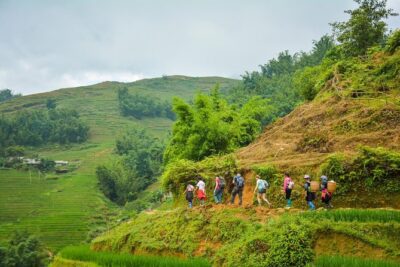
Rice Terraced Fields & Homestay Experience– 2D 1N
Read our review →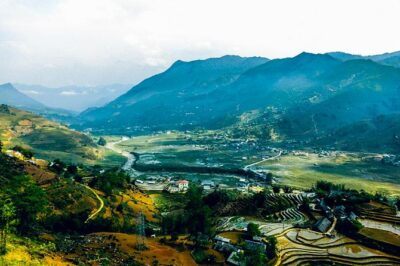
Mountain views & Rice Terraced Fields Hiking – 2D 1N
Read our review →
1-Day Sapa Long Trek – Rice Field Terrace, Ethnic Culture
Read our review →Browse the lists this tour appears in