
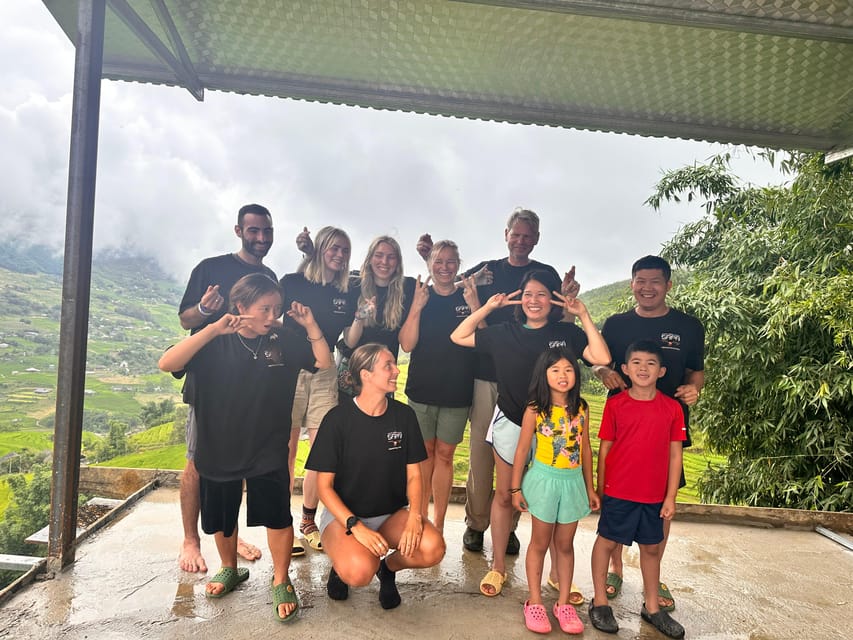
Review · SAPA
SAPA TREKKING, RICE FIELDS, LOCAL VILLAGES, BAMBOO FOREST
Sapa’s best scenery comes when you leave town on foot, and this trek leads you down through Y Linh Ho’s rice terraces, onward to Lao Chai, and finally to Ta Van. The route gives you changing views, local villages, and a close look at farming life rather than a quick roadside photo stop.
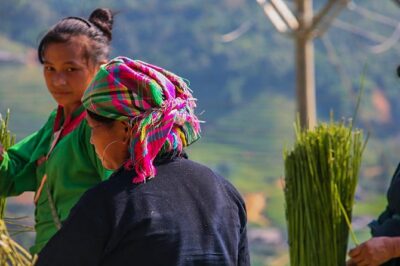
I like two things right away: guide Do brings energy and humor to the walk, and the tour makes room for real cultural detail, including rice and indigo cultivation and the traditions of Hmong and Giay communities. Lunch in a Hmong village adds a useful pause in the middle of the route.
The main consideration is the walking itself. You’ll spend about four to five hours on foot, and the route includes a descent from Sapa and village paths that may be uneven. The printed plan says the tour ends around 3 or 3:30 pm, but Do has sometimes allowed the walk to run longer, so leave extra time if you need to catch a bus.
Key points at a glance
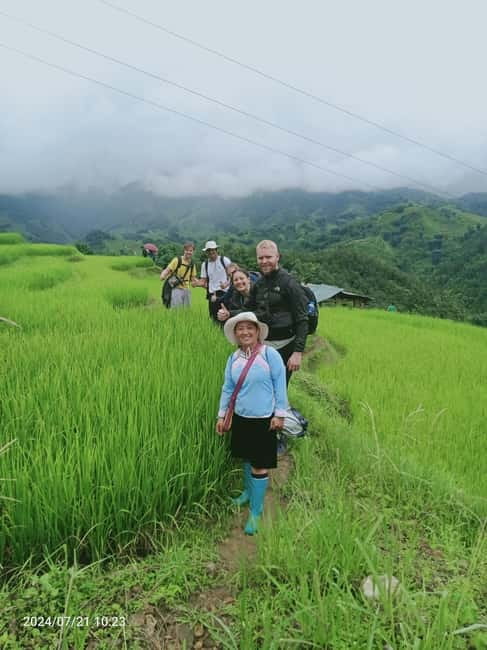
- Rice terraces from Y Linh Ho: The opening section gives you some of the finest field views around Sapa.
- Three distinct villages: The route links Y Linh Ho, Lao Chai, and Ta Van instead of circling back through town.
- Do as your guide: Expect an English-speaking local guide who brings humor, warmth, and practical cultural explanations.
- Hmong and Giay culture: You’ll learn about local communities, rice farming, and indigo cultivation along the way.
- Lunch in Lao Chai: The meal breaks up the walk and puts you in one of the area’s major Hmong communities.
- Return transport included: A car or motorbike brings you back to Sapa from Ta Van after the trek.
Why this Sapa trek works so well
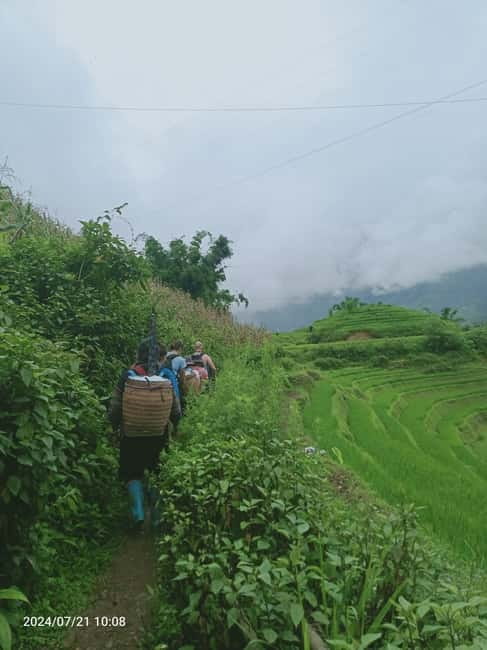
Sapa is famous for its mountain fields, but the town itself can feel busy and built up. This route gets you out of the center quickly. You meet at Sapa Church, or arrange pickup from your hotel, at about 9 to 9:15 am. After a short introduction, the walk heads down toward Y Linh Ho.
That change in pace matters. Instead of trying to see the valleys from a distant viewpoint, you move through them at walking speed. You can stop for photographs, look at the field patterns, and ask questions as the scenery changes around you.
The tour is also small in spirit, even though the exact group size is not specified. You have a local guide beside you rather than a recorded explanation or a large coach commentary. That makes the cultural side of the outing more personal. Do can explain what you are seeing as you go, including rice work, indigo, and the different ethnic groups who live in the villages.
More Rice Terrace Tours in Sapa
- Explore Sapa by TrekkingAdventures, Mountain,Rice fields
★ 4.9 · 229 reviews - Motorbike 1 Day Off The Beaten Track, Hidden Villages, rice field
★ 5.0 · 203 reviews - Sapa: 2D/1N Trek Rice Terraces & Homestay with Linh
★ 4.8 · 87 reviews
Y Linh Ho and the first rice-field views
The first major section runs from Sapa down to Y Linh Ho. This is the part to watch your footing on, since walking downhill can be harder on your knees than a level path. Good hiking shoes are not optional decoration here. Bring a pair with a firm sole and enough grip for village paths.
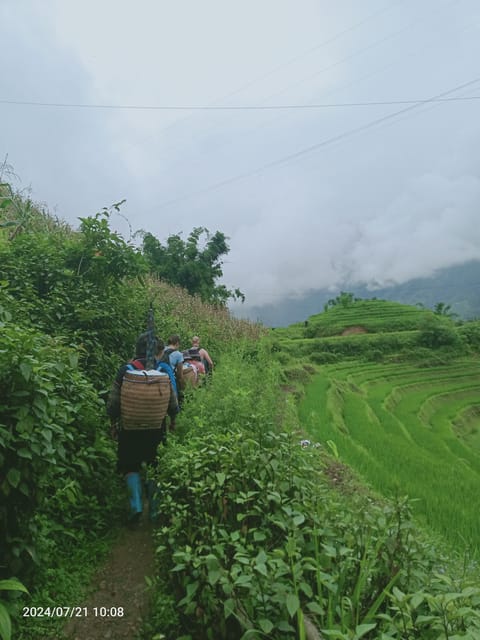
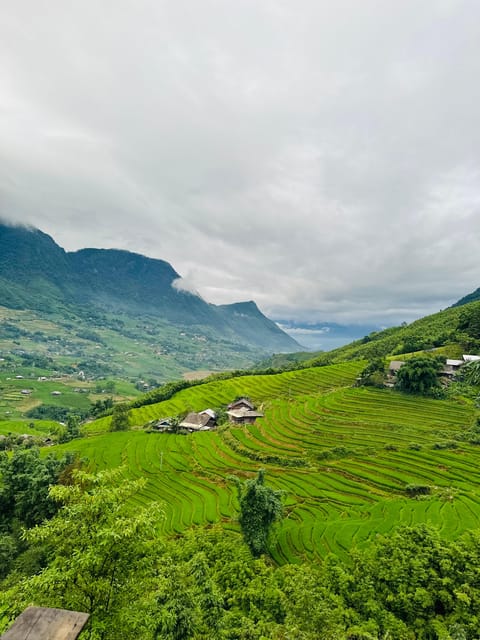
Y Linh Ho is known for its broad rice terraces, which are the visual high point of the early walk. The fields follow the contours of the hills in layered bands. Their color changes with the growing season, so the scene will not look the same all year.
At planting time, you may see people working in the fields. During harvest, the terraces take on a different look as local families gather rice. The timing is seasonal, so the tour cannot promise a particular stage of farm work, but Do can help explain what is happening when you visit.
This part is especially good for photography, but do not treat it as only a photo walk. The terraces are working farms. Their shape reflects years of adapting agriculture to steep hillsides, and seeing them from a footpath gives you a better sense of the labor behind the famous views.
Lao Chai and a Hmong village lunch
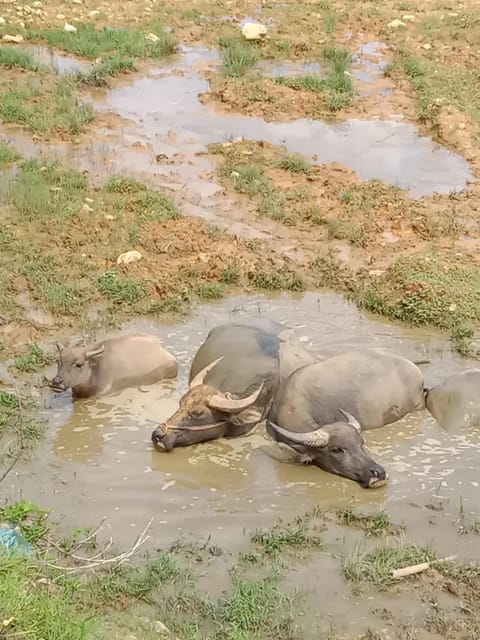
From Y Linh Ho, the route continues toward Lao Chai. Lao Chai is one of the oldest and largest Hmong communities in the area, making it an important stop rather than just another pretty village on the road.
Lunch takes place in a Hmong village. The meal is included, while drinks such as beer and soft drinks cost extra. Water is included, but you should still carry some cash for anything beyond the basic meal and water, as well as for a tip if you feel the guide has done a good job.
A village lunch is useful for more than filling your stomach. It gives you a fixed rest point after the first section of walking and lets you spend time in a community setting. The food has been praised as delicious, but the exact menu is not listed, so do not book this expecting a particular dish.
Do’s explanations about rice and indigo cultivation add value here. Indigo is tied to traditional clothing and craft practices among local communities, and the subject gives you a window into daily life beyond the terraces. You can ask questions as the walk unfolds instead of trying to understand the region from a quick museum visit.
The village setting also calls for respectful behavior. Ask before photographing people, homes, or work. Do not assume that a family, farmer, or craft worker wants to pose simply because you have a camera ready.
Walking on to Ta Van Village
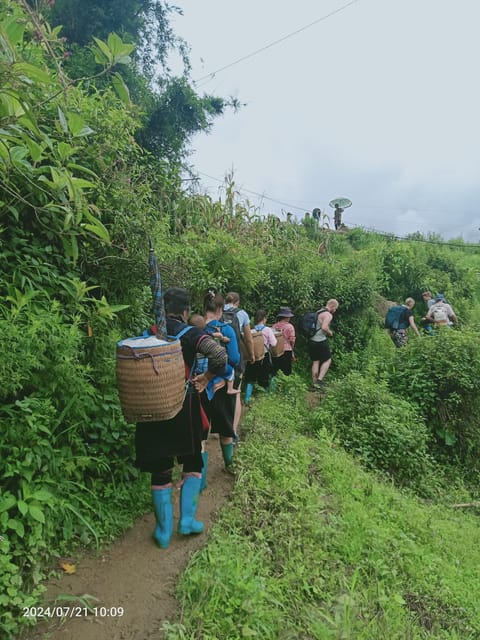
After lunch, you continue from Lao Chai to Ta Van. This section keeps the trek moving through village life rather than sending you straight back to Sapa. Ta Van is mainly inhabited by Giay and Hmong ethnic minorities, so the cultural focus broadens beyond the Hmong community you encountered in Lao Chai.
The route gives you another chance to see the relationship between houses, fields, paths, and forest. You may encounter people planting or harvesting rice if your visit lines up with the farming calendar. Again, these are possibilities, not fixed parts of every departure.
Ta Van is also where the bamboo forest comes in. Bamboo adds a different texture to the route after the open terraces. The fields offer wide views, while the forest section feels more enclosed and shaded. If you want a trek with more variety than repeated mountain overlooks, this combination works well.
The final approach to Ta Van is a good place to slow down. By this point, you have walked for several hours, and the route has already delivered its main views. Pay attention to the village setting and the transition from open farmland to wooded paths rather than rushing to the pickup point.
More Rice Terrace Tours in Vietnam
- 1-Day Sapa Long Trek – Rice Field Terrace, Ethnic Culture
★ 4.9 · 62 reviews - Sapa: Love Silver Waterfall, LonelyTree in Heaven-Rice Field
★ 4.9 · 28 reviews - Sapa Half-Day Motorbike Tour: Villages & Rice Fields
★ 5.0 · 22 reviews - SAPA: 1-DAY TREKKING TOUR WITH LOCALS, LUNCH & RICE FIELDS
★ 4.7 · 18 reviews
What the guide Do adds to the day
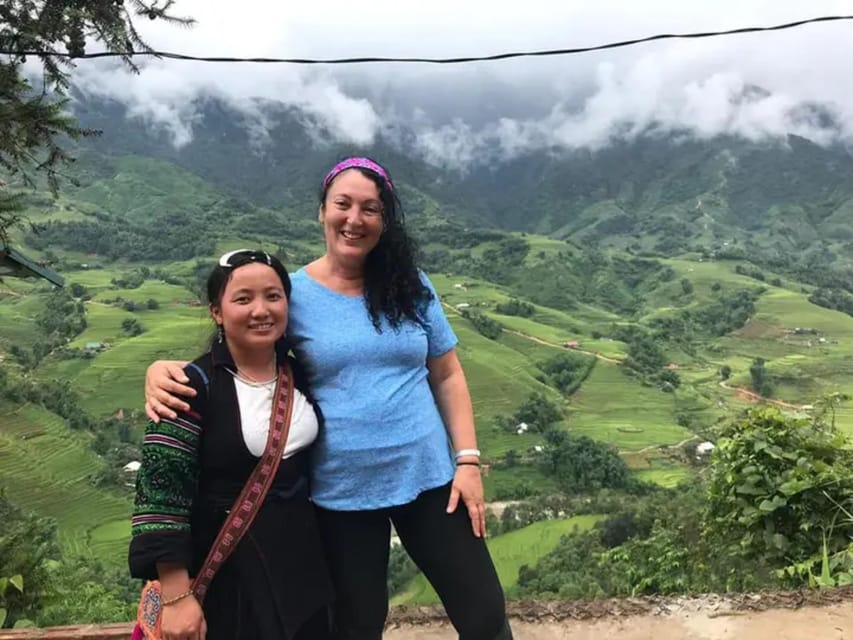
Do is the named English-speaking guide for the experience. The strongest part of her role is not simply getting you from one village to the next. She brings humor, energy, and an approachable manner to the walk, which helps when the day includes both physical effort and cultural questions.
You can expect explanations about rice cultivation, indigo, and the local ethnic groups. That makes the outing more useful than a hike where the guide only points out viewpoints. The cultural information is grounded in Do’s connection to the area, since she is showing you her own homeland.
There is also some flexibility in her timing. The stated duration is about four to five hours, with the scheduled finish around 3 to 3:30 pm. On one occasion, the walk ran beyond six hours because Do did not stick rigidly to the schedule. That can be a plus if you enjoy a relaxed pace and extra conversation, but it is a real planning issue if you have a bus, train, or another tour later that day.
If you need to finish at a strict time, tell Do at the start. The advertised plan allows the return transfer from Ta Van to Sapa by car or motorbike, so the final ride is not another long walk back to town.
Price, payment, and what you receive
The tour price is stated as 500,000 Vietnamese dong per person. The online display may show about $4.01, but you should pay attention to the local-currency instructions when booking. The stated arrangement is a 100,000 dong confirmation payment through GetYourGuide, followed by 400,000 dong paid to Do when she picks you up.
For that amount, you receive an English-speaking local guide, lunch, water, and transport back to your Sapa hotel or town after the trek. Drinks beyond water and tips are not included.
That is strong value if you want a guided village walk with transport back included. Comparable independent walks may cost less in cash, but you would then need to arrange a guide, lunch, and your own return from Ta Van. The value here comes from combining those pieces in one half-day outing.
The low price does not mean you should expect a polished luxury excursion. This is a local walking experience, and the route, meal, and transport have a practical character. If you want high-end vehicles, formal dining, or a carefully timed sightseeing program, choose something else.
Timing, fitness, and what to pack
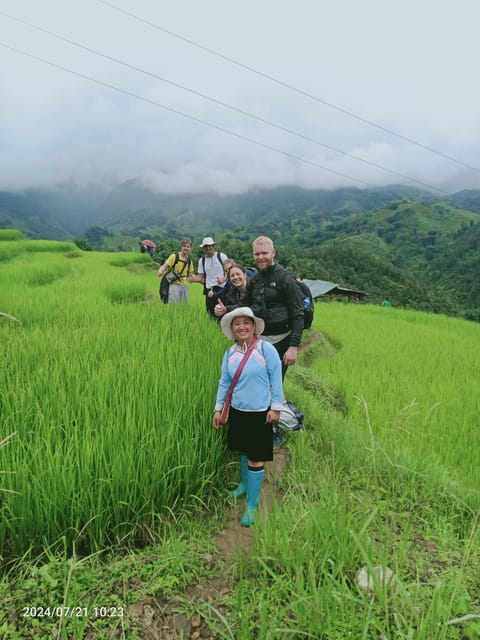
The meeting time is around 9 to 9:15 am, at Sapa Church or at your hotel if pickup is arranged. The walk ends in Ta Van, followed by transport back to Sapa. The full day normally wraps up around 3 to 3:30 pm.
Bring:
- Hiking shoes
- Comfortable clothes
- Sunglasses
- A sun hat
- Sunscreen
- Cash
The clothing advice is simple but important. Sapa’s paths can feel different depending on weather and season, and you will be outside for hours. Comfortable clothes give you more freedom on the descent and village paths. Cash covers drinks, personal purchases, and a tip.
Alcohol and drugs are not allowed. The experience is listed as unsuitable for people over 95 years old, but the more useful question for most people is how comfortable you are with several hours of walking. If you have limited mobility or do not usually hike, ask about the route before booking.
Who should book this experience
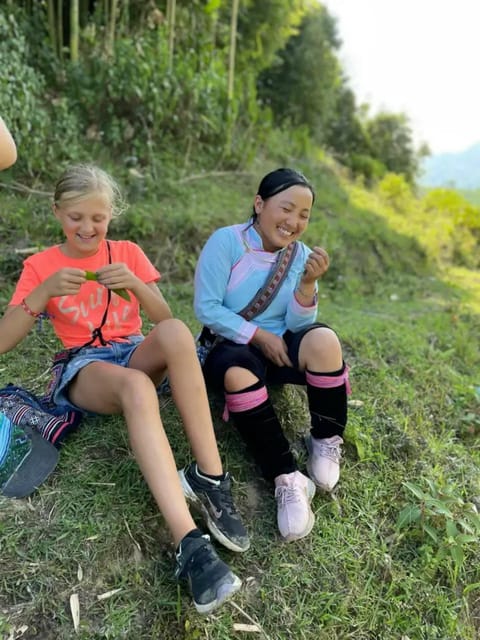
I would choose this trek if you want Sapa’s rice terraces with a strong local connection. It suits you especially well if you like walking, village life, and direct conversation with a guide more than quick sightseeing from a vehicle.
It is a good match for:
- First-time visitors to Sapa who want an efficient introduction to the valley
- People interested in Hmong and Giay culture
- Photographers looking for terraces, villages, and bamboo forest scenery
- Hikers who prefer a half-day route rather than a full overnight trek
- Anyone who wants lunch and the return ride handled in advance
It may not suit you if you need a guaranteed short walk, a fixed end time, or a highly formal tour. The route runs through real farming communities, not a staged cultural park, so conditions and timing can feel informal.
Families and older visitors should judge the walking level carefully. The supplied details do not give an exact distance or grade, so you should ask before booking if hills, uneven ground, or a long descent are a concern.
Booking advice and cancellation terms
You can cancel up to 24 hours before the experience for a full refund. The reserve-now, pay-later option keeps you from paying the full amount at once, though the specific 100,000 dong confirmation payment should be checked during booking.
Since the end time can sometimes stretch beyond the planned five hours, I would avoid booking a tightly timed afternoon bus. The tour provider says you can book a bus to Hanoi after returning to Sapa, but leave a sensible buffer rather than planning a last-minute connection.
Should you book the Sapa rice-field trek?
Book it if your priority is rice terraces, local villages, and a friendly guide in one manageable day. Do’s energy and cultural explanations make the experience more than a basic hike, while lunch and the return ride remove two common planning chores.
Skip it if you want a short, perfectly timed outing or dislike walking downhill on village paths. For most reasonably active visitors, though, the combination of Y Linh Ho, Lao Chai, Ta Van, bamboo forest, and local food gives you a lot for 500,000 dong. Bring proper shoes, keep your afternoon flexible, and you’ll be set up for one of Sapa’s more personal day walks.
FAQ
Where does the Sapa trek start?
You can meet Do at Sapa Church, or arrange pickup at your hotel. The stated pickup time is around 9 to 9:15 am.
Which villages does the route visit?
The trek goes from Sapa to Y Linh Ho, then to Lao Chai, and finishes in Ta Van Village.
How long does the experience last?
The stated duration is four to five hours, with an expected finish around 3 to 3:30 pm. The walk can sometimes run longer, so allow extra time afterward.
Is lunch included?
Yes. Lunch in a Hmong village is included, along with water. Beer, soft drinks, and other drinks are not included.
How do I return to Sapa?
A car or motorbike picks you up in Ta Van and returns you to Sapa town or your hotel after the trek.
What should I bring?
Bring sunglasses, a sun hat, sunscreen, hiking shoes, comfortable clothes, and cash. Alcohol and drugs are not allowed.
More Walking and Hiking Trips in Sa Pa
- Trekking Through Rice Terraced Fields – 1Day
★ 5.0 · 173 reviews - Mountain views & Rice Terraced Fields Hiking – 2D 1N
★ 5.0 · 99 reviews - Sapa Trekking Tour Full Day
★ 5.0 · 65 reviews - Sapa 2-Day Trek & Homestay in Ta Van Village – Be a Local
★ 5.0 · 8 reviews
More Rice Terrace Tours in Sa Pa
- From Sapa : 1 Day Amazing Sapa Trek To Terrace rice field
★ 4.6 · 17 reviews - Private Half-Day Tour of Villages, Terrace Rice Fields by Car
★ 5.0 · 16 reviews - Sapa Motorbike Tour 1 Day| See All Of Rice Fields & Valleys in One Day
★ 5.0 · 9 reviews - SaPa: 2-Day Villages,Rice Fields, Love Waterfall Hiking Tour
★ 5.0 · 9 reviews
Just added around Sa Pa
- Sapa 2-Day Trek & Homestay in Ta Van Village – Be a Local★ 5.0 · 8 reviews
- Sapa Private Trekking Through Rice Terraced Fields – 1Day★ 4.5 · 8 reviews
- 5 Hours Trekking with Terraced Rice Field in Sapa★ 5.0 · 2 reviews
- Sapa Motorbike Tour 1 Day| See All Of Rice Fields & Valleys in One Day★ 5.0 · 9 reviews
- Sapa Private Car Tour – 1 Day Enjoy the Rice Terraced Fields★ 4.5 · 3 reviews
- Private Trekking through Terraces Rice Fields in Sapa★ 5.0 · 3 reviews
- Sapa Half Day Local Farming Experience★ 5.0 · 3 reviews
- Sapa Full Day Trekking Through Rice Fields Terrace★ 4.0 · 2 reviews
Sapa Farm Tours, compared.
Explore Sapa by TrekkingAdventures, Mountain,Rice fields
Read our review →
Motorbike 1 Day Off The Beaten Track, Hidden Villages, rice field
Read our review →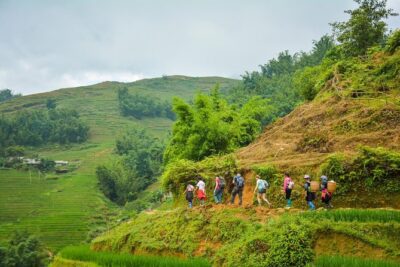
Rice Terraced Fields & Homestay Experience– 2D 1N
Read our review →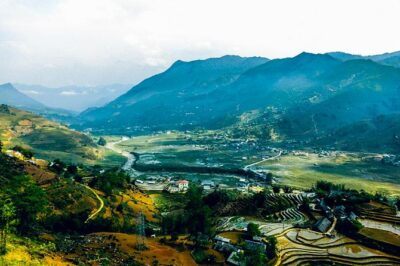
Mountain views & Rice Terraced Fields Hiking – 2D 1N
Read our review →
1-Day Sapa Long Trek – Rice Field Terrace, Ethnic Culture
Read our review →Browse the lists this tour appears in