
Review · PORTO
Porto: 3 Wine Regions & Farm Lunch with Views Small-Group
The best part of this Douro Valley day is its mix of small wineries, local food, and grand river views. You are not only ushered into a tasting room, you also get a look at family-run wine culture, a traditional lunch, and several stops where the Douro opens below you.
I like the small group limit of eight, which gives guides such as Nuno, Emanuel, Márcio, and Job room to answer questions and adjust the pace. I also like the range of tastes: Port, DOC Douro wines, olive oil, and honey, rather than Port alone. The drawback is the long drive from Porto and the steep, uneven settings, which make this a poor choice for anyone with mobility limits.
Key points
- Three estates, three different tasting experiences: Expect Port and DOC Douro wines, with olive oil and honey included at some stops.
- A proper regional lunch: The meal takes place in Sabrosa, with vineyard views and vegetarian or gluten-free choices available if requested ahead.
- Small groups matter here: The maximum of eight can make the day feel almost private, especially when only a few people book.
- Scenic stops are built into the drive: You pause near the Douro River and São Cristóvão do Douro for photos.
- Plan for a full nine hours: The valley is far from Porto, so this is a big day rather than a quick wine outing.
- The wineries can change: Estates depend on availability, but the replacement stops are intended to offer a similar experience.
Why this Douro day works so well from Porto
The Douro Valley is not a quick hop from Porto. You spend about an hour and a half in the van on the way out, then roughly 110 minutes returning, with the wine country spread between those longer drives. That sounds like a lot of road time, but a guided day makes sense if you want to see the region without renting a car or worrying about wine tasting and driving.
The reward is a day that joins the valley’s main pleasures in one outing. You see the river, stop at overlooks, learn how Port and table wine are made, eat regional food, and taste products from the estates. I would choose this over a simple tasting-room visit if you want the Douro itself to be part of the experience.
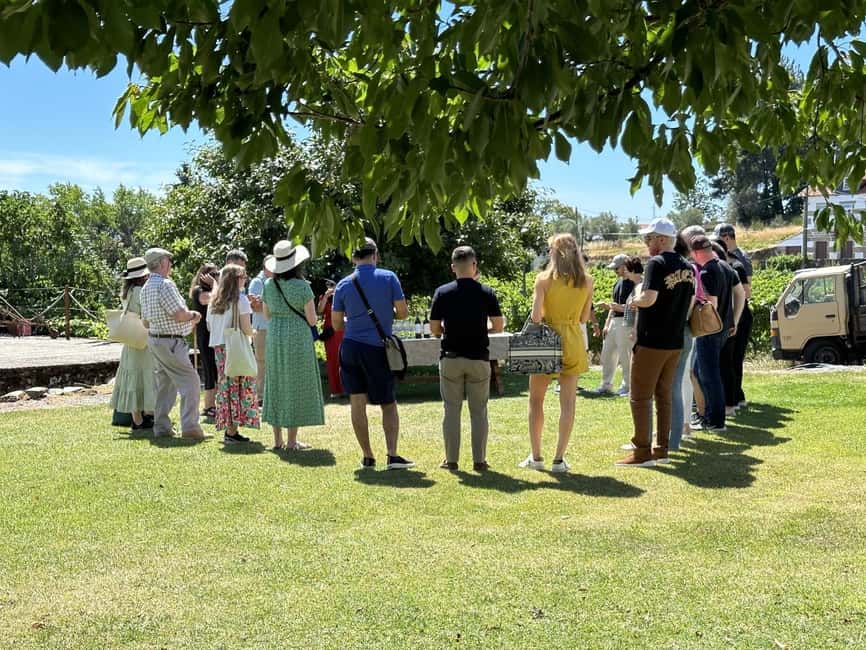
A maximum group of eight is a real advantage. In a large coach, winery visits can feel like a procession. Here, a guide can explain the region in plain language, pause for questions, and keep the day moving. Several listed guides, including Nuno and Emanuel, are praised for combining wine knowledge with humor and warm attention. Márcio is noted for treating the group like family, while Job is described as careful with timing.
The tone of the day depends partly on the guide and partly on the group size you receive. Some departures may feel nearly private if only two or four people book. Others can include the full eight-person group, plus people at shared winery visits.
More Farm-to-Table Meals in Portugal:
- From Porto: 2 Wine Regions, Farm-to-Table Lunch & Boat
★ 4.9 · 5,724 reviews - From Porto: 2 Wine Regions, Farm Lunch, and Boat Ride
★ 4.8 · 233 reviews - “Re-Canto” Farm-to-Table with Stunning Views at Madeira
★ 5.0 · 87 reviews
The road from Porto to the Douro Valley
Pickup is at the bus stops beside Trindade Metro Station in central Porto, unless your selected option gives another meeting point. This is a practical place to start, but you should allow time to reach it and avoid carrying luggage. Large bags are not allowed, and this is a day for a small backpack, comfortable clothing, water, and a camera.
The first stop is a café for breakfast, lasting about 20 minutes. It is a useful pause after leaving Porto, though you may prefer to eat before pickup if you want more time later at the wineries. One review notes that a 9 a.m. start still allowed breakfast at the hotel and an easy trip across the city to the meeting point.
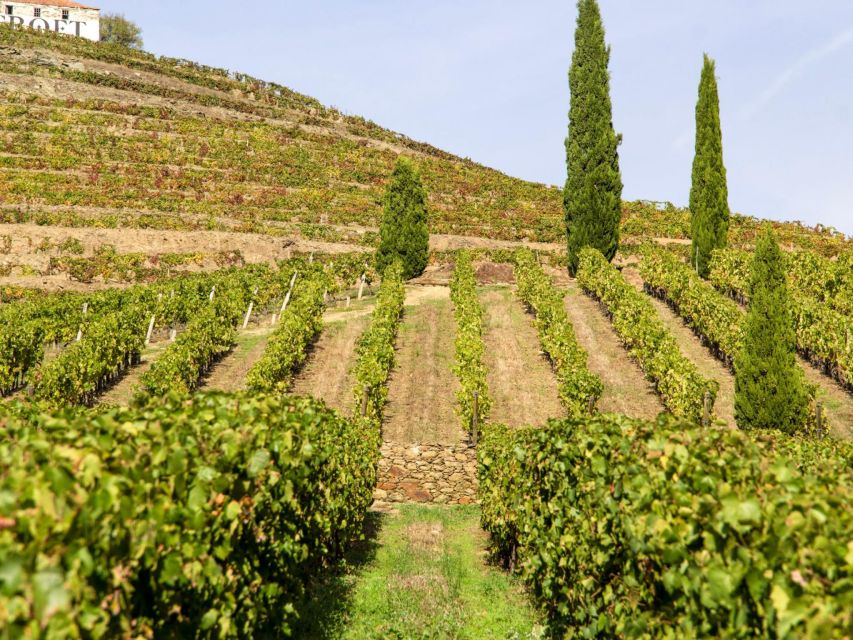
As the van reaches the Douro, the road becomes part of the attraction. You stop near the Douro River for photos, then pause at São Cristóvão do Douro for another view. These are not filler stops. They give you time to see the valley from outside the tasting rooms, where the folded hills and river corridor make sense as a working wine area.
Bring shoes with a firm sole. The tour is not suitable for people with mobility impairments, and the information specifically calls for comfortable shoes and clothing. Summer can be very hot in the valley, while winter can be cold, so dress for the season rather than for Porto alone.
Pinhão and the first estate visit
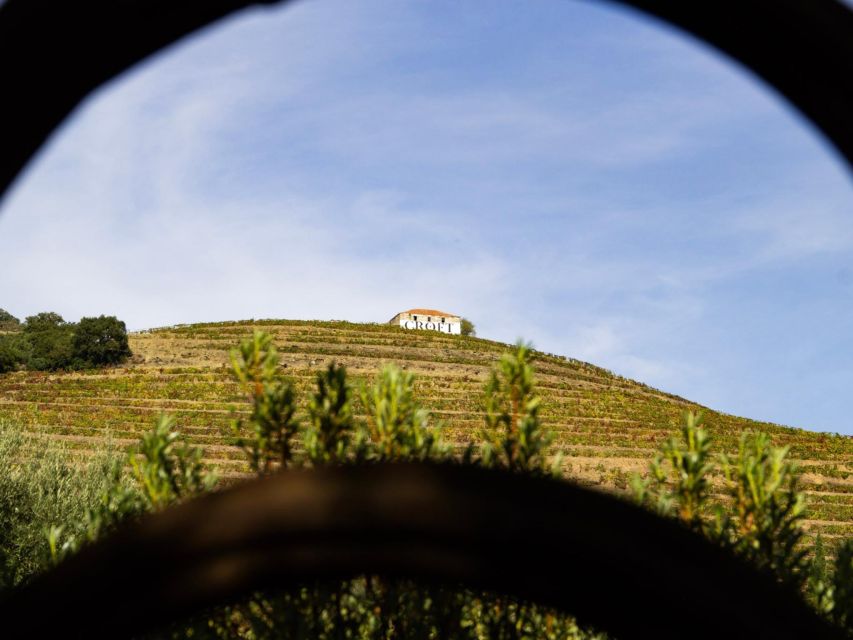
The Pinhão stop lasts about an hour and combines a winery visit with wine tasting and views. Pinhão is one of the Douro’s best-known wine centers, and this is where the connection between the river, the slopes, and the vineyards begins to feel clear.
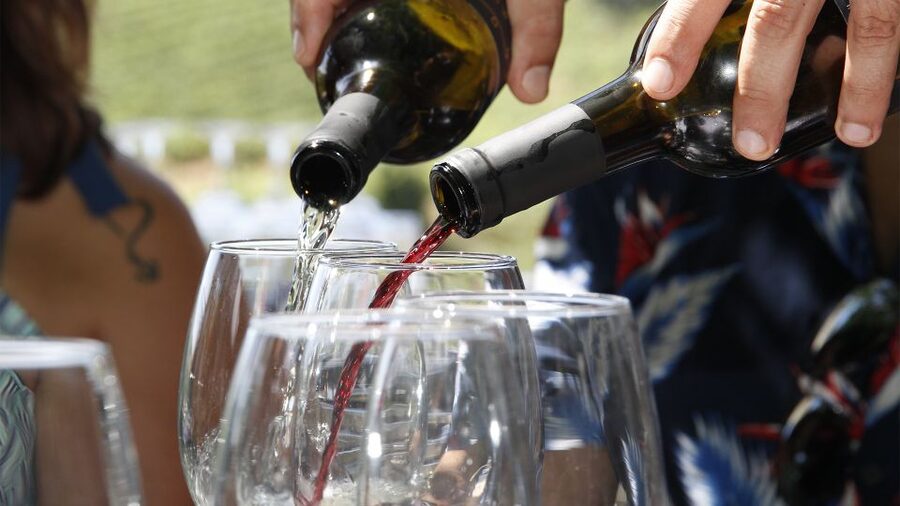
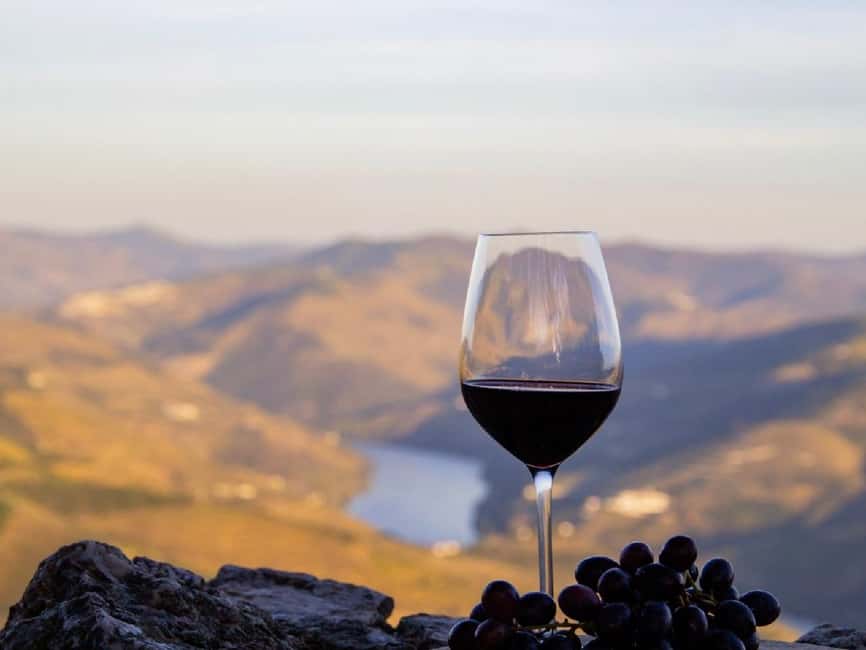
The tasting includes Port and DOC Douro wines. DOC Douro refers to the region’s regulated table wines, so you get to compare the dry wines served with meals against the fortified Port that made the valley famous. That contrast is useful for beginners. Port is not simply a sweeter version of table wine, and tasting both side by side helps explain the difference.
At one estate, the tasting may also include olive oil and honey. One specific visit included four wines, olive oil, and honey, though exact pours depend on the estate selected. That variety is one of the day’s strengths. You get a broader picture of rural production instead of treating the Douro as a place that makes only one famous drink.
The winery visits are led by local hosts, with the guide helping connect the details to the wider region. Expect explanations of the winemaking process and the chance to ask how the products are made. The amount of formal cellar or vineyard touring can vary because the estates are subject to availability.
That flexibility is worth noting before booking. You are promised three estate visits, but not a fixed set of named wineries. A replacement may be made without notice. If you need one particular famous estate, this is not the right format. If you care more about meeting local producers and tasting a range of products, the arrangement is less of a concern.
Lunch in Sabrosa with wine and valley views
Lunch is scheduled in Sabrosa and takes about an hour and a half, making it more than a rushed meal between tastings. You eat regional food in a setting with vineyard views, with wine served alongside the meal. The food is repeatedly singled out as a strong part of the day, and that makes sense: a local meal gives the wine context in a way that a snack never can.
The exact dishes are not specified, so do not book this expecting a named menu. You can request vegetarian, vegan, or gluten-free food in advance. This request needs to reach the local caterer before the tour starts, not at the table.
For wine lovers, lunch is also a useful reset. Three winery stops can add up to many pours, even when each serving is modest. Eat steadily, drink water, and take the meal at a sensible pace. A bottle of water is included, but you may want to bring extra water for the hot months.
This is one of the places where the small group format pays off. A guide can help explain what is being served and keep the meal from turning into a long, unstructured gap. The day is still full, but lunch gives you a chance to sit down and enjoy the setting instead of rushing from one sample to the next.
More Winery Visits in Portugal:
- Régua: Wine Tasting at a Farm, Traditional Lunch, Cruise and Train
★ 4.7 · 18 reviews - Algarve wine tour and farmer’s lunch at wine estate
★ 5.0 · 14 reviews - Braga/Guimarães: 1 Day with Lunch + farm and wine tasting
★ 5.0 · 3 reviews - Wine Class Portugal wines in a small farm with a visit to the winery
★ 5.0 · 2 reviews
The second and third estates in the afternoon
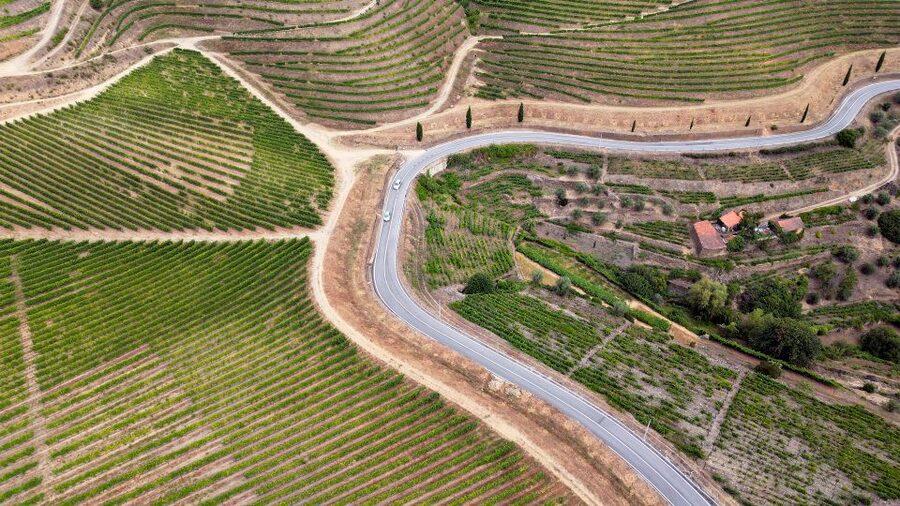
After lunch, the route continues through Sabrosa for another estate visit and tasting. The schedule allows about an hour here, followed by another visit lasting roughly an hour. Together, these stops complete the three-estate plan.
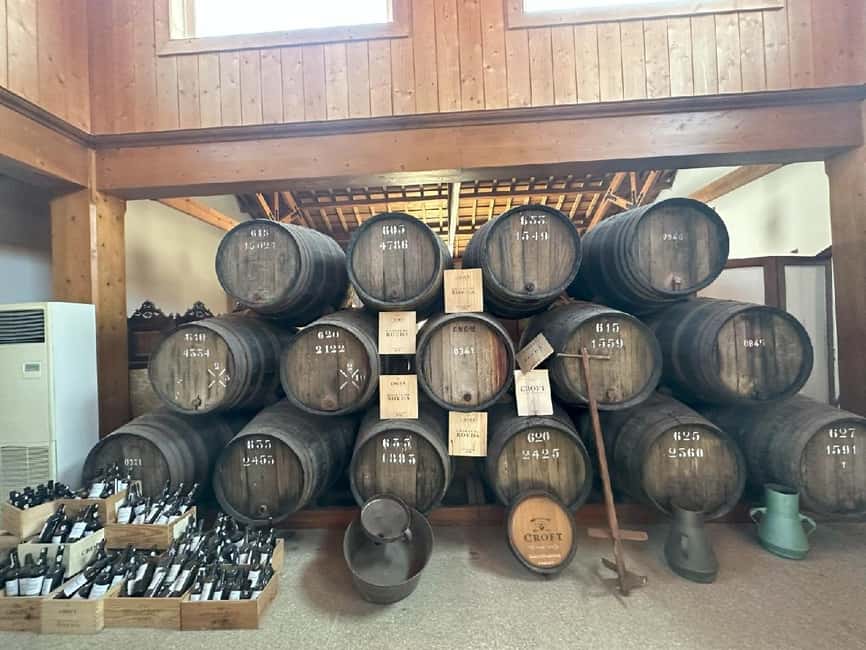
The advantage of visiting several producers is comparison. One may focus on a major Port name, while another may be a smaller operation run by people closely tied to the land. A past version of the day began with Croft, then moved to smaller producers. That sort of contrast can help you understand the difference between a large established house and a family operation.
At the final stop, the tasting has included three Ports and a Port and Tonic. That is not guaranteed at every departure, but it shows the range possible on this tour. The day can move from dry Douro wine and olive oil to classic Port and a more casual mixed drink.
I like the way the three stops can provide different kinds of information. One host may focus on production, another on the family business, and another on the styles of Port. You are not simply repeating the same tasting three times.
Still, three estates may feel like too much for someone who is only mildly interested in wine. One guide adjusted a day for a couple by reducing the winery visits to two and adding a river cruise. That is not a standard promise, but it shows that the day may sometimes be adapted when the group and schedule allow it. Ask before assuming changes can be made.
Guides, vehicles, and the small-group feel
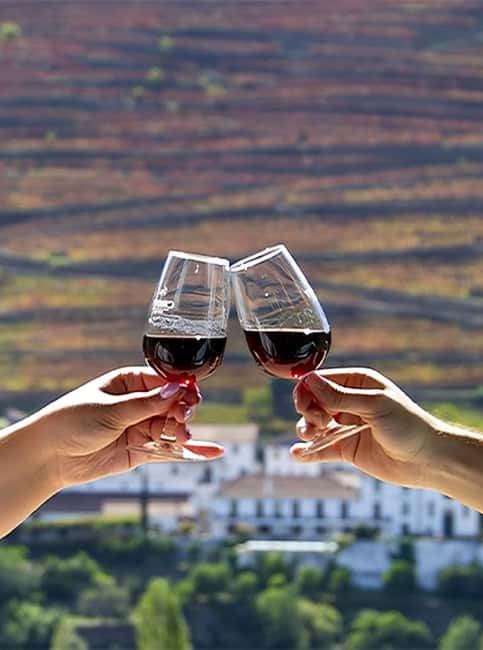
The guide is a major part of this experience. The listed languages are English and Portuguese, and the guides praised in the supplied material include Nuno, Emanuel, Márcio, and Job. Emanuel is described as fluent in several languages, humorous, and strong on both Port and regional facts. Nuno is noted for warmth, careful attention, and a genuine interest in the valley.
The key point is not simply that the guide talks a lot. One guide is praised for knowing when to stop talking and let the group ask questions. That matters on a nine-hour day. You want enough explanation to make the valley meaningful, but not a nonstop lecture while you are trying to watch the road or enjoy lunch.
Transport is by private vehicle, with a clean van and careful driving noted in the supplied feedback. Air conditioning matters in summer, since the Douro can be much hotter than Porto. The vehicle also lets the guide add scenic photo stops when timing permits.
The tradeoff is that the day follows a fairly full schedule. Winery access, meal timing, and other groups can affect the order or length of stops. Schedules may change without notice, and other people may join at shared experiences. Think of this as a well-planned day with some moving parts, not a private custom tour with every minute fixed.
Is $118 a fair price?
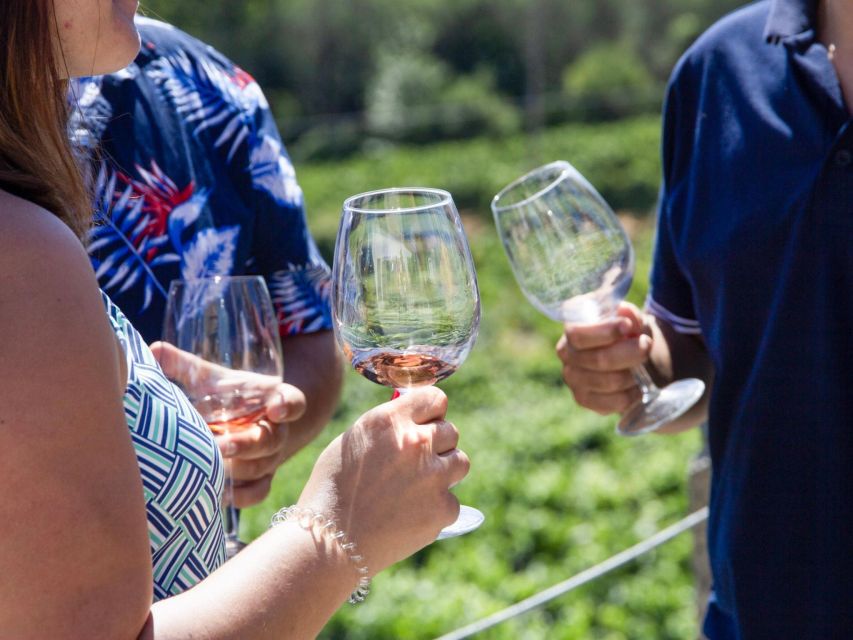
At $118 per person, the value depends on what you would otherwise need to arrange. The fee covers transport from Porto, a professional guide, lunch, three estate visits, multiple tastings, olive oil and honey tastings, and a full day in a region that is difficult to reach independently without a car.
For a couple or small group, the price also buys convenience. You avoid driving after drinking, finding three producers, arranging lunch, and navigating the valley roads. The included meal and tastings make the cost easier to justify than a basic transfer to one winery.
The value is strongest if you want a complete introduction to the Douro. It is weaker if you want a slow, single-estate visit, a fixed list of famous wineries, or a river cruise as the main event. A cruise is not part of the standard experience, though one flexible day substituted a river cruise for a winery.
The group size is another part of the price calculation. If eight people join, you still have a small group compared with a coach tour. If only two or four book, the experience may feel close to private without the full cost of a private vehicle and guide.
Who should book this day?
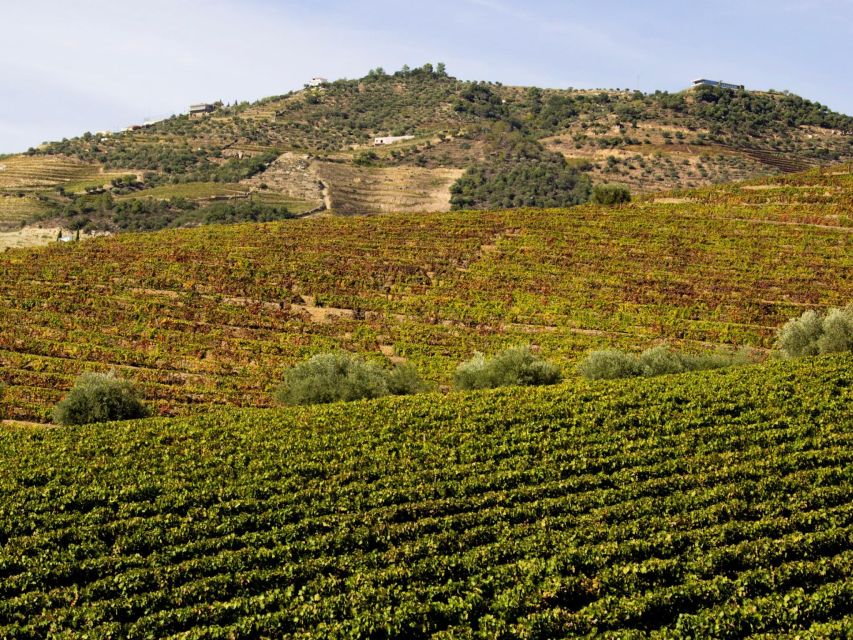
I would choose this tour if you are staying in Porto and want one strong day outside the city. It suits people who want scenery as much as tasting, first-time visitors who need the region explained, and anyone who prefers local food and smaller producers to a large commercial stop.
It also works well for mixed groups. One person can enjoy the views and lunch, another can focus on Port, and a third can ask about olive oil or honey. The day is not limited to serious wine students.
I would hesitate if you dislike long drives, have mobility problems, or want a relaxed schedule with no more than one tasting. The steep valley setting and full day require some stamina. You should also be comfortable with the possibility that the winery lineup changes.
Book well ahead, especially in busy periods, because the group is capped at eight and the experience can sell out. Free cancellation is available up to 24 hours before departure, and you can reserve now and pay later, which helps if your Porto plans are still shifting.
Should you book the Douro Valley small-group tour?
Book it if you want the Douro in one well-filled day: river views, three estate visits, Port and DOC Douro wines, a regional lunch, and transport from Porto. The strongest reasons are the small group, the range of tastings, and guides who can make the long drive feel purposeful.
Skip it if you need guaranteed access to specific wineries, a river cruise, or a low-effort day for limited mobility. For most visitors with one free day in Porto and a real interest in Portuguese wine, $118 is a sensible price for the time, transport, food, and tastings included.
FAQ
How long does the Douro Valley tour last?
The experience lasts about nine hours, including transport, scenic stops, lunch, and three estate visits.
Where do I meet the guide?
The standard meeting point is at the bus stops beside Trindade Metro Station in central Porto. The exact pickup point depends on the option selected.
How many people can join the small group?
The small-group vehicle holds up to eight people. Private group options are also available.
What drinks and products are included in the tastings?
You can expect Port wine and DOC Douro table wine. Tastings may also include olive oil and honey, depending on the estates visited.
Is lunch included?
Yes. Lunch in Sabrosa is included, with regional food and wine. Vegetarian, vegan, and gluten-free options are available if requested in advance.
Can the wineries change?
Yes. The estates depend on availability and may be replaced by similar options without prior notice.
Is the tour suitable for people with mobility impairments?
No. The experience is not suitable for people with mobility impairments. You should bring comfortable shoes and clothing, and request an infant seat before the booking day if needed.
More Farm Days with Lunch in Portugal
- São Miguel: Furnas Volcano & Tea Plantation Tour with Lunch
★ 4.9 · 375 reviews - Furnas Volcano & Tea Plantation With Traditional Lunch, East Tour
★ 5.0 · 183 reviews - Furnas: Thermal Springs & Tea Plantation Day Tour with Lunch
★ 4.6 · 55 reviews - Traditional Cooking Class, Farm Tour & Lunch in the Douro Valley
★ 5.0 · 46 reviews
Just added around Portugal
- Half-Day Farm Visit and Cow Milking Experience★ 5.0 · 16 reviews
- Alpaca Farm MamaAdama Meet & Feed★ 5.0 · 39 reviews
- Furnas : Volcano Wonders, Tea Plantation & Waterfall Tour★ 4.5 · 37 reviews
- Bee Inspired: A Journey in São Miguel and a Visit to an Apiary★ 5.0 · 2 reviews
- Waterfalls Hike, Moinho do Felix with tea plantation★ 5.0 · 11 reviews
- Hot Water Pool Bath Inside Pineapple Plantation & Dinner★ 5.0 · 24 reviews
- Furnas in a Private Evening – Tea, Cozido Dinner and Hot Springs★ 5.0 · 10 reviews
- Culture & Nature – Visit All Center of the Island★ 4.5 · 9 reviews
Porto Farm Tours, compared.
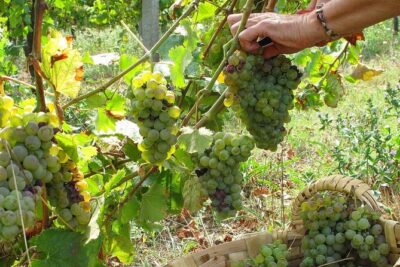
Traditional Cooking Class, Farm Tour & Lunch in the Douro Valley
Read our review →
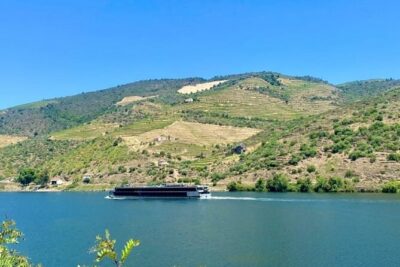
Douro Valley Private Tour: 2 Farms, Lunch & Boat Trip
Read our review →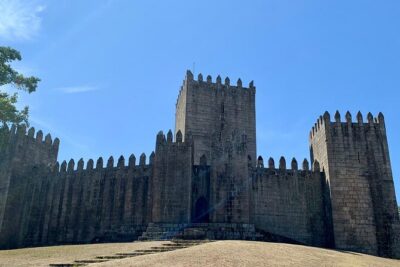
Braga/Guimarães: 1 Day with Lunch + farm and wine tasting
Read our review →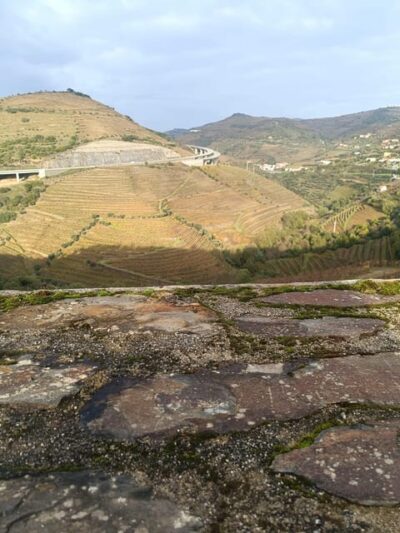
Douro valley 2 farms with wine tasting and lunch
Read our review →Browse the lists this tour appears in