
Review · ITALY
Oristano: visit a farm with oil tasting
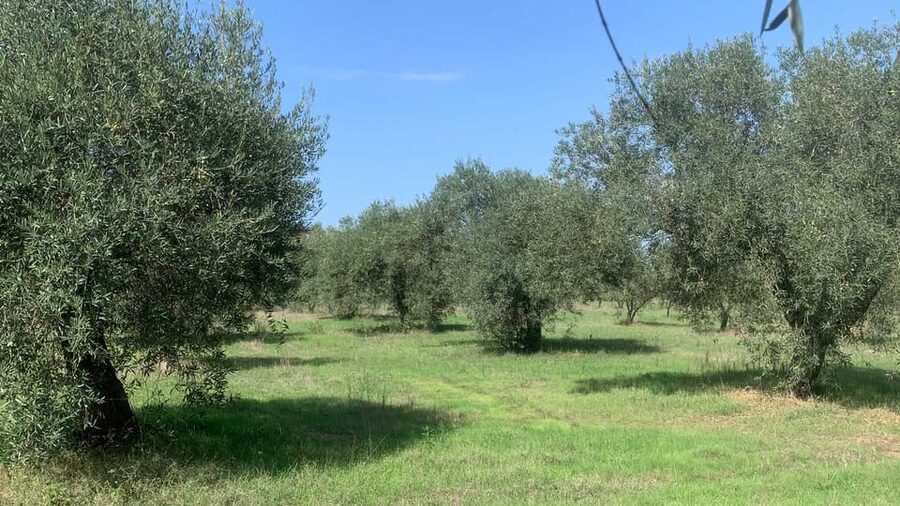
At this Massama farm near Oristano, olive oil gets the full family treatment. Under ancient trees, Anna and Antonella explain how Sardinian olives are harvested, pressed, stored, and judged, then lead you through a tasting with local food. I like the clear link between farm work and what lands on your plate, and I like that you taste several indigenous cultivars rather than one generic oil. The main drawback is the short 1.5-hour schedule, which leaves little time for a slow farm visit or an extended meal.
I especially like the practical tasting lesson. You learn to tell extra virgin olive oil from ordinary olive oil and lampante oil through smell and taste, then match bitter or spicy oils with different foods. The farm’s organic certification and five-generation family connection add substance, but this is not the right pick if you need step-free access or a full lunch.
Key points at a glance
- Five generations of oil making: Anna and Antonella share their family’s farming tradition at a farm founded in 1857.
- Sardinian cultivars: Taste oils made from Bosana, Nera di Villacidro, Sa Manna, and Semidiana, an olive variety linked to the Oristano area.
- A real tasting lesson: Learn the sensory clues that separate extra virgin, ordinary olive oil, and lampante oil.
- Food pairings included: Expect country crostone, seasonal vegetables, legume hummus, a chef’s surprise, water, and a glass of local wine.
- Farm-to-bottle basics: See how harvest timing, transport, pressing, and storage affect oil quality.
- Useful planning note: English and Italian are available, but the site is not suitable for people with mobility impairments.
Why this Oristano olive farm visit is worth your time
Oristano is a good place to learn about olive oil because Sardinia’s cooking depends on strong, simple ingredients. Bread, vegetables, legumes, and local dishes can taste very different when paired with a gentle oil or one with a peppery finish. This visit gives you a way to understand those differences instead of treating all olive oil as the same.
The farm in Massama was founded in 1857 and is recognized as a historical enterprise by Unioncamere. It is also a certified organic farm, producing extra virgin olive oil that has received awards in Italy and abroad. Those labels matter less than what you do with the information, but they give useful context before the tasting begins.
I would allow about 1.5 hours for the full activity. That is long enough for a focused introduction, a grove visit, and a proper tasting, but not long enough for a relaxed half-day outing. Plan it as a compact food experience that fits neatly between sightseeing stops around Oristano.
More Food and Drink Trips in Italy:
- Sorrento Farm and Food Experience including Olive Oil, Limoncello, Wine tasting
★ 5.0 · 2,524 reviews - Pizza School with Wine and Limoncello Tasting in a Local Farm
★ 5.0 · 845 reviews - Authentic Farm Tour with Pizza, Cheese, Wine & Limoncello Tasting
★ 5.0 · 698 reviews
Under the ancient olive trees with Anna and Antonella
The visit begins in the olive grove. Anna and Antonella are fifth-generation oil and wine sommeliers, so the family connection is not just a decorative detail. They can explain the farm’s work from several angles: the trees themselves, the production process, and the way oil behaves at the table.
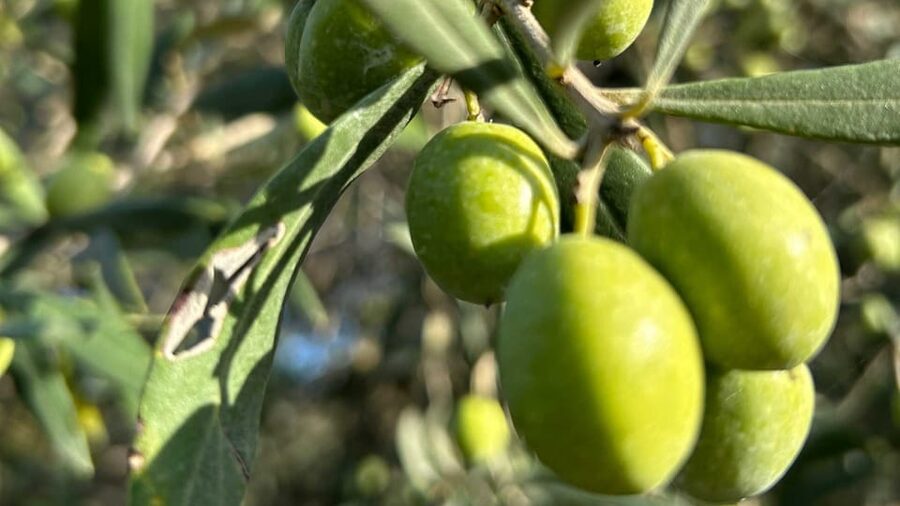
I like starting outdoors. Before you taste anything, you get a sense of where the product begins. The grove also provides a useful setting for discussing the differences between Sardinian cultivars. An olive variety is not just a name on a bottle. It can influence aroma, bitterness, pungency, and the way an oil works with food.
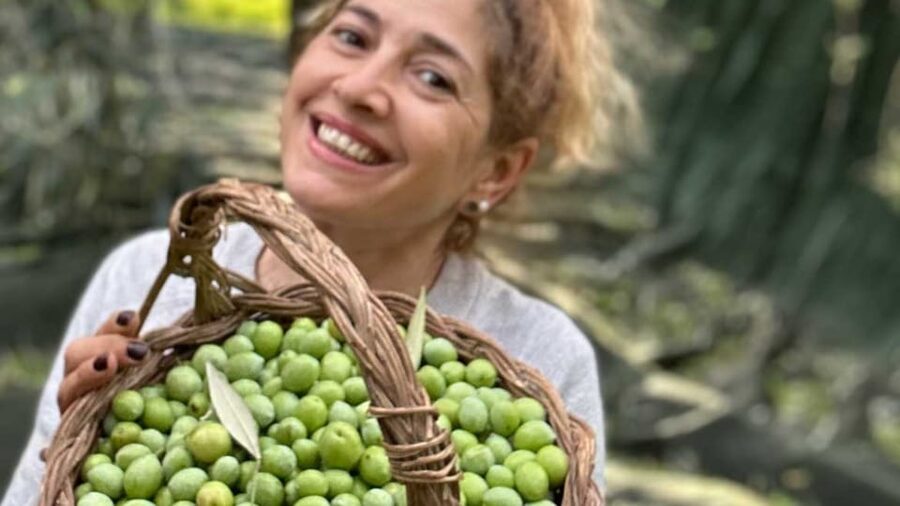
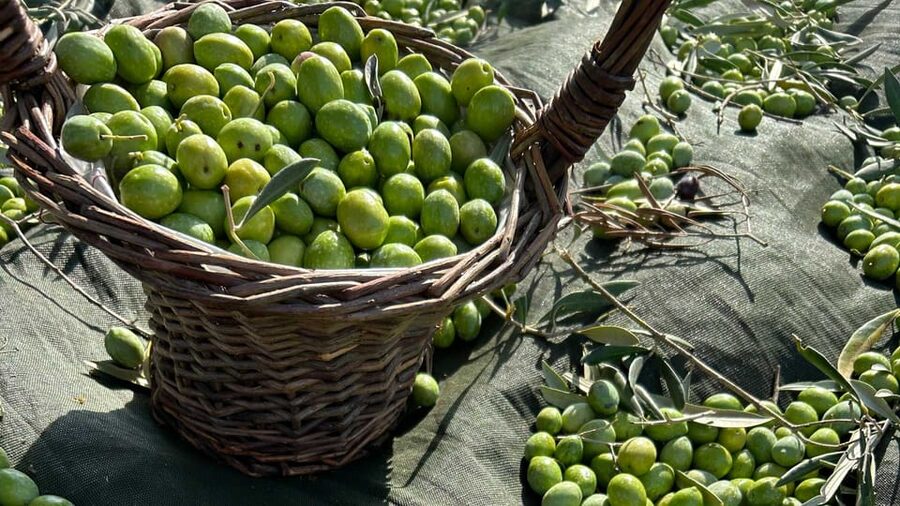
The farm produces oil from Bosana, Nera di Villacidro, Sa Manna, and Semidiana. Semidiana is particularly relevant to this area because it is typical of Oristano. You should not expect each cultivar to taste exactly alike, and that is the point of comparing them side by side.
The outdoor section is also where you learn the basic steps that shape quality:
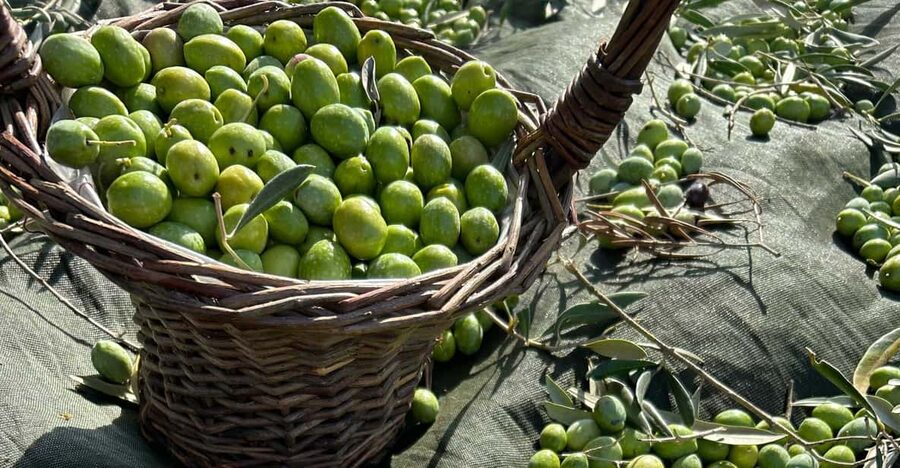
- When and how olives are harvested
- How quickly they should be transported
- How they are pressed
- Why handling affects the final oil
- How extra virgin olive oil should be preserved
These details are useful after you return home. You will have a better idea why dark containers, careful storage, and protection from heat and light matter. The lesson is not aimed only at olive farmers. It helps any cook make better buying and storing choices.
From olive harvest to oil in the bottle
The farm visit explains production without turning the experience into a factory tour. You follow the path from tree to bottle and learn why every stage can change the result. Harvesting, transport, and pressing are treated as connected steps rather than separate chores.
The most useful point for a first-time taster is that good oil is not simply a matter of pressing olives and pouring the liquid into a bottle. The condition of the olives and the way they are handled before pressing affect the finished product. Storage matters afterward, too.
This is where the farm’s organic certification gives the conversation extra weight. Organic production does not automatically tell you whether an oil will suit your taste, but it tells you something about the farming method behind these particular bottles.
I would not expect a long technical lecture on machinery or laboratory testing. The activity is built around a farm introduction and tasting, not an agricultural course. That balance works well for most visitors, though serious food professionals may want a longer session with more production data.
Learning the difference between extra virgin and lampante oil
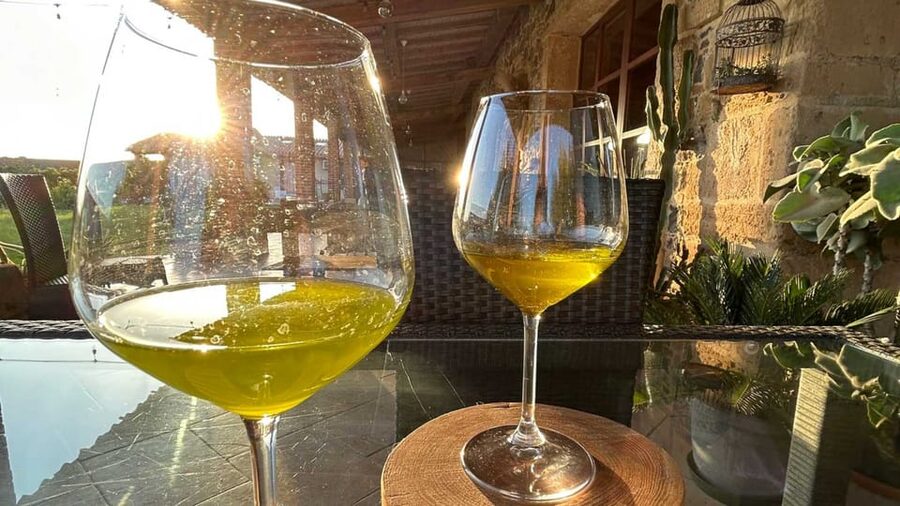
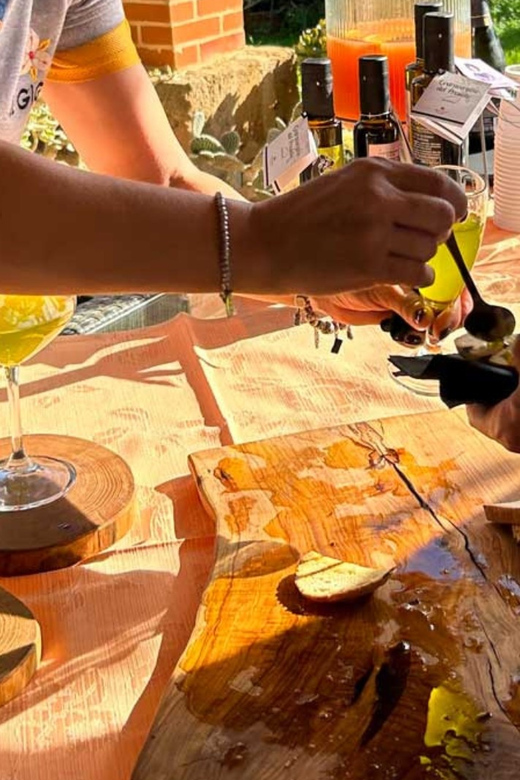
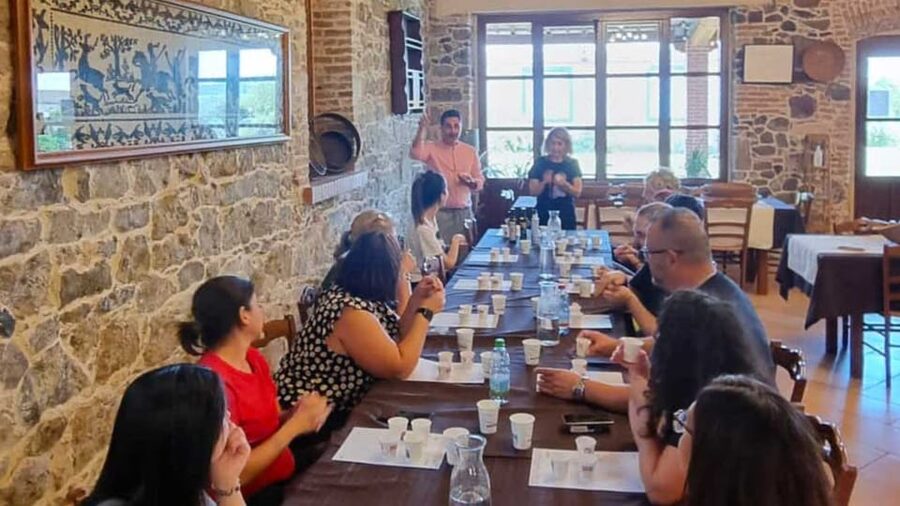
The tasting is the heart of the experience. Anna and Antonella guide you through organoleptic analysis, a formal way of judging food by smell, taste, and other sensory impressions. You learn how to recognize an extra virgin olive oil and distinguish it from ordinary olive oil and lampante oil.
For you, this means the tasting is more than a line of small glasses. You are given a way to think about what you smell and taste. Fruitiness, bitterness, and spiciness become clues rather than vague impressions.
Extra virgin oil should show positive aromas and flavors, with no defects. Ordinary olive oil is a different category, while lampante oil is not suitable for direct consumption. The session introduces these distinctions through the senses, which is easier to remember than a list of legal definitions.
Expect some oils to feel gentle and rounded, while others may be more bitter or peppery. A spicy finish is not automatically a flaw. In many good oils, it signals character and can work well with hearty food. The lesson helps you decide when you want a soft oil and when a stronger one will improve a dish.
One strength of this format is that you can use the skill later. At home, you may start noticing whether an oil smells fresh, whether it has a clean finish, and whether its bitterness fits the food. You do not need to become a professional taster to benefit.
A few more farm days around Italy worth a look
- Florence Pizza or Pasta Class with Gelato Making at a Tuscan Farm
★ 5.0 · 6,801 reviews - Cooking Class and Lunch at a Tuscan Farmhouse with Local Market Tour from Florence
★ 5.0 · 4,831 reviews - Sorrento: Pizza Lesson, Wine, and Limoncello at a Local Farm
★ 5.0 · 1,513 reviews - Florence: Pizza or Pasta Class with Gelato at a Tuscan Farm
★ 4.9 · 1,181 reviews
Pairing Sardinian oils with a farm tasting
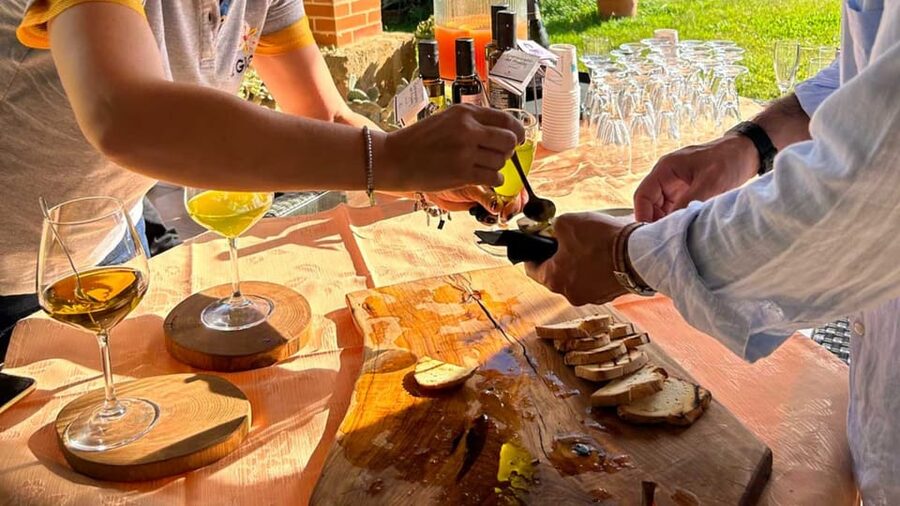
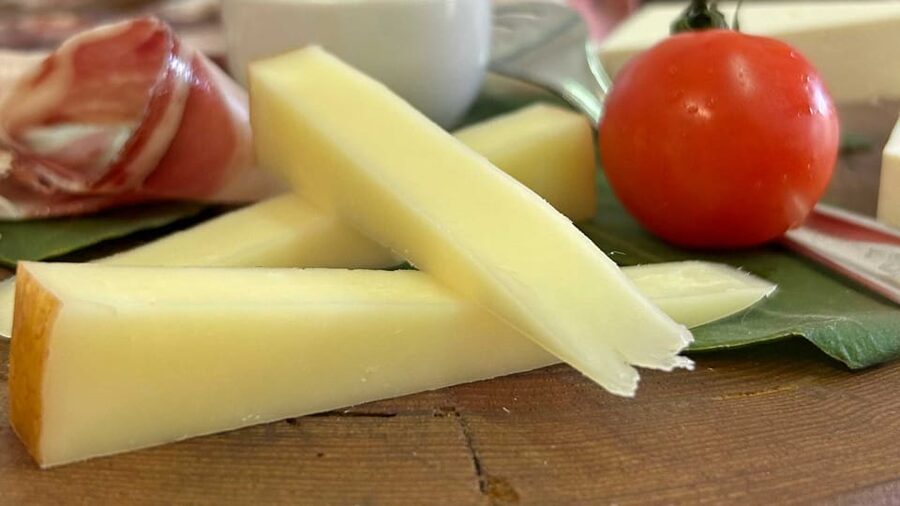
After the sensory lesson, the oils are paired with food prepared by the farm. The tasting includes country crostone, seasonal vegetables, legume hummus, a chef’s surprise, water, and a glass of local wine.
Crostone gives you a simple base for comparing oils. Bread lets the oil speak clearly, without a complicated recipe getting in the way. Seasonal vegetables offer another test, since a greener or more peppery oil can change the character of a mild vegetable.
The legume hummus is a helpful pairing choice, too. Beans and similar legumes have a soft, earthy flavor that can take a stronger oil without being overwhelmed. The chef’s surprise adds a small element of variety, although the exact dish is not specified in advance.
I like this part because it turns tasting into a kitchen lesson. You are not being asked to pick a single winner. You are learning that different oils can be right for different foods. A mild oil may suit delicate ingredients, while one with bitter or spicy fruitiness may work better with legumes, bread, or robust dishes.
The food also makes the visit more substantial than a technical sampling alone. Still, keep your expectations in check. The listed tasting is a light food pairing, not a full lunch. If you are hungry, arrange your day around it rather than treating it as a large meal.
A glass of local wine adds a Sardinian touch, but the focus remains olive oil. This is not a wine tour with a token oil sample. The oil lesson drives the experience from beginning to end.
What the five-generation family story adds
The farm’s family background gives the visit a personal thread. Founded in 1857, the enterprise has passed through five generations, and Anna and Antonella present that farming tradition directly.
Family ownership does not guarantee a good tour, of course. What matters here is that the story is tied to the working farm, the local cultivars, and the bottles you taste. The result should feel more grounded than a generic food demonstration held far from the source.
You also get a look at how local agriculture connects to the wider Sardinian table. Sardinia is often associated with beaches and archaeological sites, but its food culture is rooted in farms, grains, legumes, wine, and olive oil. This visit gives you a short, focused look at that everyday side of the island.
The experience has received a 4.7 rating from three reviews, including two five-star ratings. One Italian-speaking participant described it as very interesting and clearly explained, while a visitor from the United States specifically praised the farm tour and olive oil tasting. That matches the strongest feature of the activity: it combines information with something you can taste and use.
Who should book this experience
I would recommend this farm visit to food-minded visitors staying in or near Oristano. It is a good choice if you enjoy learning the reason behind a local product, not just sampling it. It also suits couples, small groups, and anyone looking for a quiet rural break from monuments or beach time.
It is especially useful for home cooks. The pairing lesson can change how you buy oil and how you use it. Instead of saving one expensive bottle for every purpose, you may begin choosing oils by intensity and dish.
The activity also works for visitors who want a short cultural stop. At 1.5 hours, it can fit into a busy day more easily than a long cooking class or full farm meal. You could pair it with other Oristano-area plans, but the exact order will depend on your schedule and transport.
I would think twice if you want a large meal, a long walk through the countryside, or a detailed tour of processing machinery. The activity has a clear focus, and its short length is both its advantage and its limit.
People with mobility impairments should note that the experience is listed as unsuitable for them. Comfortable clothing is recommended. Pets are allowed on a leash outdoors and inside the facility, except in processing rooms or areas where food is handled, provided they are docile.
Language, food needs, and practical planning
The tour is offered in Italian and English. If you do not speak Italian, English support lets you follow the production explanation and tasting guidance. Since sensory descriptions can be subtle, it is worth listening closely during the comparison of bitterness, spice, and fruitiness.
Allergies, intolerances, and vegetarian or vegan alternatives can be accommodated with advance notice. You need to contact the number on your reservation voucher at least two days before the experience. Do not wait until arrival, since the food is prepared as part of the farm tasting.
The booking terms are also useful for a changeable Sardinia itinerary. You can cancel up to 24 hours ahead for a full refund, and a reserve-now, pay-later option is available. No price is provided here, so I cannot judge the exact cost. The value will depend on the rate you see, but the package includes a guided farm visit, specialist instruction, several oils, food pairings, water, and local wine.
Should you book the Massama olive oil experience?
Book it if you want a compact, personal introduction to Sardinian olive oil, especially if you enjoy cooking or regional food. The combination of the 1857 family farm, indigenous cultivars, English or Italian guidance, and hands-on tasting gives the visit a clear purpose.
Skip it if you need step-free access, expect a full meal, or want a long countryside outing. For everyone else, this is a sensible Oristano add-on. You leave with more than a bottle-shopping tip: you learn how to taste oil, how to pair it, and why Sardinia’s local varieties deserve attention.
FAQ
Where does the olive oil experience take place?
It takes place at a farm in Massama, a village near Oristano in Sardinia, Italy.
How long does the experience last?
The activity lasts 1.5 hours.
Who leads the visit?
Anna and Antonella lead the experience. They are fifth-generation oil and wine sommeliers from the farm family.
Which olive cultivars are featured?
The farm produces oil from Bosana, Nera di Villacidro, Sa Manna, and Semidiana. Semidiana is typical of the Oristano area.
What will I learn during the farm visit?
You will learn about Sardinian olive cultivars, harvesting, transporting, pressing, and the best way to preserve extra virgin olive oil.
Will I learn how to taste olive oil?
Yes. The tasting lesson covers how to recognize extra virgin olive oil, ordinary olive oil, and lampante oil through sensory analysis.
What food is included?
The tasting includes country crostone, seasonal vegetables, legume hummus, and a chef’s surprise. Water and a glass of local wine are also included.
Can dietary needs be accommodated?
Allergies, intolerances, and vegetarian or vegan alternatives can be accommodated if you provide notice at least two days before the experience.
Is the activity available in English?
Yes. The live guide is available in Italian and English.
Are pets allowed?
Pets are allowed on leashes outside and inside the facility, except in processing rooms or places where food is handled. They must have a docile disposition.
Is the farm suitable for people with mobility impairments?
No. The activity is listed as unsuitable for people with mobility impairments.
What should I wear?
Wear comfortable clothes.
Can I cancel the booking?
Yes. You can cancel up to 24 hours in advance for a full refund. A reserve-now, pay-later option is also available.
Just added around Italy
- Traditional Farmhouse Cooking Experience in Lucca with Lunch or Dinner★ 5.0 · 34 reviews
- Farm-to-table Food Experience★ 5.0 · 23 reviews
- La Maliosa Farm Experience & Wine Tasting★ 4.5 · 29 reviews
- Sorrento: Authentic Lemon Experience at a Farm with Tastings★ 5.0 · 6 reviews
- Sorrento Half-Day Farm Experience: Pizza, Cheese Making and Wine★ 5.0 · 17 reviews
- Marì Cooking Class in a Family Farm with Amalfi Coast view★ 5.0 · 11 reviews
- Amalfi Coast & Sorrento Cooking Class School at Farmhouse★ 5.0 · 25 reviews
- Paestum and Buffalo Farm Day Tour from Sorrento★ 5.0 · 3 reviews
Italy Farm Tours, compared.
Florence Pizza or Pasta Class with Gelato Making at a Tuscan Farm
Read our review →
Cooking Class and Lunch at a Tuscan Farmhouse with Local Market Tour from Florence
Read our review →
Sorrento Farm and Food Experience including Olive Oil, Limoncello, Wine tasting
Read our review →
Pizza Lesson, Wine, and Limoncello at a Local Farm
Read our review →
Pizza or Pasta Class with Gelato at a Tuscan Farm
Read our review →
Hands-On Cooking Class & Farmhouse Tour on the Amalfi Coast
Read our review →
Pizza School with Wine and Limoncello Tasting in a Local Farm
Read our review →
Authentic Farm Tour with Pizza, Cheese, Wine & Limoncello Tasting
Read our review →Browse the lists this tour appears in