
Review · JAPAN
Okinawa: Traditional farming experience & cooking and a meal
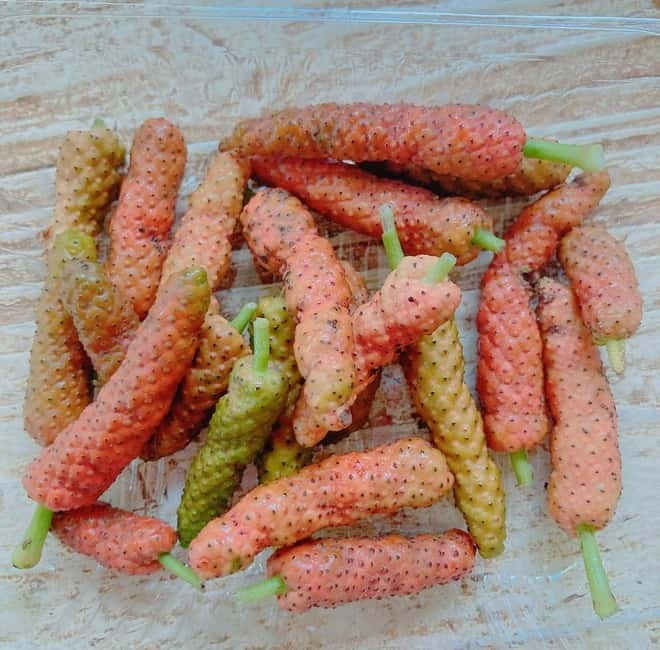
Okinawa’s best food lesson may begin with your hands in the soil. On Sesoko Island, you harvest local vegetables and herbs, turn some of them into traditional dishes, and learn to make kusu, a family-kept Okinawan seasoning. I like the direct link between farm and table, and I like that the meal includes ingredients you helped gather. The price is $61, a fair deal for food, instruction, and a private group experience.
I also like the human scale. Farmers answer simple questions patiently, and guides including Jun and Mei help explain each step. The main drawback is timing: the published duration is 150 minutes, but the schedule shows a 10-minute walk plus three one-hour activity blocks. Confirm the start time and allow extra room, especially if your day is tightly planned.
Key things to know before you book
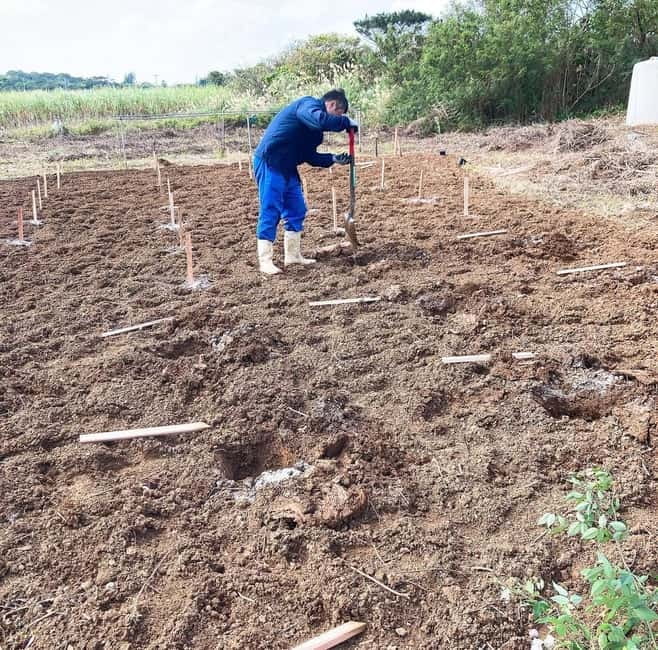
- Harvest your own ingredients: You work with vegetables and herbs grown on Sesoko Island before cooking with them.
- Make Okinawan kusu: This secret family-style seasoning becomes a personal souvenir, and support is available if you want to send it home by post.
- Eat a meal tied to the farm: The food is prepared with seasonal local ingredients, including produce gathered during the visit.
- Learn from local farmers: The conversation covers farming, food, and the traditions behind Okinawan cooking.
- Enjoy a private group format: The experience is offered for a private group, with Chinese, English, and Japanese language support.
- Bring practical clothing: Wear comfortable shoes and clothes, and carry water. Farming is hands-on, not a dress-up activity.
Starting at Kadoya Seimensho
The meeting point is Kadoya Seimensho Hoshifuru Mori no Beer Garden. From there, you walk about 10 minutes to the Sesoko Island activity area. That short walk is useful because it shifts the mood from meeting-point logistics to a rural outing, though you should wear shoes that can handle uneven ground or damp soil.
The activity is built around people, not a long list of sights. You are there to meet farmers, handle produce, cook, and eat. If you prefer tours packed with monuments and photo stops, this will feel quiet. If you want to understand how food connects to daily life in Okinawa, the slower pace works in your favor.
The group is private, which can make a big difference in a hands-on class. You can ask basic questions without feeling rushed, and the guide can give attention to each person while you harvest or prepare food. Language support is available in Chinese, English, and Japanese.
A few more farm days around Japan worth a look
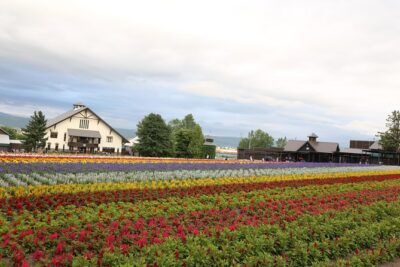
- Hokkaido Lavender farm & Furano Flower Tour from Sapporo
★ 4.5 · 28 reviews - Mt. Fuji Private Chartered Tour with Nature and Wasabi Farm
★ 5.0 · 24 reviews - Uji and Wazuka Matcha Farm Half Day Private Guided Tour
★ 5.0 · 21 reviews
Working the Sesoko Island garden
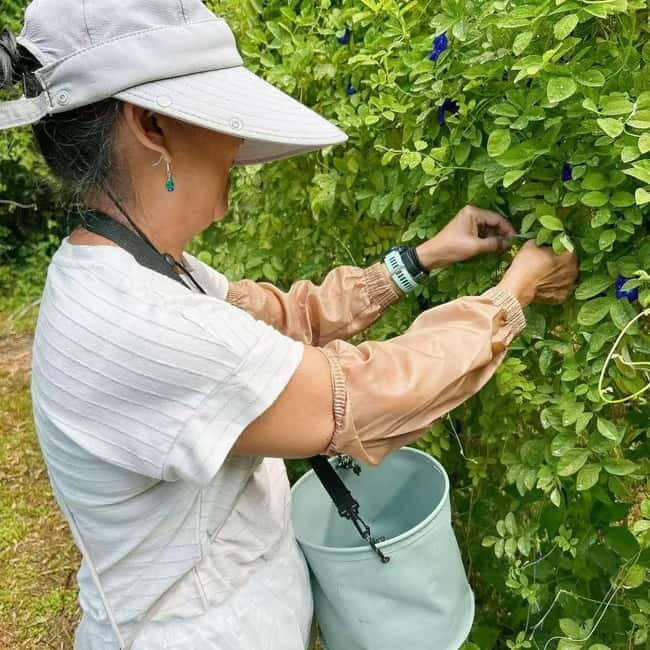
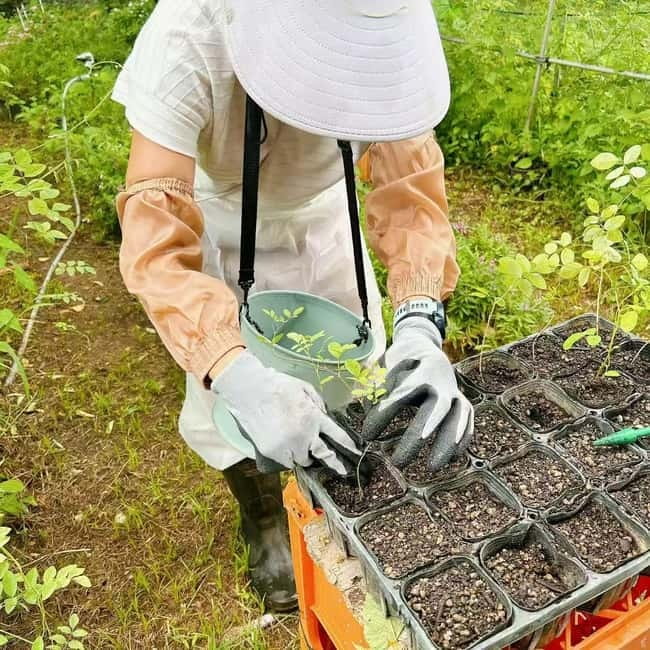
The first main part takes place on Sesoko Island and lasts about an hour. You participate in agricultural work, harvesting vegetables and ingredients associated with the island. The useful point here is that you are not simply shown a garden and handed a plate later. You feel the texture of the vegetables and herbs, then see how they fit into the meal.
The farming portion also gives context to Okinawan cooking. Local food is not presented as a menu detached from its source. Farmers explain the value of growing, gathering, and eating fresh produce, along with the care needed to keep these traditions going.
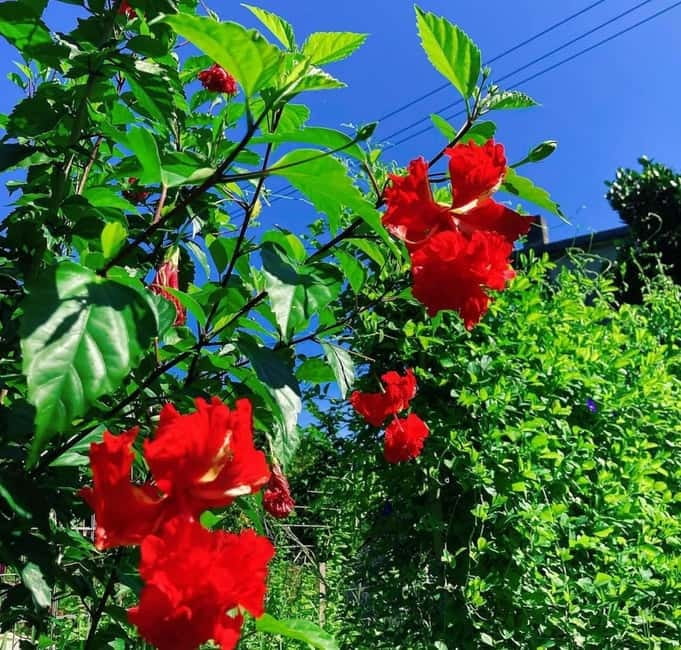
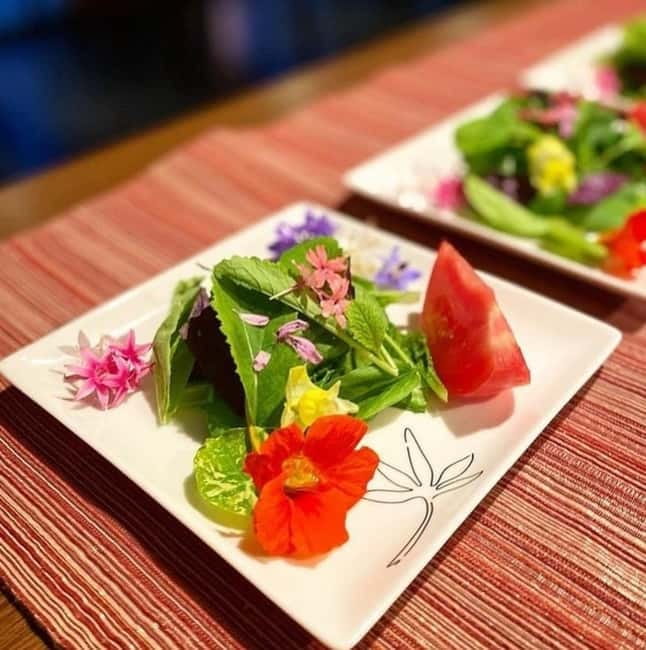
You may be asked to handle different plants, including flowers and herbs. One particularly unusual food moment is eating handpicked flowers prepared in Okinawan style. The experience is not built around luxury ingredients or elaborate restaurant technique. Its appeal is the surprise of learning what is edible and how local cooks use it.
Wear comfortable clothes that you do not mind getting dusty. Comfortable shoes matter more than stylish ones, and water is a sensible addition. The activity is suitable for people who enjoy practical participation, but less so for anyone hoping to sit back while someone else does all the work.
Making the secret Okinawan kusu
After harvesting, you learn how to make kusu, described as a traditional Okinawan seasoning passed down through families. The recipe is treated as a special part of the experience, giving you a small look at culinary knowledge that is usually kept within the home.
This is also the most distinctive souvenir. Instead of buying another packaged snack, you make something connected to the place and the people you met. The finished kusu can be kept as a reminder of the visit, and help is available with sending it by post if you cannot carry it easily.
The exact recipe and process are part of the guided activity, so do not expect a standard factory tour with a polished demonstration only. You take part in the making. That makes the session more memorable, but it also means the result may depend on careful attention to instructions.
The experience description refers to making kusu at a factory, while the wider program takes place around Sesoko Island and its farming setting. If the production location matters to you, ask for precise meeting and transfer details before booking. The available information confirms the hands-on kusu activity, but not a separate transport arrangement to another facility.
Cooking with what you harvested
The cooking class follows the agricultural work. It is listed as a one-hour session, during which you help prepare traditional Okinawan dishes with seasonal produce and other local ingredients.
I like this order. First you see the source, then you learn the preparation, and only after that do you sit down to eat. It gives the meal a clear story. A vegetable or herb is no longer an anonymous ingredient on a plate. You have handled it, learned something about it, and helped turn it into food.
The class is not described as a formal chef school, so expect cultural instruction and shared preparation rather than advanced culinary training. The emphasis is on Okinawan food traditions, local ingredients, and the meaning of eating together.
Guides Jun and Mei help explain the steps. Mei is specifically noted for explaining each stage clearly, including the flowers, the secret recipe, and the cooking process. Jun is presented as a master connected with the Okinawan traditional cuisine program. Their role is to keep the activity understandable and welcoming, especially for visitors who do not know Okinawan ingredients.
Because this is a private group, you can ask why a certain ingredient is used or how it fits into local cooking. Take advantage of that. Simple questions often reveal more than a rehearsed speech.
Same fields, a different sort of day out:
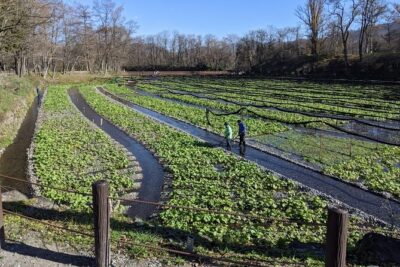
- Wasabi Farm Walking Tour & Lunch
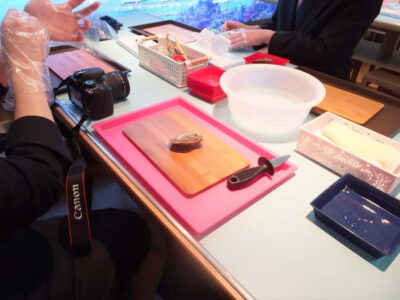
★ 4.5 · 20 reviews - Miyajima Guided Tour and Fresh Oyster Farm Tour
★ 5.0 · 20 reviews - Hands-on Pearl Harvesting Workshop!
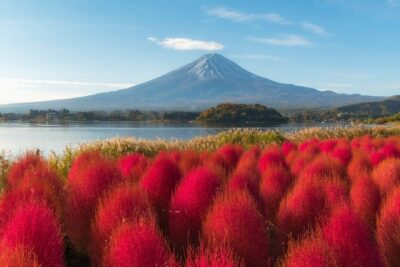
★ 3.3 · 11 reviews - From Tokyo Mt.Fuji, Lake Kawaguchi, Makaino Farm day tour
★ 5.0 · 8 reviews
Sharing the finished meal
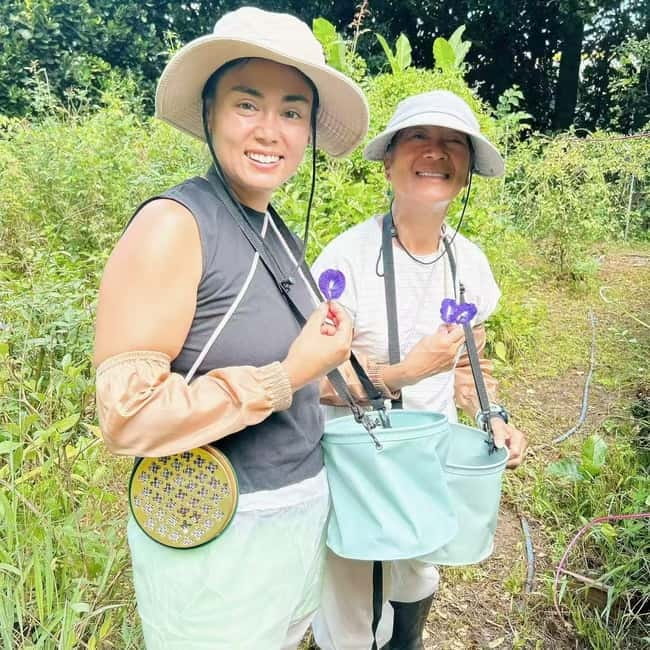
The final part is a meal and tasting session using freshly harvested vegetables and local ingredients. The meal is the payoff, but it is not the only point. You are also sharing food and conversation with farmers and local people who support the area’s cooking traditions.
The experience is especially appealing if you value meals with a clear sense of place. You are not just being served a regional dish in a restaurant. You have followed part of its path from the garden to the table.
The food has received strong praise. Enza described the meal as delicious after taking part in several different activities. Yannik enjoyed eating handpicked flowers in Okinawan style and considered the whole experience a highlight of a Japan trip. Elizabeth singled out the pleasure of making lunch with the garden ingredients.
Alcohol is not included. That is worth noting if you were expecting drinks with the meal. You can focus on the food and conversation, but any alcohol cost or arrangement would be separate.
There are also cats on site, according to one account of the visit. They may be a welcome bonus for animal lovers, but they are not the main attraction and should not be treated as a guaranteed part of the program.
Why the $61 price can make sense
At $61 per person, this costs more than a simple local lunch but less than many full-day guided outings. The value comes from combining several services: agricultural participation, instruction, a cooking class, a meal, interaction with farmers, and the kusu-making activity.
I would consider it good value if you want food culture rather than just food. You receive a meal, but you also get time with local people and a handmade keepsake. The private group format adds value for families, couples, or small groups who prefer not to share a crowded class.
The price is less compelling if you only want to eat Okinawan cuisine. In that case, a restaurant meal will usually be simpler and faster. This activity asks you to spend time harvesting and cooking before you sit down.
The published rating is 5 out of 5 from three verified bookings, with praise focused on the food, the variety of activities, clear explanations, and the friendly owners. That is an encouraging early record, though the sample is small. I would treat the consistent praise as a useful signal, not a guarantee that every visit will unfold in exactly the same way.
Timing, walking, and what to bring
The stated duration is 150 minutes. The schedule includes:
- A 10-minute walk from the starting point
- About one hour visiting the Sesoko Island farming area
- About one hour for the cooking class
- About one hour for dinner and tasting
Those listed blocks add up to more than 150 minutes, so I would clarify the exact timing before booking. The activity may use approximate block lengths, or the 150-minute figure may exclude part of the walk or meal. Either way, do not place a tight ferry, train, or restaurant reservation immediately afterward.
Bring comfortable shoes, water, and comfortable clothing. You will be handling plants and taking part in food preparation, so practicality beats polished holiday clothes.
The activity is marked as not suitable for people with altitude sickness. Since the program takes place on Sesoko Island and no high-altitude sightseeing is described, this restriction may be a standard safety note. If it applies to you, ask the provider before booking rather than guessing.
Cancellation is free up to 24 hours before the start for a full refund. You can also reserve now and pay later, which helps if your Okinawa schedule is still changing.
Who will enjoy this most
I would choose this for food-focused visitors, families, couples, and small groups who enjoy doing something with their hands. It also suits repeat visitors to Okinawa who have already seen the major beaches and want a closer look at island life.
Children may enjoy the harvesting and cooking, but the supplied information does not give a minimum age or specific child arrangements. Ask before booking if you are traveling with young children.
This is a good fit for anyone curious about regional food and farming. It is less suitable if you dislike outdoor work, want a polished restaurant meal, or need a precisely timed activity.
The language options help international visitors, with Chinese, English, and Japanese available. The private group setup also makes it easier to ask questions about ingredients, farming, and the kusu recipe.
Should you book the Sesoko Island food experience?
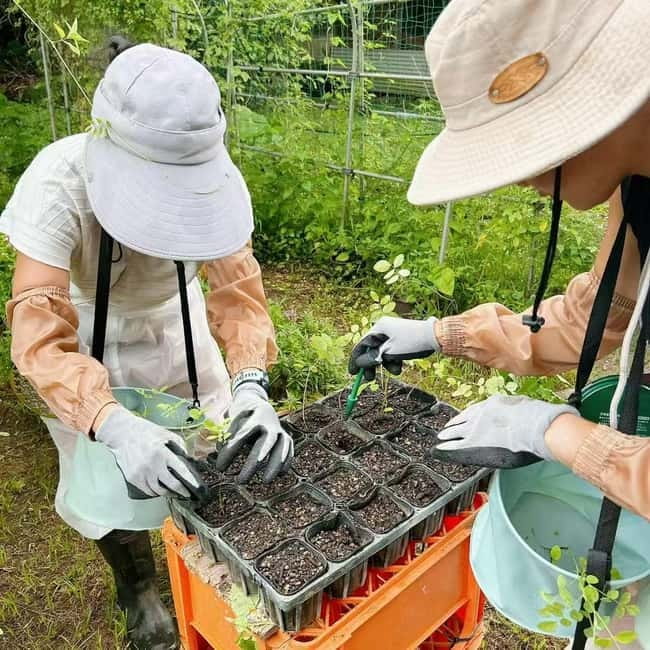
Book it if you want to connect Okinawan food with the land, the farmers, and the people who keep local recipes alive. The handpicked flowers, secret kusu seasoning, and shared meal give the experience details you are unlikely to get from a standard cooking class.
Skip it if you are looking only for a quick meal or a sightseeing tour with constant movement. The charm depends on participation, conversation, and enough time to enjoy the process.
At $61, I see this as a worthwhile half-day-style outing for curious eaters. Confirm the exact schedule, wear practical shoes, and leave room in your luggage, or use the postal support for your handmade kusu.
FAQ
Where does the activity start?
It starts at Kadoya Seimensho Hoshifuru Mori no Beer Garden. The group then walks about 10 minutes to Sesoko Island.
How long does the experience last?
The advertised duration is 150 minutes. The schedule also shows a 10-minute walk and three activity blocks of about one hour each, so confirm the exact timing before booking.
What food activities are included?
You harvest vegetables and ingredients, make traditional Okinawan kusu, prepare traditional dishes, and eat a meal made with freshly harvested vegetables and local ingredients.
Is the meal included in the price?
Yes. A meal with local ingredients is included.
Is alcohol included?
No. Alcohol drinks are not included.
Which languages are available?
The experience offers Chinese, English, and Japanese language support.
Is this a private activity?
Yes. It is offered as a private group experience.
What should I bring?
Bring comfortable shoes, water, and comfortable clothes. You will take part in farming and cooking activities.
Just added around Japan
- From Tokyo Mt.Fuji, Lake Kawaguchi, Makaino Farm day tour★ 5.0 · 8 reviews
- Hida Private E-Bike Tour with Premium Lunch and Farm Experience★ 5.0 · 7 reviews
- Guided Bike Tour to a Green Tea Farm in Shizuoka (not e-bikes)★ 5.0 · 5 reviews
- Hokkaido Farm Tomita Shikisai Hill Waterfall& Blue Pond Day Tour★ 3.5 · 6 reviews
- Autumn Leaves in AutumnSkiing in winterLet’s go to Hoheikyo Onsen by private car (from Sapporo)★ 4.5 · 8 reviews
- E Bike in Yuzawa Mountain Views Lake Daigenta and Rice Terraces★ 5.0 · 2 reviews
- Wasabi Farm Walking Tour & Lunch★ 4.5 · 20 reviews
- 7hr Private Wazuka True Hidden Kyoto Matcha Farm Experience★ 5.0 · 3 reviews
Japan Farm Tours, compared.

Hokkaido Lavender farm & Furano Flower Tour from Sapporo
Read our review →
Mt. Fuji Private Chartered Tour with Nature and Wasabi Farm
Read our review →
Uji and Wazuka Matcha Farm Half Day Private Guided Tour
Read our review →
From Tokyo Mt.Fuji, Lake Kawaguchi, Makaino Farm day tour
Read our review →Browse the lists this tour appears in