
Review · NEW ORLEANS
New Orleans: Whitney Plantation + Soul of New Orleans Tour
The most powerful part of this day is its clear connection between Whitney Plantation and modern New Orleans. You begin with the lives of enslaved people on River Road, then follow those people and their descendants into the city, where African traditions helped shape jazz, Mardi Gras Indians, Creole identity, and neighborhood life.
I like the audio tour at Whitney because it gives you time to move at your own pace through cabins, memorials, and former plantation grounds. I also like the way the afternoon shifts from plantation history to living culture, with stops tied to Congo Square, Tremé, Black masking culture, Hurricane Katrina, and the legacy of the Ninth Ward.
The main consideration is the length and emotional weight. This is an eight-hour day with an early pickup, a serious subject, and a lunch break between the two parts. It is not a light sightseeing loop, but if you want New Orleans history told through Black voices and experiences, the long format is worthwhile.
Key points about the Whitney and Soul of New Orleans tour
- Whitney Plantation uses an audio guide to focus on the lives, labor, family stories, and endurance of enslaved people.
- River Road connects the morning and afternoon, taking you past antebellum plantations before the city portion begins.
- The 1811 slave rebellion is part of the story, giving you context for one of the largest slave uprisings in United States history.
- The Soul of New Orleans tour links slavery to culture, including jazz, Congo Square, Mardi Gras Indians, Creole identity, and Black masking traditions.
- The itinerary reaches beyond the French Quarter, with the Oldest African-American Neighborhood, Studio B, Musicians Village, and the Ninth Ward included.
- Hotel pickup and drop-off simplify a full day, though you need to be ready at your hotel at 8:00 AM and allow up to 30 minutes for the driver’s pickup route.
Why this tour begins at Whitney Plantation
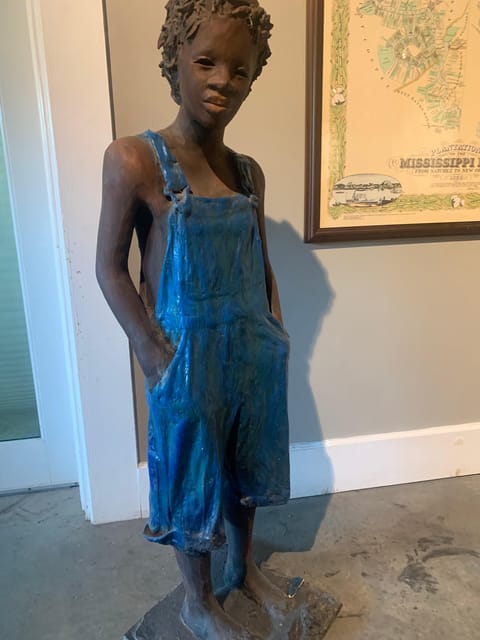
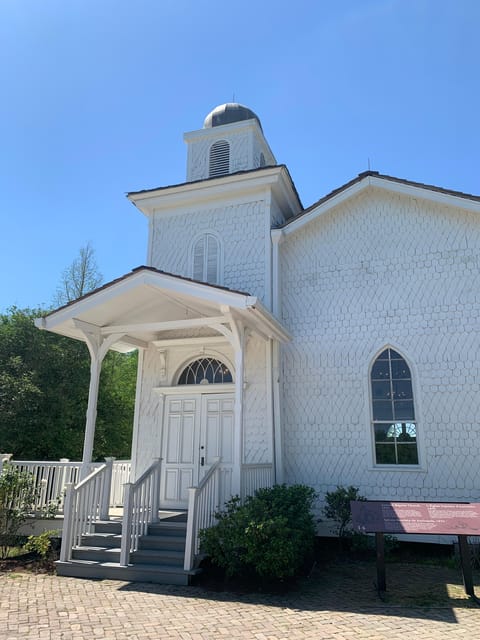
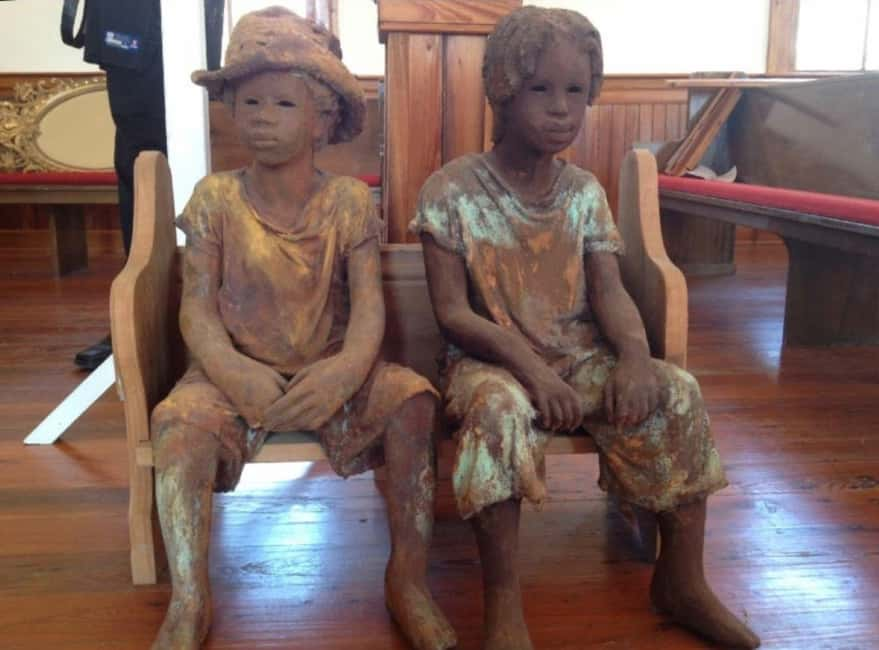
Whitney Plantation is not presented as a grand-house sightseeing stop first. Its focus is the enslaved people who worked there and on similar plantations across Louisiana. That change in emphasis matters, especially if you have already seen plantation homes that spend more time on architecture and wealthy owners than on the people whose labor made the wealth possible.
You explore preserved slave cabins, memorials, and plantation grounds with a self-guided audio tour. The headsets are included, so you can hear the narration clearly while moving from place to place. The format also gives you room to pause. This is useful because the subject is painful, and you may want time to read, think, or simply stand quietly before continuing.
The experience brings forward firsthand narratives and the perspectives of enslaved Africans and their descendants. You will hear about hardship, but the story is not limited to suffering. Family, faith, endurance, and resistance are part of the picture too. That balance helps you see enslaved people as whole human beings rather than as background figures in a plantation story.
Expect the morning to be serious. Whitney is a place for attention, not quick photo stops. The memorials and cabins can be difficult to encounter, yet they provide the foundation for everything that follows in New Orleans. The city’s music, celebrations, and neighborhood traditions make more sense when you understand the forced movement of African people and the ways they preserved culture under brutal conditions.
More Plantation Tours in New Orleans
- Swamp Boat Ride and Oak Alley Plantation Tour from New Orleans
★ 5.0 · 3,303 reviews - Oak Alley Plantation Tour with Transportation from New Orleans
★ 4.5 · 1,747 reviews - Whitney Plantation Tour with Transportation from New Orleans
★ 4.5 · 1,351 reviews
The River Road journey puts the history in place
The bus ride along River Road adds physical context. You pass antebellum plantations in the corridor along the Mississippi River, a route shaped by agriculture, shipping, wealth, and slavery. The views are part of the lesson, but the main value is understanding how close the plantations were to the river and to one another.
The ride also keeps the day from feeling like two unrelated tours. The morning examines plantation slavery, while the afternoon looks at the different form slavery took in New Orleans. That distinction is important. Rural plantation labor and urban slavery did not operate in exactly the same way, and the city tour explains how enslaved Africans helped build New Orleans in an urban setting.
The tour also includes information about the largest slave rebellion in United States history. This refers to the 1811 German Coast uprising, a subject often left out of casual Louisiana sightseeing. Hearing about resistance alongside forced labor gives you a fuller picture of the period. Enslaved people did not accept their condition quietly, even when the consequences of rebellion were severe.
The bus is practical here. River Road is spread out, and having transportation lets you cover the plantation area before returning to New Orleans. You are not responsible for arranging a separate taxi or rental car, and the same day includes hotel pickup and drop-off.
A lunch break separates two very different parts of the day
After Whitney Plantation, you return to New Orleans for a lunch break. The supplied details do not specify a restaurant or include the cost of the meal, so plan to pay for lunch yourself and use the pause to rest.
This break is more useful than it may sound. Whitney can be emotionally demanding, and the city portion asks you to take in a large amount of information. Eat something, get water, and give yourself a few minutes to reset. The second half is still serious, but its focus shifts toward culture, creativity, neighborhoods, and the continuing presence of Black history in New Orleans.
Because the tour lasts eight hours, comfortable clothing and shoes make sense. You should also be prepared for a day that mixes bus time, walking, listening, and reflection. The itinerary is not built around long stretches of free time, so the lunch break is your main chance to recharge.
From Congo Square to Tremé, history moves into the streets

The Soul of New Orleans City Tour shows how African traditions survived and grew in the city. Congo Square is central to that story. It represents a place where enslaved and free people of African descent gathered, maintained musical and cultural practices, and helped shape traditions that later influenced New Orleans music.
The tour continues toward Tremé, one of the city’s historic Black neighborhoods. Here, the subject is not simply what happened in the past. You look at how Black residents built communities, created institutions, and kept cultural practices alive despite discrimination and economic pressure.
You also learn about the origins of jazz, Black masking culture, Mardi Gras Indians, and Creole identity. These topics are connected, but they are not interchangeable. The tour helps explain how faith, music, costume, performance, and neighborhood ties developed into traditions that still mark New Orleans.
I especially like this part of the route because it avoids treating jazz as a sound that appeared from nowhere. You get a line of connection from African cultural practices, to Congo Square, to neighborhood life, to the music New Orleans is known for around the world. The story gives credit to the people and communities who made those traditions possible.
The tour includes the birthplace of jazz as a theme or stop, along with scenes from movies. Those details add a popular-culture angle, but the main value remains historical. You are not just collecting film locations. You are seeing how Black New Orleans has been represented, remembered, and sometimes misunderstood.
More Plantation Tours in the USA
- Laura Creole Plantation Guided Tour
★ 5.0 · 1,279 reviews - Airboat and Plantations Tour with Gourmet Lunch from New Orleans
★ 4.5 · 1,246 reviews - New Orleans: Bayou Swamp Tour and Oak Alley Plantation Tour
★ 4.7 · 1,147 reviews - New Orleans: Oak Alley Plantation & Airboat Swamp Combo Tour
★ 4.7 · 906 reviews
Studio B, Musicians Village, and the Ninth Ward
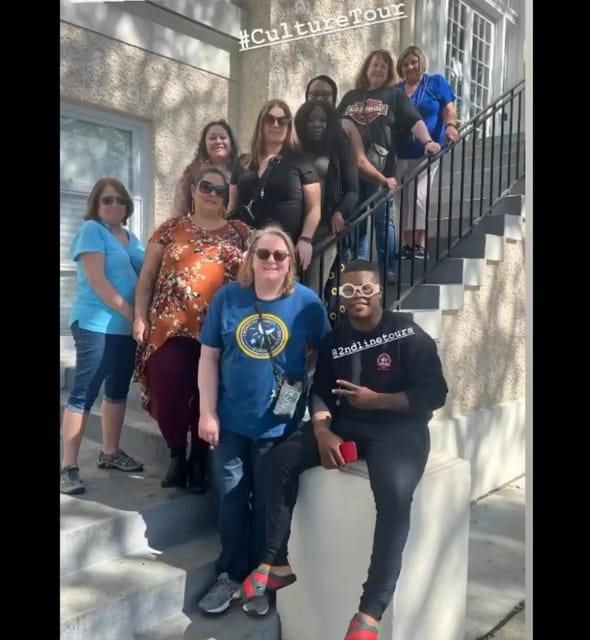
The itinerary reaches beyond the best-known tourist blocks. Studio B is included, as are Musicians Village and the Oldest African-American Neighborhood. These places broaden the day from a history lesson into a look at community, music, housing, and cultural continuity.
Musicians Village is especially fitting for a tour centered on New Orleans creativity. Its inclusion helps show that music is not only a performance for visitors. It is also tied to homes, neighborhoods, working musicians, and efforts to support people who keep local traditions alive.
The city tour also covers Hurricane Katrina and the aftermath in the Ninth Ward. This section adds a modern layer to the day. You see how disaster affected Black neighborhoods and why recovery, displacement, and community memory remain important parts of New Orleans history.
The Ninth Ward portion may be difficult, just as Whitney is difficult, but it prevents the tour from presenting Black history as something that ended with emancipation or the birth of jazz. The story continues through segregation, neighborhood change, Hurricane Katrina, gentrification, and the survival of Black-owned businesses and traditions.
One especially personal part of the itinerary can be the visit to the TEP Center, where you may meet Dr. Tate and learn about desegregation in New Orleans. This is a distinctive feature because it adds a direct connection to the civil rights era and to a person linked with that history. The experience also includes information about Black-owned businesses that existed before gentrification and the meaning of Second Line celebrations.
A guide-led afternoon adds context the audio tour cannot
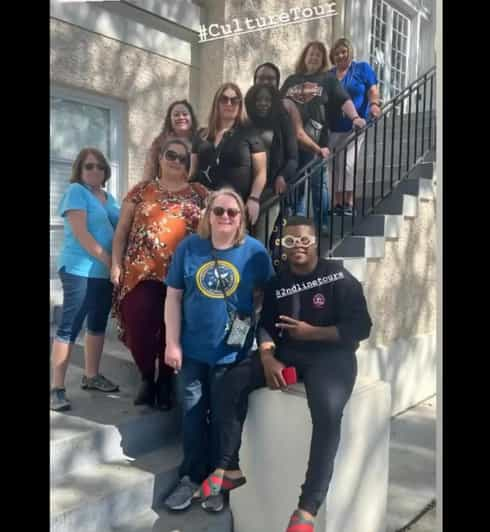
Whitney Plantation is self-guided, while the Soul of New Orleans portion uses a live English-speaking guide. That contrast works well. You can take the time you need in the museum setting, then ask questions and follow a guide’s interpretation in the city.
Dennis guided one particularly well-regarded tour and was also able to return the family group to its hotel. If Dennis is assigned to your departure, you can expect a guide who has been praised for kindness as well as for explaining Black art, historic buildings, Katrina, and the Ninth Ward. Guide assignments can vary, so I would not book on the assumption that a particular person is guaranteed.
A live guide matters in New Orleans because many important places are not marked with large signs. The meaning of a street, neighborhood, building, or tradition may not be clear from a quick look. Commentary can connect the visible city to events and people that are easy to miss on your own.
The guide also helps hold the two halves together. You move from the fields of plantation slavery to the streets where enslaved Africans and their descendants created music, celebrations, religious practices, and community institutions. That connection is the heart of the day.
What the $120 price includes
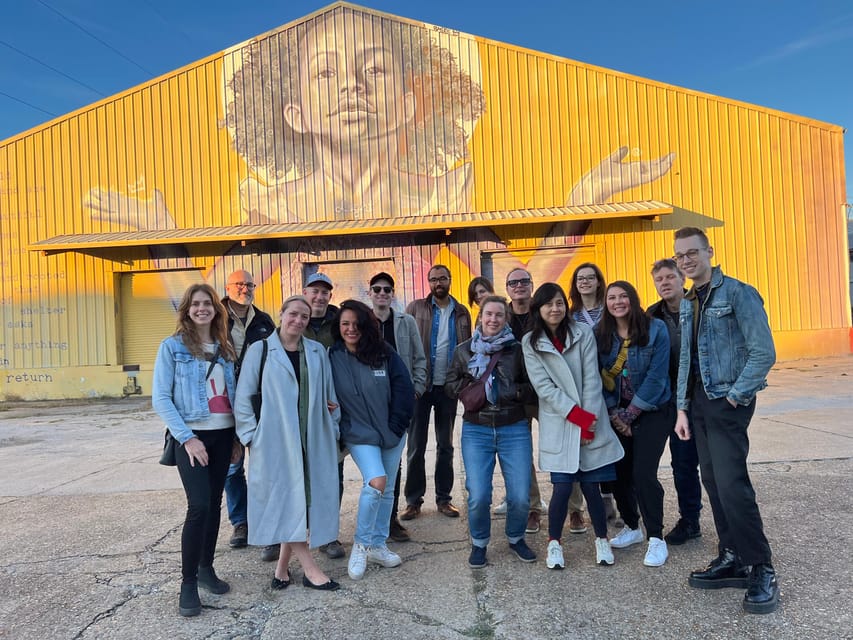
At $120 per person, this is not the cheapest way to see New Orleans, but it covers a lot for a full eight-hour schedule. The price includes hotel pickup and drop-off, the River Road bus tour, entry to Whitney Plantation, the Whitney audio tour, headsets, a live guide, and the listed city stops and subjects.
You are also paying for transportation between areas that are difficult to combine efficiently without a car. A separate plantation visit, transport to River Road, and a city history tour could cost more once you add admission and rides. The value is strongest if you want both plantation history and Black New Orleans culture in one day.
Lunch is a break rather than a stated inclusion, so keep money aside for food. The long schedule may also be more than you need if you prefer short tours or want plenty of unplanned time in the French Quarter.
For me, the best value comes from the historical link. A plantation visit alone can leave you with an incomplete picture, and a music or neighborhood tour alone may not explain the conditions that shaped the city. This experience puts both pieces together.
Who should book this eight-hour experience
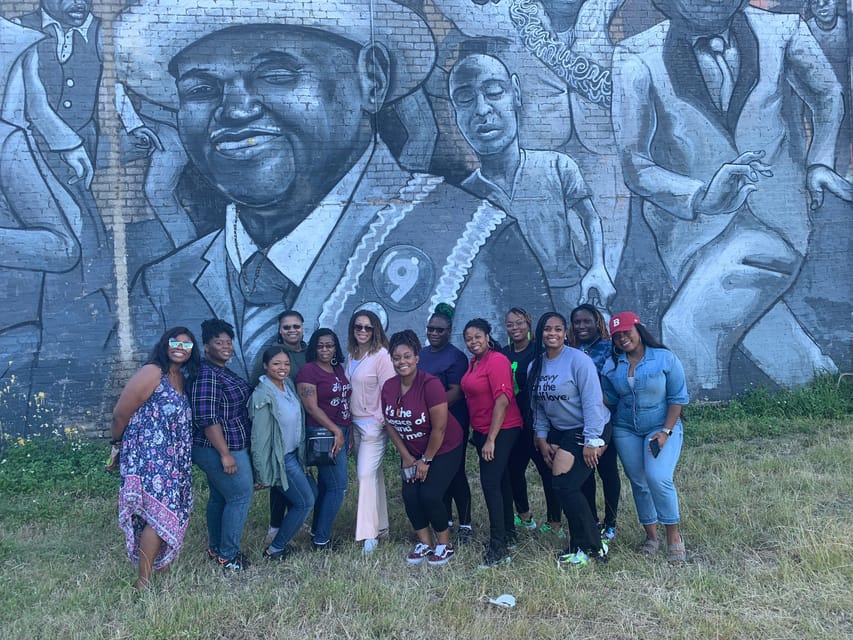
I would choose this tour if you want a serious, history-focused introduction to New Orleans and have only one or two full days in the city. It suits anyone interested in Black history, slavery, jazz, civil rights, neighborhood culture, architecture, or the effects of Hurricane Katrina.
Families with older children and teenagers may find it especially useful, provided they are ready for difficult material. The audio format at Whitney lets each person absorb the information at a comfortable pace, while the city tour provides a shared discussion afterward.
It is also a good fit if you do not want to rent a car. Hotel pickup, the River Road drive, plantation admission, headsets, and return transport remove several planning tasks.
I would think twice if your main goal is leisure, nightlife, or a relaxed day with long breaks. The subject matter is heavy, the start is early, and the day includes a lot of listening. You should also be comfortable with a self-guided museum experience in the morning rather than expecting a guide to lead every step.
Pickup begins at 8:00 AM. Be ready at the front of your hotel at that time. The driver makes several stops, so there is a 30-minute grace period. If the vehicle is not there exactly at 8:00, it is likely still completing the pickup route and should arrive within that grace period.
Cancellation is free up to 24 hours before the experience for a full refund, and you can reserve now and pay later. Those terms help if your New Orleans plans are still changing.
Should you book the Whitney and Soul of New Orleans tour?
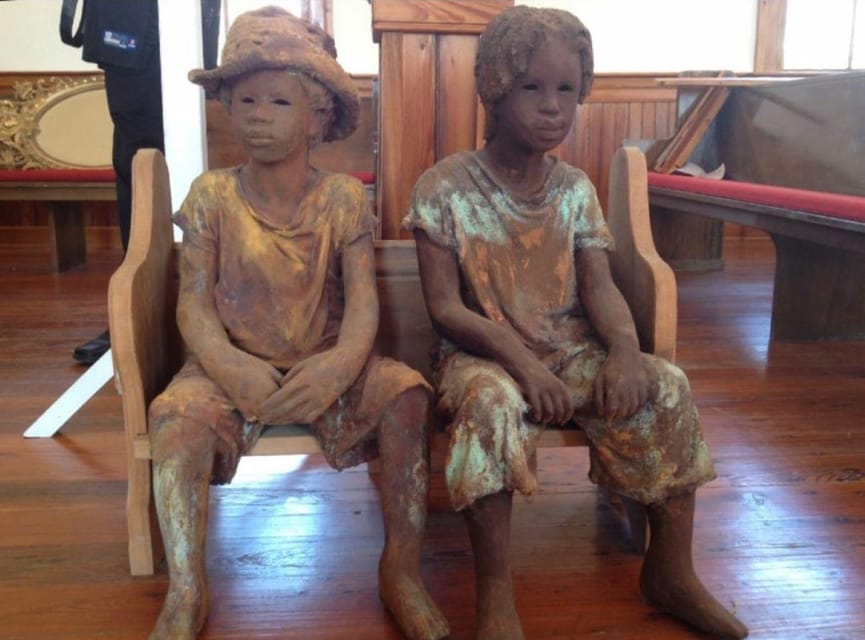
Book it if you want more than plantation scenery and French Quarter snapshots. The strongest reason to choose this experience is its full arc: enslaved life at Whitney, resistance along River Road, African cultural survival in Congo Square, jazz and Mardi Gras traditions, Tremé, desegregation, Black-owned businesses, Katrina, and the Ninth Ward.
The tour is best for a curious reader who wants context and is willing to give the subject its proper time. It is not a quick, cheerful city sampler, and the emotional weight is real. But the combination of transportation, admission, audio narration, live commentary, and access to places tied to Black New Orleans makes the $120 price reasonable for a full day.
FAQ
How long does the Whitney Plantation and Soul of New Orleans tour last?
The experience lasts eight hours, including the Whitney Plantation visit, the River Road bus tour, the lunch break, and the New Orleans city tour.
What time does hotel pickup begin?
Pickup begins at 8:00 AM. You should be ready in front of your hotel at that time. Because the driver makes multiple stops, a 30-minute grace period applies.
Is hotel pickup and drop-off included?
Yes. Hotel pickup and drop-off are included in the experience.
Is the Whitney Plantation tour guided?
Whitney Plantation uses a self-guided audio tour. Headsets are included so you can hear the narration clearly.
Is a live guide included?
Yes. The city portion includes a live English-speaking guide. Dennis guided one reported departure, but a specific guide is not guaranteed.
Is lunch included?
A lunch break is provided between the two parts of the day, but the supplied details do not state that lunch is included in the price.
Can I cancel for a refund?
Yes. You can cancel up to 24 hours in advance for a full refund. You can also reserve now and pay later.
Just added around New Orleans
- Whitney Plantation and Soul of New Orleans City Tour Combo★ 5.0 · 13 reviews
- Whitney Plantation Tour with Transportation★ 4.0 · 29 reviews
- St. Joseph and Felicity Plantation Combo Tour★ 5.0 · 4 reviews
- St. Joseph Plantation Tour★ 4.5 · 30 reviews
- Two Plantation Tour: Oak Alley and Laura or Whitney★ 5.0 · 7 reviews
- Private Airboat Ride and Plantations Tour with Gourmet Lunch from New Orleans★ 5.0 · 50 reviews
- Small Airboat and Oak Alley Plantation Tour from New Orleans★ 4.5 · 23 reviews
- N’awlins Luxury: Laura, Oak Alley or Whitney Plantation Tour w/Transportation★ 4.5 · 46 reviews
New Orleans Farm Tours, compared.
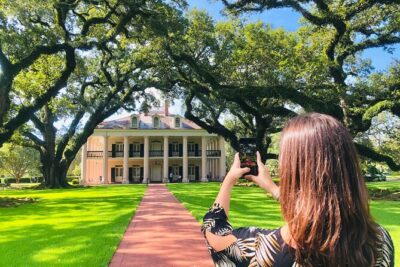
Swamp Boat Ride and Oak Alley Plantation Tour from New Orleans
Read our review →
Oak Alley Plantation Tour with Transportation from New Orleans
Read our review →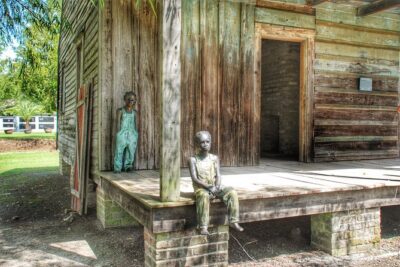
Whitney Plantation Tour with Transportation from New Orleans
Read our review →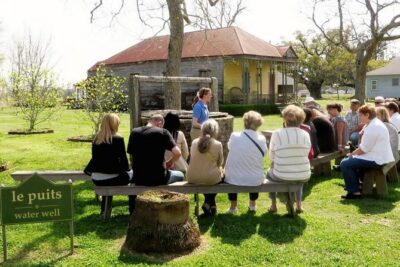

Airboat and Plantations Tour with Gourmet Lunch from New Orleans
Read our review →
Bayou Swamp Tour and Oak Alley Plantation Tour
Read our review →
Oak Alley Plantation and Large Airboat Swamp Tour from New Orleans
Read our review →
Browse the lists this tour appears in