
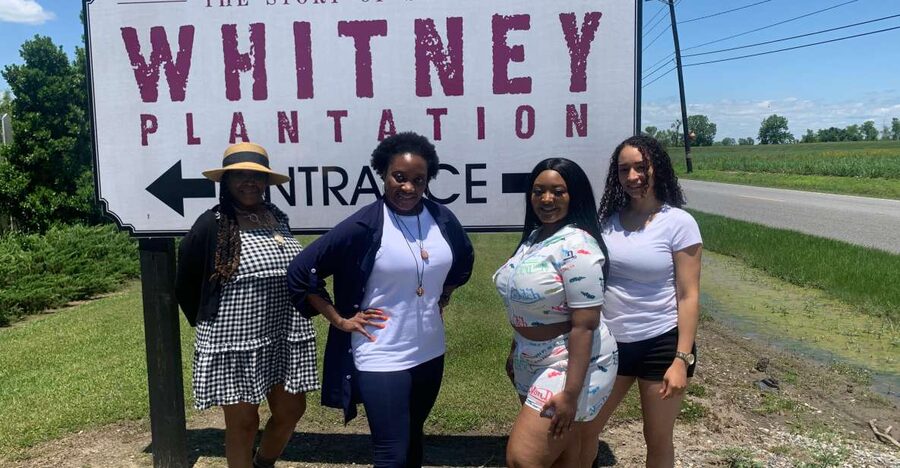
Review · NEW ORLEANS
New Orleans: Whitney Plantation & Museum Tour
The Whitney Plantation tour puts enslaved people at the center of Louisiana’s plantation story. You will walk through original slave cabins, hear personal accounts, and see memorials built to honor people whose lives were long pushed aside in traditional plantation tours. The setting is sobering, but the visit is also clear-eyed and educational.
I like the focus on African endurance and survival, rather than grand homes and plantation owners. I also like the River Road drive, where your guide can explain the region and point out filming locations along the way. The main drawback is that the Whitney visit is self-guided, so you should not book this expecting a guided walk led by a plantation docent.
Key points to know before booking
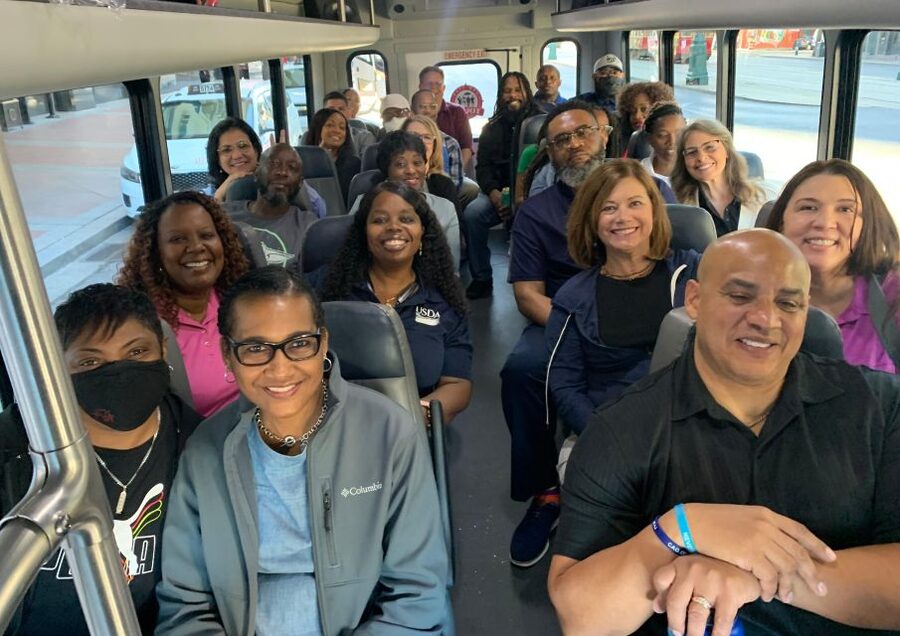
- Whitney Plantation centers enslaved people: Original cabins, memorials, and exhibits focus on the lives and labor of the enslaved.
- River Road adds vital context: The drive follows a corridor tied to sugar plantations and the largest slave rebellion in United States history.
- The plantation visit is self-guided: You explore at your own pace with headsets, while the driver-guide handles the journey to and from New Orleans.
- Driver-guides can shape the day: Jay, one praised driver, used the drive to share local knowledge and stop at movie locations for photos.
- Hotel pickup is limited by location: Pickup usually covers hotels within one to two miles of 414 Canal Street.
- The $79 price covers transport and admission: It is a practical choice if you want a half-day outing without arranging a rental car.
Why Whitney Plantation is different

Louisiana has many plantation sites, but Whitney Plantation takes a different approach. Its main purpose is not to admire the architecture of a plantation house. It is a museum and memorial devoted to the people who were enslaved there and to the wider system that shaped Louisiana.
That difference matters. Sugar plantations depended on exhausting labor, strict control, and the forced movement of African people and their descendants. At Whitney, the cabins, memorials, and recorded stories help you consider that system from the viewpoint of the people who worked under it.
The visit connects slavery to the present day. Louisiana’s foodways, wealth, settlement patterns, laws, and culture were all shaped by plantation slavery. You are not simply looking at an old property. You are being asked to see how that past still affects the state and the United States.
The subject is painful, and the tour does not try to make it comfortable. That is one reason I consider it a strong choice for anyone who wants a serious historical outing from New Orleans. If you prefer a lighter plantation visit focused on grand interiors and decorative gardens, this may not be the right fit.
More Plantation Tours in New Orleans
- Swamp Boat Ride and Oak Alley Plantation Tour from New Orleans
★ 5.0 · 3,303 reviews - Oak Alley Plantation Tour with Transportation from New Orleans
★ 4.5 · 1,747 reviews - Whitney Plantation Tour with Transportation from New Orleans
★ 4.5 · 1,351 reviews
Leaving New Orleans for River Road
The day begins with pickup in the morning, generally between 8:00 and 8:30. You need to be ready at your designated pickup point by 8:00, even though the driver may arrive later during the 30-minute pickup window.
Hotel pickup is offered for many hotels within a one to two mile radius of 414 Canal Street. If your hotel is outside that area, you go to the central meeting point at 414 Canal Street, near Jazz Gumbo on Canal Street between Tchoupitoulas and Magazine Street, a block from Caesars Casino.
The ride takes place in an air-conditioned coach. That is a welcome feature in Louisiana, particularly during warm or humid weather. Bring comfortable clothes, and remember that the experience includes walking outdoors at the plantation.
The drive along River Road is more than a transfer. This historic route follows the Mississippi River corridor where large plantations once operated. The area is tied to the 1811 German Coast uprising, widely described as the largest slave rebellion in United States history.
Your driver-guide provides the live commentary in English. The quality of this part of the day depends heavily on the person behind the wheel, and that is where this tour has earned especially strong praise. Jay, in particular, is noted for making the roughly hour-long journey engaging with local information and a good sense of humor.
Some drivers also point out locations used in films and may stop briefly so you can take pictures. These stops are an extra, not the main purpose of the trip, but they give the ride a welcome sense of place. Do not expect a full sightseeing tour of every plantation along the road. Think of it as a narrated journey that frames your visit to Whitney.
Arriving at a museum built around memory
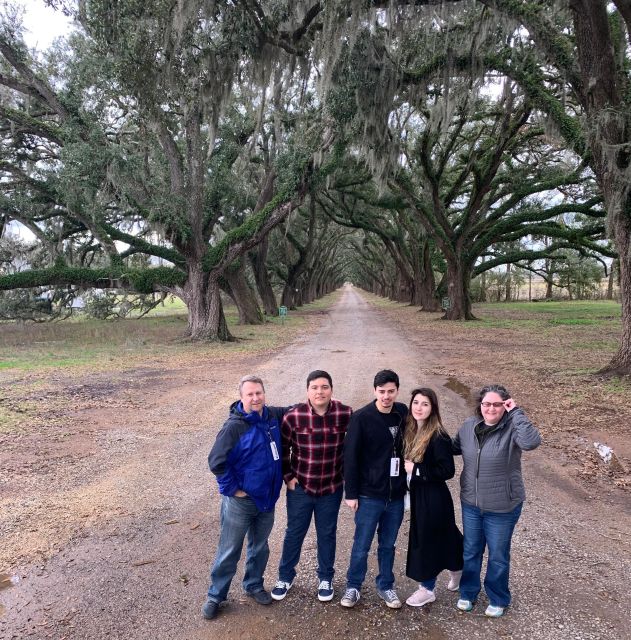
Whitney Plantation is not presented as a preserved home where you simply admire period furnishings. It has been converted into a museum and memorial, with the grounds used to tell the story of slavery in Louisiana.
You explore the site at your own pace. Headsets help you hear the self-guided material clearly, which is useful when walking between buildings and memorials. Take time with the audio rather than rushing from one stop to the next. The value of Whitney is in the accumulation of details and voices.
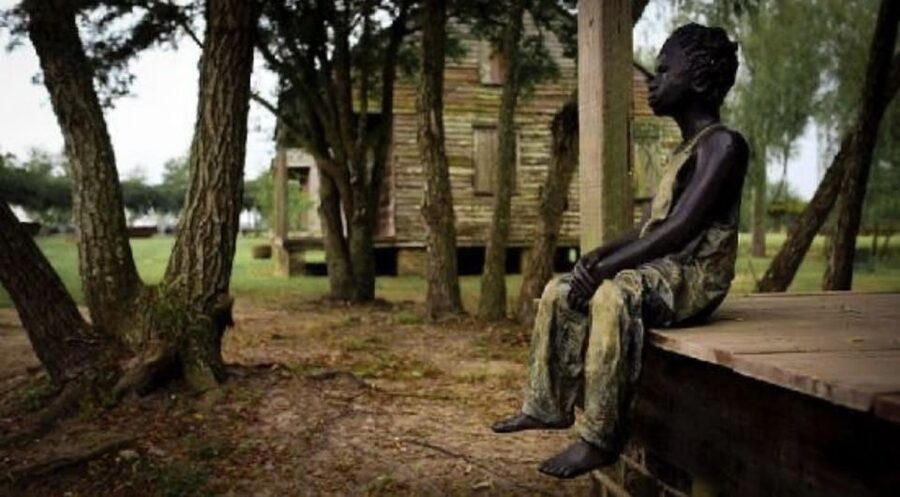
The original slave cabins are among the most important parts of the visit. They make the physical conditions of plantation life easier to picture, though no building can fully convey the human cost of enslavement. You also encounter memorials honoring enslaved people and exhibits about the labor that supported the sugar economy.
The site’s emphasis on names and personal stories gives the visit a human scale. Instead of seeing slavery only as an economic system, you are encouraged to think about families, work, punishment, survival, and the denial of freedom.
One limitation is that the plantation’s big house has not been restored in the way some visitors may expect. If you are hoping for a lavish antebellum interior, Whitney will feel modest compared with other plantation properties. I see that as a fair trade for the museum’s priorities, but it is worth knowing before you book.
A self-guided visit with room for reflection
The self-guided format has both advantages and drawbacks. You can move at your own pace, pause when a memorial needs more thought, and spend extra time with material that interests you. You are not tied to the speed of a group walking behind a guide.
The tradeoff is that you may not have a plantation guide beside you to answer questions as they arise. One visitor expected a combined guided and self-guided format but received only the self-guided portion at Whitney. Read the booking details carefully so your expectations match the actual setup.
The driver-guide and the plantation guide serve different roles. The driver gives live commentary during the road portion, while the Whitney visit uses the headset and self-guided material. That distinction is important because the tour description includes a live English guide, but that does not mean a live docent leads you around the plantation.
Plan to give the grounds your full attention. This is not a quick photo stop. You will get more from it if you allow time for the memorials, cabins, and audio material to work together. The subject demands patience, and the self-guided structure gives you some control over that pace.
More Plantation Tours in the USA
- Laura Creole Plantation Guided Tour
★ 5.0 · 1,279 reviews - Airboat and Plantations Tour with Gourmet Lunch from New Orleans
★ 4.5 · 1,246 reviews - New Orleans: Bayou Swamp Tour and Oak Alley Plantation Tour
★ 4.7 · 1,147 reviews - New Orleans: Oak Alley Plantation & Airboat Swamp Combo Tour
★ 4.7 · 906 reviews
What makes the memorials matter
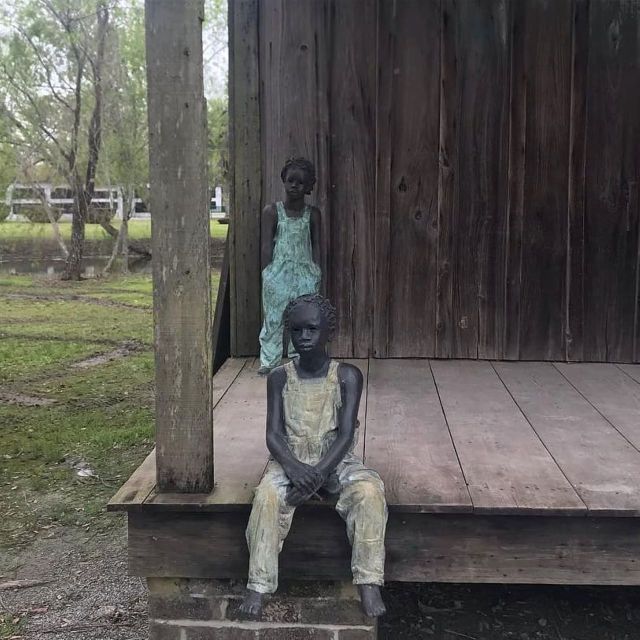
A plantation museum can easily become a story about architecture, land ownership, and the people who profited from forced labor. Whitney reverses that order. The memorials ask you to remember the enslaved people as individuals and to think about what was taken from them.
That focus is especially valuable in Louisiana, where plantation wealth helped shape the modern state. Sugar production was not a minor side story. It relied on enslaved labor and linked local wealth to a national system of human bondage.
The visit also helps explain why the River Road looks the way it does. The large estates, old routes, and plantation remains are not just picturesque leftovers from another era. They are physical traces of a system that organized land, labor, and power.
I appreciate that the experience connects the past with the present instead of treating slavery as a closed chapter. You leave with a clearer sense that American history is not only found in famous buildings or battlefields. It is also found in the economic and social systems that shaped ordinary life.
How the $79 price measures up
At $79 per person, this is a reasonable half-day outing from New Orleans. The fee includes hotel pickup and drop-off where available, transportation in an air-conditioned coach, the River Road drive, admission to Whitney Plantation, and headsets for the self-guided visit.
That package is useful if you do not have a car. Renting a vehicle would add cost, driving time, fuel, and the burden of navigating an unfamiliar region. Here, you can leave the driving to someone else and hear local context along the way.
The value is also tied to the subject matter. You are paying for access to a purpose-built museum and memorial, not simply a view of an old house. If your main goal is to see ornate rooms and gardens, another plantation tour might suit you better. If you want a serious account of slavery and the lives of enslaved people, Whitney offers better alignment with that goal.
Food and drinks are not included, so plan accordingly. The supplied information does not promise a meal stop, and a five-hour tour leaves little reason to assume you will have a full dining break. Bring what you need within the operator’s rules, and wear clothes suitable for walking outdoors.
Who will enjoy this tour most
I would recommend this tour to you if you want historical context, a respectful memorial setting, and a practical way to reach River Road from New Orleans. It suits adults, students, families with older children, and anyone who wants to understand how slavery shaped Louisiana.
It is also a good choice if you prefer a tour that asks difficult questions rather than presenting the antebellum period as a romantic old South story. The tone is serious, though the ride itself can be lively when the driver shares local knowledge and movie locations.
You may want another option if you need a fully guided plantation walk, a restored mansion interior, or a relaxed sightseeing outing. Whitney is not designed as a cheerful day in the country. It is a place for learning and reflection.
The tour is offered in English according to the main activity details. Since the plantation portion is self-guided, confirm the language arrangements before booking if language access is important for your group.
Pickup advice that can save your morning
The pickup system is simple but requires attention. Be at your hotel location by 8:00, even if the driver does not appear immediately. The vehicle may be collecting other passengers nearby, and the operator allows a 30-minute window.
There has been some confusion between ticket times and final pickup confirmation, so check your messages closely on the morning of the tour. If you are not staying near the French Quarter or Canal Street, use the stated meeting point rather than assuming hotel pickup is available.
The central pickup spot is 414 Canal Street, near Jazz Gumbo and close to Caesars Casino. Give yourself enough time to reach it. Missing the coach would be a poor start to a day built around careful historical attention.
Cancellation is flexible up to 24 hours before departure for a full refund, and the reserve-now, pay-later option can help if your New Orleans plans are still shifting.
Should you book the Whitney Plantation tour?
Book it if you want the most direct plantation experience in this lineup for learning about enslaved people, African survival, and the system that built Louisiana’s wealth. The combination of River Road, driver commentary, original cabins, and memorials makes the five-hour trip worthwhile.
I especially like this tour for first-time visitors who want history with moral clarity rather than polished nostalgia. Just remember the key limitation: the Whitney visit is self-guided, and the large house is not the main attraction.
If that format suits you, $79 is fair for transportation, admission, and a focused half-day outing. Arrive early for pickup, wear comfortable clothes, and give yourself time to listen. You will leave with more than photographs of old buildings. You will have a sharper understanding of the people and systems that shaped Louisiana.
FAQ
How long does the Whitney Plantation tour take?
The tour lasts about five hours, including transportation between New Orleans and Whitney Plantation and time at the museum.
Is the Whitney Plantation visit guided?
The plantation portion is self-guided. You explore the grounds at your own pace and use headsets to hear the tour clearly. The live guide is associated with the transportation and River Road portion.
Is the tour conducted in English?
The activity details list English as the tour language. Confirm language arrangements before booking if someone in your group needs another language.
What is included in the $79 price?
The price includes a guide, the River Road bus tour, Whitney Plantation admission, hotel pickup and drop-off where available, and headsets for the self-guided material.
Is food included?
No. Food and drinks are not included in the tour price.
Where is hotel pickup available?
Pickup is available for most hotels within a one to two mile radius of 414 Canal Street. If your hotel is outside that area, go to 414 Canal Street near Jazz Gumbo, between Tchoupitoulas and Magazine Street.
What time does pickup begin?
Pickup begins at about 8:00 AM, with a 30-minute pickup window. You should be ready at your designated location by 8:00 AM.
Can I cancel the tour?
Yes. You can cancel up to 24 hours in advance for a full refund. The reserve-now, pay-later option is also available.
More Museum Visits in New Orleans
- Whitney Plantation and Museum Tour from New Orleans
★ 4.5 · 69 reviews - Lancaster County: Amish Farmlands, Museum Tour, Farm Visit
★ 4.3 · 322 reviews - Amalfi: Vertical Lemon Farm Tour, Tastings, and Rural Museum
★ 4.8 · 196 reviews - Rovaniemi Santa Claus Village Husky Reindeer Farm Arctic Museum
★ 4.5 · 84 reviews
Just added around New Orleans
- Whitney Plantation and Soul of New Orleans City Tour Combo★ 5.0 · 13 reviews
- Whitney Plantation Tour with Transportation★ 4.0 · 29 reviews
- St. Joseph and Felicity Plantation Combo Tour★ 5.0 · 4 reviews
- St. Joseph Plantation Tour★ 4.5 · 30 reviews
- Two Plantation Tour: Oak Alley and Laura or Whitney★ 5.0 · 7 reviews
- Private Airboat Ride and Plantations Tour with Gourmet Lunch from New Orleans★ 5.0 · 50 reviews
- Small Airboat and Oak Alley Plantation Tour from New Orleans★ 4.5 · 23 reviews
- N’awlins Luxury: Laura, Oak Alley or Whitney Plantation Tour w/Transportation★ 4.5 · 46 reviews
New Orleans Farm Tours, compared.

Swamp Boat Ride and Oak Alley Plantation Tour from New Orleans
Read our review →
Oak Alley Plantation Tour with Transportation from New Orleans
Read our review →
Whitney Plantation Tour with Transportation from New Orleans
Read our review →

Airboat and Plantations Tour with Gourmet Lunch from New Orleans
Read our review →
Bayou Swamp Tour and Oak Alley Plantation Tour
Read our review →
Oak Alley Plantation and Large Airboat Swamp Tour from New Orleans
Read our review →
Browse the lists this tour appears in