
Review · NEW ORLEANS
New Orleans: Whitney Plantation Audio Tour with Transfers
Whitney Plantation asks you to look at Louisiana plantation life from the viewpoint too often pushed aside: the enslaved people who worked, suffered, resisted, worshipped, and built the wealth around them. The focus is not on grand rooms or romantic plantation stories, but on human cost and survival.
I like the clear focus on enslaved people and the freedom to move at your own pace with an audio headset. I also like that hotel pickup and drop-off remove the need to rent a car for a site about 70 miles from the French Quarter. The main drawback is the length of the outing, 390 minutes, with no meal included. You will need to plan for a full half-day away from New Orleans.
- The audio tour keeps the story centered on enslaved lives, rather than making the owner’s house the main attraction.
- Freedmen’s Church offers a powerful stop focused on hope, faith, and freedom.
- The 1790 owner’s house shows the sharp divide between plantation owners and enslaved workers.
- The memorial gives the visit its emotional weight, honoring people who suffered under slavery.
- Hotel transfers save you a long drive, with pickup available from most New Orleans hotels.
- Thirty minutes after the tour allows time for the gift shop, restrooms, or a quick snack.
Why Whitney Plantation feels different
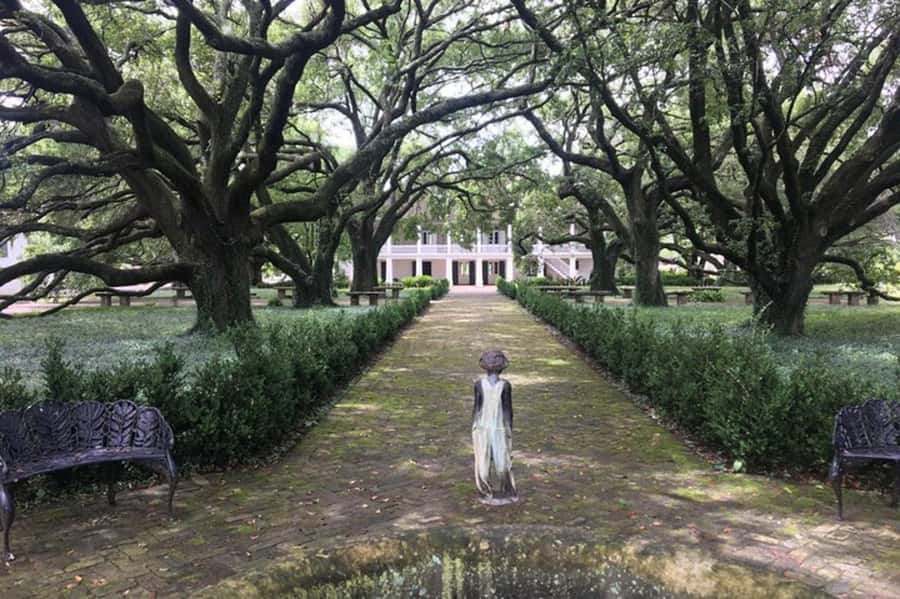
Whitney Plantation is the only museum in Louisiana dedicated to the lives of enslaved people. That purpose shapes the entire visit.
You are not being asked to admire plantation architecture first and think about slavery later. Instead, the cabins, work buildings, church, owner’s house, and memorial all help explain how slavery operated and what it demanded from the people trapped inside it.
That focus matters. Plantation tourism can easily soften the past with polished gardens, grand furniture, and stories about wealthy families. Whitney Plantation puts the labor system and the people forced to sustain it at the center. You will spend your time considering daily work, living conditions, loss, endurance, and the long legacy of slavery in Louisiana.
The visit is serious. It is not designed as a light sightseeing stop between New Orleans attractions. I would plan it for a day when you have time to listen carefully and think about what you are seeing.
The 70-mile ride from New Orleans
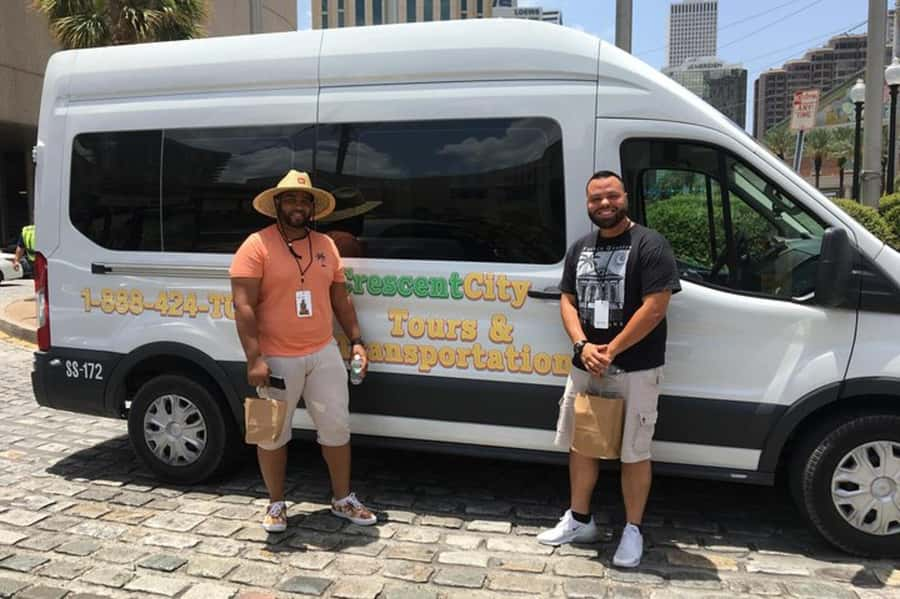
Your day begins with pickup from your New Orleans hotel. Transfers are included, which is a practical advantage because Whitney Plantation sits about 70 miles from the French Quarter.
Pickup is available from most New Orleans hotels. If your exact hotel is not listed, you are instructed to choose the nearest available pickup point. That detail matters in a city where hotel entrances and pickup streets can be busy, so check the meeting point carefully before the morning of your visit.
The drive gives you time to prepare for the subject ahead. The plantation is not a quick neighborhood attraction that you can fit into an hour. With a total duration of 390 minutes, transportation takes a meaningful part of the day, but it also saves you from arranging your own route.
You should bring patience and an open mind. The value here comes from giving the subject time. A rushed visit would work against the purpose of the museum.
More Plantation Tours in New Orleans
- Swamp Boat Ride and Oak Alley Plantation Tour from New Orleans
★ 5.0 · 3,303 reviews - Oak Alley Plantation Tour with Transportation from New Orleans
★ 4.5 · 1,747 reviews - Whitney Plantation Tour with Transportation from New Orleans
★ 4.5 · 1,351 reviews
Starting with the slave cabins
The slave cabins introduce the physical reality of plantation life. Here, you begin learning where enslaved people lived and how their daily existence differed from the comfort available to the plantation owner.
The audio guide helps connect the buildings with the lives once lived around them. You will hear about the hardships faced by enslaved people, their work, and the conditions imposed on them. The format lets you stop, listen, and continue at a pace that suits you.
This is one of the strongest parts of the visit because the cabins are not treated as quaint historic structures. Their importance comes from the people who occupied them and from what they reveal about forced labor, restricted freedom, and unequal living conditions.
You may find the audio format more personal than a large group lecture. You can give a section extra time if it raises questions or move ahead when you are ready. The tradeoff is that self-guided touring requires attention. No guide is moving the group from stop to stop, so you need to keep track of the audio and route yourself through the property.
Freedmen’s Church and the search for freedom
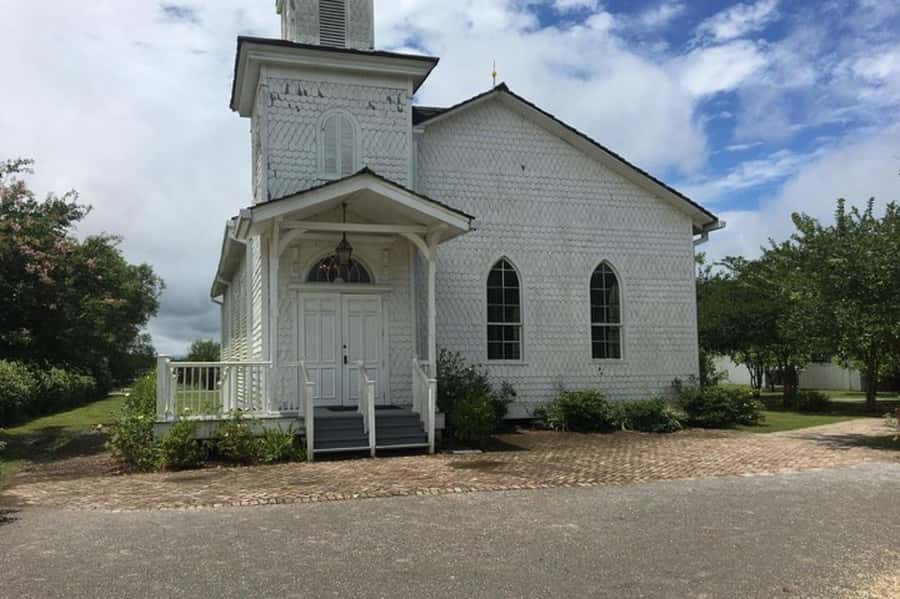
Freedmen’s Church represents hope and resilience for people seeking freedom. It adds an important part of the story that goes beyond labor and punishment.
The church gives you a place to consider faith, community, and the possibility of a life beyond slavery. Its meaning comes from the people connected to it and from the wider effort to build freedom after generations of forced labor.
I appreciate this stop because it keeps the experience from becoming only a catalogue of suffering. The tour recognizes pain, but it also makes room for courage, belief, and the determination to create a future under impossible conditions.
Expect the tone to remain respectful and reflective. This is not a theatrical attraction, and the church is not presented as a decorative plantation feature. Its value lies in what it represents.
Kitchens, outbuildings, and the work behind the wealth
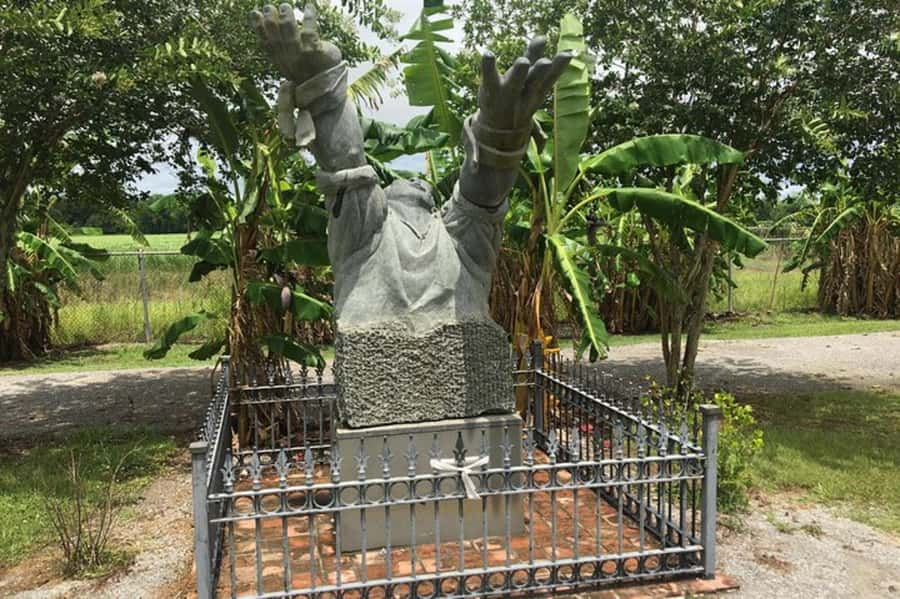
The detached kitchen and other outbuildings show how the plantation operated. They help you see the practical systems that supported the owner’s household and the wider agricultural enterprise.
These structures bring attention back to work. You will learn about the harsh conditions endured by enslaved workers and the demands placed on them. The plantation’s wealth did not appear by magic. It depended on people whose labor was controlled and whose freedom was denied.
For me, these smaller buildings are important because they make the system easier to understand. The owner’s house may attract the eye, but kitchens and work areas explain the daily effort required to keep a plantation running.
The tour also helps you connect individual buildings to a larger system. Enslaved people were not simply present on the property. They were forced to perform the work that sustained the household and plantation.
More Plantation Tours in the USA
- Laura Creole Plantation Guided Tour
★ 5.0 · 1,279 reviews - Airboat and Plantations Tour with Gourmet Lunch from New Orleans
★ 4.5 · 1,246 reviews - New Orleans: Bayou Swamp Tour and Oak Alley Plantation Tour
★ 4.7 · 1,147 reviews - New Orleans: Oak Alley Plantation & Airboat Swamp Combo Tour
★ 4.7 · 906 reviews
The 1790 owner’s house
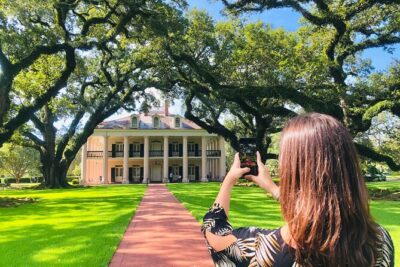
The 1790 owner’s house provides the sharpest physical contrast of the day. After seeing where enslaved people lived and learning about the work they endured, you enter a space connected to the plantation owner’s position and comfort.
That contrast is the point. The house is not there only for its age or appearance. It helps you compare two realities existing on the same property: one built around ownership and control, the other shaped by forced labor and deprivation.
I would not expect the owner’s house to dominate the visit. The experience gives it a supporting role in the larger story. You see it as evidence of the unequal system rather than as the main prize of the outing.
This approach may disappoint anyone hoping for a traditional plantation-home tour focused on furniture, family rooms, or architectural detail. If that is your main interest, Whitney Plantation may feel different from other historic homes. If you want the house placed in the context of slavery, the contrast makes the stop worthwhile.
The memorial for the enslaved
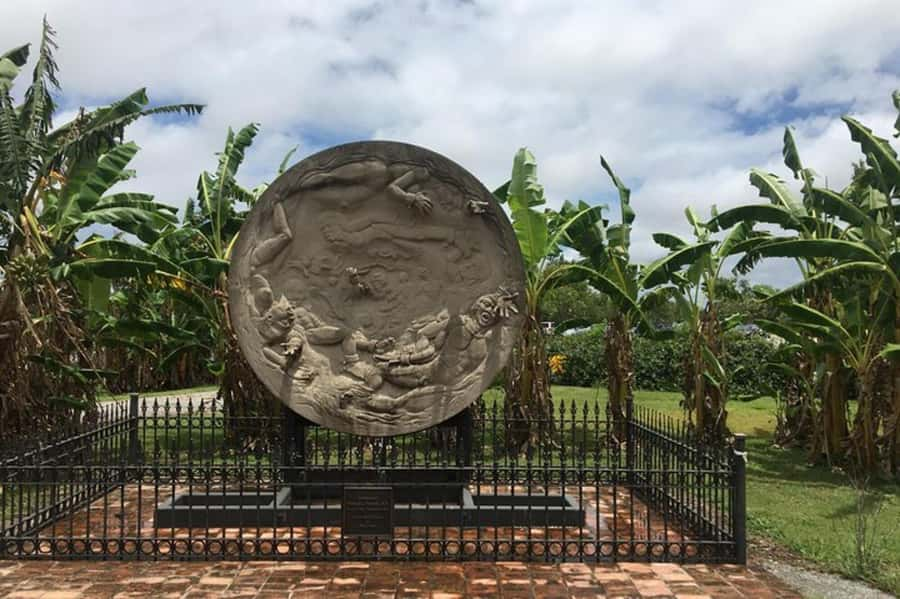
The memorial is the emotional center of the visit. It gives you a place to pay your respects to the people who suffered under slavery and to consider the lives lost and the legacy that remains.
A memorial can make history personal in a way that buildings alone cannot. After moving through cabins, work areas, the church, and the owner’s house, you have a clearer sense of the human cost behind the system. The final stop gathers those lessons into a moment of remembrance.
Give yourself time here. The schedule includes about 30 minutes after the tour for the gift shop, restrooms, or a quick snack, but you should not feel pressure to rush away from the memorial if you need a quiet pause.
This is also where the tour’s focus becomes clearest. Whitney Plantation is not asking you to admire a vanished way of life. It is asking you to remember people who were denied freedom and to recognize the endurance of those who survived slavery and its aftermath.
Why the audio guide works well
The audio headset makes the tour self-guided and self-paced. You can listen in the order provided, pause when needed, and spend more time at places that matter most to you.
That freedom is useful on a serious historical visit. Some people want time to stand quietly at the memorial. Others may want to listen again to the section about the cabins or outbuildings. An audio tour allows those differences without making an entire group wait.
The format also keeps the visit focused. Since the audio guide is built around the lives and working conditions of enslaved people, you are less likely to drift into a general plantation sightseeing experience.
There is one limitation. You cannot ask the audio guide a follow-up question. If you prefer a live historian who can respond to your interests, this may feel less satisfying than a guided group tour. The benefit is control over your pace, not personal conversation.
What the $81 price includes
The price is $81 per person. That includes entry to Whitney Plantation, the audio guide, and hotel pickup and drop-off.
The value depends largely on how you would reach the plantation on your own. The site is about 70 miles from the French Quarter, so the included transport saves you from arranging a rental car or finding separate transportation. You are paying for a full outing, not just admission.
Meals and drinks are not included. You have about 30 minutes after the tour for a quick snack, but you should not treat that period as a full meal break. Plan ahead so you are not relying on the plantation visit for lunch.
For me, the price makes the most sense if you value convenience and want the transportation handled. It is less attractive if you already have a car and are comparing the cost only with a standalone entry ticket.
The outing also includes time that is easy to overlook. The transfer to and from New Orleans, the six-and-a-half-hour total duration, and the time at the plantation make this a major part of your day. That is useful if you want a focused historical visit, but it limits how many other activities you can schedule.
Who should book this experience
I would recommend this outing to you if you want a serious account of plantation slavery rather than a polished plantation-house tour. The focus on enslaved people, their working conditions, their homes, their faith, and their lasting legacy gives the visit a clear purpose.
It suits history-minded visitors, families with older children who can engage with difficult subjects, and anyone who wants to understand more about the forces behind Louisiana’s plantation economy.
It may not suit you if you want a casual photo stop, a food-focused excursion, or a quick look at historic architecture. The subject is heavy, and the schedule takes most of a day.
The attraction is also not suitable for wheelchair users, according to the activity information. If accessibility is important for your group, confirm the current conditions before booking.
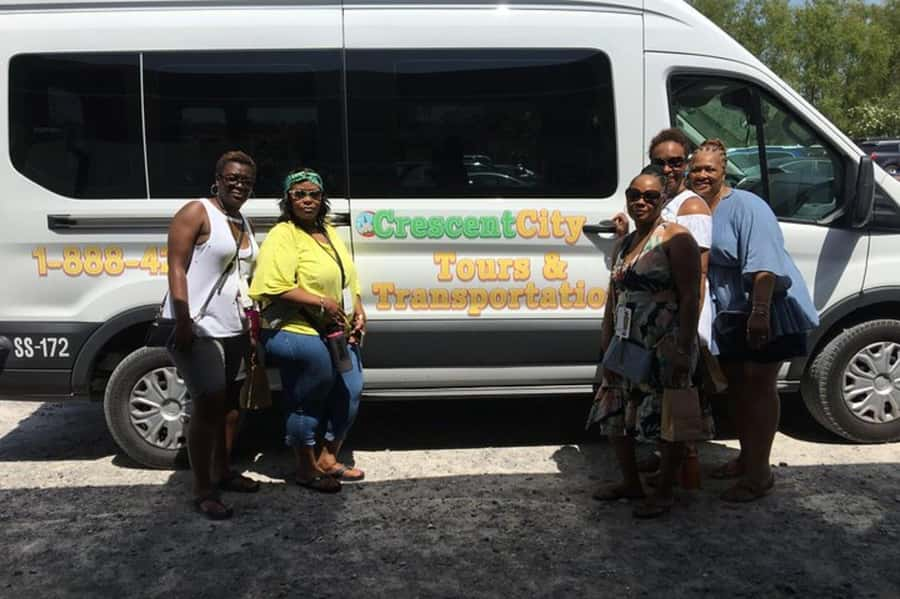
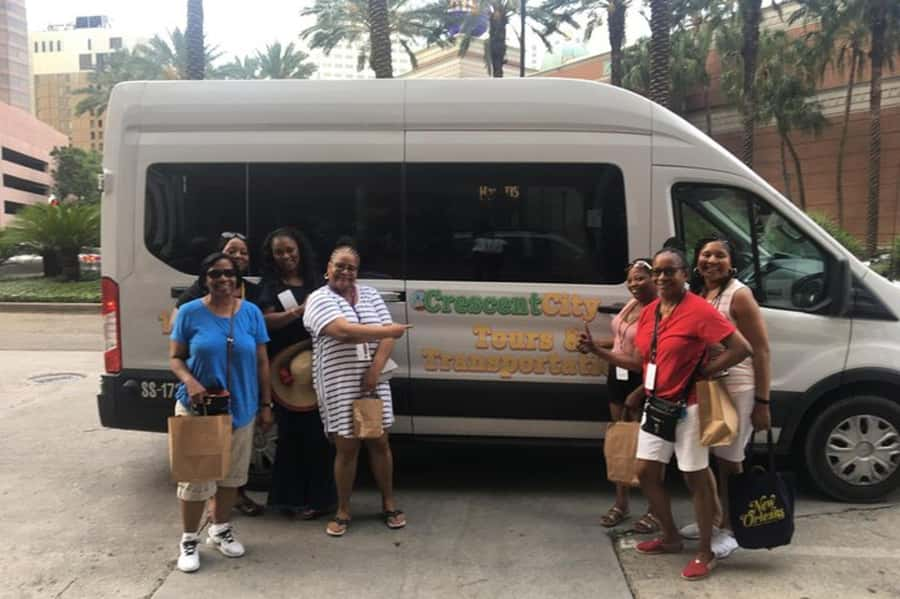
Crescent City Tours & Transportation handles the transfers. Pickup is available from most New Orleans hotels, and you can select the nearest listed hotel if yours is not available. Since pickup details can affect the start of your day, check them carefully when reserving.
Cancellation is flexible up to 24 hours before departure for a full refund, and you can reserve now while paying later. Those policies are helpful if your New Orleans schedule is still changing.
Should you book Whitney Plantation?
Book this experience if you want the history of slavery, not a softened plantation postcard. The cabins, Freedmen’s Church, working buildings, owner’s house, and memorial create a clear path through the subject, and the audio format gives you room to absorb it at your own speed.
The $81 cost is reasonable when you count the entry ticket, audio guide, and long-distance hotel transfers. Just remember that the outing takes 390 minutes, food is not included, and the subject demands attention.
If you can give the visit a full day’s space and are prepared for an emotional account of Louisiana’s past, I think Whitney Plantation is a meaningful choice. If you want a lighter or more architectural plantation visit, choose something else.
FAQ
How long does the Whitney Plantation experience last?
The activity lasts 390 minutes, or six and a half hours, including transportation and the plantation visit.
How far is Whitney Plantation from New Orleans?
Whitney Plantation is located about 70 miles from the French Quarter.
Is hotel pickup and drop-off included?
Yes. Hotel pickup and drop-off are included, with pickup available from most New Orleans hotels. If your hotel is not listed, choose the nearest available pickup point.
Is the plantation tour guided by a live guide?
The plantation visit uses an audio headset for a self-guided, self-paced tour.
What places will I visit at Whitney Plantation?
The tour includes slave cabins, Freedmen’s Church, the detached kitchen and outbuildings, the 1790 owner’s house, and a memorial honoring the enslaved.
Are meals and drinks included?
No. Meals and beverages are not included. After the tour, you have about 30 minutes to use the restrooms, visit the gift shop, or enjoy a quick snack.
Is the experience suitable for wheelchair users?
No. The activity is listed as not suitable for wheelchair users.
More Self-Guided Trips in New Orleans
- E-bike Tuscany and Chianti Self-Guided Tour with Vineyard Visit
★ 5.0 · 8 reviews - Fruit alcohol tasting + Velvet Orchards audio tour
★ 5.0 · 2 reviews
Just added around New Orleans
- Whitney Plantation Tour with Transportation★ 4.0 · 29 reviews
- Whitney Plantation and Soul of New Orleans City Tour Combo★ 5.0 · 13 reviews
- St. Joseph and Felicity Plantation Combo Tour★ 5.0 · 4 reviews
- St. Joseph Plantation Tour★ 4.5 · 30 reviews
- Two Plantation Tour: Oak Alley and Laura or Whitney★ 5.0 · 7 reviews
- Private Airboat Ride and Plantations Tour with Gourmet Lunch from New Orleans★ 5.0 · 50 reviews
- Small Airboat and Oak Alley Plantation Tour from New Orleans★ 4.5 · 23 reviews
- N’awlins Luxury: Laura, Oak Alley or Whitney Plantation Tour w/Transportation★ 4.5 · 46 reviews
New Orleans Farm Tours, compared.
Swamp Boat Ride and Oak Alley Plantation Tour from New Orleans
Read our review →
Oak Alley Plantation Tour with Transportation from New Orleans
Read our review →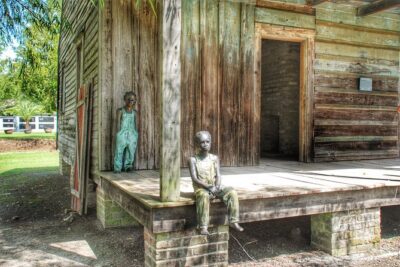
Whitney Plantation Tour with Transportation from New Orleans
Read our review →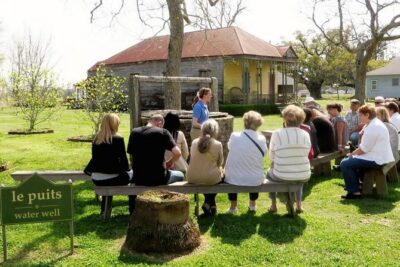

Airboat and Plantations Tour with Gourmet Lunch from New Orleans
Read our review →
Bayou Swamp Tour and Oak Alley Plantation Tour
Read our review →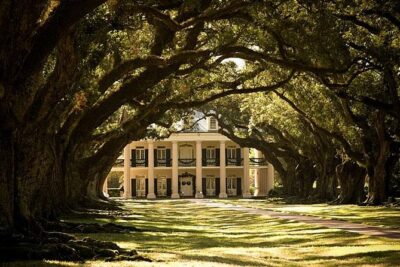
Oak Alley Plantation and Large Airboat Swamp Tour from New Orleans
Read our review →
Browse the lists this tour appears in