
Review · NEW ORLEANS
New Orleans: Oak Alley Plantation Tour with Transportation
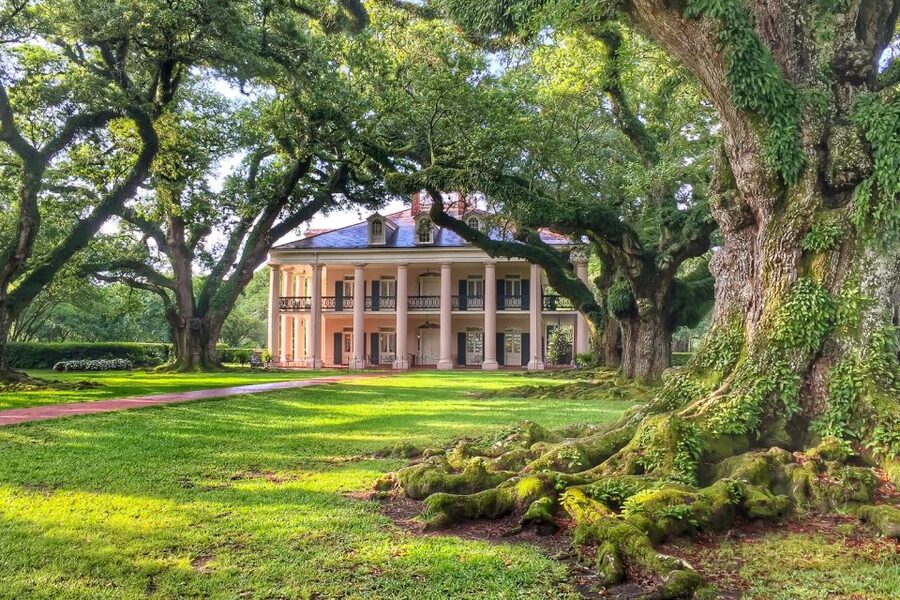
The most memorable part of this outing is the approach to Oak Alley’s quarter-mile canopy of ancient oaks. The trees form a grand green corridor toward the 1839 Greek Revival mansion, but the beauty comes with a difficult truth: enslaved labor helped create the alley and sustain the plantation. That contrast is central to the visit.
I like the easy round-trip transportation from New Orleans, especially since Oak Alley sits well outside the city. I also like that the visit goes beyond the polished mansion, with reconstructed cabins, an interpreter-led slavery exhibit, sugar production displays, and information about the people who lived here after the Civil War. The main drawback is time. Some departures allow only about two hours at the plantation, which can feel rushed if you want lunch and a careful look at every exhibit.
Key points to know before you book
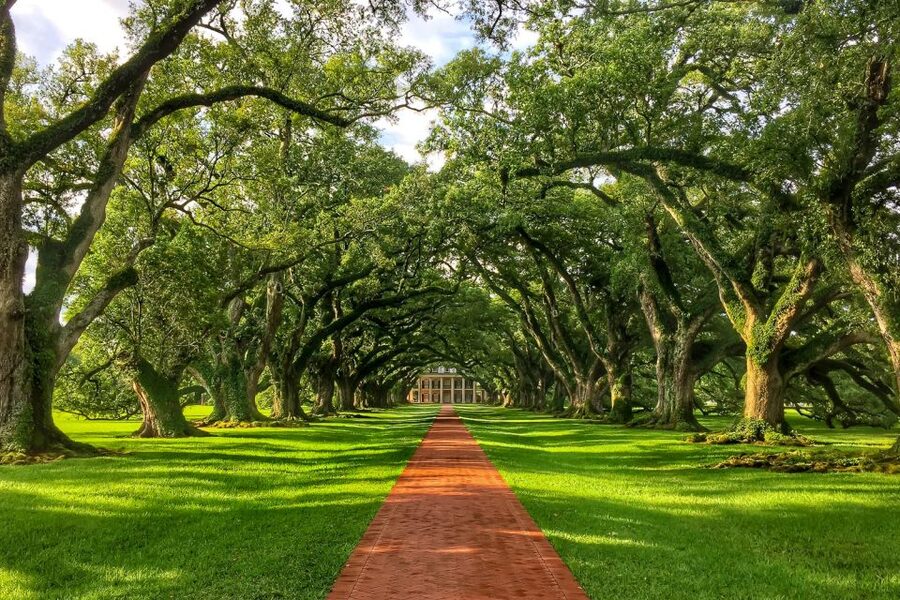
- The oak alley is the visual star: Walk the full quarter mile beneath trees planted sometime between the 1820s and 1840s.
- The visit faces slavery directly: Reconstructed cabins and the Slavery at Oak Alley exhibit give needed attention to the people forced to work here.
- The bus ride adds real value: Drivers such as Robert, Alton, Melinda, Ken, and JoAnn have made the route more interesting with New Orleans and plantation-country history.
- The house tour is guided and timed: Expect about 40 minutes inside the Big House, with no photography or phone use.
- The standard tour can feel tight: Plan carefully if you want the house, grounds, exhibits, café, and gardens.
- The swamp upgrade changes the day: Add a 90-minute covered pontoon ride through Manchac Swamp, with possible alligator sightings.
Why Oak Alley is worth the long ride
Oak Alley is about an hour to an hour and a half from New Orleans by coach, depending on traffic and conditions. The ride is not empty travel time. Your driver may point out the Bonnet Carre Spillway, explain the Mississippi flood system, and identify plantation properties along the river, including Whitney, Evergreen, Felicity, and St. Joseph.
That commentary can make a real difference. Drivers including Alton, Robert, Melinda, Ken, and JoAnn have been singled out for making the journey entertaining and informative. The quality naturally depends on who is driving that day, but the strongest guides turn the road into an introduction to Louisiana rather than a transfer between two points.
As you leave New Orleans, the scenery changes from city streets to the broad Mississippi corridor. You pass land once used for sugarcane, cotton, and indigo, crops that linked these plantations to distant trade ports. The Bonnet Carre Spillway also offers a wide view of Lake Pontchartrain, giving you a quick lesson in why flood control matters so much here.
The transportation is especially useful if you are not renting a car. It saves you from navigating unfamiliar roads and lets you relax after a full day outside. Some coaches have restrooms, which is a practical benefit on a trip of this length. The bus itself has generally been described as clean and comfortable, though one past outing suffered a breakdown during flooding. Weather and road conditions can affect the schedule in south Louisiana.
More Plantation Tours in New Orleans
- Swamp Boat Ride and Oak Alley Plantation Tour from New Orleans
★ 5.0 · 3,303 reviews - Oak Alley Plantation Tour with Transportation from New Orleans
★ 4.5 · 1,747 reviews - Whitney Plantation Tour with Transportation from New Orleans
★ 4.5 · 1,351 reviews
Walking beneath Oak Alley’s ancient trees
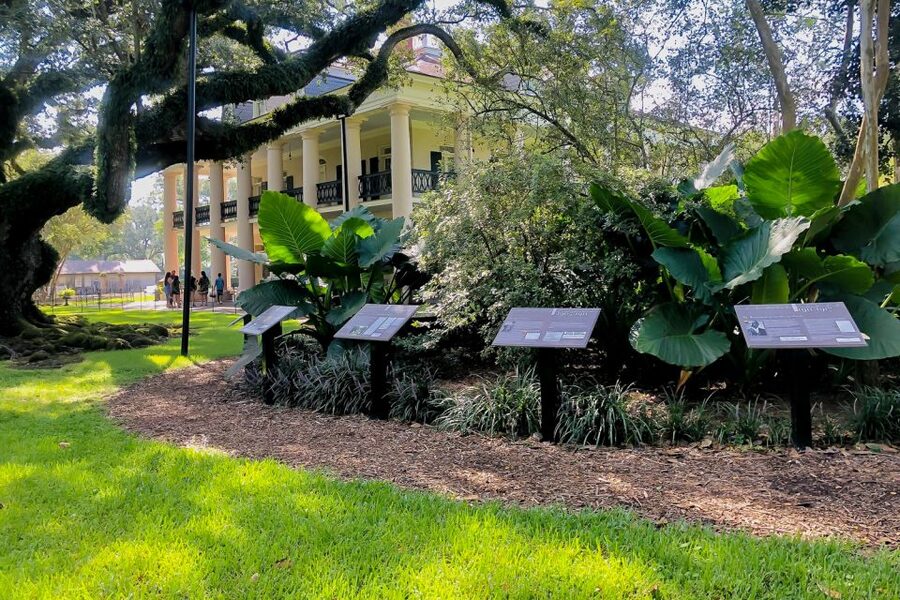
The first sight many people remember is the alley itself. A quarter mile of large oak trees leads toward the mansion, creating the famous framed view seen in photographs and films. The trees date from approximately the 1820s to the 1840s, and their scale gives the entrance a solemn, almost theatrical quality.
Take your time here if the schedule allows. Walk from the mansion outward, then turn around and look back toward the house. The perspective changes as you move through the corridor, and the full length of the alley is more impressive than a quick photograph from the front.
The trees are also a reminder that Oak Alley is not simply a pretty old house. The alley was created with enslaved labor, and the plantation’s wealth depended on forced work in sugar production. The property is most worthwhile when you hold both parts of the story together: the beauty of the grounds and the human cost behind them.
The gardens are divided into East and West sections, designed to reflect different periods, including the 1840s and the 1930s. They give you more to see than the mansion frontage, though the amount of time available varies by departure. Several people have found two hours too short to walk every path, read all the displays, eat, and take the house tour without hurrying.
Inside the 1839 Big House
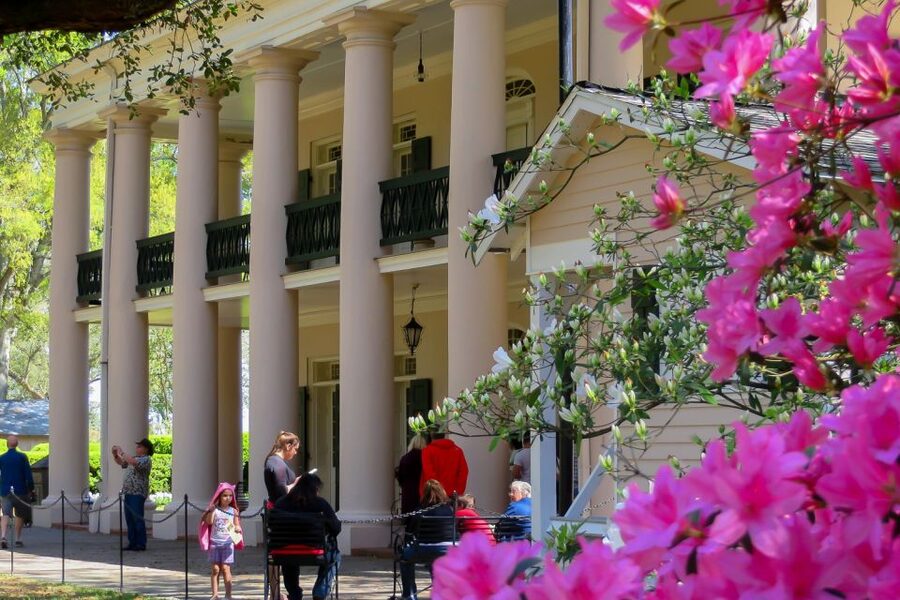
The guided Big House visit focuses on life inside the Greek Revival mansion. Its scale and formal design were meant to signal wealth, success, and social power. You move through rooms presented as part of the planter family’s world, with a guide explaining how the house functioned and how its residents lived.
The tour is usually around 40 minutes, though timing can vary. The house is well presented, and the guide can help you understand details that are easy to miss when walking through on your own. Guides such as Robert have been praised for answering questions and making the visit accessible.
There are limits. You do not see every working part of a plantation household, and past visitors have wished for more access to kitchens, attics, and service areas. Some original objects are displayed, but the house has been renovated over time, so it should not be treated as a perfectly untouched antebellum interior.
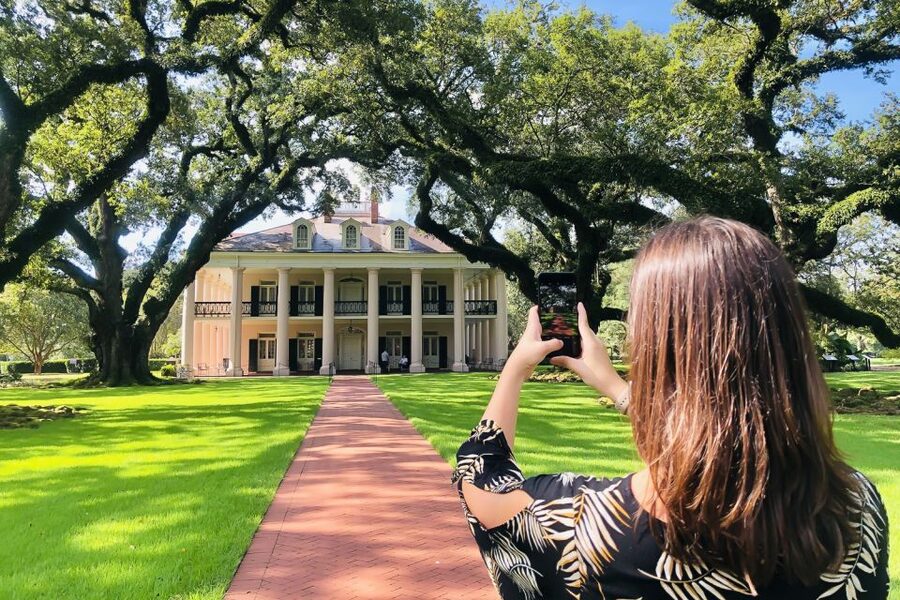
Photography and video are not allowed inside the home. Your electronic devices must be turned off and phones muted. You can take photographs on the balcony, around the grounds, and in the self-paced exhibits, so keep your camera ready for the exterior but put it away once the house tour begins.
If stairs are a problem, the second floor requires climbing 22 steps. Most of the site is accessible to basic and motorized wheelchairs, and a video tour is available in the media room for people who cannot reach the second floor. Seating is limited, so that option is intended for those who need it.
The slavery exhibit gives the visit its moral weight
Oak Alley’s most important work happens beyond the mansion. The reconstructed slave cabins and the Slavery at Oak Alley exhibit examine the lives and legacies of people who were enslaved here. An interpreter explains the displays, helping connect the plantation economy to the people who were forced to maintain it.
This section is not a decorative add-on. It corrects the old habit of presenting plantations mainly through architecture, furniture, and the planter family. You see that the Big House was only one part of a much larger system.
The cabins are reconstructions rather than untouched original buildings, so you should read them as interpretive spaces. They still help explain the cramped and controlled conditions in which enslaved people lived. The displays also make room for individual stories and family information, which gives the history a human scale.
The presentation has developed over time, and the balance between planter life and enslaved life can vary by guide. The strongest visit is one in which you spend as much attention here as you do inside the mansion. If the schedule is tight, do not let the house tour and photographs consume all your time before reaching this area.
An exhibit about later owners after the Civil War adds another useful chapter. It shows that Oak Alley did not freeze in 1839. The property continued to change, and the people connected with it changed too.
More Plantation Tours in the USA
- Laura Creole Plantation Guided Tour
★ 5.0 · 1,279 reviews - Airboat and Plantations Tour with Gourmet Lunch from New Orleans
★ 4.5 · 1,246 reviews - New Orleans: Bayou Swamp Tour and Oak Alley Plantation Tour
★ 4.7 · 1,147 reviews - New Orleans: Oak Alley Plantation & Airboat Swamp Combo Tour
★ 4.7 · 906 reviews
Sugar, blacksmithing, and the working plantation
The Sugarcane Theater explains how sugarcane was produced and processed, with a film and displays. This helps you understand why plantations along the Mississippi were economically important and why the labor system was so demanding.
The blacksmithing exhibit includes the plantation’s original forge. It is a small but useful reminder that plantations required constant repair and skilled work. Tools, carts, equipment, and buildings do not maintain themselves, and the forge points to the many trades that supported the plantation.
These exhibits are self-paced, so they work best when you have enough time to read. A rushed visit turns them into a quick sequence of signs. If you care about how the plantation operated, ask your driver or site guide which displays deserve priority when the schedule is compressed.
The grounds also include a restaurant, café, and bar. The Plantation Café sells grab-and-go meals, sandwiches, salads, and snacks, and you can eat at picnic tables or aboard the coach. That option is convenient, but it may not be ideal if you want a relaxed meal. Several people have wished for more time to eat at the restaurant instead of relying on a cold sandwich.
My practical advice is simple: eat before the tour if you can, or plan on a quick café meal. A long lunch can take away the time you need for the exhibits, particularly on a four-and-a-half-hour departure that includes only about two hours on site.
How much time will you actually have?
The advertised duration ranges from 315 to 465 minutes, or roughly five hours and 15 minutes to seven hours and 45 minutes. That range usually reflects the selected departure and whether you add the swamp tour.
The standard plantation visit often feels like a half-day trip. The drive takes a large part of the schedule, the house tour runs on a set timetable, and you may have around two hours for the property. That is enough to see the main highlights, but not always enough to linger.
You need to make choices. If the oak alley and mansion are your priorities, head toward them first. If the slavery exhibit matters most, allow time for the interpreter and cabin displays before stopping for food. If you want every garden, sign, and exhibit, the standard visit may feel hurried.
Some past departures have allowed more time and felt relaxed, while others left only a short window after the house tour. Check the exact duration when booking, but also understand that traffic, weather, and site timing can affect the day.
The meeting point is the Lighthouse Ticket Office at Toulouse Street and the Mississippi River, directly behind the JAX Brewery, at the Steamboat Natchez dock. Arrive 15 minutes early with your barcoded voucher. All tours depart from 400 Toulouse Street, New Orleans.
Adding the 90-minute Manchac Swamp tour
The optional upgrade adds a 90-minute boat ride through privately owned Manchac Swamp. You travel in a covered pontoon boat with a local captain, which gives you a different view of south Louisiana than the plantation alone.
The guide explains the history of Frenier and the Cajun traditions of fishing, hunting, and trapping. You may also see alligators coming up for food. Wildlife sightings are never guaranteed, but the possibility adds a natural element to a day otherwise focused on architecture and human history.
This upgrade suits you if you want a fuller Louisiana outing rather than a narrowly focused plantation visit. It also makes the day longer, so consider your energy and schedule. If you prefer a slower look at Oak Alley’s gardens and exhibits, the extra boat trip may leave you wishing for more time at the plantation instead.
Is the $89 price fair?
At $89 per person, the standard tour is not the cheapest way to see a plantation. You are paying for round-trip transportation, the guided Big House tour, admission to the grounds and exhibits, and the convenience of not driving from New Orleans.
That convenience is the main value. Oak Alley is far enough from the city that a rental car brings its own costs, navigation, parking, and responsibility. A good driver also provides commentary along the route, with context about New Orleans, the river, the spillway, and the surrounding plantations.
The price feels reasonable if you want a planned half-day outing and do not want to arrange transport yourself. It feels less attractive if you already have a car, prefer to set your own pace, or expect a long, unhurried visit. The optional swamp tour should be judged separately, since it adds another activity but also reduces the chance of spending extra time at Oak Alley.
Free cancellation up to 24 hours before departure and reserve-now, pay-later booking make it easier to fit into an uncertain New Orleans schedule. Lunch is not included, so budget separately for a café snack, sandwich, salad, or restaurant meal.
Who should book this Oak Alley outing?
I would choose this tour if you want to see one of the best-known plantation settings without renting a car. It is also a strong fit if you value a guide who can explain the route and give context before you arrive.
Families and first-time visitors can appreciate the straightforward structure, while history-minded visitors should make the slavery exhibit a priority. The site is wheelchair accessible in most areas, although the second floor of the Big House requires stairs and uses a video alternative for those unable to climb them.
I would hesitate if you need a slow pace or want to study every exhibit. In that case, look for a schedule that gives you the longest plantation visit, skip a leisurely restaurant meal, and decide carefully before adding the swamp tour.
Should you book it?
Book this Oak Alley tour if the famous oak corridor, mansion, and plantation-era interpretation appeal to you and you want simple transport from central New Orleans. The guides can add real value, and the visit does more than display an elegant house by including slavery, sugar production, blacksmithing, and life after the Civil War.
Go in with realistic expectations. The trip is a practical half-day introduction, not an exhaustive study of every building and story on the property. If you protect your time for the slavery exhibit and the oak alley, you will get the most meaningful experience from the $89 fare.
FAQ
Where does the Oak Alley tour depart from?
It departs from the Lighthouse Ticket Office at Toulouse Street and the Mississippi River, directly behind the JAX Brewery at the Steamboat Natchez dock. The address is 400 Toulouse Street, New Orleans, Louisiana 70130.
How early should I arrive?
Arrive 15 minutes before the tour time and show your barcoded voucher at the Lighthouse Ticket Office.
Is lunch included?
No. You can buy grab-and-go meals, sandwiches, salads, snacks, and drinks at the Plantation Café. Food can be eaten at picnic tables or aboard the coach.
Is Oak Alley wheelchair accessible?
Basic and motorized wheelchairs are permitted, and most exhibits are accessible. The second floor of the Big House requires 22 stairs, but a video tour is available in the media room for people unable to climb them.
Can I take photographs inside the Big House?
No. Photography and video are not allowed inside the plantation home, and electronic devices must be turned off with phones muted. Photography is permitted on the balcony, grounds, and in self-paced exhibits.
What is included in the standard plantation tour?
Round-trip transportation, the quarter-mile oak alley, the guided Big House tour, the Sugarcane Theater, reconstructed cabins, the slavery exhibit with an interpreter, the later-owners exhibit, the East and West Gardens, and the original blacksmith forge exhibit are included.
What does the swamp tour upgrade include?
The upgrade includes a 90-minute covered pontoon boat trip through a privately owned wildlife refuge in Manchac Swamp. A local captain discusses Frenier and Cajun fishing, hunting, and trapping traditions, and you may see alligators.
Just added around New Orleans
- Whitney Plantation and Soul of New Orleans City Tour Combo★ 5.0 · 13 reviews
- Whitney Plantation Tour with Transportation★ 4.0 · 29 reviews
- St. Joseph and Felicity Plantation Combo Tour★ 5.0 · 4 reviews
- St. Joseph Plantation Tour★ 4.5 · 30 reviews
- Two Plantation Tour: Oak Alley and Laura or Whitney★ 5.0 · 7 reviews
- Private Airboat Ride and Plantations Tour with Gourmet Lunch from New Orleans★ 5.0 · 50 reviews
- Small Airboat and Oak Alley Plantation Tour from New Orleans★ 4.5 · 23 reviews
- N’awlins Luxury: Laura, Oak Alley or Whitney Plantation Tour w/Transportation★ 4.5 · 46 reviews
New Orleans Farm Tours, compared.

Swamp Boat Ride and Oak Alley Plantation Tour from New Orleans
Read our review →
Oak Alley Plantation Tour with Transportation from New Orleans
Read our review →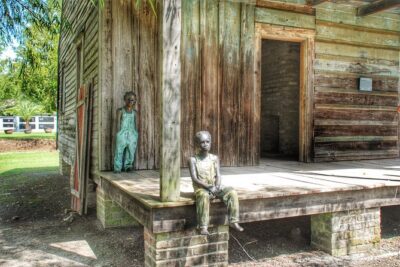
Whitney Plantation Tour with Transportation from New Orleans
Read our review →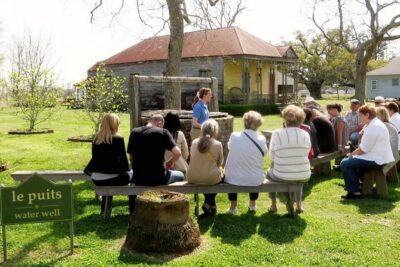

Airboat and Plantations Tour with Gourmet Lunch from New Orleans
Read our review →
Bayou Swamp Tour and Oak Alley Plantation Tour
Read our review →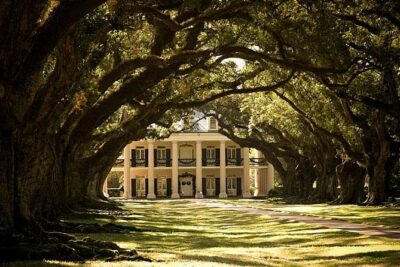
Oak Alley Plantation and Large Airboat Swamp Tour from New Orleans
Read our review →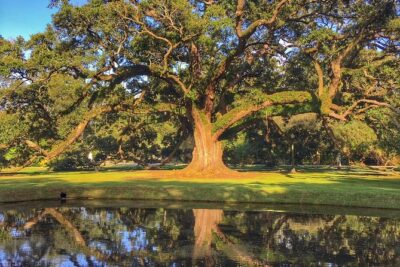
Browse the lists this tour appears in