
Review · NEW ORLEANS
New Orleans: Felicity Plantation Guided Tour
Felicity Plantation gives you something many plantation tours cannot: a historic home that is still part of a working sugarcane farm. You see the architecture, hear about enslaved and free laborers, and connect the old estate to the crop grown here today. It also helps that the home appeared in 12 Years a Slave and The Skeleton Key, so the setting may look oddly familiar.
I like the tour’s personal scale and its attention to both the people who owned the plantation and those whose labor sustained it. I also like the mix of Creole and Greek Revival design, plus the chance to learn about sugar production rather than simply walk through a pretty old house.
The main drawback is practical: Felicity is not suitable for wheelchair users or people with mobility impairments. You also need your own transportation to Vacherie, and the tour is in English only.
Key points to know before you go
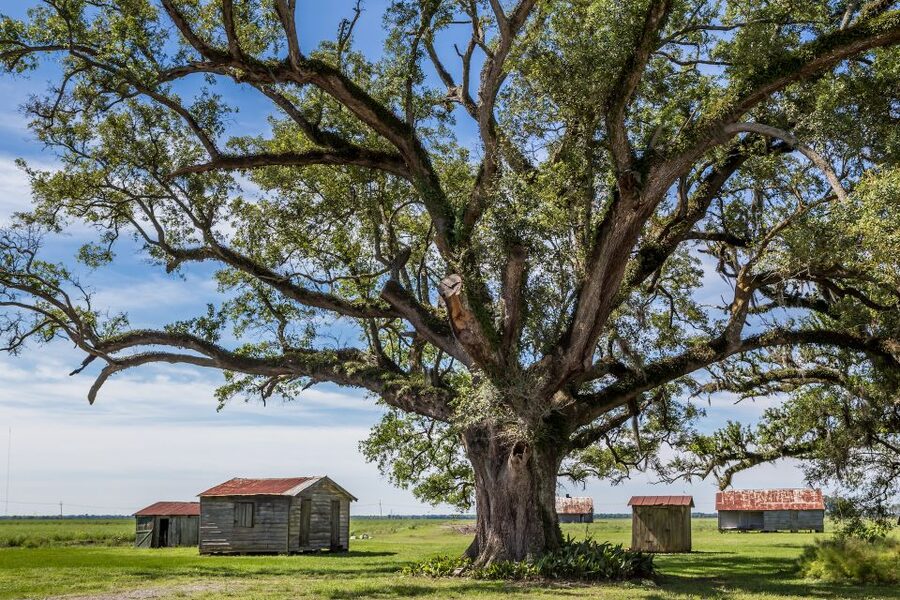
- A working sugarcane farm: The plantation remains part of a 2,500-acre sugarcane operation shared with neighboring St. Joseph.
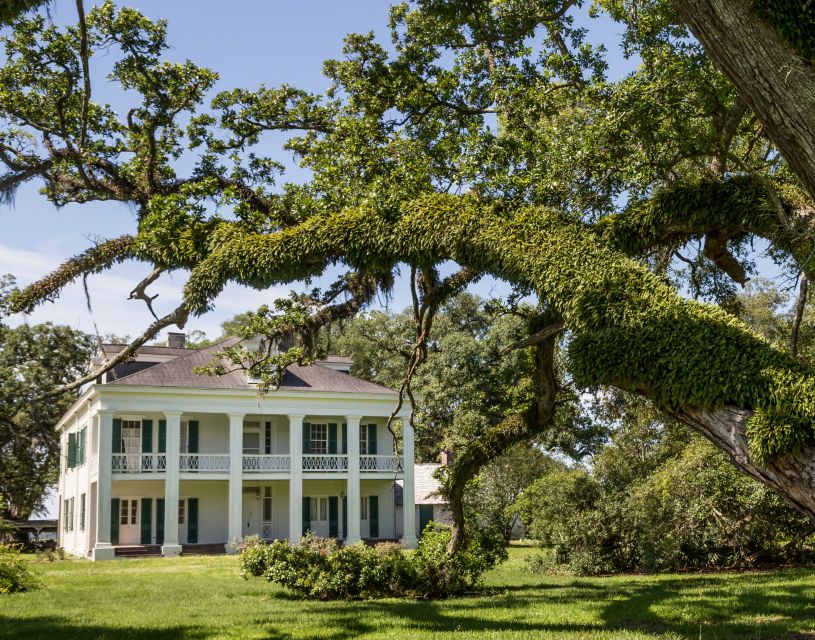
- A home from 1844 to 1847: Felicity combines Greek Revival structure with strong Creole influence.
- A personal guided visit: Guide Sylvie is praised for telling the property’s stories in a warm, human way rather than simply reciting facts.
- A film location: The grounds and home appeared in The Skeleton Key, 12 Years a Slave, Roots, Underground, and Filthy Rich.
- A short but focused tour: The guided portion lasts about an hour, while the full activity is listed at 90 minutes and can include time around the grounds.
- A modest price: At $24 per person, this is a good-value history stop if you are already touring Louisiana’s River Road.
Why Felicity feels different from a typical plantation visit
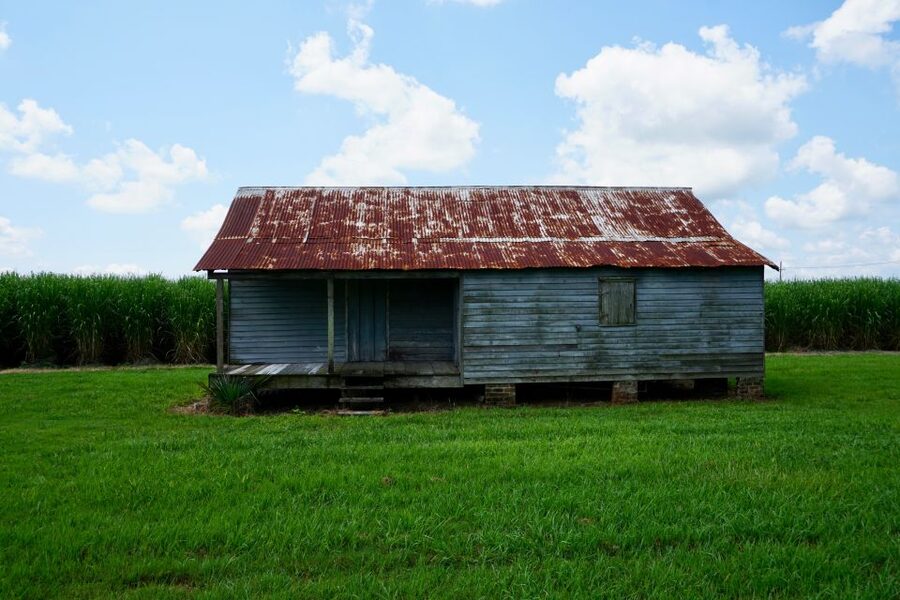
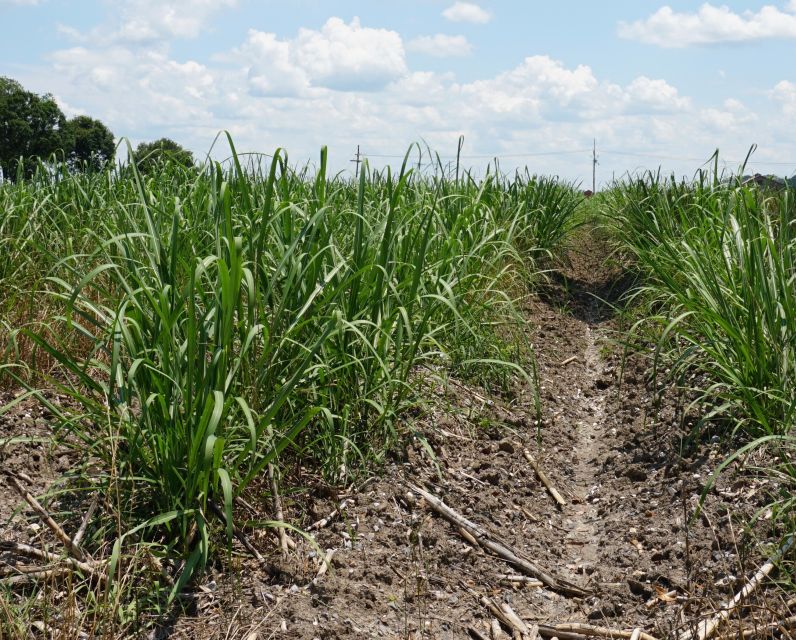
Felicity is not only a preserved house. It is part of an active agricultural operation, which gives the visit a useful connection to the present. Sugarcane is still grown and harvested here, so the crop that shaped the estate’s fortunes remains part of daily life on the property.
That link matters. A plantation can feel like a sealed museum, separated from the working economy that once made it powerful. At Felicity, you are asked to think about agriculture as well as architecture. The land produced sugar, the owners gained wealth from it, and generations of enslaved and later free laborers carried out the work.
The plantation was built between 1844 and 1847, during the period when Louisiana plantation homes often expressed wealth through grand proportions, tall columns, and carefully planned rooms. Felicity adds a local character through its Creole influence. You get a clearer sense of Louisiana as a place shaped by several traditions, not simply a copy of buildings from elsewhere in the American South.
The property also has a strong family connection. In 1877, the Waguespack family bought Felicity and neighboring St. Joseph Plantation at a sheriff’s sale. By 1901, the two estates had been combined into one 2,500-acre sugarcane operation, which remains under the same ownership today.
That continuity gives the guide plenty to explain, but it also calls for a careful reading of the past. The story is not only about a family preserving a house. It is also about the enslaved people and later laborers whose work made the plantation possible.
More Plantation Tours in New Orleans
- Swamp Boat Ride and Oak Alley Plantation Tour from New Orleans
★ 5.0 · 3,303 reviews - Oak Alley Plantation Tour with Transportation from New Orleans
★ 4.5 · 1,747 reviews - Whitney Plantation Tour with Transportation from New Orleans
★ 4.5 · 1,351 reviews
Checking in at St. Joseph Plantation
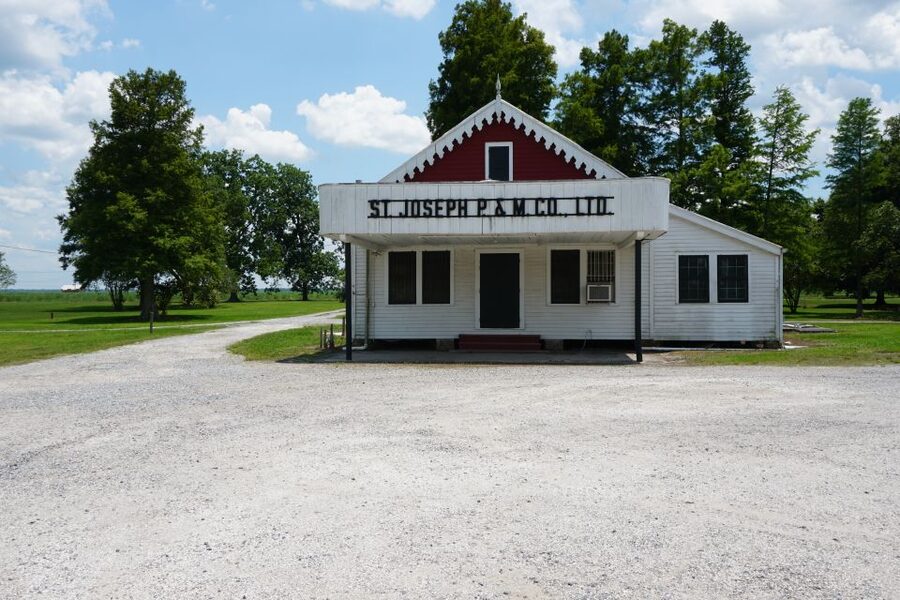
Felicity and St. Joseph sit next to each other, but your first stop is St. Joseph’s gift shop. The address is 3535 LA-18, Vacherie, Louisiana 70090. Check in there at least 15 minutes before your scheduled start.
This is the detail most likely to cause confusion. If your booking says Felicity Plantation, do not drive past the neighboring St. Joseph property looking for a separate check-in desk. The gift shop next door is the meeting point for the Felicity tour.
Transportation is not included, so you need to arrange your own way to Vacherie. Food and drinks are not included either. Since the activity lasts about 90 minutes, you can fit it into a wider River Road day, but you should plan your driving time separately.
The tour operates in English, with a live guide. Comfortable shoes are the sensible choice. Bare feet, alcohol, and drugs are not allowed.
The one-hour guided walk through Felicity
The listed activity lasts 90 minutes, while the guided portion is described as one hour. That leaves room for checking in and walking around the grounds, rather than suggesting a long half-day visit.
The central part of the experience takes place inside and around the plantation home. Your guide explains the building’s design, its family history, and the agricultural system behind it. You should expect the house to be the main attraction, with the grounds adding context rather than functioning as a separate full tour.
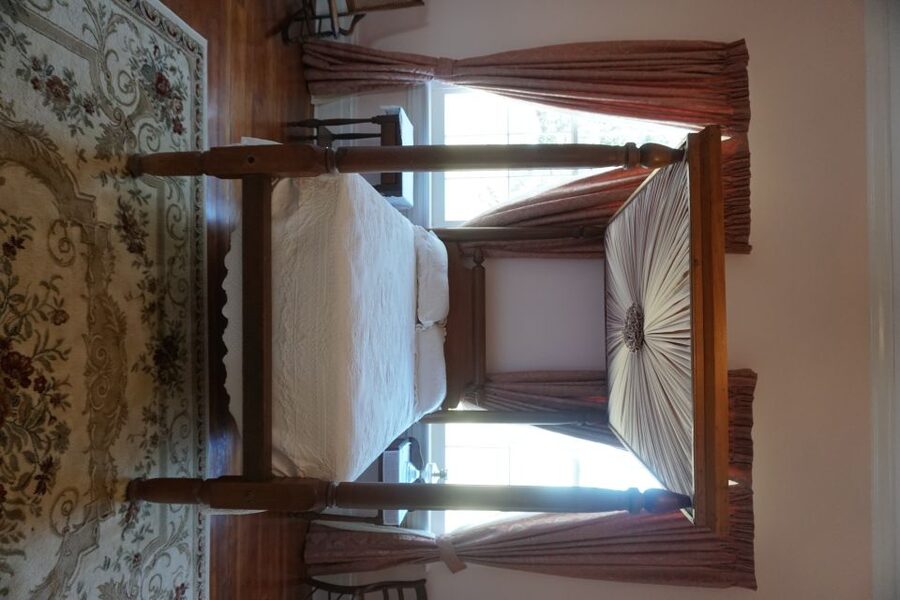
Felicity is smaller than St. Joseph, but it has more interior decoration, according to one detailed account of the visit. That makes it a good choice if you care about room details and furnishings. The furniture and renovations are presented as true to the time period, helping you picture the home as a lived-in plantation residence rather than an empty architectural shell.
The size may also help the tour feel more direct. One visit had only two people, allowing for a one-on-one history and sugarcane lesson. You should not count on having a private tour, but the smaller property can still feel more personal than a large group experience.
Guide Sylvie receives especially strong praise for the way she tells the story. Her approach is described as more than a memorized script. That matters here because plantation history can become a list of dates and owners unless the guide connects those facts to real lives.
The architecture: Creole influence beside Greek Revival form
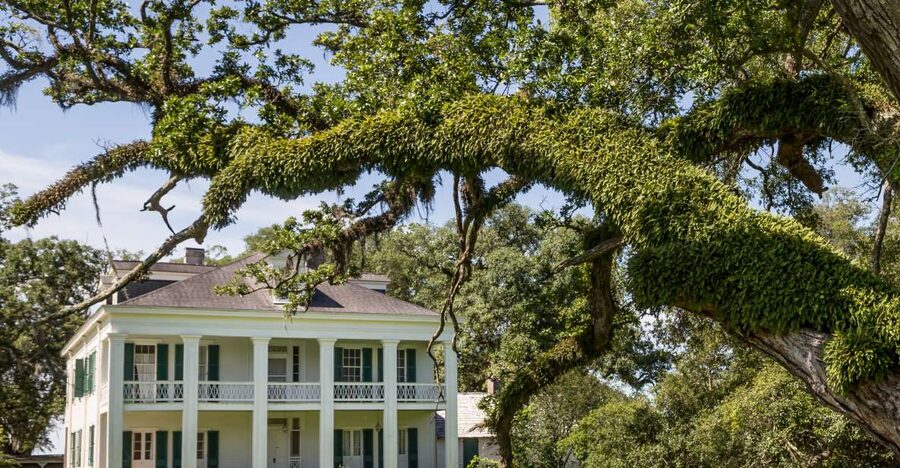
Felicity’s design is one of the clearest reasons to choose this stop. Built in the mid-19th century, the house combines Greek Revival ideas with local Creole influence.
Greek Revival architecture is easy to recognize in the formal proportions and grand presentation associated with the style. The Creole influence makes the home feel more rooted in Louisiana, where building traditions developed through French, Spanish, Caribbean, and regional experience.
I like this combination because it gives you something specific to look for. Rather than simply calling the house beautiful, notice how the formal style meets local design traditions. The result is a building that reflects both ambition and place.
The back porch is another strong part of the setting. One account describes it as a place where you could happily sit and watch the property. That is not a formal feature of the tour, but it explains why the house makes such a lasting impression. The architecture is grand, yet the porch gives the home a slower, more domestic side.
Small touches around the grounds can add to the sense of a living property. Foxes were spotted during one visit, though you should treat that as a lucky moment, not a promised part of the tour.
More Plantation Tours in the USA
- Laura Creole Plantation Guided Tour
★ 5.0 · 1,279 reviews - Airboat and Plantations Tour with Gourmet Lunch from New Orleans
★ 4.5 · 1,246 reviews - New Orleans: Bayou Swamp Tour and Oak Alley Plantation Tour
★ 4.7 · 1,147 reviews - New Orleans: Oak Alley Plantation & Airboat Swamp Combo Tour
★ 4.7 · 906 reviews
Learning about slavery, labor, and sugar
The best reason to visit Felicity is not simply to admire the house. It is the chance to hear a fuller account of the people connected to it.
The tour addresses the lives of enslaved people, as well as free laborers who worked on the estate after emancipation. That wider view is essential. The plantation’s wealth did not come only from the family that owned the property. It depended on agricultural labor carried out across generations.
Sugarcane farming was demanding work, and the crop shaped the economy of the Mississippi River region. At Felicity, the discussion connects the home to the fields and to the people who planted, cut, processed, and supported the operation.
You should listen for the difference between privilege and hardship. The plantation owner’s experience was not the experience of the enslaved people who worked there. After emancipation, freedom did not erase the economic pressures facing laborers. A useful tour makes those distinctions clear instead of placing every person connected to the plantation into one broad story.
Felicity’s current farming operation adds weight to this subject. Sugarcane is not only something that happened here long ago. It remains part of the property’s identity, allowing you to see how agriculture shaped both the old estate and the modern business.
Recognizing the home from film and television
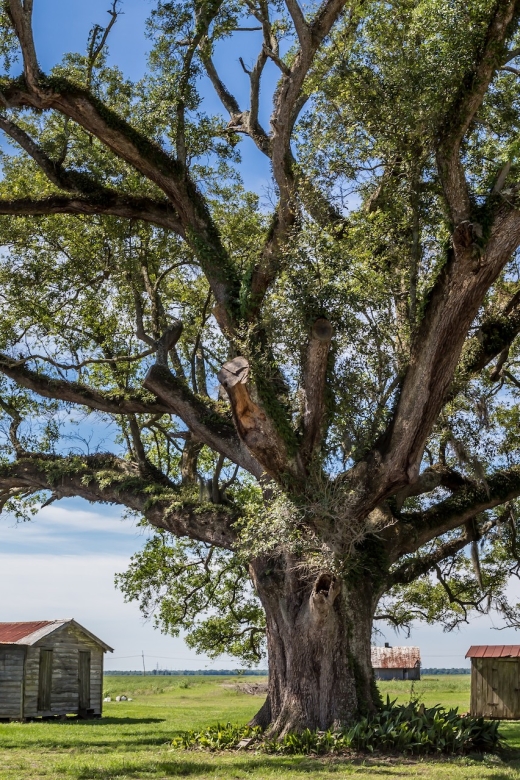
Felicity has a cinematic quality, and several productions have used the property as a location. The list includes The Skeleton Key, 12 Years a Slave, the remake of Roots, Underground, and Filthy Rich.
The film connection is a pleasant extra, not the main reason to book the tour. If you have seen 12 Years a Slave or The Skeleton Key, you may recognize the architecture and grounds. The setting’s broad river-region character works well on screen because it looks atmospheric without needing much alteration.
For you, this can make the visit more engaging. You can compare the real rooms and exterior views with the way filmmakers framed them. Just keep the priorities in order: this is a history and architecture tour that happens to have an impressive film record.
How the $24 price measures up
At $24 per person, Felicity offers solid value for a 90-minute activity. The price includes the guided tour and the option to walk around and view the grounds. It does not include transportation, food, or drinks, so the value is strongest if you are already planning to drive along River Road.
The fee also compares well with the amount of interpretation involved. You are not paying only to enter an old house. The tour covers architecture, ownership, sugarcane farming, slavery, post-emancipation labor, and film history.
Felicity may be less famous than Oak Alley, but that can work in its favor. One detailed visit found it just as interesting while feeling more personal than a large group at Oak Alley. Felicity is smaller, so you should not choose it expecting the same scale or famous avenue of trees. Choose it for the closer look at the interior and the agricultural story.
The booking terms also reduce the risk of committing too early. You can reserve now and pay later, and cancellation is allowed up to 24 hours before the tour for a full refund. Check the current start times before booking, since availability controls the schedule.
Who will enjoy Felicity most
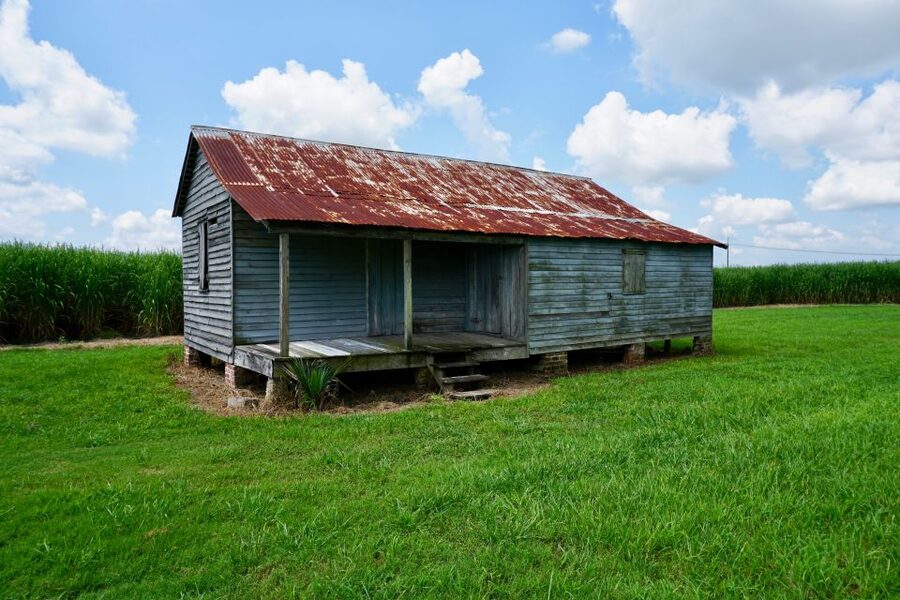
I would recommend this tour to you if you want a focused plantation visit with a strong guide and a clear connection to present-day agriculture. It suits people who care about buildings, local history, and the human stories behind plantation wealth.
It is also a good fit if you prefer a smaller property to a major attraction with large crowds. The home has enough decoration and architectural detail to reward a careful look, while the one-hour guided portion keeps the visit manageable.
Film fans will enjoy recognizing locations from several productions. Families and adults with an interest in Louisiana’s sugar economy should also find the agricultural discussion useful.
I would think twice if you need step-free access or have limited mobility. The experience is specifically listed as unsuitable for wheelchair users and people with mobility impairments. You should also skip it if you need a tour in a language other than English.
Should you book the Felicity Plantation tour?
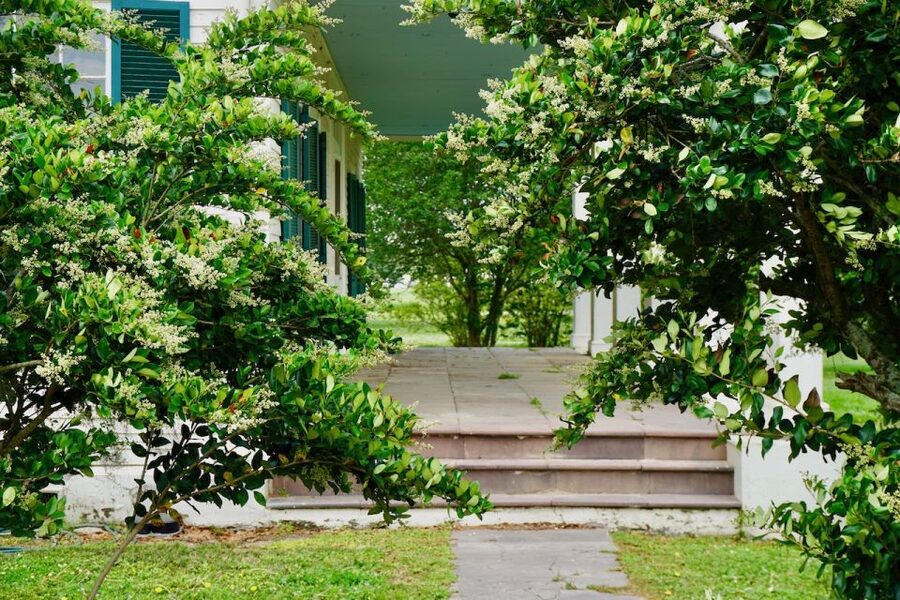
Book it if you want more than a pretty plantation photograph. Felicity connects an attractive Creole and Greek Revival home with sugarcane farming, family ownership, slavery, free labor, and Louisiana’s film history.
The strongest reasons to go are the personal guiding style, the decorated interior, and the fact that the farm still grows sugarcane. The main limitations are the need for your own transportation, the English-only format, and the lack of suitability for wheelchair users.
At $24, Felicity is an easy recommendation for a River Road itinerary. Give yourself 15 extra minutes for check-in at St. Joseph’s gift shop, wear comfortable shoes, and arrive ready to look beyond the porch and columns. The house may catch your eye first, but the people and work behind it are what give the visit its weight.
FAQ
Where is Felicity Plantation located?
Felicity Plantation is in Vacherie, Louisiana, at 3535 LA-18. Check-in takes place at the gift shop next door at St. Joseph Plantation.
Where do I check in for the tour?
You check in at the St. Joseph Plantation gift shop next door to Felicity. Arrive at least 15 minutes before the tour starts.
How long does the Felicity Plantation experience last?
The activity is listed as 90 minutes. The guided tour itself is described as lasting about one hour, with an option to walk around and view the grounds.
What is included in the ticket?
The ticket includes the guided Felicity Plantation tour and the option to walk around the grounds.
Is transportation included?
No. You must arrange your own transportation to Felicity Plantation in Vacherie.
Are food and drinks included?
No. Food and drinks are not included in the ticket price.
What language is the tour in?
The live guided tour is offered in English.
What should I bring?
Bring comfortable shoes. Bare feet are not allowed.
Is the tour suitable for wheelchair users?
No. The experience is listed as unsuitable for wheelchair users and people with mobility impairments.
Can I cancel the booking?
Yes. You can cancel up to 24 hours in advance for a full refund. You can also reserve now and pay later.
Just added around New Orleans
- Whitney Plantation Tour with Transportation★ 4.0 · 29 reviews
- Whitney Plantation and Soul of New Orleans City Tour Combo★ 5.0 · 13 reviews
- St. Joseph Plantation Tour★ 4.5 · 30 reviews
- Two Plantation Tour: Oak Alley and Laura or Whitney★ 5.0 · 7 reviews
- St. Joseph and Felicity Plantation Combo Tour★ 5.0 · 4 reviews
- Private Airboat Ride and Plantations Tour with Gourmet Lunch from New Orleans★ 5.0 · 50 reviews
- Small Airboat and Oak Alley Plantation Tour from New Orleans★ 4.5 · 23 reviews
- N’awlins Luxury: Laura, Oak Alley or Whitney Plantation Tour w/Transportation★ 4.5 · 46 reviews
New Orleans Farm Tours, compared.
Swamp Boat Ride and Oak Alley Plantation Tour from New Orleans
Read our review →
Oak Alley Plantation Tour with Transportation from New Orleans
Read our review →
Whitney Plantation Tour with Transportation from New Orleans
Read our review →

Airboat and Plantations Tour with Gourmet Lunch from New Orleans
Read our review →
Bayou Swamp Tour and Oak Alley Plantation Tour
Read our review →
Oak Alley Plantation and Large Airboat Swamp Tour from New Orleans
Read our review →
Browse the lists this tour appears in