
Review · PORTUGAL
Moliceiro boat trip, with experience in bivalves harvesting
The best part of this outing is that you do more than look at the Ria de Aveiro from a boat. You stop to handle and identify bivalves, get a little mud on your shoes, and see how the lagoon supports daily work as well as birds, plants, and fish.
I like the mix of a gentle moliceiro cruise and hands-on learning. I also like the patient, family-friendly guiding from Veronica and Manuel, especially for visitors with young children. The main thing to consider is the weather: this is an outdoor activity, and poor conditions can lead to a new date or cancellation.
Key points to know before you go
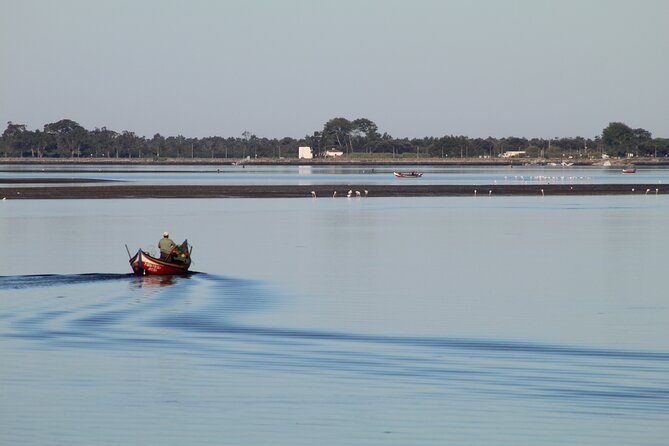
- Traditional moliceiro boat: Cruise through the natural channels and islands of the Ria de Aveiro in the region’s familiar flat-bottomed boat.
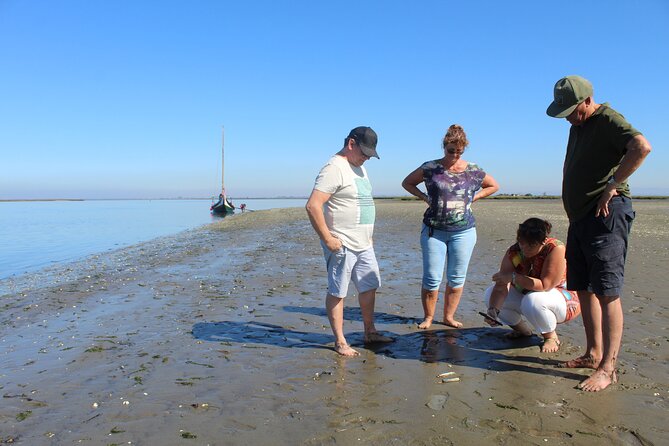
- Hands-on bivalve stop: Step ashore and learn how clams and other lagoon shellfish are collected, with mud likely to be part of the lesson.
- More than a boat ride: The outing covers local stories, history, plants, animals, and the economic role of the estuary.
- Good for families: Children can examine bivalves and edible plant species in a setting that feels active rather than classroom-like.
- Small group size: The boat accepts up to 22 people, giving the guide room to explain what you are seeing.
- Short, useful commitment: The full experience lasts about 2 hours and 15 minutes and returns to the starting point in Murtosa.
A working estuary, not just a pretty boat ride
The Ria de Aveiro is at its best when you understand it as a place of work. Its channels and islands are not merely scenic backdrops. They support fishing, shellfish gathering, plant life, animal life, and the communities around the lagoon.
That is what gives this activity its purpose. You sail through the waterways aboard a traditional moliceiro, then leave the boat to learn about bivalves collected from the tidal environment. The result is part cruise, part nature lesson, and part introduction to a local trade.
I would choose this over a standard sightseeing boat ride if you want to know what makes the estuary matter to the people who live around it. You still get the open views and quiet water, but you also gain a practical sense of how the lagoon works.
The tour begins at the meeting point in Murtosa, listed as P9H3+93 Murtosa. It ends in the same place, so you do not need to arrange a separate return from another port. That simple out-and-back setup is useful if you are planning the activity around other stops in the Aveiro area.
A few more farm days around Portugal worth a look
- From Porto: 2 Wine Regions, Farm-to-Table Lunch & Boat
★ 4.9 · 5,724 reviews - Furnas: Tea Plantations, Lake and Volcano Guided Tour
★ 4.8 · 511 reviews - São Miguel: Furnas Volcano & Tea Plantation Tour with Lunch
★ 4.9 · 375 reviews
Setting out by traditional moliceiro
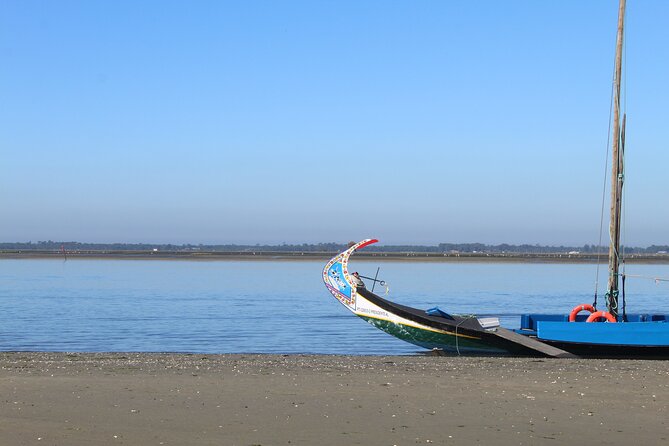
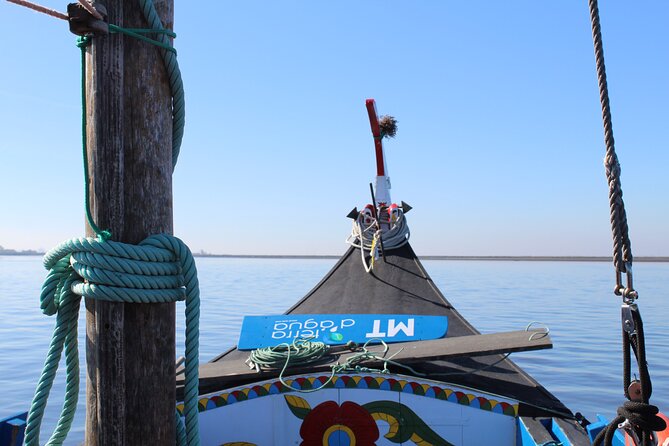
The moliceiro is the right boat for this setting. These boats are closely tied to the Aveiro region and are designed for the shallow, sheltered waterways of the lagoon. From the water, you move between natural channels and islands rather than following a fixed city canal route.
The pace is likely to feel relaxed. This is not a speed trip, and that is part of its appeal. You have time to look toward the banks, notice the changing width of the channels, and listen to explanations about the estuary’s past and present.
The guide’s commentary is an important part of the experience. You are not simply shown a view and left to guess what it means. The tour includes local stories, historical details, and explanations of the plants and animals connected to the Ria.
Veronica has been singled out for making the route easy to follow in several languages, and both Veronica and Manuel are described as attentive and friendly. English is an offered language, so confirm that option when you book. The explanations are presented as simple, genuine information rather than a formal lecture, which should suit families and visitors who prefer an easygoing outing.
The island stop and the bivalve lesson
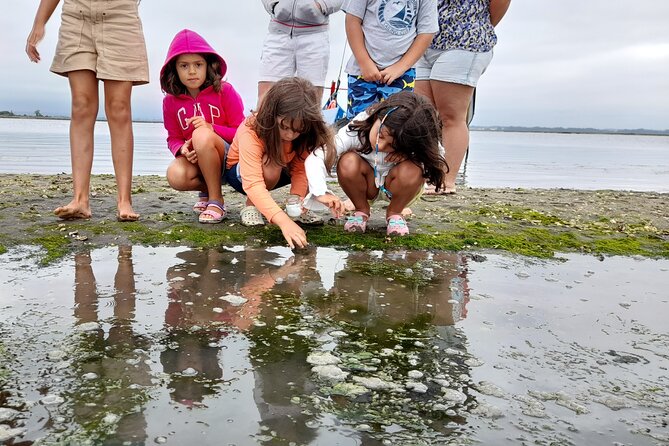
The most unusual part of the trip comes when the boat stops so you can learn about bivalves. This changes the rhythm of the outing. Instead of sitting back and taking photographs, you get a closer look at the animals that live in the lagoon and the work involved in collecting them.
Bivalves include shellfish such as clams. The activity also introduces different edible plant species, along with other parts of the lagoon ecosystem. The emphasis is on recognition and understanding, so you can connect what you see on the shore with the food and work associated with the estuary.
Expect some mud. That is not a flaw in the experience, but it is a practical detail worth knowing before you arrive. The shoreline environment is part of the lesson, and a little mess helps show the difference between seeing a tidal area from a boat and walking into it.
For children, this is likely the strongest part of the outing. They can look closely at shells, plants, and the natural surroundings instead of being asked to stay seated for the whole trip. An eight-person family group with small children found the activity both fun and educational, which gives you a good sense of its style.
You should still set expectations correctly. This is a guided introduction to bivalve collecting, not a full professional harvesting course. You will learn about one of the Ria’s main economic activities and take part in a simple discovery session, but the available information does not promise that you will take shellfish home or prepare it as food.
Flora, fauna, and local stories along the channels
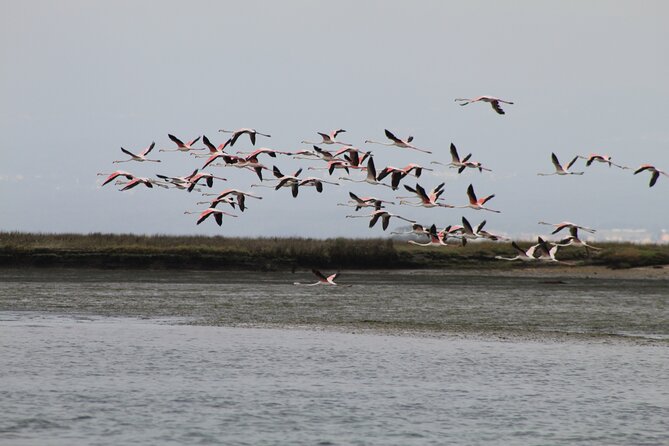
The boat portion gives the bivalve lesson a wider setting. Guides explain the connection between the water, plants, animals, and people who depend on the Ria. That context matters because shellfish collecting makes more sense when you see it as one part of a larger estuary system.
You may hear about edible plants and local wildlife as the boat moves between channels and islands. The exact sights can change with the day, conditions, and season, so I would not book this expecting a guaranteed list of birds or animals. The value is in learning how the whole environment fits together.
The views are a strong reason to come. The natural channels provide changing angles across the water, while the islands give the trip a sense of movement even at a calm pace. You are not confined to a town center or a narrow sightseeing loop.
The stories also keep the ride from feeling generic. The goal is not just to point out a pretty place, but to explain the traditions and working life that shaped it. That local focus is what separates this from a boat trip where the scenery is the only subject.
Same fields, a different sort of day out:
- From Porto: 2 Wine Regions, Farm Lunch, and Boat Ride
★ 4.8 · 233 reviews - Furnas Volcano & Tea Plantation With Traditional Lunch, East Tour
★ 5.0 · 183 reviews - Furnas: Volcano Wonders, Tea Plantation & Waterfall Tour
★ 4.7 · 161 reviews - Adventure in the Furnas, with volcanoes, lagoons and tea plantations
★ 5.0 · 161 reviews
Why the two-hour schedule works
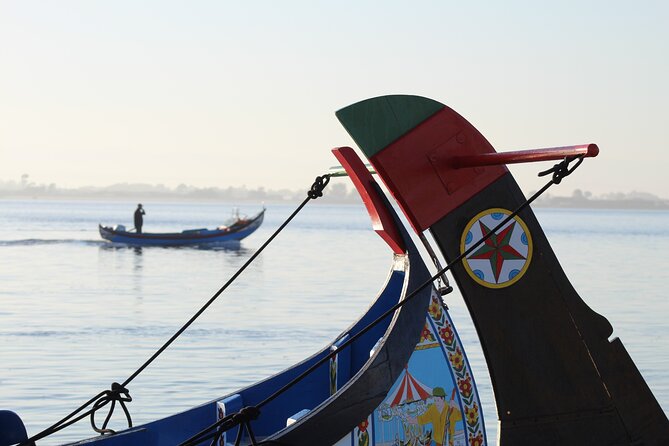
The experience lasts about 2 hours and 15 minutes. That is long enough to combine the boat route, commentary, and shore activity without taking over your day.
I like this length for a family itinerary. A shorter ride might not leave enough time for the bivalve stop, while a much longer excursion could become tiring for young children. Here, the activity has a clear change of pace: sit on the boat, listen and look around, then get off for practical exploration.
The length also works well if you are using Murtosa as part of a broader visit to the Aveiro region. Since the activity returns to its meeting point, you can plan another stop before or after it. Allow extra time around the stated duration for arrival, boarding, and any delays, especially if you have a strict schedule.
The operating period listed for this experience runs from August 4, 2024, through May 3, 2027, with departures offered Thursday through Sunday from 9:00 a.m. to 5:30 p.m. Availability is still subject to confirmation, so check the exact start time before setting up the rest of your day.
Price, group size, and what you receive
At $21.88 per person, this is a fair price for a 2-hour-15-minute activity that combines transport on the water, a guided nature lesson, and a hands-on shore stop. You are paying for more than a seat on a boat, but the value depends on wanting the educational and practical parts.
If you only want a quick cruise for photographs, a shorter sightseeing ride may suit you better. If you want to understand the lagoon and take part in something connected to local work, this price is more convincing.
The fee includes all taxes and fees, bottled water, and insurance. Other personal costs or services not specifically listed are not included. The maximum group size is 22 people, which is large enough to create a social outing but small enough for the guide to address the group during the bivalve stop.
The mobile ticket is useful if you are moving around Portugal without printing documents. Confirmation is sent within 48 hours of booking, subject to availability. One practical note: payment arrangements may need checking directly when you confirm, since the local booking process can involve payment on site.
Family comfort and practical limits
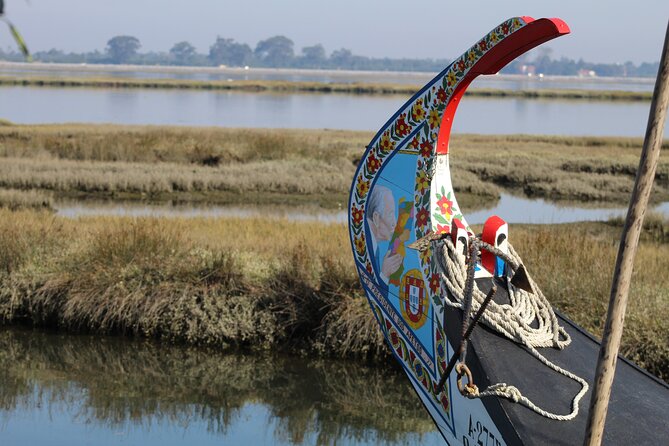
This is one of the stronger choices in the Aveiro area for families with children. The activity has an obvious hook for young visitors: boats, islands, shellfish, plants, and mud. It is easier to keep children interested when they can examine something rather than only listen to a guide.
The crew has also shown patience with late arrival and made room for a baby, according to the available experience details. That does not mean you should plan to arrive late, but it suggests a human approach when family logistics go wrong.
Service animals are allowed, and the meeting point is near public transportation. Most people can participate. The information does not give detailed measurements for the boat, shores, or boarding area, so if you have mobility concerns, contact the provider before booking rather than assuming every part of the shore stop will be easy.
Wear clothing and footwear that can handle outdoor conditions. The mud is part of the bivalve activity, and the tour takes place on and around the water. The provided details do not specify special clothing or equipment, so bring only what you are comfortable using in a hands-on lagoon setting.
Weather is the main variable. The activity requires good conditions. If poor weather forces a cancellation, you will be offered another date or a full refund. That policy is reassuring, but it also means you should avoid placing an important onward connection immediately after the tour.
What makes this experience different
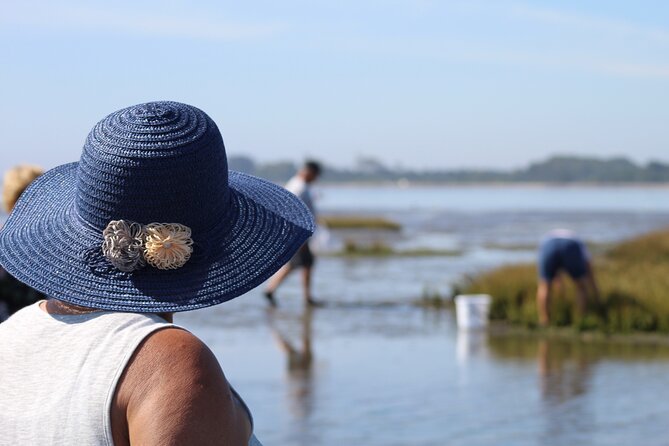
Many boat rides show you a region from a distance. This one asks you to pay attention to what is underfoot and along the banks. You learn about bivalves, edible plants, and local economic life in the same place where those things are found.
That direct connection is the biggest strength. You can see why the lagoon matters, rather than hearing only broad facts about its beauty. The experience also keeps the information accessible. The guiding style is described as patient, clear, and simple, which should work for mixed-age groups.
The trip is not designed for people seeking luxury or a polished, highly structured production. Its appeal is local and practical. You may encounter mud, changing weather, and a less formal rhythm than on a large commercial cruise.
That tradeoff suits me. The activity feels more useful when it lets you see the Ria as a living place. Just know that the charm comes from the setting and the people explaining it, not from elaborate onboard amenities.
Who should book this moliceiro trip?
I would recommend it to families, first-time visitors to the Ria de Aveiro, and anyone who prefers a small local activity over a standard sightseeing circuit. It is especially good if you want your children to learn through touching, looking, and asking questions.
It also suits adults interested in food traditions, wetlands, and the relationship between coastal communities and their environment. The bivalve stop gives the cruise a clear subject, while the stories and plant life add depth.
I would think twice if you dislike getting muddy, need a fully predictable weather-proof plan, or want a fast list of famous sights. This is an outdoor learning experience, not a luxury cruise or a major attraction with a fixed indoor schedule.
For the right visitor, the $21.88 price is strong value. You get a traditional boat ride, a guided look at the Ria’s ecosystem, and a hands-on introduction to shellfish collecting, all within a manageable half-day plan. If that combination sounds like your kind of outing, book it. If you only want a brief view from the water, choose a simpler cruise instead.
FAQ
Where does the moliceiro boat trip begin?
The meeting point is P9H3+93 Murtosa, Portugal.
Where does the activity finish?
The experience ends back at the original meeting point in Murtosa.
How long does the experience last?
The trip lasts approximately 2 hours and 15 minutes.
What languages are offered?
The activity is offered in English. The guides have also provided explanations in several languages.
How many people can join the tour?
The maximum group size is 22 people.
What does the price include?
The price includes all fees and taxes, bottled water, and insurance.
Is the activity suitable for children?
Yes. Most people can participate, and the bivalve and edible plant activity is well suited to families. Service animals are also allowed.
What happens if the weather is poor?
The experience requires good weather. If it is canceled because of poor conditions, you will be offered a different date or a full refund.
Just added around Portugal
- Half-Day Farm Visit and Cow Milking Experience★ 5.0 · 16 reviews
- Alpaca Farm MamaAdama Meet & Feed★ 5.0 · 39 reviews
- Furnas : Volcano Wonders, Tea Plantation & Waterfall Tour★ 4.5 · 37 reviews
- Bee Inspired: A Journey in São Miguel and a Visit to an Apiary★ 5.0 · 2 reviews
- Waterfalls Hike, Moinho do Felix with tea plantation★ 5.0 · 11 reviews
- Hot Water Pool Bath Inside Pineapple Plantation & Dinner★ 5.0 · 24 reviews
- Furnas in a Private Evening – Tea, Cozido Dinner and Hot Springs★ 5.0 · 10 reviews
- Culture & Nature – Visit All Center of the Island★ 4.5 · 9 reviews
Portugal Farm Tours, compared.
Furnas: Tea Plantations, Lake and Volcano Guided Tour
Read our review →
São Miguel: Furnas Volcano & Tea Plantation Tour with Lunch
Read our review →
Furnas Volcano & Tea Plantation With Traditional Lunch, East Tour
Read our review →
Furnas: Volcano Wonders, Tea Plantation & Waterfall Tour
Read our review →
Adventure in the Furnas, with volcanoes, lagoons and tea plantations
Read our review →
São Miguel: 2-Day Island Tour, Tea & Pineapple Plantation
Read our review →Browse the lists this tour appears in