
Review · MEXICO
La Paz: Pearl Farm Experience and shop
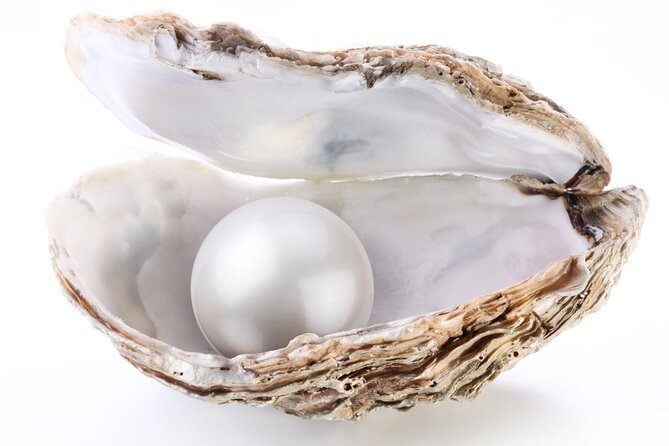
La Paz pearls have a story that reaches from historic Baja California Sur to the laboratory where oysters are raised and implanted today. The tour also explains the local claim that a pearl in Queen Elizabeth’s crown came from La Paz, giving the visit a memorable link to royal history.
I like the chance to see the pearl-making process rather than simply browse finished jewelry. I also like the small group limit of 12, which should give you room to ask questions, and the chance to support the induction of a pearl seed. The main drawback is its short length: at about two hours, this is a focused farm visit, not a broad La Paz sightseeing tour.
Key points at a glance
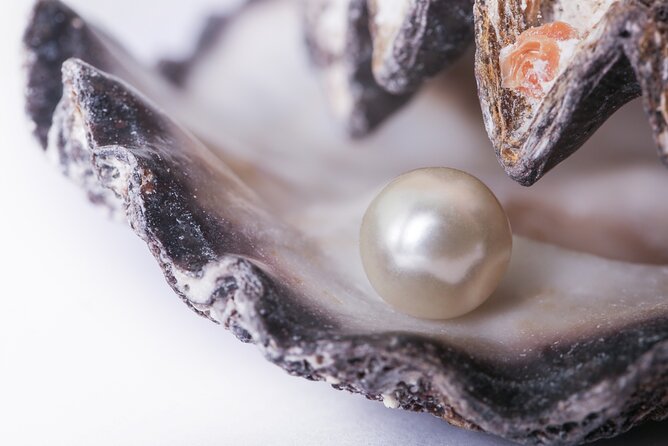
- Pearl cultivation from start to finish: Learn how oysters are cared for, implanted, and grown before their pearls are ready.
- A working laboratory visit: See the setting where pearl seeds are introduced and learn why the process takes years.
- A strong local story: The tour connects modern aquaculture with La Paz’s older pearl trade and regional identity.
- Live marine organisms: The experience includes a close look at the oysters and other sea life involved in cultivation.
- English guidance with Ivan: Ivan leads the English presentation and explains the technical steps in a clear, question-friendly way.
- A built-in shop stop: You can examine and buy Perlas de La Paz products, though food, tips, and souvenirs are not included in the price.
What the La Paz pearl story adds to the visit
This experience works best because it gives you a reason to care about the jewelry before you see it in the shop. Pearls can look simple in a display case, but their production involves living oysters, careful handling, and a long wait. The tour puts those steps into context.
You begin with the story of pearls in La Paz and Baja California Sur. The region’s connection with pearls is presented as more than a sales pitch. It is tied to the area’s past, including the claim that a pearl from La Paz sits in Queen Elizabeth’s crown. The detail may be the first thing that catches your attention, but the larger point is that pearl cultivation has long been part of the area’s identity.
The tour also explains that a pearl can take about six years to form. That timeline changes how you view the finished product. You are not looking at a quick harvest or a factory-made trinket. You are seeing the result of a long cycle involving an oyster and the sea.
I would keep an open mind about the historical claims and listen for the distinction between local tradition, recorded history, and modern farm practice. The value is in hearing the full story together, not in treating one royal connection as the sole reason to visit.
A few more farm days around Mexico worth a look
- Magical Todos Santos Tour, Camel Ranch, Lunch and Tequila
★ 5.0 · 672 reviews - Chapala Lake & Ajijic Tour with “Tres Potrillos Ranch”
★ 4.5 · 85 reviews - Merida: Hacienda Sotuta de Peon w/ Cenote & Henequen Tour
★ 4.8 · 62 reviews
Inside the laboratory and the pearl-making process
The laboratory is the most useful stop for anyone who wants to understand how cultured pearls are made. Here, you learn about the stages needed to raise oysters and prepare them for pearl production.
A central part of the visit is the implantation of a pearl seed. This is delicate work. The seed must be introduced into the oyster with care, and the animal then produces layers around it over time. Those layers create the pearl you eventually see.
You also get an explanation of the steps used to cultivate oysters. The experience does not simply show you a finished pearl and ask you to admire it. It explains the process that comes before the jewelry counter, including the role of the oyster, the seed, and the long growing period.
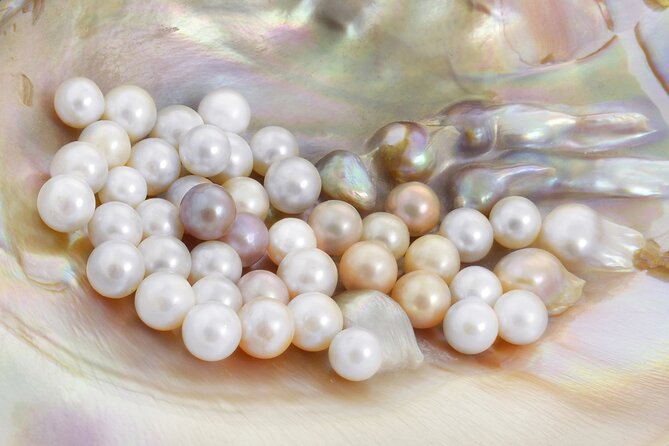
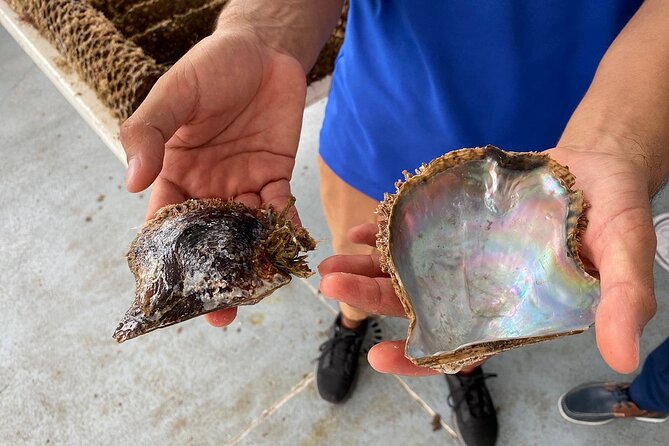
The presentation includes different types of pearls, along with the features that help distinguish them. The supplied information specifically refers to Mother Pearl and Rainbow Lip oysters, two names that may help you remember the discussion after the tour. Ask about them if the guide does not cover them in detail, since they offer a useful way to connect oyster varieties with the pearls they produce.
The hands-on element is important, but you should not expect a workshop where you personally handle every stage. You are there to observe the work, interact with live marine organisms, and learn how the process is carried out. The visit gives you access to a specialized operation without pretending that pearl cultivation is simple.
Meeting the oysters and other marine life
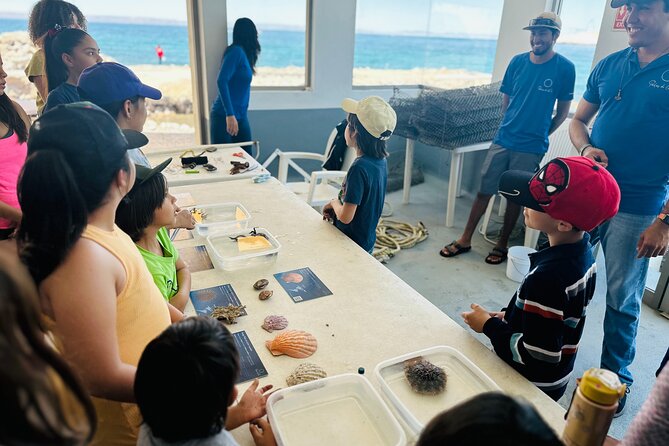
The experience includes an opportunity to interact with live marine organisms. This makes the tour more appealing for families, curious shoppers, and anyone who prefers a real working setting over a polished retail presentation.
The oysters are not just raw material. They are living animals at the center of the process. Seeing them helps explain why pearl farming requires patience and careful treatment. It also gives the visit a small aquaculture lesson, since the farm is working with marine life rather than producing an object from inert materials.
The tour presents the operation as sustainable aquaculture. That point matters because it lets you ask how oysters are raised, how the farm handles the animals, and how pearl production fits into the marine setting around La Paz. The available information does not promise a full environmental science course, so you should think of sustainability as one part of the conversation rather than the entire focus.
This stop may be especially worthwhile if you are buying a pearl. Understanding the living process behind it can help you decide if the purchase feels meaningful to you. If you are not interested in jewelry, the oysters and cultivation methods still give the visit a clear educational purpose.
Why the small group size matters
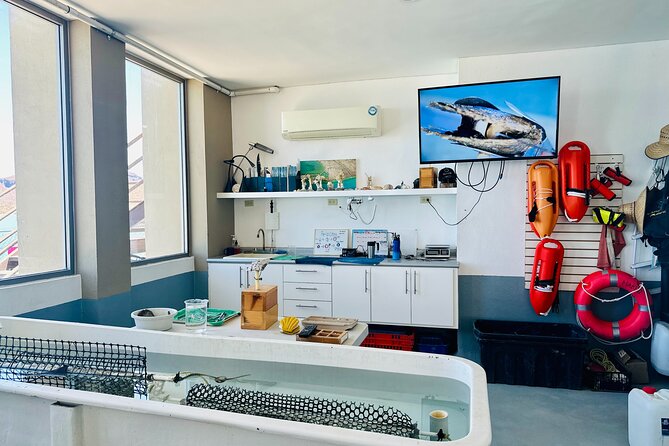
The farm limits the activity to 12 people. That is a useful size for a technical tour. You are less likely to lose the thread of the explanation, and you should have a better chance to ask about pearl seeds, oyster varieties, or the time needed for growth.
Ivan leads the English presentation and has been singled out for his ability to answer questions and explain the implantation process. If your interest goes beyond a quick overview, prepare a few questions before you arrive. Ask about how the seed is introduced, what makes pearl types different, and what happens during the years before harvest.
The English offering is important for visitors who want more than a visual tour. Pearl farming has its own terms, and a clear explanation makes the laboratory visit much easier to follow. The experience is described as being offered in English, with confirmation provided at booking.
A group of 12 is still a group, so do not expect a private lesson. The tour should feel more personal than a large attraction, but the quality of your visit may depend on how actively you take part in the discussion.
Same fields, a different sort of day out:
- Finca 18 Puerto Vallarta Tequila Tour + Chocolate Pairing
★ 5.0 · 393 reviews - Horseback, Culture & Mexican Flavors Experience
★ 4.5 · 67 reviews - Querétaro: Haciendas, Vineyards, and Magical Towns Day Trip
★ 4.7 · 52 reviews - A unique tour! Visiting Hacienda Casa herradura From Guadalajara
★ 5.0 · 43 reviews
The shop: useful, but plan your expectations
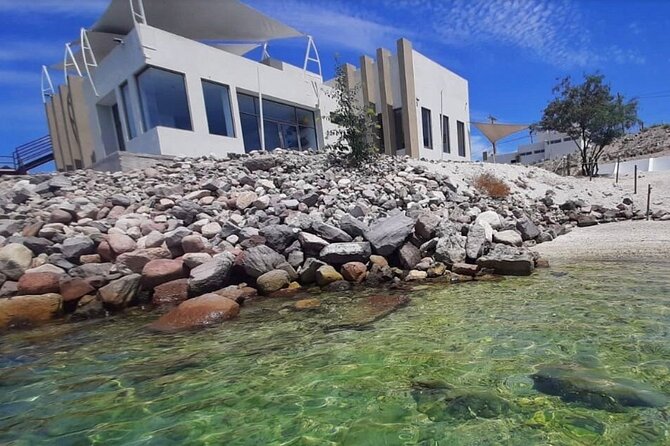
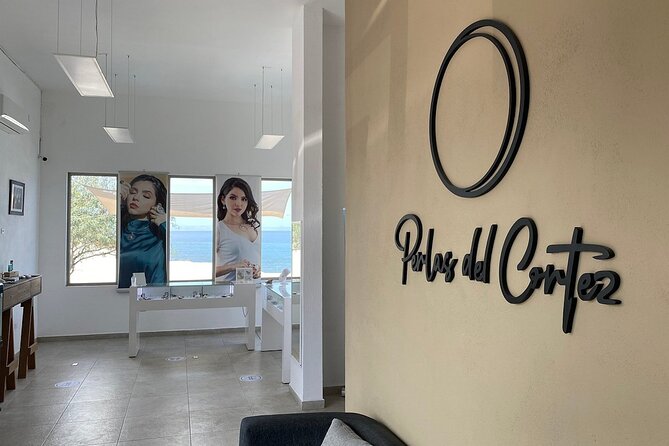
The final stop is the exclusive pearl store. This is where you can see the finished result of the process and decide if you want to buy something.
The shop is not included as a minor afterthought. It completes the visit by connecting the laboratory work with the products made from the pearls. You can compare different types and see how natural variations in color, shape, and finish affect the final piece.
Still, this is a commercial stop, so go in with a clear budget. The tour price does not include souvenirs, and any purchase is extra. You are not required to buy anything, but the store is part of the experience and may naturally encourage browsing.
I would wait until after the laboratory presentation before making a decision. You will have a better sense of the time and care behind the pearls, and you can ask questions about what you are seeing. If you are shopping for a gift, the visit gives you useful background that a regular jewelry counter cannot provide.
If you only want to shop, this tour may be longer than necessary. If you want to understand the product before buying it, the store is a sensible final stop.
Is the $70.02 price fair?
At $70.02 per person, this is not a budget attraction for a two-hour activity. The price makes more sense if you value the guided explanation, the laboratory access, the live organisms, and the chance to see how pearl cultivation works from beginning to end.
You are paying for a specialized visit, not just entry to a shop. The small group cap also helps support the price, since a guide can explain the process and respond to questions. The educational element gives the outing more substance than a quick retail stop.
The value is strongest for people who have a genuine interest in jewelry, marine life, local history, or sustainable aquaculture. It is weaker if you are trying to fill a full day in La Paz at the lowest possible cost. Food, tips, and souvenirs are not included, so keep extra money aside if you plan to buy a pearl.
The activity lasts about two hours. That makes it easy to add to a La Paz day without giving up most of your schedule. It also means the tour has to stay focused. You will get an introduction to the history and the working process, but not an exhaustive course in marine biology or a long coastal excursion.
Location, timing, and practical planning
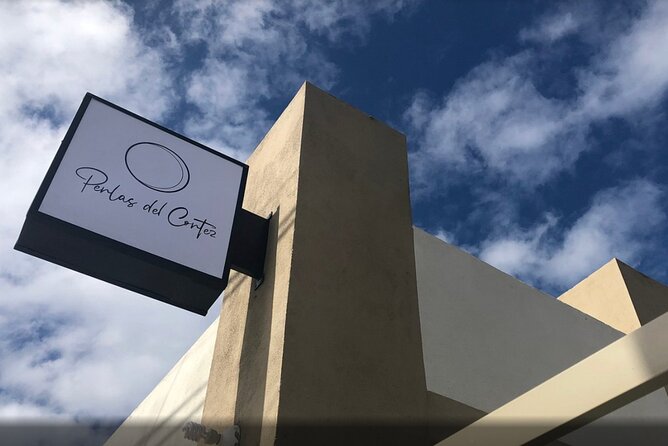
The meeting point is Tours Perlas de La Paz at Avenida Central Poniente, on the corner of Avenida Central Sur, in the Recinto Portuario on Avenida Pichilingue, La Paz, Baja California Sur. The activity ends at the same meeting point.
The location is near public transportation, which is helpful if you are not driving. The supplied information does not state that transportation to or from your hotel is included, so plan to reach the meeting point on your own unless your booking details say otherwise.
Confirmation arrives at the time of booking, and the experience accepts mobile tickets. That makes the arrival process fairly simple. Have the ticket available on your phone, and allow enough time to find the port-area meeting point.
Most people can participate, and the activity is offered in English. The tour does not list special access details, so if you have specific mobility or participation needs, contact the operator before booking rather than assuming the laboratory and shop will suit every requirement.
This tour is often booked about 11 days ahead. That does not guarantee that every date sells out, but it is a useful planning clue. If this is important to your schedule, booking ahead is sensible, especially because the group is limited to 12.
You can cancel for a full refund if you do so at least 24 hours before the start time. Changes or cancellations made less than 24 hours before the experience are not accepted for a refund, and the cut-off follows local La Paz time.
Who will enjoy this pearl farm visit?
I would recommend it most strongly to you if you fit one of these profiles:
- You want a cultural activity that connects La Paz with a local industry.
- You are considering buying a pearl and want to understand how it was produced.
- You enjoy small-scale science and marine-life experiences.
- You like tours where the guide explains a process rather than simply pointing out sights.
- You have already seen La Paz’s main sights and want a different kind of outing.
- You are visiting with older children who can follow a technical explanation.
The visit may be less satisfying if you want a scenic boat trip, a long outdoor adventure, or a broad city tour. The core experience is indoors or centered around the farm’s working facilities, laboratory, marine organisms, and shop. The focus is learning how pearls are cultivated.
It is also not the right choice if you dislike shopping stops. You can browse without buying, but the store is an intentional part of the visit. For some people, that makes the tour feel complete. For others, it may feel like pressure to purchase.
Should you book the Perlas de La Paz experience?
Book it if you want to see the work behind a pearl instead of treating it as a simple souvenir. The strongest reasons are the laboratory visit, the explanation of pearl-seed implantation, the long six-year growth period, and the chance to see living oysters and other marine organisms.
The tour is also a good fit if you appreciate local history with a practical connection to the present. La Paz’s pearl story is not left in the past. You see how the farm is working to raise oysters and bring local pearls back into the world.
Skip it if your priority is a cheap, fast shop visit or a major outdoor activity. At $70.02, the price asks you to care about the explanation as much as the finished jewelry. For the right visitor, that is the point: you leave with a better understanding of what a pearl is, how long it takes to form, and why La Paz has such a strong connection to it.
FAQ
How long does the pearl farm experience last?
The experience lasts approximately two hours.
Where does the tour begin and end?
It begins at Tours Perlas de La Paz on Avenida Central Poniente, at the corner of Avenida Central Sur, in the Recinto Portuario on Avenida Pichilingue, La Paz, Baja California Sur. It ends back at the same meeting point.
Is the tour offered in English?
Yes. The activity is offered in English, and Ivan leads the English presentation.
What will I see during the visit?
You will learn about the history of pearls in the region, modern pearl cultivation, different types of pearls, and the process used to produce them. The experience includes a laboratory visit, live marine organisms, and the pearl store.
Is food included?
No. Food is not included in the tour price.
Are souvenirs included?
No. Souvenirs and purchases from the pearl store are not included.
Can I cancel for a full refund?
Yes. You can cancel at least 24 hours before the experience start time for a full refund. Cancellations or changes made less than 24 hours before the start time are not accepted for a refund.
Just added around Mexico
- Farm to Table Cooking Experience in San Miguel★ 5.0 · 4 reviews
- Full-Day Ranch Adventure and Horseback Riding Tour★ 5.0 · 19 reviews
- Cenotes, Historic Haciendas & Mayan Honey Tasting in Seyé Tour★ 5.0 · 2 reviews
- Hands-on Mexican Farm Experience: from Cow to Cheese★ 5.0 · 9 reviews
- Urban Orchard in Desierto de los Leones in Mexico City★ 5.0 · 9 reviews
- Horseback Riding through Mexican Haciendas★ 5.0 · 5 reviews
- Yucatan Discovery: Motul, Hacienda, Pink Lake, Ruins & Progreso★ 4.5 · 8 reviews
- Private Tour to Uxmal & Hacienda Yunku with cenote by Yucatan Concierge★ 5.0 · 3 reviews
Mexico Farm Tours, compared.

Magical Todos Santos Tour, Camel Ranch, Lunch and Tequila
Read our review →
Finca 18 Puerto Vallarta Tequila Tour + Chocolate Pairing
Read our review →
Chapala Lake & Ajijic Tour with “Tres Potrillos Ranch”
Read our review →
Horseback, Culture & Mexican Flavors Experience
Read our review →
Hacienda Sotuta de Peon w/ Cenote & Henequen Tour
Read our review →
Querétaro: Haciendas, Vineyards, and Magical Towns Day Trip
Read our review →
A unique tour! Visiting Hacienda Casa herradura From Guadalajara
Read our review →
Motul, Hacienda, Xcambo, Pink Salt Mine & Progreso Day Trip
Read our review →Browse the lists this tour appears in