
Review · MANILA
From Manila: 4-Day Sagada and Banaue Rice Terraces Tour
The best part of this four-day trip is the way it links Sagada’s caves and burial traditions with the living terraces of Ifugao. I like the local focus, especially the chance to meet Cordillera residents and learn from guides such as Zohan, also known as Mark. I also like that you sleep near Batad, instead of treating the rice terraces as a quick photo stop.
The main drawback is the road journey. The overnight bus from Manila to Sagada can take about 13 hours, with air conditioning and comfort breaks but little chance to forget you are on a bus. The walks are rewarding, though steep steps, slippery cave rocks, and rough terrace paths demand steady footing.
Key points to know before booking
- A 13-hour overnight bus ride starts the adventure: The route saves daytime, but you should be ready for a long trip into the mountains.
- Sumaguing Cave is physical, not just scenic: Expect slippery rocks, close passages, and hands-on scrambling.
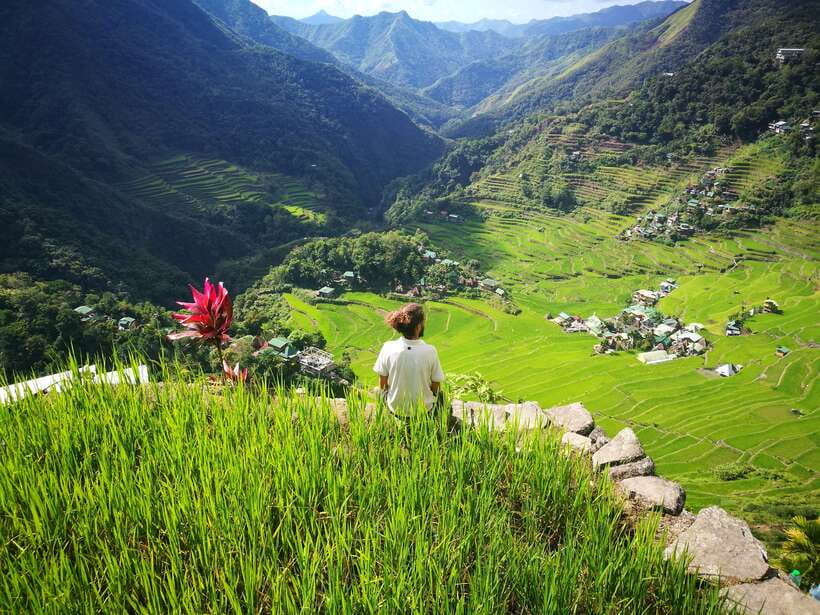
- Batad is the trip’s visual high point: You stay in a guesthouse overlooking the terraces and hike toward Tappiya Falls.
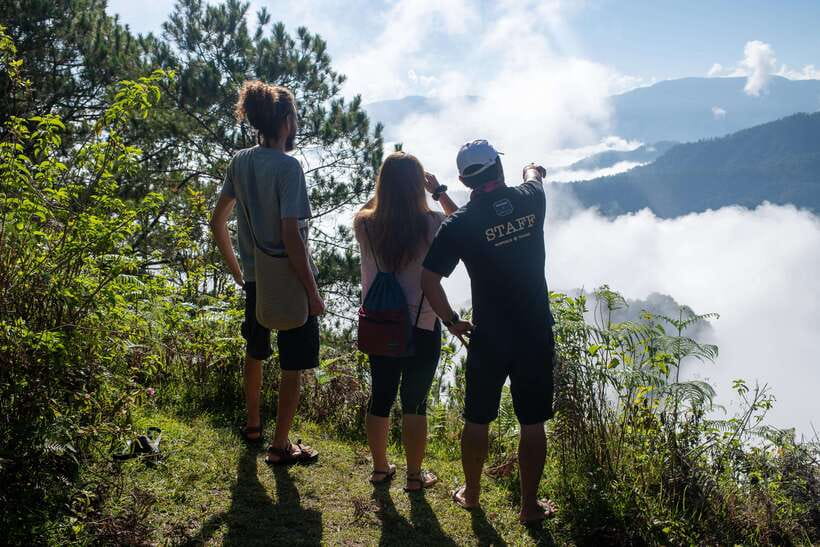
- Local guides add real context: Zohan, also called Mark, is praised for explaining Ifugao customs, family connections, and local traditions.
- The schedule can adapt to your group: Guides may adjust walks and activities for age, ability, weather, and interest.
- The $306 price covers the major framework: Transport, entrance fees, breakfasts, one lunch, guides, and two hostel nights are included, but not dinners, drinks, or two lunches.
Why this northern Luzon trip feels different
Many tours from Manila focus on beaches or city sights. This one takes you north into the Cordillera highlands, where the experience is slower, cooler, and more physical. You trade easy roads for mountain bends, then gain old villages, hand-worked terraces, caves, waterfalls, and stories that are tied to specific families and communities.
The rice terraces are not simply scenic steps cut into a mountainside. They are working places connected to planting, harvest, family land, and local identity. That matters because a guide can help you see the terraces as more than a green backdrop for photographs.
The cultural side is especially strong when the guide has local ties. Zohan, also known as Mark, is from the area and has family connections with rice growers and wine makers. One particularly personal experience described on this trip involved visiting a guide’s village and an ancestral burial hut. That kind of access is not guaranteed in the same form for every group, but it shows the level of local connection that can shape the tour.
You should also expect a flexible style. The guides have adjusted plans for different fitness levels and interests, including shortening walks, skipping a waterfall outing, or avoiding the full cave route. That is useful if one person in your group is older, reserved, or less comfortable with rough terrain.
More Rice Terrace Tours in the Philippines:
- Manila: 3-Day Sagada, Baguio, & Banaue Rice Terraces Tour
★ 3.4 · 10 reviews - Banaue-Hapao Rice Terraces (Car Rental W/ Manila Tourist Driver)
★ 5.0 · 9 reviews - Banaue Rice Terraces Escape: 3 Days, 2 Nights with Transfers
★ 5.0 · 4 reviews
The overnight bus from Manila to Sagada
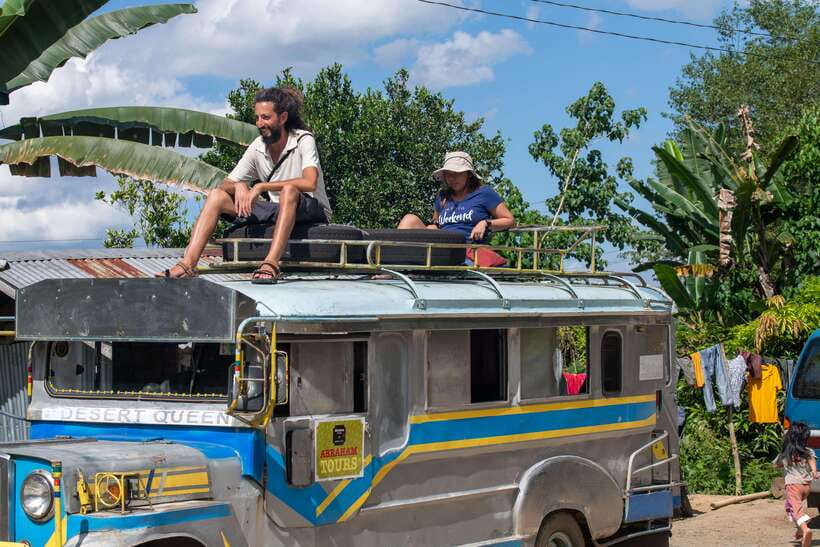
Your meeting point is the Coda Lines Terminal, and you need to arrive 15 minutes before departure. The first leg is an overnight bus ride to Sagada, with the useful advantage of traveling while you sleep rather than losing a full day on the road.
Still, do not picture a quick transfer. The trip can run to about 13 hours. Air conditioning and comfort stops help, but the mountain route remains long. If you sleep poorly on buses, this is the part to plan for carefully.
I would bring a light layer, water, simple snacks, and anything you need to rest. The supplied details do not promise meals during the bus ride, so do not count on the included breakfasts until the tour schedule reaches them. Lunch on the first two days is also not included, and dinner is never included.
The reward is arriving in Sagada’s cooler mountain air with the city far behind you. You begin the sightseeing after the hard transport leg, not after a rushed airport transfer or a string of short vehicle hops.
Echo Valley and the Hanging Coffins of Sagada
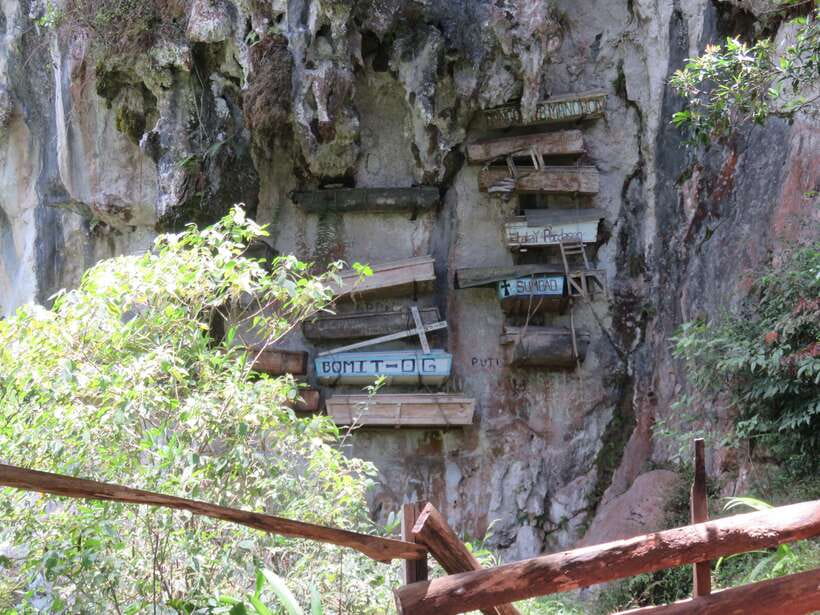
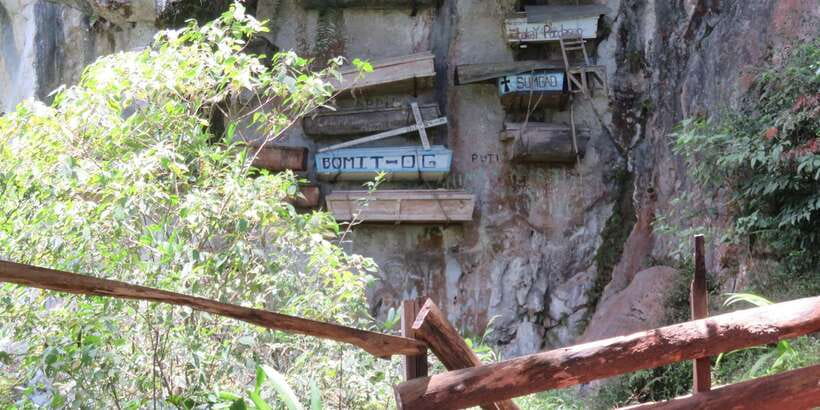
Sagada’s Hanging Coffins are one of the most unusual cultural sights on the route. Coffins are placed on cliff faces in and around Echo Valley, reflecting burial customs connected to the local community. The setting can feel mysterious, but the guide’s explanation is what gives the stop meaning.
You should listen closely here. The value is not just in seeing coffins attached to rock. It is in understanding why the practice exists, how it relates to local beliefs, and why the site should be approached with respect rather than treated as a curiosity.
The walk through Echo Valley also gives you a first taste of the terrain. Expect paths and steps rather than a flat town stroll. For most people, it is a manageable introduction to the hills, but the tour is not designed around effortless sightseeing.
Sumaguing Cave requires hands and balance
Sumaguing Cave brings a different kind of challenge. This is not a paved cavern with a short viewing platform. The route involves slippery rocks, uneven ground, and close attention to where you place your feet. You may need to use your hands as you work through the cave.
That physical effort is part of the appeal. The cave gives you a stronger sense of place than simply looking at a mountain from a roadside viewpoint. You are moving through cool rock formations and negotiating the route with the help of a local guide.
The cave is also where the tour’s fitness warning becomes real. One person described the cave experience as barefoot spelunking, while another noted the slippery rocks and steep access around some attractions. You do not need to be an elite hiker, but you should be comfortable with a rough, wet, physically demanding route.
If you dislike confined spaces, have poor balance, or want an easy cultural tour, this portion may not suit you. The itinerary can sometimes be adjusted, but you should discuss your comfort level with the guide rather than assume every activity is compulsory.
A few more farm days around the Philippines worth a look
- Sagada and Banaue Rice Terraces 4-Day Tour
★ 5.0 · 4 reviews - Explore Rice Terrace Pu Luong Ninh Binh Ha Long 4 Days 3 Night
★ 5.0 · 9 reviews - 4-Day Tour to Yangshuo Li River Cruise & Longsheng Rice Terraces
★ 5.0 · 2 reviews
From Sagada to Ifugao traditions
The second part of the journey shifts toward Banaue and the Ifugao region. A visit to traditional weavers gives you a direct look at local craft, while the Ifugao House Museum places daily life and building traditions in a more focused setting.
These stops help balance the strenuous walks. You are not only climbing terraces and crossing rocks. You are also learning about homes, textiles, customs, and the people who continue to shape the region.
The local guide matters here. Zohan and other guides are praised for answering questions, explaining customs, and adapting the amount of detail to the group. That makes a difference if you want more than a list of place names. Ask about the terraces, burial practices, village life, and the work behind the textiles. The supplied experiences suggest the guides welcome questions and take pride in sharing local knowledge.
Batad Rice Terraces and a night above the steps
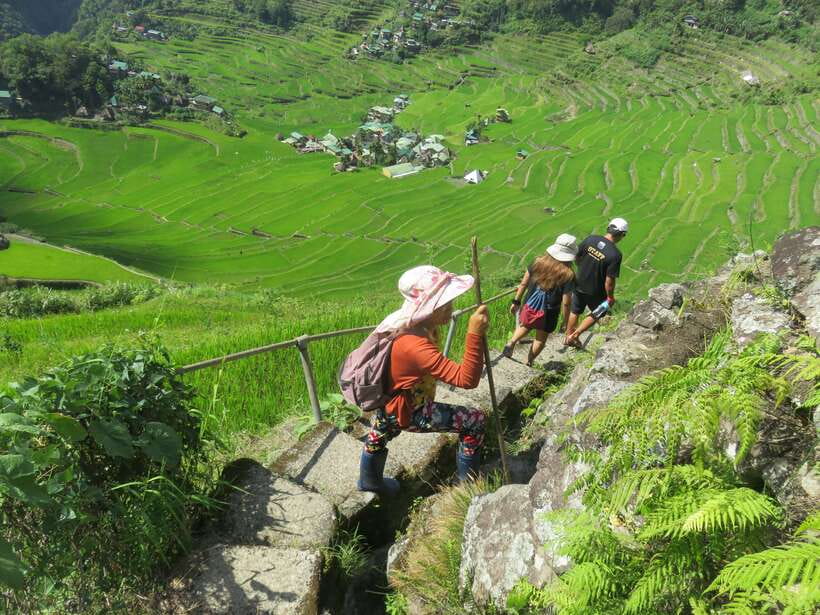
Batad is likely the visual centerpiece of the trip. The terraces curve around the mountainside in layered steps, creating a huge bowl of cultivated land. Their scale is hard to judge from a single viewpoint, so the walk into the area matters.
The route is not a gentle boardwalk. You should expect steep sections, uneven paths, and the need to watch each step. In return, you get changing views as the trail moves through the terraces, rather than one quick photograph from a roadside lookout.
The overnight guesthouse overlooking Batad is one of the tour’s strongest practical features. You are not simply visiting the terraces and leaving before the light changes. You spend the night in the area, giving you time to slow down and absorb the setting.
Accommodation is described as hostel or guesthouse lodging, with two nights included overall, one in Sagada and one in Batad. Do not expect resort comforts. The point is location and access, not luxury. If you value a private bathroom, polished rooms, or a full hotel service, ask for exact lodging details before booking.
Tappiya Falls adds a welcome reward
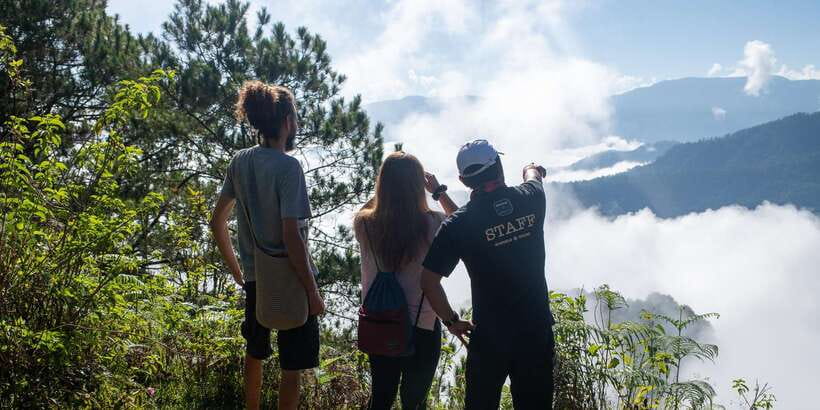
The walk to Tappiya Falls takes you through the Batad area and adds a refreshing nature stop to the cultural and terrace visits. The cool water is especially welcome after climbing and descending the steep paths.
Swimming is part of the appeal, but conditions can affect what is possible. One group’s plan included a waterfall visit, while another adjusted the program and skipped it. Use the guide’s judgment on the day, and do not treat the swim as the only reason to join this section.
The route to the falls is not flat. You will lose and regain elevation, and the return can feel harder after the walk down. Good shoes and a steady pace matter more than speed. Take care on wet rocks, and do not assume that a short distance means an easy outing.
Bangaan Village and the final day
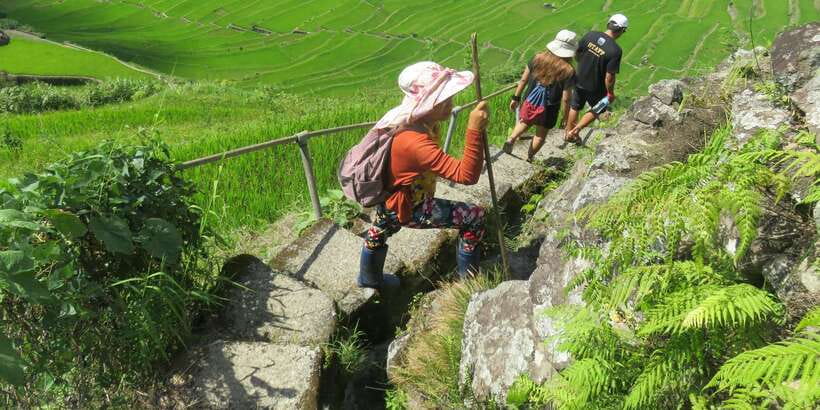
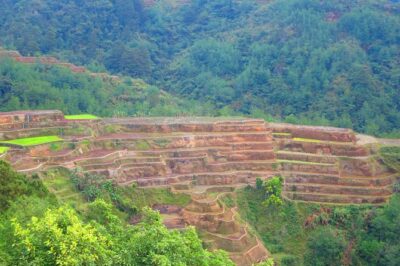
The final hiking section heads to Bangaan Village and its rice terraces before the group winds down in Banaue. This gives you another view of Ifugao terrace building and village life, rather than making Batad your only stop.
The Bangaan walk can be a meaningful part of the trip, but it may not always run in exactly the same way. One experience noted disappointment at missing the full three-hour hike into Bangaan. That is a useful warning: weather, road conditions, group ability, or timing can affect the planned walking route.
After the village and terrace visit, you spend time in Banaue and have a farewell meal before boarding the bus back to Manila. The return journey is another long road leg, so keep your final day realistic. You may finish with excellent views and tired legs, not a leisurely city evening.
What the $306 price really covers
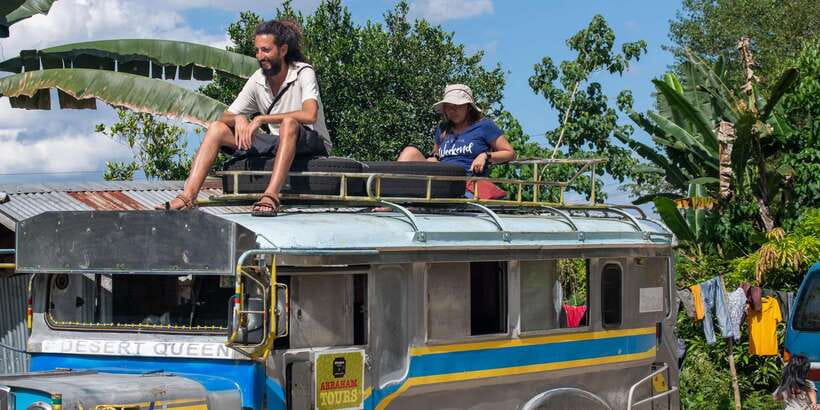
At $306 per person, the value depends on how much independent planning you would otherwise do. The price includes transportation to the sites, entrance fees, English-speaking local guides in Sagada and Banaue, daily breakfast, lunch on day three, and two hostel nights.
That package removes several costs that can add up in a mountain trip. You do not need to arrange separate transport between Sagada, Batad, Bangaan, and Banaue, and you have local guides for places where context and route knowledge matter.
The gaps are worth noting. Drinks, dinners, lunch on day one, and lunch on day two are not included. Add a food budget, and bring snacks for the bus and walking days. The listing does not provide a full meal plan or exact lodging standard, so ask before paying if food preferences or room comfort are important to you.
The price also buys flexibility. A private or small-group option is available, and the guides have adjusted activities for mixed groups. A fully private tour may cost more than a shared departure, but the ability to set a slower pace or focus on cultural visits could be worthwhile.
Who should book this adventure
I would recommend this trip to you if you want mountain scenery, local culture, and active days in one package. It suits people who are happy to trade comfort for access and who see a long bus ride as part of the route rather than an annoying interruption.
It is especially good for:
- Hikers who enjoy steep paths, uneven ground, and changing terrain
- People interested in Ifugao customs and local village life
- Solo visitors who want a guide and organized transport
- Small groups with mixed ages or abilities, since the program may be adjusted
- Anyone looking for more than a standard Manila sightseeing circuit
I would be cautious if you are pregnant, use a wheelchair, dislike overnight buses, or need smooth, easy paths. The activity is specifically not suitable for pregnant women or wheelchair users, and the cave and terrace sections can be physically demanding.
The strongest feature is the human side. Guides such as Zohan, also called Mark, are repeatedly praised for being attentive, warm, careful, and able to explain local traditions. A good guide turns the route from a series of viewpoints into a better understanding of why these places matter.
Should you book the Sagada and Banaue tour?
Book it if you want a serious northern Luzon experience and can handle the transport and terrain. The combination of hanging coffins, Sumaguing Cave, Ifugao homes and weaving, Batad, Tappiya Falls, and Bangaan gives you a broad look at the Cordilleras in four days.
Do not book it expecting a soft adventure with hotel comfort and short transfers. The overnight bus is long, the walks can be slippery, and the itinerary may change according to conditions and group ability.
For $306, the package offers solid value if you would otherwise struggle to arrange mountain transport, entrance fees, guides, and accommodation. Bring patience for the road, sturdy footwear, and an open mind. If you do, this is a strong choice for seeing the terraces as part of a living culture, not just a famous view.
FAQ
Where does the tour meet in Manila?
The meeting point is Coda Lines Terminal. You should arrive 15 minutes before departure.
How long is the bus journey to Sagada?
The overnight bus journey can take about 13 hours. Air conditioning and comfort breaks are provided, but it remains a long ride.
What accommodation is included?
Two hostel or guesthouse nights are included, one in Sagada and one in Batad. One of the highlights is staying in a guesthouse overlooking the Batad Rice Terraces.
Are meals included?
Daily breakfast is included, along with lunch on day three. Drinks, dinners, lunch on day one, and lunch on day two are not included.
Is the tour suitable for wheelchair users or pregnant women?
No. The activity is listed as unsuitable for pregnant women and wheelchair users. The cave and terrace routes also include steep, uneven, and slippery sections.
Can I cancel or pay later?
You can cancel up to 24 hours in advance for a full refund. The reserve-now, pay-later option lets you book without paying on the day of reservation.
Just added around the Philippines
- Iloilo City Tour (Garin Farm, Molo Mansion/Church, Vanishing Mansion)★ 3.0 · 3 reviews
- A Day in Paradise at Villa Escudero Coconut Plantation Adventure★ 5.0 · 2 reviews
- Banaue Rice Terraces Escape: 3 Days, 2 Nights with Transfers★ 5.0 · 4 reviews
- 3 Days Private Tour in Banaue Ifugao visiting Batad Rice Terraces★ 3.5 · 3 reviews
- Skip the Line: Villa Escudero Plantation & Resort Day Pass Ticket★ 4.5 · 11 reviews
- Villa Escudero Coconut Plantation Day Trip from Manila★ 3.5 · 9 reviews
- Sagada and Banaue Rice Terraces 4-Day Tour★ 5.0 · 4 reviews
- Banaue Rice terraces adventure (3 days 2 nights) from Manila***★ 3.0 · 2 reviews
Manila Farm Tours, compared.
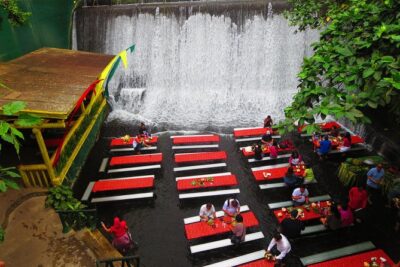
Immerse in Culture: Villa Escudero Coconut Plantation Experience
Read our review →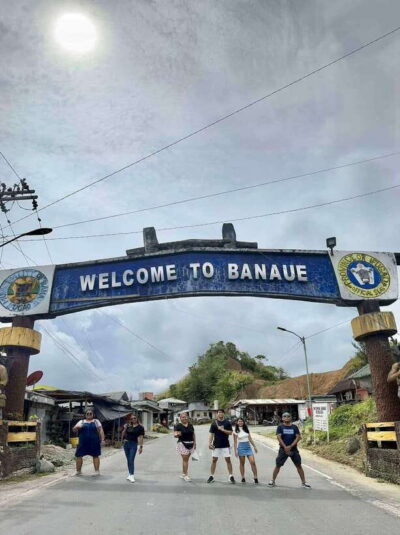
3-Day Sagada, Baguio, & Banaue Rice Terraces Tour
Read our review →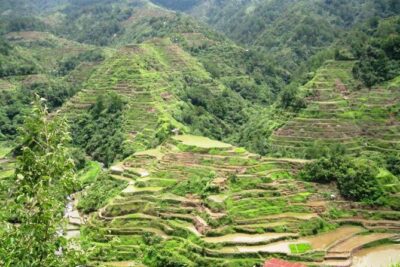
Banaue-Hapao Rice Terraces (Car Rental W/ Manila Tourist Driver)
Read our review →
Banaue Rice Terraces Escape: 3 Days, 2 Nights with Transfers
Read our review →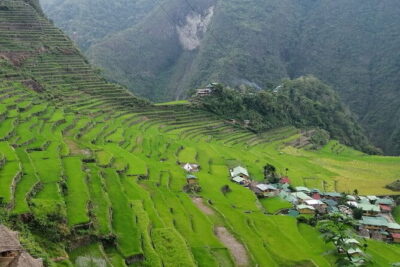
3 Days Private Tour in Banaue Ifugao visiting Batad Rice Terraces
Read our review →
A Day in Paradise at Villa Escudero Coconut Plantation Adventure
Read our review →Browse the lists this tour appears in