
Review · 1-DAY TOURS
Cacao Farm Excursion Day Trip from Guayaquil
The best part of this Guayaquil outing is getting your hands on cacao at every stage, from fresh pod to toasted bean to warm chocolate. On a family-run farm near Naranjal, you can crack open cacao fruit, remove the husks, grind the beans, and make your own chocolate.
I like the hands-on work and the generous farm lunch, which uses ingredients grown on the property. I also like the private format: guides such as Jaime, Eddie, Adrian, and the farm hosts can shape the day around your group rather than shepherding you through a large crowd.
The main consideration is timing. The advertised visit lasts about four hours, but Guayaquil traffic can slow the drive, and this is a countryside farm visit, not a polished chocolate museum. Bring insect repellent, sun protection, and patience for a warm, rustic setting.
Key points
- Make chocolate from cacao beans: Toast, husk, grind, and taste the beans before turning them into chocolate.
- Visit a working family farm: See cacao, rice, mango, papaya, dragon fruit, avocado, breadfruit, and other crops growing together.
- Eat an organic farm lunch: Expect traditional Ecuadorian food made with ingredients produced on the property.
- Start with hotel pickup: The usual departure is 10 a.m. from a centrally located Guayaquil hotel.
- Private group setting: Only your party takes part, making the experience a good fit for families and small groups.
- Plan for insects and heat: Long sleeves, sunscreen, and bug spray will make the visit more comfortable.
From Guayaquil streets to a cacao farm near Naranjal
The morning begins with pickup at your centrally located Guayaquil hotel at 10 a.m. The drive to the farm takes about 40 minutes under normal conditions, although traffic leaving the city can stretch the journey. Your guide handles the transfer, and guides such as Jaime have also used the drive to explain Ecuador, Guayaquil, and local life.
The farm lies near Naranjal, roughly 32 miles from Guayaquil, near the Churute ecological reserve hills and the Churute River. It is a 30-acre family property rather than a staged attraction, with cacao growing beside rice, fruit trees, and garden crops.
That setting matters. You are not simply looking at a chocolate display and hearing a short explanation. You are seeing the plants, soil, harvest, and food production in one place. The farm includes a cacao greenhouse along with mango, papaya, dragon fruit, avocado, breadfruit, tomato, green pepper, lemongrass, and lemon trees.
The route and farm visit are private for your group. That gives you room to ask questions and lets children take part without worrying about holding up a large party. The child rate applies only when sharing with two paying adults, and children must be accompanied by an adult.
More Day Tours in the world:
- Gaucho Day Trip from Buenos Aires: Santa Susana Ranch
★ 4.0 · 272 reviews - Amsterdam: Day trip to Tulip Farm, Keukenhof + Windmill Cruise
★ 4.5 · 211 reviews - Motorbike 1 Day Off The Beaten Track, Hidden Villages, rice field
★ 5.0 · 203 reviews
Seeing cacao before it becomes a chocolate bar
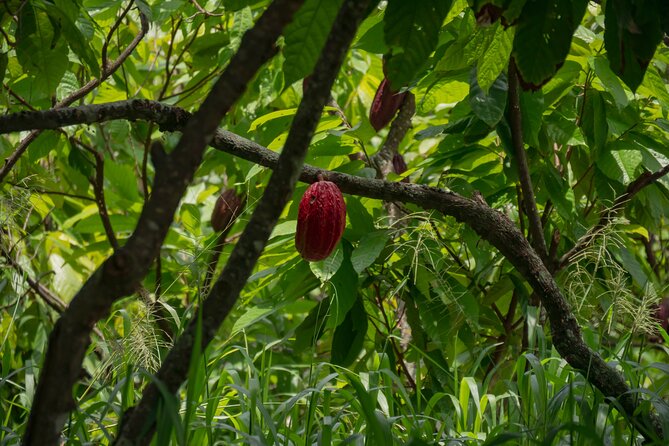
The farm portion begins with the cacao tree itself. You will see fresh cacao pods and learn how the farmers sow seeds, care for young trees, and harvest the fruit. This is a useful correction to the way many people picture chocolate: it does not begin as a brown bar or even as a dry bean.
The cacao fruit contains seeds surrounded by pale pulp. The guide and farm family explain how those seeds are handled after the pod is opened, leading you through the early production stages before the familiar chocolate flavors appear.
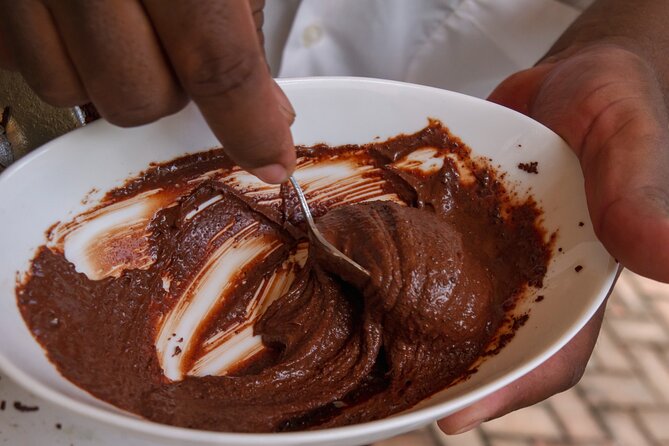
The lesson is strongest when you take part. You can help process the beans, toast them, remove the husks, and grind them into a thick paste. That paste is the base for chocolate. Milk, sugar, and other flavorings come later, so the first taste is more direct and earthy than a shop-bought candy bar.
You may also taste the cacao in several forms, including a hot chocolate made from the ground mixture. Some visits include making a chocolate bar to take home. The exact sequence and finished product can vary, but the central idea remains the same: you follow the bean through real manual work rather than watching a demonstration from behind a barrier.
This is a good lesson for adults because it shows the labor behind a product that is often treated as a simple snack. It also works for children and teenagers. The activity has enough movement and tasting to keep younger participants interested, while the process gives older children a clear look at agriculture and food production.
A family farm with more than cacao
Cacao is the main reason to book this trip, but the farm offers a wider view of rural Ecuador. Rice grows on the property, and the fruit trees show how varied a small agricultural operation can be in this part of the country.
You might see mango, papaya, dragon fruit, avocado, and breadfruit alongside vegetables and herbs. The farm also has a greenhouse for cacao. This variety helps connect the chocolate lesson with the rest of the meal because many of the ingredients do not travel far from field to table.
The farm family is part of the experience. Hosts such as Jamil, Simon, Alberto, Shirley, and their relatives have explained both the farming process and the family’s connection to cacao. The tone is informal and personal, which suits anyone who would rather meet the people behind the food than visit a commercial factory.
There is also plenty of nature around the property, including tropical plants and small animals. This is not advertised as a wildlife tour, so you should not expect a set animal-spotting program. Still, the setting gives the outing more variety than a single-crop plantation visit.
The farm lunch may be the day’s biggest surprise
After the cacao work, you sit down for a typical Ecuadorian lunch made with organic ingredients grown on the farm. The menu can change, but examples from past visits include crab empanadas, fried fish with rice, and a frozen chocolate dessert.
The meal is included in the price, but drinks are not, so plan to pay separately for beverages. The food is served as a proper meal rather than a token snack, and the farm-grown ingredients give the lunch a clear connection to what you have just seen.
I like this part because it completes the farm-to-table idea without making a speech about it. You walk past the crops, hear how they are grown, and then eat food prepared from those ingredients. Traditional Ecuadorian dishes also give you something more useful than a generic boxed lunch.
Lunch is a relaxed chance to talk with the guide and farm family. Several guides have joined the meal, which can turn the final part of the visit into a friendly conversation about Ecuadorian food and daily life.
If you have dietary restrictions, the supplied details do not promise special menus, so ask when booking. The same applies to the exact lunch selection. The food is described as organic and farm based, but specific ingredients depend on the day.
A few more farm days around the world worth a look
- Half-Day Thai Cooking Class at Organic Farm in Chiang Mai
★ 5.0 · 19,087 reviews - Ubud: Monkey Forest, Jungle Swing, Rice Terrace, and Water Temple
★ 5.0 · 7,160 reviews - Florence Pizza or Pasta Class with Gelato Making at a Tuscan Farm
★ 5.0 · 6,801 reviews - From Porto: 2 Wine Regions, Farm-to-Table Lunch & Boat
★ 4.9 · 5,724 reviews
How the four-hour schedule works
The timing is compact:
- Pickup from your Guayaquil hotel begins around 10 a.m.
- The transfer to the Naranjal area takes about 40 minutes in the stated schedule.
- The farm and lunch program fills roughly three hours.
- You return to your Guayaquil hotel after the visit.
The listed stops divide the experience into a transfer, about one hour for lunch and the general cacao introduction, and about two hours at Cacao y Mango Farm. In practice, the process may feel less rigid because the farm visit, tastings, chocolate work, and meal flow into one another.
Do not read day trip as an all-day excursion. The tour is approximately four hours. That is useful if you have an afternoon flight, a cruise schedule, or only one free morning in Guayaquil. It also means you should not expect a long plantation walk, a full cooking class, or a broad tour of the nearby reserve.
Traffic deserves a note. Guayaquil roads can be slow, particularly when leaving or returning to the city. One extended outing that included mangroves and forest stops involved much longer transfers, but those added activities were not part of this standard cacao visit. For this booking, the stated farm transfer is about 40 minutes, though real road conditions can change that.
What the $205.72 price includes
At $205.72 per person, this is not a budget farm visit. The price makes more sense if you are traveling as a small private group and value hotel transfers, a personal guide, hands-on instruction, tastings, and lunch in one package.
Included are taxes, fees, food tasting, lunch, and pickup and drop-off at your hotel. A private vehicle and private format can save you the trouble of arranging transport to a rural property, especially if you are unfamiliar with Guayaquil or do not speak much Spanish.
The value is less convincing if you only want to see cacao trees for a few minutes. You are paying for the complete half-day service, including transport and a meal, not just admission to a farm. Solo visitors should compare the cost carefully, while families or small groups may find the private arrangement more reasonable.
The average booking lead time is about 13 days. That suggests you should not leave this until the last moment if the date matters, especially during a short stay in Guayaquil.
Guides, language, and the feel of the visit
The tour may use a multilingual guide. Names connected with the experience include Jaime, Jamil, Eddie, Adrian, Hime, Simon, and Alberto, though you should not assume a particular guide will be assigned unless the operator confirms it.
Jaime has handled hotel pickup and the road portion, while farm hosts such as Jamil and Simon have led the cacao work. The roles can vary, but the strongest arrangement is one where the transport guide explains Ecuador on the way and the farm host handles the agricultural details.
The activity is private, so you can ask for clarification, spend more time on chocolate making, or keep the pace moving for younger children. Most people can participate, but the provided information does not describe specific wheelchair access or detailed mobility arrangements. Ask the operator if anyone in your group has mobility needs.
Communication before the tour has generally been described as clear, but the cancellation terms are strict close to departure. You can cancel for a full refund up to 24 hours before the start time. Changes or cancellations inside that 24-hour window are not accepted or refunded.
What to pack for the cacao farm
This is a rural tropical outing, so a few small choices will improve the day:
- Bring insect repellent. Mosquitoes can be plentiful.
- Wear sunscreen and clothes that protect your arms and legs.
- Choose practical shoes for a farm rather than city sandals.
- Bring money for drinks, since beverages are not included.
- Carry water if you prefer having your own supply.
- Avoid wearing black if insects bother you, as one useful tip from past visits recommends lighter clothing.
The farm is family friendly, but it is not a climate-controlled visitor center. Expect heat, insects, plant debris, and a working agricultural setting. That is part of the appeal, but it also means you should dress for comfort rather than photographs.
Who should book this Guayaquil outing?
I would choose this tour if you want a direct connection with Ecuadorian food and agriculture. It suits couples, families with school-age children, teenagers, solo visitors who prefer organized transport, and anyone with a free morning in Guayaquil.
It is especially good for families because the chocolate process is easy to understand and includes several tasks. Children can see the fruit, handle the beans, grind the cacao, and taste the result. The meal also gives the group a chance to rest after the farm work.
It is less suitable if you want a long nature excursion, a luxury farm setting, or a guaranteed wildlife program. It also may not fit a tight schedule if your flight or cruise leaves soon after the scheduled return, since city traffic can be unpredictable.
Should you book the cacao farm excursion?
Book it if you want to understand chocolate as a crop, not just buy a box of sweets. The strongest reasons are the hands-on bean processing, the personal family farm, and the generous Ecuadorian lunch made with local ingredients.
At $205.72, the cost is high for four hours, but hotel transport, private guiding, tastings, lunch, and a rural experience are bundled together. I would book this for a family or small group that values convenience and personal contact. I would hesitate only if you dislike heat and insects, need a low-cost outing, or want more time in the countryside.
For the best experience, reserve ahead, confirm the pickup area and language, ask about the expected guide, and arrive prepared with repellent and sun protection.
FAQ
How long does the cacao farm excursion last?
The tour lasts approximately four hours, including transportation from Guayaquil to the farm and the return transfer.
What time does the tour start?
Hotel pickup begins at 10 a.m. from a centrally located Guayaquil hotel.
Is hotel pickup and drop-off included?
Yes. Pickup and return transportation to Guayaquil hotels are included.
Where is the cacao farm located?
The family farm is in the Naranjal area, about 32 miles from Guayaquil, near the Churute ecological reserve hills and the Churute River.
What will I do at the farm?
You will learn how cacao is planted, cared for, and harvested, then see the beans toasted, husked, and ground into a thick paste. The experience can also include making chocolate and preparing hot chocolate.
Is lunch included?
Yes. A typical lunch made with organic ingredients grown on the farm is included. Drinks are not included.
Is this tour private?
Yes. Only your group participates in the activity.
Is the excursion suitable for children?
Yes, it is family friendly. Children must be accompanied by an adult, and the child rate applies only when sharing with two paying adults.
What should I bring?
Bring insect repellent, sunscreen, and practical clothing for a warm farm setting. You may also want money for drinks, since beverages are not included.
Just added around the world
- Ubud Rice terrace,Zip-line and waterfall★ 5.0 · 4 reviews
- Full Day Tour to Water Temples UNESCO Rice Terraces in Bali★ 5.0 · 4 reviews
- Explore Ubud Art Market, Monkey Forest and Rice Terraces★ 5.0 · 16 reviews
- Exploring Munduk Village (Waterfalls, rice terrace, Traditional local house)★ 4.5 · 2 reviews
- Ubud Monkey Forest Rice Terrace Temple Waterfall Private Tour★ 5.0 · 7 reviews
- Jatiluwih Spiritual Journey of Melukat with Rice Terrace View★ 5.0 · 9 reviews
- Private Tour to Sumampan Waterfall, Monkey forest, Rice terraces and Swing★ 5.0 · 30 reviews
- Discover Hidden Waterfall, Unesco Rice Terraces and Mountain Temple★ 5.0 · 17 reviews
1-Day Tours, compared.
Mekong Day Trip Explore Village Bicycle CookingClass Group 12 Pax
Read our review →
Gangwon-do Day Trip with Alpaca World & Nami Island
Read our review →
Gaucho Day Trip from Buenos Aires: Santa Susana Ranch
Read our review →
Day trip to Tulip Farm, Keukenhof + Windmill Cruise
Read our review →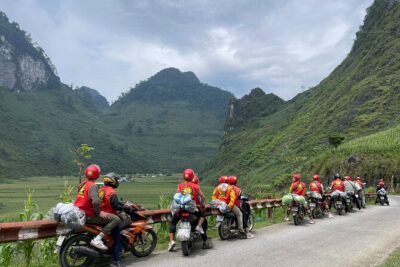
Motorbike 1 Day Off The Beaten Track, Hidden Villages, rice field
Read our review →
Oak Alley Plantation and Swamp Cruise Day Trip
Read our review →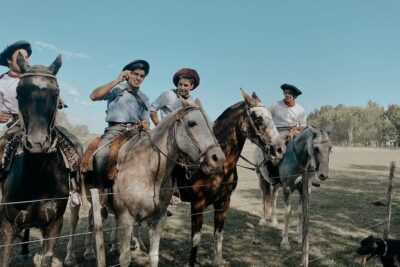
Gaucho Experience: A Day Trip to Don Silvano Ranch
Read our review →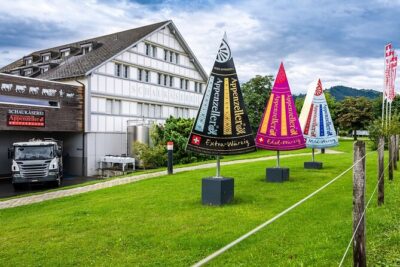
Appenzell Alps Day Trip from Zurich – Farm Life & Cheese Tasting
Read our review →Browse the lists this tour appears in