
Review · HORSES
Luxor: Farm Tour 30 Hectares(Breakfast With Arabian Horses)
The best part of this Luxor farm visit is the chance to see everyday rural life on the West Bank while getting unusually close to pure-bred Arabian horses. You’ll eat Egyptian breakfast beneath a shaded kiosk, look across mango and alfalfa fields, then wander among horses, cows, sheep, goats, birds, bees, and a camel. I like the warm flatbread with local honey and goat cheese, and I like that the guides, including Abdo and Rajiv, take time to explain the farm rather than rush you through it.
I also like the simple two-hour format and the included hotel pickup, which makes this an easy break from tombs and temples. The main consideration is that this is a working farm, not a polished attraction. The ground may be uneven, the heat can be strong, and the exact route may use the bridge or a boat crossing, so you should come ready for a relaxed, outdoorsy visit rather than a tightly staged tour.
Key points to know
- Breakfast under the mango trees: Expect Egyptian dishes, fresh bread, local honey, goat cheese, fruit, tea, and drinks in a shaded seating area.
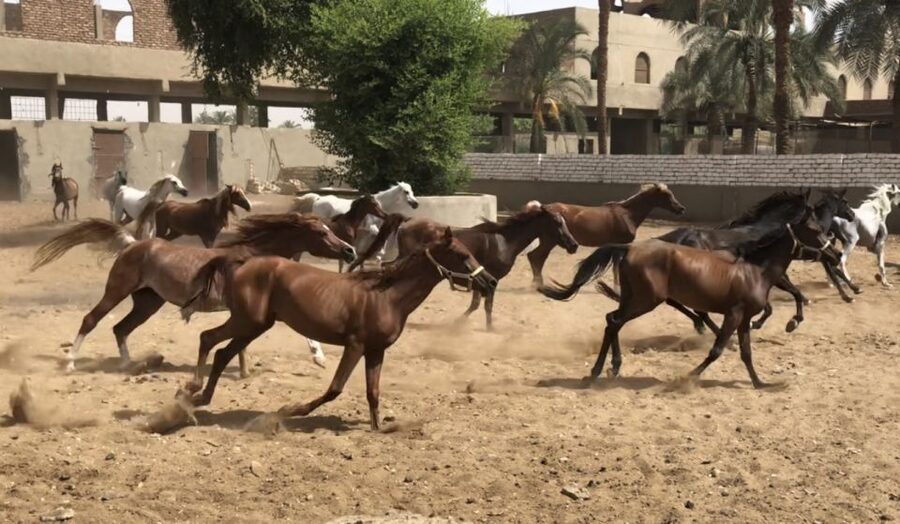
- Dozens of Arabian horses: You’ll see foals, mature horses, and stallions, with the chance to get close under the guide’s direction.
- A large working farm: The property covers more than 50 hectares, with about 30 hectares described as mango plantation and farmland.
- More than horses: Cows, sheep, goats, chickens, ducks, bees, and a camel are part of the visit.
- Easy half-day planning: Hotel pickup, transport, and return are included, with roughly 20 minutes in the van each way.
- Good value at $30: The price covers transport, breakfast, water, drinks, guiding, and access to a rural setting that is hard to see from central Luxor.
A quiet change of pace on Luxor’s West Bank
Luxor is famous for royal tombs, temple walls, and Nile views. Those sights deserve your time, but a farm visit gives you a different picture of the region. Instead of looking at ancient Egypt, you’ll see part of modern agricultural life, with fruit trees, livestock, fields, and family-run activity continuing on the West Bank.
Al-Habib Farm is described as a typical Egyptian organic farm spread over more than 50 hectares. The mango plantation covers about 30 hectares, and the property also grows Meyer lemons, figs, olives, and dates. The information about the mango varieties differs slightly, with the farm described as having 25 types in one account and 62 in another. Either way, you’ll see a serious fruit-growing operation rather than a small garden.
The visit lasts two hours, which is enough time for breakfast and a guided walk without taking over your whole day. I see this as a useful add-on after a morning of sightseeing, especially if you want something slower and more personal.
More Horse Riding Days in the world:
- Half-Day Thoroughbred Horse Farm Tour in Kentucky
★ 5.0 · 1,924 reviews - 5 tours in 1 (Eco Farm/Horseback/City Tour/Buggy/Zipline)
★ 4.5 · 1,443 reviews - Unique Horse Farm Tours with Insider Access to Private Farms
★ 5.0 · 1,192 reviews
Getting there from Luxor
Pickup is provided in Luxor, followed by about 20 minutes in a van. The route to the West Bank may involve crossing by bridge or by boat, depending on the arrangements for your departure. That short transfer matters because it keeps the outing simple: you do not need to arrange a taxi, find the farm yourself, or work out the return trip.
The farm is on the West Bank, where the setting becomes more open and agricultural than central Luxor. You’ll still be close enough to return to town after the visit, but the change in pace is clear. The included return transfer also makes the $30 price more useful, since transport in Luxor can require extra planning.
The activity is listed as wheelchair accessible. Still, you may want to ask about the exact surfaces and walking route if you use a wheelchair, since a farm can include soil paths, planted areas, and animal enclosures that are less smooth than a paved attraction.
Breakfast beneath the shaded kiosk
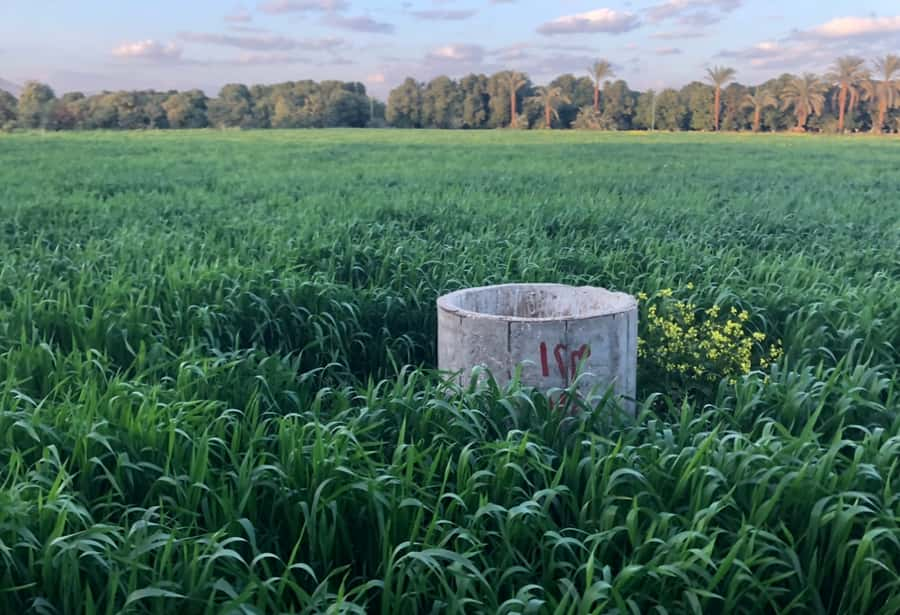
The visit begins with breakfast under a protected kiosk and tree canopy. The seating area looks over the mango orchard and alfalfa fields, so your first impression is less about formal sightseeing and more about sitting in a garden connected to a working farm.
The food is a strong reason to choose this outing. The breakfast includes traditional Egyptian dishes, and a typical spread may feature warm flatbread, honey from the farm’s beehives, black honey made from sugarcane molasses, fig jam, fresh goat cheese, and tea flavored with homegrown mint. Fresh fruit may also be available, including mangoes, oranges, and lemons depending on the season.
I especially like that the food connects directly to the place. You are not simply being served a standard hotel breakfast. The honey, fruit, mint, and farm setting help you understand how local ingredients fit into daily Egyptian meals.
The menu is not described in a fixed, detailed format, so you should expect some seasonal variation. Mangoes, for example, will not be equally available throughout the year. Water and drinks are included, but anyone with strict dietary needs should confirm the food arrangements before booking.
Meeting the Arabian horses
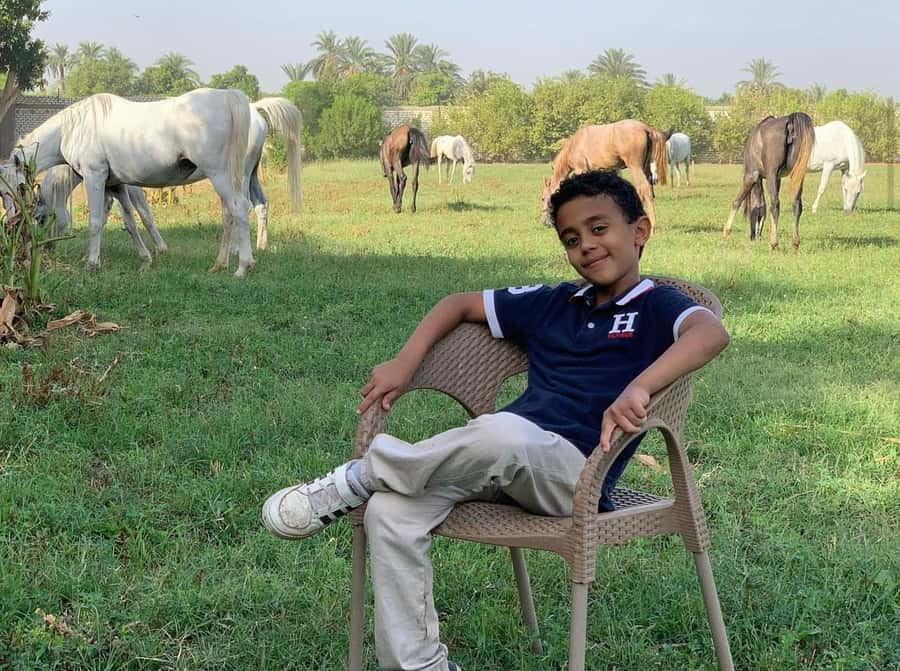
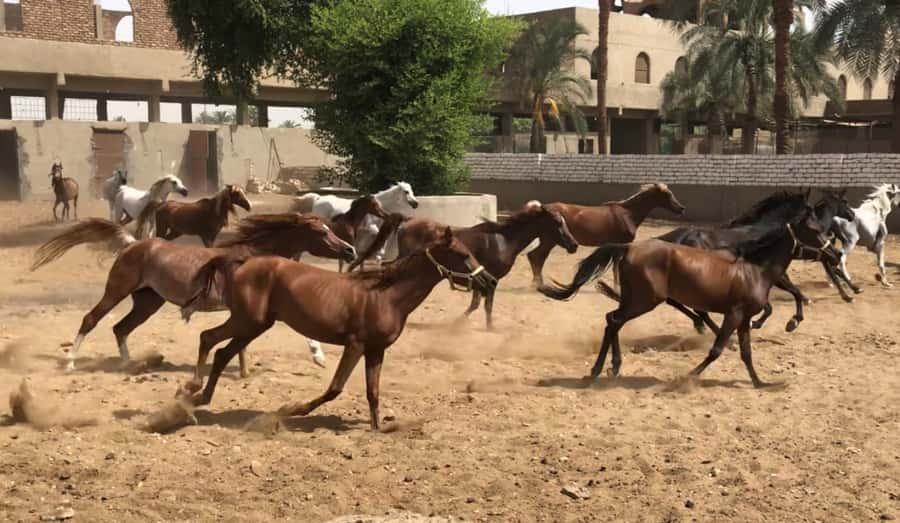
The horses are the centerpiece of the farm. You’ll see pure-bred Arabian horses at different ages, from babies to mature stallions. That range gives the visit more interest than a quick photo stop, since you can see how the animals differ in size, character, and energy.
The guides can bring you close to the horses and explain what you are seeing. This is where a calm approach matters. Follow the guide’s instructions, especially around stallions and young animals, and avoid sudden movements unless invited to interact.
Some visits have included the chance to ride a few short rounds on the horses. This is not presented as a formal riding lesson or extended horseback excursion, so you should not book it expecting a long trail ride. Treat it as a possible extra, and confirm the current arrangement if riding is important to you.
The horse collection also gives the visit appeal for families, photographers, and anyone who has already spent several days looking at monuments. You get a close animal experience without committing to a full equestrian program.
A few more farm days around the world worth a look
- Half-Day Thai Cooking Class at Organic Farm in Chiang Mai
★ 5.0 · 19,087 reviews - Ubud: Monkey Forest, Jungle Swing, Rice Terrace, and Water Temple
★ 5.0 · 7,160 reviews - Florence Pizza or Pasta Class with Gelato Making at a Tuscan Farm
★ 5.0 · 6,801 reviews - From Porto: 2 Wine Regions, Farm-to-Table Lunch & Boat
★ 4.9 · 5,724 reviews
Beyond horses: cows, goats, bees, and a camel
The farm’s appeal comes from variety. After the horse area, you can walk around to see cows, sheep, goats, chickens, ducks, bees, and a camel. Each animal adds a small piece to the picture of farm life.
The bees are especially interesting because their honey may appear at breakfast. That link between the animal area and the meal makes the farm feel connected rather than divided into unrelated displays.
The camel is another memorable sight, though no camel ride is listed. You should not assume that animal encounters mean feeding or riding opportunities. The clear promise is that you can visit the animals and walk around the farm, with the guide explaining what is there.
This part of the visit suits curious children, but parents should remember that it is an active farm setting. Keep young children close around the animals, listen to instructions, and expect a little dust, sun, and mud depending on conditions.
Walking through 30 hectares of mango trees
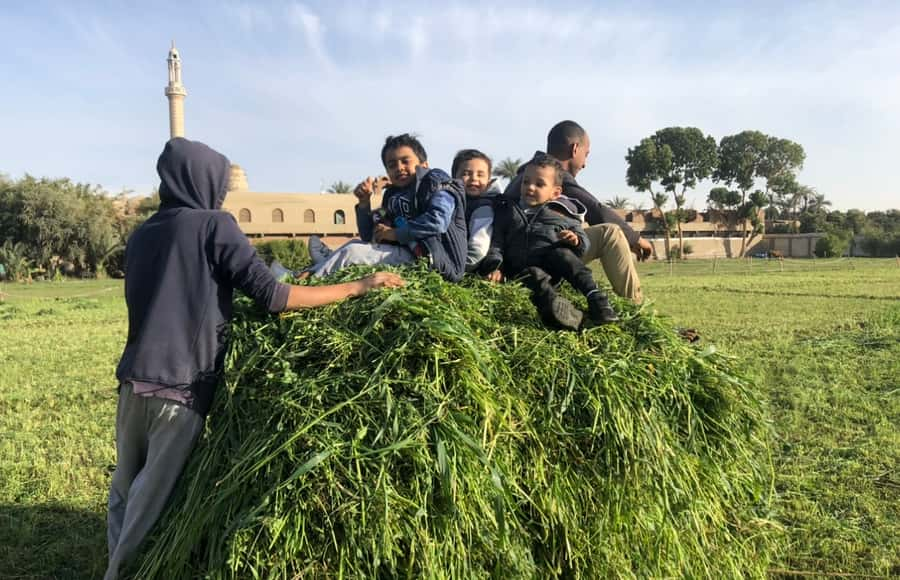
The orchard is one of the most peaceful parts of the experience. The farm grows mango trees across about 30 hectares, with many varieties planted throughout the property. You can walk among the trees and rest beneath their branches when the sun becomes intense.
The orchard also gives you a sense of scale. This is not a decorative garden added for tourists. The trees, alfalfa fields, fruit crops, and animal areas make up a broad agricultural property. The farm produces or grows mangoes, Meyer lemons, figs, olives, and dates, with availability changing through the year.
I would bring a hat, sunscreen, and water even though drinks are provided. Luxor’s sun can be strong, and the shade is helpful rather than complete protection for the entire visit. Comfortable shoes are sensible too, since you’ll be walking around a farm rather than along a paved museum route.
If you visit during mango season, the orchard may be the visual star of the morning. At other times, the horses and breakfast may carry more of the experience. That seasonal shift is a feature of a real farm, but it means you should not choose the tour for one particular fruit alone.
Meeting the people behind the farm
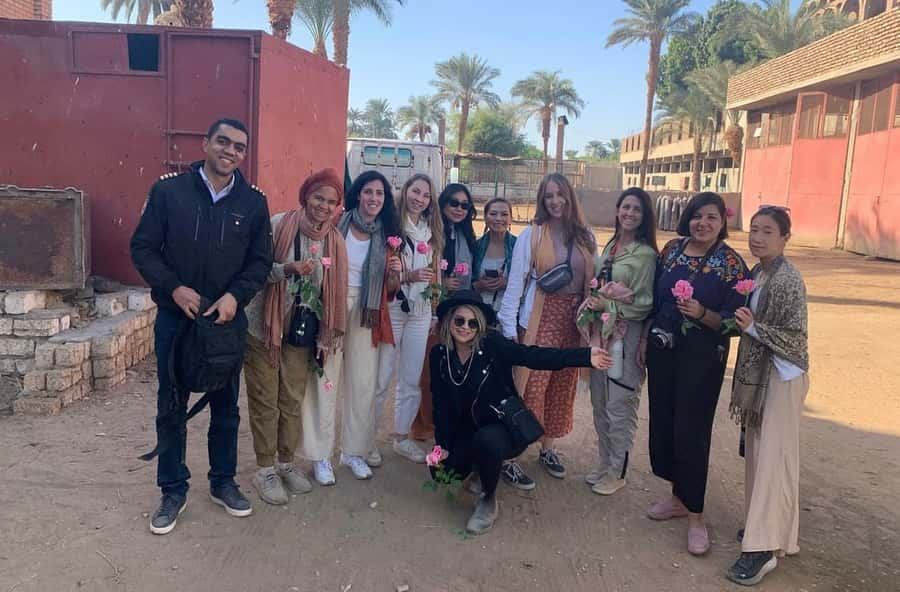
The human side of the visit is as important as the animals. The farm is operated by a family or cooperative, and the guides may include Abdo and Rajiv, who are also experienced hot-air-balloon pilots. Their background in Luxor tourism helps explain why they can combine local conversation with a clear tour structure.
You are given room to wander, ask questions, and look around rather than being pushed from one display to the next. That slower approach lets you see how a modern Egyptian family or cooperative uses land, cares for animals, and grows food.
The atmosphere is friendly and informal. It is a good choice if you want contact with local life that feels less scripted than a standard city tour. At the same time, you should keep your expectations realistic. This is not a cultural lecture or a detailed agricultural course. The value comes from conversation, observation, food, and access to a place you would probably not find on your own.
Arabic and English guiding are available. If you want detailed explanations about horse breeding, mango varieties, or farm practices, ask direct questions during the walk.
How the two-hour schedule works
The timing is straightforward:
- Pickup in Luxor
- About 20 minutes by van
- Breakfast at the farm
- Guided walk through the orchard and animal areas
- Return transport to Luxor, again about 20 minutes
The two-hour farm visit itself is compact. You will not have time for a long agricultural tour across every part of the property, but you will get a useful introduction to the main areas.
I like this format for a free morning or afternoon. It is also practical on a busy Luxor itinerary because it does not demand a full day away from the temples and tombs. If your schedule is already packed with the Valley of the Kings, Hatshepsut’s Temple, and Karnak, this outing gives you a different kind of break without requiring major rearrangement.
The experience may feel short if you want extensive horseback riding or a long farm walk. Its strength is variety within a limited time: breakfast, trees, animals, and local conversation in one stop.
Is $30 a fair price?
At $30 per person, the value is solid if you want transport and a complete short outing. The price includes hotel pickup and drop-off, the farm visit, breakfast, water, drinks, and live guiding. You are also paying for access to a large private agricultural property, not simply a meal at a restaurant.
The food alone is not the main reason to book, since you can find Egyptian breakfast elsewhere for less. The price makes more sense when you count the transport, the guide, the Arabian horses, the orchard, and the chance to see a working farm on the West Bank.
It is less attractive if you only want a quick horse photo or a guaranteed riding session. In that case, a dedicated horse activity may suit you better. This experience is broader and quieter, with food and rural scenery sharing equal billing with the animals.
Free cancellation up to 24 hours before the activity and reserve-now, pay-later booking give you some flexibility. Starting times depend on availability, so check the schedule against your temple visits.
Who should book this farm visit?
I would recommend it to you if you want:
- A break from ancient sites and museum-style sightseeing
- An easy introduction to rural life on Luxor’s West Bank
- Close views of Arabian horses without booking a full riding tour
- A traditional breakfast in a shaded outdoor setting
- A family-friendly animal visit with a relaxed pace
- A short activity that includes transport from Luxor
You may want to skip it if your time in Luxor is extremely limited, if you dislike outdoor heat, or if you expect a polished attraction with fixed performances and guaranteed riding. The farm’s appeal comes from its informal character, and that also means the experience may feel less predictable than a major monument.
Should you book it?
Book this farm tour if you want to see a side of Luxor that temples cannot provide. The strongest reasons are the Arabian horses, the homegrown breakfast ingredients, the large mango orchard, and the chance to talk with people connected to the farm.
For $30, you get a well-rounded two-hour outing with transport included. I would treat the horse riding as a possible bonus, not the main promise, and I would wear practical shoes, bring sun protection, and leave room for seasonal changes in the fruit and farm routine.
FAQ
Where is the farm located?
Al-Habib Farm is on Luxor’s West Bank in Luxor Governorate, Egypt.
How long does the activity last?
The farm visit lasts about two hours. The itinerary also includes roughly 20 minutes of van travel each way between Luxor and the farm.
Is hotel pickup and drop-off included?
Yes. Full transportation pickup and drop-off from Luxor are included.
What food is served?
You can expect a traditional Egyptian breakfast. Food may include warm flatbread, local honey, black honey, fig jam, goat cheese, tea with fresh mint, and seasonal farm fruit such as mangoes, oranges, or lemons.
What animals can I see?
The farm has pure-bred Arabian horses, including babies and stallions, as well as cows, sheep, goats, chickens, ducks, bees, and a camel.
What languages are available, and is the tour wheelchair accessible?
Live guiding is available in Arabic and English. The activity is listed as wheelchair accessible.
Just added around the world
- Ubud Rice terrace,Zip-line and waterfall★ 5.0 · 4 reviews
- Full Day Tour to Water Temples UNESCO Rice Terraces in Bali★ 5.0 · 4 reviews
- Explore Ubud Art Market, Monkey Forest and Rice Terraces★ 5.0 · 16 reviews
- Exploring Munduk Village (Waterfalls, rice terrace, Traditional local house)★ 4.5 · 2 reviews
- Ubud Monkey Forest Rice Terrace Temple Waterfall Private Tour★ 5.0 · 7 reviews
- Jatiluwih Spiritual Journey of Melukat with Rice Terrace View★ 5.0 · 9 reviews
- Private Tour to Sumampan Waterfall, Monkey forest, Rice terraces and Swing★ 5.0 · 30 reviews
- Discover Hidden Waterfall, Unesco Rice Terraces and Mountain Temple★ 5.0 · 17 reviews
Horses, compared.

Half-Day Thoroughbred Horse Farm Tour in Kentucky
Read our review →
5 tours in 1 (Eco Farm/Horseback/City Tour/Buggy/Zipline)
Read our review →
Maui Horseback Adventure at Circle M Ranch With Real Cowboys
Read our review →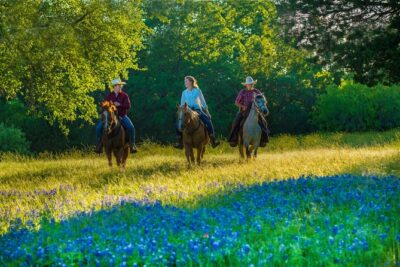
Horseback Riding on Scenic Texas Ranch near Waco
Read our review →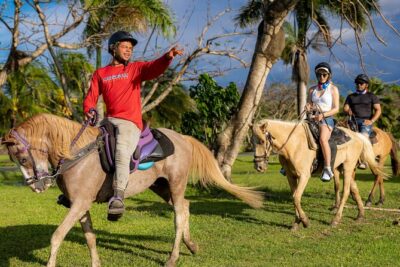

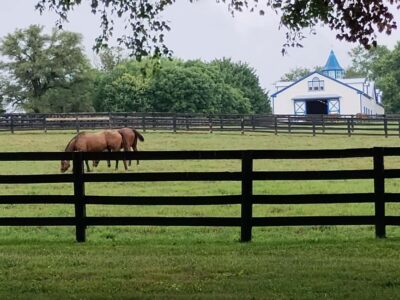
Thoroughbred Horse Farm Tour and Scenic Bluegrass
Read our review →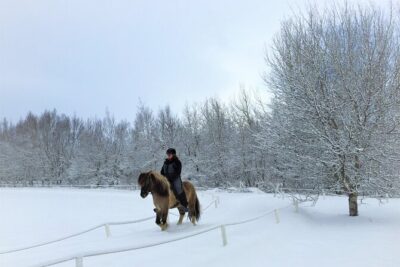
Golden Circle, Fridheimar Farm & Horses Small Group Tour from Reykjavik
Read our review →Browse the lists this tour appears in