
Review · MEXICO
La Paz: Coral Farm Snorkel Tour
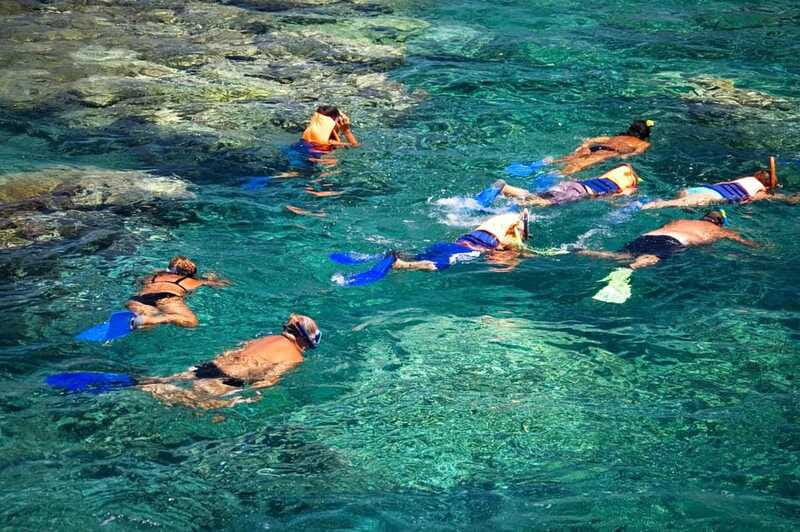
La Paz’s Coral Farm Snorkel Tour takes you beyond a pretty swim. You visit working coral nurseries, learn how damaged reef systems are being restored, and then see a natural reef in Pichilingue. I like the clear conservation purpose and the chance to see both a nursery and living reef in one two-hour tour. The main catch is simple: you need to be a swimmer, and food is not included.
I also like the family feel reported by recent participants, who described a father-and-daughter team deeply committed to Efecto Arena’s ocean work. The tour costs $68 per person, which is fair if you want an educational experience with equipment included, but less appealing if you only want a quick, casual swim.
Key points to know before booking
- See coral restoration beds up close: The tour visits nursery areas where coral is incubated and grown before restoration work continues.
- Learn before you snorkel: A talk explains the role coral plays in nature and why conservation matters.
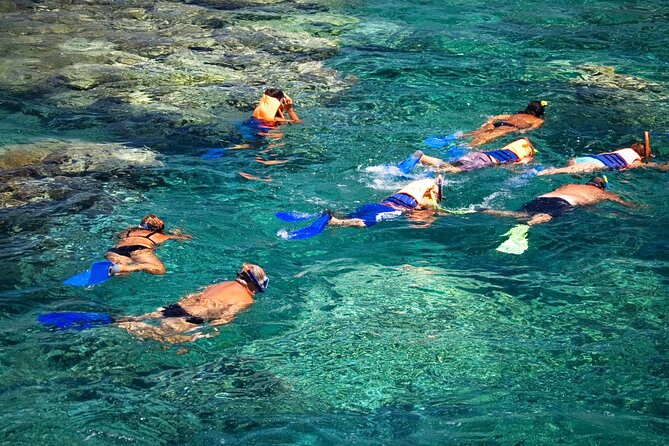
- Compare two underwater settings: You snorkel through the coral nursery and later visit a natural reef in Pichilingue.
- All core gear is supplied: Mask, snorkel, fins, and wetsuit are included.
- Guides speak English and Spanish: You can book with a live guide in either language.
- Plan around your swimming ability: The activity is not suitable for non-swimmers.
Why this La Paz snorkel tour is different
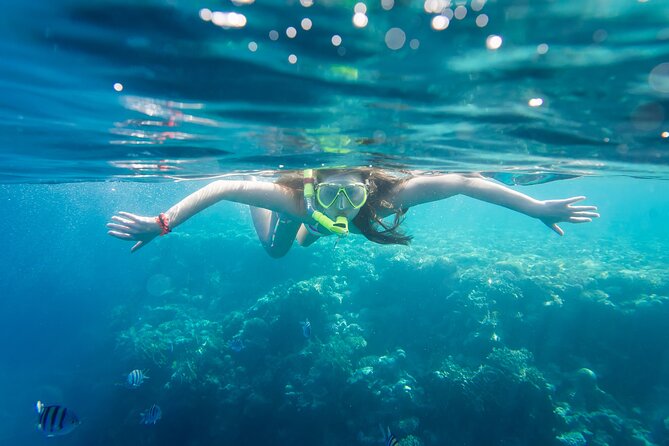
Many snorkel trips in Baja California Sur focus almost entirely on scenery. This one gives you a useful reason to pay attention to what you are seeing. The coral farm is not just a place to put on a mask and look down. It is a restoration project, and the guide explains how coral supports marine life and why damaged reef areas need help.
That context changes the experience. Instead of seeing coral as a colorful decoration, you begin to notice it as living habitat. Small reef structures can provide shelter and feeding areas for other sea life, so protecting coral has effects beyond the coral itself.
The tour also avoids making the nursery the whole story. After visiting the incubation and growth beds, you continue to a natural reef in Pichilingue. That comparison matters. The nursery shows active restoration work, while the natural reef gives you a chance to appreciate the biodiversity these ecosystems can support.
I would choose this outing if you want your time in the water to have an educational purpose. It suits curious visitors, conservation-minded families with confident swimmers, and anyone who would rather support a local environmental project than take a generic snorkel trip.
A few more farm days around Mexico worth a look
- Magical Todos Santos Tour, Camel Ranch, Lunch and Tequila
★ 5.0 · 672 reviews - Chapala Lake & Ajijic Tour with “Tres Potrillos Ranch”
★ 4.5 · 85 reviews - Merida: Hacienda Sotuta de Peon w/ Cenote & Henequen Tour
★ 4.8 · 62 reviews
Starting with coral science, not a sales pitch
The experience begins with an informative talk about corals and their role in nature. That opening is valuable because it gives you a framework for the rest of the tour. You hear why coral needs protection before you see the restoration beds, so the nursery feels like a working conservation site rather than an attraction built only for photographs.
The talk also helps first-time snorkelers know what to look for. You may not recognize the difference between a coral growth bed and a natural reef at first glance. With an explanation beforehand, you can pay attention to the structure of the nursery and understand why the project matters.
Recent feedback points to friendly guides who answered questions carefully and made the process easy. The father-and-daughter team connected with one participant because of their strong commitment to teaching the local community about ocean protection. Their personal connection to the work appears to be a major part of the experience.
Still, expectations matter. This is an EcoTour, not a thrill ride. The educational talk takes time, and that is part of what you are paying for. If you want nonstop swimming with no instruction, this may feel slower than a standard beach outing.
Getting ready with the included equipment
The tour supplies the main snorkeling equipment: a mask, snorkel, fins, and wetsuit. That is a practical benefit, especially if you are visiting La Paz with limited luggage or do not own reliable gear.
A wetsuit can also make the outing more comfortable in the water. Since the equipment is included, you do not need to arrange a separate rental before arriving. The available information does not specify brands, sizes, or whether prescription masks are offered, so bring up any special equipment needs when booking.
A good fit matters more than fancy gear. Your mask should seal without constant adjustment, and your fins should feel secure. If you are new to snorkeling, ask the guide for help before entering the water. It is easier to solve a loose strap or leaking mask on shore than once you are swimming above the nursery.
You should also be comfortable in the water without treating the equipment as a substitute for swimming ability. The activity specifically excludes non-swimmers. That is the clearest practical limit on this tour.
Visiting the coral incubation and growth beds
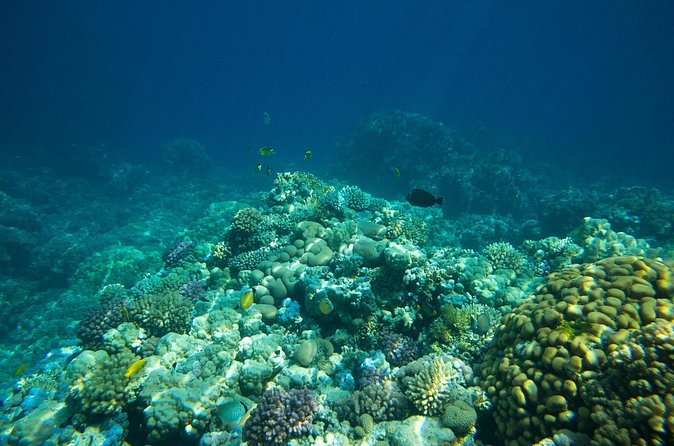
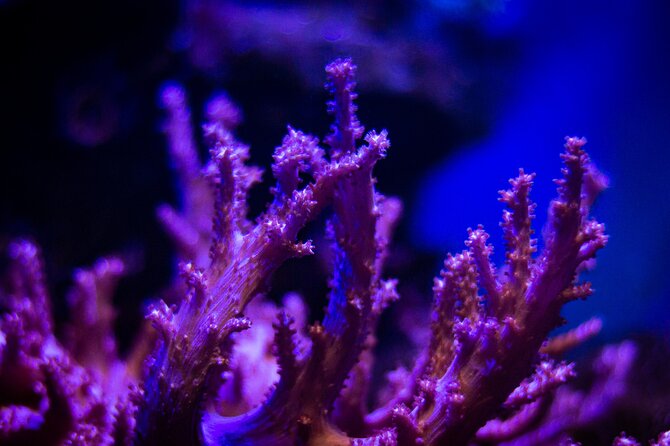
The first water-based section takes you through the coral incubation and growth beds of the restoration nursery. This is the heart of the tour. You see where coral is being cared for and prepared as part of a larger effort to repair reef habitat in the Mexican Pacific.
The guided format is important here. A nursery can look unfamiliar if you do not know what you are viewing. Your guide can explain the purpose of the beds and help you understand how the project supports coral restoration.
Keep your expectations realistic. The nursery is a conservation work area, not necessarily a giant natural reef packed with animals at every moment. Its value comes from seeing the restoration process and learning how these projects function. The experience rewards attention and curiosity more than a search for constant spectacle.
That makes this portion especially useful for anyone who wants to understand the work behind marine conservation. You are not only looking at a finished ecosystem. You are seeing an effort to help one recover.
Same fields, a different sort of day out:
- Finca 18 Puerto Vallarta Tequila Tour + Chocolate Pairing
★ 5.0 · 393 reviews - Horseback, Culture & Mexican Flavors Experience
★ 4.5 · 67 reviews - Querétaro: Haciendas, Vineyards, and Magical Towns Day Trip
★ 4.7 · 52 reviews - A unique tour! Visiting Hacienda Casa herradura From Guadalajara
★ 5.0 · 43 reviews
Comparing the nursery with Pichilingue’s natural reef
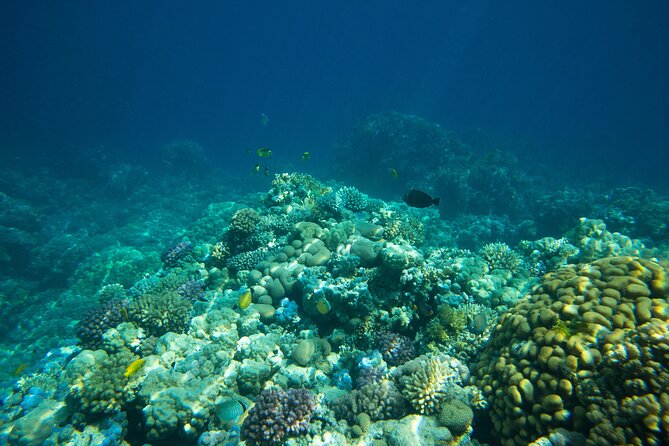
After the coral beds, the tour continues to a natural reef in Pichilingue. This gives the outing a useful second act. You have already learned about coral restoration, and now you can see the kind of natural setting these projects aim to protect.
The natural reef is described as a place to appreciate unique biodiversity. You may notice that a reef feels different from an organized nursery area, even if you cannot identify every species. The guide’s earlier explanation should help you connect the reef’s structure with the marine life it supports.
This comparison is one of the tour’s strongest features. A nursery teaches you about intervention and recovery. A natural reef shows why those efforts are worth making. Seeing both in one short outing gives the conservation message more weight than a talk alone.
The available details do not promise specific animals, visibility conditions, or a particular species list. I would book this for the chance to see reef habitat and understand restoration, not for a guarantee of turtles, rays, colorful fish, or other individual sightings.
How the $68 price measures up
At $68 per person, the tour sits above the price of a simple self-guided swim, but it includes more than water access. You receive the coral talk, a live guide, a guided visit to the coral beds, snorkeling equipment, and a wetsuit. The price also supports an experience built around a restoration project rather than only recreation.
I consider that reasonable value if you want instruction and conservation context. The tour is short at two hours, so you are not committing an entire day. That makes it easier to fit around other La Paz plans while still giving the activity a clear purpose.
The value is weaker if your only goal is maximum time in the water. Food and souvenirs are not included, and there is no indication of a meal or extended beach stay. You are paying for the guided conservation experience, not a full-day excursion.
I would also factor in the quality of your interest. If coral restoration sounds meaningful to you, the educational portion adds real value. If you would rather swim without explanations, you may find a less expensive beach activity more suitable.
Who will enjoy this most
This tour fits you best if you:
- Can swim comfortably and manage basic snorkeling equipment.
- Want to learn how coral restoration works.
- Prefer a small-scale environmental experience to a general sightseeing trip.
- Are interested in seeing both a restoration nursery and a natural reef.
- Appreciate guides who welcome questions.
- Can follow instructions around a sensitive marine environment.
It may not suit you if you are a non-swimmer, dislike educational talks, or want food included. The two-hour length is convenient, but it also means the experience is focused rather than leisurely.
Families should consider the swimming requirement carefully. The conservation theme may appeal to older children and teenagers, but the supplied information does not state a minimum age or special arrangements for children. Ask before booking if you are traveling with young swimmers.
Practical details for a smoother outing
The tour offers live guiding in English and Spanish, so choose the language that will help you get the most from the coral talk and your questions. Since the educational portion is central, language comfort matters more here than it might on a quiet beach swim.
Wear or bring whatever you normally need for a water activity, but remember that the mask, snorkel, fins, and wetsuit are supplied. Food is not provided, so plan separately if you expect to eat around the activity. Souvenirs are also not part of the price.
Starting times vary, so check availability when selecting your date. The experience lasts two hours, making it practical before or after another La Paz plan, but allow yourself enough breathing room around the scheduled start and finish.
Cancellation is flexible up to 24 hours before the activity for a full refund. You can also reserve now and pay later, which helps if your Baja itinerary is still changing. These policies are useful, but the bigger booking decision is your comfort in the water and your interest in conservation.
The strongest part of the experience
The best feature is the combination of personal guidance and visible conservation work. You are not only told that coral needs protection. You visit the nursery beds where restoration is taking place, then see a natural reef that shows what these ecosystems can support.
The human side also matters. The father-and-daughter guides were praised for being friendly, open to questions, and clearly devoted to Efecto Arena’s work. That kind of direct connection can make a short tour feel more memorable than a standard equipment-and-water package.
The tour also received two verified five-star ratings, with praise focused on the smooth organization, the guides, the restoration project, and the chance to visit the natural reef. That matches the experience’s main strengths: clear purpose, approachable instruction, and a well-defined route.
Should you book the Coral Farm Snorkel Tour?
Book it if you want a short, meaningful La Paz activity that combines snorkeling with marine conservation. The coral nursery, the natural reef in Pichilingue, included equipment, and English or Spanish guiding make the $68 price sensible for the right audience.
Skip it if you cannot swim, want a meal included, or are looking only for a carefree swim with no educational component. For everyone else, this is a thoughtful way to spend two hours in the water while learning why coral restoration matters.
FAQ
How long does the Coral Farm Snorkel Tour last?
The tour lasts two hours.
How much does the tour cost?
The price is $68 per person.
What equipment is included?
The tour provides a mask, snorkel, fins, and wetsuit.
Where does the snorkeling take place?
You visit the coral incubation and growth beds of the restoration nursery, then snorkel at a natural reef in Pichilingue.
Is the tour available in English?
Yes. Live guiding is available in English and Spanish.
Can non-swimmers join?
No. The activity is not suitable for non-swimmers.
Just added around Mexico
- Farm to Table Cooking Experience in San Miguel★ 5.0 · 4 reviews
- Full-Day Ranch Adventure and Horseback Riding Tour★ 5.0 · 19 reviews
- Cenotes, Historic Haciendas & Mayan Honey Tasting in Seyé Tour★ 5.0 · 2 reviews
- Hands-on Mexican Farm Experience: from Cow to Cheese★ 5.0 · 9 reviews
- Urban Orchard in Desierto de los Leones in Mexico City★ 5.0 · 9 reviews
- Horseback Riding through Mexican Haciendas★ 5.0 · 5 reviews
- Yucatan Discovery: Motul, Hacienda, Pink Lake, Ruins & Progreso★ 4.5 · 8 reviews
- Private Tour to Uxmal & Hacienda Yunku with cenote by Yucatan Concierge★ 5.0 · 3 reviews
Mexico Farm Tours, compared.

Magical Todos Santos Tour, Camel Ranch, Lunch and Tequila
Read our review →
Finca 18 Puerto Vallarta Tequila Tour + Chocolate Pairing
Read our review →
Chapala Lake & Ajijic Tour with “Tres Potrillos Ranch”
Read our review →
Horseback, Culture & Mexican Flavors Experience
Read our review →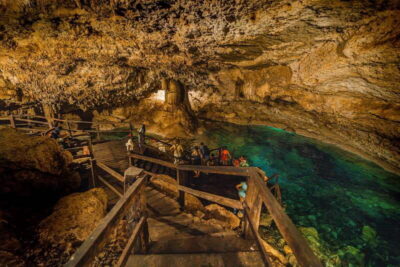
Hacienda Sotuta de Peon w/ Cenote & Henequen Tour
Read our review →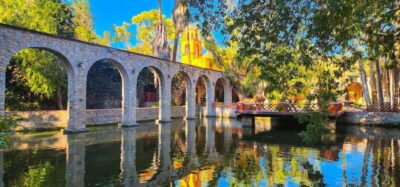
Querétaro: Haciendas, Vineyards, and Magical Towns Day Trip
Read our review →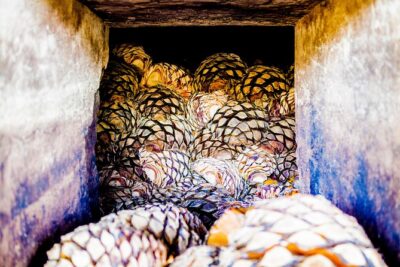
A unique tour! Visiting Hacienda Casa herradura From Guadalajara
Read our review →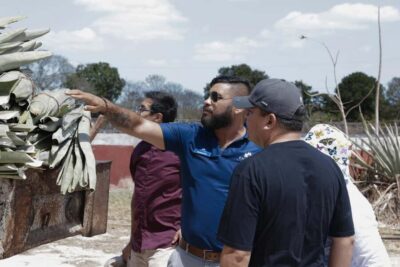
Motul, Hacienda, Xcambo, Pink Salt Mine & Progreso Day Trip
Read our review →Browse the lists this tour appears in