
Review · JAPAN
Hands-on Pearl Harvesting Workshop!
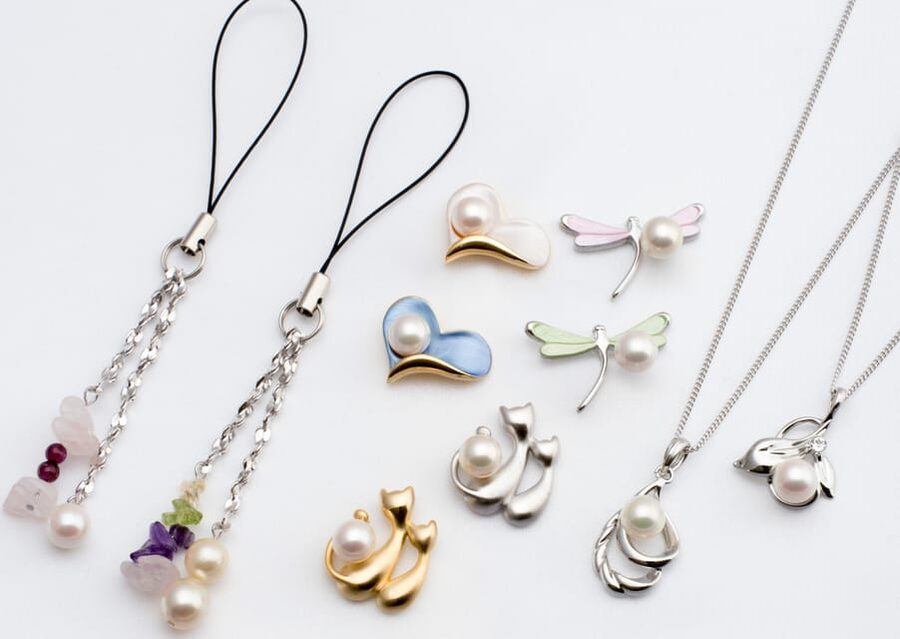
The best part of this Ise-Shima pearl workshop is the small moment when the oyster opens and you discover your own pearl. You choose a live Akoya oyster from Kikuchi Pearl’s aquarium, handle it with tongs, and extract the pearl yourself. I like that the activity gives you a real object to take home, not just a quick demonstration. I also like the wide choice of fittings, from phone straps and pendants to regular or clip-on earrings.
The main drawback is the short, lightly explained format. The hands-on work may take only a few minutes, and the instructor speaks Japanese, so you should not expect a detailed lesson about oyster farming or pearl production. Check the fitting prices carefully, too, since more elaborate choices cost extra.
Key points to know before booking
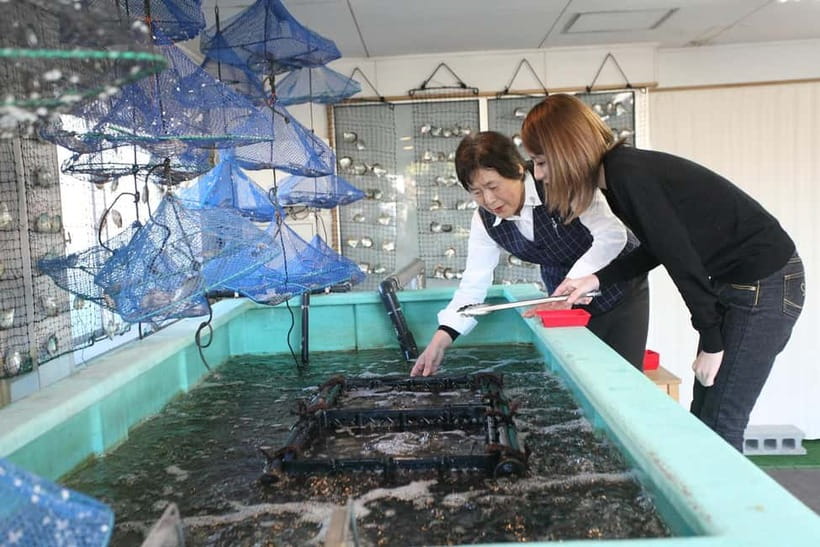
- You open a live Akoya oyster: The central moment is choosing one oyster from the aquarium and extracting its pearl with a provided tool.
- The activity lasts about one hour: The actual pearl removal is quick, with much of the time used for choosing fittings and waiting for staff to finish the accessory.
- Your pearl becomes a keepsake: You can choose a phone strap, pendant, earrings, or other jewelry styles, with some options costing more.
- The starting price needs a close look: The listed price is about $17 per person, while the included processing packages use separate yen prices for the oyster and fittings.
- English support is limited: The instructor is Japanese-speaking, so translation help or a translation app may be useful.
- The station walk is simple: From Iseshi Station, take the JR Sangu Line toward Toba, get off at Isuzugaoka Station, and walk about five minutes.
Opening an Akoya oyster near Ise-Shima
This is not a polished pearl-farming lecture. It is a short, tactile activity built around one small surprise: what pearl is waiting inside your oyster?
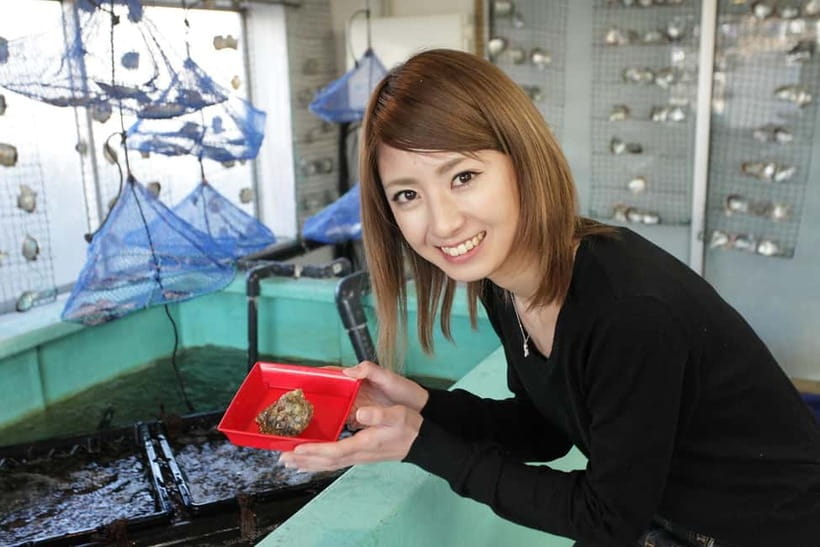
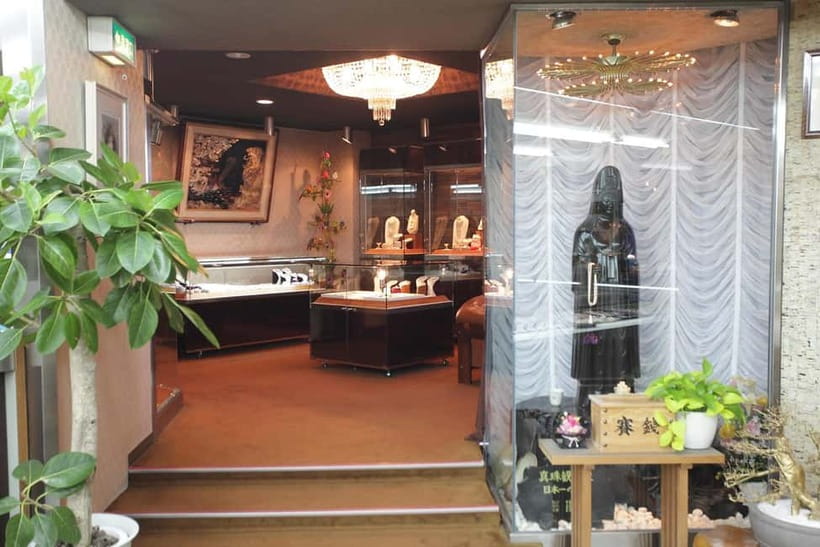
Kikuchi Pearl keeps live Akoya oysters in an aquarium. You select one with tongs, then bring it to the work area. The oyster comes from the sea around Ise-Shima, a part of Japan known for pearl cultivation. That connection gives the activity some local meaning, even though the workshop itself offers only limited explanation about how the oysters are raised or how pearls are produced.
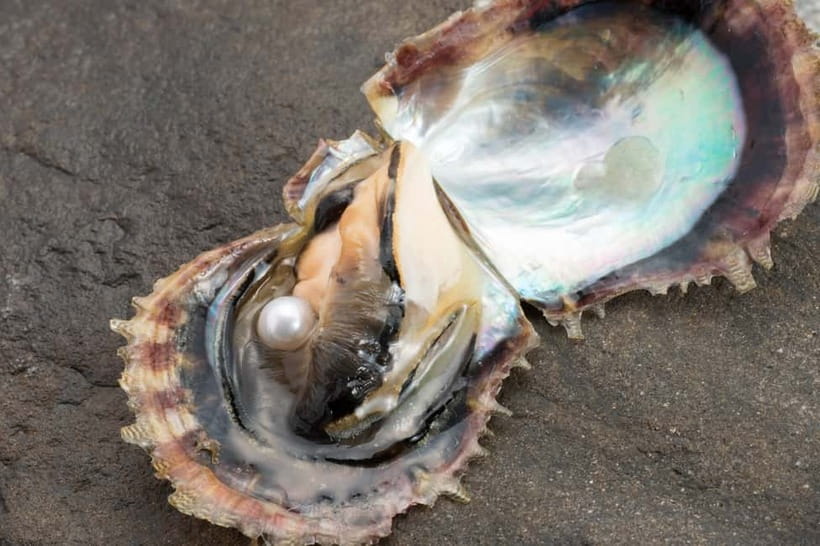
I like the directness of it. You are not simply looking at finished jewelry in a case. You handle the oyster, use a special tool, and see the pearl appear. The pearl may be white, pinkish, or another natural shade. One participant found a pearl with a slightly pink tone, which is the sort of small variation that makes the result feel personal.
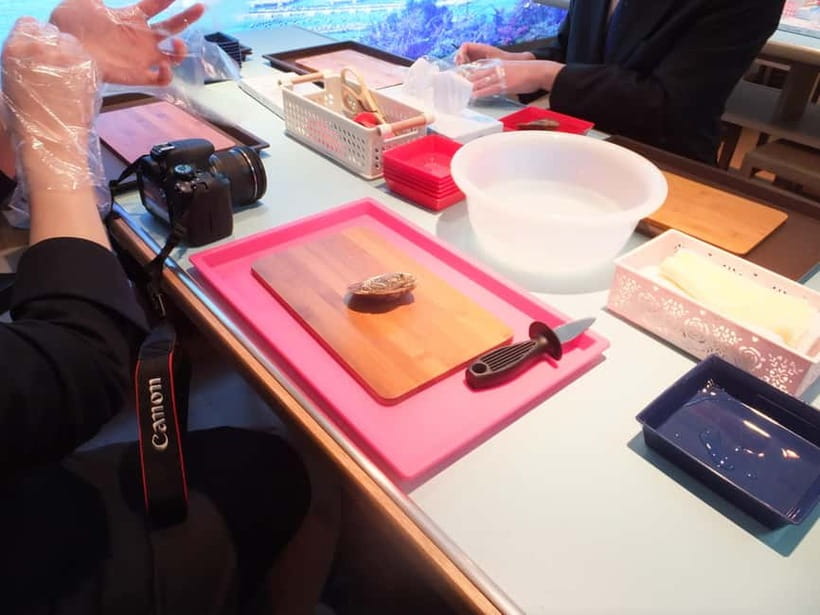
The process is not glamorous. Akoya oysters smell fishy, so you wear a glove on your non-dominant hand. You use the tool to extract the pearl and remove the slime, then rinse the pearl lightly with water. That simple mess is part of the point. If you want a spotless, high-end jewelry appointment, this is not it. If you enjoy making something with your hands, it gives you a pleasant little story to take home.
More Hands-On Workshops in Japan:
- Half-Day Thai Cooking Class at Organic Farm in Chiang Mai
★ 5.0 · 19,087 reviews - Florence Pizza or Pasta Class with Gelato Making at a Tuscan Farm
★ 5.0 · 6,801 reviews - Cooking Class and Lunch at a Tuscan Farmhouse with Local Market Tour from Florence
★ 5.0 · 4,831 reviews
What happens during the one-hour visit
The activity follows four clear stages.
First, you select your oyster from the aquarium. The staff ask you to pick one and lift it with tongs. This is the most personal choice in the process, although the information provided does not explain how the oysters differ or whether their size affects the pearl.
Next comes the extraction. You wear a glove and use the special tool to open or work on the oyster and remove the pearl. This part can be very fast. Some people have found that the hands-on section lasts only a couple of minutes, so set your expectations correctly. The activity is not a full workshop in pearl cultivation. It is a quick harvest-style experience followed by jewelry processing.
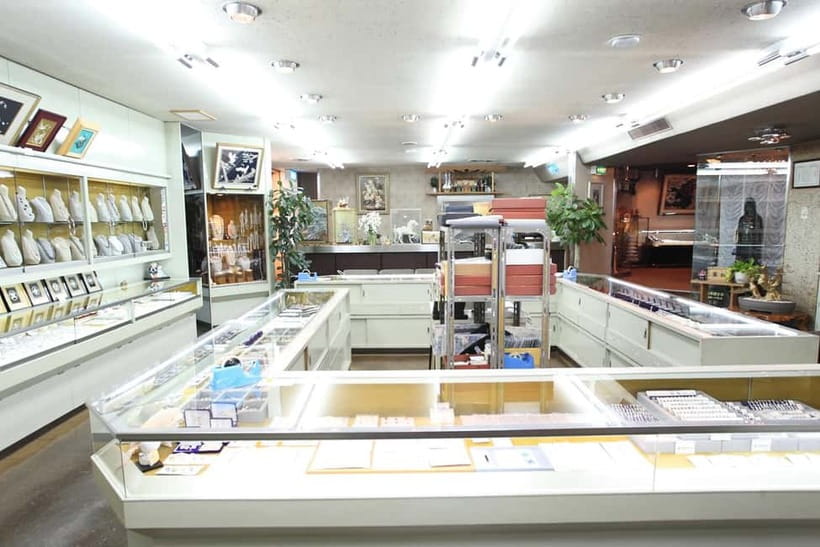
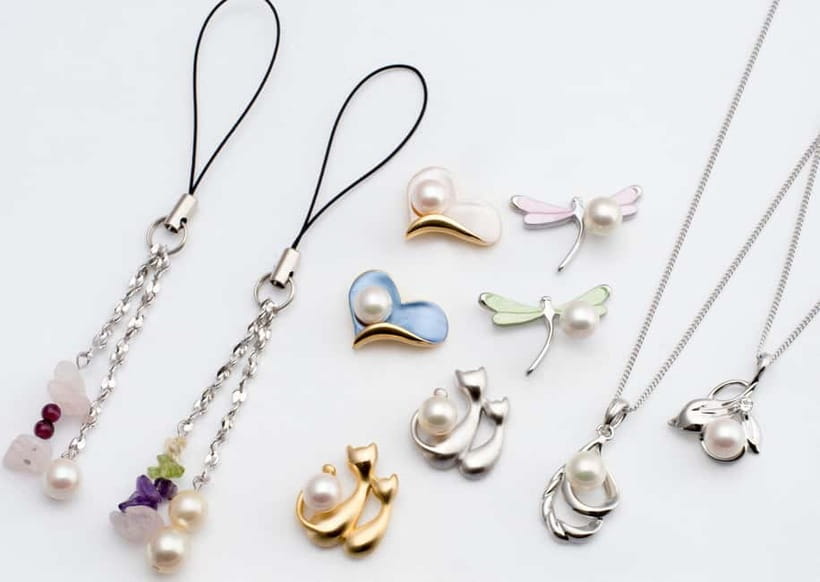
After rinsing the pearl, you choose the metal fittings. This is where the visit can become more interesting for shoppers. You might select a phone strap, a pendant, regular earrings, or clip-on earrings. Pins, brooches, bracelets, tie stoppers, and tie pins may also be possible, but these choices carry an additional charge.
Finally, staff process the pearl into your chosen item. You do not complete the jewelry assembly yourself. While you wait, you can look around the shop at its finished pearl accessories. That waiting time helps fill out the hour, but it also means the activity is better described as pearl harvesting plus accessory selection than as a full jewelry-making class.
Choosing a fitting without a surprise bill
The basic package details deserve attention. A phone strap includes one Akoya oyster priced at JPY 1,100 and metal fittings priced at JPY 1,650. A pendant includes the same oyster price and JPY 2,200 for the fittings. Processing is included in those figures.
The listed activity price is about $17 per person, but you should treat that as a starting price rather than a guarantee that every attractive accessory will cost the same. If you choose fittings that cost more than the included set, you pay the difference on-site. If you choose a less expensive fitting, no refund is given for the difference.
That rule matters. Look at the fittings before making your choice, and ask the staff to confirm the price. The selection includes many metal designs, so it is easy to focus on shape and finish rather than cost. If your goal is simply to take home the pearl at the lowest price, ask what the least expensive option is before you commit.
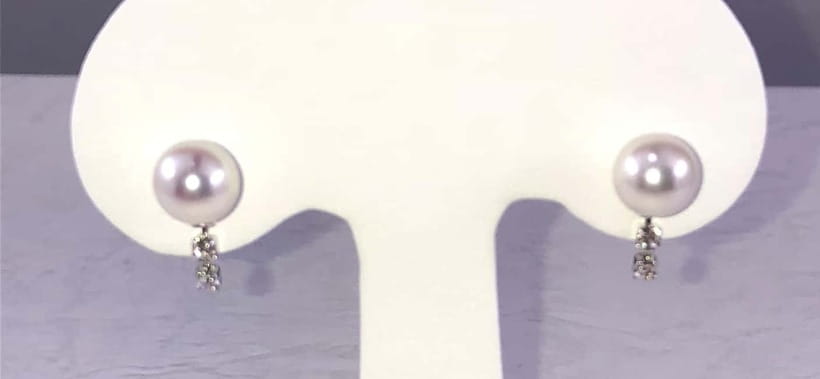
The accessory choices make the activity more useful as a gift. A phone strap is easy to carry and practical. A pendant feels more like a traditional keepsake. Earrings can be a good choice if you want something wearable, but remember to specify regular or clip-on fittings. More unusual items, such as brooches or tie pins, may suit a particular recipient but can increase the total cost.
The pearl itself is the key variable. You do not choose a finished pearl from a tray. You accept the one inside the oyster you select. That gives the activity its charm, but it also means you should not expect a perfectly matched, showroom-grade stone.
The language gap and the pace of the visit
The instructor’s language is Japanese. Basic steps may be possible to follow through demonstration, but detailed explanations about pearl cultivation, oyster treatment, or the jewelry work are not guaranteed.
This is the biggest practical issue for English-speaking visitors. Some people have found the staff kind and patient, while others have struggled because very little English was spoken. Bring a translation app if you want to ask questions about the pearl, the fittings, or the processing time. It is also wise to confirm that the pearl you selected is the one being attached to your accessory before the staff take it to the workshop.
The pace can feel efficient or rushed, depending on what you want. If you want a quick activity between sightseeing stops, the short extraction works well. If you want an educational presentation, the experience may feel thin. There is no detailed Japanese or English explanation included in the information provided, and the central hands-on step can be over almost as soon as it begins.
I would plan to enjoy this as a small local craft encounter, not as a major cultural attraction. The value is in choosing the oyster and seeing your own pearl, not in receiving a long lesson.
A few more farm days around Japan worth a look
- Hokkaido Lavender farm & Furano Flower Tour from Sapporo
★ 4.5 · 28 reviews - Mt. Fuji Private Chartered Tour with Nature and Wasabi Farm
★ 5.0 · 24 reviews - Uji and Wazuka Matcha Farm Half Day Private Guided Tour
★ 5.0 · 21 reviews - Wasabi Farm Walking Tour & Lunch
★ 4.5 · 20 reviews
Getting to Kikuchi Pearl from Iseshi Station
The meeting point is about a five-minute walk from Isuzugaoka Station. From Iseshi Station, take the JR Sangu Line train bound for Toba and get off at Isuzugaoka. The listed coordinates are 34.4989098, 136.7406165.
The train connection is important because the shop is not presented as a central Iseshi walking stop. Allow enough time for the train and the short walk, especially if your booking has a fixed start time. The activity lasts one hour, but the total outing takes longer once you include the journey there and back.
Transportation after the workshop may need planning. Taxi help has been available in at least one case, but you should not assume a regular return service from the shop. Save the station name, keep your phone charged, and check your return train before starting the activity.
The location can work nicely if you are already visiting the Ise-Shima area or traveling toward Toba. It is less convenient if you are trying to fit the workshop into a tight Iseshi sightseeing schedule.
Who will enjoy this pearl experience
This activity suits families with children aged five and older, couples, gift shoppers, and anyone who likes a physical souvenir. It is accessible for wheelchair users, and the simple stages make it possible for several generations to take part together.
Children may enjoy the aquarium and the reveal of the pearl, though adults should pay attention during the tool work. The oyster smell and slime may not appeal to every child. Children under five are not permitted.
It also works for a parent and child who want matching keepsakes. One person can make a phone strap while another chooses a pendant, though each additional oyster and accessory will add to the cost. If you want two pearls, arrange and pay for two harvests rather than assuming one booking includes more than one oyster.
I would be more cautious about recommending it to serious jewelry buyers. The finished accessories may not meet your expectations if you are looking for fine craftsmanship or premium materials. The shop offers many designs, but the activity is aimed at a casual souvenir purchase, not a private jewelry consultation.
What the mixed experience tells you
The strongest part of the experience is the friendly, personal interaction when the staff guide you through selecting an oyster and choosing a fitting. The activity can be fun, especially when the pearl has an unexpected color or shape. The option to turn it into something for your phone, clothing, or jewelry box gives the visit a clear purpose.
The weak point is the gap between the idea of a pearl workshop and the actual amount of instruction. You may imagine learning how Akoya oysters are cultivated in Ise-Shima, how a pearl forms, and how workers care for the oyster. The provided format does not promise that. You select, open, rinse, choose, and wait.
There is also a concern about confirming the pearl during processing. If you care strongly about receiving the exact pearl you extracted, keep your eye on it and ask staff to identify it before it goes to the workshop. This is especially important because the staff, rather than you, complete the final assembly.
For value, think of the booking price as payment for a short activity plus a processed souvenir. It is reasonable if you enjoy the experience and choose an included fitting. It becomes less appealing if you only want a loose pearl, expect a long lesson, or choose an expensive accessory without checking the price difference.
Practical tips for a smoother visit
- Use your non-dominant hand for the glove: The instructions call for a glove on that hand, leaving your dominant hand available for the tool.
- Expect a fishy smell: The oyster is alive, and the process can be messy. Dress for a hands-on activity rather than a formal jewelry appointment.
- Ask about the fitting price first: A cheaper choice does not produce a refund, while a more expensive choice requires payment on-site.
- Decide on the recipient before you arrive: Knowing whether you want a strap, pendant, or earrings makes the fitting choice easier.
- Use translation support: The instructor is Japanese-speaking, and English explanations may be limited.
- Allow time for the train: The one-hour activity does not include the trip from Iseshi Station or the return journey.
- Check the finished pearl: Before staff assemble the item, confirm that the pearl being used is the one you harvested.
Cancellation is flexible if your plans change: you can cancel up to 24 hours in advance for a full refund. You can also reserve now and pay later, which helps if your Ise-Shima schedule is still shifting.
Should you book this workshop?
Book it if you want a short, hands-on souvenir and like the idea of discovering a pearl rather than buying one from a case. It is especially suitable for families with older children, couples, and people who want a small gift linked to the Ise-Shima coast.
Skip it if you want a detailed explanation of pearl farming, a long class, or a high-end jewelry purchase. The actual oyster opening is very brief, Japanese is the main language, and the total cost can rise with upgraded fittings.
My advice is simple: book it for the personal moment, not the lesson. Confirm the accessory price, plan your train connection, and treat the finished item as a fun memory of Ise-Shima rather than a major jewelry investment.
FAQ
How long does the pearl harvesting workshop last?
The activity lasts about one hour. The actual oyster opening and pearl extraction may take only a few minutes, with the remaining time used for choosing fittings, staff processing, and browsing the shop.
Where does the workshop take place?
It takes place at Kikuchi Pearl in Honshu, Japan. From Iseshi Station, take the JR Sangu Line toward Toba, get off at Isuzugaoka Station, and walk about five minutes.
What kind of oyster do I open?
You select a live Akoya pearl oyster from the aquarium. The oysters are connected with pearl cultivation in the Ise-Shima sea area.
What can I make with the pearl?
You can choose a cell phone strap, pendant, regular earrings, or clip-on earrings. Pins, brooches, bracelets, tie stoppers, and tie pins may also be available for an additional charge.
Is the jewelry processing included?
The listed packages include processing. A phone strap uses one Akoya oyster priced at JPY 1,100 plus JPY 1,650 for fittings. A pendant uses one oyster plus JPY 2,200 for fittings. More expensive fittings require an on-site payment, and cheaper choices do not receive a refund.
Is the workshop available in English?
The instructor’s language is Japanese. English support may be limited, so a translation app can help if you want detailed explanations or need to discuss accessory choices.
Just added around Japan
- From Tokyo Mt.Fuji, Lake Kawaguchi, Makaino Farm day tour★ 5.0 · 8 reviews
- Hida Private E-Bike Tour with Premium Lunch and Farm Experience★ 5.0 · 7 reviews
- Guided Bike Tour to a Green Tea Farm in Shizuoka (not e-bikes)★ 5.0 · 5 reviews
- Hokkaido Farm Tomita Shikisai Hill Waterfall& Blue Pond Day Tour★ 3.5 · 6 reviews
- Autumn Leaves in AutumnSkiing in winterLet’s go to Hoheikyo Onsen by private car (from Sapporo)★ 4.5 · 8 reviews
- E Bike in Yuzawa Mountain Views Lake Daigenta and Rice Terraces★ 5.0 · 2 reviews
- Wasabi Farm Walking Tour & Lunch★ 4.5 · 20 reviews
- 7hr Private Wazuka True Hidden Kyoto Matcha Farm Experience★ 5.0 · 3 reviews
Japan Farm Tours, compared.

Hokkaido Lavender farm & Furano Flower Tour from Sapporo
Read our review →
Mt. Fuji Private Chartered Tour with Nature and Wasabi Farm
Read our review →
Uji and Wazuka Matcha Farm Half Day Private Guided Tour
Read our review →
From Tokyo Mt.Fuji, Lake Kawaguchi, Makaino Farm day tour
Read our review →
Hida Private E-Bike Tour with Premium Lunch and Farm Experience
Read our review →Browse the lists this tour appears in