
Review · PORTUGAL
Funchal Agriculture Green Tour
Madeira’s farming story is best understood with your boots on the ground, and this six-hour tour takes you behind the tidy tourist view. You visit a private banana field, see how bananas are sorted and packed, learn grafting at an agricultural school, and meet a cattle-farming family with more than a century in the trade. I especially like the small groups of up to eight and the generous local lunch, with tapas, a main course, dessert, drinks, and coffee included.
The tour also reaches Porto da Cruz, where an old rum factory still uses steam machinery during the April to May sugarcane season. The main drawback is the amount of driving between stops, plus the fact that bananas and other fruits may not be available for tasting in winter. Bring comfortable shoes and a jacket, even on a mild day.
Key points
- Private working farms: Visit a banana field and cattle farm that are not standard sightseeing stops.
- A look behind banana sales: See how bananas are selected, handled, and packed after picking.
- Madeira’s grafting tradition: Learn how the island’s farmers produce and maintain fruit trees.
- A proper rural lunch: Eat local food in a cozy countryside restaurant, with drinks and coffee included.
- Old steam-powered rum production: Visit Porto da Cruz’s rum factory, with machinery operating in sugarcane season.
- A genuinely small group: The tour is limited to eight people and includes pickup from Funchal, Caniço, Garajau, and Santa Cruz in the stated service area.
Why Madeira’s farms make a good day out
This is not a tour built around one famous viewpoint. It is about the work that keeps Madeira fed and gives the island much of its character. You see crops growing, learn how fruit trees are propagated, watch the banana trade at close range, and hear how dairy farming still supports a local cheese tradition.
That makes the experience a good choice if you have already seen Funchal’s central sights and want something more connected to daily life. The tour also gives you a useful change of pace from levada walks, churches, and ocean viewpoints. You spend time outdoors, in farm buildings, on country roads, and at a rural restaurant.
I like that the visits are not limited to polished displays. The banana field and cattle farm are private working places. That means the experience can feel more direct, but it also means conditions may be practical rather than designed for tourism. Expect uneven ground, farm smells, and a guide-led visit rather than a large visitor center.
A few more farm days around Portugal worth a look
- From Porto: 2 Wine Regions, Farm-to-Table Lunch & Boat
★ 4.9 · 5,724 reviews - Furnas: Tea Plantations, Lake and Volcano Guided Tour
★ 4.8 · 511 reviews - São Miguel: Furnas Volcano & Tea Plantation Tour with Lunch
★ 4.9 · 375 reviews
The banana field in São Martinho
The first major stop is a banana farm in São Martinho, reached after pickup and a drive through Funchal. Here you learn how farmers care for the plants and manage the land. The visit is interactive, so you can ask questions and get a clearer idea of the labor behind a crop that appears everywhere in Madeira.
The farm visit lasts about 40 minutes. That is enough time to understand the basic business without turning the morning into a technical agriculture class. Your guide explains what happens in the field and how bananas move from the plant toward the market.
This is one of the strongest parts of the experience because you see a working private farm rather than only banana plants beside a road. You also get a sense of how farming fits into the tight, built-up areas around Funchal. Madeira’s steep terrain leaves little room for large fields, so agriculture often appears in small patches tucked among homes and roads.
Wear shoes that can handle dirt or uneven surfaces. Comfortable footwear is specifically advised, and it matters here more than it would on a normal city tour.
From banana bunch to packed product
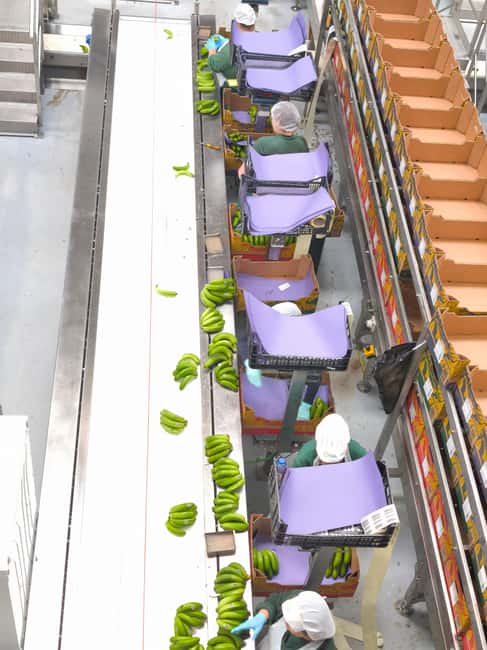
The next stop is the banana business operated by GESBA, Madeira’s government-run banana sector company. The guided visit lasts about 45 minutes and explains what happens after the bananas are cut.
You see the selection and packing process, then finish with a banana tasting when ripe fruit is available. This connects nicely with the private farm visit. First you see cultivation, then you learn how the crop is prepared for sale.
A useful seasonal warning: banana tasting is not guaranteed in winter because ripe bananas may not always be available. That does not remove the value of the stop, but it is worth knowing if the tasting is one of your main reasons for booking.
This part also helps explain why a familiar fruit can support a whole chain of local work. Farming is only one step. The crop must be sorted, packed, and prepared for distribution. You get a quick view of that wider business rather than seeing the banana as just another item at a market stall.
Grafting and fruit trees at the agriculture school
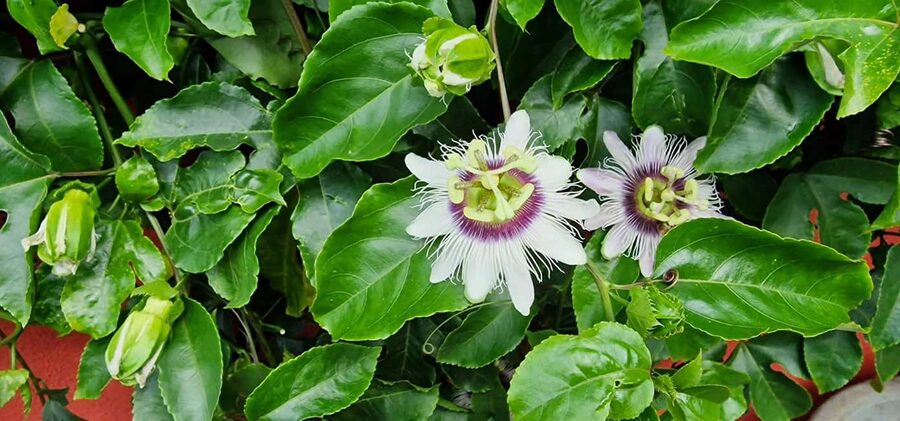
The drive continues along older roads to an agriculture school on Caminho do Arieiro. The visit lasts about an hour and focuses on grafting, the method used to join parts of different plants so farmers can produce or maintain useful fruit trees.
If you do not know much about grafting, this is likely to be one of the most interesting stops. It turns a familiar garden subject into something practical and local. Farmers come to the school to buy trees for planting, and the tour explains methods used on the island.
You also walk around the school grounds and see international varieties planted many years ago alongside local trees. Avocados and lemon trees are among the examples given, with fruit tasting offered when seasonal produce is available.
The school adds more variety to the day. You are no longer looking only at one crop. You see how Madeira’s agricultural knowledge covers many kinds of trees and how planting decisions affect what farmers can grow.
Fruit tasting depends on the season, just as the banana tasting does. I would treat it as a welcome extra, not a promise. The real value is the explanation of grafting and the chance to see the school’s collection of trees.
Same fields, a different sort of day out:
- From Porto: 2 Wine Regions, Farm Lunch, and Boat Ride
★ 4.8 · 233 reviews - Furnas Volcano & Tea Plantation With Traditional Lunch, East Tour
★ 5.0 · 183 reviews - Adventure in the Furnas, with volcanoes, lagoons and tea plantations
★ 5.0 · 161 reviews - Furnas: Volcano Wonders, Tea Plantation & Waterfall Tour
★ 4.7 · 161 reviews
A country drive toward Santana
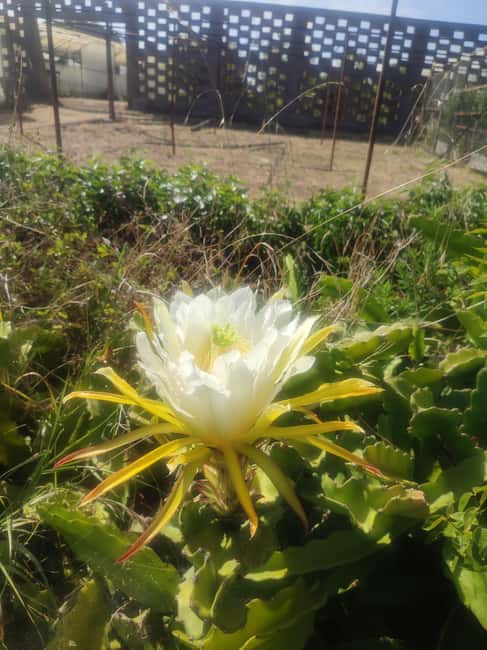
After the agriculture school, the route heads toward the northern part of Madeira. The drive passes farms and working countryside, giving you a view of the island beyond Funchal.
The roads and scenery are part of the experience, but keep the timing in mind. This is a six-hour tour with several stops, so you are not getting a long, leisurely visit at every location. The reward is range: you see banana production, horticultural training, dairy farming, food traditions, and rum making in one compact day.
A warm layer is a sensible choice. Madeira can feel mild in town and cooler in the countryside, especially when you stop outside or travel into higher areas. The tour also advises bringing a jacket, so do not rely on a warm morning in Funchal as your guide.
A home-style lunch in rural Madeira
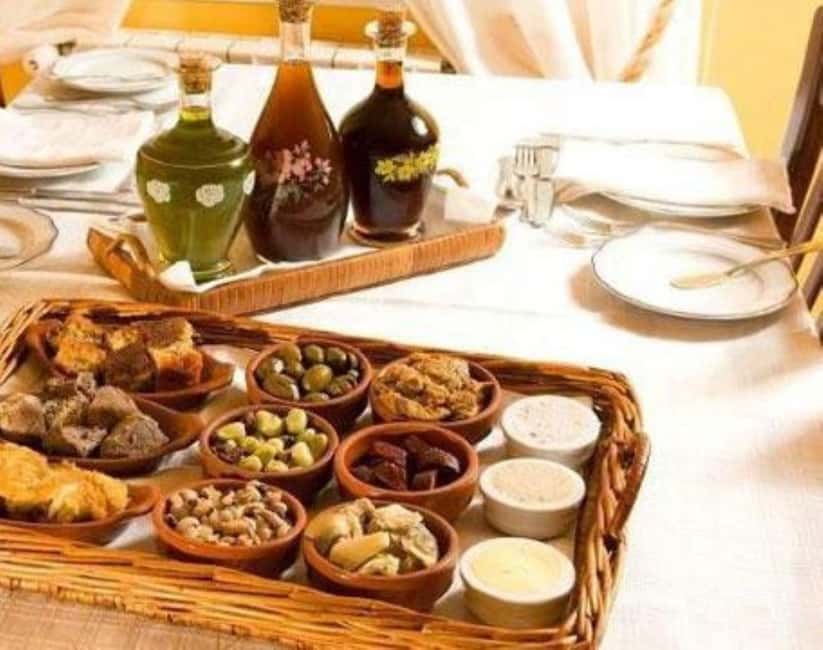
Lunch is served in a cozy house restaurant in the countryside. The meal is designed around local Madeira cooking rather than a quick roadside snack. It begins with fresh-baked home bread and tapas featuring local food, followed by a choice of fish or meat, fresh vegetables, and homemade dessert.
Drinks and coffee are included. At $100 per person, that matters when you compare the cost with tours that charge extra for the main meal or drinks. You are paying for transport, several guided visits, admissions, and a full lunch, not just a few hours in a van.
The meal is also an important pause in a busy itinerary. By this point, you have visited the banana operations and agriculture school, so a seated meal gives you time to slow down before the afternoon stops.
The food is prepared in a home-style manner, which means this is not aimed at fine dining. That is part of the appeal. If you want a polished restaurant with a formal menu, this may feel simple. If you want local dishes served in a rural setting, it fits the tour well.
Porto da Cruz and the old rum factory
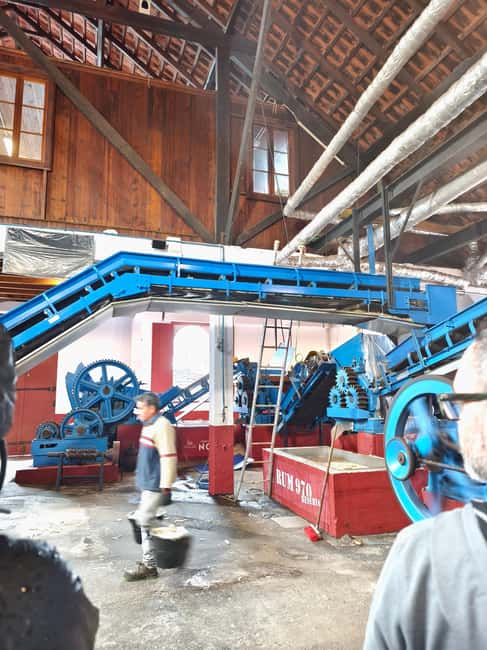
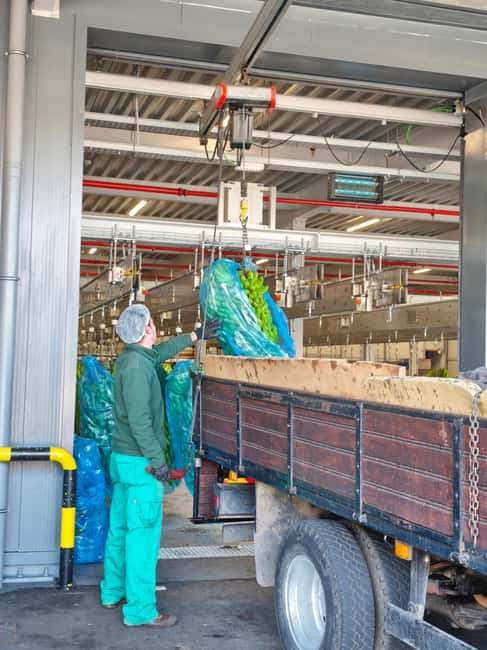
Porto da Cruz is the most distinctive afternoon stop. This is a sugarcane-growing area, and you visit one of Madeira’s oldest rum factories. The tour lasts about 40 minutes and includes a rum tasting.
The factory is known for its old steam machines, which are still used during the sugarcane season in April and May. If you visit at that time, you may see the equipment operating. Outside the season, you can still visit the factory, but do not expect the machines to be running.
That seasonal detail can shape your expectations. April and May are the best months for seeing the production process in action. At other times, the stop is more about the old machinery, the setting, and the rum tradition.
Porto da Cruz also adds a striking change from the farm visits. It is a remote-feeling coastal area with fine views, and the rum factory visit is compact enough not to overwhelm the rest of the day. The included tasting gives you a direct way to connect the drink with the sugarcane region.
If you do not drink alcohol, the factory can still be interesting for its machinery and history of production, but the tasting will naturally be less important to you.
The family cattle farm near Caniço
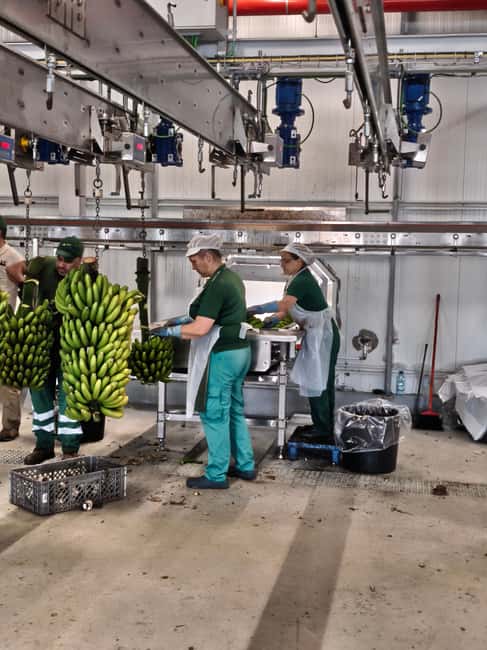
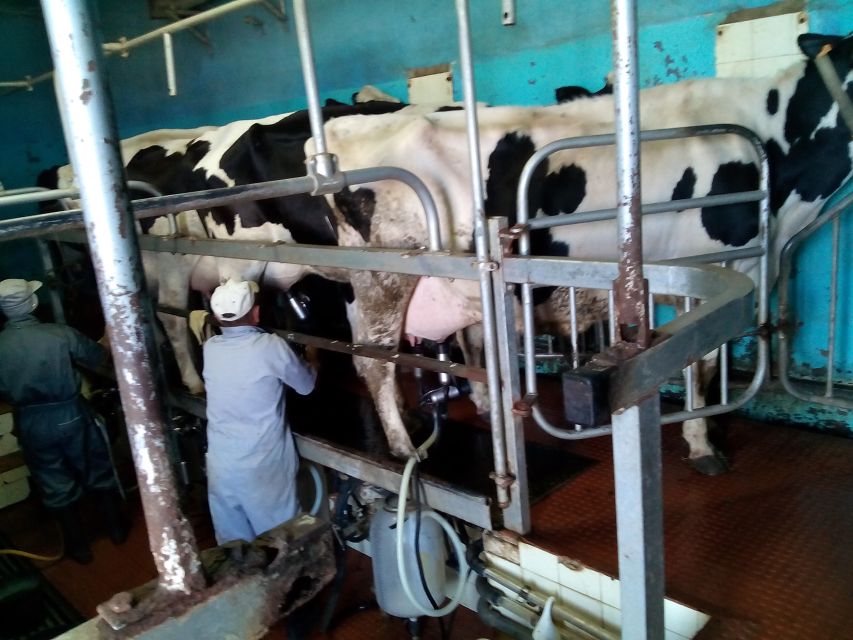
The final farm visit takes you to a private cattle farm with a family history of more than 100 years. The farm supplies much of the milk used to make Madeira’s requeijão cheese, so this is not simply a stop to look at cows.
You learn about older milking methods and see how dairy farming has been carried on through generations. The farm is in a beautiful area with broad views, giving you another side of Madeira’s rural life.
This visit works especially well after the banana and fruit-tree stops. You have already seen plant agriculture, and now you see animal farming and the dairy trade. The day becomes a lesson in how several small agricultural businesses support local food.
The word private is important here. This is a working farm, not a large animal park. You should follow the guide’s directions and expect a straightforward visit. Children who enjoy animals may find this stop particularly appealing, although the tour is not suitable for children under six.
What $100 includes
At $100 per person, this is not the cheapest way to spend six hours in Madeira. The price is easier to justify when you count what is included:
- Hotel pickup and drop-off in Funchal and Caniço, with service also listed for Garajau and Santa Cruz
- Entry to the banana farm, agriculture school, and cattle farm
- Guided visits at several stops
- Local lunch with tapas, a fish or meat main course, dessert, drinks, and coffee
- Rum tasting
- A multilingual live guide in English, Spanish, French, or German
- A small group limited to eight people
The value comes from access and variety. You are not paying only for a scenic drive. You get private farm visits that would be difficult to arrange alone, plus transport between spread-out locations and a substantial meal.
The main question is how much you want to see in one day. If your priority is a long hike or a slow day at one village, this tour may feel too full. If you want an efficient introduction to Madeira’s food production and rural traditions, the price is reasonable.
Who should book this Madeira farm tour?
I would recommend it to anyone curious about how Madeira produces food. It suits adults who enjoy local culture, families with children over six, and visitors who want more than the usual city and viewpoint circuit.
It is also a good fit if you like guided travel but do not want a large coach group. A maximum of eight people makes it easier to ask questions and keep the visits personal. The guide speaks English, Spanish, French, or German, so check that your preferred language is available when booking.
The tour is less suitable for wheelchair users because of the private farm settings and uneven access. It may also disappoint you if you expect every fruit tasting or the rum machinery to be available at all times. Those features depend on season and production.
Pickup is included from Funchal, Caniço, Garajau, and Santa Cruz as specified. Pickup from places such as Calheta and Ponta do Sol is not included, though you can meet the guide in Funchal or Caniço. Pickup times can shift by about 15 minutes because of traffic, accidents, or road works, so keep your hotel lobby time flexible and check your email or WhatsApp details.
Should you book it?
Book this tour if you want working farms, local food, and small-group access rather than a day focused only on famous sights. The strongest combination is the private banana visit, the practical grafting lesson, the generous lunch, and the cattle farm tied to requeijão production.
Skip it if you dislike rural smells, uneven paths, or several hours of driving between stops. Also think twice if you are visiting mainly for a guaranteed banana tasting or operating steam machinery, since both depend on timing and season.
For most visitors who want to understand Madeira’s food and farming traditions, this is a well-filled day at a fair price. Its best moments come from ordinary work: a farmer tending plants, an old milking method, a tree being grafted, or sugarcane machinery turning during harvest.
FAQ
How long does the Funchal Agriculture Green Tour last?
The tour lasts six hours, including the farm visits, lunch, travel between stops, and the rum factory visit.
Where can I be picked up?
Pickup is included from hotels in Funchal and Caniço, with service also listed for Garajau and Santa Cruz. The stated pickup options include Santa Cruz, Funchal, and Caniço.
Is lunch included?
Yes. Lunch includes home-baked bread, local tapas, a choice of fish or meat, fresh vegetables, dessert, drinks, and coffee.
Is rum tasting included?
Yes. Rum tasting is included during the Porto da Cruz factory visit.
Can I taste bananas during the tour?
A banana tasting is offered at the banana business when ripe bananas are available. In winter, ripe bananas are not always available.
Will the rum factory machines be operating?
The factory’s steam machines operate during the sugarcane season, which is stated as April to May. They may not be running at other times.
What languages are available?
The live tour guide is available in English, Spanish, French, or German.
Is the tour suitable for young children?
Children under six are not permitted. Older children may enjoy the farm animals and agricultural visits, but the tour includes driving and several guided stops.
Is the tour accessible to wheelchair users?
No. The tour is not suitable for wheelchair users. Comfortable shoes and warm clothing are recommended.
Just added around Portugal
- Half-Day Farm Visit and Cow Milking Experience★ 5.0 · 16 reviews
- Alpaca Farm MamaAdama Meet & Feed★ 5.0 · 39 reviews
- Furnas : Volcano Wonders, Tea Plantation & Waterfall Tour★ 4.5 · 37 reviews
- Bee Inspired: A Journey in São Miguel and a Visit to an Apiary★ 5.0 · 2 reviews
- Waterfalls Hike, Moinho do Felix with tea plantation★ 5.0 · 11 reviews
- Hot Water Pool Bath Inside Pineapple Plantation & Dinner★ 5.0 · 24 reviews
- Furnas in a Private Evening – Tea, Cozido Dinner and Hot Springs★ 5.0 · 10 reviews
- Culture & Nature – Visit All Center of the Island★ 4.5 · 9 reviews
Portugal Farm Tours, compared.
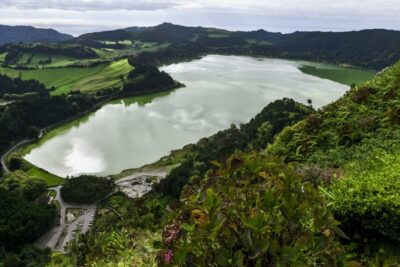
Furnas: Tea Plantations, Lake and Volcano Guided Tour
Read our review →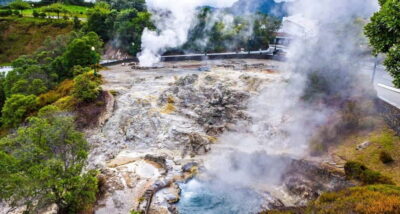
São Miguel: Furnas Volcano & Tea Plantation Tour with Lunch
Read our review →
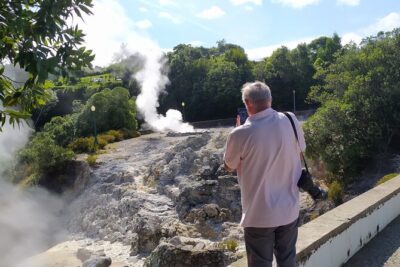
Furnas Volcano & Tea Plantation With Traditional Lunch, East Tour
Read our review →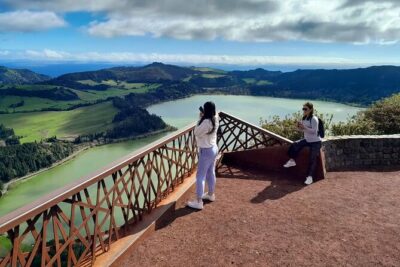
Furnas: Volcano Wonders, Tea Plantation & Waterfall Tour
Read our review →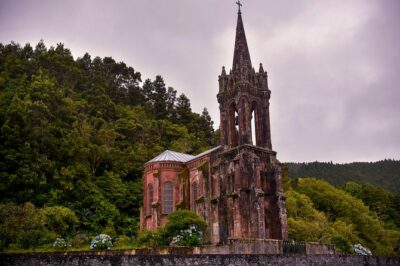
Adventure in the Furnas, with volcanoes, lagoons and tea plantations
Read our review →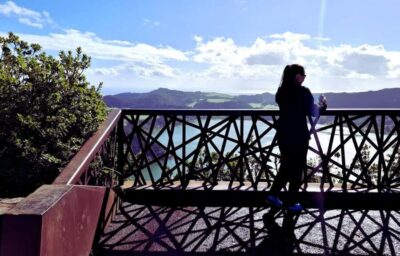
São Miguel: 2-Day Island Tour, Tea & Pineapple Plantation
Read our review →Browse the lists this tour appears in