

Review · ITALY
Amalfi: Vertical Lemon Farm Tour, Tastings, and Rural Museum
Amalfi’s most striking crop grows on steep hillside terraces, not on a broad, flat farm. This 90-minute walk takes you above the town’s busy streets and into a working lemon grove, where Sfusato Amalfitano lemons grow under wooden supports and careful family care.
I like the direct connection to a six-generation farming family, and I like that the tasting includes more than a token slice of fruit. Lemon cake, lemonade, limoncello, and other farm products help you understand how one crop shapes local food and work.
The main consideration is the uphill walking. Expect steep stairs and uneven sections, and wear proper walking shoes. This is not a gentle garden stroll, and visitors with mobility limits, certain health conditions, or unsuitable footwear may not be able to join.
Key points to know before you go
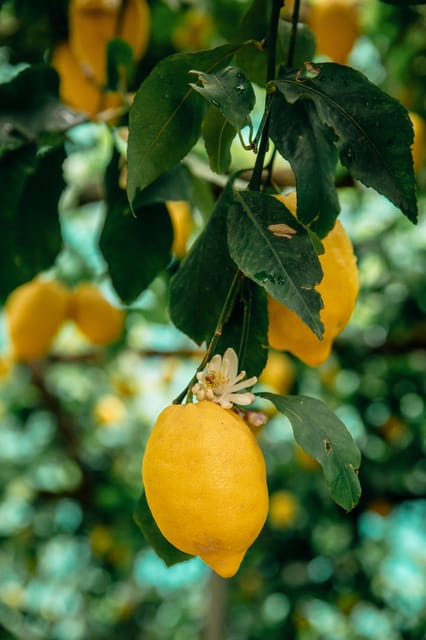
- Walk a real vertical farm: The lemon grove rises along Amalfi’s hillside terraces, with steep stairs and fine views over the town.
- Meet a six-generation farming family: The visit explains both the traditions and the current difficulties of growing lemons on the coast.
- Taste several local products: Lemonade, lemon cake, lemon slices, limoncello, and other farm products are part of the experience.
- See how limoncello is made: The on-site laboratory gives the tasting a useful connection to the production process.
- Step into rural Amalfi: The museum displays farming tools, equipment, and documents connected with lemon production.
- Allow time to find the shop: The meeting point is at Via delle Cartiere 59, and walking directions on Google Maps are strongly recommended.
Why Amalfi’s vertical lemon farms matter
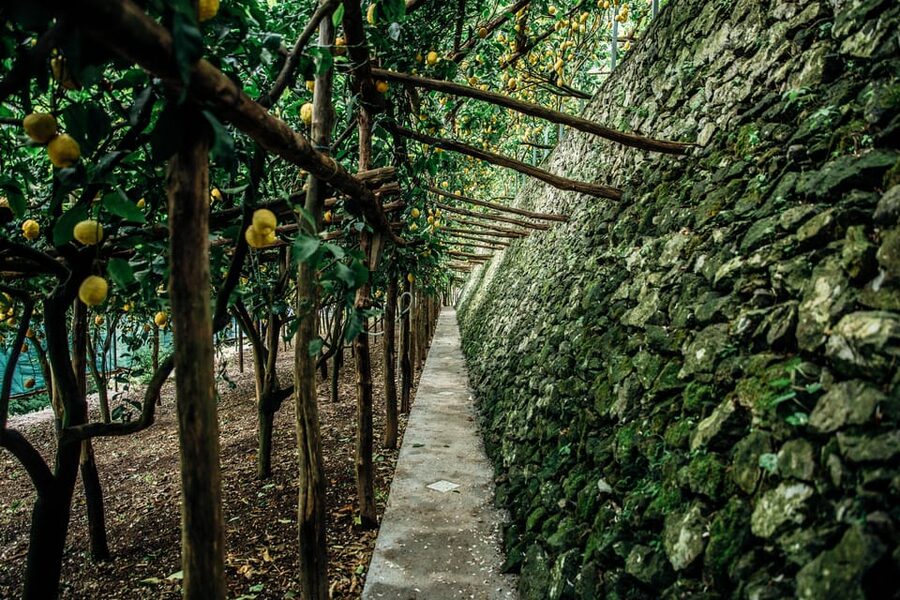
You may arrive in Amalfi expecting dramatic cliffs and sea views, but the town’s identity also rests on the terraces climbing above it. Farmers built these narrow shelves into the hills over many years, creating usable ground where there was very little flat land.
That makes the farm visit more than a pretty walk among citrus trees. You see the physical work behind the famous Amalfi lemons. The trees need care, the terraces need maintenance, and every trip up or down the hillside adds effort to the growing process.
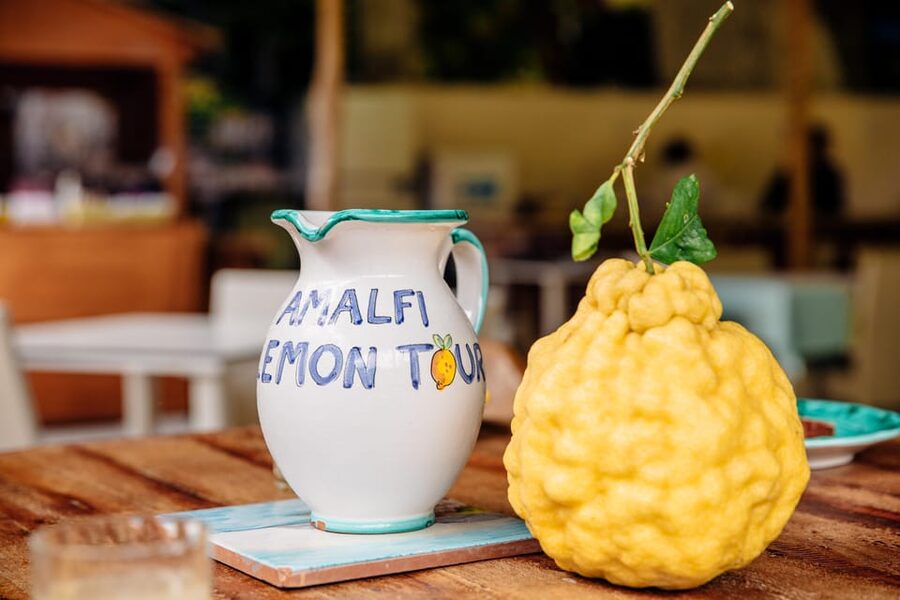
The featured lemon is the Sfusato Amalfitano, a local variety prized for its use in limoncello and protected under the European Protected Geographical Indication system. Your guide explains how lemons arrived in Amalfi, how the crop developed here, and why the local variety matters.
I find this useful because it gives you context before the tasting. You are not simply trying a sweet liqueur or a piece of lemon cake. You are tasting products tied to a particular place, crop, and method of farming.
More Museum Visits in Italy:
- Lancaster County: Amish Farmlands, Museum Tour, Farm Visit
★ 4.3 · 322 reviews - Rovaniemi Santa Claus Village Husky Reindeer Farm Arctic Museum
★ 4.5 · 84 reviews - Whitney Plantation and Museum Tour from New Orleans
★ 4.5 · 69 reviews
Starting at Via delle Cartiere 59
The meeting point is the Amalfi Lemon Experience shop at Via delle Cartiere 59. Amalfi is difficult for cars, especially in high season, and the farm has no parking. You should plan to arrive on foot rather than trying to drive directly to the meeting point.
A warning about navigation matters here. If you use Google Maps, choose walking directions. Driving directions can take you to a completely different location, which is exactly the sort of small mistake that can turn a relaxed farm visit into a rushed search through town.
The information provided does not include a shuttle or transportation service. You make your own way to the shop, check in with the staff, and then join the guide for the walk into the terraces.
If you arrive by ferry from Positano, the walk from the port has been described as about 18 minutes. That makes the tour a practical addition to a day trip, though you should still allow extra time for Amalfi’s stairs and crowded streets.
Walking the Amalfi lemon terraces
Once the tour begins, you leave the shop and enter terraces carved into the hillside. The route covers the lower part of the farm, with stops where the guide explains the trees, the family’s work, and the history of lemon cultivation in Amalfi.
The word vertical is important. You are walking through a farm that climbs rather than spreads out. The route includes steep stairs, so comfortable shoes are not just a suggestion. Hiking shoes or sturdy athletic shoes are a much better choice than sandals with smooth soles, heels, or fashion footwear.
The trees offer shade and a strong citrus scent, especially in the warmer months. The setting gives you chances for photographs, though you will want to keep your attention on your footing as well as the view.
One useful part of the visit is the honest look at farming today. The guide explains the difficulties faced by lemon growers and the pressure involved in keeping a coastal farm operating in the modern market. This adds substance to the family story. You hear about care and tradition, but also about the practical challenges of maintaining the business.
The route may not take you to the highest parts of the farm. If you want a long hike through every upper terrace, this is not that experience. It is a short guided visit focused on the lower sections, the farm’s story, and the food made from the crop.
Meeting the family behind the farm
The farm has been cared for by the same family for six generations. That long connection gives the tour a personal scale that a large commercial attraction would not have.
Guides have included Elvira and Georgia, and visitors have also had the chance to meet the farm’s 90-year-old founder. Guide assignments can change, so you should not assume a particular person will lead your departure, but the family connection is central to the experience.
I especially like the chance to hear about the land from people who work it. You can ask questions about planting, harvesting, lemon varieties, and the future of the farm. The tone is not only celebratory. The discussion includes the hard work and business pressures behind the picturesque terraces.
That balance matters. Amalfi’s lemon groves can look effortless in photographs, but the visit shows that the beauty depends on repeated manual work. Walls, trees, paths, and irrigation all need attention. The farm is attractive because it is functioning, not because it has been arranged as a display.
A few more farm days around Italy worth a look
- Florence Pizza or Pasta Class with Gelato Making at a Tuscan Farm
★ 5.0 · 6,801 reviews - Cooking Class and Lunch at a Tuscan Farmhouse with Local Market Tour from Florence
★ 5.0 · 4,831 reviews - Sorrento Farm and Food Experience including Olive Oil, Limoncello, Wine tasting
★ 5.0 · 2,524 reviews - Sorrento: Pizza Lesson, Wine, and Limoncello at a Local Farm
★ 5.0 · 1,513 reviews
Tasting lemonade, cake, and limoncello
The tasting is one of the strongest reasons to choose this activity. You sample farm products such as lemonade, lemon cake, lemon slices, and limoncello. Some departures have also included lemon sorbet, lemon honey, jam, and other products, although the exact tasting selection may vary.
The lemon cake gives you a softer, sweeter way to appreciate the fruit. The lemonade brings out its sharp freshness, while the limoncello shows how the peel becomes the key ingredient in a classic Amalfi drink.
The tasting is served as part of the farm visit rather than as a separate restaurant meal. You should expect samples, not lunch. That makes the tour easy to fit between a morning ferry arrival and an afternoon visit, but you will still need another plan if you are hungry.
The tasting also helps explain why the Sfusato Amalfitano is valued. Its peel is important for limoncello, and the fruit appears in both sweet and savory local products. You get a better sense of the crop’s range than you would from buying a bottle in a souvenir shop.
If you enjoy the products, you can purchase items at the farm. Available choices have included limoncello in several varieties, lemon honey, jam, fresh lemons, and other goods. Fresh farm products and lemons can also be shipped for you, which is useful if you do not want to carry bottles or fruit through the rest of your trip.
Seeing the limoncello laboratory
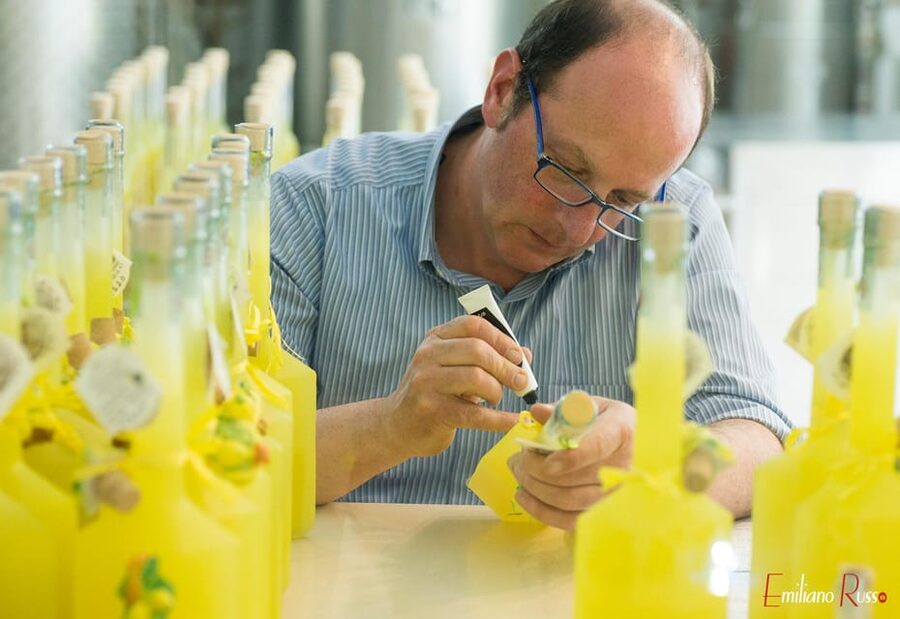
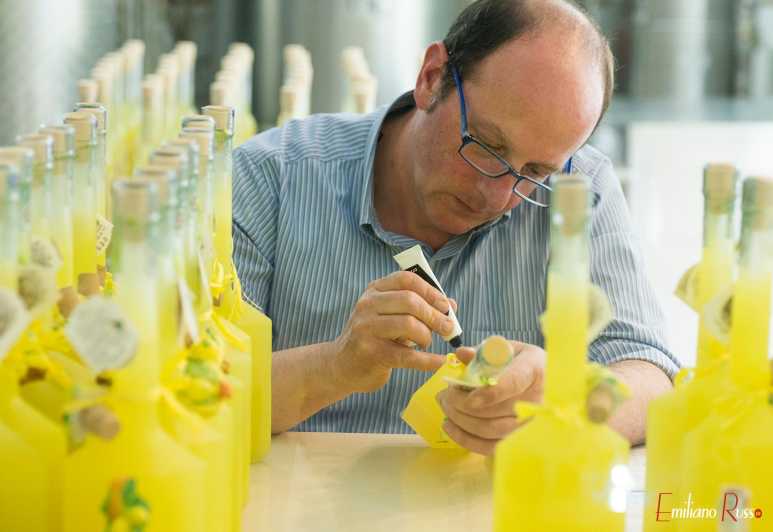
The on-site laboratory gives the tour a practical connection to the tasting. You learn about preparing limoncello and related products such as lemon jam and honey, then sample some of the results.
This is not presented as a full cooking class. You are learning how the products are made and seeing the working side of the farm. If you want to reproduce the exact limoncello at home, the tour may not provide every recipe detail, but it does explain the relationship between the fruit, the peel, and the finished drink.
The factory visit also gives you a reason to browse the shop afterward. Buying directly from the farm supports the family operation and lets you take home something more connected to Amalfi than a generic souvenir.
Remember that limoncello is alcoholic. The tasting is not suited to anyone avoiding alcohol, though the visit includes nonalcoholic options such as lemonade and cake.
The rural culture museum
The Museum of Rural Culture, Arts and Crafts adds historical depth to the walk. Displays include tools of the trade, farming equipment, and documents related to lemon production.
The museum is compact rather than a major city institution. Its value comes from the connection to the farm. After walking among the trees, you can see the tools and records that explain how people worked this land over time.
I like this combination of outdoor walk, tasting, and small museum because each part supports the others. The grove shows the setting, the museum shows the work, and the laboratory shows how the crop becomes something you can eat or drink.
You should not expect a large collection or a long museum visit. The whole activity lasts about 1.5 hours, so the museum is one part of a tightly timed experience rather than a stand-alone cultural attraction.
What the $41 price gets you
At $41 per person, the tour is priced above a simple walk through public streets but below a full food-focused excursion or half-day guided trip. You are paying for a guide, access to a working private farm, the museum visit, the laboratory visit, and several tastings.
The value is strongest if you want to understand Amalfi’s agricultural identity rather than simply admire the coast. The family history and explanations of modern farming make the visit feel more substantial than a quick sample at a shop.
The price is less compelling if your main goal is a long hike, a large meal, or a panoramic sightseeing tour. The route is short, the tasting is limited to samples, and transportation and parking are not included.
For me, the cost makes sense as a focused cultural stop. It fills 90 minutes, gives you something genuinely tied to Amalfi, and works well alongside a ferry arrival or a day spent exploring the town.
Who should book this experience
You should consider this tour if you enjoy food origins, family businesses, local history, and short walks with a clear theme. It is also a good choice if Amalfi feels too crowded and you want a quieter change of pace without leaving town.
Families with older children may enjoy the fruit, museum, and tasting, but the provider does not accept children under two. The stairs also make this a poor choice for anyone who needs a wheelchair, mobility scooter, or electric wheelchair.
The activity is not suitable for people with heart problems, respiratory issues, or those over 80, according to the stated restrictions. You should also avoid it if you have difficulty with steep stairs or cannot walk comfortably in hiking or athletic shoes.
Pets are not allowed because dogs roam freely on the property. Large bags and luggage are also prohibited, so bring only what you need for the walk.
The tour is offered in English with a live guide. Free cancellation is available up to 24 hours before the activity, and you can reserve now and pay later if that option is offered for your selected time.
Practical ways to enjoy the visit
Wear shoes with a firm grip, sunglasses, and clothing suited to the weather. Sportswear is sensible, especially in warm months when you may appreciate breathable clothing during the uphill sections.
Do not plan to arrive by car or scooter. Amalfi has limited parking, and the venue does not have its own parking area. Walking from the port or from another part of town is the better plan.
Arrive with enough time to find Via delle Cartiere 59. Use the walking route on Google Maps, not the driving route. This single detail may save you from being sent to the wrong side of town.
Keep your hands off the plants and follow the guide’s instructions around the trees and farm equipment. The grove is a working agricultural site, not a pick-your-own orchard.
Should you book the Amalfi lemon farm tour?
Book it if you want a short, personal introduction to the farming traditions behind Amalfi’s famous lemons. The combination of steep terraces, a six-generation family story, lemon products, a rural museum, and a limoncello laboratory gives you much more context than a shop tasting alone.
Skip it if you want a relaxed walk with no stairs, a full meal, or a long countryside trek. The route is physically demanding in small bursts, and the 90-minute format leaves little time for wandering at your own pace.
For most visitors who can manage the stairs, I think the $41 price is fair. You get a working farm, local history, several tastings, and a direct look at how Amalfi’s lemons move from hillside to bottle and cake.
FAQ
Where does the Amalfi lemon farm tour start?
The meeting point is the Amalfi Lemon Experience shop at Via delle Cartiere 59 in Amalfi.
How long does the activity last?
The guided visit lasts about 1.5 hours, including the grove walk, tastings, museum visit, and limoncello laboratory visit.
What food and drinks are included?
The tasting includes lemons, lemon cake, lemonade, and limoncello. Other farm products, such as lemon sorbet, honey, or jam, may also be available.
Is the tour offered in English?
Yes. The activity includes a live English-speaking guide.
Can I drive to the meeting point?
You should avoid driving to Amalfi, especially in high season. Parking is limited, and the activity provider has no parking area. Use walking directions to find the shop.
Is the lemon grove walk difficult?
The tour includes particularly steep stairs and uphill walking through vertical terraces. Comfortable shoes with good soles are required.
Can wheelchair users join?
No. The experience is not suitable for wheelchair users, mobility scooters, or electric wheelchairs.
Can I bring my pet?
No. Pets are not allowed because dogs roam freely on the property.
Can I buy and ship farm products?
Yes. You may purchase farm products and fresh lemons, and shipping is available for items you do not want to carry.
Just added around Italy
- Traditional Farmhouse Cooking Experience in Lucca with Lunch or Dinner★ 5.0 · 34 reviews
- Farm-to-table Food Experience★ 5.0 · 23 reviews
- La Maliosa Farm Experience & Wine Tasting★ 4.5 · 29 reviews
- Sorrento: Authentic Lemon Experience at a Farm with Tastings★ 5.0 · 6 reviews
- Sorrento Half-Day Farm Experience: Pizza, Cheese Making and Wine★ 5.0 · 17 reviews
- Marì Cooking Class in a Family Farm with Amalfi Coast view★ 5.0 · 11 reviews
- Amalfi Coast & Sorrento Cooking Class School at Farmhouse★ 5.0 · 25 reviews
- Paestum and Buffalo Farm Day Tour from Sorrento★ 5.0 · 3 reviews
Italy Farm Tours, compared.

Florence Pizza or Pasta Class with Gelato Making at a Tuscan Farm
Read our review →
Cooking Class and Lunch at a Tuscan Farmhouse with Local Market Tour from Florence
Read our review →
Sorrento Farm and Food Experience including Olive Oil, Limoncello, Wine tasting
Read our review →
Pizza Lesson, Wine, and Limoncello at a Local Farm
Read our review →
Pizza or Pasta Class with Gelato at a Tuscan Farm
Read our review →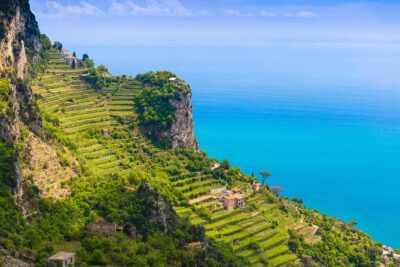
Hands-On Cooking Class & Farmhouse Tour on the Amalfi Coast
Read our review →
Pizza School with Wine and Limoncello Tasting in a Local Farm
Read our review →
Authentic Farm Tour with Pizza, Cheese, Wine & Limoncello Tasting
Read our review →Browse the lists this tour appears in