
Review · DALAT
Experience specialty coffee with sustainable coffee farmers
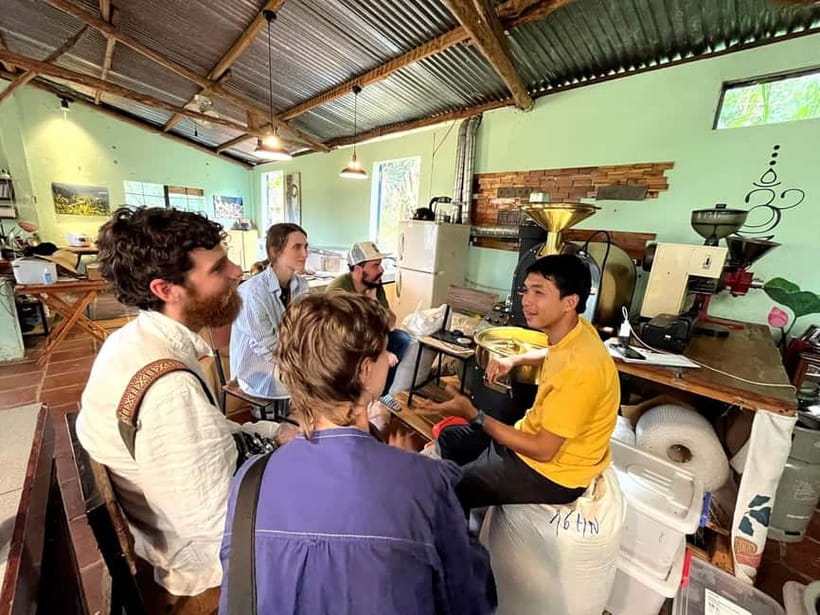
Da Lat coffee is often served strong, sweet, and blended. This small-group session gives you something different: coffee made without added ingredients, so you can notice sour, sweet, fruity, and roast-driven flavors. I especially like the chance to roast your own beans and compare five coffees, and I like hearing directly from Huy, the farmer behind them.
The $14 price is excellent for five coffee drinks, instruction, and hands-on practice. The main thing to check is the format you are booking. The meeting point is HuyEco Coffee & Culture in central Da Lat, while some versions of the longer visit include the farm, and the total time can range from 90 minutes to five hours.
Key points to know before booking
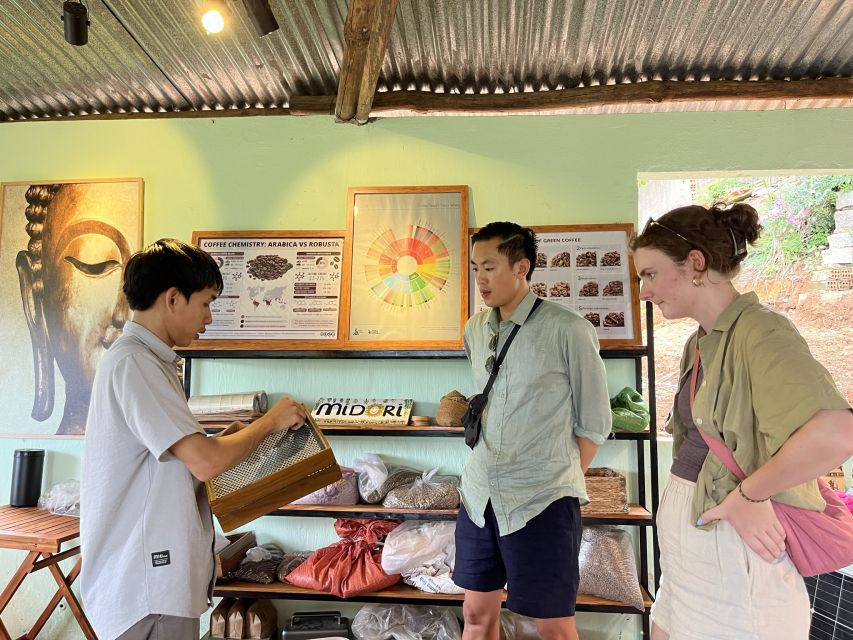
- Five coffees from one sustainable farm: Compare Arabica and Robusta beans shaped by different processing and roast styles.
- You roast the beans yourself: Watch green beans turn brown, then taste the result.
- Huy leads the session: The farmer explains growing, processing, roasting, and brewing in English or Vietnamese.
- Traditional Phin coffee is part of the lesson: Make your own cup and enjoy it with a view over Da Lat.
- Small groups keep it personal: A maximum of 10 people leaves room for questions and practical help.
- The location and timing can vary: The listed meeting point is the central cafe, while longer bookings may include the farm.
Why this Da Lat coffee session is worth your time
Coffee is one of the best ways to understand Da Lat, but a standard cafe stop tells you only part of the story. Here, you move from the finished drink back through roasting and farming. That makes the cup in front of you easier to understand, especially when two coffees taste quite different despite coming from the same region.
I like the plain, direct approach. Huy grows coffee himself and talks about the work behind it, rather than presenting a generic tasting lesson. You learn how Arabica and Robusta differ, how processing changes flavor, and why light, medium, and dark roasting produce different results.
This is not a formal coffee school with complicated equipment or a long lecture. It is a friendly, practical introduction suited to curious drinkers. If you already know your way around specialty coffee, you may want more technical detail. For most visitors, the session packs a lot into a short period.
The activity has a 4.9 rating from 91 bookings, and the strongest praise centers on Huy’s passion, his clear explanations, the relaxed setting, and the chance to taste several coffees side by side. The practical lesson is simple: come ready to ask questions, not just to drink.
A few more farm days around Dalat worth a look
- Coffee Farm Tour with Roasting & Tasting Workshop – Da Lat
★ 5.0 · 126 reviews - Scented Candle Workshop in Twin Beans Farm Da Lat
★ 5.0 · 70 reviews - Trekking Tour to Hidden Waterfall & Sturgeon Farm for dog-lovers
★ 5.0 · 67 reviews
Meeting Huy at HuyEco Coffee & Culture
The stated meeting point is HuyEco Coffee & Culture, a cafe in central Da Lat. You can reach it on foot, by motorbike, taxi, or a booking app. Search the exact name on Google Maps and check the location carefully before setting out, since the business name matters here.
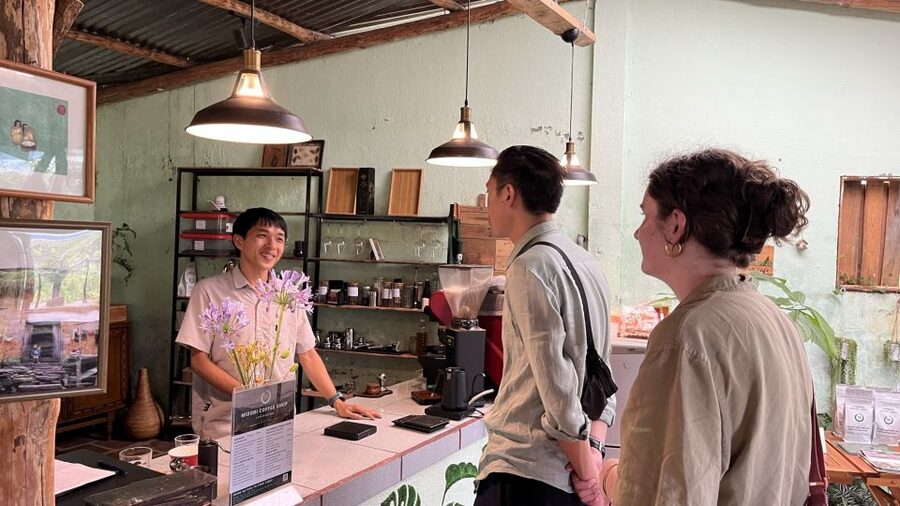
The cafe is more than a place to collect a drink. It is the base for the tasting, roasting, and brewing lesson. The setting includes pleasant terraces and city views, giving you somewhere comfortable to pause between tastings. A few people also describe the atmosphere as calm and welcoming, with friendly hosts and even resident kittens.
Da Lat can feel cool, especially in the morning or later in the day. One visitor arrived without a jacket and was lent one by the owners, but you should still bring your own warm layer. That is a small point, yet it can make a big difference when you are sitting outside with a coffee and a view.
The activity is capped at 10 participants. That is large enough to meet other coffee fans but small enough for Huy to answer questions and help when you roast or brew. If you prefer a quiet, private tasting, a group of 10 may feel less intimate than a one-on-one appointment.
Tasting five coffees from Arabica and Robusta
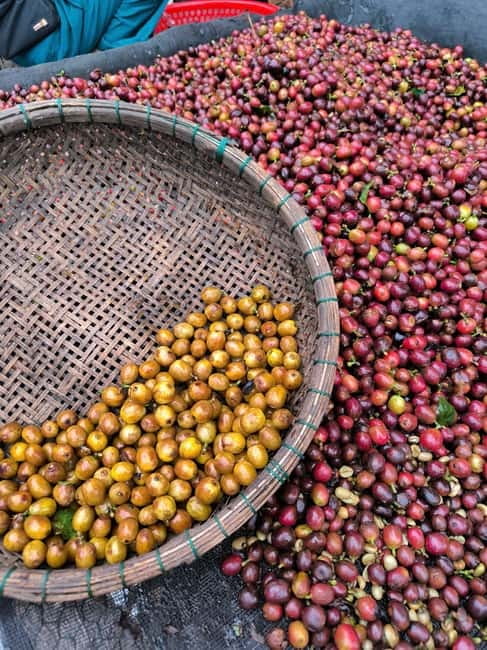
The tasting is the heart of the session. You try five coffees from Huy’s farm, including Arabica and Robusta prepared through different processing and roasting methods. Rather than treating coffee as one fixed flavor, the session shows you how many results can come from the bean.
You may notice sour, sweet, or fruity notes in coffees that are not mixed with sugar, milk, or flavoring. That matters in Vietnam, where coffee is often associated with strong traditional drinks and condensed milk. Huy’s approach lets you taste the beans more directly.
The best way to handle this part is to slow down. Smell each cup first, then take small sips. Compare the coffees side by side instead of deciding too quickly which one is best. A darker roast may taste fuller and more bitter, while a lighter roast can show brighter or fruitier notes. The point is not to find one universal winner. It is to see what processing and roasting change.
You also get five coffee drinks as part of the price. That is strong value on its own, since you are not paying separately for each tasting cup. Extra drinks and food are not included, so plan to buy those separately if you want more than the included coffees.
Roasting green beans with your own hands
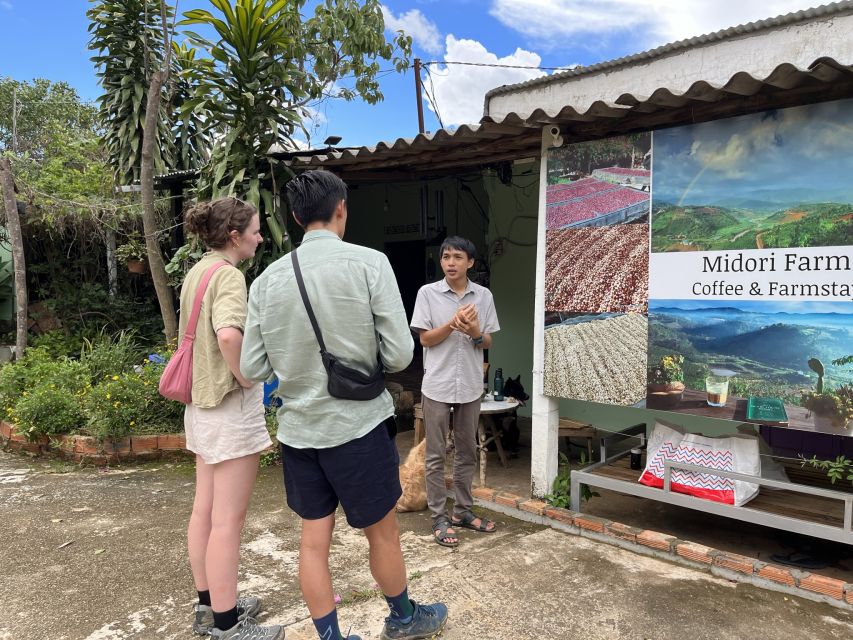
One of the most useful parts is roasting. You start with green coffee beans and watch them change into the familiar brown beans used for brewing. This gives you a physical sense of how much work happens before coffee reaches a cafe shelf.
Roasting is not just a visual trick. The roast level affects the final taste, and the activity links what you see to what you later drink. You can connect the color and aroma of the beans with the light, medium, and dark roast samples in the tasting.
The hands-on format also breaks up the explanations. Instead of sitting through a long talk about cultivation and processing, you take part in a simple task. That makes this a good choice if you want an activity rather than a lecture.
Expect a basic, approachable lesson rather than a professional roaster certification course. The supplied information does not specify the roasting equipment or how much coffee you take home, so do not assume you will leave with a full bag of beans. If bringing coffee home matters to you, ask Huy what is available for purchase.
Same fields, a different sort of day out:
- Coffee – Wine – Tea Da Lat’s Agricultural Treasures Tour
★ 4.8 · 63 reviews - Tour To Langbiang Land – Datanla Falls – Crazy House in Dalat
★ 5.0 · 62 reviews - Dalat’s countryside|Coffee Plantations Tour beyond Elephant falls
★ 5.0 · 59 reviews - Dalat Countryside Motorbike Day Tour–Coffee Farms & Pagodas
★ 5.0 · 53 reviews
Comparing light, medium, and dark roast
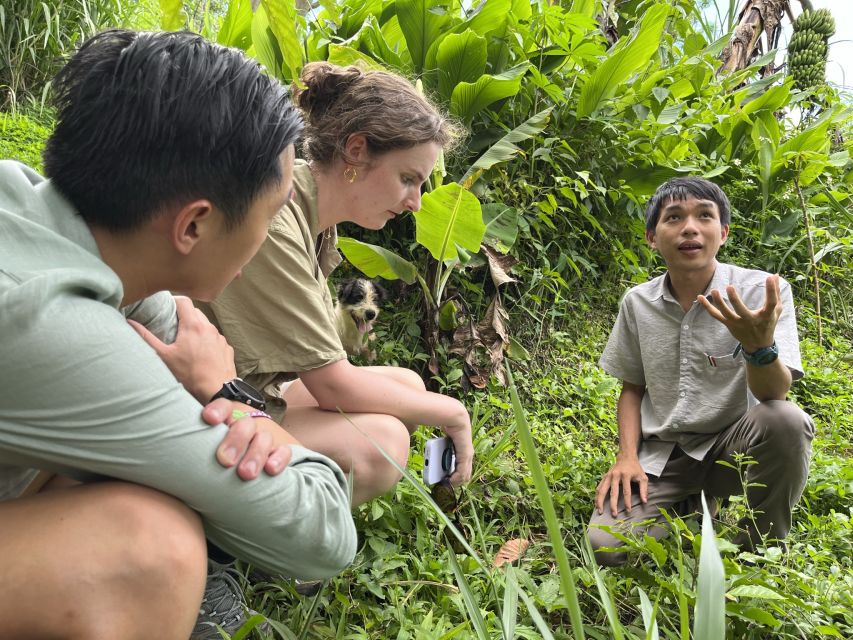
The roast comparison gives the session a useful structure. Light, medium, and dark roasting can bring out different qualities, and tasting them in one sitting makes those differences easier to spot.
A light roast may let more of the bean’s own character show through. A medium roast often sits between bright flavor and heavier roast notes. A dark roast can taste stronger and more roasted. Those descriptions are a starting point, not a promise of exact flavors, since the bean type and processing also matter.
I like this part because it gives you a better vocabulary for ordering coffee later in Vietnam. Instead of saying only strong or weak, you can think about roast, acidity, sweetness, and fruit. You may also discover that Robusta is not simply a cheap, harsh bean, or that Arabica is not automatically your favorite.
Huy’s role is important here. He can connect the flavor in the cup to the way the coffee was grown and prepared. The session is strongest when you ask why one cup tastes different from another, rather than treating the tasting as a quick succession of samples.
Making a Vietnamese Phin coffee
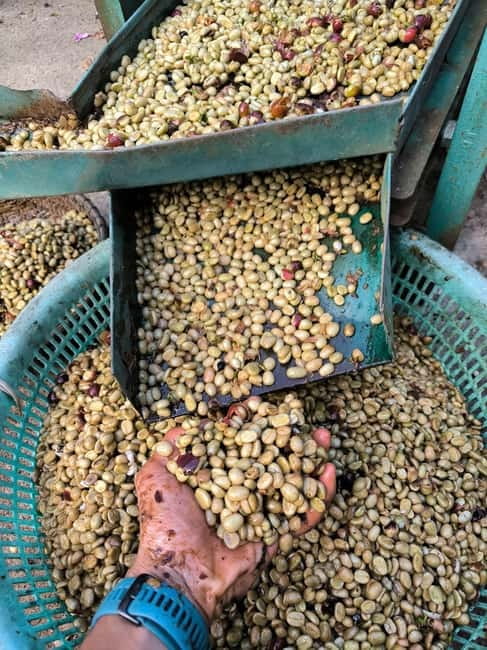
The final brewing lesson focuses on the traditional Phin. This small metal filter sits over your cup and lets water pass slowly through the coffee. It is a familiar part of Vietnamese coffee culture, but making one yourself gives you a better feel for the method.
You prepare your own cup while looking out over Da Lat. That combination of a local brewing method and a city view is one of the more memorable details of the activity. You are not only tasting coffee made by someone else. You are practicing a method you can repeat during the rest of your Vietnam trip and at home.
The Phin is slower than an automatic coffee machine, which is part of its charm. It makes you wait for the brew and notice the aroma. If you are used to fast cafe service, the pace may feel leisurely, but that is exactly why it works well as the closing part of the session.
The included drinks cover the coffee tastings and brewing activity. Food is not included, so eat beforehand if you need a full meal. The cafe may offer additional purchases, but extra drinks and food are outside the listed price.
What the farm option adds
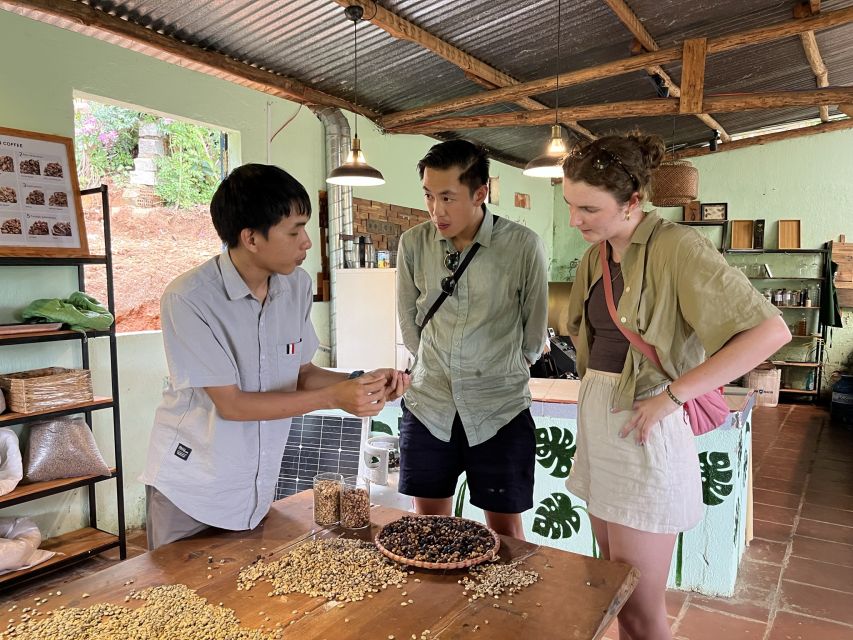
The longer format can include a visit to the coffee farm, depending on the booking and schedule. That adds the growing side of the story, including how sustainable coffee is produced and what happens before the beans reach the roaster.
A farm visit makes the lesson more complete. At the cafe, you can see and taste the results. At the farm, you get the chance to connect those results with cultivation, processing, and the daily work behind them. Some past bookings included a vegetable garden as well as coffee areas, giving a wider view of the small-scale operation.
The supplied details are not fully consistent about the exact farm location and schedule. The meeting instructions name the central Da Lat cafe, while one longer account describes the farm as a little outside the city and mentions arranging a taxi. Treat the 90-minute cafe session and the longer farm version as potentially different formats.
Before booking, check the starting time, duration, and exact meeting point shown for your chosen option. This is especially important if you have a bus, tour, or airport transfer later that day. The shorter version fits easily into a Da Lat sightseeing plan. The farm version needs more open time.
Price, timing, and who gets the best value
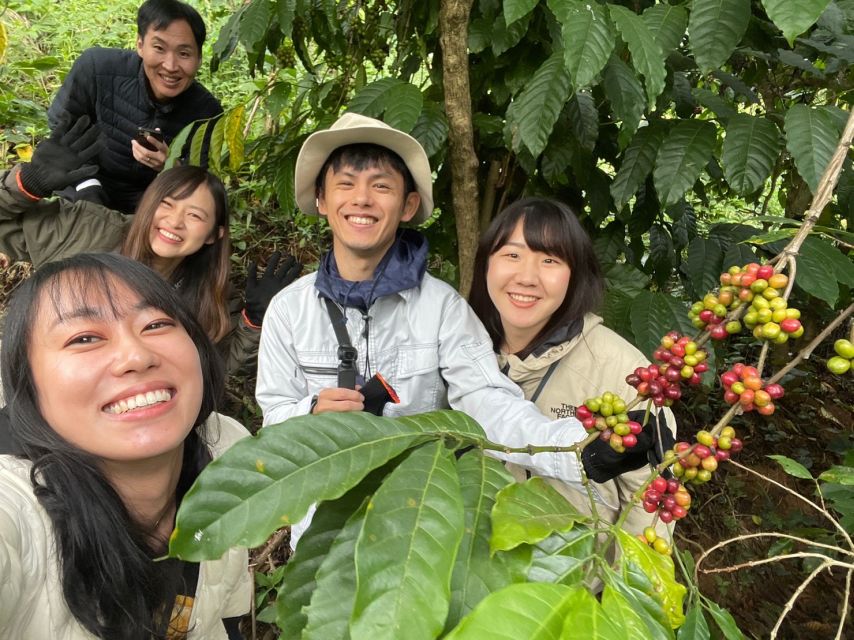
At $14 per person, this is one of the better-value food and drink activities in Da Lat. You receive five included coffee drinks, a guide, coffee instruction, roasting practice, and Phin brewing. For someone who would otherwise spend money on several cafe visits, the cost is easy to justify.
The strongest value comes from the teaching, not just the volume of coffee. You leave with a better idea of why coffee tastes different and how Vietnamese brewing works. If you are only looking for a quick cup, a normal cafe is cheaper and faster. If you want context and hands-on practice, this session earns its price.
The listed duration ranges from 90 minutes to five hours. That is a wide spread, so do not read the five-hour maximum as the standard length. A shorter booking may take about an hour and a half, while a farm visit or expanded format may take longer.
The activity is offered in English and Vietnamese. Huy’s warm, funny style comes through in the supplied comments, and several people found that he covered a surprising amount in about an hour. Still, the amount of conversation may depend on group size and questions.
You can cancel up to 24 hours in advance for a full refund, and the reserve-now, pay-later option keeps you from paying at once. Bring your passport, which is listed as the only required item. A jacket is a smart extra for Da Lat’s cool air.
Who should book this coffee activity
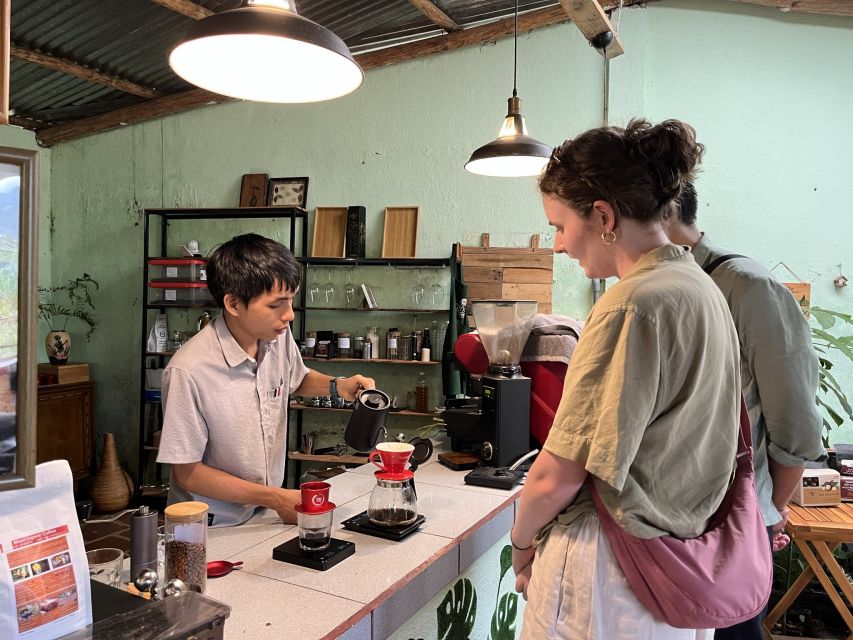
I would recommend it most strongly to:
- Coffee drinkers who want to understand beans, roasting, and brewing
- Visitors who prefer small local businesses to large packaged tours
- People curious about the difference between Arabica and Robusta
- Anyone who wants a practical Vietnamese activity lasting around 90 minutes
- Visitors with time for a longer farm visit outside the city
- Coffee fans who enjoy asking questions and comparing flavors
You do not need specialist coffee knowledge. The session is designed to start with the basics and build from there. Children or non-coffee drinkers may find the tasting-heavy format less appealing, though the provided details do not set an age limit.
This is also a good rainy-day or cool-weather choice if you want something more engaging than sitting in a cafe. The city views and relaxed setting soften the more instructional parts.
Small drawbacks to keep in mind
The location needs careful checking. Search for HuyEco Coffee & Culture by name and confirm the pin, especially if you are traveling by taxi or motorbike. If your booking includes the farm, ask how that affects transport and total time.
The experience focuses on coffee, so the five included drinks may be a lot for anyone sensitive to caffeine. The information does not mention decaffeinated options or substitutions. You can ask Huy in advance if that is a concern, but do not assume alternatives are included.
The session may feel basic to experienced baristas. You will compare beans and roast levels, but the available details do not promise advanced extraction theory, professional roasting equipment, or a formal certificate. Its strength is clear, friendly access to a farmer’s work.
Finally, the 90-minute to five-hour duration needs attention. A short cafe lesson and a longer farm visit are not the same day plan. Choose based on the time you have, then confirm what is included.
FAQ
Where does the coffee activity meet?
The listed meeting point is HuyEco Coffee & Culture in central Da Lat. You can reach it by walking, motorbike, taxi, or booking app. Search the exact cafe name on Google Maps and check the location carefully.
Who leads the coffee session?
Huy, a sustainable coffee farmer and the owner of the coffee operation, leads the activity. English and Vietnamese are available.
How many coffees are included?
Five coffee drinks are included. You also taste coffees prepared with different processing and roasting methods and make a traditional Phin coffee.
Will I roast coffee myself?
Yes. The activity includes roasting coffee beans yourself, from green beans through the roasting process.
Does the activity include a farm visit?
The longer version can include the coffee farm, and some farm visits also include a vegetable garden. Check the specific duration and booking details because the listed meeting point is the cafe in central Da Lat.
How long does the activity last?
The duration is listed as 90 minutes to five hours. Check availability and the selected option for the exact starting time and length.
What should I bring?
Bring your passport. A jacket is also a practical choice because Da Lat can be cold, especially if you spend time on an outdoor terrace or at the farm.
Should you book HuyEco Coffee & Culture?
Book it if coffee is part of why you came to Vietnam, or if you want a local activity with real participation rather than a quick tasting. The combination of five coffees, roasting practice, Phin brewing, and direct access to farmer Huy gives you far more context than a standard cafe stop.
Choose the shorter cafe session if you have a tight schedule. Choose the longer farm option if growing methods and rural work matter as much to you as the drink itself. Just confirm the location and timing before you go.
For $14, this is a strong buy for curious coffee drinkers. It is friendly, practical, and focused on the real source of the cup.
Just added around Dalat
- Experience Making specialty coffee in Da Lat City★ 5.0 · 3 reviews
- Scented candle workshop at Twin Beans Farm – Da Lat suburb★ 5.0 · 10 reviews
- Dalat Countryside Motorbike Day Tour–Coffee Farms & Pagodas★ 5.0 · 53 reviews
- Dalat: MOTORBIKE TOUR TO PONGOUR FALLS- SILK- COFFEE FARM★ 4.9 · 52 reviews
- Da Lat: Waterfalls, Farms & Pagoda Easy Rider Motorbike Tour★ 5.0 · 2 reviews
- Da Lat: Sunrise Panorama, Green Tea Hill and Strawberry Farm★ 4.0 · 3 reviews
- 1 Day Easy Rider Tour in Dalat–Villages, Farms & Waterfalls★ 5.0 · 5 reviews
- Dalat’s countryside|Coffee Plantations Tour beyond Elephant falls★ 5.0 · 59 reviews
Dalat Farm Tours, compared.
Coffee Farm Tour with Roasting & Tasting Workshop – Da Lat
Read our review →
Scented Candle Workshop in Twin Beans Farm Da Lat
Read our review →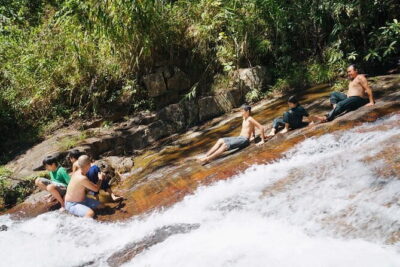
Trekking Tour to Hidden Waterfall & Sturgeon Farm for dog-lovers
Read our review →
Coffee – Wine – Tea Da Lat’s Agricultural Treasures Tour
Read our review →
Tour To Langbiang Land – Datanla Falls – Crazy House in Dalat
Read our review →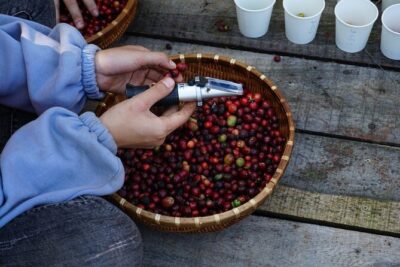
Dalat’s countryside|Coffee Plantations Tour beyond Elephant falls
Read our review →
Dalat Countryside Motorbike Day Tour–Coffee Farms & Pagodas
Read our review →
MOTORBIKE TOUR TO PONGOUR FALLS- SILK- COFFEE FARM
Read our review →Browse the lists this tour appears in