
Review · MONTEPULCIANO
Montepulciano: Italian Cooking Class at a Tuscan Farm
At a Tuscan farmhouse, you will mix flour and water by hand, roll out pici pasta, and sit down to eat the meal you prepared. This is a practical introduction to the everyday cooking of Valdichiana Senese, not a polished restaurant demonstration.
I like the hands-on format and the use of seasonal, local ingredients. I also like that the meal includes bruschetta, pasta, sauce, dessert, and local wine, so you get a complete taste of rural Tuscan cooking. The main drawback is practical: transportation is not included, and the farmhouse address is sent only after confirmation.
Key points at a glance
- Handmade pici from flour and water: Learn the basic method behind Siena Province’s famous thick pasta.
- Local housewives lead the cooking: The class focuses on simple recipes connected to the Valdichiana Senese countryside.
- Wine accompanies the work: A welcome drink and local wine are included during the cooking and meal.
- Your class becomes lunch or dinner: The food you prepare is served at the table at the end.
- Small group of up to 10: The limited size suits a practical class where you want guidance.
- Plan your own route: The meeting farmhouse is confirmed later, and no transport service is provided.
Cooking the Tuscan way at a farmhouse
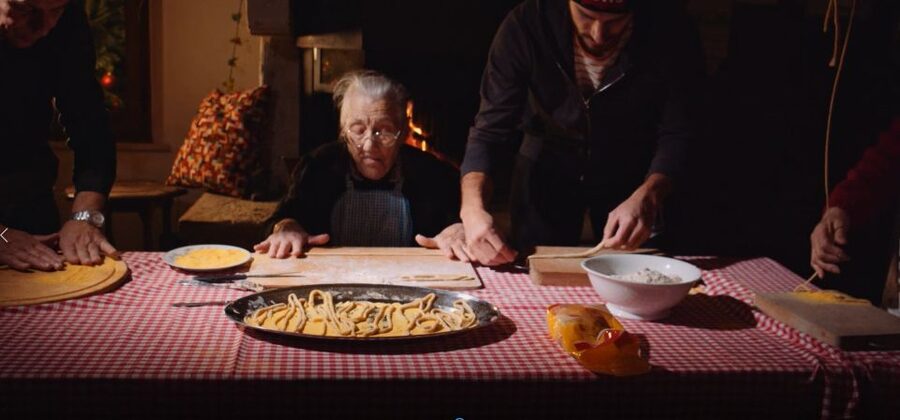
This class gives you a taste of the rural cooking tradition of Valdichiana Senese, an area in southern Tuscany known for straightforward food made from available local ingredients. The recipes come from the sharecropping period, when meals had to be filling, affordable, and based on what the farm could provide.
That background matters. You are not being shown complicated restaurant tricks. You are working with basic ingredients and familiar methods. The appeal is in learning how flour, water, tomatoes, herbs, and good olive oil can become a satisfying meal.
The cooking takes place at a farmhouse, farm, or trattoria selected for the class. You receive the exact farmhouse location after your reservation is confirmed. Since the setting can affect your travel plans, do not assume the meeting point is in central Montepulciano or within easy walking distance of your accommodation.
The class lasts about three hours. That is long enough to prepare several dishes and eat together, but short enough to fit into a day of sightseeing around Montepulciano and the Valdichiana Senese.
More Farm Cooking Classes in Italy
- Cooking Class and Lunch at a Tuscan Farmhouse with Local Market Tour from Florence
★ 5.0 · 4,831 reviews - Hands-On Cooking Class & Farmhouse Tour on the Amalfi Coast
★ 5.0 · 956 reviews - Florence: Cooking Class at a Tuscan Farm & Local Market Tour
★ 4.9 · 354 reviews
Starting with bruschetta and Tuscan olive oil
The first cooking task is bruschetta and other types of toasted bread, including versions with tomato and basil. You also taste Tuscan extra virgin olive oil, an ingredient that deserves attention rather than being treated as a minor garnish.
This opening section is useful because it introduces the Tuscan habit of letting a few good ingredients do the work. You will likely notice how much the oil affects the finished dish. The class also gives you a quick, manageable start before moving on to fresh pasta.
Croutons and bruschetta are simple enough for beginners, which helps keep the class relaxed. You are not expected to master a difficult technique right away. At the same time, the first dish has a clear connection to local cooking, so it is more than a filler before the pasta.
The exact seasonal ingredients can vary. The class uses produce selected for the time of year and focuses on local production, so the menu is not presented as a fixed set of imported items. That is a plus if you want food that reflects the season, though it means you should not expect every class to look exactly the same.
Making pici by hand
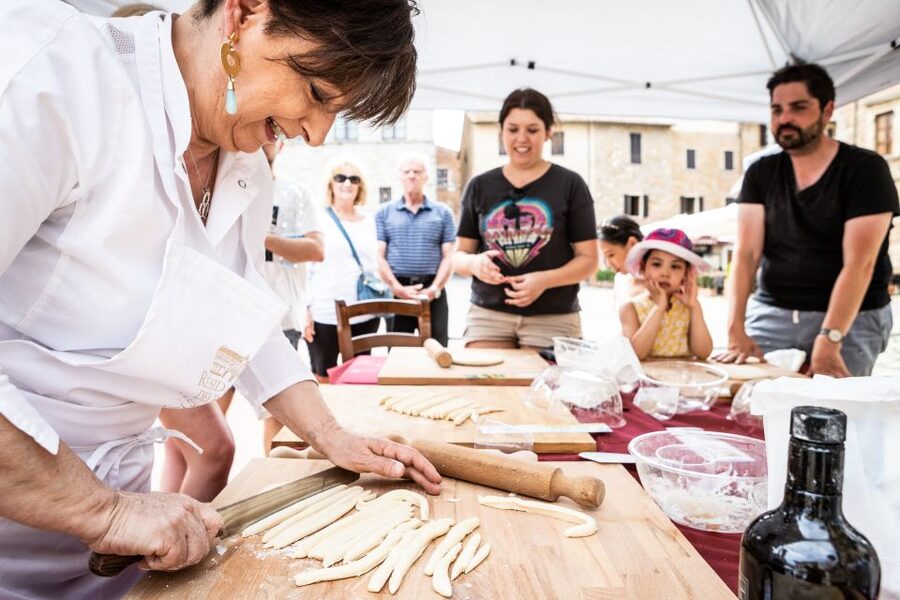
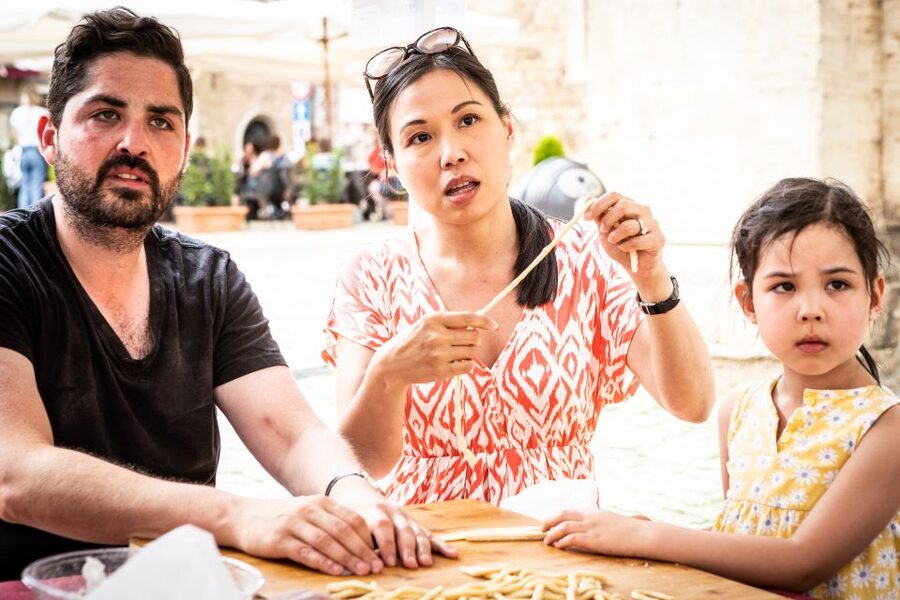
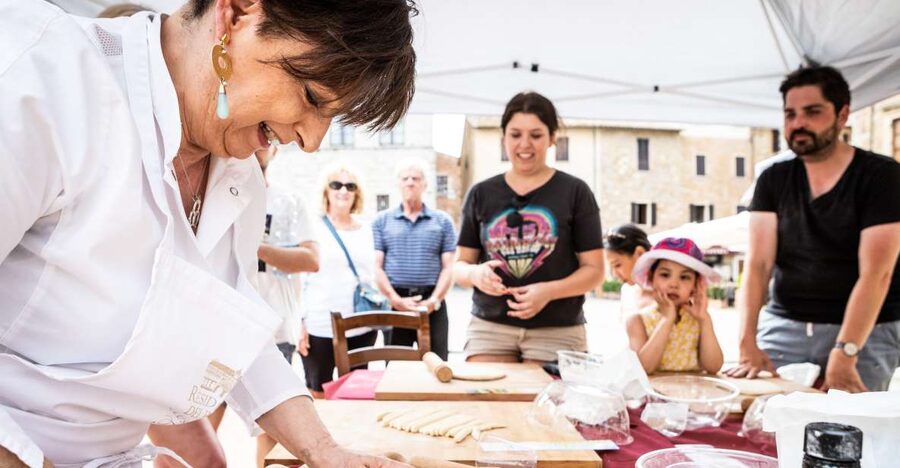
The main lesson is pici, the thick handmade pasta associated with the Province of Siena. The dough is made by mixing water and flour, then shaping the pasta by hand.
Pici is a good choice for a short class. It does not require a pasta machine, and the method is easy to understand. You can see how a plain dough becomes a substantial noodle through simple handwork. The shape does not need to be perfectly uniform to cook well, which takes pressure off first-time pasta makers.
The class is described as practical and direct. You should expect to get involved rather than sit back while someone prepares the dish for you. Guidance is provided in English and Italian, and the small group limit of 10 should make it easier to follow the steps and ask for help.
The pasta section also gives you something useful to repeat at home. You may not leave with a precise written formula for every variation, so pay attention to texture and handling. Notice how the dough feels as it comes together, since that can be more useful than a rigid recipe.
Building a Tuscan sauce and dessert
After the pici, you prepare a sauce to serve with the pasta. The information provided does not specify one fixed sauce, so the recipe may follow the seasonal ingredients available at the farmhouse. That is worth keeping in mind if you are booking because you want to learn one particular Tuscan sauce.
The cooking stays rooted in simple local food. You should expect the sauce to support the pasta rather than overwhelm it. This is the kind of meal where the quality of the ingredients and the care taken during preparation matter more than a long ingredient list.
A homemade dessert is also included. No specific dessert is named, so it is best to treat this as part of the full meal rather than book the experience for a particular sweet. The dessert adds a proper finish and makes the class feel like a complete lunch or dinner instead of a pasta workshop followed by a separate meal.
The sequence works well: bread first, fresh pasta next, sauce after that, and dessert along the way. While one preparation is resting or cooking, you move to the next task. That keeps the three-hour schedule active without making it feel like a race.
Same fields, a different sort of day out:
- Florence Pizza or Pasta Class with Gelato Making at a Tuscan Farm
★ 5.0 · 6,801 reviews - Sorrento Farm and Food Experience including Olive Oil, Limoncello, Wine tasting
★ 5.0 · 2,524 reviews - Sorrento: Pizza Lesson, Wine, and Limoncello at a Local Farm
★ 5.0 · 1,513 reviews - Florence: Pizza or Pasta Class with Gelato at a Tuscan Farm
★ 4.9 · 1,181 reviews
Wine, conversation, and the meal you made
A welcome drink starts the experience, and wine is available between the cooking tasks. At the end, the table is set with the freshly prepared dishes, and you eat them with local wines.
This is one of the best features of the format. You are not simply handed a sample plate at the end. The final meal connects each step: the bruschetta you prepared, the pasta you shaped, the sauce you made, and the dessert you completed.
The shared table also gives the class a social side. A small group of up to 10 leaves enough room for conversation without creating the feel of a large food tour. If you are traveling alone, this can be an easy way to meet people through a shared task. If you are with family or friends, the meal gives you a natural ending to the activity.
Wine is part of the experience, but the description does not specify how much is served. If you plan to drive afterward, take that into account. Since transportation is not included, arranging a safe route back is your responsibility.
Why the farmhouse setting matters
The farmhouse setting is not just a backdrop. It places the meal close to the agricultural traditions that shaped these recipes. The class connects the food to the countryside, local production, and the practical cooking of the sharecropping period.
You may find that the farmhouse setting feels more personal than a cooking school in a city center. The tradeoff is that it can require more planning. The location is communicated after booking, so you need to wait for the address before deciding how to reach it.
No transportation service is included. If you have a rental car, check the route once the farmhouse details arrive. If you do not have a car, confirm the location before making a firm plan, since the ease of reaching the venue will depend on where the class is held.
This is also why I would not book the activity as an unplanned add-on during a busy day. Leave enough time to reach the meeting point and return afterward. The class itself lasts three hours, but your total outing will be longer once transport is added.
What the small group changes
With a maximum of 10 participants, this is a more personal class than a large demonstration. You should have a better chance to see the technique clearly, handle the dough, and receive help when shaping the pici.
The small size also suits the no-nonsense style described for the experience. You get into the cooking rather than waiting through a long presentation. One participant’s experience specifically points to the practical approach and hands-on guidance, which are important strengths if you want to learn by doing.
The group size does not guarantee private attention at every moment. You are still sharing the work with other participants, and the quality of the interaction can vary depending on the group. The English and Italian language options make the class accessible to many visitors, but you should be comfortable with a cooking lesson that may use both languages.
The social element is part of the value. A friendly group can make the shared meal memorable, while a quieter group may leave you with more space to focus on the food. Either way, the limited size is preferable to a large class for this type of activity.
Is $164.26 a fair price?
At $164.26 per person, this is not a bargain meal. The price makes more sense when you count the full package: a welcome drink, a three-hour cooking class, all the prepared food, lunch or dinner, and local wine.
You are also paying for the setting and the instruction, not only for ingredients. A restaurant meal in Tuscany may cost less, especially if you order a simple pasta dish. That meal will not give you the chance to prepare pici, learn the sequence of the recipes, or take part in a shared farmhouse experience.
The value is strongest if you want a hands-on activity. If you only want to eat traditional Tuscan food, you can likely find a simpler and cheaper option. If you want to learn, cook, drink local wine, and sit down to a meal connected to the class, the price is easier to justify.
The class is particularly good value for people who enjoy food experiences but do not want a highly formal culinary school. The direct style keeps the focus on cooking and eating. You are not paying for a long lecture or a complicated chef-led production.
Who should book this class?
I would recommend it to first-time visitors who want more than sightseeing in Montepulciano. It gives you a direct connection to Tuscan food and offers a relaxed way to spend part of the day in a rural setting.
It also suits beginner cooks. The recipes are simple, the pasta method uses flour and water, and the instruction is hands-on. You do not need advanced kitchen skills to take part.
Food-focused couples, families, and solo visitors can all fit the format. The small group and shared table work well for people who enjoy meeting others, while the practical tasks give everyone something to do.
I would be more cautious if you have a strict dietary requirement, since no dietary information is provided. I would also check before booking if you need a specific menu, a particular dessert, or a guaranteed central meeting point.
Booking and timing tips
Starting times vary, so check the available schedule before planning the rest of your day. A morning class may function as an early lunch, while a later session can become dinner, but the exact option depends on availability.
The farmhouse location is provided after confirmation. Once you receive it, plan your transport carefully because the activity does not include transfers.
You can cancel up to 24 hours in advance for a full refund. You can also reserve now and pay later, which helps if your Tuscan schedule is still changing.
The experience has an overall rating of 4.4 from nine ratings. That suggests a generally positive response, but the small number means you should focus on the format itself: practical cooking, local food, wine, and a shared meal rather than expecting a luxury culinary production.
Should you book this Tuscan cooking class?
Book it if you want to make pici by hand, learn everyday Tuscan recipes, and eat a meal prepared by your own group. The hands-on cooking and the farmhouse setting give the activity a stronger sense of place than a standard restaurant meal.
Skip it if you want a quick tasting, a fixed menu, or included transportation. The location is confirmed later, and getting to the farmhouse requires your own planning.
For most food-loving visitors with three hours to spare, this is a worthwhile Montepulciano experience. Its strength is its simplicity: local ingredients, direct instruction, handmade pasta, wine, and a table filled with what you just cooked.
FAQ
How long does the Tuscan cooking class last?
The activity lasts three hours. Starting times vary, so check availability when choosing your date.
What food will I prepare?
You will prepare bruschetta and different types of croutons, handmade pici pasta, a pasta sauce, and a homemade dessert. The ingredients are selected according to the season and local production.
Is lunch or dinner included?
Yes. At the end of the class, you eat the freshly prepared dishes as lunch or dinner, paired with local wines.
Is transportation to the farmhouse included?
No. Transportation is not included. The farmhouse meeting location is communicated after the booking is confirmed.
What languages are available?
The host or greeter can provide the experience in English or Italian.
How many people can join the class?
The class is limited to 10 participants, making it a small-group experience.
More Hands-On Workshops in Italy
- Sorrento Farm by Tuk Tuk: Cheese, Limoncello & Hands-On Pizza
★ 5.0 · 628 reviews - Sorrento: Farm Tour with Cheese Tasting & Pizza Making Class
★ 5.0 · 503 reviews - Amalfi: Cooking Class and Farmhouse Visit With Meal
★ 5.0 · 262 reviews - Cooking Class on a Family Farm in Chianti with Lunch
★ 5.0 · 165 reviews
Just added around Italy
- Traditional Farmhouse Cooking Experience in Lucca with Lunch or Dinner★ 5.0 · 34 reviews
- Farm-to-table Food Experience★ 5.0 · 23 reviews
- La Maliosa Farm Experience & Wine Tasting★ 4.5 · 29 reviews
- Sorrento Half-Day Farm Experience: Pizza, Cheese Making and Wine★ 5.0 · 17 reviews
- Sorrento: Authentic Lemon Experience at a Farm with Tastings★ 5.0 · 6 reviews
- Marì Cooking Class in a Family Farm with Amalfi Coast view★ 5.0 · 11 reviews
- Amalfi Coast & Sorrento Cooking Class School at Farmhouse★ 5.0 · 25 reviews
- Paestum and Buffalo Farm Day Tour from Sorrento★ 5.0 · 3 reviews
Montepulciano Farm Tours, compared.
Paciano: Organic Cooking Class at a Farm with Lunch & Wine
Read our review →
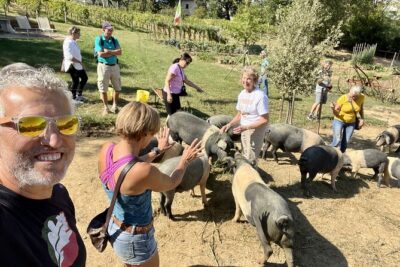
Discover Montepulciano: Cinta Senese Pigs, Lunch & wine in a Farm
Read our review →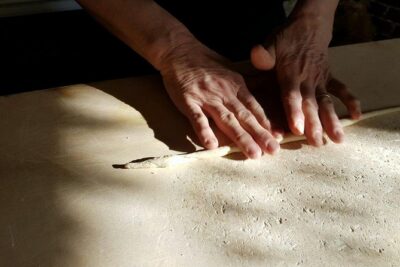
Horseback riding in Montepulciano Tuscany, lunch on the farm
Read our review →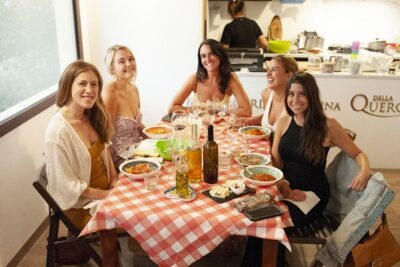
Cinta Senese tour with tasting dinner on the farm
Read our review →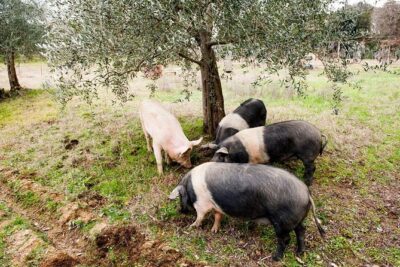
Browse the lists this tour appears in