
Review · JAPAN
Uji and Wazuka Matcha Farm Half Day Private Guided Tour
Uji and Wazuka offer two very different sides of Japanese tea. In Uji, you stroll beside the river, cross the historic Ujibashi Bridge, and browse tea shops. Then a private vehicle carries you into Wazuka, where tea fields cover the hills and farming remains the main attraction. The farm visit is the heart of the experience, especially if you want more than a matcha dessert stop.
I like the personal scale of this tour and the chance to spend time with Masae, a guide who shares detailed knowledge of tea farming, production, and local culture. I also like the practical mix of a three-tea tasting, Japanese bento lunch, and farm walk, since you learn with your eyes, hands, and taste buds.
The main drawback is the price: $360 per person for about four hours is a serious splurge. The tour makes the most sense for a private group that values a dedicated guide, private transport, lunch, and access to Wazuka rather than a quick matcha tasting in central Kyoto.
Key Points
- Uji and Wazuka in one half-day: See the famous tea town first, then travel to a quieter tea-growing valley.
- A private experience with Masae: Your group has the guide and vehicle to itself, allowing a more personal pace.
- At least three local teas: The tasting helps you compare tea styles instead of trying only one prepared cup.
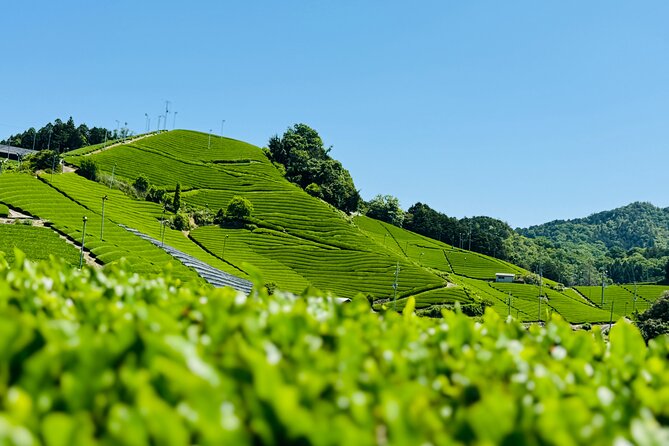
- A real tea-farm setting: Wazuka offers working fields, mountain views, and a closer look at how tea is grown.
- Lunch is included: A Japanese bento meal adds useful value to the four-hour schedule.
- Expect uneven farm paths: Access can be muddy and bumpy, so practical shoes matter.
Why Wazuka Makes This More Than a Matcha Cafe Visit
Uji is widely associated with Japanese tea, but the most memorable part of this outing comes after you leave the town. Wazuka is a tea-producing valley surrounded by mountains and crossed by a river. Tea has been made here for about 800 years, and the area was once connected with tea prepared for the Imperial Family.
That background gives the farm walk a clear purpose. You are not simply standing in front of a scenic field for a photograph. You are seeing the setting where the tea story begins, then tasting the finished product with an explanation of how farming and production affect the cup.
I like this pairing because Uji gives you an easy introduction. Its tea shops, cafes, river, shrine, and bridge are simple to reach. Wazuka then provides the quieter, more rural side of the same tradition. The contrast helps you understand why Uji tea carries such a strong name while also showing that much of the work happens outside the city.
The tour remains short, so you should not expect a full agricultural course or a long day in the fields. It is better understood as a focused introduction, with enough time for scenery, tasting, food, and conversation.
A few more farm days around Japan worth a look
Starting Beside the Uji River
The meeting point is Itoh Kyuemon near JR Uji Station. This is a useful starting place for an activity centered on tea, since you begin among the shops and cafes that have made Uji a major stop for tea lovers.
The first walk follows the Uji River and the small tea-oriented streets nearby. You have about 30 minutes here. That is enough to get your bearings, see the riverfront, and notice how tea is presented in local shops. You may find matcha drinks, sweets, tea leaves, and gift items available for purchase.
This portion is gentle and accessible compared with the farm visit. It also gives you a chance to decide if you want to buy something later, after you have tasted several local teas and heard more about production.
The short timing is both useful and limiting. If you want a long cafe visit or serious shopping, you will need to keep an eye on the clock. The aim is to introduce Uji, not spend the entire tour in town.
Uji Shrine and Ujibashi Bridge
The next stops add cultural context without taking over the day. You visit Uji Shrine for about 10 minutes, then spend another 10 minutes at Ujibashi Bridge.
Uji Shrine is described as one of Japan’s oldest shrines. The stop is brief, so expect a compact visit rather than a detailed shrine study. Still, it gives the tour a spiritual and historical layer before the focus shifts back to tea.
Ujibashi Bridge is presented as the oldest bridge in Japan. Its position over the Uji River makes it an easy place to connect the town’s scenery with its long connection to tea. You can look across the water, take photographs, and see how the river shapes the town.
I appreciate the short stops here because they keep the schedule moving. If you are mainly booking this for tea, you will not lose hours to general sightseeing. If shrines and historic structures are your main interest, though, these visits may feel too quick.
Riding Out to Wazuka’s Tea Valley
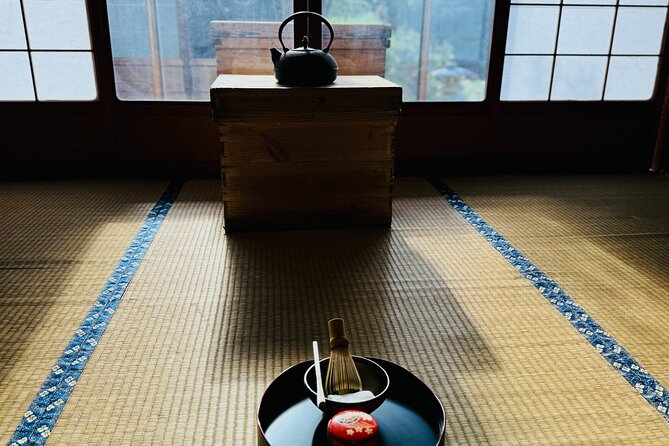
The tour uses private, air-conditioned transportation between the Uji area and Wazuka. That matters because the experience is split between an urban tea center and a rural farming area. You do not have to arrange separate public transport or work out how to reach the fields on your own.
The supplied details do not state the exact driving time, so the four-hour schedule should be viewed as a compact plan. Time is shared among the Uji stops, transport, the farm, tasting, meal, and viewpoint. You get variety, but not much room for delays.
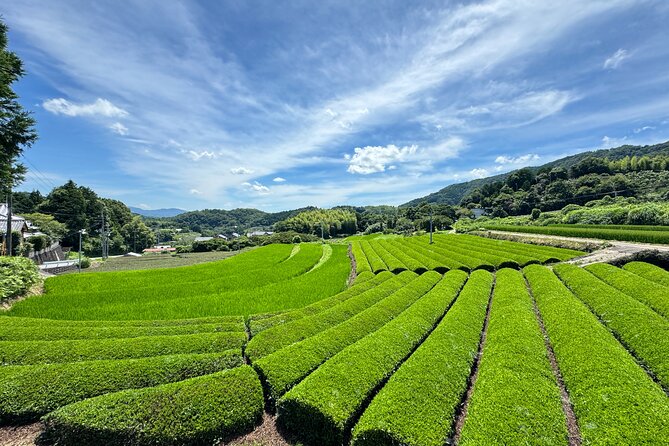
Wazuka itself is the longest stop, with about three hours assigned to the area. This is where the tour earns its character. The valley is surrounded by mountains, crossed by a river, and covered with tea-growing areas. The setting feels very different from Uji’s shops and riverside streets.
You may find the road and farm access less polished than the town portions. The activity information specifically warns that the farm access can be bumpy and muddy. Wear shoes you can use on uneven ground, and avoid clothing that you would regret getting dirty.
More Guided Trips in Japan:
- Miyajima Guided Tour and Fresh Oyster Farm Tour
★ 5.0 · 20 reviews - Guided Bike Tour to a Green Tea Farm in Shizuoka (not e-bikes)
★ 5.0 · 5 reviews - Mykonos: Farm, Ano Mera Village, and Beaches Guided Tour
★ 4.4 · 1,283 reviews - Laura Creole Plantation Guided Tour
★ 5.0 · 1,279 reviews
Walking Through the Tea Farms

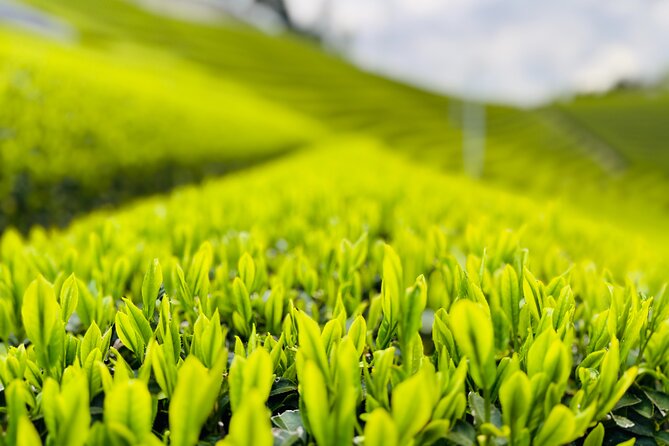
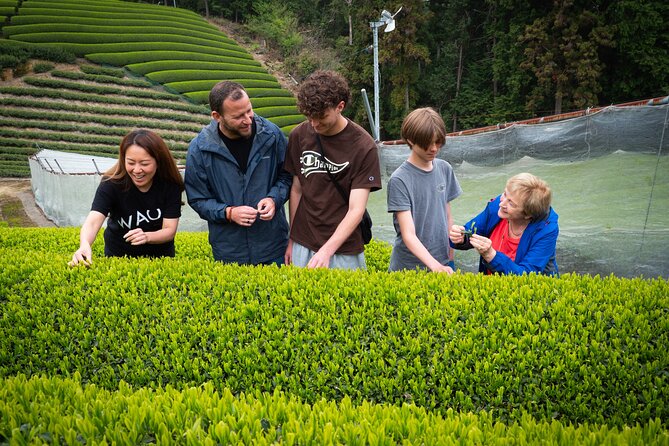
The tea-farm walk is the central activity. You see the plants in their growing environment rather than only encountering matcha as a powdered drink or flavored sweet.
A good guide can make this kind of visit far more useful, and Masae’s role is a major part of the experience. Her explanations cover tea farming and the manufacturing process, along with the culture and story of Wazuka. Several comments about the experience singled out her warmth, clear explanations, and family connection to the tea industry.
That local perspective is valuable. Books can explain harvesting and processing, but a person connected to the area can show how the subject fits into everyday life. You get the chance to ask questions as you walk, rather than listening to a fixed speech in a large group.
The farm section also has a strong visual payoff. Wazuka’s rolling tea fields and mountain setting provide the sort of scenery that makes the trip feel distinct from a standard city tour. The viewpoint visit adds another chance to take in the valley from above or from a broader angle, though the exact viewpoint is not specified.
Keep your expectations grounded. This is not described as a hands-on harvest session, and the tour does not promise that you will operate farm machinery or pick tea. The value comes from seeing the growing area, learning how tea is made, and connecting the finished drink to its source.
Tasting Three or More Local Teas
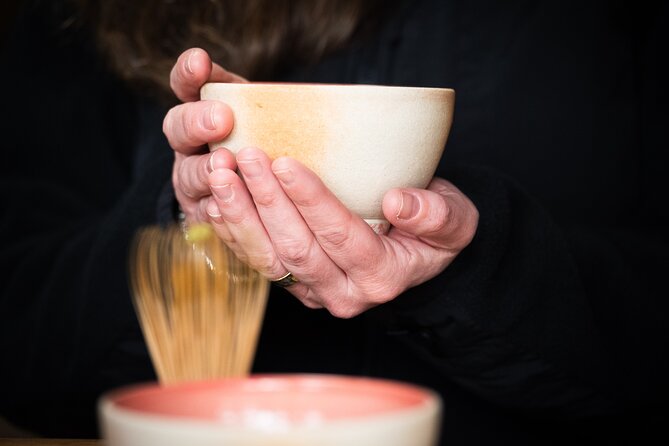
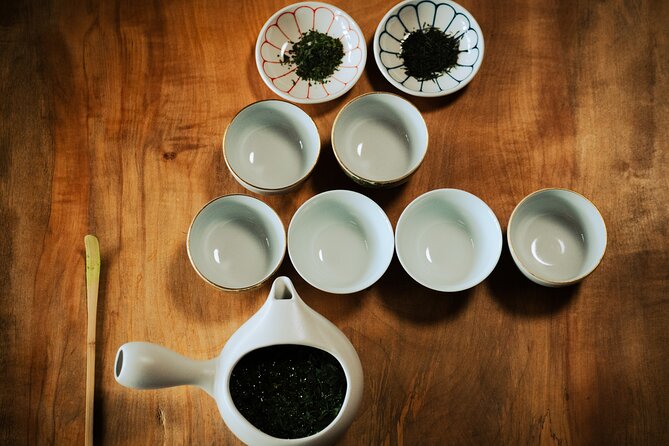
The tasting includes at least three kinds of local tea, with tea and coffee listed among the refreshments. For anyone who usually orders a sweet matcha latte, this is an important distinction. You can compare different teas and notice how preparation and style change the drinking experience.
The tasting also gives Masae’s explanations a practical focus. Instead of trying to remember abstract details about cultivation, you can connect what you hear with what is in your cup. The tea becomes the evidence.
Some past bookings also included matcha preparation and other food activities such as making and eating mochi, but those details are not guaranteed in the stated program. Treat them as possible additions rather than promised features. The confirmed food element is the tea tasting and Japanese bento lunch.
You can also shop for tea in Uji or Wazuka if you want to take something home. Extra drinks and snacks purchased on the street are not included, so bring a little spending money if browsing tea shops or buying refreshments appeals to you.
Bento Lunch in the Valley
A Japanese bento lunch set is included, with a vegetarian option available if requested in advance. This is a useful inclusion in a four-hour tour, since it saves you from giving up part of the schedule to find a meal.
The meal also fits the theme. You are not simply stopping at a generic restaurant between attractions. The food forms part of a day centered on local tea and rural Japan. One practical note: vegetarian meals require advance notice, so do not wait until the morning of the tour.
The available information does not specify the exact bento contents, restaurant, or serving location. If you have allergies or strict dietary needs beyond the stated vegetarian option, ask the provider before booking rather than assuming the meal can be changed.
What $360 Per Person Really Buys
At $360 per person, this is not a bargain sightseeing outing. You are paying for a private tour, a dedicated guide, an air-conditioned vehicle, private transportation, a farm visit, a scenic viewpoint, multiple tea samples, and lunch.
The value improves when you are traveling with people who want the same experience and appreciate the privacy. A private group can ask questions freely, move at its own pace within the fixed schedule, and avoid being matched with strangers. Group discounts are available, though the exact discount is not stated.
The price is harder to justify if your main goal is simply to drink matcha or see Uji Bridge. You can find tea shops and cafes in Uji without booking a private half-day. This tour earns its cost through the combination of rural access, transportation, guide time, and the Wazuka farm setting.
I would compare it with the cost and effort of arranging Wazuka independently. The tour removes the transport planning and gives you a person who can explain what you are seeing. If that convenience and interpretation matter, the premium may feel fair. If you are comfortable navigating on your own and mainly want a scenic walk, you may prefer a less expensive plan.
Who Will Get the Most From This Tour
This experience fits solo visitors who want company and structure, couples who enjoy food and culture, families looking for a private schedule, and anyone with a serious interest in Japanese tea.
It is especially good for you if:
- You want to see tea fields rather than only visit urban tea shops.
- You value direct conversation with a local guide.
- You prefer private transport over planning rural connections yourself.
- You enjoy tasting several teas side by side.
- You are happy with a brisk four-hour schedule.
- You do not mind walking on muddy or uneven farm access.
It is less suitable if you want a relaxed full-day countryside outing, extensive shrine sightseeing, or a long shopping session. The tour covers a lot, but each part has a clear time limit.
Most people can participate, and service animals are allowed. The meeting point is near public transportation at JR Uji Station, though the activity ends at a different location, so check the final drop-off details before arranging your next reservation.
Practical Details Before You Book
The tour lasts approximately four hours and is offered as a private activity for your group only. Mobile tickets are available, and booking confirmation is provided at the time of booking.
Plan for comfortable shoes and clothing suited to farm paths. The warning about mud and bumps is worth taking seriously, especially after rain. You will also want room in your day for the possibility that transport or walking takes a little longer than expected.
Free cancellation is available when you cancel at least 24 hours before the start time. Cancellations or changes made within 24 hours are not accepted for a refund, and cut-off times follow local time.
The tour provider is Matcha Tourism. The guide most often identified with the experience is Masae, whose role includes explaining the tea farms, production methods, local culture, and Wazuka’s connection to tea.
Should You Book the Uji and Wazuka Tour?
Book it if you want a focused, private introduction to Japanese tea that goes beyond a pretty bowl of matcha. The strongest reasons are the rural Wazuka setting, the three-tea tasting, the included bento lunch, and Masae’s personal way of explaining the work behind each cup.
Think twice if $360 per person feels high for a half-day, or if you mainly want Uji’s bridge, shrine, and tea shops. Those town stops are pleasant but brief. The real reason to book is Wazuka, plus the convenience of private transport and a guide who can make the farming and production details understandable.
For a matcha enthusiast, a family that wants a private cultural outing, or a couple seeking a quieter side of Kyoto’s tea country, this is a strong choice. Just bring sensible shoes, request a vegetarian lunch in advance if needed, and leave enough time afterward for your next plan.
FAQ
How long does the tour last?
The tour lasts approximately four hours.
Where does the tour start?
It starts at Itoh Kyuemon near JR Uji Station, at SaboUmonji-16-1 Uji, Kyoto 611-0021, Japan.
Does the tour end at the same location?
No. The activity ends at a different location, so check the provided end details before booking another activity.
Is the tour private?
Yes. Only your group participates in the private tour.
Is transportation included?
Yes. Private transportation and an air-conditioned vehicle are included.
What tea activities are included?
The tour includes a tea-farm walk and a tasting of at least three kinds of local tea. Coffee and tea are also listed as included refreshments.
Is lunch included?
Yes. A Japanese bento lunch set is included.
Can I request a vegetarian lunch?
Yes. A vegetarian option is available with an advance request.
Is the farm access easy to walk?
The farm access can be bumpy and muddy. Comfortable footwear suited to uneven ground is recommended.
Can I cancel for a full refund?
Yes, if you cancel at least 24 hours before the experience start time. Cancellations or changes made less than 24 hours before the start time are not refunded or accepted.
Just added around Japan
- From Tokyo Mt.Fuji, Lake Kawaguchi, Makaino Farm day tour★ 5.0 · 8 reviews
- Hida Private E-Bike Tour with Premium Lunch and Farm Experience★ 5.0 · 7 reviews
- Guided Bike Tour to a Green Tea Farm in Shizuoka (not e-bikes)★ 5.0 · 5 reviews
- Autumn Leaves in AutumnSkiing in winterLet’s go to Hoheikyo Onsen by private car (from Sapporo)★ 4.5 · 8 reviews
- Hokkaido Farm Tomita Shikisai Hill Waterfall& Blue Pond Day Tour★ 3.5 · 6 reviews
- E Bike in Yuzawa Mountain Views Lake Daigenta and Rice Terraces★ 5.0 · 2 reviews
- Wasabi Farm Walking Tour & Lunch★ 4.5 · 20 reviews
- 7hr Private Wazuka True Hidden Kyoto Matcha Farm Experience★ 5.0 · 3 reviews
Japan Farm Tours, compared.

Hokkaido Lavender farm & Furano Flower Tour from Sapporo
Read our review →
Mt. Fuji Private Chartered Tour with Nature and Wasabi Farm
Read our review →
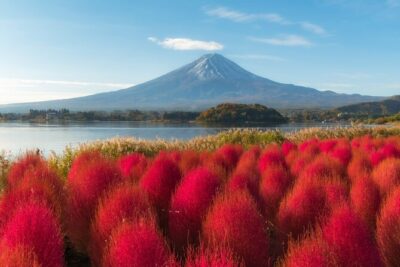
From Tokyo Mt.Fuji, Lake Kawaguchi, Makaino Farm day tour
Read our review →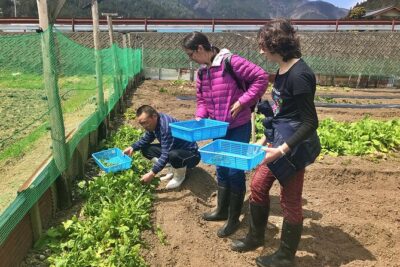
Hida Private E-Bike Tour with Premium Lunch and Farm Experience
Read our review →Browse the lists this tour appears in