
Review · OLIVE
Cagliari Olive Oil Farm & Tasting (Since 1600, 20 Minutes Away)
The most interesting part of this Cagliari-area outing is that it treats olive oil as both food and family history. At Sa Mola de su Notariu, you see a working mill, a 400-year family collection, and an underground oil cistern lit by ancient oil lamps before sitting down to taste three very different oils.
I like the small maximum of 10 people, which gives you room to ask questions, and I like the generous food pairing of carasau bread, olives, cured meats, goat cheese, pizza, and sparkling wine. Francesco, the owner and guide, is especially good at turning technical points into useful kitchen advice. The one thing to consider is the timing: the tour is described as both one hour and 90 minutes, so plan on about an hour and a half.
Key points at a glance
- 400 years of family olive oil history: The Sa Mola de su Notariu museum connects modern production with several generations of local farming.
- Three oils with three uses: Taste classic extra virgin olive oil, lemon oil for seafood, and a spicy Sardinian herb oil for meat, pizza, and cheese.
- A real production setting: The visit includes the live EVO mill, machinery, information boards, photographs, and an underground cistern.
- A full Sardinian tasting board: Carasau bread, olives, cured meats, fresh goat cheese, pizzette, and sparkling wine turn the tasting into a light meal.
- Easy trip from Cagliari: The mill is in Dolianova, about 20 minutes away, with departures at 10am, noon, 3pm, and 5pm.
- A practical souvenir stop: You can buy the oils directly and receive a 20% discount on purchases at the site.
Why this is more than an olive oil sample
Olive oil tastings can be quick affairs: pour, sip, nod, buy a bottle. This experience gives the subject more room. You begin with how oil is made, then see the tools and family setting behind the product, and only afterward taste the oils with food.
That order matters. Once you understand how extra virgin olive oil is produced, you have a better chance of noticing its smell, texture, bitterness, and heat. Francesco also explains how to recognize a good oil, a lesson you can use long after your Sardinia trip.
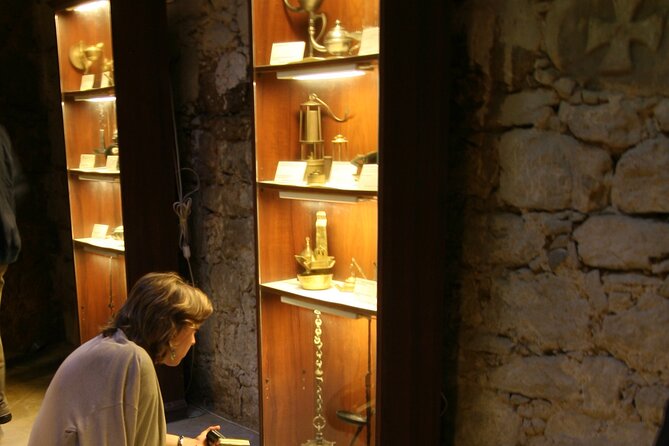
The family connection gives the visit its character. Sa Mola de su Notariu is not simply a shop with a few old objects on the wall. It includes a museum devoted to the oil-making tradition of the family, with the story reaching back about 400 years. You get a sense of how olive oil shaped daily life, farming, storage, and cooking in Sardinia.
The experience is offered in English and begins with at least two people. The published information also notes service animals and access near public transportation, though you should confirm the most practical route from your own starting point before setting out.
More Olive Farm Tours in Italy
- Sorrento Farm and Food Experience including Olive Oil, Limoncello, Wine tasting
★ 5.0 · 2,524 reviews - Alghero: Wine and Olive Oil Tasting at a Local Farm
★ 4.8 · 294 reviews - Cagliari Olive Oil Farm & Tasting (Since 1600, 20 Min Away)
★ 5.0 · 43 reviews
Entering Sa Mola de su Notariu in Dolianova
The meeting point is Sa Mola de su Notariu Oil Museum and Olio del Tempio, at Viale Europa, 18, in Dolianova. The town is about 20 minutes from Cagliari, making this a manageable half-day addition to a city stay.
You return to the same place at the end. That is useful if you arrive with a rental car or arrange local transport, since there is no need to coordinate a separate finish point. The available start times, 10am, 12pm, 3pm, and 5pm, also make it easier to fit around a morning in Cagliari or an evening meal.
I would allow more time than the shortest one-hour estimate. The detailed program describes a 90-minute masterclass, and the combination of museum, production explanation, tasting, food, and shopping is unlikely to feel rushed if you take part fully.
The small group size is another practical advantage. With no more than 10 people, you should have a fair chance to hear the explanation and ask about the oils. This matters during tasting, when personal questions about food pairing and storage are often more useful than a long speech.
Seeing the mill and the family collection
The first part focuses on production. You may see machinery, photographs, information boards, and the working mill itself. The point is not just to watch equipment operate. It is to understand how olives become oil and why the handling and production process affect the final taste.
The visit also includes the Sa Mola de su Notariu museum. Its family history reaches back four centuries, giving the tour a local and personal frame. Instead of hearing only broad facts about Mediterranean food, you connect olive oil with one Sardinian family and its continuing work.
An underground oil cistern adds an unusual detail. The space includes ancient oil lamps, which help show how oil was stored and how older production settings differed from the modern mill. This is likely to be the most memorable part for visitors who enjoy old buildings, tools, and practical history.
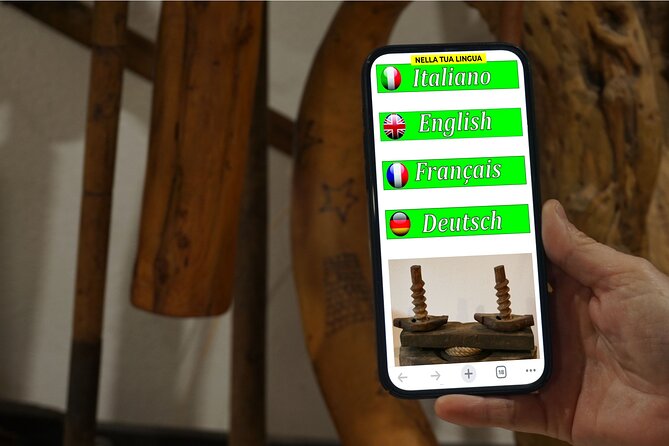
The experience uses a film, photographs, boards, and machinery as teaching aids. That variety should help if you are not already familiar with olive cultivation or milling. You are not expected to arrive knowing the difference between ordinary oil and extra virgin oil. The explanation builds from the basics.
Francesco is the named personality behind the visit. The supplied information describes him as the owner and guide, and his answers to questions are a central part of the experience. He also has a sense of humor, which helps keep the technical material from becoming a lecture.
Tasting three oils with three different jobs
The tasting is the heart of the visit. You sample three products, each with a different role in the kitchen.
Olio del Tempio is the standard extra virgin olive oil. This is the best place to focus on the basic qualities of a good EVO oil: aroma, fruitiness, bitterness, and the peppery sensation at the back of the throat. The lesson is practical because you can compare what you taste here with bottles you already use at home.
Limolio combines olive oil with lemon. It is presented with fresh goat cheese and suits seafood, salads, and fish carpaccio. I would pay attention to how the lemon changes the oil’s use. It is not simply a flavored novelty. The pairing gives you a clear idea of where a lemon oil can work well, especially with lighter foods.
Rogo del Tempio EVO is made with nine Sardinian herbs and has a spicy finish. It is served with pizzette and works particularly well with grilled meats, pizza, and pecorino cheese. This is the boldest option of the three, so it gives the tasting a useful contrast instead of offering three oils that blur together.
The tasting also teaches you how to assess oil at home. You can compare the smell before tasting, notice the flavor on the tongue, and look for bitterness and heat rather than assuming those qualities mean the oil is faulty. That is one reason the visit has value beyond the food on the table.
Same fields, a different sort of day out:
- Florence Pizza or Pasta Class with Gelato Making at a Tuscan Farm
★ 5.0 · 6,801 reviews - Cooking Class and Lunch at a Tuscan Farmhouse with Local Market Tour from Florence
★ 5.0 · 4,831 reviews - Sorrento: Pizza Lesson, Wine, and Limoncello at a Local Farm
★ 5.0 · 1,513 reviews - Florence: Pizza or Pasta Class with Gelato at a Tuscan Farm
★ 4.9 · 1,181 reviews
The Sardinian food pairing
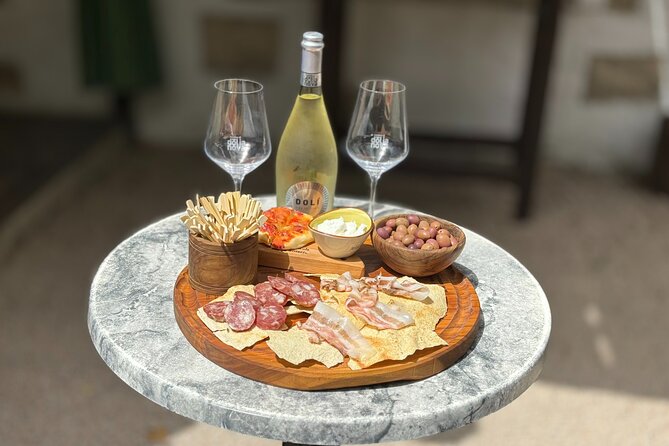
The tasting comes with enough food to make it feel like a substantial snack or light meal. The spread includes natural olives, cured Sardinian meats, carasau bread, sparkling wine, fresh goat cheese, and pizzette.
Carasau is especially fitting here. This thin, crisp Sardinian bread is sturdy enough for oil and works well with the cured meats and olives. Use it to compare the three oils without adding a strong flavor that masks their differences.
The goat cheese paired with Limolio gives you a mild, creamy base for the lemon oil. The pizzette and Rogo del Tempio provide a stronger match for the spicy herb oil. This is smart tasting design: each product gets a food that shows what it can do.
There is also a useful social side to the food. You are not tasting oil from tiny cups in silence. The food and sparkling wine make the session relaxed, and the setting gives you time to ask Francesco about cooking, storage, and pairings.
One review specifically praised Francesco’s pizza, so if the pizzette are part of your session, expect the food to be treated as more than decoration. Still, this is an olive oil masterclass, not a full restaurant lunch. If you need a large meal, plan one elsewhere.
What makes Francesco’s teaching effective
The strongest feature here is the guide’s personal involvement. Francesco is not presented as a detached museum narrator. He is the owner, producer, and teacher, and his family’s relationship with olive farming gives him a direct connection to the subject.
That helps with questions that a standard tour may skip. You can ask how to spot a good extra virgin oil, which foods suit a lemon oil, or how a spicy herb oil fits into everyday cooking. The focus is on useful understanding, not on memorizing production terms.
The tour also appears to work for mixed ages. A family with two teenagers found enough to hold their attention, which is not always easy with a food-history experience. The hands-on tasting, food, machinery, and unusual underground setting give younger visitors several ways to stay involved.
Language flexibility may help some groups, too. The experience is offered in English, and one family was given time to translate for relatives who did not speak English or Italian. That does not guarantee a private translation service, but it suggests a patient and accommodating approach.
Is $66.26 a fair price?
At $66.26 per person, this is not the cheapest food stop near Cagliari. The price makes more sense when you count what is included: the production visit, museum access, guided tasting of three oils, sparkling wine, local food, and the chance to buy products directly with a 20% discount.
You are paying for instruction as well as samples. If you only want to taste olive oil, the cost may feel high. If you want to understand what you are tasting, eat a generous selection of Sardinian foods, and take home products at a reduced price, the value is stronger.
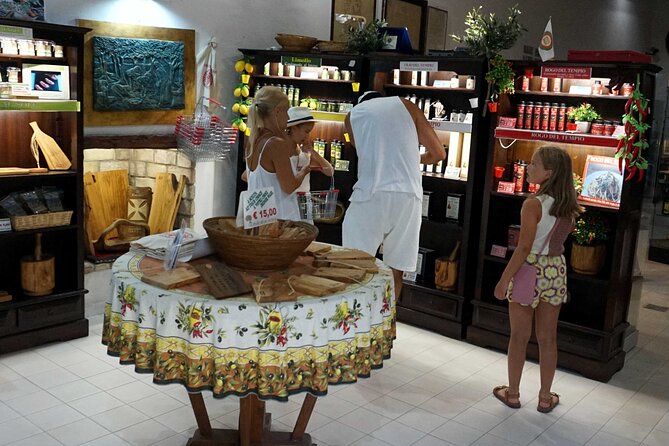
The direct-buy option can improve the calculation for anyone already planning to bring oil home. You can try the products first instead of choosing from a shelf, then apply the discount to your purchase. Pack liquids carefully for the journey, and check your airline rules if you are flying.
The small group also matters. A maximum of 10 people gives the session a more personal feel than a large coach outing. I would see this as a food-and-culture experience with shopping, not as a simple retail tasting.
Who should book this experience?
I would recommend it to you if you enjoy learning how local food is made, want a short trip outside Cagliari, or are looking for a souvenir with a real connection to Sardinia. It also suits couples, families, and small groups who prefer an owner-led visit over a large commercial tour.
It is a particularly good choice for home cooks. The three oils have clear uses, and the tasting can change how you think about matching oil with fish, salad, cheese, meat, and pizza.
Families with older children and teenagers may also find the format workable. There is enough food, equipment, family history, and conversation to give the visit variety.
I would hesitate only if you have no interest in olive oil or food production. The museum and tasting are the main event, so someone looking for a broad sightseeing tour of Sardinia may find the subject too narrow.
Book ahead if your schedule is tight. The experience is often reserved about 17 days before the visit, and it requires at least two people. You can cancel for a full refund up to 24 hours before the start time. Changes made inside that window are not accepted, and poor weather or failure to reach the minimum group size can lead to a new date or refund.
The practical verdict from Cagliari
This is a focused, friendly outing rather than a general tour of the region. Its strength comes from the combination of Francesco’s personal teaching, the old oil museum, the underground cistern, and a tasting that gives each product a clear purpose.
For $66.26, I think you receive solid value if you eat the food, ask questions, and plan to buy oil. The experience gives you a better way to judge olive oil at home, which is more useful than simply leaving with a souvenir bottle.
Book it if you want a compact Sardinian food experience with real family history and a practical lesson attached. Skip it if you are not interested in olive oil, since the subject is narrow and the visit is built around it.
FAQ
How long does the olive oil experience last?
The detailed program describes a 90-minute extra virgin olive oil masterclass, while the general duration is listed as approximately one hour. Plan for about 90 minutes so you have time for the museum, mill visit, tasting, food, and shopping.
Where does the tour begin and end?
It begins and ends at Sa Mola de su Notariu Oil Museum and Olio del Tempio, Viale Europa, 18, 09041 Dolianova, Sardinia.
How far is the museum from Cagliari?
The experience is approximately 20 minutes from Cagliari.
What oils are included in the tasting?
You taste Olio del Tempio extra virgin olive oil, Limolio made with olives and lemon, and Rogo del Tempio EVO made with nine Sardinian herbs and a spicy flavor.
What food is served?
The pairing includes cured Sardinian meats, sparkling wine, natural olives, carasau bread, fresh goat cheese with Limolio, and pizzette with Rogo del Tempio.
Is cancellation free?
Yes. You can cancel at least 24 hours before the local start time for a full refund. If the experience is canceled because of poor weather or because the minimum number of people is not reached, you are offered another date or a full refund.
More Food and Drink Trips in Italy
- Pizza School with Wine and Limoncello Tasting in a Local Farm
★ 5.0 · 845 reviews - Authentic Farm Tour with Pizza, Cheese, Wine & Limoncello Tasting
★ 5.0 · 698 reviews - Sorrento: Farm Tour with Cheese Tasting & Pizza Making Class
★ 5.0 · 503 reviews - Florence Sunset Food Tour with Wine & Dine at a Tuscan farmhouse
★ 5.0 · 194 reviews
Just added around Italy
- Traditional Farmhouse Cooking Experience in Lucca with Lunch or Dinner★ 5.0 · 34 reviews
- Farm-to-table Food Experience★ 5.0 · 23 reviews
- La Maliosa Farm Experience & Wine Tasting★ 4.5 · 29 reviews
- Sorrento: Authentic Lemon Experience at a Farm with Tastings★ 5.0 · 6 reviews
- Sorrento Half-Day Farm Experience: Pizza, Cheese Making and Wine★ 5.0 · 17 reviews
- Marì Cooking Class in a Family Farm with Amalfi Coast view★ 5.0 · 11 reviews
- Amalfi Coast & Sorrento Cooking Class School at Farmhouse★ 5.0 · 25 reviews
- Paestum and Buffalo Farm Day Tour from Sorrento★ 5.0 · 3 reviews
Olive Farm Tours, compared.
Sorrento Farm and Food Experience including Olive Oil, Limoncello, Wine tasting
Read our review →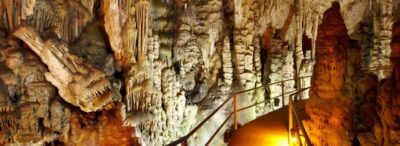
Road-trip to Lasithi, Zeus Cave & Olive Mill Farm
Read our review →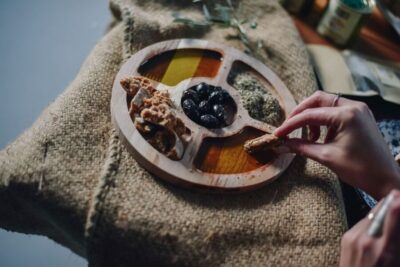
Olive Farm Tour with Tasting of Local Delicacies
Read our review →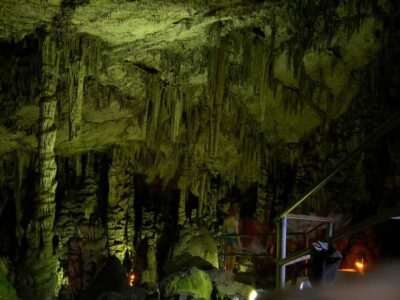
Lassithi, Zeus Cave, Olive Mill Farm & Knossos Combo Tour
Read our review →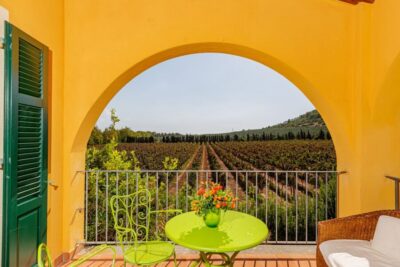
Alghero: Wine and Olive Oil Tasting at a Local Farm
Read our review →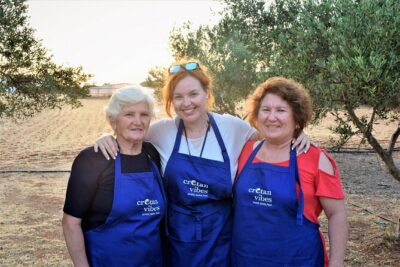
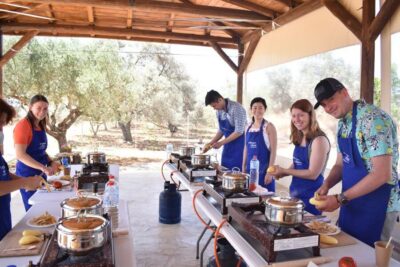
Moires: Cooking Class and Olive Oil Tasting at a Family Farm
Read our review →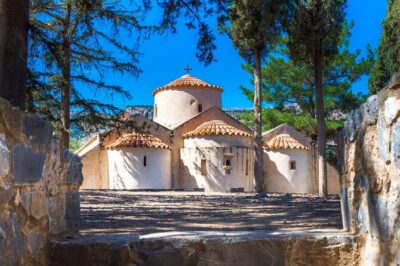
Road-trip to Lasithi, Zeus Cave, Vidiani, Krasi & Olive Mill Farm
Read our review →Browse the lists this tour appears in