
Review · ITALY
Montespertoli: Poggio Capponi Farm Chianti Wine Tour
Poggio Capponi gives you more than a quick tasting at a bar. You begin on the farm terrace, then move through a working wine estate with aging barrels, a Vin Santo room, old vintages, and antique Impruneta terracotta vessels. The most unusual stop is the wine museum, where bottles date back to 1950.
I like the way the visit connects wine to the place that produces it, and I like the generous range of five wines paired with Tuscan food. You taste Chardonnay, Chianti Riserva, Chianti Montespertoli Riserva, a Tuscan red, and Vin Santo, rather than stopping after one or two pours. The main consideration is transport: hotel pickup and drop-off are not included, so you need to arrange your own way to the farm.
Key points to know
- Five wines in one sitting: Taste Chardonnay, two Chianti Riservas, a Tuscan red, and Vin Santo.
- A real working cellar: See tonneaux and barriques where the wines age.
- Rare Vin Santo stop: Visit the Vinsantaia, where Vin Santo del Chianti matures slowly.
- A small wine museum: View historical vintages, with the oldest dating to 1950.
- Tuscan food pairings: Expect salami, ham, pecorino, honey, and several bruschettas.
- Easy two-hour format: The tour begins and ends at Fattoria Poggio Capponi, with English and Spanish available.
Starting on the Poggio Capponi terrace
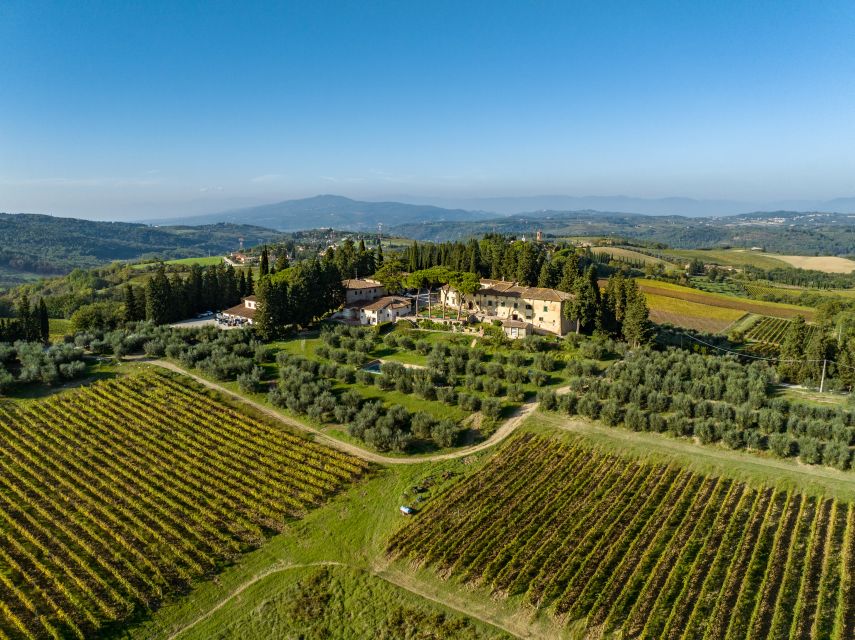
Your visit starts at the ticket counter of Fattoria Poggio Capponi in Montespertoli. Exchange your voucher there, then meet the guide on the terrace. This opening matters because the terrace gives the tour a calm beginning before you move indoors to the cellar and museum.
The setting is part of the experience. You are not simply sitting at a tasting counter in a city. The farm presents its wine within the place where it is made, aged, and served. That makes the visit a useful choice if you want a short stop that still gives you a sense of the estate’s character.
The tour lasts two hours, so the pace should suit you if you want substance without giving up half a day. You will have time to look around, hear about the wines, and taste the full selection, but this is not designed as a long technical wine course.
The guide speaks English or Spanish. No individual guide names are provided, so you should select the language you need when checking availability.
More Winery Visits in Italy:
- Sorrento Farm and Food Experience including Olive Oil, Limoncello, Wine tasting
★ 5.0 · 2,524 reviews - Sorrento: Pizza Lesson, Wine, and Limoncello at a Local Farm
★ 5.0 · 1,513 reviews - Pizza School with Wine and Limoncello Tasting in a Local Farm
★ 5.0 · 845 reviews
Inside the historic cellar
From the terrace, you move into the historic cellar. This is where the wine ages in tonneaux and barriques. The terms refer to wooden aging vessels, and seeing them in place gives you a clearer idea of what happens between harvest and bottle.
I like this part because it adds a physical sense of scale to the tasting. A bottle on a table can feel abstract. Barrels, cellar rooms, and the smell of aging wine make the production process easier to understand, even if you do not have much wine knowledge.
The cellar also helps explain why the tour is not only a tasting. You are shown the production setting before you taste the finished wines. That order is sensible: first see where the wines rest, then compare them in your glass.
You should expect an authentic farm setting rather than a polished entertainment show. That can be a plus if you prefer places with working spaces and old features. It may feel less suited to you if you want a large visitor center, elaborate displays, or a long lesson on winemaking.
The Vin Santo room and a Tuscan specialty
One of the best stops is the Vinsantaia, the room where Vin Santo del Chianti slowly ages. Vin Santo is a traditional wine of the Chianti area and an important part of the local wine identity.
The room gives the tasting a distinct local angle. Many wine visits focus almost entirely on the better-known reds. Here, Vin Santo receives its own place and its own explanation. That makes the stop especially worthwhile if you want to understand a Tuscan wine that is different from Chianti.
You will taste Poggio Capponi Vin Santo del Chianti during the final selection. The supplied pairing includes pecorino and honey, a natural match for a sweeter or more concentrated wine. That combination should help you notice how food changes the balance of a tasting.
The Vinsantaia is also a reminder that some wines take patience. The description emphasizes slow aging, so this is not simply another storage room. It connects the bottle in your glass with a long process that begins well before your visit.
The wine museum and vintages from 1950
The wine museum is another feature that gives this tour more character than a basic tasting. You can see historical vintages, with the oldest dating to 1950.
That detail makes the museum worth your time. Old bottles are not just decoration. They show how a winery preserves its own past and how wine can become part of a family or farm archive. You may not be able to taste those older bottles, but seeing them places the current wines in a longer timeline.
I would pay attention here even if your main interest is drinking wine. The museum helps explain why a historic estate values particular bottles, labels, and storage rooms. It also breaks up the tasting with something visual, which is welcome during a two-hour visit.
The information provided does not specify the number of museum bottles or whether the oldest vintages are opened. Plan on viewing the collection, not on sampling a 1950 vintage.
A few more farm days around Italy worth a look
- Florence Pizza or Pasta Class with Gelato Making at a Tuscan Farm
★ 5.0 · 6,801 reviews - Cooking Class and Lunch at a Tuscan Farmhouse with Local Market Tour from Florence
★ 5.0 · 4,831 reviews - Florence: Pizza or Pasta Class with Gelato at a Tuscan Farm
★ 4.9 · 1,181 reviews - Hands-On Cooking Class & Farmhouse Tour on the Amalfi Coast
★ 5.0 · 956 reviews
The oil room and Impruneta terracotta
The tour then includes an oil room with ancient terracotta vessels from Impruneta, dating to 1800 and earlier. This adds an agricultural side to the visit, showing that the farm’s story is not limited to wine.
Impruneta, near Florence, is known for its terracotta work. The old vessels give you a direct look at the kinds of containers once used in Tuscan farm production. They are a small but memorable detail because they connect the estate to traditional materials and local craft.
This stop is useful if you enjoy objects with a clear link to daily rural life. It also gives the tour more variety. You are not moving from one barrel room to another for two straight hours. Instead, the cellar, Vin Santo room, museum, and oil room each offer a different view of the property.
The supplied information does not promise an olive oil tasting. The oil room is included as a visit, while the stated tasting menu is wine with Tuscan food.
Five wines, from Chardonnay to Vin Santo
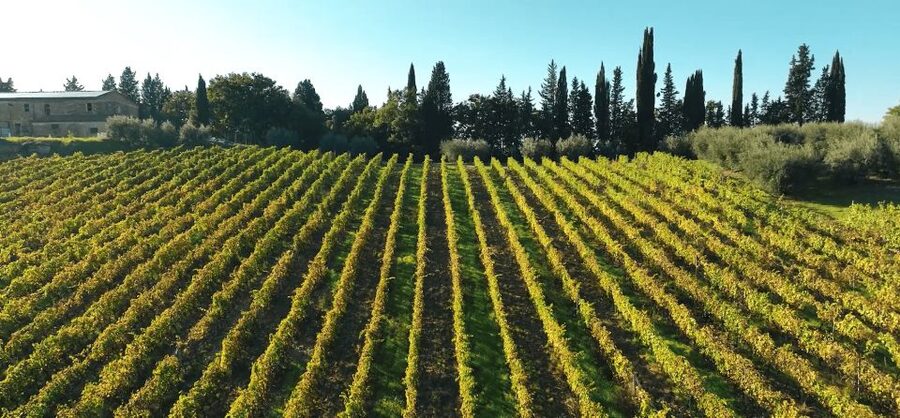
The tasting includes one glass of each listed wine. The selection covers white wine, Chianti, a Tuscan red, and Vin Santo, giving you a broad sample in a short sitting.
You can expect:
- Chardonnay Sovente
- DOCG Chianti Riserva Poggio Capponi
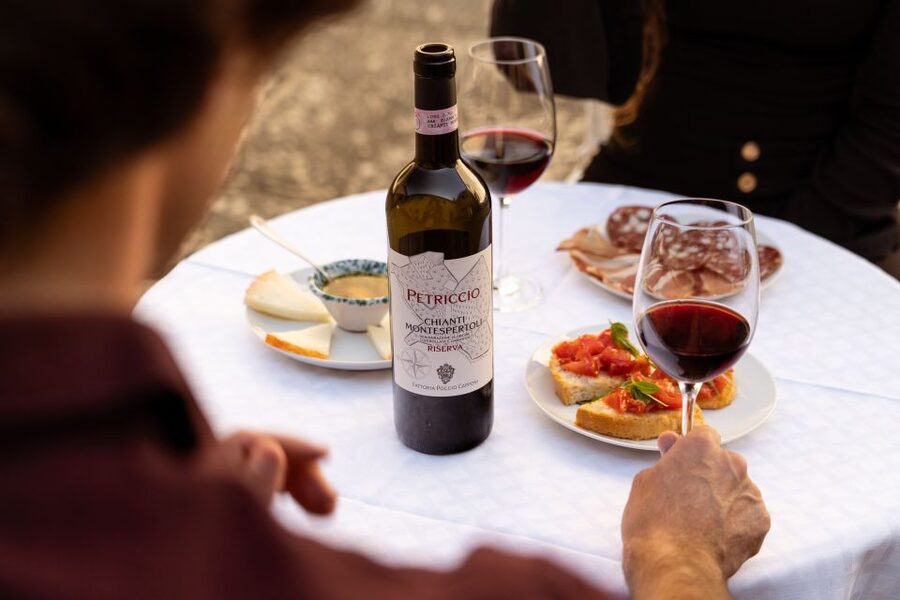
- DOCG Chianti Montespertoli Riserva Petriccio
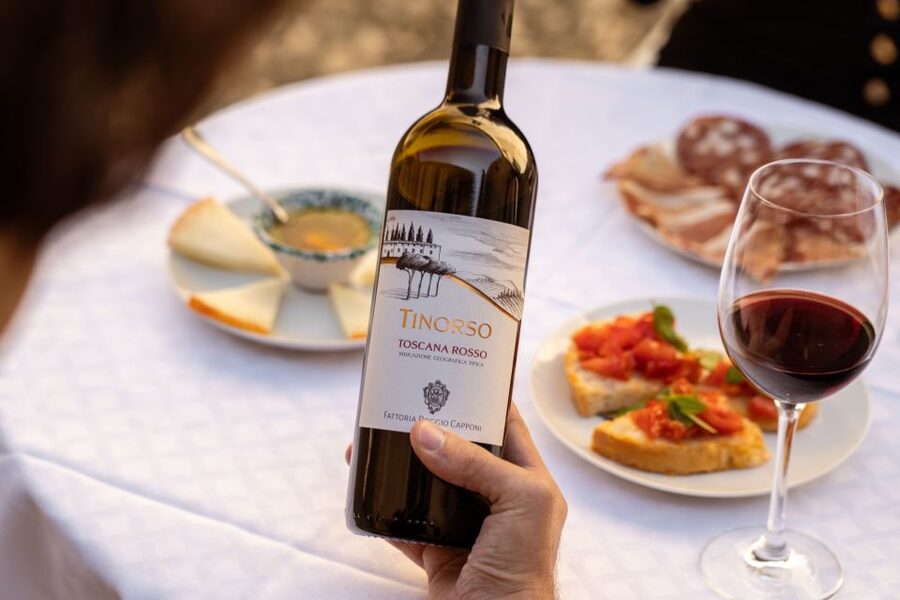
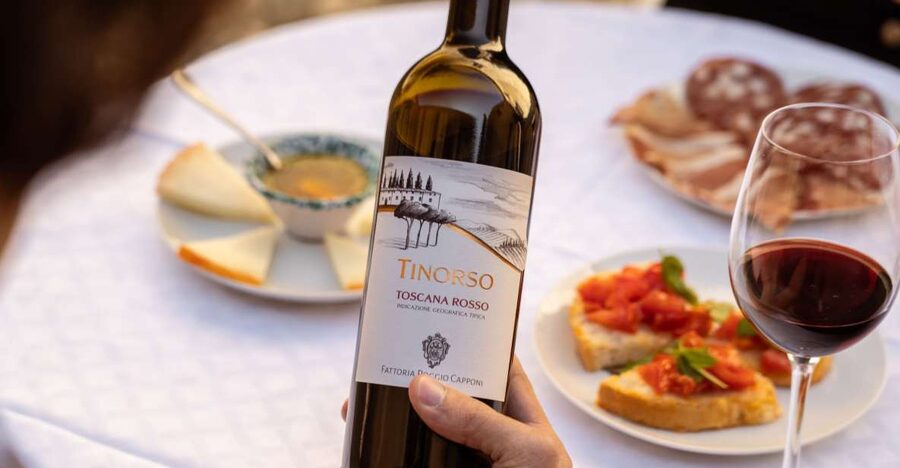
- IGT Tuscan Red Tinorso
- Poggio Capponi Vin Santo del Chianti
The two Chianti Riservas are likely to be the central comparison for many people, but you should not treat the tasting as a red-wine-only stop. The Chardonnay opens the lineup with a different style, while the Vin Santo changes the finish.
The labels also introduce you to the area’s wine classifications. DOCG and IGT terms appear in the lineup, but the tour description does not promise a formal lesson in Italian wine law. If you are curious about the classifications, ask the guide during the tasting. The English and Spanish format should make that possible.
The phrase one glass each wine is important. You receive a glass of each listed wine, not just a shared sample of the group’s choice. Even so, a five-wine tasting can feel substantial, so pace yourself and use the food to keep the experience comfortable.
Tuscan food on the tasting table
The wine comes with platters of Tuscan products. Expect salami and ham, pecorino with honey, and different bruschettas.
This food is more than a snack between pours. It lets you compare the wines with salty, creamy, sweet, and toasted flavors. Pecorino and honey should be particularly helpful with the Vin Santo, while salami and ham give you a classic match for Tuscan reds. Bruschetta adds another texture and gives you something simple to eat between tastes.
The wording does not specify the exact amount of food or whether it replaces lunch. I would treat it as a substantial tasting platter, not a full meal. If you need lunch, keep that in mind when planning the rest of your day.
The pairing also makes the $56.94 price easier to assess. You are paying for a guided estate visit, several historical rooms, five wines, and local food. It is not the cheapest way to drink wine in Tuscany, but the price covers much more than five small pours at a generic tasting room.
Is two hours enough?
For this itinerary, two hours is a sensible length. You have several stops, but none is presented as a long standalone lecture. The visit moves from terrace to cellar, then to the Vin Santo room, museum, oil room, and tasting table.
That compact format works well if Montespertoli is one stop in a wider Tuscany plan. You can spend a morning or afternoon here without giving up the rest of your day. It also suits people who want an introduction to a farm estate rather than a full-day wine program.
The tradeoff is that a two-hour tour cannot cover everything in great depth. You may see the barrels and hear about the wines without receiving detailed instruction on every stage of production. If you already know a lot about wine, you may want to ask questions to make the most of the time.
Starting times vary, so check availability before you build the rest of your schedule. The activity finishes back at the farm’s meeting point.
Getting there and planning your visit
Hotel pickup and drop-off are not included. You need to reach Fattoria Poggio Capponi on your own and exchange your voucher at the ticket counter before the tour begins.
That detail is the biggest practical issue. A wine tasting and self-driving do not always make a good pair, so plan your transport carefully. The supplied information does not state whether public transport, taxis, or private transfers are available from your base. You should confirm your route before booking rather than assume the farm is easy to reach without a car.
The meeting point is also the return point. You do not finish at a different village or train station, so arrange your onward plans from the farm.
Wheelchair access is listed, which is useful if accessibility affects your choice. For precise questions about the cellar, museum, and oil room, contact the provider before arrival, since the information does not describe the exact surfaces or access arrangements inside each space.
Who will enjoy Poggio Capponi most?
I would choose this tour if you want a short, place-based wine visit with more than a tasting flight. The old cellar, Vin Santo room, 1950 vintages, and terracotta vessels give you plenty to see even if you are not a wine expert.
It also fits couples, small groups, and families with adults who want a quiet cultural stop in the Tuscan countryside. The two-hour format is manageable, and the food pairing gives the visit a clear focus.
Wine lovers who want several styles in one sitting should appreciate the range. You can compare a Chardonnay with Chianti Riserva, a Chianti Montespertoli Riserva, a Tuscan IGT red, and Vin Santo without booking separate tastings.
I would be more cautious if you want a full meal, hotel transport, a large-scale winery show, or a long technical seminar. None of those is promised. The strength here is the balance of cellar access, local objects, old bottles, and a guided tasting.
How the $56.94 price compares in value
At $56.94 per person, the experience sits above a simple glass-and-snack tasting. The value comes from the combination of access and tasting: you visit several parts of the farm, see aging vessels and historical collections, then receive five wines and Tuscan food.
I think the price is fair if you care about the setting and the story behind the wines. The museum and oil room are especially important to that calculation. If you only want to taste Chianti and do not care about the cellar or farm history, a cheaper tasting elsewhere might suit you better.
The price also includes a live guide in English or Spanish. That matters because the visit depends on context. Without an explanation, old barrels and bottles can be pleasant to look at but less meaningful.
Free cancellation up to 24 hours in advance and the option to reserve now and pay later make the booking less rigid. Those policies are useful when your Tuscany schedule is still changing, though they do not solve the transport question.
Should you book the Poggio Capponi tour?
Book it if you want a well-rounded two-hour introduction to a Tuscan farm winery. The strongest reasons are the Vin Santo room, the wine museum with bottles from 1950, the antique Impruneta vessels, and the five-wine tasting with local food.
Skip it if your priority is a full lunch, hotel pickup, or a long technical course. Also think twice if you cannot arrange safe transport to and from the farm.
For the right visitor, Poggio Capponi offers a useful slice of Tuscany: wine in its aging rooms, old bottles on display, local food on the table, and a setting that keeps the visit tied to the land where the products are made.
FAQ
Where does the Poggio Capponi wine tour begin?
The tour begins at the Fattoria Poggio Capponi ticket counter. Exchange your voucher there, then meet the guide on the terrace.
Where does the activity end?
The activity ends back at the original meeting point at Fattoria Poggio Capponi.
How long does the tour last?
The tour lasts two hours. Starting times depend on availability.
Which languages are available?
The live tour guide is available in English and Spanish.
Which wines are included?
The tasting includes Chardonnay Sovente, DOCG Chianti Riserva Poggio Capponi, DOCG Chianti Montespertoli Riserva Petriccio, IGT Tuscan Red Tinorso, and Poggio Capponi Vin Santo del Chianti.
What food is served with the wine?
The pairing includes platters of Tuscan products, including salami and ham, pecorino with honey, and various bruschettas.
Is transportation included?
Hotel pickup and drop-off are not included. You must arrange your own transportation to and from the farm.
Just added around Italy
- Traditional Farmhouse Cooking Experience in Lucca with Lunch or Dinner★ 5.0 · 34 reviews
- Farm-to-table Food Experience★ 5.0 · 23 reviews
- La Maliosa Farm Experience & Wine Tasting★ 4.5 · 29 reviews
- Sorrento: Authentic Lemon Experience at a Farm with Tastings★ 5.0 · 6 reviews
- Sorrento Half-Day Farm Experience: Pizza, Cheese Making and Wine★ 5.0 · 17 reviews
- Marì Cooking Class in a Family Farm with Amalfi Coast view★ 5.0 · 11 reviews
- Amalfi Coast & Sorrento Cooking Class School at Farmhouse★ 5.0 · 25 reviews
- Paestum and Buffalo Farm Day Tour from Sorrento★ 5.0 · 3 reviews
Italy Farm Tours, compared.

Florence Pizza or Pasta Class with Gelato Making at a Tuscan Farm
Read our review →
Cooking Class and Lunch at a Tuscan Farmhouse with Local Market Tour from Florence
Read our review →
Sorrento Farm and Food Experience including Olive Oil, Limoncello, Wine tasting
Read our review →
Pizza Lesson, Wine, and Limoncello at a Local Farm
Read our review →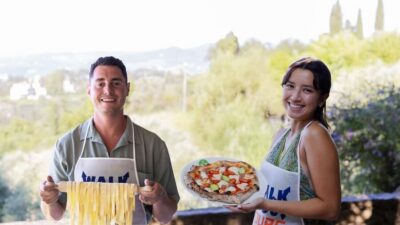
Pizza or Pasta Class with Gelato at a Tuscan Farm
Read our review →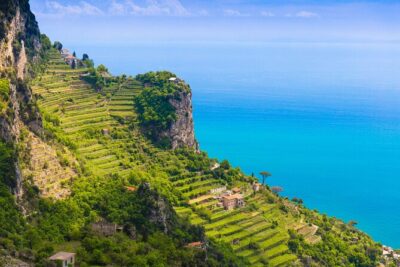
Hands-On Cooking Class & Farmhouse Tour on the Amalfi Coast
Read our review →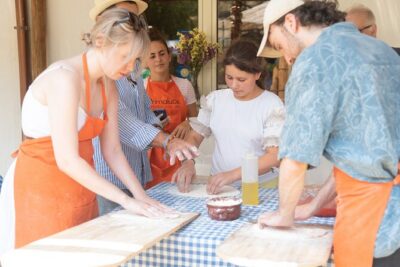
Pizza School with Wine and Limoncello Tasting in a Local Farm
Read our review →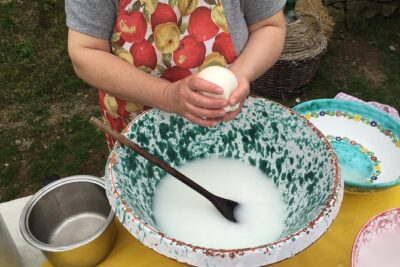
Authentic Farm Tour with Pizza, Cheese, Wine & Limoncello Tasting
Read our review →Browse the lists this tour appears in