
Review · FRANCE
Lavender Harvesting and Distillation Workshop in Bellegarde
The best part of this Bellegarde workshop is that you do not just look at lavender fields. You cut the plants yourself, carry them into the distillery, and help load the still. Then you see how flowers become essential oil and floral water, with Gaël or another member of the friendly team explaining each stage.
I like the hands-on use of a traditional Provençal pruning hook, and I like that the experience ends with small bottles of the oil and floral water made from your work. The main drawback is timing: the workshop depends on good weather, and the outdoor cutting requires moderate fitness, sun protection, and comfort standing in a field.
Key points to know before booking
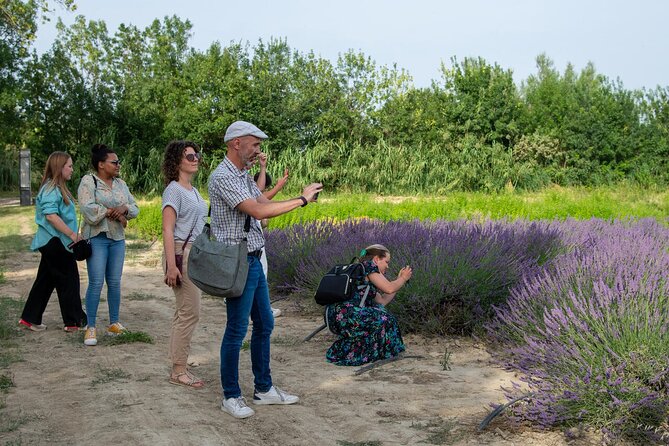
- You harvest the lavender yourself: A pruning hook and protective gloves are supplied, so this is active rather than a simple farm visit.
- The distillation is part of the workshop: You help load the plants into the still and learn how organic essential oils are extracted.
- You take home two useful products: Your contribution helps produce a bottle of floral water and a bottle of oil.
- The setting is close to Nîmes: The meeting point is un MAS en PROVENCE in Bellegarde, at Le Mas Neuf on Avenue du Félibrige.
- The group is limited to 20 people: That keeps the session small enough for questions and personal guidance.
- Children must be at least 10: Bring sunscreen, and plan on buying a hat for €6 if you need one.
From Nîmes to the fields of Bellegarde
The workshop takes place at un MAS en PROVENCE, an organic essential-oil and cosmetics producer in Bellegarde, about the wider Nîmes area. The listed price is $36.01 per person, and the session runs for about two and a half hours, beginning at 9:30 a.m.
That length feels well judged for the activity. You have enough time to learn the cutting method, work with the plants, follow the production process, and ask questions without turning the morning into a full-day commitment. If you are building a busy Nîmes itinerary, this is an easy experience to pair with other plans later in the day.
The meeting point is also the end point, which keeps the morning simple. You do not need to track down a second location after the workshop. The site is near public transportation, though the available information does not specify the exact route or travel time from central Nîmes, so check your connection before setting out.
The group maximum is 20 people. That is large enough for a lively session, but still modest for a practical workshop. Since cutting and loading the still involve shared equipment, a smaller group matters. It gives you a better chance to follow the instructions closely and speak with the staff.
More Hands-On Workshops in the world:
- Half-Day Thai Cooking Class at Organic Farm in Chiang Mai
★ 5.0 · 19,087 reviews - Florence Pizza or Pasta Class with Gelato Making at a Tuscan Farm
★ 5.0 · 6,801 reviews - Cooking Class and Lunch at a Tuscan Farmhouse with Local Market Tour from Florence
★ 5.0 · 4,831 reviews
Learning the Provençal pruning hook
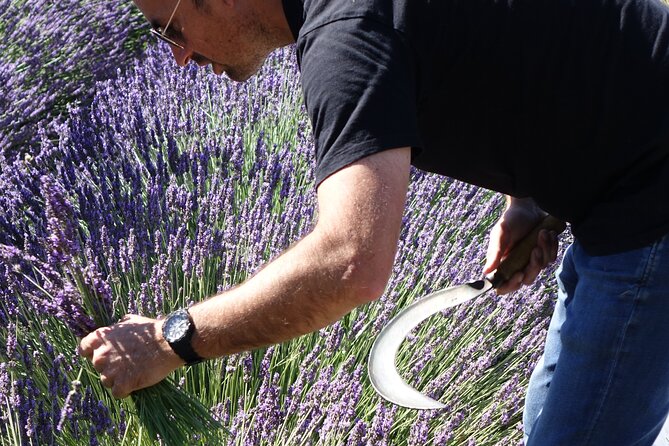
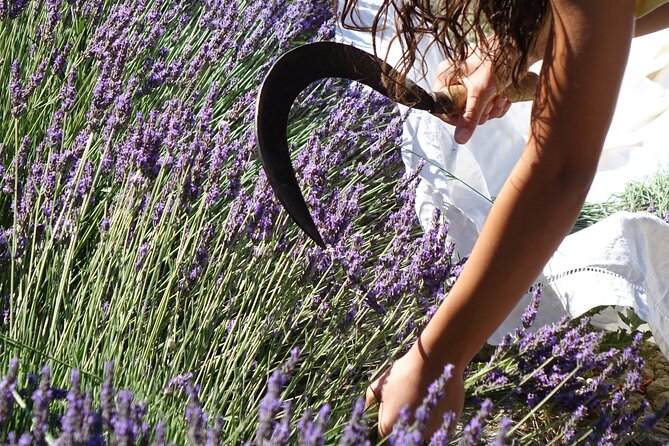
The first real activity is harvesting. You receive a cutting tool and protective gloves, then learn how to use the pruning hook, a traditional tool associated with Provence. This is a small but important detail. You are not simply posed beside a row of lavender for a photograph. You are shown how the work is done.
Expect some physical effort. The experience calls for a moderate fitness level, and you will be outside handling plants and equipment. The supplied information does not give the exact distance covered or the condition of the ground, so anyone with mobility concerns should ask the provider for more detail before booking.
The practical nature of this part also gives the workshop its sense of place. Lavender is often reduced to a postcard image of purple rows and sweet perfume. Here, you get the less polished side too: the tool, the cutting, the plant material, and the work needed before any bottle reaches a shop shelf.
The staff also explain the plants as you go. The information shared during the morning includes the fact that there are three types of lavender, each lending a different strength to perfume. That makes the field stop more than a quick lesson in harvesting. You begin to understand why one lavender oil may smell softer, sharper, or stronger than another.
A closer look at three kinds of lavender
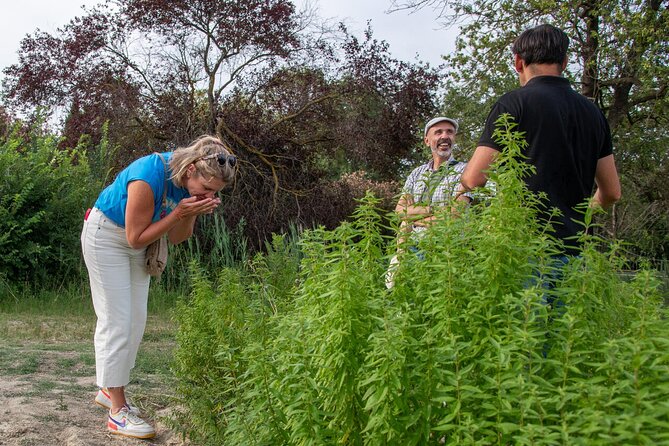
The plant explanations are one of the strongest parts of the experience. You are encouraged to look at and smell the lavender, not just hear a list of facts. That sensory approach makes the differences easier to grasp.
The workshop is especially useful if you care about fragrance, natural cosmetics, or the way raw plants become finished products. The staff connect what you smell in the field with the oils later used in cosmetics and perfumery. You begin with the living plant, then follow it through cutting and extraction.
Gaël is closely associated with the workshop and with the family business behind the site. The information shared during the session presents him as someone who speaks about the work with genuine feeling, humor, and personal involvement. Laura has also guided the tour and is described as warm and helpful.
The tone appears to be friendly rather than formal. That suits this kind of visit. You can ask questions as the work happens instead of sitting through a long technical talk. The staff are prepared to explain the process to people who know little about lavender, while still offering useful details for those already interested in perfume or plant oils.
Loading the plants into the still
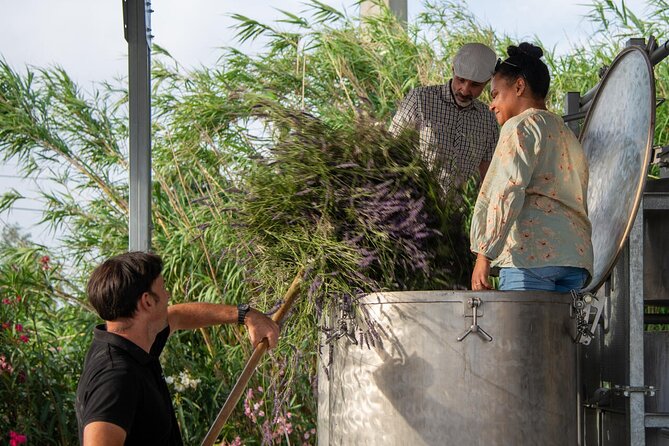
After harvesting, you follow the plants into the distillery. This transition is the heart of the workshop. You have handled the raw material, and now you see what happens to it after cutting.
The group helps load the lavender into the still. That step gives you a clear sense of scale and process. Essential oil does not simply appear because a flower smells good. The plant must be gathered, placed in the equipment, and processed before the oil and floral water can be collected.
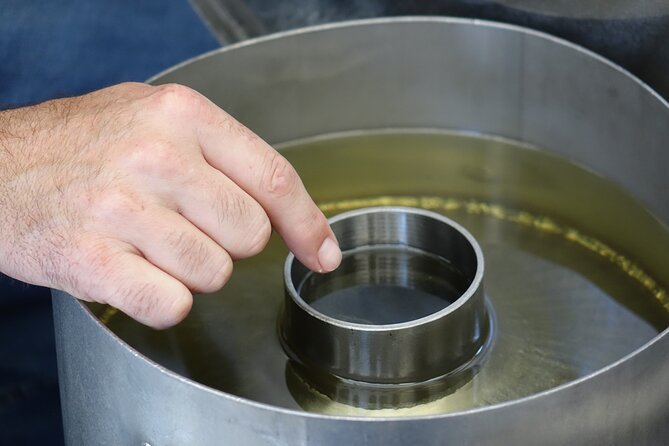
You also learn how organic essential oils are extracted. The oils are used in cosmetics and perfumery, so the distillery portion connects the farm work with products you may already use at home. The explanation is practical and direct, with the staff showing the equipment rather than leaving the process as an abstract idea.
The available information does not specify the exact distillation method, the still’s capacity, or how long a full commercial batch takes. Do not book this expecting a technical certification course. Think of it as a clear introduction to the path from plant to product, with enough participation to make the lesson memorable.
This is also where the workshop earns its price. At $36.01, you are paying for more than access to a field. You receive tools, instruction, a guided production visit, and the products made through the activity. A standard sightseeing stop may cost less, but it would not give you the same contact with the work itself.
A few more farm days around the world worth a look
- Ubud: Monkey Forest, Jungle Swing, Rice Terrace, and Water Temple
★ 5.0 · 7,160 reviews - From Porto: 2 Wine Regions, Farm-to-Table Lunch & Boat
★ 4.9 · 5,724 reviews - Ubud: Waterfalls, Water Temple & Rice Terraces Private Tour
★ 5.0 · 5,484 reviews - Ubud: Waterfall, Rice Terraces & Monkey Forest Private Tour
★ 4.9 · 4,894 reviews
Filling bottles with oil and floral water
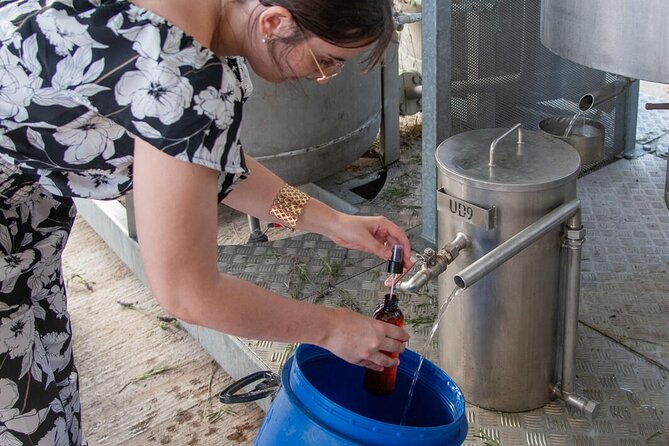
The morning ends with a tangible result. You fill a bottle with floral water and another with the oil extracted with help from your harvested plants. That gives the experience a satisfying finish, since you leave with something connected to the work you completed.
Floral water is often easier for a first-time visitor to appreciate because it carries the plant’s scent in a gentle form. The oil is more concentrated and links directly to the discussion of cosmetics and perfumery. Together, the two bottles show that distillation produces more than one useful product.
The supplied details do not state the bottle sizes, so you should not assume they are large retail containers. Their value is in the connection to the workshop. You can take them home as a reminder of the morning, use them as gifts, or keep them as a practical souvenir of Provence.
The experience also includes a small creative angle. The team discusses perfume and the differences among lavender varieties, and the business offers other fragrance activities. This workshop itself is centered on harvesting and distillation, not on creating a full personal perfume, but it may appeal to you if scent-making is already an interest.
Why the human side matters
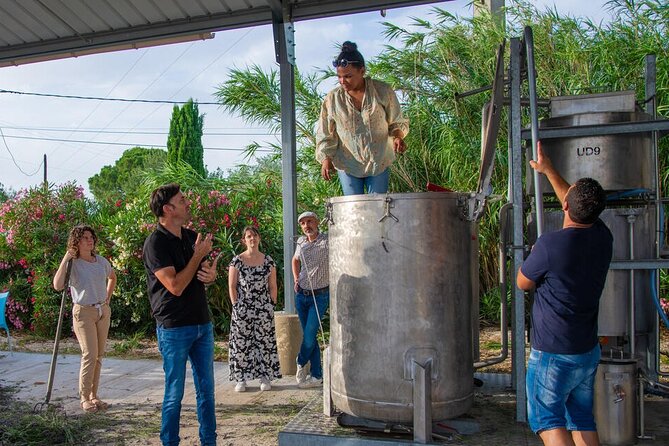
The strongest impression from the available feedback is the warmth of the staff. Gaël is repeatedly linked with passion, humor, and a willingness to share the family business. Laura is singled out as a wonderful guide. The team is described as ready to answer questions and help people understand lavender from field to bottle.
That matters because a hands-on workshop can become awkward if instructions are rushed or if visitors are left unsure how to use the tools. Here, the emphasis is on showing, explaining, and doing. The result should feel more like being welcomed into a working family enterprise than being marched through a display.
The setting also seems to work for mixed ages. The activity is prohibited for children under 10, but older children and adults can take part together. The educational side is not limited to specialists. The explanations include simple sensory details, useful facts about varieties, and the basic mechanics of distillation.
The friendly approach does not mean the workshop is effortless. You still need to work outdoors, handle a cutting tool, and follow safety instructions. If you prefer a seated tasting or a short photo stop, this is not the right format.
Practical details that affect your morning
Wear clothing suitable for outdoor work. Sunscreen is specifically advised, and a hat is worth bringing. Caps are available on site for €6, but that is an extra cost, as are drinks.
Protective gloves and the cutting tool are included. That saves you from bringing specialized equipment, but you should still dress for sun and physical activity. The exact field conditions are not given, so practical shoes are sensible.
The start time is 9:30 a.m. Plan to arrive at the named meeting point, un MAS en PROVENCE Distillerie d’huiles essentielles BIO & Cosmétique en Occitanie, Le Mas Neuf, Avenue du Félibrige, 30127 Bellegarde, France. The workshop returns there at the end.
The experience is offered in English. Confirmation is provided when you book, and service animals are allowed. Since the activity is weather dependent, a poor-weather cancellation results in either a different date or a full refund.
You can cancel for a full refund up to 24 hours before the local start time. Cancellations or changes made inside that 24-hour window are not accepted for a refund. This is worth remembering if your Nîmes plans are still uncertain.
Who will enjoy this workshop most
I would choose this for you if you like meeting producers, learning how everyday products are made, and taking part rather than watching from the edge. It is also a good match for anyone interested in lavender, organic cosmetics, perfume, or Provençal traditions.
Families with children aged 10 and older may find the mix of outdoor work and simple science appealing. Couples and friends will get a shared activity with a small product to take home. It also suits local residents who want to see a nearby business from a fresh angle, not only people visiting from abroad.
You may want to skip it if you dislike sun, dirt, plant handling, or moderate physical activity. The workshop is not designed as a passive indoor tour. You need to be comfortable using the supplied pruning hook and spending part of the morning outside.
At 2.5 hours, it is short enough to fit into a wider itinerary, but do not treat it as a quick stop between tightly timed plans. Weather can change the schedule, and hands-on activities work best when you are not watching the clock.
Is the $36.01 price fair?
For $36.01, the workshop offers a good amount of direct participation. You receive the cutting tool and gloves during the session, instruction in the field, access to the distillery process, and bottles of floral water and oil connected to your work.
The price is strongest if you value the experience itself. If you only want a bottle of lavender product, buying one in a shop would likely be simpler, though the supplied information does not give retail prices for comparison. The workshop earns its cost by showing you how the product is made and letting you take part.
The perfect rating of 4.9 from 20 published ratings and the 100 percent recommendation mark suggest a very consistent level of satisfaction. More important for your decision is the pattern behind that score: people respond especially well to the staff’s warmth, the clear teaching, the mix of fun and useful information, and the chance to reconnect with a traditional way of working.
Should you book the Bellegarde lavender workshop?
Book it if you want a personal, practical introduction to lavender near Nîmes. The best reasons are the chance to harvest with a traditional pruning hook, help load the still, learn how essential oil is extracted, and take home both oil and floral water.
I would be cautious only if you need a fully indoor activity, have limited mobility, are traveling with children under 10, or have a tightly fixed schedule. For everyone else, the combination of field work, distillery access, and friendly instruction gives this short workshop real value.
FAQ
Where does the lavender workshop take place?
It begins and ends at un MAS en PROVENCE Distillerie d’huiles essentielles BIO & Cosmétique en Occitanie, Le Mas Neuf, Avenue du Félibrige, 30127 Bellegarde, France.
How long does the experience last?
The workshop lasts approximately 2 hours and 30 minutes.
What time does the workshop start?
The stated start time is 9:30 a.m.
Is the experience offered in English?
Yes. The experience is offered in English.
What equipment is provided?
A cutting tool and protective gloves are included.
Should I bring anything?
Bring sunscreen. Hats are not included, though a cap can be bought on site for €6. Drinks are also available for purchase.
Are children allowed to join?
Children under 10 are not permitted. The activity is suitable for children aged 10 and older, provided they can manage the moderate physical activity.
What happens if the weather is bad?
The experience requires good weather. If it is canceled because of poor weather, you will be offered another date or a full refund. You can also cancel for a full refund up to 24 hours before the start time.
Just added around the world
- Ubud Rice terrace,Zip-line and waterfall★ 5.0 · 4 reviews
- Full Day Tour to Water Temples UNESCO Rice Terraces in Bali★ 5.0 · 4 reviews
- Explore Ubud Art Market, Monkey Forest and Rice Terraces★ 5.0 · 16 reviews
- Exploring Munduk Village (Waterfalls, rice terrace, Traditional local house)★ 4.5 · 2 reviews
- Ubud Monkey Forest Rice Terrace Temple Waterfall Private Tour★ 5.0 · 7 reviews
- Jatiluwih Spiritual Journey of Melukat with Rice Terrace View★ 5.0 · 9 reviews
- Private Tour to Sumampan Waterfall, Monkey forest, Rice terraces and Swing★ 5.0 · 30 reviews
- Discover Hidden Waterfall, Unesco Rice Terraces and Mountain Temple★ 5.0 · 17 reviews
France Farm Tours, compared.

Versailles Bike Tour with Palace & Queen Farm Entrance
Read our review →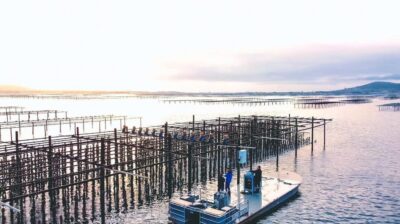
Loupian: Tour guide of our oyster farm and tasting
Read our review →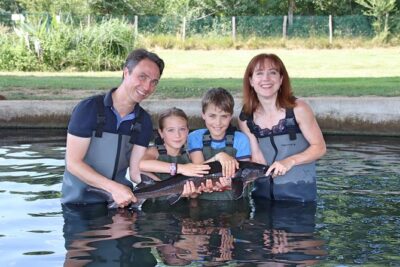
Sturgeon Fish-Farm Visit and Caviar Discovery Tasting in Neuvic
Read our review →
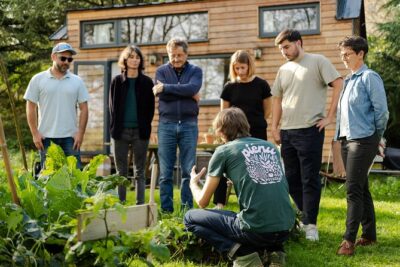
Award winning “From Farm to Table, A Culinary Day in Lyon”
Read our review →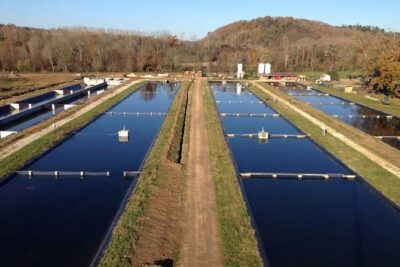
Sturgeon Fish-Farm Visit and Caviar Master Class Tasting in Neuvic
Read our review →
English Tour into the Sturgeon Farm With a Discovery Tasting
Read our review →
From location: Truffle farm visit, culinary workshop, meal
Read our review →Browse the lists this tour appears in