
Review · NEW ORLEANS
Oak Alley Plantation and New Orleans City and Cemetery Tour
Oak Alley’s long avenue of oak trees is the star here, but this outing gives you much more than a plantation visit. You’ll spend several hours seeing New Orleans from an air-conditioned minibus, then head out to the sugar-growing country for Oak Alley’s Greek Revival house and grounds. The two-part format suits a first day in town.
I especially like the included hotel pickup and the chance to see both the French Quarter and the Garden District without arranging separate transport. I also like the cemetery stop, where you’ll learn why above-ground burial became a practical New Orleans custom. The main drawback is time: most of the city portion is viewed from the bus, and combining both tours can feel rushed.
- Oak Alley’s 28 oak trees create the memorable approach to the 1837 plantation house.
- St. Louis Cemetery No. 3 offers a short, guided look at New Orleans burial customs.
- Jackson Square, St. Louis Cathedral, and the Cabildo give first-timers a quick French Quarter orientation.
- St. Charles Avenue and Esplanade Avenue show two very different sides of New Orleans architecture.
- Hurricane Katrina sites add difficult but important context to the city tour.
- Hotel pickup and drop-off make this a useful choice if you want one full sightseeing day with little planning.
Oak Alley and New Orleans in One Long Day

This $125 outing combines two experiences that are often booked separately: a driving tour of New Orleans and a visit to Oak Alley Plantation. The full day lasts about 8 hours and 30 minutes, with pickup beginning between 8:15 and 8:45 in the morning from most major downtown hotels.
That price is reasonable if you value convenience. You get transportation, a city guide, cemetery admission, and plantation admission in one package. You also avoid arranging a separate ride to Oak Alley, which sits well outside the city. The tradeoff is that you are paying for a broad overview, not a slow, highly detailed exploration of every stop.
The minibus holds up to 28 people. That keeps the group smaller than a large coach, though it is still a group tour rather than a private outing. The vehicle is air-conditioned, clean, and comfortable according to the practical details provided, a welcome feature during a long Louisiana day.
You need to be outside your hotel at the start of the pickup window. The bus is identified as Alert Transportation, and the driver may leave if you are not ready. Allow for the full 30-minute pickup window, since the route serves several downtown hotels.
Seeing New Orleans From the Minibus
The city portion gives you a useful first look at New Orleans, particularly if you have only a short stay. Your licensed city guide narrates from the minibus and points out places you can return to later on foot.
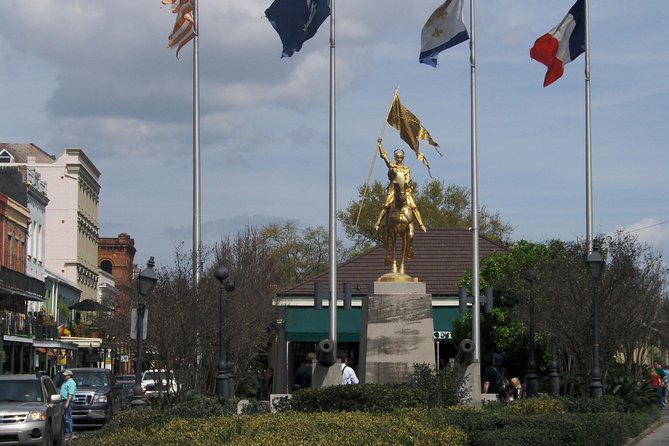
The French Quarter comes first in spirit, even when the bus does not stop at every sight. You’ll see Jackson Square, the place associated with the Louisiana Purchase, and pass St. Louis Cathedral, described here as the oldest cathedral in North America. The Cabildo, once the seat of Spanish colonial city government, adds another layer to the city’s French and Spanish past.
You’ll also pass the six-block outdoor market. The schedule does not promise time to shop there, so think of this as an orientation rather than a market visit. If you want to browse stalls, eat there, or take photographs at your own pace, plan to return on another day.
The guide also covers parts of New Orleans affected by Hurricane Katrina’s floodwaters. This section can be emotional. It helps explain that New Orleans is not only a city of music, food, and grand homes, but also a place shaped by disaster, recovery, and the strength of its communities.
One practical point matters here: the city sightseeing is mainly done from the bus. The advertised stops are the cemetery and a short restroom or snack break, not extended walks through Jackson Square, the French Quarter, or the Garden District. If you want time inside the cathedral, a close look at the Cabildo, or a long stroll through the Quarter, schedule those visits separately.
More Plantation Tours in New Orleans
- Swamp Boat Ride and Oak Alley Plantation Tour from New Orleans
★ 5.0 · 3,303 reviews - Oak Alley Plantation Tour with Transportation from New Orleans
★ 4.5 · 1,747 reviews - Whitney Plantation Tour with Transportation from New Orleans
★ 4.5 · 1,351 reviews
Jackson Square, the Cabildo, and the Creole Story

The guide uses the drive to explain New Orleans culture and the history of its Creole communities. That narration is one of the more important parts of the day because the route covers a lot of ground quickly.
Jackson Square gives you a basic sense of the city’s colonial center. The Cabildo helps place New Orleans within Spanish rule and later American history. Together, these landmarks show why the city feels different from other American destinations. You see layers of government, language, religion, architecture, and trade in a compact part of town.
I would treat this section as a primer. It is useful before you explore the French Quarter on your own, but it cannot replace time on the ground. Take note of the places that interest you and return later, when you can stop for photographs, enter buildings, or sit in the square.
St. Louis Cemetery No. 3 and Above-Ground Tombs
The cemetery stop lasts about 30 minutes and includes admission. Here you get out of the bus for a short guided walk through St. Louis Cemetery No. 3.
Your guide explains New Orleans’ above-ground burial system and the use of reusable tombs. The practice developed from necessity, since the city’s wet ground made traditional underground burial difficult. That detail turns what might seem like an unusual sightseeing stop into a lesson in local conditions and family customs.
This is a compact visit, not a long cemetery study. Thirty minutes is enough for an explanation and a look around, but not enough for a slow photographic wander. Wear comfortable shoes, since walking is required and the day already includes the plantation grounds.
The cemetery stop is also one of the few times you leave the minibus during the city portion. For that reason, I consider it especially valuable. It gives you a real sense of place rather than another view through a window.
Esplanade Avenue and the Garden District

On the way toward City Park and the plantation route, the bus travels along Esplanade Avenue. You’ll see century-old homes and pass the area known for the Dueling Oaks of City Park.
The route then shifts to St. Charles Avenue, the traditional American side of New Orleans. You’ll pass Garden District homes, Ann Rice’s home, Governor Claiborne’s Daughters home from around 1840, and the Elms Mansion. The guide uses these buildings to show the city’s varied architecture.
This is a strong part of the drive for anyone who enjoys houses and urban history. The French Quarter, Esplanade Avenue, and St. Charles Avenue present very different styles and moods. Still, the bus may move slowly because of traffic, but you should not expect to get out and inspect each property.
If grand homes are a major reason for your visit, consider this tour a preview. You can later return to the Garden District for a walking tour, where the buildings make more sense at street level.
More Plantation Tours in the USA
- Laura Creole Plantation Guided Tour
★ 5.0 · 1,279 reviews - Airboat and Plantations Tour with Gourmet Lunch from New Orleans
★ 4.5 · 1,246 reviews - New Orleans: Bayou Swamp Tour and Oak Alley Plantation Tour
★ 4.7 · 1,147 reviews - New Orleans: Oak Alley Plantation & Airboat Swamp Combo Tour
★ 4.7 · 906 reviews
The Road to Oak Alley Plantation

The drive to Oak Alley takes about 1 hour and 15 minutes in normal conditions. That is a significant portion of an 8.5-hour day, so you should be comfortable with a long road transfer.
The route takes you away from the city toward the plantation along the Mississippi River corridor. The drive itself can be uneven, and past conditions have included large potholes. That is not something the company controls, but it is worth knowing if you dislike bumpy roads.
The minibus guide may provide narration along the way, but the amount of commentary can vary. Some outings have included entertaining guides such as Brian, while other arrangements have involved quiet stretches or transfers between buses. The city and plantation portions may also use different drivers.
That possibility matters because this is not always one continuous group. Some people on the same vehicle may be heading to a swamp tour, which can lead to a bus change on the return trip. A past arrangement required some passengers to move to another bus, in one case during rainy weather. Ask the operator about the day’s exact transportation plan if keeping the same vehicle is important to you.
Walking Under Oak Alley’s 28 Trees

Oak Alley is the visual reward for the long drive. Twenty-eight large, evenly spaced oak trees form the famous approach from the river road to the plantation house.
The house was built in 1837 in Greek Revival style. Its columns, straight lines, and long tree-lined entrance create the grand image many people associate with an old Southern plantation. The setting is striking, but the visit should not be reduced to a pretty photograph.
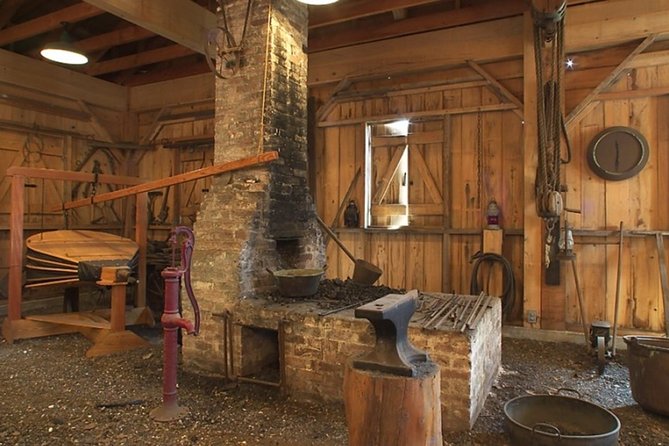
The guided house tour is led by staff in plantation-style clothing and covers the building and its past. The grounds also include antique farm equipment, a blacksmith shop, a restaurant, and a souvenir shop. A praline-making demonstration has also been part of the attraction, giving you a small taste of local food culture.
You’ll have about two hours at Oak Alley, with free time included. The exact balance between the house tour and your own time can feel tight, especially if you want to eat, shop, see the outbuildings, and take photographs.
Walking is required. The plantation house is about one block from the restaurant and souvenir shop, with benches along the shaded oak-lined path. That helps, but you should still wear supportive shoes and be ready for outdoor walking.
The Hard History Behind the Pretty Setting

Plantation visits require care. Oak Alley presents the main house, grounds, farm equipment, and plantation history, but the treatment of enslaved people is a serious concern for anyone choosing this type of attraction.
The experience includes a contrast between the owner’s quarters and the quarters associated with enslaved workers. Some visitors have found the treatment educational, while others have felt that the presentation did not adequately represent the harshness of enslaved life. That difference is important. The beautiful avenue of oaks should not distract from the people whose labor made plantation wealth possible.
I recommend going with an alert mind. Listen for what is explained, notice what is absent, and leave room for the subject’s painful realities. If your main goal is a detailed study of slavery and plantation labor, you may want to compare Oak Alley with other historic sites before booking. This outing gives you a broad introduction, not a full examination of every aspect of plantation life.
Food, Restrooms, and the Long Schedule
Lunch is not included. Oak Alley has a restaurant, so you may be able to buy food there during your free time, but you should budget separately and not assume you will have a leisurely meal.
The tour includes a 20-minute restroom and snack break in the middle of the day. That stop is useful on such a long outing, though it may feel brief after you have already stretched your legs at the cemetery.
Because you spend much of the day seated, bring water and a small snack if allowed by the operator. Wear shoes suitable for the cemetery and plantation path. Summer heat, humidity, rain, traffic, parades, and road restrictions can all extend the schedule.
The tour is conducted in English. Service animals are permitted, but emotional support animals are not. Most people can participate, though the walking at the cemetery and plantation should be considered before booking.
Is $125 Good Value?
I think the price works best for a first visit or a short stay. You are getting hotel transportation, a city overview, cemetery entry, plantation entry, and roughly a full day of sightseeing without having to rent a car or coordinate separate bookings.
The value drops if you want long stops and plenty of independent time. You do not get a full afternoon in the French Quarter, a dedicated Garden District walk, or an extended exploration of Oak Alley’s grounds. The city portion is designed to show you what to revisit later.
At its best, the tour gives you a useful map of New Orleans and a memorable plantation visit in one day. At its weakest, transfers, pickup delays, traffic, and limited stop time can make the day feel like too many hours on a bus.
Who Should Book This Tour?
I would choose it for first-time visitors, families with limited time, and anyone who wants history explained while someone else handles the driving. It also suits people who want Oak Alley but do not want to arrange transport from New Orleans.
I would be more cautious if you dislike fixed schedules, bus tours, or short visits at major landmarks. If you already know New Orleans well, separate walking tours may give you more value. If plantation history is your central interest, look closely at how much time you want at the site and what kind of interpretation you expect.
The tour offers free cancellation up to 24 hours before departure. For pickup, be ready outside your hotel during the stated window, and carry some cash if you plan to tip the driver or guide.
Should You Book It?
Book this if you want one efficient day covering New Orleans and Oak Alley, and you accept that the city sights are mostly viewed from the minibus. The cemetery stop, the Katrina discussion, and the contrast between French Quarter and Garden District architecture give the day real substance.
Skip it if you want slow exploration, independent meals, or a focused plantation study. For the right visitor, the convenience is the point. You see a lot, learn the city’s basic shape, and leave with a clear idea of where to spend more time later.
FAQ
How long does the Oak Alley and New Orleans tour last?
The experience lasts approximately 8 hours and 30 minutes, though traffic, parades, and road restrictions can make it run longer.
What time is hotel pickup?
Pickup begins at about 8:15 a.m. and may occur anytime through roughly 8:45 a.m. You need to be outside your pickup location at the beginning of the window.
Which hotels can arrange pickup?
Pickup is offered from most major downtown New Orleans hotels. If your hotel is not listed, you should provide its details in the comments or contact the operator directly.
What sights are included in the New Orleans portion?
You’ll see Jackson Square, St. Louis Cathedral, the Cabildo, the six-block outdoor market, Esplanade Avenue, St. Charles Avenue, Garden District homes, and areas affected by Hurricane Katrina’s flooding.
Do I get out of the bus during the city tour?
The planned city stops are St. Louis Cemetery No. 3 and a 20-minute restroom or snack break. Much of the city sightseeing takes place from the minibus.
Is admission to Oak Alley included?
Yes. Admission to Oak Alley Plantation is included, as is admission to St. Louis Cemetery No. 3.
Is lunch included?
No. Food and drinks are not included. Oak Alley has a restaurant where you can use some of your free time.
How much walking is required?
Walking is required at St. Louis Cemetery No. 3 and Oak Alley Plantation. The path between the plantation house and the restaurant and shop is about one block, with benches along the route.
Can I cancel for a refund?
You can cancel for a full refund if you do so at least 24 hours before the experience’s start time. Cancellations or changes made less than 24 hours in advance are not accepted for a refund.
Just added around New Orleans
- Whitney Plantation Tour with Transportation★ 4.0 · 29 reviews
- Whitney Plantation and Soul of New Orleans City Tour Combo★ 5.0 · 13 reviews
- St. Joseph and Felicity Plantation Combo Tour★ 5.0 · 4 reviews
- St. Joseph Plantation Tour★ 4.5 · 30 reviews
- Two Plantation Tour: Oak Alley and Laura or Whitney★ 5.0 · 7 reviews
- Private Airboat Ride and Plantations Tour with Gourmet Lunch from New Orleans★ 5.0 · 50 reviews
- Small Airboat and Oak Alley Plantation Tour from New Orleans★ 4.5 · 23 reviews
- N’awlins Luxury: Laura, Oak Alley or Whitney Plantation Tour w/Transportation★ 4.5 · 46 reviews
New Orleans Farm Tours, compared.

Swamp Boat Ride and Oak Alley Plantation Tour from New Orleans
Read our review →
Oak Alley Plantation Tour with Transportation from New Orleans
Read our review →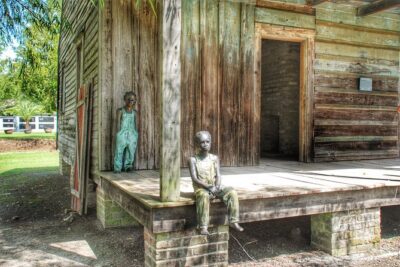
Whitney Plantation Tour with Transportation from New Orleans
Read our review →

Airboat and Plantations Tour with Gourmet Lunch from New Orleans
Read our review →
Bayou Swamp Tour and Oak Alley Plantation Tour
Read our review →
Oak Alley Plantation and Large Airboat Swamp Tour from New Orleans
Read our review →
Browse the lists this tour appears in