
Review · NEW ORLEANS
Laura Creole Plantation Guided Tour
Laura Plantation offers a close look at Creole Louisiana, using family memoirs and French archival records to tell the story of four generations. The tour moves through the main house, gardens, sugar fields, and original 1840s slave cabins, so you see both the polished home and the harder reality behind it.
I like the way the tour connects family personalities with the daily business of a sugar plantation. I also like that it addresses slavery directly instead of treating the subject as a footnote. Guides such as Lee, Pam, Cameron, and Amelia have earned praise for clear storytelling and strong command of the era.
The main drawback is the location. Laura Plantation is about an hour from New Orleans, and the $32.06 admission can become a costly outing if you need paid transportation. The tour also keeps you moving, so look closely when you can.
Key points to know before you go
- Four generations of one Creole family: The story comes from Laura Locoul’s memoir and records held in French archives.
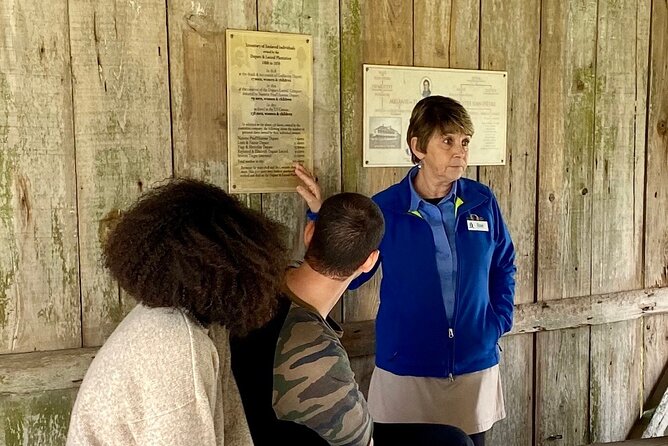
- Original 1840s slave cabins: The tour discusses the lives of enslaved people as well as the plantation owners.
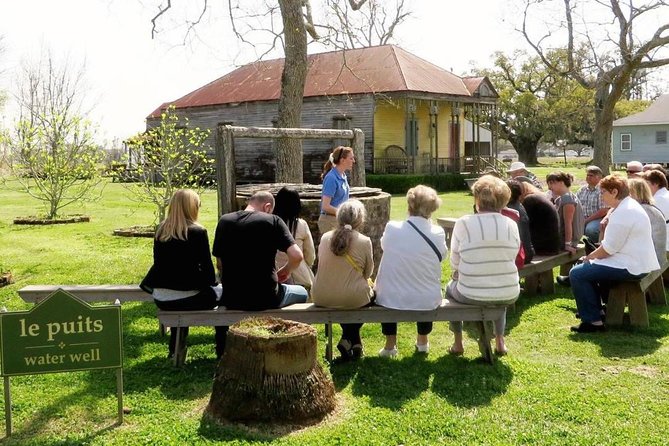
- A fully guided 70-minute visit: You see the main house, gardens, cabins, and sugar fields with a local guide.
- Strong guide-by-guide variation: Pam, Lee, Cameron, Amelia, Joseph, and others have been praised for warmth, humor, and clear explanations.
- A self-drive destination: Laura is roughly one hour from New Orleans on the Great River Road.
- A tour that requires attention: You may not get a second chance to inspect rooms or views, so stay alert and take photos promptly.
Why Laura Plantation tells a different Creole story
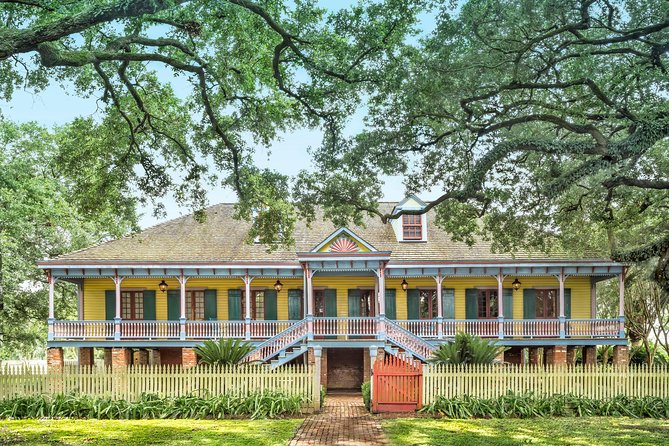
Laura Plantation was founded in 1804 by the French-descended Duparc family. Its story reaches across more than 200 years of Creole culture in Louisiana, with the plantation itself providing a specific setting for understanding how that culture developed.
The word Creole can mean different things in different places and periods. Here, the tour focuses on the Louisiana Creole world connected to the Duparc family, French influence, plantation life, and the people who lived and worked at Laura. You are not simply looking at an old house. You are following the changing lives of a family, the enslaved people they controlled, and the society around them.
Much of the account comes from Laura Locoul, a fourth-generation family member who wrote a memoir about the plantation. Records found in the French National Archives add another layer. That written material gives the guide names, relationships, events, and personal details to work with instead of relying only on general statements about plantation life.
That matters because plantation tours can easily become a parade of architecture and family names. Laura has more material for connecting the building to real people. The best guides use that material to explain the owners’ personalities, the plantation business, and the lives of people who were forced to keep it running.
More Plantation Tours in New Orleans
- Swamp Boat Ride and Oak Alley Plantation Tour from New Orleans
★ 5.0 · 3,303 reviews - Oak Alley Plantation Tour with Transportation from New Orleans
★ 4.5 · 1,747 reviews - Whitney Plantation Tour with Transportation from New Orleans
★ 4.5 · 1,351 reviews
Entering the 24,000-square-foot main house
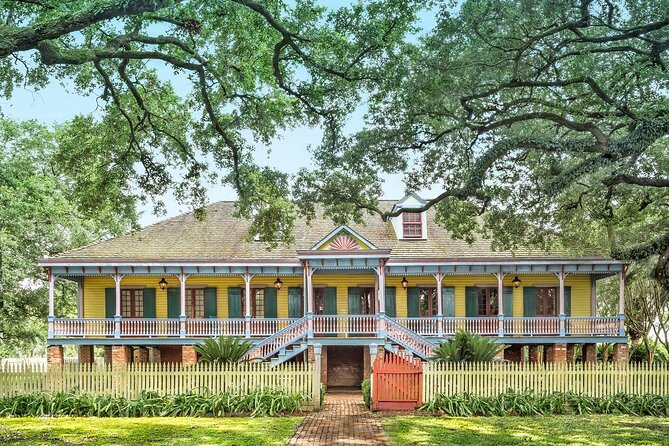
The tour begins with the Maison Principale, the furnished main house. The building gives you a sense of the scale and social order of plantation life, but the important point is what the guide does with it.
You move through the house as part of a set route, listening to stories about four generations of the family. The focus is not only on furniture or architecture. Guides explain how the people who owned Laura lived, made decisions, managed the property, and depended on enslaved labor.
That contrast is one of the strongest parts of the tour. You see rooms associated with comfort and authority, then hear how the plantation operated through the work of people who had no freedom. The visit does not present the family story as separate from slavery. It places the two together, as they belonged together.
Pay attention to the guide’s examples of family personalities. Several guides have been praised for making the people of Laura feel distinct rather than turning them into a list of names. Amelia, for example, was praised for her grasp of the period, while Joseph was described as both informed and entertaining. Those qualities matter in a short tour, because a dry account can make even a beautiful house feel distant.
One practical point: you may not be able to return to every room after the group moves on. One review specifically advises looking carefully as you go, since you do not always get another chance to examine an area. If a room interests you, take in the details immediately and ask your question before the group leaves.
The 1840s cabins and the reality of slavery
The original 1840s slave cabins are essential to the visit. They shift the focus away from the owners’ house and toward the people whose labor supported the plantation.
The tour discusses enslaved lives, the work they performed, and the unequal relationship between the owners and the people they held in bondage. It also looks at the free and enslaved people connected to the plantation across four generations. This is not a polished plantation story that skips the central injustice.
Still, you should set your expectations carefully. Some visitors have wanted more detail about the day-to-day lives of enslaved people. The plantation has stated that it is revising the tour to include more stories and experiences that explain that reality. At present, the discussion is direct and important, but the amount of detail can depend on the guide and the questions you ask.
I recommend asking questions. The tour is designed to allow them, and a good question can move the discussion beyond the basic outline. Ask about work, family life, freedom, the plantation economy, or how the family’s position changed over time. The guide may be able to add context that cannot fit into the standard talk.
The setting itself also helps. Standing near the cabins after seeing the main house makes the contrast hard to ignore. You are not being asked to treat the plantation as a pretty old estate alone. You are looking at a place shaped by forced labor and unequal power.
Gardens, sugar fields, and the outdoor portion
Laura’s gardens and sugar fields add physical context to the tour. You see the property rather than remaining inside the house, and the outdoor sections help explain that this was a working sugar plantation.
The gardens are described as intricate and well maintained. They add beauty, but do not let the pleasant setting soften the subject. The grounds worked best for me as part of the larger story: the house represents the owners’ world, the cabins show where enslaved people lived, and the fields point to the labor and business that tied everything together.
A portion of the tour takes place outdoors, so comfortable walking shoes are a smart choice. Louisiana weather can be hot, wet, or changeable, and the tour operates in all weather conditions. Dress for the day rather than for the photographs. The property is attractive, but this is not a seated museum visit.
The grounds also offer space to notice details that can be missed during the guide’s talk. Look at the arrangement of the buildings, the relationship between the house and work areas, and the way the gardens frame the estate. Since the guided route may keep you moving, use every pause well.
More Plantation Tours in the USA
- Airboat and Plantations Tour with Gourmet Lunch from New Orleans
★ 4.5 · 1,246 reviews - New Orleans: Bayou Swamp Tour and Oak Alley Plantation Tour
★ 4.7 · 1,147 reviews - New Orleans: Oak Alley Plantation & Airboat Swamp Combo Tour
★ 4.7 · 906 reviews - Oak Alley Plantation and Large Airboat Swamp Tour from New Orleans
★ 4.5 · 712 reviews
What the guides add to the visit
The guide is the key variable here. The strongest feedback points to guides who explain clearly, answer questions, and connect the facts to individual people.
Cameron was praised for presenting both Creole culture and the lives of owners and enslaved people. Lee received similar praise for explaining how the plantation worked and what it means to be Creole. Pam has been described in different ways, including as funny and highly informed, but one negative account found her hurried and difficult to understand. That contrast is worth noting.
A short plantation tour depends heavily on pace and delivery. If the guide speaks too quickly, an important story can pass before you have time to absorb it. One complaint also involved difficulty hearing the guide near a noisy fan in the cellar. This is not a reason to skip the tour, but it is a reminder to stand where you can hear and ask for clarification when needed.
The group limit is 28 people. That is small enough for questions in many departures, though the feel will depend on how full your particular tour is. A very small group can feel almost private. One party of six had a private-feeling visit because no one else had booked that departure.
Tours are offered daily in English and French. The booking information lists English for this activity, so check the selected departure if language matters to you.
Getting there from New Orleans
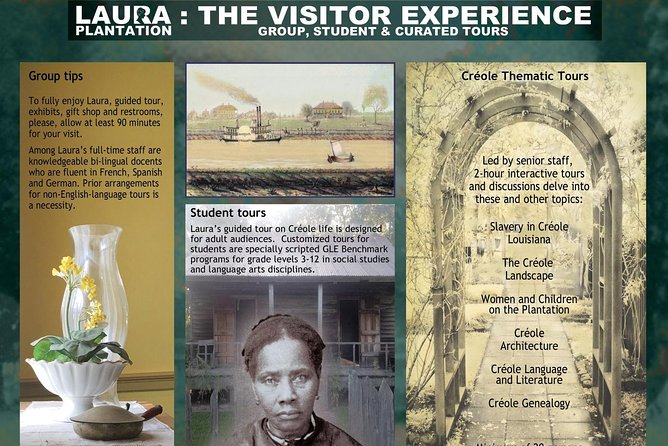
Laura Plantation is at 2247 LA-18 in Vacherie, Louisiana. It is roughly a one-hour drive from New Orleans along the Great River Road beside the Mississippi.
The admission price is $32.06 per person. For a 70-minute guided visit, that is a fair price if you value a focused historical account and access to the house, grounds, and cabins. The value comes less from the length than from the material and the guide. You are paying for a structured interpretation of a complicated place, not simply permission to walk around an old building.
The cost becomes less attractive if you must arrange private transportation. Laura Plantation does not provide hotel pickup and drop-off. It partners with outside transportation operators, but prices vary, and a separate ride can cost more than the admission itself. If you can drive, the economics are much better.
The plantation is also a useful stop if you plan to visit other sites along the Great River Road. You can continue exploring nearby plantations after the tour, turning Laura into part of a larger day rather than making a long drive for only 70 minutes.
Timing, access, and practical details
The tour lasts about one hour and 10 minutes. That is long enough for a serious introduction but short enough to fit into a day of sightseeing. Give yourself extra time before the start so you are not rushing into the group.
A mobile ticket is accepted, and confirmation is provided at booking. Snacks and drinks are available for purchase, but they are not included. The tour ends back at the plantation meeting point.
Most people can take part, but expect walking and some outdoor time. Only the ground floor of the main house is ADA accessible. Service animals are allowed. If mobility or access is important for you, contact the plantation before booking so you can confirm that the route suits your needs.
Book ahead if you need a particular day. The experience is often reserved about 25 days in advance, which suggests that popular dates can fill. Free cancellation is available up to 24 hours before the start time. Cancellations or changes inside that window are not refunded, and poor weather can lead to a new date or a full refund.
Who will appreciate Laura Plantation most
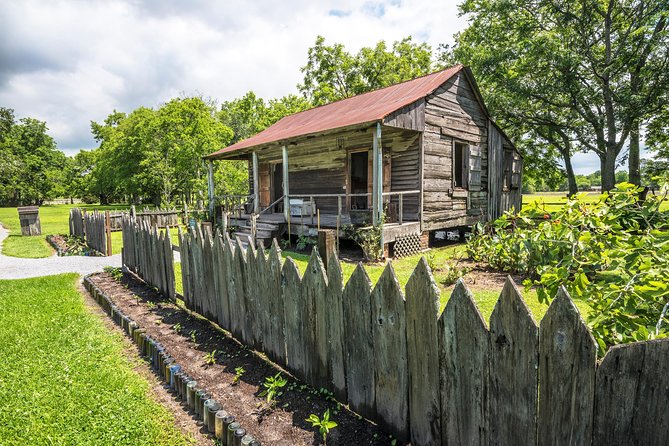
I would choose Laura for anyone who wants more than attractive architecture. The tour suits you if you want to understand Creole culture through one family’s story and also examine the plantation system that supported that family.
It is especially useful for visitors who want a direct discussion of slavery. The tour does not avoid the subject, though you may want to ask questions if you need more detail about daily life for enslaved people.
Families with older children and teenagers may find the contrast between the main house and cabins useful for discussion. The 70-minute length is manageable, but the subject is serious. Adults interested in architecture will also find material here, since the tour includes the house, grounds, and building design.
I would hesitate if you have only a few hours in New Orleans and no car. The drive and transportation cost may outweigh the admission price. I would also hesitate if you prefer to explore at your own pace, since this is a guided route and you may not be able to go back through the house afterward.
Should you book Laura Plantation?
Book it if you want a focused, honest look at Louisiana Creole life, plantation business, and slavery in one carefully preserved setting. The combination of family records, Laura Locoul’s memoir, original cabins, and informed guides gives the visit substance.
Skip it if the one-hour drive is a major burden or if paid transportation makes the outing too expensive. If you go, drive yourself when possible, wear good shoes, watch the weather, and pay close attention as the group moves through the house.
At $32.06, Laura Plantation offers good value for a well-led visit. Its greatest strength is the human scale: four generations of one family, the enslaved people whose work sustained the estate, and the Creole culture that shaped Louisiana for centuries.
FAQ
Where is Laura Plantation located?
Laura Plantation is at 2247 LA-18, Vacherie, Louisiana, about one hour from New Orleans along the Great River Road.
How long does the guided tour last?
The tour lasts approximately one hour and 10 minutes.
What does the tour include?
The guided visit includes the Maison Principale, gardens, and original 1840s slave cabins. It also covers four generations of a Louisiana Creole family, including free and enslaved people.
Is transportation from New Orleans included?
No. Hotel pickup and drop-off are not included, and you must make your own way to the plantation.
What is the admission price?
The listed price is $32.06 per person.
Is the tour offered in English?
Yes. The activity is offered in English, and daily tours are also offered in French.
Can I use a mobile ticket?
Yes. The experience provides a mobile ticket, and confirmation is received at booking.
Is Laura Plantation accessible to people using wheelchairs?
Only the ground floor of the main house is ADA accessible. The tour also includes outdoor areas, so confirm your needs before booking.
What should I wear?
Wear good walking shoes and dress for the weather. Part of the tour takes place outdoors, and the experience operates in all weather conditions.
Can I cancel for a refund?
You can cancel at least 24 hours before the start time for a full refund. Cancellations or changes made less than 24 hours before the start time are not refunded. If poor weather causes the plantation to cancel, you will be offered another date or a full refund.
Just added around New Orleans
- Whitney Plantation Tour with Transportation★ 4.0 · 29 reviews
- Whitney Plantation and Soul of New Orleans City Tour Combo★ 5.0 · 13 reviews
- St. Joseph and Felicity Plantation Combo Tour★ 5.0 · 4 reviews
- St. Joseph Plantation Tour★ 4.5 · 30 reviews
- Two Plantation Tour: Oak Alley and Laura or Whitney★ 5.0 · 7 reviews
- N’awlins Luxury: Laura, Oak Alley or Whitney Plantation Tour w/Transportation★ 4.5 · 46 reviews
- Private Airboat Ride and Plantations Tour with Gourmet Lunch from New Orleans★ 5.0 · 50 reviews
- Small Airboat and Oak Alley Plantation Tour from New Orleans★ 4.5 · 23 reviews
New Orleans Farm Tours, compared.
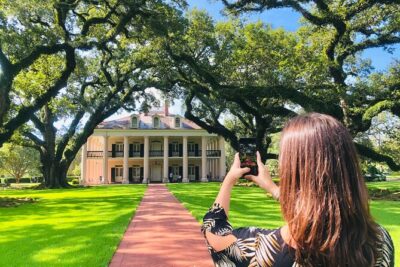
Swamp Boat Ride and Oak Alley Plantation Tour from New Orleans
Read our review →
Oak Alley Plantation Tour with Transportation from New Orleans
Read our review →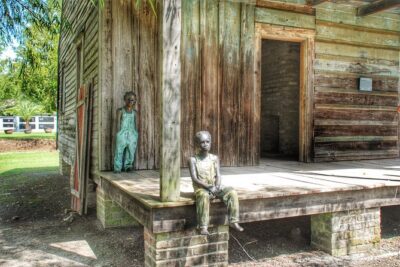
Whitney Plantation Tour with Transportation from New Orleans
Read our review →
Airboat and Plantations Tour with Gourmet Lunch from New Orleans
Read our review →
Bayou Swamp Tour and Oak Alley Plantation Tour
Read our review →
Oak Alley Plantation and Large Airboat Swamp Tour from New Orleans
Read our review →

Browse the lists this tour appears in