

Review · NEW ORLEANS
Felicity Plantation Tour
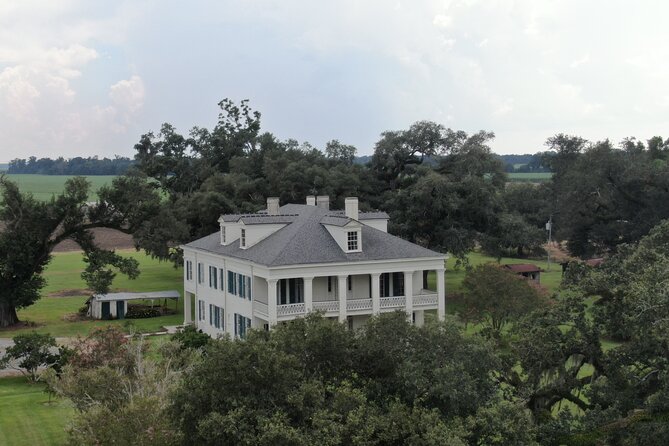
Felicity Plantation gives you a close look at Louisiana’s plantation era without turning the past into a pretty postcard. The preserved plantation house and grounds connect architecture, family life, and the work of enslaved people who built and sustained the property.
I like the guided house tour, which gives the visit a clear human focus, and I like that your ticket also includes time to walk the grounds at Felicity and St. Joseph on your own. The main consideration is time: the guided portion lasts about 90 minutes, so the visit is brief if you want to linger over every room and outdoor detail.
Key points to know
- Felicity’s guided house visit covers plantation life, family history, architecture, and the experiences of enslaved people.
- Self-guided grounds access at both Felicity and St. Joseph gives you room to look around at your own pace.
- St. Joseph’s guided tour costs an extra $22 per person, so decide before you arrive if you want a fuller visit.
- A neighboring sugar cane processing museum adds another possible stop to your plantation day.
- Films such as 12 Years a Slave, Mudbound, and the Roots remakes offer useful cultural context for the setting and its difficult stories.
- The $24 ticket is a reasonable choice if you want a focused historical visit rather than a long, all-day plantation outing.
What Felicity Plantation helps you understand
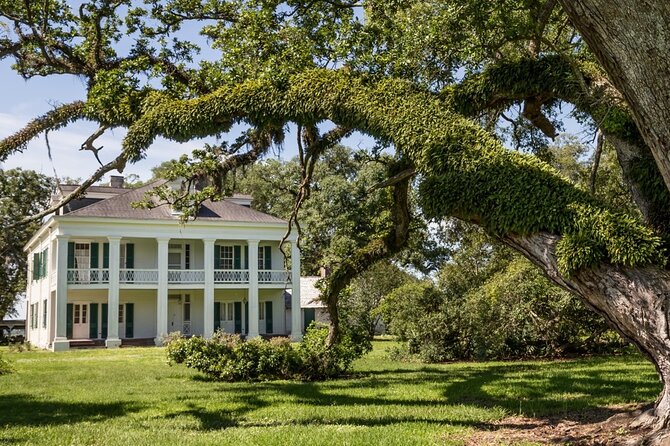
Felicity Plantation is best approached as a place where two histories meet. You see the house connected to the families who owned the property, but you also learn about the enslaved people whose labor made plantation life possible.
That balance matters. A plantation house can look graceful from the outside, with old rooms and broad grounds that seem designed for quiet reflection. Yet the wealth behind that setting came from a forced labor system. A useful tour has to explain both sides, and this experience aims to do that in a respectful, educational way.
The setting also helps explain why plantation history remains part of Louisiana’s cultural identity. The buildings, grounds, and stories are not separate from the region’s foodways, economy, architecture, and family histories. You are not simply looking at an old home. You are examining a system that shaped the area for generations.
The tour also has a link to popular culture. Felicity and the surrounding plantation country evoke the settings seen in 12 Years a Slave, Mudbound, and the newer Roots adaptations. Those films are not substitutes for historical study, but they can help you recognize the kinds of social divisions and harsh working conditions that shaped the era.
More Plantation Tours in New Orleans
- Swamp Boat Ride and Oak Alley Plantation Tour from New Orleans
★ 5.0 · 3,303 reviews - Oak Alley Plantation Tour with Transportation from New Orleans
★ 4.5 · 1,747 reviews - Whitney Plantation Tour with Transportation from New Orleans
★ 4.5 · 1,351 reviews
Inside the preserved house
The guided portion focuses on the plantation house. You move through historic rooms while the guide explains how the property functioned and how the people connected to it lived.
Expect the house visit to combine architectural details with social history. You may notice the arrangement of rooms, the materials, and the way the home reflects the status of the family that owned it. The more important question, though, is what the house does not show by itself. Its comfort depended on work performed by enslaved people, and the tour places that labor within the larger story.
This is where the guide adds value. Without explanation, an old room can become just another photograph. With context, it becomes evidence of wealth, hierarchy, domestic work, and the sharp divide between owners and the people they controlled.
The experience is offered in English. Since the guided visit is the core of the ticket, you should plan to listen closely rather than treat it as a quick walk through an old building. The available information does not name individual guides, so you should not book expecting a particular presenter.
The stories of enslaved people
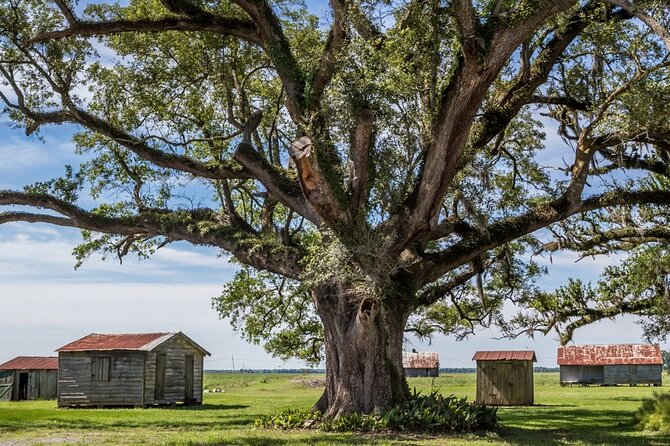
The strongest reason to visit is the attention given to enslaved people. Plantation tours can easily focus too much on the owners, their possessions, and the design of the home. Felicity makes the labor system part of the central story.
You learn how enslaved people helped build and sustain plantation life. That means thinking beyond the house itself. The grounds, agricultural work, household routines, and wealth of the owners all connect to forced labor.
The tour does not turn this history into a simple morality lesson. Instead, it gives you a setting where the contradiction is visible. The house may be preserved, but preservation does not make the past comfortable. You are asked to consider who had control, who performed the work, and who benefited from it.
That approach suits anyone who wants more than an attractive old building. Parents, students, history-minded visitors, and people familiar with the films mentioned above may find the visit especially useful. I would also recommend it to anyone trying to understand Louisiana beyond its food, music, and French and Spanish colonial associations.
Walking the Felicity and St. Joseph grounds
Your ticket includes self-guided access to the grounds at Felicity and St. Joseph. This changes the pace of the visit. The guided house portion gives you a framework, while the outdoor time lets you pause and look at the setting without having to stay with a group.
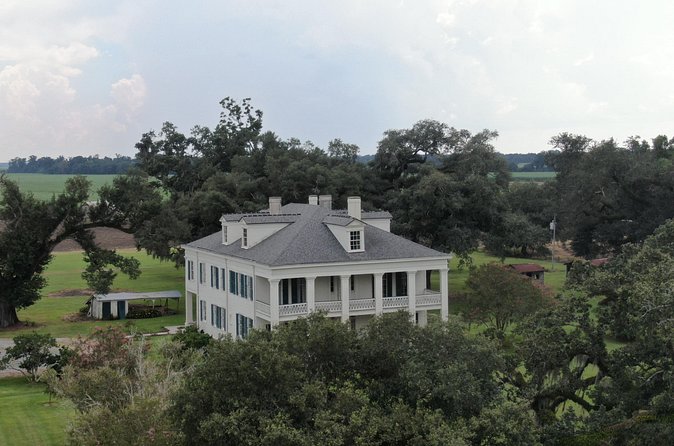
At Felicity, use the grounds to connect the house to the wider plantation property. Look back at the building after hearing about the people who lived and worked there. The setting may help you understand the difference between the public image of plantation life and the labor that supported it.
The same ticket includes the grounds of St. Joseph Plantation. This is useful if you want to compare the two sites, but keep your expectations clear. The St. Joseph grounds are self-guided with this ticket. The guided St. Joseph house tour is not included.
That distinction is important when planning your budget and schedule. If you want the extra interpretation at St. Joseph, it costs $22 per person. If you are satisfied with Felicity’s guided visit and outdoor access at both properties, the base ticket may be enough.
More Plantation Tours in the USA
- Laura Creole Plantation Guided Tour
★ 5.0 · 1,279 reviews - Airboat and Plantations Tour with Gourmet Lunch from New Orleans
★ 4.5 · 1,246 reviews - New Orleans: Bayou Swamp Tour and Oak Alley Plantation Tour
★ 4.7 · 1,147 reviews - New Orleans: Oak Alley Plantation & Airboat Swamp Combo Tour
★ 4.7 · 906 reviews
The neighboring sugar cane museum
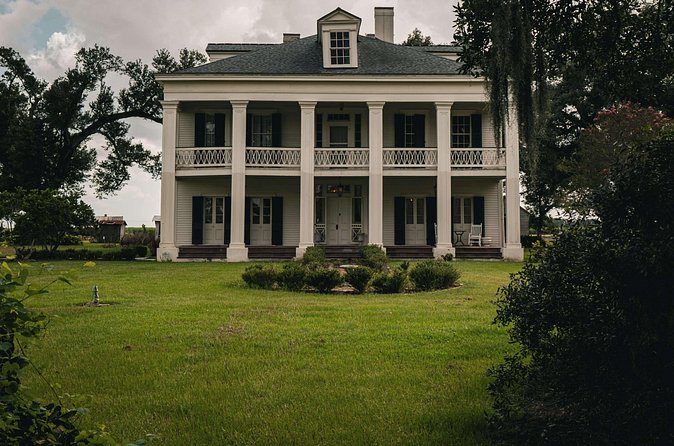
One useful addition is a museum dedicated to sugar cane processing at the neighboring plantation. The available details do not state that this museum is part of the $24 ticket, so confirm admission before counting on it as included.
Still, the subject fits the visit well. Sugar production helps explain the economic purpose of plantation agriculture and the labor demands placed on enslaved people. A plantation house shows the social result of that wealth. A processing museum can help you understand the production side.
If you are interested in how crops became income, this may be worth adding to your day. If your main goal is the human and architectural story at Felicity, you can keep the visit centered on the included guided tour and grounds.
How the $24 price measures up
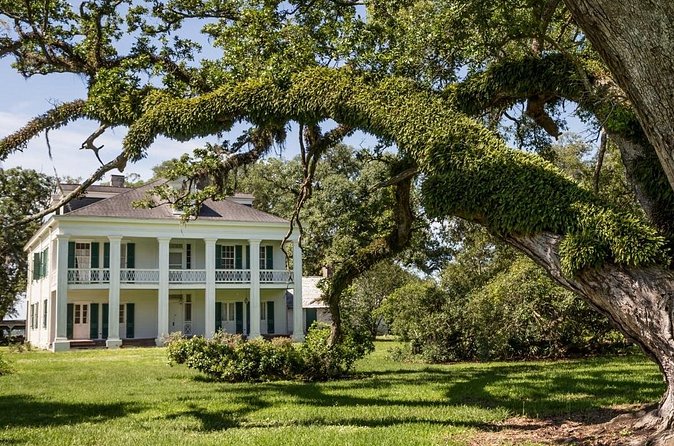
At $24 per person, Felicity Plantation offers a focused historical visit at a moderate price. You receive a guided tour of Felicity, self-guided access to Felicity’s grounds, and self-guided access to St. Joseph’s grounds.
That package gives you more than a single house walkthrough. You can hear an interpreted history, then spend time outside and compare the two plantation settings. For someone who wants a manageable stop near New Orleans, that is solid value.
The price becomes less straightforward if you want every available feature. Adding the guided St. Joseph Plantation tour brings the listed cost to another $22 per person. The neighboring sugar cane processing museum may also require separate admission, so a full day of plantation visits can cost more than the basic ticket suggests.
I would choose the $24 option if you want a short, guided introduction and the freedom to explore outdoors. I would consider the additional St. Joseph tour if you are making plantation history a major part of your New Orleans itinerary and want more guided interpretation.
The 90-minute pace
The listed duration is about 1 hour and 30 minutes. That makes Felicity easy to fit into a busy day, but it also means you should not expect an exhaustive study of every building, person, and period connected to the plantation.
The guided part provides structure. The self-guided grounds give you a little flexibility, though your total time will depend on how long you spend looking around. If you read slowly, take photographs, or plan to add St. Joseph’s guided tour, allow more time than the basic 90-minute estimate.
The short format may suit families and people with limited time. It also works well for anyone who wants to pair the plantation with other New Orleans activities. The tradeoff is that a complex subject receives a compact treatment. You will get an introduction and important context, not a complete course in Louisiana history.
Practical details before you go
The experience is offered in English. Confirmation is provided when you book, and service animals are allowed. The information also states that most people can participate.
The visit requires good weather. If poor weather causes a cancellation, you are offered a different date or a full refund. Since some of your time is spent on the grounds, check the forecast before you leave and bring whatever basic weather protection you normally use.
You can cancel for a full refund up to 24 hours before the start time. Cancellations or changes made within 24 hours are not accepted for a refund. The cut-off follows local time, so keep that in mind if you are booking from another time zone.
The experience is often reserved about 12 days ahead. That does not guarantee that every date fills up, but it is a useful planning signal. If Felicity is an important part of your New Orleans schedule, booking ahead is sensible.
Who should book Felicity Plantation

I would recommend this visit to you if you want:
- A guided introduction to plantation history near New Orleans
- Honest discussion of enslaved people and forced labor
- A preserved house with historical and cultural context
- Time to explore two plantation grounds at your own pace
- A shorter visit that can fit into a larger itinerary
- A reasonably priced alternative to a longer plantation package
It may not be the best choice if you want a full-day excursion, extensive transportation arrangements, or a long guided tour of multiple buildings. The base ticket is also less suitable if you expect the St. Joseph guided tour to be included.
You should also come prepared for serious subject matter. The setting may be scenic, but the history includes enslavement, inequality, and the human cost of plantation wealth. The visit works best when you give those subjects your full attention.
Should you book this tour?
Book Felicity Plantation if you want a compact but thoughtful visit that places the plantation house within the wider story of Louisiana’s labor system and culture. The guided Felicity tour, included grounds access, and nearby St. Joseph grounds make the $24 price appealing.
Add St. Joseph’s guided tour only if you want more formal interpretation and are comfortable paying another $22 per person. If you have limited time, stick with Felicity and use the outdoor access to slow down and reflect. For a first look at plantation history near New Orleans, this is a practical choice with real educational value.
FAQ
How long does the Felicity Plantation tour take?
The experience lasts approximately 1 hour and 30 minutes. Spending extra time on the grounds or adding the guided St. Joseph tour will make your visit longer.
What does the $24 ticket include?
The ticket includes a guided tour of Felicity Plantation, self-guided access to the Felicity grounds, and self-guided access to the grounds of St. Joseph Plantation.
Is the St. Joseph Plantation guided tour included?
No. The guided St. Joseph Plantation tour costs an additional $22 per person.
Is the tour offered in English?
Yes. The experience is offered in English.
Can I cancel for a full refund?
Yes. You can cancel at least 24 hours before the start time for a full refund. Cancellations or changes made within 24 hours are not accepted for a refund.
What happens if bad weather cancels the experience?
If poor weather causes a cancellation, you are offered a different date or a full refund.
Just added around New Orleans
- Whitney Plantation Tour with Transportation★ 4.0 · 29 reviews
- Whitney Plantation and Soul of New Orleans City Tour Combo★ 5.0 · 13 reviews
- St. Joseph and Felicity Plantation Combo Tour★ 5.0 · 4 reviews
- St. Joseph Plantation Tour★ 4.5 · 30 reviews
- Two Plantation Tour: Oak Alley and Laura or Whitney★ 5.0 · 7 reviews
- Private Airboat Ride and Plantations Tour with Gourmet Lunch from New Orleans★ 5.0 · 50 reviews
- Small Airboat and Oak Alley Plantation Tour from New Orleans★ 4.5 · 23 reviews
- N’awlins Luxury: Laura, Oak Alley or Whitney Plantation Tour w/Transportation★ 4.5 · 46 reviews
New Orleans Farm Tours, compared.
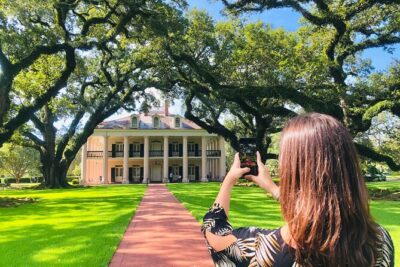
Swamp Boat Ride and Oak Alley Plantation Tour from New Orleans
Read our review →
Oak Alley Plantation Tour with Transportation from New Orleans
Read our review →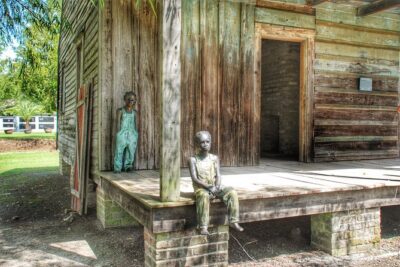
Whitney Plantation Tour with Transportation from New Orleans
Read our review →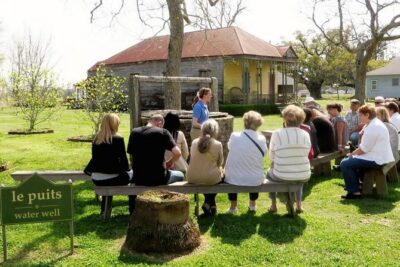

Airboat and Plantations Tour with Gourmet Lunch from New Orleans
Read our review →
Bayou Swamp Tour and Oak Alley Plantation Tour
Read our review →
Oak Alley Plantation and Large Airboat Swamp Tour from New Orleans
Read our review →
Browse the lists this tour appears in