
Review · NEW ORLEANS
Destrehan Plantation Tour
Destrehan Plantation gives you more than a look inside a handsome old house. Its strongest subject is the people and power behind the property, including the enslaved workers who made plantation life possible and the 1811 Slave Revolt, the largest uprising in U.S. history. The history is difficult but important, and the tour treats it as central rather than as a footnote.
I like the clear attention to political, social, and economic life, and I like that your ticket includes more than the main house. You can see an enslaved registry, an overseer’s cabin, an outdoor kitchen, and original papers in the Legacy Room. The main consideration is timing: the advertised tour length is about 45 minutes, but the full visit can take around two hours if you walk through the grounds and dependency buildings.
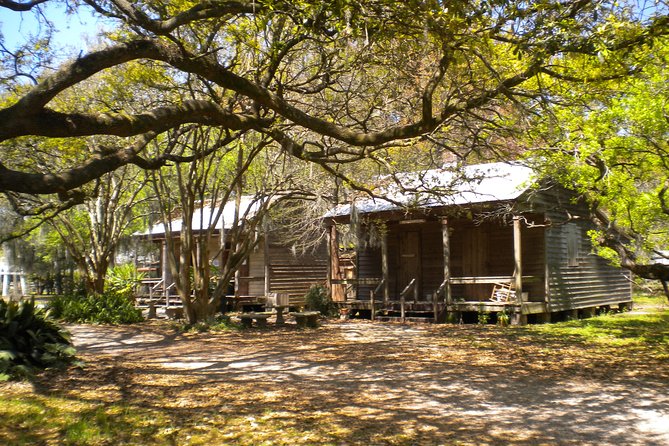
- The 1811 Slave Revolt Exhibit: Learn about the largest uprising of enslaved people in U.S. history inside the overseer’s cabin.
- Costumed interpretation: Guides such as Jim, Beverly, Jordan, Kelly, and Ann bring the plantation’s people and events into focus.
- Original documents: The Legacy Room displays family papers and artifacts that connect the property to real lives.
- Open-air history: Explore the slave cabin, outdoor kitchen, washroom, trapper’s cabin, and other buildings after the guided portion.
- Easy New Orleans side trip: Destrehan is at 13034 River Road and can be reached by rideshare or taxi.
- Small-group feel: The maximum group size is 19, which helps keep questions and conversation manageable.
Why Destrehan’s story matters
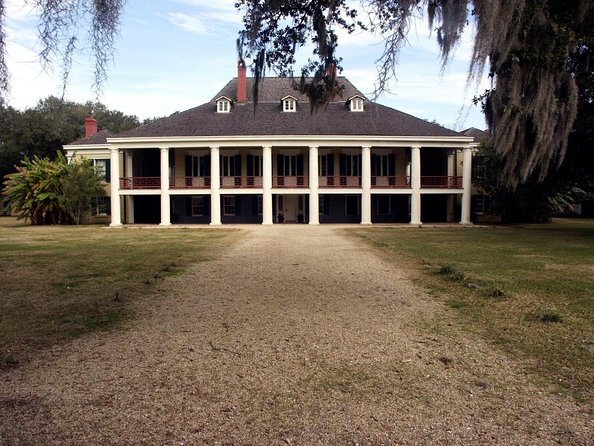
Destrehan Plantation is useful for understanding how a Louisiana plantation worked, not just how it looked. The house may catch your eye first, but the wider visit explains the system around it: owners, enslaved workers, overseers, household labor, agriculture, trade, maintenance, and local power.
That wider focus is important. A plantation tour can become too much about furniture and architecture, leaving the people who lived and worked there in the background. Here, the subject includes both free and enslaved people. You are asked to consider how wealth was built, how authority operated, and how hard conditions shaped daily life.
The 1811 Slave Revolt receives special attention. This was the largest uprising in U.S. history, and the exhibit gives the visit a sharper historical purpose. You are not simply walking through an old home. You are learning about resistance, control, and the people who challenged an unjust system.
I also appreciate that the tour covers New Orleans and the surrounding area rather than treating the plantation as an isolated estate. One guide, Jacques, has been praised for explaining the area’s background and the original inhabitants of New Orleans before the main plantation story begins. That added context helps you place Destrehan within the region’s longer past.
The main house and its costumed guides
Your guided portion begins at Destrehan’s main house, where a costumed historical interpreter explains the people connected to the plantation. The costume is more than decoration when it supports a clear account of work, status, family life, and historical change.
Guides have a noticeable effect on this experience. Jim is repeatedly singled out for detailed explanations, historical references, and a knack for keeping a group interested. Beverly has been praised for combining period costume with a thoughtful explanation of the harsh conditions faced by enslaved people. Jordan, Kelly, Kaitlin, Sarah, and others have also led tours that connect personal stories with the larger history.
That variety is worth noting because the experience depends partly on who leads your group. The strongest guides appear to make the material personal without turning it into light entertainment. You can expect questions about the families who lived at Destrehan, the construction and upkeep of the house, and the lives of enslaved workers.
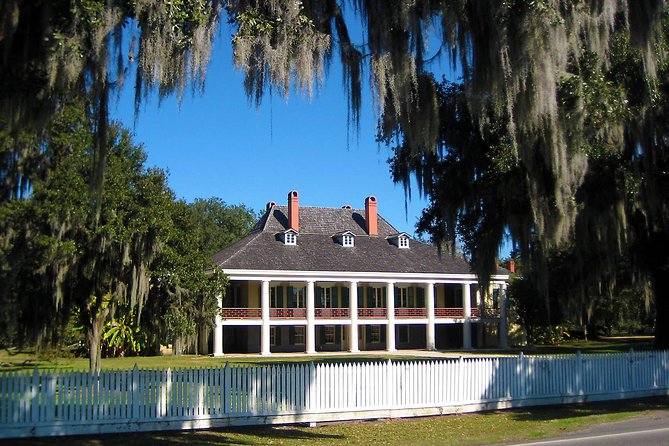
The main house itself is described as striking, and its construction, maintenance, and restoration are part of the interpretation. This is a good fit if you enjoy architecture but do not want a house tour that ignores social history. You will see the physical setting while learning why the property looked and functioned as it did.
Keep your expectations sensible. The guided part is not an all-day program. The stated duration is approximately 45 minutes, though the full visit can stretch to about two hours when you include the additional buildings and grounds. Plan for the longer window if you want to read displays, take photographs, and move at an unhurried pace.
More Plantation Tours in New Orleans
- Swamp Boat Ride and Oak Alley Plantation Tour from New Orleans
★ 5.0 · 3,303 reviews - Oak Alley Plantation Tour with Transportation from New Orleans
★ 4.5 · 1,747 reviews - Whitney Plantation Tour with Transportation from New Orleans
★ 4.5 · 1,351 reviews
The 1811 Slave Revolt Exhibit
The most important stop beyond the main house is the overseer’s cabin, which contains the 1811 Slave Revolt Exhibit. This is where the tour moves from plantation design and family history into conflict and resistance.
The revolt matters because it shows that enslaved people were not passive figures in the plantation story. They made decisions, took risks, and opposed the system that controlled their lives. The exhibit gives you a chance to focus on that history directly, rather than receiving only a brief mention during the house tour.
Ann has been praised for explaining the revolt in detail, and the exhibit is one of the reasons I would choose Destrehan over a visit focused only on grand rooms and oak trees. The subject is serious. Give yourself time to read and think instead of rushing from one building to the next.
The information supplied for this experience does not provide a full account of the revolt’s events, so I would not arrive expecting a long lecture or a separate half-day seminar. The value is in seeing the subject placed within the plantation itself, with an interpreter and a dedicated exhibit to guide you.
Slave cabin, registry, and working buildings
After the guided portion, you can explore several dependency buildings on your own. These smaller spaces often help explain plantation life more clearly than the main house because they point to work, supervision, food preparation, hygiene, and survival.
The slave cabin includes an enslaved registry. That detail matters. A registry turns a large and impersonal subject into a record of named people and controlled lives. It can be one of the more sobering parts of the visit, especially after hearing the family-centered story of the main house.
The outdoor kitchen shows the practical side of running a large property. Food preparation required space, labor, fuel, equipment, and strict routines. The washroom offers another reminder that daily life depended on repetitive work that was often carried out by enslaved people.
You can also enter the trapper’s cabin. The supplied details do not explain every feature of this building, so I would treat it as part of the wider collection of working and support spaces rather than expect a separate major presentation.
These buildings make the visit feel grounded. The house tells you about status and appearance. The cabins and work areas tell you how people actually kept the plantation operating. Do not rush the dependency buildings if you want the fullest picture.
Original documents in the Legacy Room
The Legacy Room displays original documents and artifacts connected with family members. This is a strong addition for anyone who likes primary sources, since papers and objects can show details that a polished house interior cannot.
The room also provides a useful counterweight to the costumed interpretation. A guide may explain a family connection or historical event, then the documents give you something physical to examine. The supplied information does not list each item, so I cannot promise a specific letter, date, or artifact. I can say that the room is intended to connect the plantation’s story with surviving evidence.
Take your time here. Even a short look at original material can change how you understand the people described during the tour. The house presents a public image. The documents may reveal the records, obligations, and relationships behind that image.
More Plantation Tours in the USA
- Laura Creole Plantation Guided Tour
★ 5.0 · 1,279 reviews - Airboat and Plantations Tour with Gourmet Lunch from New Orleans
★ 4.5 · 1,246 reviews - New Orleans: Bayou Swamp Tour and Oak Alley Plantation Tour
★ 4.7 · 1,147 reviews - New Orleans: Oak Alley Plantation & Airboat Swamp Combo Tour
★ 4.7 · 906 reviews
Walking the peaceful grounds
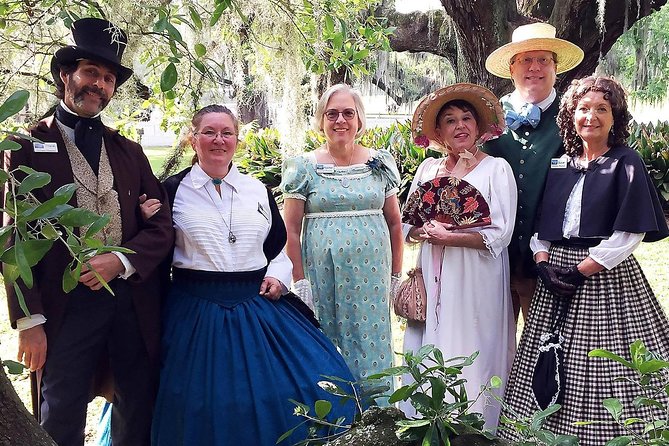
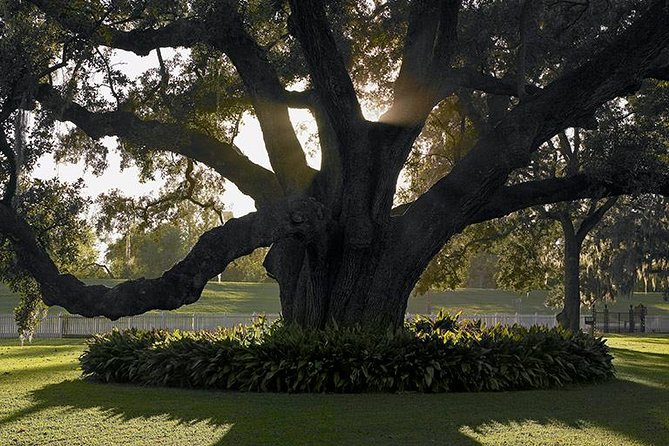
The grounds are one of the gentler parts of the visit. Oak trees and the setting along River Road give Destrehan a calm, picturesque feel, and you can walk around after the guided tour without being tied to the group.
That peaceful atmosphere can feel strange beside the harder history. It is worth holding both facts together. The property is attractive, but its beauty does not erase the labor and suffering that supported plantation wealth. A good visit lets you enjoy the setting while keeping the human story in view.
The free time is especially useful if your group includes people with different interests. One person can study the Legacy Room, another can look at the buildings, and another can simply sit or walk through the grounds. The experience does not end when the interpreter finishes speaking.
Allow more time than the shortest stated duration. The tour itself is approximately 45 minutes, while the complete visit may take around two hours. That difference is not a problem if you plan for it. It is only a problem if you schedule a tight connection immediately afterward.
Price, group size, and getting there
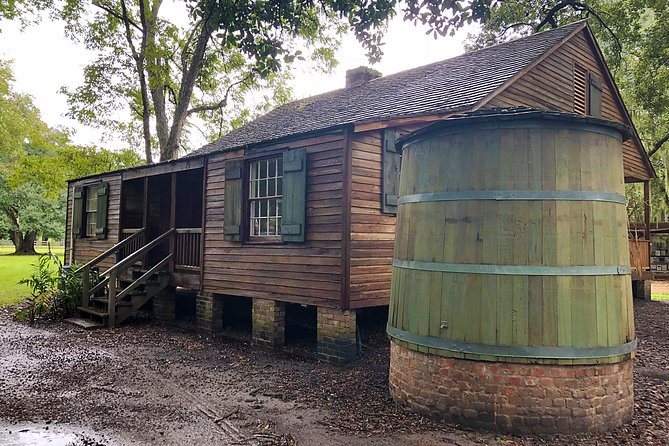
At $29.70 per person, the admission is fair for a guided historical visit that includes the main house, several dependency buildings, the revolt exhibit, the Legacy Room, and access to the grounds. The value improves if you use the full visit rather than treating it as a quick stop for photographs.
The group maximum is 19 people. That is small enough to make questions practical, though the exact feel will depend on attendance on your date. A smaller group can also make a costumed presentation easier to follow, especially inside compact rooms and cabins.
The meeting point is 13034 River Road, Destrehan, Louisiana 70047. The activity ends at the same place. Rideshare and taxi access are specifically noted, making this a useful option if you do not want to arrange a longer organized excursion from New Orleans.
The tour is offered in English only. Most people can take part, and service animals are allowed. No special physical demands are given, so if you have mobility concerns, contact the provider before booking rather than assuming every building or ground surface will suit you.
Free cancellation is available if you cancel at least 24 hours before the start time. Within 24 hours, the payment is not refunded, and changes are not accepted. That policy is worth remembering when planning around weather, transport, or a full New Orleans schedule.
Who should book Destrehan Plantation
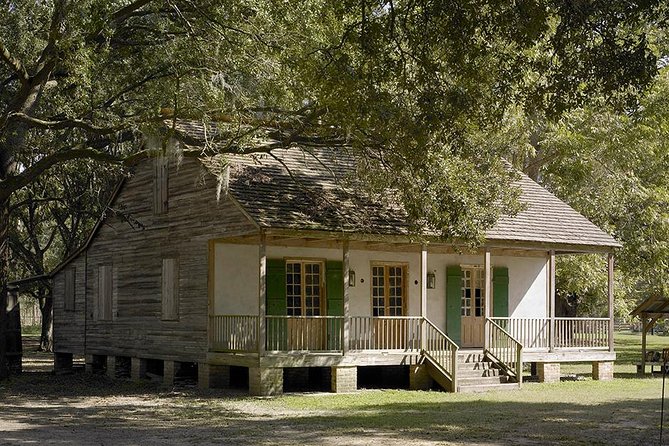
I would recommend this experience to you if you want a plantation visit that gives serious attention to slavery, resistance, and the plantation economy. It also suits anyone interested in architecture, restoration, family records, or Louisiana history beyond the French Quarter.
Families can use the visit as a concrete way to discuss difficult history, though younger children may find the subject heavy. Couples and solo visitors should find the short guided format manageable, with enough free time afterward to explore independently.
This is less suitable if you want a long, highly detailed day trip with several plantations or a large museum program. It is also not the right choice if you only want pretty buildings and photographs. The 1811 revolt exhibit and the enslaved registry make the history more demanding than a simple house tour.
Should you book it?
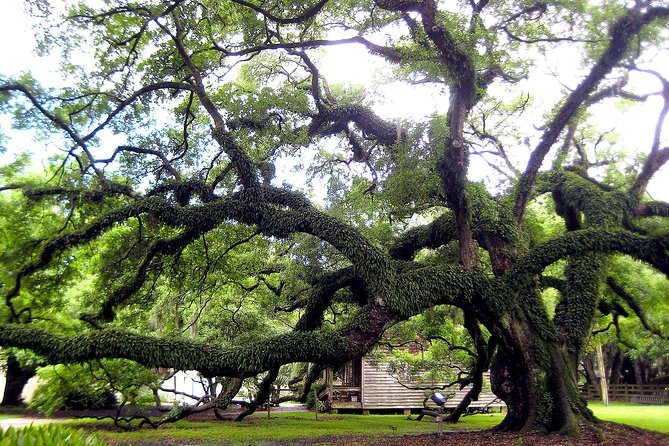
Book Destrehan if you want a focused visit near New Orleans with strong guiding, a scenic setting, and meaningful attention to enslaved people and the 1811 Slave Revolt. The repeated praise for guides such as Jim, Beverly, Jordan, Kelly, and Ann suggests that interpretation is a major strength, though your exact experience will depend on your assigned guide.
Give yourself about two hours, even though the central tour is listed at roughly 45 minutes. That lets you see the house, read the revolt exhibit, examine the registry and Legacy Room, and walk the grounds without hurrying. At $29.70, it is a solid choice for a compact and serious introduction to plantation history.
FAQ
Where does the Destrehan Plantation tour begin?
The tour begins at 13034 River Road, Destrehan, Louisiana 70047, USA.
Where does the activity end?
The activity ends back at the meeting point at Destrehan Plantation.
How long does the Destrehan Plantation experience last?
The guided tour is listed as approximately 45 minutes, while the full visit can take about two hours when you include the grounds and additional buildings.
What language is the tour offered in?
The tour is offered in English.
What can I see after the main guided tour?
You can explore the grounds and dependency buildings, including a slave cabin with an enslaved registry, an overseer’s cabin with the 1811 Slave Revolt Exhibit, an outdoor kitchen, a washroom, a trapper’s cabin, and the Legacy Room.
Can I reach Destrehan Plantation by rideshare or taxi?
Yes. The experience information specifically notes access by rideshare or taxi.
What is the cancellation policy?
You can cancel at least 24 hours before the start time for a full refund. Cancellations or changes made less than 24 hours before the start time are not accepted, and the amount paid is not refunded.
Just added around New Orleans
- Whitney Plantation Tour with Transportation★ 4.0 · 29 reviews
- Whitney Plantation and Soul of New Orleans City Tour Combo★ 5.0 · 13 reviews
- St. Joseph and Felicity Plantation Combo Tour★ 5.0 · 4 reviews
- St. Joseph Plantation Tour★ 4.5 · 30 reviews
- Two Plantation Tour: Oak Alley and Laura or Whitney★ 5.0 · 7 reviews
- Private Airboat Ride and Plantations Tour with Gourmet Lunch from New Orleans★ 5.0 · 50 reviews
- Small Airboat and Oak Alley Plantation Tour from New Orleans★ 4.5 · 23 reviews
- N’awlins Luxury: Laura, Oak Alley or Whitney Plantation Tour w/Transportation★ 4.5 · 46 reviews
New Orleans Farm Tours, compared.

Swamp Boat Ride and Oak Alley Plantation Tour from New Orleans
Read our review →
Oak Alley Plantation Tour with Transportation from New Orleans
Read our review →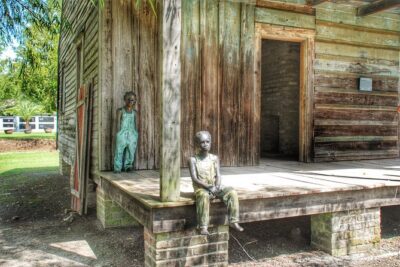
Whitney Plantation Tour with Transportation from New Orleans
Read our review →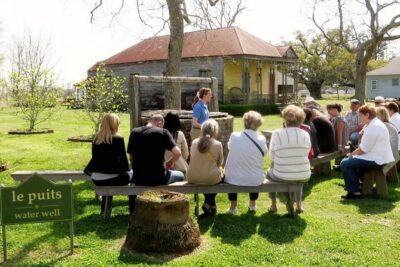

Airboat and Plantations Tour with Gourmet Lunch from New Orleans
Read our review →
Bayou Swamp Tour and Oak Alley Plantation Tour
Read our review →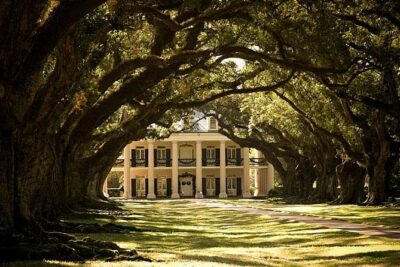
Oak Alley Plantation and Large Airboat Swamp Tour from New Orleans
Read our review →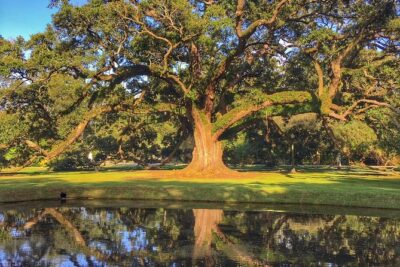
Browse the lists this tour appears in