
Review · MAUI
Taste of Hawaii: A Maui Farm Tour
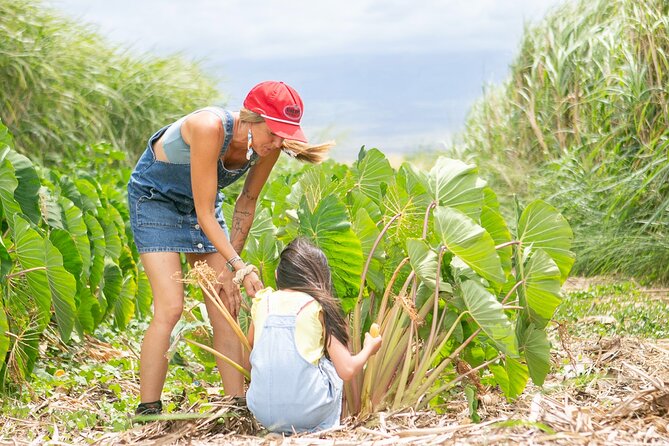
La Kāhea Community Farm gives you a tasty look at how Maui grows food, with fruit straight from the farm, sugarcane you help press, and wide views toward Haleakala and the West Maui Mountains. I like the hands-on tasting and the chance to hear why regenerative farming matters to the island. The main drawback is that this is a young, working farm, not a polished botanical garden, so parts can feel rough or muddy.
I also like the friendly scale of the visit. Hosts such as Winsome and Anna bring plenty of energy and explain Polynesian-introduced plants, tropical crops, and natural farming in plain language. You should bring water, sunblock, and modest expectations about the amount of walking and sightseeing. The focus is food and education, not a long farm adventure.
Key points at a glance
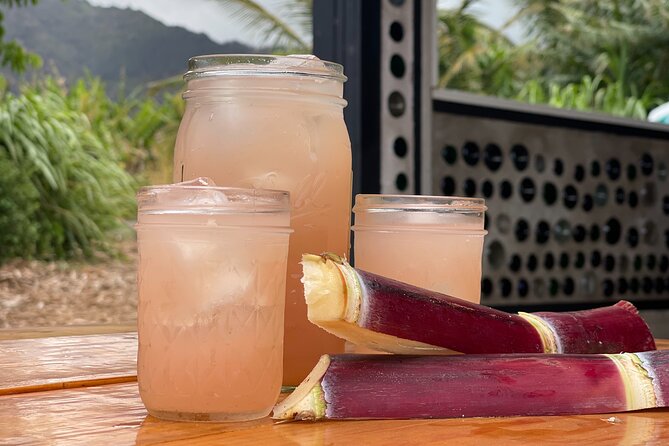
- Fresh fruit and sugarcane juice: Taste farm-grown produce, then help turn sugarcane into a cool drink.
- A working regenerative farm: Learn how a community farm supports soil, food production, and the surrounding area.
- Hosts who make the visit personal: Winsome, Anna, Emily, Jakke, Whit, and Jake are among the team members associated with the experience.
- A sweet finish: Depending on the day, you may try banana ice cream or banana nice-cream with roasted macadamia nuts.
- Mountain views: The farm offers views toward Haleakala and the West Maui Mountains.
- A compact morning activity: The visit begins at 10:30 a.m., lasts about 90 minutes, and returns to the starting point.
What La Kāhea Community Farm is really offering
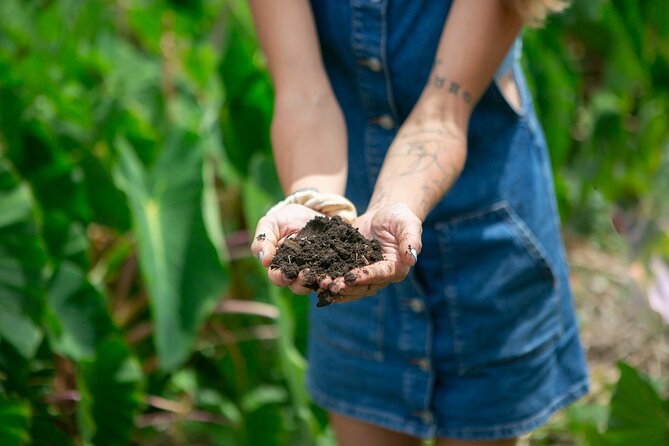
This is not simply a fruit tasting with a few plants placed around a table. La Kāhea Community Farm uses the visit to explain how food, land, and community fit together on Maui.
You will learn about tropical crops, including plants brought to Hawaii by Polynesians. The hosts discuss leaves, fruits, growing methods, and the work needed to build a more sustainable food system. That gives the tasting some purpose. You are not just trying an unfamiliar fruit. You are learning where it fits and why it matters.
The farm is also still developing. One of the more honest descriptions is that it can look like a messy working farm, especially after rain. I see that as both a limitation and part of the point. If you want neat paths, labeled beds, and a carefully staged garden, this may not match your idea of a farm tour. If you like seeing a real project in progress, the rough edges make the visit more useful.
The setting adds plenty. From the property, you can take in views of Haleakala and the West Maui Mountains while learning about food grown in Maui’s climate. The scenery is a welcome part of the experience, but it does not replace the farm lesson. Keep your attention on the plants, the hosts, and the tasting.
A few more farm days around Maui worth a look
- Maui Pineapple Farm Tour in Haliimaile
★ 5.0 · 2,855 reviews - Lahaina: Maui Ku’ia Estate Guided Cacao Farm Tour and Tasting
★ 5.0 · 1,103 reviews - Maui: Road to Hana Adventure with Farm to Table Lunch
★ 5.0 · 877 reviews
Starting with fruit instead of a lecture
The experience begins at 2100 HI-30 in Wailuku at 10:30 a.m. The exact opening can vary with the group and the host, but the visit commonly starts with a plate of sliced fresh fruit. That is a smart way to begin. You get to taste before you are asked to remember plant names or farming terms.
The fruit plate is one of the strongest parts of the experience. It gives you a practical introduction to produce that may be unfamiliar at home, and it lets you compare flavors and textures instead of hearing about them in the abstract.
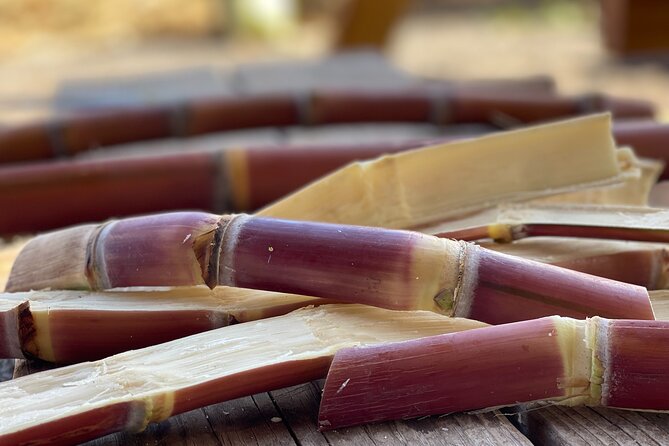
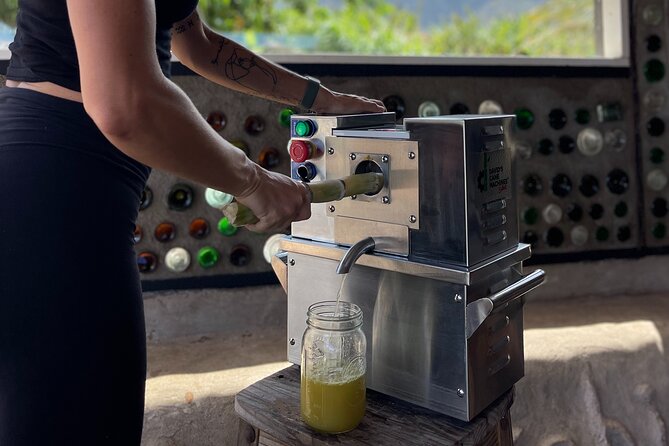
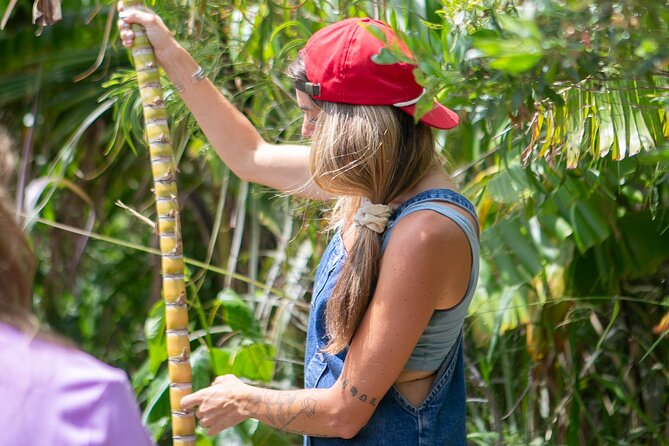
The farm also serves sugarcane juice, often as an interactive activity. You may get to help squeeze the cane yourself and drink the result. Several parts of the visit are built around participation, so you are not standing at the edge while somebody else demonstrates everything.
The juice is refreshing, especially on a warm morning. It also connects the food on your plate to the work required to produce it. That small act of pressing cane makes the farming lesson more memorable than a simple explanation would.
Learning about Hawaiian crops and farming methods
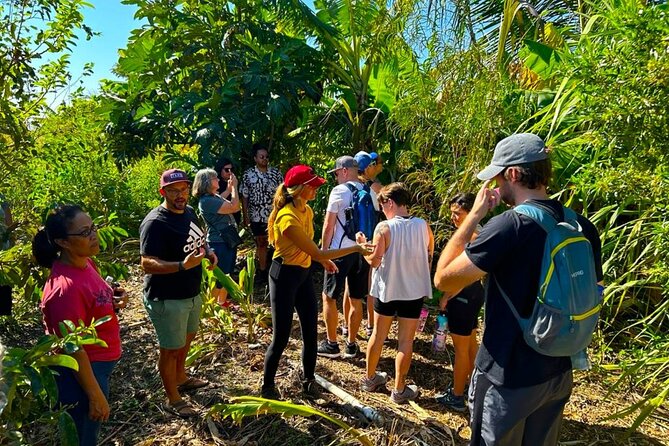
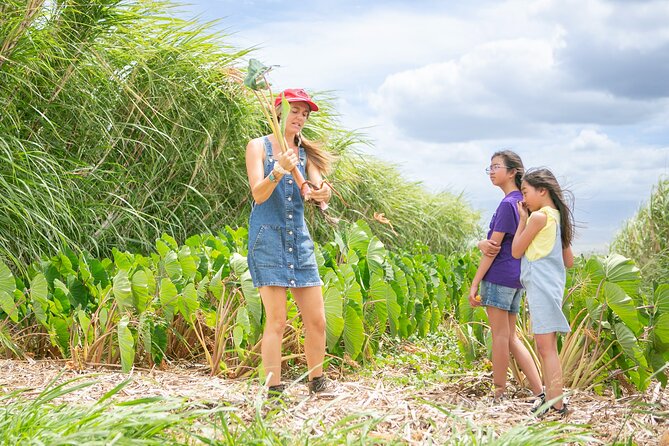
After the first tasting, your host leads you around the farm and introduces the plants and trees. The explanations include tropical fruits, plant leaves, and crops associated with Hawaii’s Polynesian heritage.
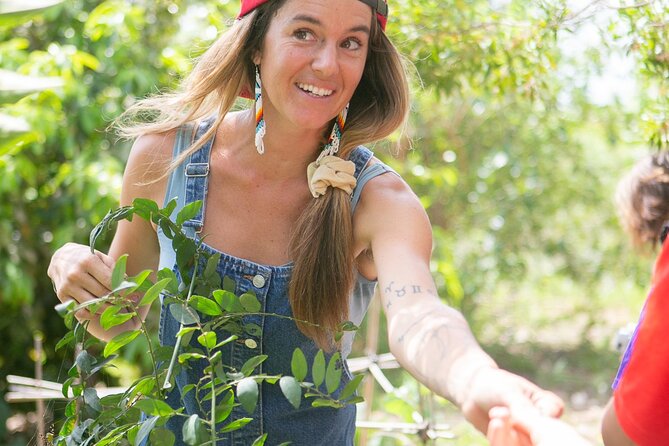
Anna is frequently associated with an upbeat, engaging presentation, while Winsome brings personal experience and a clear sense of purpose to the farm’s work. The team members vary, but the format remains focused on practical farming and food.
The farming discussion covers sustainable and regenerative methods. In plain terms, you learn why the farm is trying to work with the soil and natural systems instead of treating the land as a resource to use up. You also hear about the role community farms can play in Maui’s food supply and local economy.
This is especially worthwhile if you garden at home. The visit may help you think differently about how tropical plants grow, how fruit trees are managed, and why farming in an island setting has its own challenges. The material can also appeal to teenagers. Younger children may enjoy the fruit and animals, but the educational content is better suited to older children and adults.
The tour is not a botany class, and you should not expect a formal label beside every plant. The value comes from the conversation and the farm’s wider purpose. Ask questions if you want more detail. The hosts clearly care about the work and are willing to explain the reasons behind it.
Friendly pigs, unusual fruit, and real farm texture
Depending on conditions, you might have a chance to feed or interact with the farm’s pigs. This is a small feature, but it helps break up the plant talk, especially for families.
You may also try uncommon fruits growing in the fields. The experience can include opportunities to see, smell, and taste produce close to where it grows. That is different from buying cut fruit at a market. You get a sense of the plant itself, not just the edible portion.
Do not expect a large animal encounter or a petting zoo. The pigs are part of the farm, and availability can depend on what is happening that day. The same applies to particular fruit varieties and tasting items. The farm works with what is growing and what conditions allow.
Rain can affect the visit. One account described the farm tour as somewhat limited by wet weather, and the ground may feel less tidy afterward. The good news is that the activity requires suitable weather, so a cancellation should bring an offer of another date or a full refund.
Same fields, a different sort of day out:
- Maui Horseback Adventure at Circle M Ranch With Real Cowboys
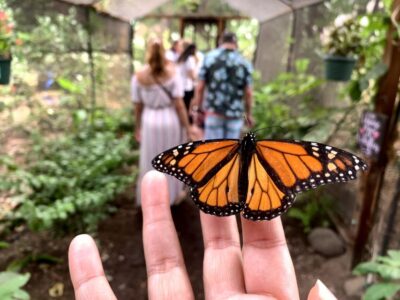
★ 5.0 · 761 reviews - The Maui Butterfly Farm Tour
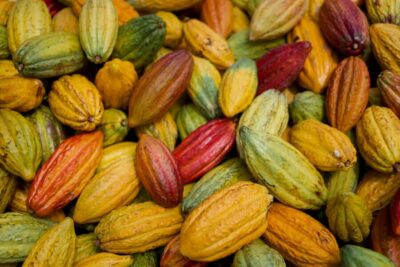
★ 5.0 · 446 reviews - Lahaina: Maui Ku’ia Estate Guided Cacao Farm Tour & Tasting
★ 4.8 · 137 reviews - Hali’imaile: Pineapple Farm Tour
★ 4.9 · 126 reviews
Banana ice cream and the best part of the tasting
The sweet finish is often banana ice cream or banana nice-cream, sometimes served with fresh roasted macadamia nuts. It is a simple treat, but it makes sense here because it uses farm-grown flavor and ends the visit on a high note.
The banana tasting goes beyond dessert. You may learn about ice cream bananas, a variety that draws special attention for its flavor. Some sessions also include a chance to learn how the banana ice cream is made.
The dessert matters because the tour is built around tasting, not just explanation. You spend part of the visit seeing crops and hearing about farming, then you get to enjoy the result. That balance keeps the 90 minutes from feeling like a classroom talk.
The exact food can vary. You may receive fruit, sugarcane juice, banana ice cream, macadamia nuts, or other farm products depending on what is available. It is best to see the tasting as a generous sample of the farm rather than a full meal.
One practical point: bring water. The farm can be dry and sunny, and the tasting does not replace lunch. Sunblock is also a good idea.
Is $75 a fair price?
At $75 per person, this is not a bargain snack stop. The price makes the most sense if you value a small-group educational experience, local food, and direct access to a community farming project.
The group can hold up to 35 people, so it is not necessarily an intimate private visit. Still, that maximum is much smaller than the scale of many large Maui attractions. The hosts’ personal involvement gives the activity more warmth than a self-guided walk.
You are paying for more than the fruit. The cost includes the guided farm visit, the discussion of Hawaiian crops and regenerative farming, interactive sugarcane juice preparation, tastings, and the chance to speak with people involved in the project.
Value depends on what you want from Maui. If your priority is a long scenic outing, a full lunch, or a broad agricultural estate, spend your money elsewhere. If you want a short morning activity that connects food with local issues, the price is easier to justify.
The duration is about 90 minutes, which makes this a manageable addition to a busy Maui day. You will not lose half a day to transportation or a lengthy program. On the other hand, the compact format means the farm visit cannot cover every crop or farming topic in great detail.
Who will enjoy this most?
I would recommend this experience to adults interested in local food, gardeners, couples looking for a low-stress morning, and families with older children or teenagers.
It also works well for honeymooners. The fruit tasting, mountain views, sugarcane juice, and banana dessert give you several pleasant photo and food moments without the pressure of a demanding outdoor excursion.
Home gardeners may get the most out of the educational side. You can ask about tropical fruit, natural farming, and the challenges of growing food on Maui. The tour also suits anyone who wants to support a community project rather than spend the morning at another commercial attraction.
For young children, the fruit and pigs may be appealing, but the farming discussion could be too long. One family found the experience engaging for a nine-year-old, while another assessment suggested that very young children may not be the best match. I would choose it for children who can listen, taste new foods, and handle a working-farm setting.
You should think twice if you want a highly polished attraction. This farm is still growing, and the paths and planting areas may look unfinished. That is not a flaw to hide, but it is an important part of your decision.
Timing, meeting point, and practical planning
The meeting point is 2100 HI-30 in Wailuku, Hawaii. The activity starts at 10:30 a.m. and finishes back at the same location.
A mobile ticket is accepted, and the experience is offered in English. Confirmation is provided when you book. Most people can participate, but the supplied details do not promise full accessibility for every need, so contact the provider if you require specific arrangements.
The tour requires a minimum number of participants. If that minimum is not reached, the provider offers another date or experience, or a full refund. Bad weather can also lead to a new date or refund.
You can cancel for a full refund if you do so at least 24 hours before the start time. Changes or cancellations within 24 hours are not accepted for a refund. Those cutoffs use Maui local time.
Wear clothing and footwear suited to a working farm. The information does not specify a dress code, but sunblock and water are sensible choices, particularly because the area can be dry. Have a meal plan for afterward if you need more than a tasting.
My call: book it if you want food with a purpose
I would book the La Kāhea Community Farm visit if you want to taste Maui-grown food while learning about the island’s farming future. The best parts are the fresh fruit, hands-on sugarcane juice, personal hosts, and banana dessert. Winsome, Anna, Emily, and the wider team give the visit a human feel, and the mountain views add a fine setting.
I would skip it if you expect a grand estate, a long walk, or a full farm lunch. The property is still developing, and rain or farm conditions can limit what you see.
For most visitors, the decision comes down to attitude. Come ready for a working community farm, not a showroom. Bring water, protect yourself from the sun, and allow yourself to try something unfamiliar. At $75, it is a specialized experience, but it offers a thoughtful look at Maui food that many standard sightseeing stops do not.
FAQ
Where does the Maui farm tour begin?
It begins at 2100 HI-30, Wailuku, Hawaii 96793. The activity ends back at the same meeting point.
What time does the tour start?
The tour starts at 10:30 a.m. and lasts about 1 hour and 30 minutes.
What food and drinks are included?
You can expect fresh farm-grown fruit and sugarcane juice. The experience may also include banana ice cream or banana nice-cream, sometimes with roasted macadamia nuts.
Is the tour offered in English?
Yes. The experience is offered in English, and a mobile ticket is available.
How many people can join?
The maximum group size is 35 participants.
Can I cancel for a refund?
Yes. You can cancel at least 24 hours before the start time for a full refund. Cancellations or changes made less than 24 hours before the start time are not accepted for a refund. If poor weather or an insufficient number of participants cancels the activity, you will be offered another date or experience, or a full refund.
Just added around Maui
- Maui Pineapple Tour: Farm and Feast Experience★ 5.0 · 32 reviews
- Alpaca Farm Experience on the Road to Hana★ 4.0 · 12 reviews
- Maui Farm Distillery and local craft experience Full-Day Tour★ 5.0 · 22 reviews
- Pueo Farm Tour (1.5 hr) Upcountry Kula Maui Hawaii★ 5.0 · 21 reviews
- Farm to Taco: A Farm to Table Cooking Class★ 5.0 · 41 reviews
- Maui: Interactive Butterfly Farm Entrance Ticket★ 4.9 · 62 reviews
- Maui: Feast at Mokapu Farm-to-Table Luau in Wailea★ 4.5 · 105 reviews
- Hali’imaile: Pineapple Farm Tour★ 4.9 · 126 reviews
Maui Farm Tours, compared.
Road to Hana Adventure with Farm to Table Lunch
Read our review →
Maui Horseback Adventure at Circle M Ranch With Real Cowboys
Read our review →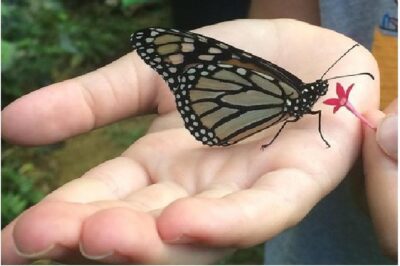
Lahaina: Maui Ku’ia Estate Guided Cacao Farm Tour & Tasting
Read our review →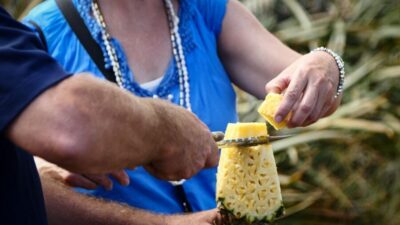

Browse the lists this tour appears in