
Review · VIETNAM
Mai Chau &Pu Luong 3D2N: Local Culture, Farming,Rafting& Swimming
Mai Chau and Pu Luong give you two different views of rural northern Vietnam: Mai Chau opens with broad rice fields and Thai village life, while Pu Luong brings steeper hills, waterwheels, streams, and forest paths. The best part is the steady mix of walking, food, farming, and hands-on village activities rather than a string of quick photo stops.
I like the small maximum group of 12, which makes village visits and short walks easier to manage. I also like the practical local focus: you can watch silk move from cocoon to cloth, learn about farming, join a cooking class, and eat local meals instead of simply looking at scenery from a bus.
The main thing to consider is the amount of road time. Day one begins with a 7:00 a.m. pickup and about three and a half hours on the road before Mai Chau, followed by another transfer to Pu Luong. The walking, stream activities, and uneven village paths also call for reasonable fitness.
What makes this three-day trip worthwhile
- Mai Chau and Pu Luong in one compact journey: You see two of northern Vietnam’s best rural areas without arranging separate transfers.
- Silk weaving in Lan Village: Watch the process from cocoon to textile and try the craft with local artisans.
- Waterwheels, farms, and village homes: These stops show how daily work still shapes life in the Thai communities.
- Bamboo rafting and swimming on Cham Stream: The stream gives the second day an easygoing break from walking, weather permitting.
- A comfortable base in Pu Luong: You have time to relax at the lodge and use the pool between activities.
- Local guides who add useful context: Nga, Vinh, and Ed Nguyen are named as guides associated with the trip, though your guide may vary.
From Hanoi to Mai Chau by midmorning
Your day starts early, with pickup at about 7:00 a.m. from a hotel in Hanoi’s Old Quarter. Pickup is also offered from Ninh Binh, generally between 8:00 and 8:30 a.m. The drive to Mai Chau takes roughly three and a half hours, so this is not a slow start. You will spend a good part of the morning in the vehicle.
That road time is the trade-off for reaching the countryside in a short trip. If you are staying in Hanoi, keep breakfast simple and have water ready. The schedule is built around making the most of three days, not lingering over every transfer.
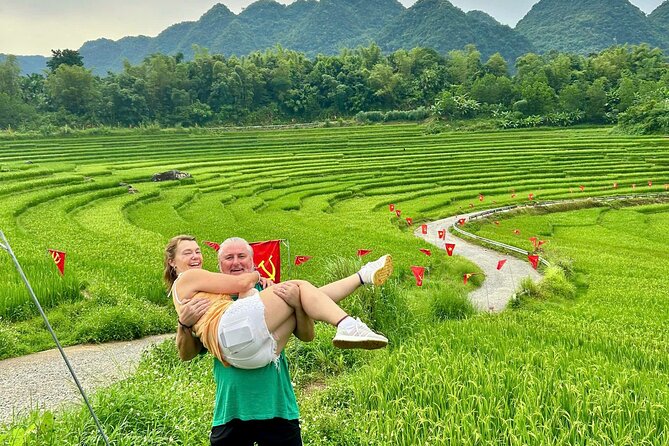
Mai Chau is often described as a center of Thai culture, and the first day introduces you to the area through rice fields, traditional villages, farming, and local food. The appeal is not one famous monument. It is the way the pieces fit together: homes, paddies, paths, and working countryside all sit close to one another.
Guide Vinh has been praised for explaining local farming in clear detail, which matters here. A good guide can point out how the paddies are worked and explain why the fields and water systems are so important. Without that context, Mai Chau can look like a pretty rural stop. With it, the scenery becomes part of a working community.
More Three-Day Trips in Vietnam:
- 3D2N- Rice Terraces Treks & Easy rider from Sa Pa
★ 5.0 · 3 reviews - Manila: 3-Day Sagada, Baguio, & Banaue Rice Terraces Tour
★ 3.4 · 10 reviews - Banaue Rice Terraces Escape: 3 Days, 2 Nights with Transfers
★ 5.0 · 4 reviews
Walking through Mai Chau’s Thai villages
The Mai Chau portion is best for you if you want a gentle introduction to village life rather than a hard mountain trek. Expect to walk through rice paddies and traditional settlements, with pauses to meet local residents and see daily work.
The precise walking distance is not provided, so do not treat this as a fixed hiking itinerary. Still, rice-field paths and village lanes are rarely as smooth as city pavements. Comfortable shoes with a decent grip will serve you better than sandals designed only for hotel use.
Meals are part of the attraction. The package includes three lunches and two dinners, giving you several chances to try local cooking without having to search for restaurants after long days. The food is presented as a major part of the stay, and the local emphasis fits the setting better than standard tourist fare.
The schedule then moves you onward at about 5:00 p.m. by bus to Pu Luong. Arrival is expected around 6:30 p.m., followed by check-in, dinner, and rest. This is a useful point to set expectations: day one is full, and the evening is for settling in rather than adding another activity.
Pu Luong mornings begin in Lan Village
Day two starts around 8:00 to 8:30 a.m., when your guide takes you toward Lan Village through rice fields and hills. This is one of the strongest parts of the trip because the activities are tied to real household skills.
At a Thai home, you can see silk weaving from cocoon to finished textile and try the work yourself with guidance from local artisans. That hands-on element gives you something to remember beyond photographs. It also helps you understand that village crafts are not decorative extras added for visitors. They come from household knowledge and daily work.
The pace here should appeal to curious people who like learning by doing. You do not need to know anything about weaving before you arrive. You do need patience, since a craft demonstration is about process rather than instant entertainment.
The rice fields and mountain views provide the setting, but the household visit supplies the substance. I would pay close attention to the guide’s explanations and ask questions. Nga has been singled out for her friendly, clear guiding and for taking visitors to places they would not easily find alone. Guide assignments can change, but the value of the local guide remains central.
Waterwheels, Cham Stream, and a cooler afternoon

Pu Luong’s old waterwheels are among the most distinctive sights on the route. These wooden structures show how local communities have moved water through the fields for generations. You will also see farms and village paths where work continues around the same basic needs: water, crops, food, and shelter.
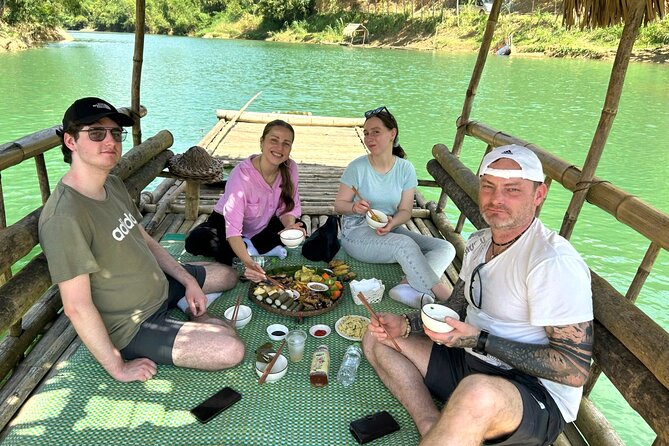
The bamboo rafting section takes place on Cham Stream, with lunch included. It is a simple adventure, not a whitewater expedition. That is good news if you want a calm activity that suits a mixed group. The stream also offers a chance to swim when conditions and weather permit.
Swimming is weather dependent, so treat it as a welcome possibility rather than the one reason to book the tour. Bring swimwear and a small towel if you want to take part, but do not assume the water activity will run in every condition. The stream can also be enjoyed from the bank if swimming is not suitable.
This combination gives day two a good rhythm: walk through fields, learn a craft, see waterwheels, eat by the stream, and slow down in the water. You get more variety than on a standard sightseeing trip, but you are not pushed from one landmark to the next without a break.
A few more farm days around Vietnam worth a look
- From Ho Chi Minh: Can Gio Trek – Monkey Island & Crocodile Farm
★ 5.0 · 353 reviews - Cocolocal Farm Cooking Class with market tour and basket boat
★ 5.0 · 231 reviews - Explore Sapa by TrekkingAdventures, Mountain,Rice fields
★ 4.9 · 229 reviews - Phu Quoc: Kayaking with Starfish Beach and Bee Farm Tour
★ 4.4 · 213 reviews
The lodge, pool, and the value of a slower evening

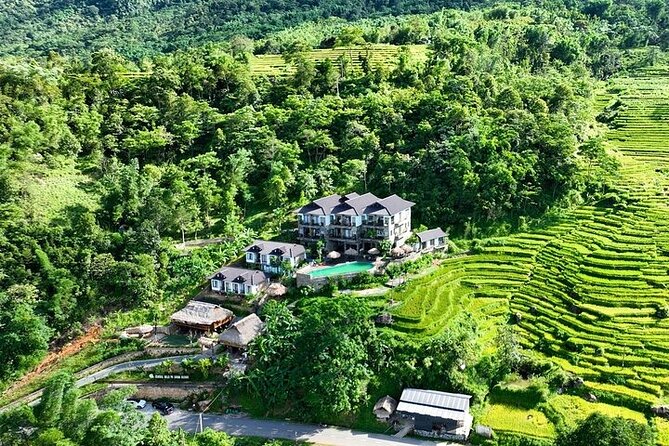
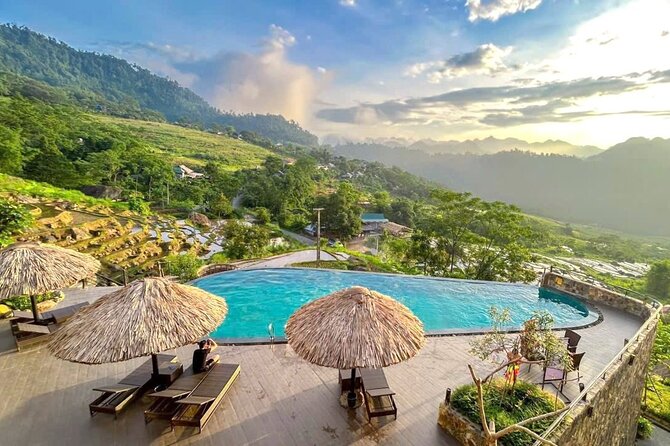
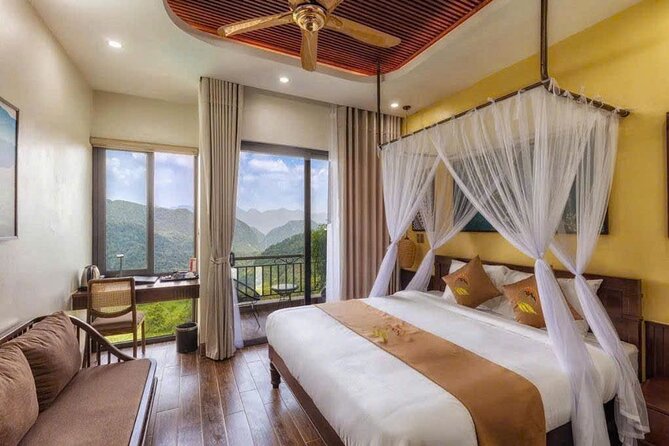
Accommodation is described as a comfortable lodge or hotel in Pu Luong, with time to use the pool. That matters after a day of walking and outdoor activities. The pool is not the main reason to choose this trip, but it gives you a place to rest before dinner and makes the three-day format feel less rushed.
The accommodation details do not specify a particular property or room category, so you should not book expecting a named luxury resort. The practical promise is comfort, dinner, and a place to relax in the reserve. That is a fair fit for an active rural itinerary.
The stay also supports the tour’s balance between activity and rest. You are not camping, and you are not spending every evening in a city hotel. You have a comfortable base while remaining close to the farms, streams, and villages that define Pu Luong.
Day three crosses the Bamboo Bridge
The final morning begins around 8:00 to 8:30 a.m. with a trip to the Bamboo Bridge over the Ma River. The bridge provides broad views and another look at local building skills. Crossing it is part of the experience, not just a stop for a photograph.
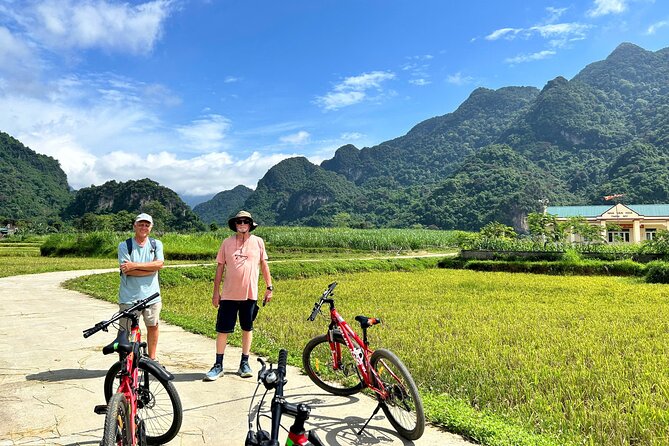
From there, the route continues by bicycle through Chieng Ai Village. Cycling lets you cover more ground than walking while staying close to the fields and homes. It also makes the day feel active without turning it into a demanding full-day ride.
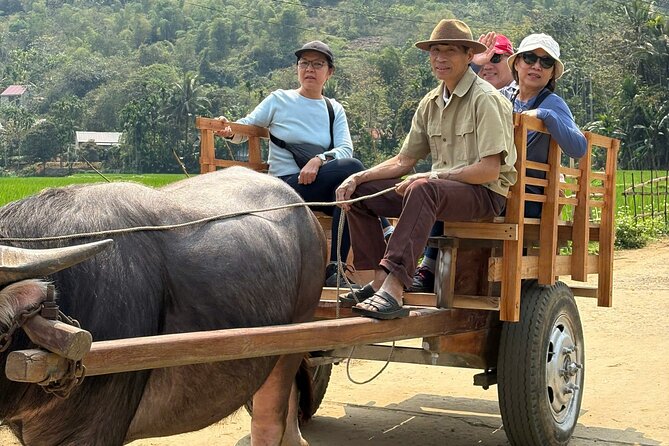
The itinerary includes visits to local houses, farms, and traditional waterwheels, along with time to see local craftsmanship. A buffalo cart ride is also included among the listed activities. These details are valuable because they show the countryside as a place where people live and work, rather than a backdrop designed only for sightseeing.
There is also a cooking class, and one especially memorable version of the program includes a meal at the home of an older local couple. The exact placement of that experience can vary within the schedule, but it is the sort of encounter that gives the final day a personal touch. You are not just being served food; you are learning how local dishes fit into household life.
Hieu Waterfall is another listed stop. The waterfall adds a natural feature to a day already focused on village life, farming, and movement. As with the swimming stop, conditions and the day’s timing may affect how long you spend there.
The third day is listed as about five hours for the main activity period. The return transfer is part of the overall arrangement, though the supplied schedule does not give a precise arrival time back in Hanoi. Keep your evening flexible rather than booking a tight onward connection.
What the guides add to the experience
A rural tour rises or falls on its guides. Here, the named guides connected with the trip include Nga, Vinh, and Ed Nguyen, and each is associated with practical strengths.
Nga is described as warm, well informed, and especially good at taking people beyond the obvious stops. Vinh brings strong knowledge of farming in the Mai Chau area. Ed Nguyen is noted for simple, clear explanations and careful coordination from start to finish.
Your actual guide may be different, so I would not book on the assumption that one particular person is guaranteed. Still, these examples show the kind of guiding this trip aims for: explanation without a lecture, help with photographs and logistics, and access to places you might miss alone.
The small-group limit also helps. A maximum of 12 people is small enough for questions and easier movement through homes, craft spaces, and village paths. Some departures may be smaller still, but the exact group size is not promised.
Is $235 a fair price?
At $235 per person, the tour is not the cheapest way to reach Mai Chau or Pu Luong. It includes three days of transport, entry fees, three lunches, two dinners, accommodation, guided activities, and the transfer between Hanoi and the reserve. When you add the cost and effort of arranging those parts yourself, the price can be reasonable.
The value is strongest if you want a planned route with many different activities. You are paying for more than transport to a viewpoint. The package includes local homes, silk weaving, farming, cycling, rafting, possible swimming, a cooking class, a buffalo cart ride, and meals.
The price does not include the 8 percent government tax, tips, or personal expenses. Allow room in your budget for those extras. Since the accommodation category and exact property are not named, compare the final price with your expectations for lodging before booking.
I see this as good value for a first visit to northern Vietnam, especially if you have only three days and do not want to organize several rural transfers. It is less compelling if you prefer to travel slowly, choose your own homestay, or spend most of your time hiking one area.
Who should book this trip?
This tour suits you if you want variety. In three days, you can combine cultural visits, light outdoor activity, food, farming, craft work, and rest by a pool. It also works well for people who want rural Vietnam but do not want a fully rugged trip.
You should be comfortable with early starts, a long first drive, changing transport, uneven paths, and outdoor activities that depend on weather. Most people can participate, but anyone with mobility concerns should ask the provider for more detail before booking because the program includes walking, cycling, bridge crossings, and village terrain.
Families and mixed-age groups may appreciate the range of activities, though the operator does not provide a specific child age policy in the available details. Couples and small groups will find the schedule easy to follow, while solo participants benefit from the small-group format.
Cancellation is flexible up to 24 hours before the start time for a full refund. Changes made inside that 24-hour window are not accepted, so keep that deadline in mind when making plans.
Should you book Mai Chau and Pu Luong?
Book it if you want a busy but varied three-day introduction to rural northern Vietnam, with the practical advantage of transport, meals, guides, and accommodation arranged for you. The strongest reasons are the silk-weaving visit, the farming and waterwheel context, the bamboo rafting and stream time, and the chance to meet people in their homes.
Skip it if you want a slow stay in one village or a serious multi-day trek. The first day has substantial road time, and the schedule packs many activities into a short visit.
For most people seeking a balanced rural trip, I would choose this over a simple sightseeing transfer. Pack light, wear shoes you can walk in, bring swimwear, and leave your final evening open for the return journey. You will get the most from the tour if you treat the villages and working countryside as the main attraction, with the waterfall, bridge, and stream as welcome additions.
FAQ
Where does the tour start?
Pickup starts at about 7:00 a.m. from hotels in Hanoi’s Old Quarter. Pickup is also available from Ninh Binh, generally between 8:00 and 8:30 a.m.
How long is the tour?
The experience lasts approximately three days and includes two nights in Pu Luong.
What meals are included?
The package includes three lunches and two dinners. Personal expenses, tips, and the 8 percent government tax are not included.
Is swimming guaranteed?
No. Swimming in Cham Stream is offered when weather and conditions permit.
How many people can join the group?
The maximum group size is 12 people. Some departures may be smaller.
Can I cancel for a full refund?
Yes. You can cancel at least 24 hours before the experience start time for a full refund. Cancellations or changes made less than 24 hours before departure are not accepted.
Just added around Vietnam
- Sapa 2-Day Trek & Homestay in Ta Van Village – Be a Local★ 5.0 · 8 reviews
- Sapa Private Trekking Through Rice Terraced Fields – 1Day★ 4.5 · 8 reviews
- 5 Hours Trekking with Terraced Rice Field in Sapa★ 5.0 · 2 reviews
- Sapa Motorbike Tour 1 Day| See All Of Rice Fields & Valleys in One Day★ 5.0 · 9 reviews
- Sapa Private Car Tour – 1 Day Enjoy the Rice Terraced Fields★ 4.5 · 3 reviews
- Private Trekking through Terraces Rice Fields in Sapa★ 5.0 · 3 reviews
- Sapa Full Day Trekking Through Rice Fields Terrace★ 4.0 · 2 reviews
- Sapa Easy Trekking For Seniors -4 Hours- The Stunning Rice Fields★ 5.0 · 2 reviews
Vietnam Farm Tours, compared.
Mekong Day Trip Explore Village Bicycle CookingClass Group 12 Pax
Read our review →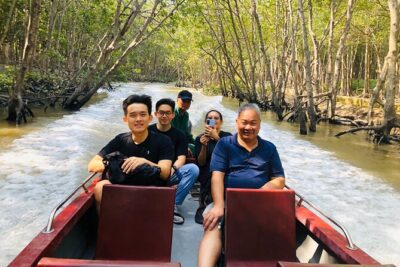
From Ho Chi Minh: Can Gio Trek – Monkey Island & Crocodile Farm
Read our review →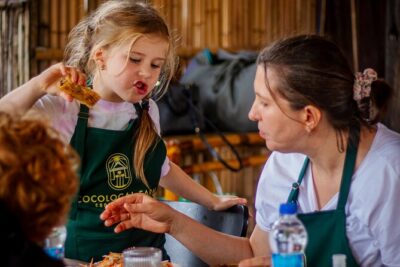
Cocolocal Farm Cooking Class with market tour and basket boat
Read our review →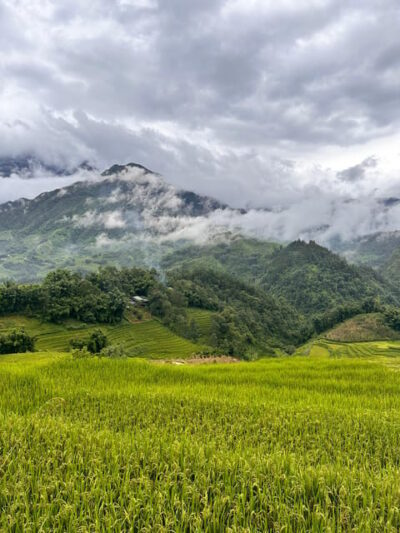
Explore Sapa by TrekkingAdventures, Mountain,Rice fields
Read our review →
Phu Quoc: Kayaking with Starfish Beach and Bee Farm Tour
Read our review →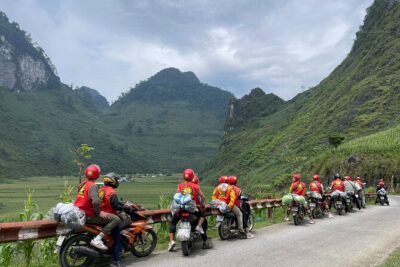
Motorbike 1 Day Off The Beaten Track, Hidden Villages, rice field
Read our review →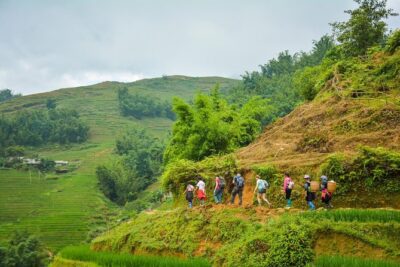
Coffee Farm Tour with Roasting & Tasting Workshop – Da Lat
Read our review →Browse the lists this tour appears in