
Review · GOA
CULTURAL & HISTORIC DAY TOUR ATTRACTIONS – Churches, Temples & Spice Plantation
Goa’s appeal is its sharp change of scene: one moment you are walking past Portuguese-era villas in Panjim, and the next you are standing among Hindu temple buildings or learning how cashews and spices grow. This tour links five very different places into one day, making it a useful first look at Goa beyond the beach hotels.
I especially like the Old Goa and Fontainhas pairing, which shows both the grand colonial past and the lived-in character of modern Panjim. The spice plantation is another strong point, with herbal tea, a local lunch, and a look at crops such as cinnamon, vanilla, pepper, and cashew. The main caution is timing. Five stops in 6 to 8 hours means some visits are brief, and one poor experience involved a late return to a cruise ship.
Key points at a glance
- Five contrasting stops: Panjim, Fontainhas, Old Goa, Mangeshi Temple, and a tropical spice plantation.
- Strong guiding is central: Guides including Joaquim, Jonas, Sachin, Anthony, Cesar, and Xavier have been praised for clear explanations and flexible service.
- A useful history lesson: The route connects Goa’s Portuguese Catholic past with Hindu customs, local food, and rural life.
- The plantation adds more than scenery: Expect herbal tea, a Goan buffet, spice explanations, and a shop selling local products.
- Good for a short stay: It gives you a broad introduction to Goa in one day, though each site receives roughly an hour.
- Check transport terms carefully: The stated maximum is 15 people, and port departures may be combined with other bookings.
Why this route gives you a proper introduction to Goa
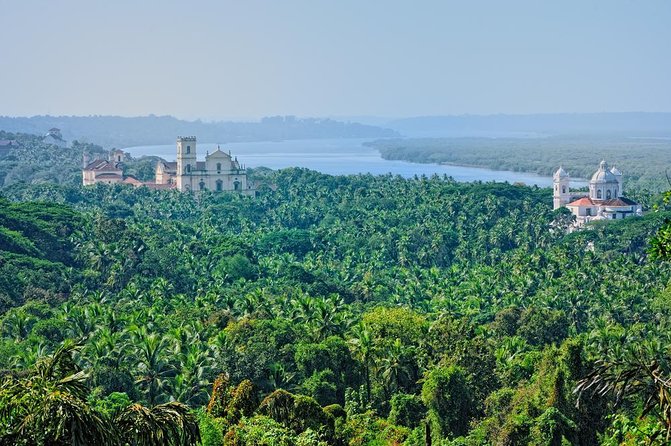
Many Goa trips stay close to the coast. This one moves inland and through the state capital, giving you a much fuller sense of the place. You see churches built during Portuguese rule, narrow streets lined with colorful homes, a major Hindu temple, and a plantation where food and farming remain part of the experience.
The route also works well for a first day in Goa. You do not need to arrange separate rides to Panjim, Old Goa, the temple area, and the plantation. Pickup is offered, and the tour lasts about 6 to 8 hours. That makes the $100 per person price easier to assess. You are paying not only for transport, but also for a guide, a planned route, and a meal at the plantation.
Still, this is a packed sightseeing day. Each listed stop is scheduled for about an hour, so you should not expect a slow, detailed visit at every place. I would choose it for breadth and context, not for long periods of quiet exploration at one monument.
More Plantation Tours in India
- Full-Day Tour Old Goa Dudhsagar Falls and Spice Plantation
★ 3.5 · 67 reviews - Glimpses Of Goa: Churches,Temple and Spice Plantation
★ 5.0 · 65 reviews - Goa: Dudhsagar Waterfall, Jeep Safari and Spice Plantation
★ 3.4 · 43 reviews
Panjim begins with Goa’s Portuguese face
The day starts in Panaji, also called Panjim, on the banks of the Mandovi River. The city is Goa’s state capital, and the opening walk introduces its older streets, colorful villas, and colonial-era buildings.
This is a good place to begin because it gives you the urban setting behind the rest of the tour. You are not simply being driven from one landmark to another. You start by seeing how Portuguese influence shaped the city itself, including its street pattern and domestic architecture.
The Panjim heritage walk lasts about an hour and has no separate admission charge. Expect a walking visit rather than a formal museum stop. Wear comfortable shoes, since the streets and short walks are part of the point.
The strongest guides make this section much better. Joaquim has been praised for mixing Goan history with details about daily life in Goa and India. Sachin, Jonas, Anthony, Cesar, and Xavier have also been singled out for clear explanations, friendly conversation, and the ability to adjust the pace.
That last point matters. A city walk can feel flat if the guide only lists dates and building names. The better version of this tour connects the buildings to Goa’s changing society. You should ask questions here, especially if you want more than photographs.
Fontainhas shows the lived-in side of old Panjim
Fontainhas, Panjim’s Latin Quarter, follows with another hour on foot. Its narrow lanes and brightly painted homes are among the most recognizable sights on the route.
This district is attractive, but it is also a residential area. You should walk quietly, avoid blocking doorways, and ask before photographing people or private homes. One visitor found the local attitude toward sightseeing in the quarter less welcoming than expected. That is a useful reminder that Fontainhas is not a stage set.
The best way to approach it is with respect and curiosity. Look at the proportions of the houses, the painted facades, the balconies, and the tight lanes. The point is not just color. Fontainhas helps you see how Portuguese influence remained part of ordinary Goan life rather than surviving only in large monuments.
The visit is free, but the short schedule means you will likely see a selected section rather than every lane. If you love architecture and street photography, you may wish the stop were longer. If you are using the tour as a broad introduction, an hour gives you a useful taste without slowing the entire day.
Old Goa brings the grand monuments
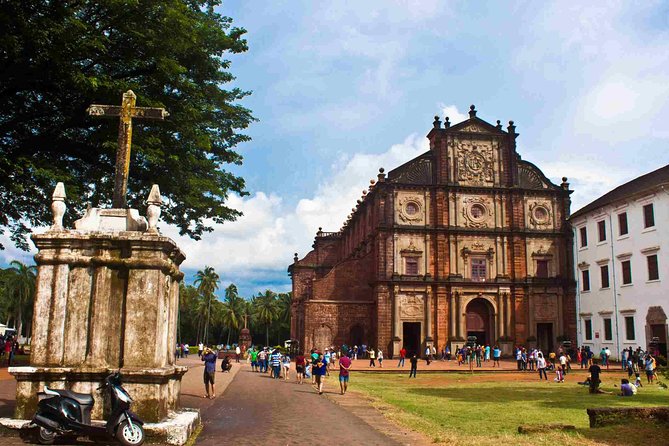
Old Goa, or Velha Goa, was the former capital of Portuguese India. The stop focuses on colonial-era churches, including the Basilica of Bom Jesus, and gives the day its largest historic monuments.
This is the part of the tour where the scale changes. Fontainhas shows domestic architecture, while Old Goa presents major religious buildings built during Goa’s Portuguese period. The churches are among the clearest reminders of how strongly Catholic institutions shaped the region.
You have about an hour here, with no separate admission ticket listed for the stop. That is enough to see the main buildings and hear their background, but not enough for an unhurried study of every church or interior detail.
I would pay close attention to the guide during this section. The buildings make an immediate visual impression, but their significance is easier to understand with context. Guides such as Joaquim, Anthony, Jonas, and Sachin have received particularly strong praise for explaining not only the monuments but also Goa’s wider development.
There is also a practical limit. Old Goa can become the part you remember most, yet it occupies only one slice of the day. If religious art or church architecture is your main interest, a dedicated Old Goa visit would allow more time. For a general Goa tour, this stop gives you the essential outline.
More Spice Farm Tours in India
- Old Goa Churches, Temples & Spice Plantation With “Goan” Lunch
★ 4.5 · 34 reviews - Goa: Spice Plantation Tour and Traditional Local Lunch
★ 4.3 · 32 reviews - Private South Goa City Tour with Spice Plantation and Lunch from North Goa Hotel
★ 4.0 · 12 reviews - Bondla Wildlife Sanctuary with Lunch in Spice Plantation in Goa
★ 4.5 · 12 reviews
Mangeshi Temple changes the mood
The route then turns to Shri Mangesh Temple in Mangeshi Village, Priol. It is described as one of Goa’s largest and most visited Hindu temples, and it provides a clear contrast with Old Goa’s churches.
That contrast is one of the tour’s smartest choices. Rather than presenting Goa as only Portuguese or only Catholic, the itinerary places Hindu temple traditions alongside colonial Christian sites. You get a better sense of the cultural mix that defines the state.
Treat the temple as a place of worship first. Dress and behave respectfully, and follow any instructions given at the site. The supplied information does not specify detailed entry rules, so your guide is the right person to ask about photography, footwear, and access when you arrive.
The temple visit is planned for about an hour and has no separate admission charge listed. Some people will find this stop more meaningful than expected because it provides a direct counterpoint to the church visits. Others may wish for more explanation of the temple’s customs and design. Again, the guide makes a real difference.
The spice plantation adds food and farm life
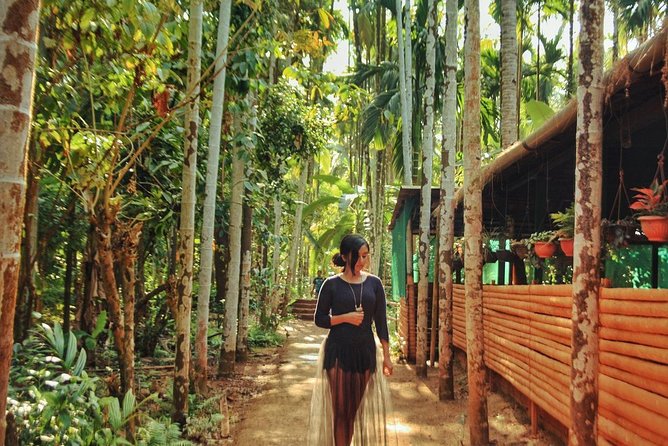
The Tropical Spice Plantation is the most hands-on part of the day. The visit combines a nature setting with traditional hospitality, herbal tea, a meal, and an explanation of local crops.
The welcome may include a ginger and lemongrass drink with a snack before the plantation walk. You may see how spices such as cinnamon, vanilla, and pepper grow, and the experience can also cover cashews. One particularly useful detail is that Goa is known for its cashews, and the plantation helps you understand the crop rather than merely offering packaged products in a shop.
Lunch is generally described as a Goan buffet or freshly prepared local meal. Several people praised the food, variety, and the friendly service. The meal is included, which adds real value to the $100 price.
The plantation also has a shop selling spices and related products. Set a budget before you browse. This is a natural place to buy edible souvenirs, but a sales area is still part of the visit.
There is one important qualification. The plantation experience is not identical every time. One account described only a short 20-minute explanation after lunch, which felt too brief. Another person became ill after the meal, despite finding it delicious. I would treat the food as a welcome bonus, but keep normal care with unfamiliar dishes and drinks.
For me, the plantation earns its place because it connects Goa’s food to the land. After churches, city streets, and a temple, it gives the day a practical finish. You are not only looking at heritage. You are seeing what goes into the kitchen.
Guides can make or break the day
The strongest pattern in the feedback is the importance of the guide. Joaquim is repeatedly praised for being entertaining, informed, and easy to talk with. Jonas is described as engaging and passionate about Goa. Sachin is credited with planning a relaxed introduction to the state, while Anthony is praised for explaining both local matters and broader Indian history.
Cesar also receives strong approval for looking after people throughout a long day. Xavier is noted for adapting the route to suit individual interests. These details suggest that the guiding style can vary, but the better guides do more than point out buildings. They answer questions, explain local life, and adjust the pace when possible.
There was also one poor guiding experience, with little explanation during the visits. That is worth keeping in mind. The advertised product depends heavily on the person assigned to your group, so the quality may not be perfectly uniform.
The drivers have also been praised often. Marlon, Vandesh, Elvin, Shoab, and others are described as careful, punctual, calm, and professional. Several accounts mention clean, comfortable, air-conditioned vehicles.
Timing matters, especially from a cruise ship
This tour can work very well from a cruise port. Pickups and returns have been handled on time in several cases, and one group made it back to the ship before departure despite a later docking time. Another account specifically praised the driver and guide for getting back on schedule.
But Goa traffic can be unpredictable. If you are returning to a ship, do not treat the stated 6 to 8 hours as a guarantee that the day will feel loose. Tell the operator your ship’s departure time, confirm the pickup and return plan, and keep an eye on the clock at each stop.
The tour has a maximum group size of 15. Some bookings have been handled as private tours in a comfortable car, while port departures may be combined with other bookings on a shared basis. One family expected a private car but found itself in a minibus with other people. They later received a partial refund, but the disappointment affected the day.
If privacy matters, confirm the vehicle arrangement in writing before booking. The guide and driver may still be excellent, but a shared ride changes the experience, especially for families.
Is $100 per person good value?
At $100 per person, this is not the cheapest way to see Goa. The value depends on how much you would otherwise spend arranging separate transport, a guide, and lunch.
The price is easier to justify if you have only one day, are staying outside central Panjim, or want a guide to explain the connections between sites. Transport to five different areas can be tiring to arrange on your own, and a good guide adds much more than simple directions.
The value is weaker if you already have a car, prefer long visits at individual monuments, or mainly want a slow food and plantation experience. The route is broad rather than leisurely.
Group discounts are offered, and mobile tickets make booking simple. Free cancellation is available up to 24 hours before the start time. Changes made inside that window are not accepted, and poor weather or failure to reach the minimum number of participants can lead to a rescheduled tour or full refund.
Who should book this Goa day tour?
I would recommend it to first-time visitors who want a clear overview of Goa’s cultural past and present. It is also a good fit for cruise passengers, couples, families, and anyone who prefers to see several major sights without arranging several separate trips.
It suits you especially well if you enjoy listening to local history, comparing religious architecture, and trying regional food. The guides can add real value, particularly if you ask questions and explain what interests you.
I would hesitate if you dislike moving between sites, want deep time at Old Goa, or need a guaranteed private vehicle. I would also confirm the port transport terms before paying if your group expects exclusive use of a car.
Final verdict: a strong first look, with a few checks
Book this tour if you want breadth, history, and local food in one day. Panjim and Fontainhas show Goa’s Portuguese-influenced city life, Old Goa supplies the grand churches, Mangeshi Temple adds Hindu tradition, and the plantation finishes with food and farming.
The experience is strongest when you receive a guide such as Joaquim, Jonas, Sachin, Anthony, Cesar, or Xavier, and when the day runs on time. Before booking, confirm whether your departure is private or shared, especially from the port. With that point clear, this is a practical and worthwhile way to see far more of Goa than the beach strip alone.
FAQ
How long does the Goa cultural and historic tour last?
The tour lasts approximately 6 to 8 hours. Each of the five main stops is scheduled for about one hour, though actual timing can vary.
What places are included?
The route includes a Panjim heritage walk, Fontainhas, Old Goa, Shri Mangesh Temple, and the Tropical Spice Plantation.
Is lunch included?
Yes. The spice plantation visit includes a meal, generally described as a Goan buffet or freshly prepared local food. Herbal tea or a ginger and lemongrass drink may also be served.
Is the tour suitable for cruise passengers?
Yes, pickup from the port has been provided, and several bookings have returned to the ship on time. Goa traffic can be unpredictable, so confirm the return timing and leave a sensible margin before departure.
How many people can join the tour?
The stated maximum is 15 people. Some departures have operated as private tours, while port bookings may be combined with other groups, so confirm the vehicle arrangement before booking.
Can I cancel for a full refund?
You can cancel at least 24 hours before the local start time for a full refund. Cancellations or changes made less than 24 hours before the start are not accepted for a refund.
More Plantation Tours in Goa
- Waterfall & Plantation
★ 5.0 · 4 reviews - Goa Shore Excursion with Spice Plantation & Old Goa
★ 3.5 · 4 reviews - Monkeyland and Plantation Safari Tour from Punta Cana
★ 5.0 · 3,805 reviews - Swamp Boat Ride and Oak Alley Plantation Tour from New Orleans
★ 5.0 · 3,303 reviews
More Spice Farm Tours in Goa
- Dudhsagar waterfall wildlife & spice plantation Tour in Goa
★ 5.0 · 10 reviews - Dudhsagar Waterfalls, Jeep Safari & Spice Plantation private tour
★ 3.5 · 8 reviews - Full-Day Goa Shore Excursion Including Lunch at Spice Plantation
★ 5.0 · 8 reviews - Highlights of South Goa with Spice Plantation Tour (Guided Fullday Tour by Car)
★ 5.0 · 6 reviews
Just added around Goa
- Private South Goa City Tour with Spice Plantation and Lunch from North Goa Hotel★ 4.0 · 12 reviews
- Waterfall & Plantation★ 5.0 · 4 reviews
- Bondla Wildlife Sanctuary with Lunch in Spice Plantation in Goa★ 4.5 · 12 reviews
- Old Goa Churches, Temples & Spice Plantation With “Goan” Lunch★ 4.5 · 34 reviews
- Highlights of South Goa with Spice Plantation Tour (Guided Fullday Tour by Car)★ 5.0 · 6 reviews
- Dudhsagar Waterfalls, Jeep Safari & Spice Plantation private tour★ 3.5 · 8 reviews
- Dudhsagar waterfall wildlife & spice plantation Tour in Goa★ 5.0 · 10 reviews
- Full-Day Goa Shore Excursion Including Lunch at Spice Plantation★ 5.0 · 8 reviews
Goa Farm Tours, compared.
Full-Day Tour Old Goa Dudhsagar Falls and Spice Plantation
Read our review →
Glimpses Of Goa: Churches,Temple and Spice Plantation
Read our review →
Dudhsagar Waterfall, Jeep Safari and Spice Plantation
Read our review →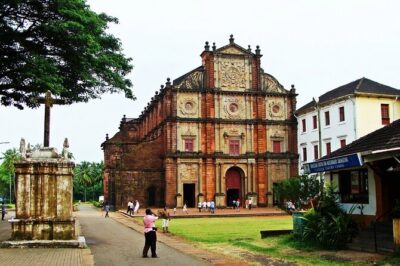
Old Goa Churches, Temples & Spice Plantation With “Goan” Lunch
Read our review →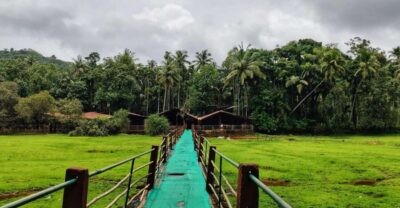
Spice Plantation Tour and Traditional Local Lunch
Read our review →
Bondla Wildlife Sanctuary with Lunch in Spice Plantation in Goa
Read our review →
Private South Goa City Tour with Spice Plantation and Lunch from North Goa Hotel
Read our review →
Dudhsagar waterfall wildlife & spice plantation Tour in Goa
Read our review →Browse the lists this tour appears in