
Review · FRANCE
Half Day Grape Harvest Experience with Tasting in Epernay
The unusual part of this Épernay grape harvest tour is that you do not simply look at vineyards from a roadside. You help pick the grapes, see them enter the press, and taste the juice before it begins its long journey toward Champagne. I like that hands-on touch, and I also like the small group limit of seven, which should make it easier to ask questions and speak with the estate staff.
I also like the way the outing connects the harvest to the wider region. Guide G has taken guests to Hautvillers and other appealing spots before the picking begins. The main drawback is timing: grape harvest happens only once a year, so this is a seasonal experience rather than a tour you can book whenever you happen to visit Champagne.
Key points to know before booking
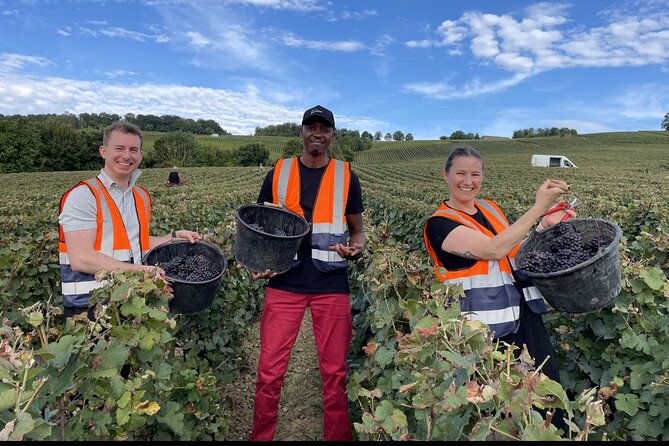
- You pick the grapes yourself: This is a working harvest experience, not just a cellar visit.
- The press is part of the visit: You can watch the grapes being processed and taste the early grape juice.
- Three Champagne grape varieties are explained: The guide helps you understand an important part of Champagne production.
- The tour leaves from central Épernay: Meet outside the Épernay Tourist Office on Avenue de Champagne.
- The group is capped at seven people: That suits anyone who prefers a personal, conversational outing.
- Comfortable clothes matter: You will spend time in vineyards, where shoes and clothing may get dirty or face changing weather.
Why picking grapes changes the Champagne visit
Most Champagne tours begin with a finished bottle. This one starts much earlier, with the fruit still on the vine and the harvest in progress.
That difference matters. When you pick the grapes, you get a clearer sense of the work behind the label. You see that production depends on people, timing, organization, and careful handling long before a bottle reaches a shop or restaurant.
The harvest is also a short annual window. You cannot get this same experience in spring or winter, when the vines are at different stages and the pressing activity is over. If your dates line up, you get a look at one of the most important moments in the region’s wine calendar.
I especially like the chance to taste grape juice at the beginning of the process. It gives you a useful comparison with Champagne itself. The juice is not the finished drink, and the contrast helps explain why pressing, fermentation, blending, and aging matter so much.
The outing takes place at a family estate in the Marne Valley. That setting gives the visit a more personal feel than a large commercial attraction, although you should expect a working farm environment rather than a polished museum-style tour.
More Food and Drink Trips in the world:
- Sorrento Farm and Food Experience including Olive Oil, Limoncello, Wine tasting
★ 5.0 · 2,524 reviews - Lahaina: Maui Ku’ia Estate Guided Cacao Farm Tour and Tasting
★ 5.0 · 1,103 reviews - Pizza School with Wine and Limoncello Tasting in a Local Farm
★ 5.0 · 845 reviews
Meeting in Épernay and heading into the Marne Valley
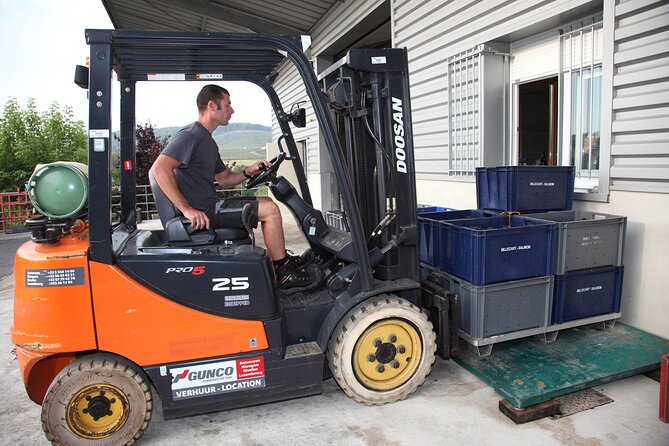
The meeting point is outside the Office de Tourisme d’Épernay en Champagne at 7 Avenue de Champagne. This is a practical place to start because it is central and close to the city’s famous Champagne avenue.
Your guide meets you there and drives you to the family estate in an air-conditioned vehicle. The transfer is listed as about 30 minutes each way, leaving roughly three hours for the main estate visit and harvest activity.
That transport is a real benefit. You do not need to arrange a taxi, find a rural estate on your own, or worry about driving after Champagne tastings. The vehicle also keeps the group together and makes the route simple for a half-day visit.
The drive is part of the change in mood. Épernay gives you the urban starting point, while the Marne Valley brings you closer to the vineyards and the daily work of production. The route may also include Hautvillers and other attractive places in the region before the grape picking begins.
Because the total experience lasts about four hours, you can fit it into a morning or afternoon without giving up a full day in Champagne. The tradeoff is that the schedule is fairly focused. You are getting a working harvest visit, not an extended tour of several estates.
The family estate and the harvest work
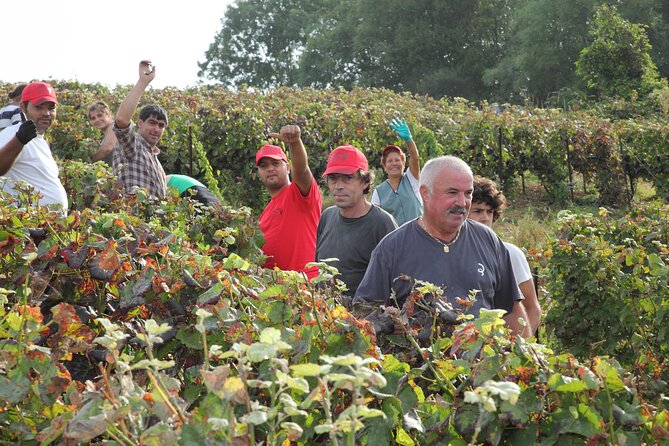
At the estate, you join the harvest by picking grapes. This is the part that makes the experience different from a standard tasting.
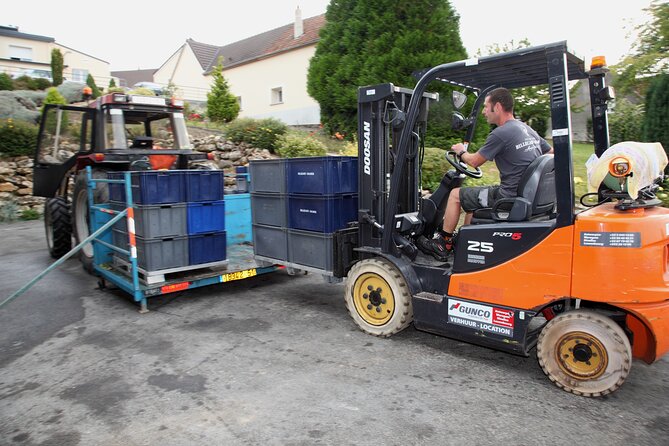
You should expect practical activity rather than a passive talk. You will be in or near the vineyard, handling the grapes and seeing how the harvest is organized. The description highlights the logistics involved, so you can expect to notice the coordination between the vineyard work, collection, transport, and pressing.
That organization is easy to underestimate when you buy a bottle from a shop. During harvest, timing and movement matter. The grapes must be picked and handled as part of a larger process, and the estate staff have to keep many tasks moving at once.
You also have the chance to interact with the staff. That is useful because questions about the estate, the harvest, and the production method can be answered in the place where the work actually happens. A small group should help here, especially when compared with a large coach tour.
The experience is described as family-friendly in spirit, but it still requires moderate physical fitness. You will be stopping in the vineyards, walking on uneven ground, and taking part in outdoor work. It is not presented as a difficult hike, yet anyone with limited mobility should think carefully about the physical setting.
Wear comfortable shoes with a firm sole. Choose clothing that suits the weather and that you will not mind getting dusty or stained. A vineyard during harvest is a workplace, not a formal tasting room.
Seeing the press and tasting fresh grape juice
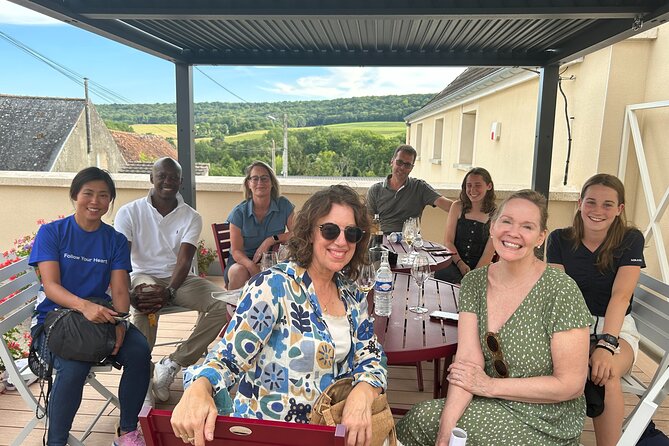
After picking, you see how the grapes are pressed. This is one of the most useful parts of the visit because it shows the first mechanical step in turning harvested fruit into wine.
The pressing stage also gives the tour a clear sequence. You begin with grapes on the vine, take part in picking, watch the fruit go into the press, and taste the juice at the start of the process. You are not just hearing an explanation of Champagne production. You are seeing several early stages in order.
The grape juice tasting is separate in character from the Champagne tasting later. Fresh juice gives you a sense of the fruit before fermentation and other production steps change its flavor. I find that kind of comparison more useful than tasting several finished bottles without context.
You also learn about the three main grape varieties used in Champagne. The information provided does not specify exactly which examples you will taste or how the estate presents them, so you should not expect a formal technical class. Still, the focus on three varieties gives you a helpful framework for understanding why different Champagne wines can taste different.
This is a good tour for a curious drinker who wants more than a quick glass. It is less suited to someone who wants a long, polished tasting with a broad range of cuvées and detailed bottle comparisons.
A few more farm days around the world worth a look
- Half-Day Thai Cooking Class at Organic Farm in Chiang Mai
★ 5.0 · 19,087 reviews - Ubud: Monkey Forest, Jungle Swing, Rice Terrace, and Water Temple
★ 5.0 · 7,160 reviews - Florence Pizza or Pasta Class with Gelato Making at a Tuscan Farm
★ 5.0 · 6,801 reviews - From Porto: 2 Wine Regions, Farm-to-Table Lunch & Boat
★ 4.9 · 5,724 reviews
Champagne tasting at the end of the visit
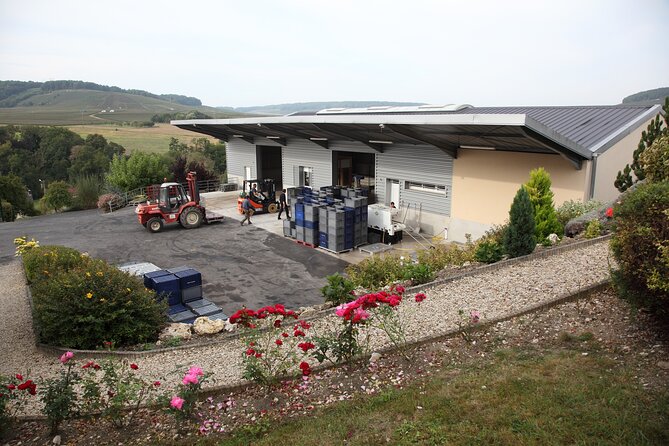
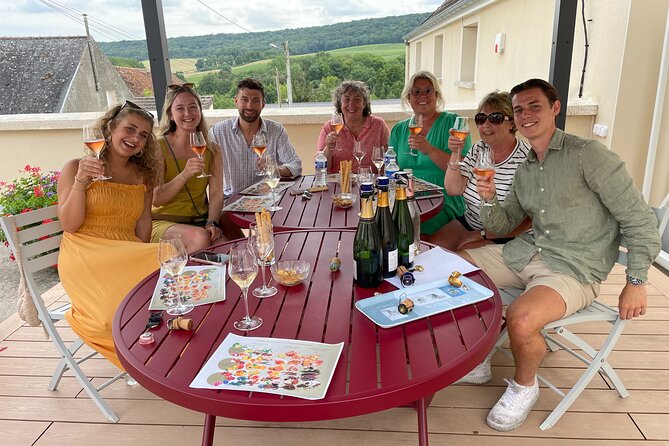
The tour includes tastings, including Champagne for eligible adults. After seeing the fruit and the press, the finished drink has more meaning. You can connect the bottle in your glass with the work you have just watched.
The tasting is not described as a large flight or a formal sommelier session, so keep your expectations measured. The value comes from the setting and the link to the harvest. You are tasting at a family estate after seeing the production begin, rather than stopping for a detached drink with no connection to the vineyard.
Alcoholic tastings are available only to people aged 18 and over. Alcohol is prohibited for pregnant people and those with health problems. If you cannot drink, the early grape juice tasting may still give you a worthwhile part of the experience, but you should not assume that a full nonalcoholic tasting program is provided.
The tour provider is Champagne Dream Tour, and guide G has been praised for punctuality and strong knowledge of Champagne and the region. That matters on a short tour. A guide who keeps the four-hour schedule moving while explaining what you are seeing can make the difference between a rushed stop and a useful visit.
What the $114.88 price means
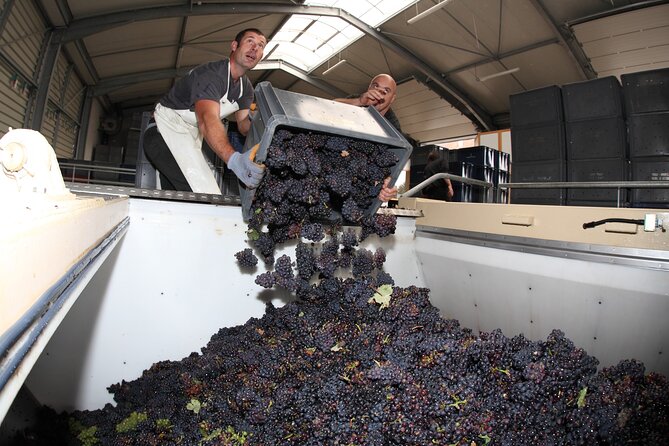
At $114.88 per person, this is not the cheapest way to taste Champagne. You are paying for more than a tasting, though. The price includes transport from Épernay, the family estate visit, the harvest activity, the pressing demonstration, and the tastings.
I see the strongest value in the access to the harvest itself. A normal vineyard stop can show you rows of vines and a cellar, but it does not usually let you take part in the work. The small maximum of seven also adds value if you want direct contact with the guide and estate staff.
The price is easier to justify if you have limited time in the region and want several elements in one half-day. You get a countryside outing, a look at production, grape juice, Champagne, and regional context without arranging separate transport.
The value is weaker if your main goal is a long tasting of premium Champagne or a detailed comparison of many producers. Lunch is not included, and personal expenses are extra, so plan to eat before or after the tour. Since the outing lasts only about four hours, it is best viewed as a focused experience rather than a full-day wine program.
Who will enjoy this seasonal tour most
I would choose this for you if you want to understand how Champagne begins, not just how it tastes at the end. It suits curious visitors, wine beginners, and people who enjoy local work and seasonal traditions.
It is also a good match for a small group or couple looking for a personal outing. The seven-person limit should keep the visit from feeling like a large production, while the air-conditioned vehicle removes the need to organize rural transport.
Families and mixed-interest groups may also find the format useful, provided everyone can manage the vineyard setting and the adults who drink are at least 18. The grape juice and hands-on activity give the visit something to offer beyond alcohol.
I would be more cautious about booking this if you dislike outdoor work, have trouble walking on uneven ground, or want a luxury tasting-room atmosphere. The experience is built around the harvest, so practical clothing and a willingness to get involved are part of the bargain.
Timing, clothing, and practical details
The harvest takes place once each year, but the provided details do not give exact operating dates. Check that your visit falls within the harvest period before booking, since the grape-picking element depends on the season.
Confirmation arrives when you book, and the experience is available in English. The meeting point is near public transportation, and the tour finishes back at the Épernay Tourist Office.
Plan for weather changes. Comfortable clothing is advised, along with comfortable shoes suitable for vineyards. I would avoid delicate fabrics, open shoes, and anything that makes bending or walking outdoors difficult.
Free cancellation is available if you cancel at least 24 hours before the local start time. Cancellations or changes made inside that window are not refunded or accepted, so keep the seasonal timing and your daily schedule in mind before reserving.
Should you book the Épernay grape harvest experience?
Book it if you want a hands-on harvest visit with a family estate, a small group, and a clear look at the first stages of Champagne production. The chance to pick grapes, watch pressing, taste fresh juice, and then sample Champagne gives the half-day a strong sense of purpose.
I would skip it if you are visiting outside harvest season, want a long cellar tour, or prefer a grand tasting with many bottles. For the right dates and the right expectations, $114.88 buys a personal introduction to the work behind Champagne, not just another glass in a tasting room.
FAQ
Where does the tour begin?
It begins outside the Office de Tourisme d’Épernay en Champagne at 7 Avenue de Champagne, 51200 Épernay, France.
Where does the tour end?
The activity ends back at the Épernay Tourist Office, the same meeting point used at the start.
How long does the experience last?
The experience lasts approximately four hours, including about 30 minutes to reach the estate and about 30 minutes to return.
How many people can join the tour?
The tour has a maximum of seven people.
Is transportation included?
Yes. Transportation is provided in an air-conditioned vehicle from the Épernay meeting point to the family estate and back.
What activities are included at the estate?
You can pick grapes, see how they are pressed, taste grape juice at the start of production, learn about three main Champagne grape varieties, and take part in tastings.
Is lunch included?
No. Lunch and personal expenses are not included.
Can anyone take part in the alcoholic tastings?
Alcoholic tastings are offered only to people aged 18 and over. Alcohol is prohibited for pregnant people and those with health problems.
What should I wear?
Wear comfortable clothing suited to the weather and comfortable shoes for walking and stopping in the vineyards.
Just added around the world
- Ubud Rice terrace,Zip-line and waterfall★ 5.0 · 4 reviews
- Full Day Tour to Water Temples UNESCO Rice Terraces in Bali★ 5.0 · 4 reviews
- Explore Ubud Art Market, Monkey Forest and Rice Terraces★ 5.0 · 16 reviews
- Exploring Munduk Village (Waterfalls, rice terrace, Traditional local house)★ 4.5 · 2 reviews
- Ubud Monkey Forest Rice Terrace Temple Waterfall Private Tour★ 5.0 · 7 reviews
- Jatiluwih Spiritual Journey of Melukat with Rice Terrace View★ 5.0 · 9 reviews
- Private Tour to Sumampan Waterfall, Monkey forest, Rice terraces and Swing★ 5.0 · 30 reviews
- Discover Hidden Waterfall, Unesco Rice Terraces and Mountain Temple★ 5.0 · 17 reviews
France Farm Tours, compared.
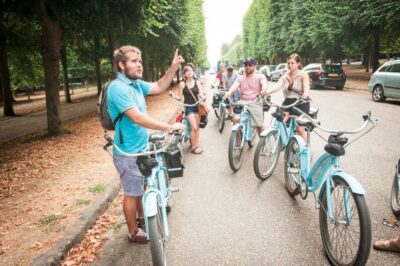
Versailles Bike Tour with Palace & Queen Farm Entrance
Read our review →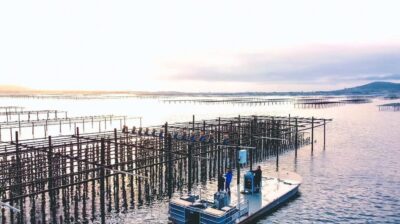
Loupian: Tour guide of our oyster farm and tasting
Read our review →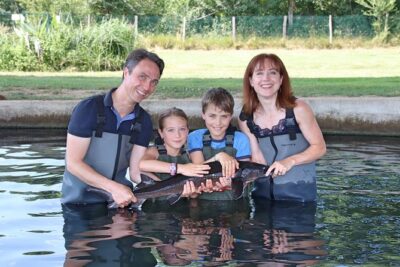
Sturgeon Fish-Farm Visit and Caviar Discovery Tasting in Neuvic
Read our review →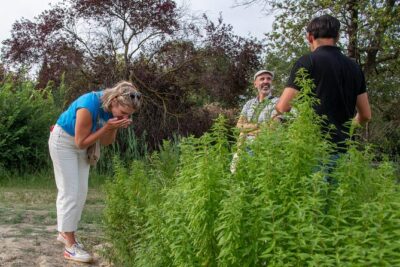
Lavender Harvesting and Distillation Workshop in Bellegarde
Read our review →
Award winning “From Farm to Table, A Culinary Day in Lyon”
Read our review →
Sturgeon Fish-Farm Visit and Caviar Master Class Tasting in Neuvic
Read our review →
English Tour into the Sturgeon Farm With a Discovery Tasting
Read our review →Browse the lists this tour appears in