
Review · DALAT
Experience Making specialty coffee in Da Lat City
Da Lat coffee is at its best when you can taste what the bean itself brings: sour, sweet, fruity, bitter, or clean, without a pile of added flavors. This small-group session takes you from farm-grown beans to a finished cup, with time to roast, taste, and brew your own coffee. I especially like the hands-on roasting and the chance to compare natural and washed processing side by side.
I also like the focus on a real local producer rather than a quick café tasting. You visit HuyEco Coffee Farm, hear how the farmer controls flavor through drying, roasting, and brewing, and end with traditional Phin coffee overlooking Da Lat. The main drawback is the short one-hour format, which leaves little room for a slow farm visit or a long technical lesson.
Key points before you book
- Five farm-grown coffee types: Explore Arabica and Robusta from the host’s own farm, including different processing styles.
- Natural and washed processing: Compare Vietnamese Robusta made with the natural process and Arabica made with both washed and natural processes.
- You roast the beans yourself: The session is not just a tasting. You take part in changing the beans before brewing.
- Three roast levels: Taste the effect of light, medium, and dark roasting on the final cup.
- Traditional Phin brewing: Make your own Vietnamese coffee using the slow metal filter method.
- Small group and simple logistics: The activity lasts about one hour, accepts up to 10 people, and starts and ends at HuyEco Coffee Farm.
Why this Da Lat coffee session is different
Many coffee activities in Vietnam focus on drinking a sweet, condensed-milk coffee and moving on. This one takes a more useful approach. You look at how the bean changes before it reaches your cup, then taste the results.
The host grows and processes the coffee, so the lesson connects the farm to the café. You can ask how Arabica differs from Robusta, why a natural process can bring fruitier notes, and how roasting changes acidity, sweetness, body, and bitterness. The supplied details do not name the guide, but the format is clearly led by the sustainable farmer behind HuyEco Coffee Farm.
I like this direct connection. You are not only told that coffee has different flavors. You get to test those differences through several cups. That makes the hour useful even if you already drink coffee every morning.
The experience also suits Da Lat particularly well. The city is linked with highland coffee growing, and this session gives you a local view of that agricultural side without requiring a full-day trip out of town. You get a farm connection at a city meeting point, then finish by looking over Da Lat as you make your own Phin coffee.
More City Tours in Da Lat:
- 5 tours in 1 (Eco Farm/Horseback/City Tour/Buggy/Zipline)
★ 4.5 · 1,443 reviews - Charleston: Historic City Tour & Magnolia Plantation Combo
★ 4.4 · 187 reviews - Almaty City: Big Almaty Lake Roundtrip Transfer and Tour
★ 4.8 · 110 reviews
Meeting the five coffees from the farm
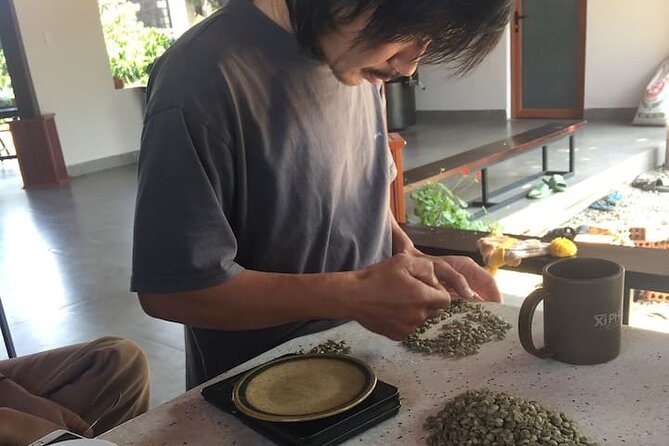
The session introduces five types of coffee from the host’s farm, with Arabica and Robusta included. The details specifically identify three combinations:
- Vietnam Robusta with the natural process
- Vietnam Arabica with the washed process
- Vietnam Arabica with the natural process
The other two types are part of the five-coffee tasting, but they are not named in the available information. I would treat that as a reason to ask questions during the session rather than expect a fixed list of five varieties.
The Arabica and Robusta comparison is one of the most useful parts. Arabica is often associated with brighter, more acidic notes, while Robusta can bring heavier body and stronger bitterness. Those broad differences do not tell the whole story, since processing and roasting also matter. This is where the session becomes more interesting than a simple bean comparison.
The same Arabica bean can taste quite different after washed or natural processing. A washed process generally lets the bean’s cleaner, brighter character show through. Natural processing dries the coffee fruit around the seed, which can contribute sweeter or fruitier notes. The exact result depends on the farm and method, so tasting both is more useful than relying on a general rule.
The host’s main lesson is that coffee flavor is controlled at several stages. The plant matters, but so do harvesting, processing, drying, roasting, and brewing. You get to see that chain in a compact form.
What happens during the one-hour visit
The activity is listed at about one hour, so you should expect a focused workshop rather than a long farm tour. The visit begins at HuyEco Coffee Farm, at Hẻm 29 Đường 3/4, Phường 3, Da Lat, Lam Dong 66000.
The first part covers the different beans grown on the farm and the ways they are processed. You learn about natural and washed coffee, along with the effect of roasting and brewing. The exact order may vary, but the session moves from the raw coffee to the finished drink.
A visit into the garden is included in the experience. This is a valuable detail because coffee can seem abstract when it is presented only as a roasted bean in a café. Seeing the plants gives you a better sense of where the drink begins and how much work comes before roasting.
You then roast the beans yourself. That practical step is the heart of the visit. Instead of only looking at different roast samples, you see and smell the coffee change as the roast develops. The activity does not specify the equipment or how much coffee each person roasts, so you should expect a guided demonstration and hands-on portion rather than a full professional roasting class.
After roasting, you taste coffee prepared at light, medium, and dark roast levels. This makes the lesson easy to follow. Light roasting can preserve more of a bean’s bright or fruity character, while darker roasting usually brings stronger roasted flavors and more bitterness. Your own palate may prefer one level, and the point is to notice how much the roast matters.
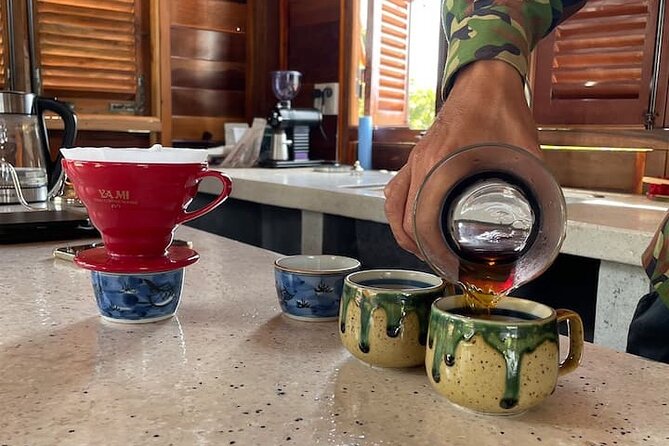
The session ends with you making a cup of traditional Vietnamese Phin coffee. The metal Phin filter sits over the cup and lets water pass slowly through the grounds. It is a simple method, but it rewards attention to the grind, water, and pace of brewing. Here, the Phin is not just a souvenir-style activity. It is the final test of what you have learned about the beans and roast.
Natural process, washed process, and what you taste
Processing is one of the best reasons to book this activity. The bean inside the coffee cherry does not begin with the flavor you taste in your cup. The way the fruit is removed, dried, and prepared changes the final character.
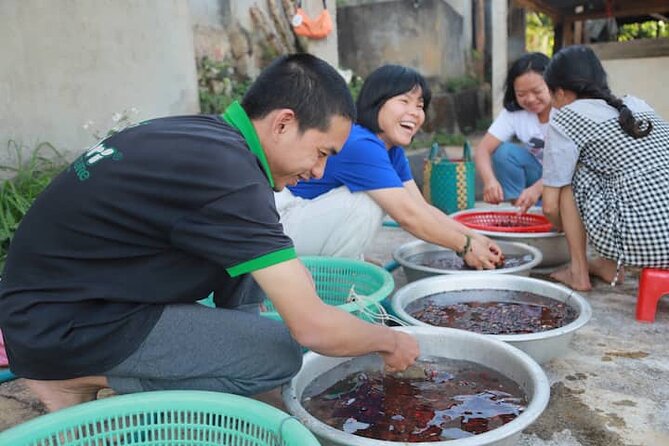
With natural processing, the coffee cherry dries around the seed. This can produce sweet, fruity notes, though the exact flavor depends on the coffee and the drying work. The farm’s natural Robusta and natural Arabica let you compare how this method behaves with two different coffee types.
With washed processing, the fruit is removed before the beans are dried. Washed Arabica is often valued for a cleaner cup and more defined acidity. Again, your tasting matters more than a textbook description. The same terms can sound vague until you try the coffees beside one another.
I like that this lesson presents the coffee as a series of choices. The farmer is not simply growing a bean and handing it to a café. Processing and roasting are tools for shaping the taste. If you are interested in food production, small farms, or craft drinks, this part gives the activity real substance.
The session is also a good match for people who think they dislike strong coffee. You may find that your reaction changes when the coffee is lighter, fruitier, or brewed in a different way. It is equally useful for serious coffee drinkers who want to connect flavor terms with actual cups.
Same fields, a different sort of day out:
- Coffee Farm Tour with Roasting & Tasting Workshop – Da Lat
★ 5.0 · 126 reviews - Experience specialty coffee with sustainable coffee farmers
★ 4.9 · 91 reviews - Scented Candle Workshop in Twin Beans Farm Da Lat
★ 5.0 · 70 reviews - Trekking Tour to Hidden Waterfall & Sturgeon Farm for dog-lovers
★ 5.0 · 67 reviews
Roasting three levels and tasting the results
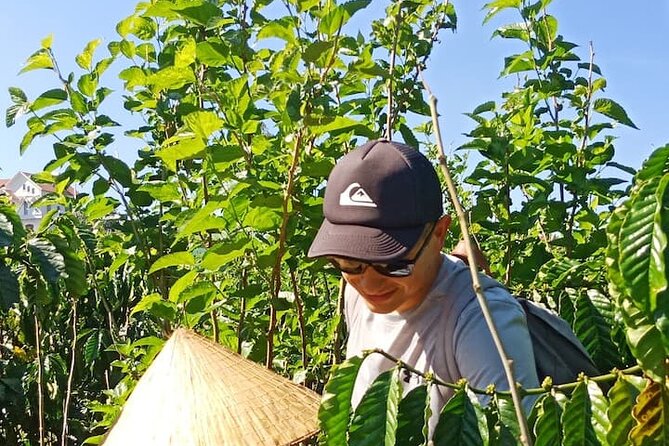
The light, medium, and dark roast comparison gives you a clear reason to pay attention. Roast level affects much more than color. It changes aroma, body, acidity, bitterness, and the way the original bean comes through.
A light roast may show more of the coffee’s natural character, including sour or fruity notes. A medium roast can offer a middle ground, with more body while still keeping some acidity. A dark roast tends to push the cup toward heavier, toastier flavors. These are general guideposts, not promises, and the farmer’s methods determine the final result.
The useful part is that you taste the coffees rather than receiving a lecture alone. Your own preferences may not match the standard descriptions. That is exactly why the comparison works. You can decide if you prefer a bright Arabica, a heavier Robusta, or a more roasted cup.
The tasting also helps explain why Vietnamese coffee is not one single flavor. Many people know Vietnam mainly through strong coffee with condensed milk. This session shows another side, including coffee that is sour, sweet, or fruity and not mixed with anything.
Do not expect a large meal or a café-style menu. This is a coffee workshop, and the focus stays on tasting, roasting, and brewing.
The garden visit and the human scale of the farm
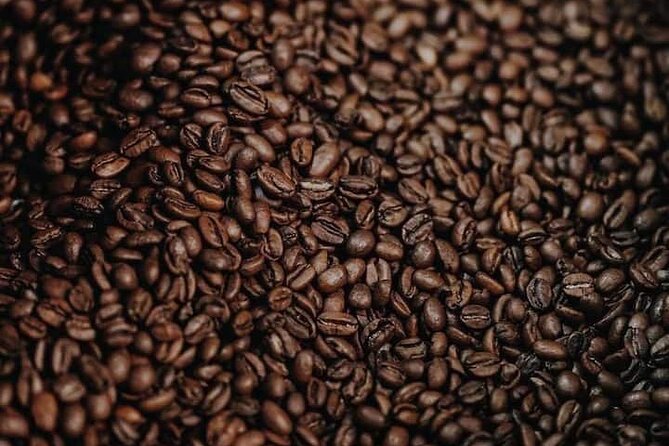
The garden portion adds context without turning the experience into a long agricultural tour. You get to see the coffee plants and connect them with the beans in front of you. That matters because coffee is often treated as a finished product, far removed from the farm that produced it.
The farm is described as sustainable and human-scale. The available information does not provide a detailed list of its environmental methods, so I would not book this expecting a formal sustainability lecture. Instead, you can expect the farmer to explain how coffee is grown and processed on his own farm.
That personal scale is one of the strongest reasons to choose this activity. A large commercial plantation tour may offer more facilities, but a small producer can often explain the decisions behind each batch in a more direct way. You can ask practical questions and hear how the coffee reaches the shop.
The garden visit is brief because the full session lasts only an hour. If you want a long walk among coffee fields, extensive farm work, or a full account of seasonal harvesting, this may feel too short. If you want a compact introduction while staying in Da Lat, the timing is easier to fit into a day of sightseeing.
Making Phin coffee while looking over Da Lat
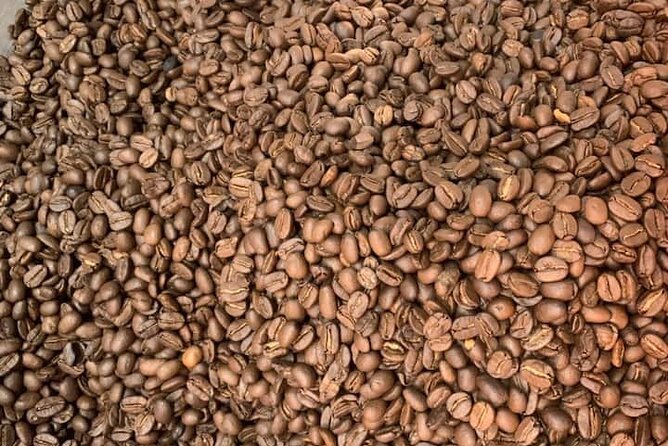
The final Phin coffee gives the session a distinctly Vietnamese finish. The Phin is slower than a machine espresso and more hands-on than instant coffee. You add the grounds, place the filter, pour the water, and wait as the coffee drips through.
Making it yourself is useful because brewing can change the drink as much as the bean and roast. A coffee that tasted bright during the tasting may feel fuller or stronger through the Phin. You get to connect the farm’s work with a familiar local brewing method.
The city view adds a pleasant setting, but the key value is still the coffee lesson. Do not book this only for a scenic overlook. Book it if you want to sit with the cup you helped prepare and understand how the brewing method affects the result.
The session ends back at the meeting point, so you do not need to plan for a separate drop-off. Since the ticket is mobile, you can keep the booking on your phone. Confirmation is provided at booking, and the maximum group size is 10 people.
Is $21 a fair price?
At $21 per person, this is reasonably priced for a one-hour activity that includes instruction, several tastings, a garden visit, hands-on roasting, and Phin brewing. The value depends on what you want from a coffee experience.
If you only want a cup of Vietnamese coffee, $21 is not a bargain. You can find coffee in Da Lat for far less. The fee makes sense because you are paying for access to the producer, the comparison of several coffees, the roasting activity, and the explanation of processing methods.
It is also good value for a short window in your schedule. You do not need to spend half a day traveling to a remote farm. The meeting point is in Da Lat, and the activity returns there. That makes it easy to place before or after other city plans.
The price is less attractive if you expect a long plantation tour, a full meal, a large take-home coffee supply, or advanced barista training. None of those are included in the supplied details. Think of this as a compact tasting workshop with a personal farm connection.
Who should book this experience?
I would recommend it to coffee drinkers who want to understand why one cup tastes fruity and another tastes bitter. It is also a good choice for anyone interested in sustainable farming, local food production, or the difference between Arabica and Robusta.
It works well for solo visitors and small groups because the maximum is 10 people. The hands-on format gives you more to do than simply listen, though the exact amount of individual roasting time may depend on the group.
Families with older children may find the bean-to-cup process interesting, but the experience is centered on coffee tasting and roasting. The supplied information does not state a minimum age, so check before booking if you are traveling with young children.
You should skip it if you do not drink coffee or if you want a long rural excursion. The activity is short, focused, and city-based. Its strength is the quality of the explanation and the range of tasting comparisons, not the length of the tour.
Booking advice and cancellation terms
The activity costs $21 per person and accepts mobile tickets. It starts and ends at HuyEco Coffee Farm, Hẻm 29 Đường 3/4, Phường 3, Da Lat, Lam Dong 66000, Vietnam.
Free cancellation is available if you cancel at least 24 hours before the local start time. Cancellations made less than 24 hours ahead are not refunded, and changes inside that window are not accepted. I would book this around your Da Lat plans rather than leave it until the last minute, especially if you want a particular time.
Should you book this Da Lat coffee experience?
Book it if you want more than a quick Vietnamese coffee. The combination of farm-grown Arabica and Robusta, natural and washed processing, three roast levels, hands-on roasting, and a final Phin cup gives you a clear look at how coffee flavor is built.
The one-hour length is both its benefit and its limit. You can fit it into a busy Da Lat day, but you should not expect a long farm expedition. At $21, I see it as good value for a focused, personal introduction to local coffee, especially if you enjoy asking questions and comparing flavors.
My practical advice is simple: arrive ready to taste coffee without milk or other additions, since the point is to notice the beans themselves. If you want a short activity with real local production behind it, this is a smart booking. If you want a full-day farm trip or formal barista certification, choose something longer.
FAQ
Where does the coffee experience start?
It starts at HuyEco Coffee Farm, Hẻm 29 Đường 3/4, Phường 3, Da Lat, Lam Dong 66000, Vietnam.
Where does the activity end?
The experience ends back at the meeting point, HuyEco Coffee Farm.
How long does the activity last?
The activity lasts approximately one hour.
How much does the experience cost?
The listed price is $21 per person.
How many people can join?
The activity has a maximum of 10 participants.
What types of coffee are included?
You explore five coffees from the host’s farm, including Arabica and Robusta. The specifically identified coffees include natural-process Vietnamese Robusta, washed-process Vietnamese Arabica, and natural-process Vietnamese Arabica.
Do I roast coffee during the experience?
Yes. You roast the coffee beans yourself as part of the session.
Do I make Vietnamese Phin coffee?
Yes. The activity ends with you making your own traditional Phin coffee while looking over Da Lat.
Can I cancel for a full refund?
Yes, if you cancel at least 24 hours before the experience’s local start time. Cancellations made less than 24 hours before the start time are not refunded.
Just added around Da Lat
- Scented candle workshop at Twin Beans Farm – Da Lat suburb★ 5.0 · 10 reviews
- Dalat Countryside Motorbike Day Tour–Coffee Farms & Pagodas★ 5.0 · 53 reviews
- Dalat: MOTORBIKE TOUR TO PONGOUR FALLS- SILK- COFFEE FARM★ 4.9 · 52 reviews
- Da Lat: Waterfalls, Farms & Pagoda Easy Rider Motorbike Tour★ 5.0 · 2 reviews
- Da Lat: Sunrise Panorama, Green Tea Hill and Strawberry Farm★ 4.0 · 3 reviews
- 1 Day Easy Rider Tour in Dalat–Villages, Farms & Waterfalls★ 5.0 · 5 reviews
- Dalat’s countryside|Coffee Plantations Tour beyond Elephant falls★ 5.0 · 59 reviews
- Tour To Langbiang Land – Datanla Falls – Crazy House in Dalat★ 5.0 · 62 reviews
Dalat Farm Tours, compared.
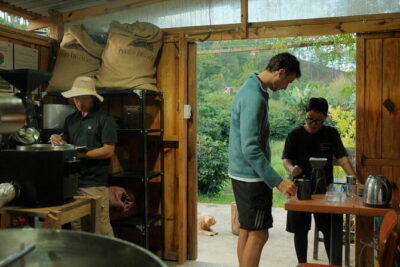
Coffee Farm Tour with Roasting & Tasting Workshop – Da Lat
Read our review →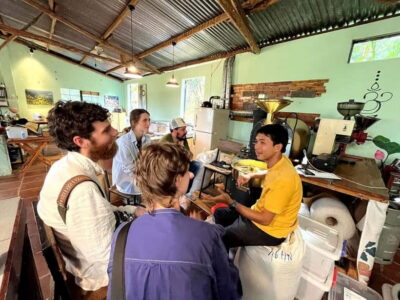
Experience specialty coffee with sustainable coffee farmers
Read our review →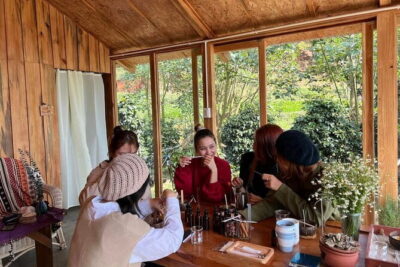
Scented Candle Workshop in Twin Beans Farm Da Lat
Read our review →
Trekking Tour to Hidden Waterfall & Sturgeon Farm for dog-lovers
Read our review →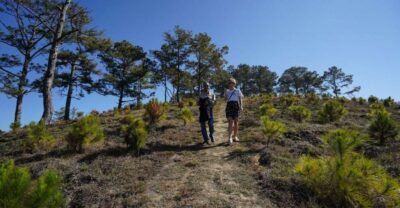
Coffee – Wine – Tea Da Lat’s Agricultural Treasures Tour
Read our review →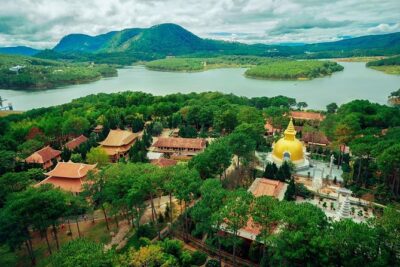
Tour To Langbiang Land – Datanla Falls – Crazy House in Dalat
Read our review →
Dalat’s countryside|Coffee Plantations Tour beyond Elephant falls
Read our review →
Dalat Countryside Motorbike Day Tour–Coffee Farms & Pagodas
Read our review →Browse the lists this tour appears in