
Review · SAPA
Sapa: Explore ethnic villages & breathtaking rice terraces
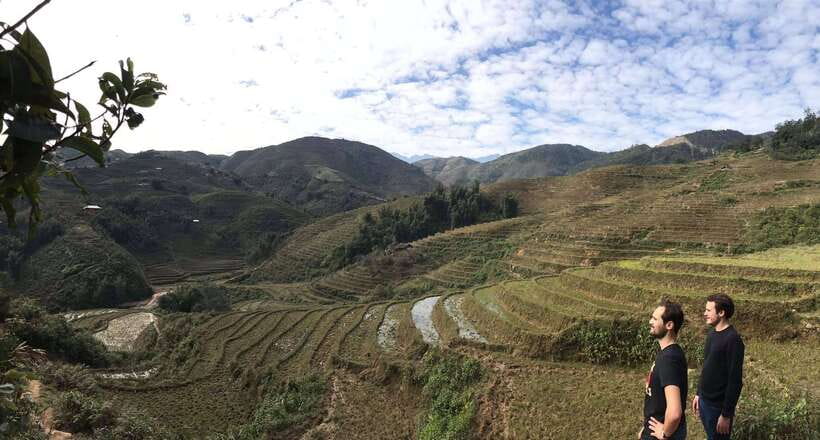
Sapa’s finest moments are found beyond town, where 300-year-old rice terraces curve around the mountains and village paths lead to Hmong and Red Dao communities. This two-day trip gives you time to walk slowly, eat local food, and spend a night with a family rather than simply stopping for a photograph.
I like the chance to try rice harvesting in September, and I like the overnight stay in Ta Phin Valley. Guides such as Sue and Dinh Gianh have been praised for their friendly manner, clear English, and useful stories. The main drawback is weather: cloud and rain can hide the grand views, as happened during one outing.
Key points to know
- Two villages, two cultures: Meet Hmong communities in the rice-growing valleys and Red Dao families in Ta Phin.
- A real overnight stay: Sleep in a village homestay instead of returning to Sapa after a short walk.
- Harvesting is seasonal: You can only try rice harvesting in September.
- Three included meals: The price covers breakfast, two lunches, and dinner, with local dishes forming a central part of the experience.
- Moderate walking: The trek was described as manageable, but uneven village paths still call for proper shoes.
- Small practical limits: Bring only a day pack, wear sturdy shoes, and note that the trip is not suitable for pregnant people, wheelchair users, or those with back or heart problems.
Why this two-day Sapa trip feels different
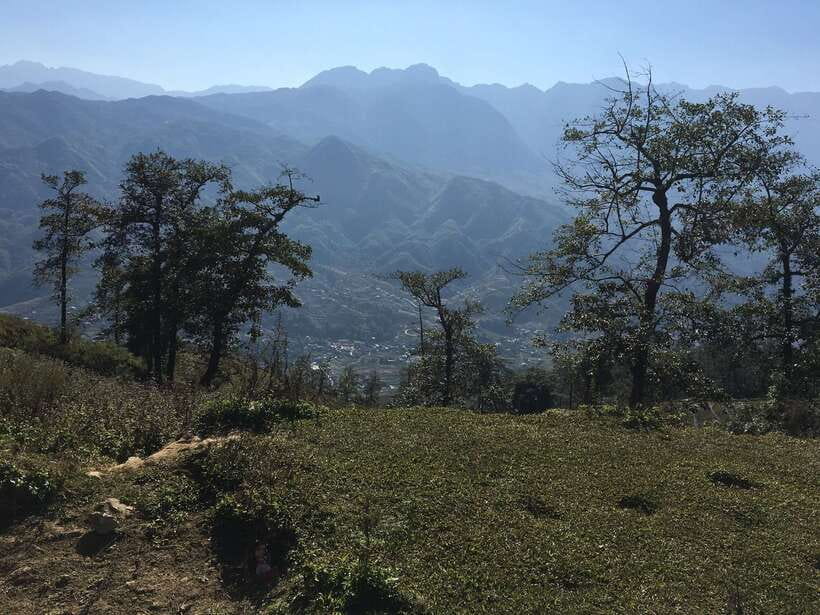
Many Sapa outings give you a quick look at a village before returning to town. This one takes the slower route. You leave Sapa at 9:00 AM, walk through mountain valleys, eat with local people, and stay overnight in the countryside.
That extra night matters. After a daytime visit, you normally see village life through a guide’s explanation and a short walk. Staying with a family gives you more time to notice how the evening feels, how food brings people together, and how different the countryside is from Sapa’s busy center.
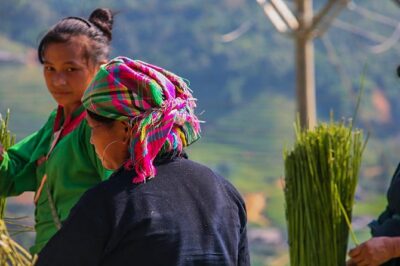
The trip focuses on two northern communities. Hmong villages are closely tied to the steep rice fields, while the Red Dao of Ta Phin are known for their detailed traditional clothing. You are not simply collecting viewpoints. You are seeing how farming, clothing, food, and family life fit together.
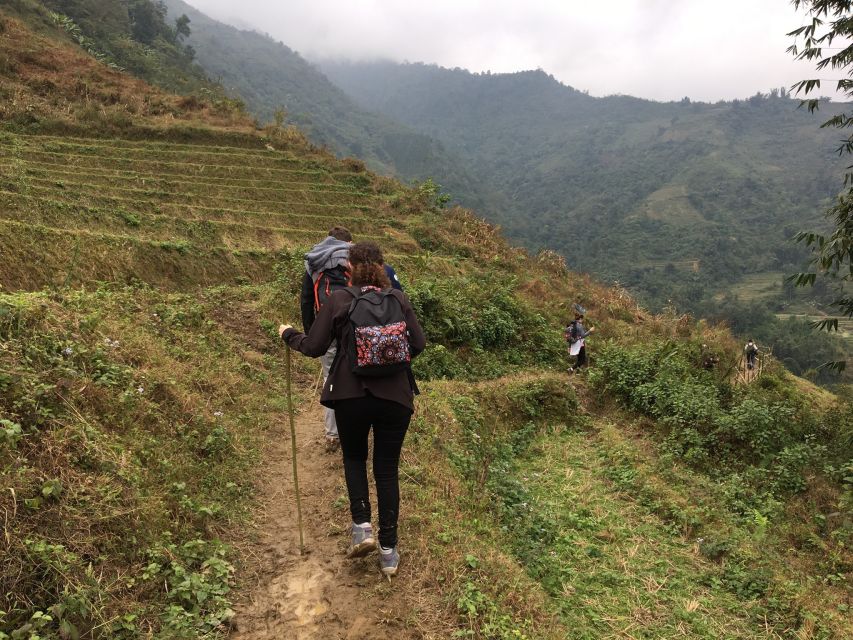
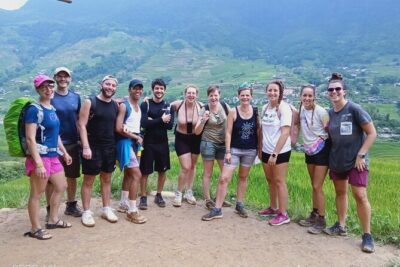
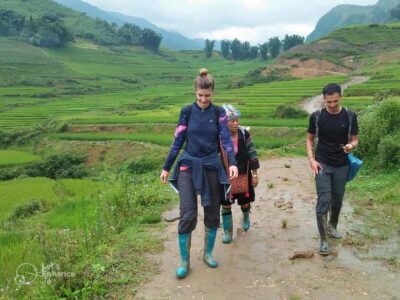
The walking is not described as exhausting, and one guest found the trekking easy enough to enjoy. Still, Sapa’s paths can be uneven and steep. You should be comfortable walking for much of the day and should not treat this as a gentle sightseeing drive.
More Rice Terrace Tours in Sapa
- Explore Sapa by TrekkingAdventures, Mountain,Rice fields
★ 4.9 · 229 reviews - Motorbike 1 Day Off The Beaten Track, Hidden Villages, rice field
★ 5.0 · 203 reviews - Sapa: 2D/1N Trek Rice Terraces & Homestay with Linh
★ 4.8 · 87 reviews
Starting at 9:00 AM from central Sapa
You meet at 13 Tue Tinh Street, inside Nomadtrails Boutique Hotel, 15 minutes before departure. The street sits near Fansipan and Cau May streets, so allow a little time to find the exact entrance.
The morning begins by heading north from Sapa toward the terraced valleys. The route is designed to get you into the countryside quickly, where the views open across mountains cut into long, narrow fields.
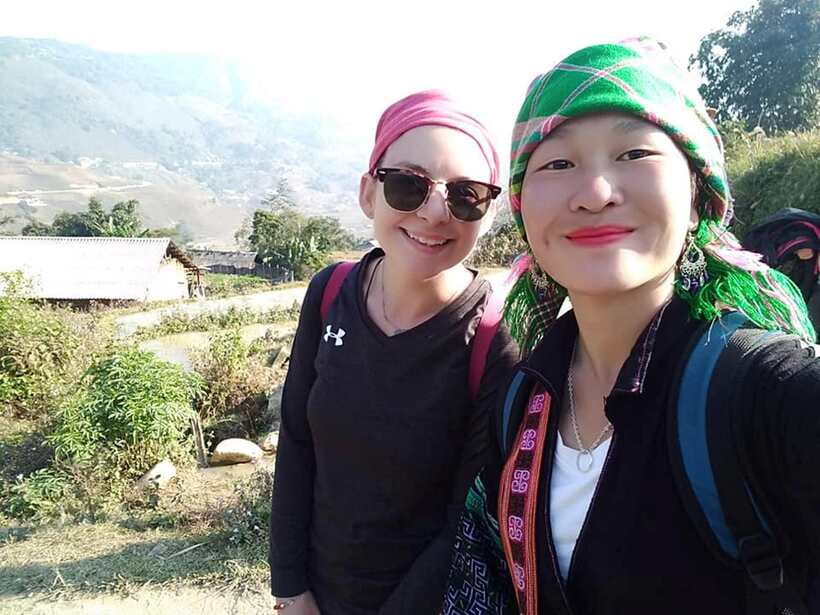
A local English-speaking guide accompanies you. Sue and Dinh Gianh are two guides associated with this experience. Dinh Gianh was praised for clear English and interesting stories, while Sue was remembered as kind and helpful. The quality of a village tour often depends on how well a guide explains local life without rushing you, so this is an important part of the value.
You receive 0.5 liters of bottled water per person per day. That is a modest amount for a day of walking, so bring extra water if you usually drink more while hiking. Sunscreen and a sun hat are also sensible, especially when the terraces reflect strong daylight.
Walking through Hmong rice terraces
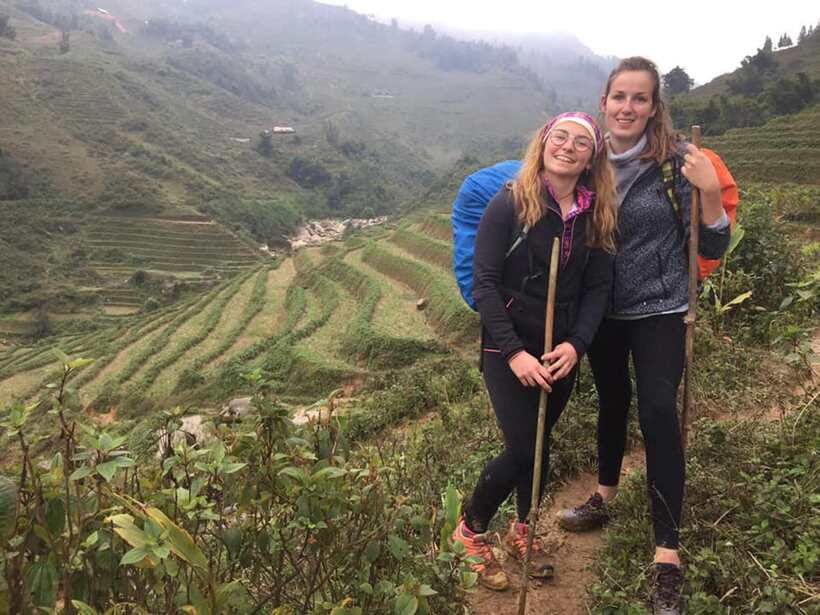
The first major part of the trip takes you into the rice fields carved into the mountain sides. These terraces are not just pretty scenery. They are a farming system shaped by generations of work, allowing rice to grow on steep ground where flat fields are scarce.
Your guide explains how the Hmong have used this approach for more than 300 years. That context makes the view more meaningful. You begin to see the narrow strips of green and gold as working farmland, not simply as a backdrop for photographs.
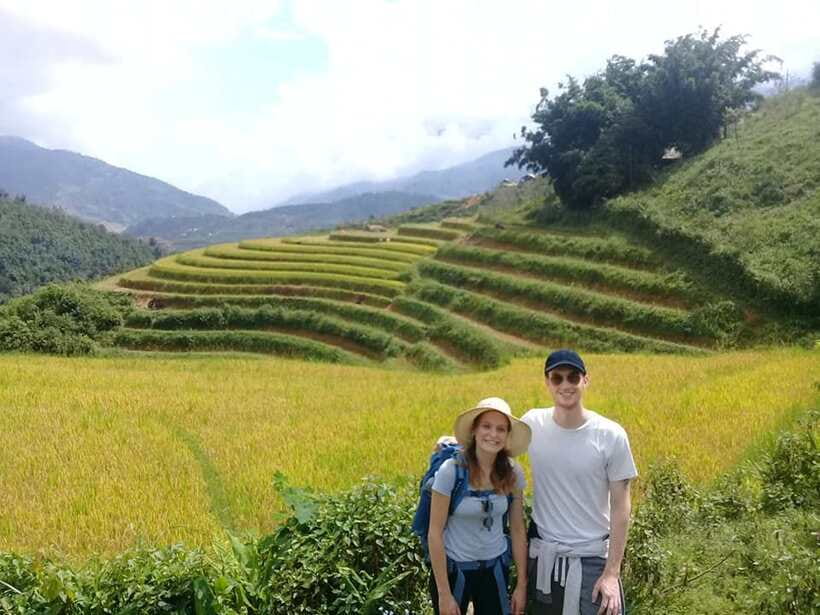
The exact color of the fields depends on the season. During the rice harvest in September, the terraces take on a different look, and you may be able to help local farmers gather rice. This is the only time harvesting is available, so do not book this tour expecting to take part outside September.
The chance to lend a hand is brief and seasonal, but it offers a better sense of the physical work behind the view. You can see why the terraces require care and why the farming calendar shapes village life.
For photography, the weather is a major factor. Clear conditions can reveal the full sweep of the mountains, while mist and rain may reduce the views to nearby fields and paths. One outing had poor weather, but the village encounters and meals still made the day worthwhile. I would book this for the cultural experience first, with the scenery as a welcome bonus.
Hmong food and a slower lunch
After the morning walk, you eat Hmong specialties at a local restaurant. Lunch is included, along with a second lunch on the following day, breakfast, and dinner.
The food is part of the point here. A meal gives you a direct connection to the places you are visiting, and it breaks up the walking in a useful way. Do not expect a formal restaurant experience or a long menu of choices. The appeal is local cooking served as part of a village-focused trip.
Food is also one area where a guide can help. If you have dietary restrictions, ask about them before booking, since the supplied information does not confirm special meal arrangements. Drinks are not included, so budget separately for anything beyond the supplied bottled water.
More Rice Terrace Tours in Vietnam
- 1-Day Sapa Long Trek – Rice Field Terrace, Ethnic Culture
★ 4.9 · 62 reviews - Sapa: Love Silver Waterfall, LonelyTree in Heaven-Rice Field
★ 4.9 · 28 reviews - Sapa Half-Day Motorbike Tour: Villages & Rice Fields
★ 5.0 · 22 reviews - SAPA: 1-DAY TREKKING TOUR WITH LOCALS, LUNCH & RICE FIELDS
★ 4.7 · 18 reviews
Ta Phin Valley and the Red Dao
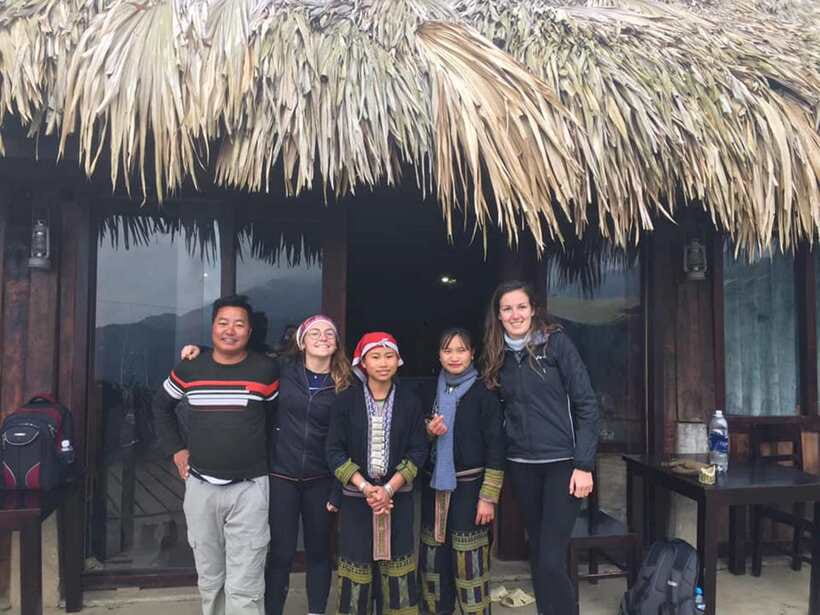
After lunch, you continue to Ta Phin Valley, home to Red Dao communities. The Red Dao are especially known for their hand-crafted traditional clothing, which can be striking in its detail and color.
This stop adds variety to the trip. The morning centers on Hmong farming and rice terraces. Ta Phin shifts the focus toward clothing, customs, and village identity. Your guide explains local habits and traditions as you walk, giving you a chance to ask questions rather than simply pass through.
You should approach this part with respect. The goal is to meet people and learn about daily life, not to treat the village as a staged attraction. Ask before taking photographs, especially when people are working or spending time at home.
The overnight stay follows the visit to Ta Phin. The accommodation is a village homestay, described as a picturesque lodge by one guest. Expect a simple rural setting rather than hotel comforts. The details of the room arrangement are not specified, so anyone who needs a private room or particular facilities should confirm before paying.
What the homestay adds
The homestay is the strongest reason to choose this trip over a one-day walk. You remain in the village after the day’s sightseeing ends, eat dinner there, and wake up for breakfast before the next walk.
That sounds simple, but it changes the pace. You are not watching village life through a bus window or hurrying back to Sapa. You have time to settle into the setting and notice the quieter rhythm of the countryside.
Dinner is included, and the food received strong praise. The combination of a family meal and a night in a simple lodge gives you a more personal connection to the area than a standard viewpoint stop.
Keep your expectations practical. This is not a resort stay, and the tour does not promise private facilities or luxury bedding. Bring a small overnight bag, but not a large suitcase. Large bags and luggage are not allowed on the activity, so arrange separate storage in Sapa if needed.
Day two: Trung Chai and Chu Lin
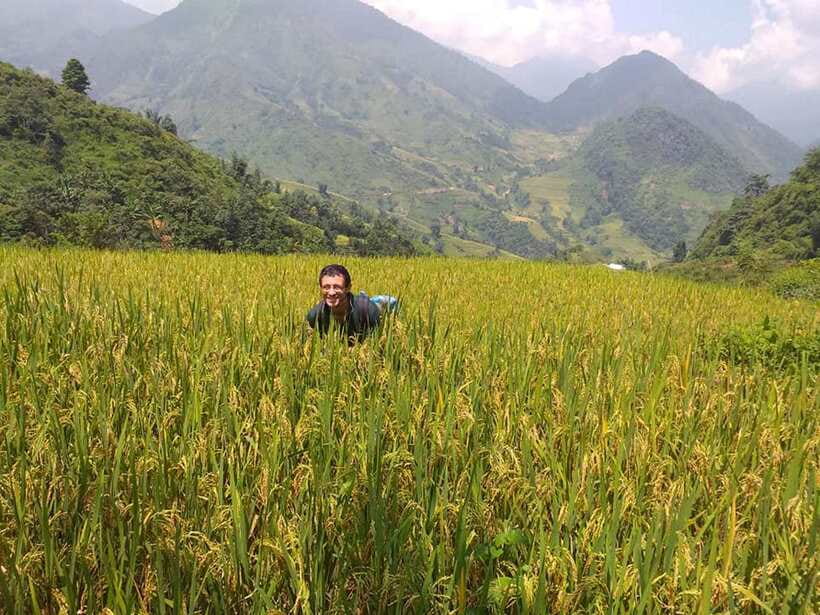
After breakfast, you walk to Trung Chai village. The village is known for broad views across the mountains and rice fields, making it one of the best sections for scenery.
The route gives you another chance to see how villages connect with the surrounding fields. You will likely want to stop for photographs, but the weather can still decide how much you see. In Sapa, clouds can arrive quickly, so build your enjoyment around the walk itself rather than waiting for one perfect view.
A picnic lunch follows. It is included in the $65 price and keeps the day moving without requiring a return to town.
You then continue through more rice fields to Chu Lin village, where you learn about the life and customs of a small Hmong community. This second Hmong stop helps you compare village life with what you saw on the first day. The experience is not just about one famous valley. It shows how several communities live in the wider Sapa area.
The walking ends with more mountain views before you return to the meeting point in Sapa. The activity does not finish at a separate drop-off location, which makes it easier to collect anything you left in town.
How good is the $65 value?
At $65 per person, this is a strong value if you want more than a short walk and a photo stop. The fee includes sightseeing fees, an English-speaking guide, one night in a village homestay, breakfast, two lunches, dinner, and daily bottled water.
The biggest value comes from the overnight stay and the meals. Booking those separately could take more planning, especially if you do not speak Vietnamese or know which village accommodations are reliable. You are also paying for a guide who can explain the farming system and help connect the cultural stops.
The price does not cover drinks, personal purchases, travel insurance, or transport details beyond the stated tour arrangements. You should also note two possible surcharges. Travel during the Lunar New Year period from January 26 to February 2, 2025, adds $55 per person. A French-speaking guide adds $29 per person, payable at the meeting point.
For most people, the standard English-language price is the sensible choice. The French-language supplement is worth considering only if you need that service.
Who should book this experience?
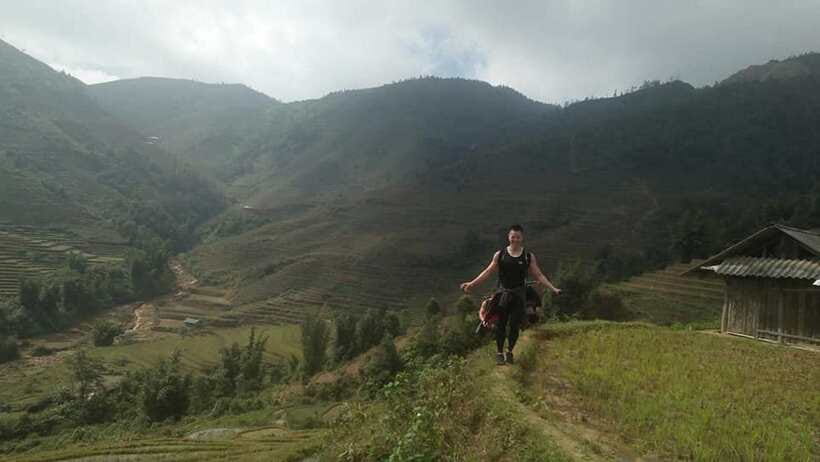
I would choose this for you if you want:
- A closer look at Hmong and Red Dao culture
- A moderate two-day walk rather than a demanding trek
- A simple family homestay
- Local meals included in the price
- Time away from Sapa’s town center
- A guide who can explain farming, clothing, and local customs
It suits people who enjoy cultural contact but still want organized support. You do not need to arrange village accommodation, meals, or a route on your own.
I would think twice if you need hotel-level comfort, guaranteed clear views, or a very gentle walking schedule. The route includes mountain paths, and the tour is not suitable for pregnant people, wheelchair users, or people with back or heart problems.
Wear proper walking shoes. Sandals and flip flops are not allowed, and that rule makes sense on uneven paths. Pack light with a small bag, bring sun protection, and carry additional water if needed.
You can cancel up to 24 hours before departure for a full refund, which gives you some flexibility if your Sapa plans change.
Final verdict: book it for culture, not perfect weather
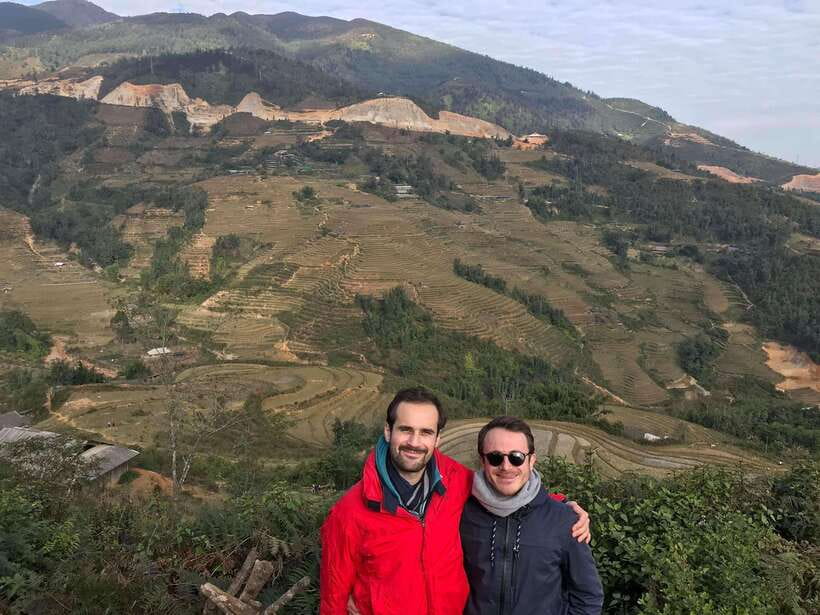
You should book this trip if the thought of eating local food, meeting Hmong and Red Dao communities, and sleeping in a village appeals to you more than ticking off a viewpoint. The homestay, included meals, and seasonal rice work give the experience real substance.
You should skip it if your main goal is guaranteed mountain photography or a polished hotel stay. Clouds may block the best views, and the homestay is part of the rural experience, not a substitute for a standard room.
For $65, I think the balance is excellent. The walking is manageable, the cultural focus is clear, and guides such as Sue and Dinh Gianh add warmth and useful local explanation. Go in September if rice harvesting matters to you. At other times, come for the terraces, the villages, and the chance to spend a night in Sapa’s countryside.
FAQ
What time does the tour start?
The tour begins at 9:00 AM. You should arrive 15 minutes early at 13 Tue Tinh Street, inside Nomadtrails Boutique Hotel in Sapa.
How long does the experience last?
It is a two-day experience with one night in a village homestay. You return to the meeting point in Sapa after the second day.
Is rice harvesting available all year?
No. Rice harvesting takes place only in September.
What meals are included?
The price includes one breakfast, two lunches, and one dinner. Drinks are not included.
What should I bring?
Bring a sun hat, sunscreen, and suitable walking shoes. Sandals and flip flops are not allowed, and large bags or luggage cannot be taken on the activity.
Is the experience suitable for everyone?
No. It is not suitable for pregnant people, wheelchair users, or people with back or heart problems. The experience includes walking on village paths and mountain terrain.
More Rice Terrace Tours in Sa Pa
- From Sapa : 1 Day Amazing Sapa Trek To Terrace rice field
★ 4.6 · 17 reviews - Private Half-Day Tour of Villages, Terrace Rice Fields by Car
★ 5.0 · 16 reviews - Sapa Motorbike Tour 1 Day| See All Of Rice Fields & Valleys in One Day
★ 5.0 · 9 reviews - SaPa: 2-Day Villages,Rice Fields, Love Waterfall Hiking Tour
★ 5.0 · 9 reviews
Just added around Sa Pa
- Sapa 2-Day Trek & Homestay in Ta Van Village – Be a Local★ 5.0 · 8 reviews
- Sapa Private Trekking Through Rice Terraced Fields – 1Day★ 4.5 · 8 reviews
- 5 Hours Trekking with Terraced Rice Field in Sapa★ 5.0 · 2 reviews
- Sapa Motorbike Tour 1 Day| See All Of Rice Fields & Valleys in One Day★ 5.0 · 9 reviews
- Sapa Private Car Tour – 1 Day Enjoy the Rice Terraced Fields★ 4.5 · 3 reviews
- Private Trekking through Terraces Rice Fields in Sapa★ 5.0 · 3 reviews
- Sapa Half Day Local Farming Experience★ 5.0 · 3 reviews
- Sapa Full Day Trekking Through Rice Fields Terrace★ 4.0 · 2 reviews
Sapa Farm Tours, compared.
Explore Sapa by TrekkingAdventures, Mountain,Rice fields
Read our review →
Motorbike 1 Day Off The Beaten Track, Hidden Villages, rice field
Read our review →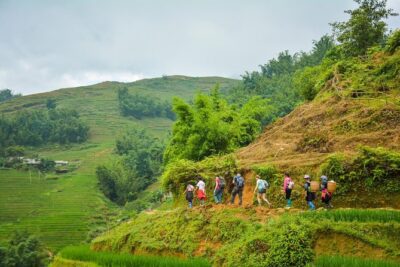
Rice Terraced Fields & Homestay Experience– 2D 1N
Read our review →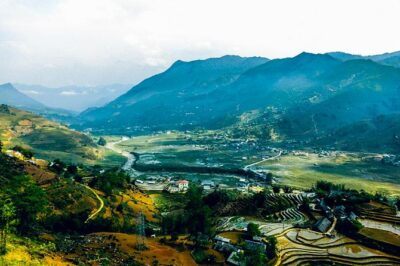
Mountain views & Rice Terraced Fields Hiking – 2D 1N
Read our review →
1-Day Sapa Long Trek – Rice Field Terrace, Ethnic Culture
Read our review →Browse the lists this tour appears in