
Review · SAPA
Sapa: 1-Day Trek to Mountain, Local Villages & Rice Terraces
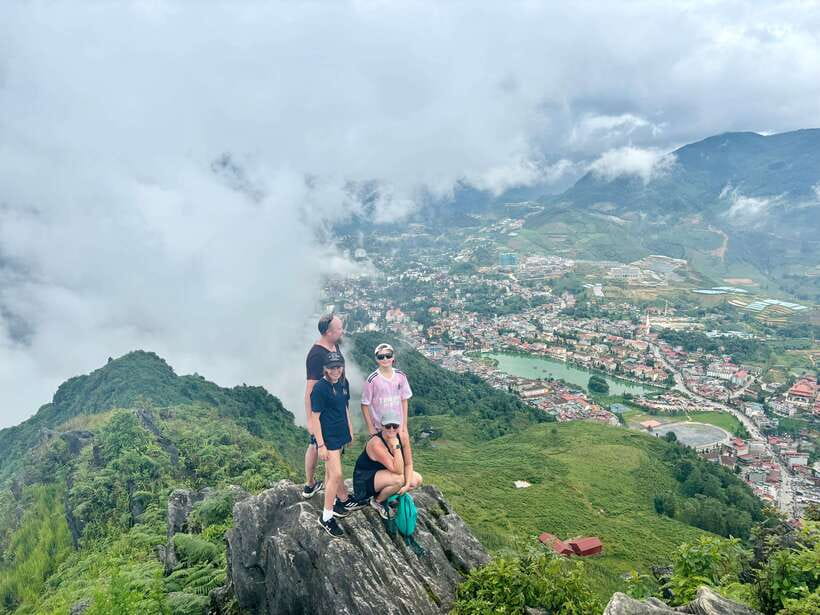
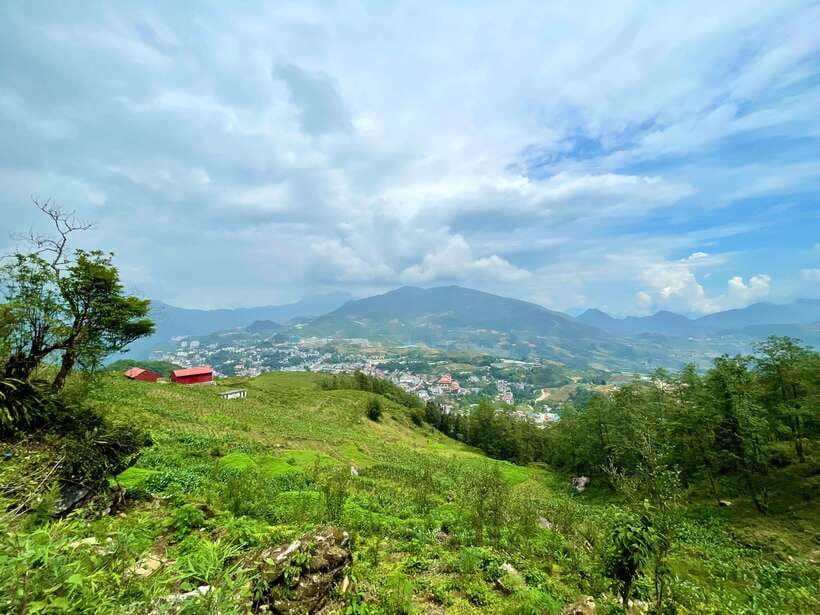
At 1,900 meters, Dragon Jaw Mountain gives you the big Sapa view: town below, the Muong Hoa rice valley spreading out beneath you, and, in clear weather, Fansipan rising as the roof of Indochina. The route reaches that viewpoint by a small trail through cornfields, hills, and bamboo forest rather than by an easy roadside lookout.
I like the combination of strong mountain scenery and real village life. You also get a local lunch in Hang Da and a museum visit in Ban Bo, which gives the six-hour trek more substance than a simple walk to a viewpoint. The main catch is the trail itself: expect steep, slippery sections, especially in rain. Good grip matters, and this is not a gentle stroll.
Key points at a glance
- Dragon Jaw at 1,900 meters: Look across Sapa and the Muong Hoa valley, with possible views of Fansipan.
- A true village-to-village route: Walk through Hang Da, Hau Thao, Giang Ta Chai, and Ban Bo rather than stopping at one scenic platform.
- Lunch in Hang Da: Take roughly an hour for simple local dishes such as fried noodles or rice.
- Bamboo forests and high trails: The route includes narrow paths, hills, and a ridge described as a dinosaur’s spine.
- A useful cultural stop: The Ban Bo museum covers traditional clothing, local customs, and culture.
- Guides adjust the challenge: Tung Jacob checked whether the group wanted a harder or easier route, while Nhu and Keyni were praised for their guiding and support.
Dragon Jaw Mountain gives this trek its shape
The morning begins at 9:00am, with pickup from a hotel around central Sapa. If you have no hotel booked, meet the guide in front of Sapa Church, the main church in the center of town. Before setting off, the guide gives you a short briefing about the route and the day ahead.
From Sapa, the trail climbs through a corn farm toward the mountain. The first hour and a half is useful to know about: you are gaining height rather than wandering along a flat village lane. Once you reach Dragon Jaw Mountain, at about 1,900 meters, the effort begins to pay off.
From here, you can look back over Sapa town and the Muong Hoa rice valley. The view is the main prize of the uphill section. It also gives you a better sense of how Sapa’s villages and fields fit together than a view from town ever could.
Fansipan may be visible from Dragon Jaw Mount. It is the highest mountain in Indochina, but weather controls the show. Cloud can close in quickly at this altitude, so bring a camera, but do not treat a clear view as guaranteed. A sea of clouds is also possible, and the mountain setting can feel especially dramatic when the valley disappears beneath mist.
You will have time here for a short rest and photographs. That pause matters because the next part of the route is not simply downhill on a wide road.
More Rice Terrace Tours in Sapa
- Explore Sapa by TrekkingAdventures, Mountain,Rice fields
★ 4.9 · 229 reviews - Motorbike 1 Day Off The Beaten Track, Hidden Villages, rice field
★ 5.0 · 203 reviews - Sapa: 2D/1N Trek Rice Terraces & Homestay with Linh
★ 4.8 · 87 reviews
A ridge walk toward Hang Da
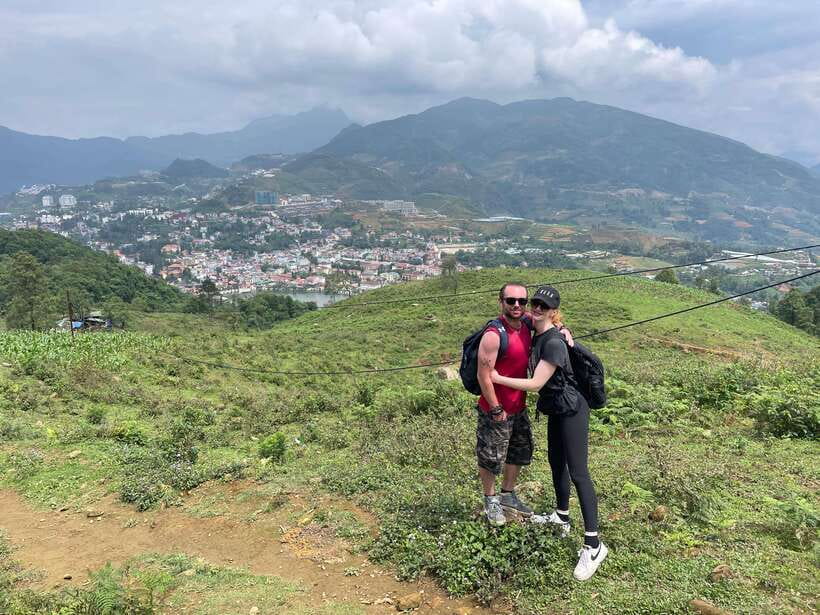
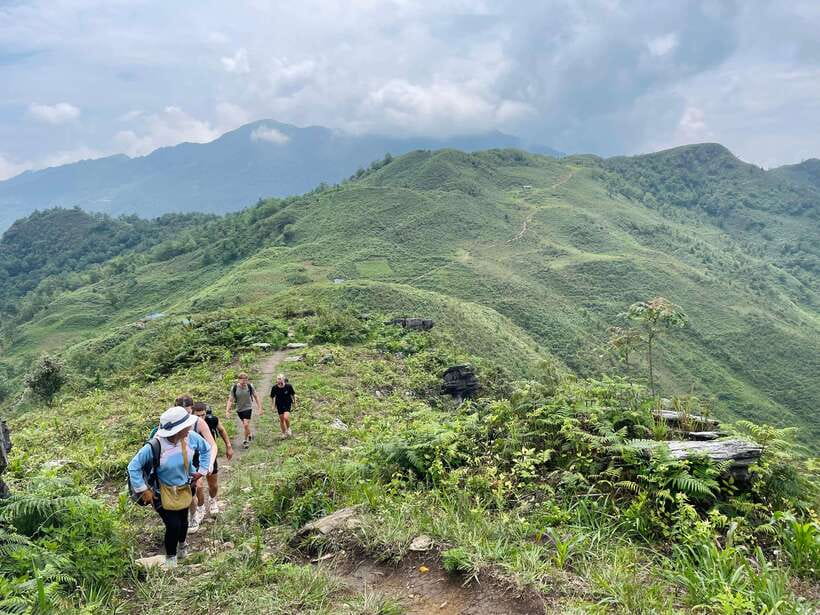
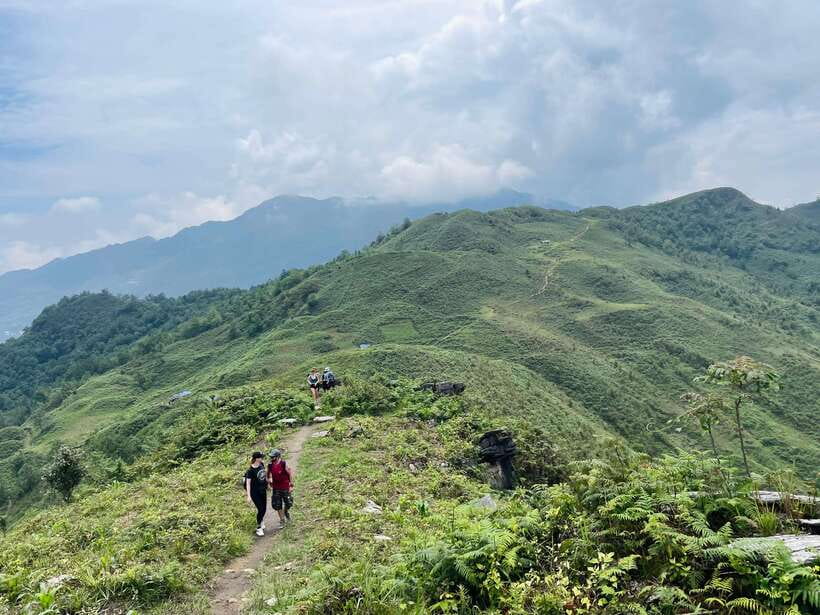
After Dragon Jaw, the trail follows a narrow ridge described as being like a dinosaur’s spine. That image is useful: this is a high, uneven path with views on the way down, not a polished walking track.
The route passes small forests and hills, with bamboo appearing along the higher trails. You may see buffalo, cows, horses, and pigs near the villages and fields. These are ordinary parts of local farm life, but they add context to the walk. You are moving through working communities, not a scenic park built for sightseeing.
The descent toward Hang Da is one of the sections where footwear makes a real difference. The route can be steep and slippery, and rain makes the footing harder. One participant chose the difficult route despite wet weather and found the slopes challenging. A poncho was available when requested, but I would still bring warm clothing and prepare for changing conditions rather than rely on the forecast.
Guide support is important here. Keyni was praised for patience and encouragement on a difficult trek, and Tung Jacob adjusted the route to suit the group’s preferred level. That does not make the trail easy, but it means you can discuss the challenge before committing to the harder option.
Hang Da brings lunch and local life
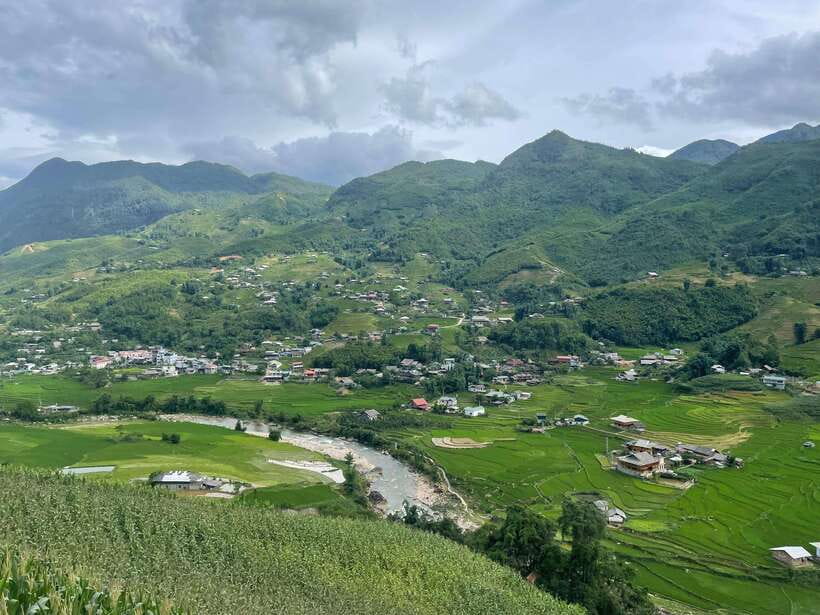
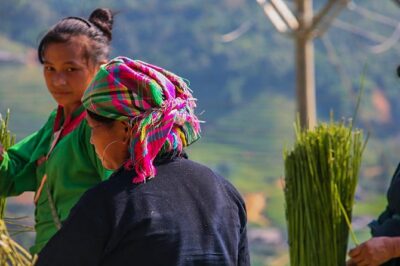
After the ridge and descent, you reach Hang Da, a village of Black H’Mong people. The guide takes you through a small village area where you can see local homes and get a closer look at everyday life.
This is a good point in the day to slow down. You have about one hour for lunch, with local food included. The meal may be simple, such as fried noodles or rice, rather than a large restaurant spread. That is worth setting expectations for before you book. It fills the gap and keeps the day moving, but the food is part of a village trek, not the main reason to choose it.
Tell the operator about dietary restrictions in advance. The provided information confirms that lunch is included, but it does not promise a particular menu or special dietary preparation unless you arrange it beforehand.
Hang Da is also where the tour feels most connected to daily life. You may see animals, traditional houses, and homes scattered around the valley. The guide can help explain what you are seeing, though the amount of cultural detail may depend on the individual guide and your questions.
The guide named Tung Jacob was described as conversational in English and attentive to the group’s physical preferences. He was less strong on offering unprompted history and culture, so I would ask direct questions if that side of the tour matters to you. A local H’Mong woman may also walk with the group and offer small pieces of information along the trail. If you are not comfortable with that, clarify the arrangement early, since an accompanying local person may expect you to buy something at the end.
Bamboo paths and the route beyond Hang Da
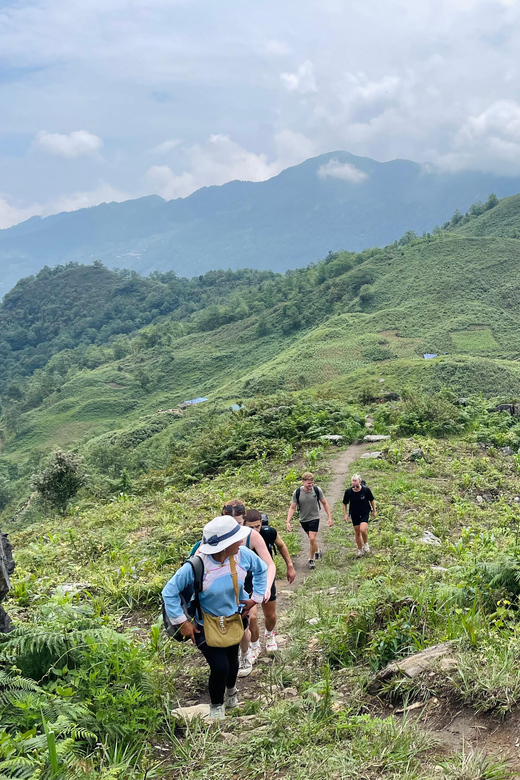
After lunch, you continue toward Hau Thao Village. This section uses village roads and short bamboo forest trails as the route drops toward Ban Bo. It is a change from the high ridge above Hang Da, with more attention on terraces, houses, and the shape of the valley.
From the paths above the fields, you can look down on terraced rice fields and homes scattered across the hillsides. The view changes with the season and weather, so you may see bright fields, recently worked earth, or terraces softened by mist. The tour information does not specify a planting or harvest season, so it is best to enjoy the view as it appears on your date rather than book around a promised color.
The itinerary also lists stops in Hau Thao and Giang Ta Chai, with time for photographs, sightseeing, and guided walking. These are not long museum visits or formal attractions. Their value comes from the route itself: you pass through village roads, bamboo, hills, and open viewpoints instead of returning directly to Sapa after lunch.
This portion can still be demanding. Downhill paths often test your knees, and wet bamboo or earth can become slick. Walking poles are not listed as included, so if you normally use one, bring your own or ask the operator whether one is available. At minimum, wear hiking shoes with good grip, not smooth-soled trainers.
More Rice Terrace Tours in Vietnam
- 1-Day Sapa Long Trek – Rice Field Terrace, Ethnic Culture
★ 4.9 · 62 reviews - Sapa: Love Silver Waterfall, LonelyTree in Heaven-Rice Field
★ 4.9 · 28 reviews - Sapa Half-Day Motorbike Tour: Villages & Rice Fields
★ 5.0 · 22 reviews - SAPA: 1-DAY TREKKING TOUR WITH LOCALS, LUNCH & RICE FIELDS
★ 4.7 · 18 reviews
Ban Bo museum adds a cultural finish
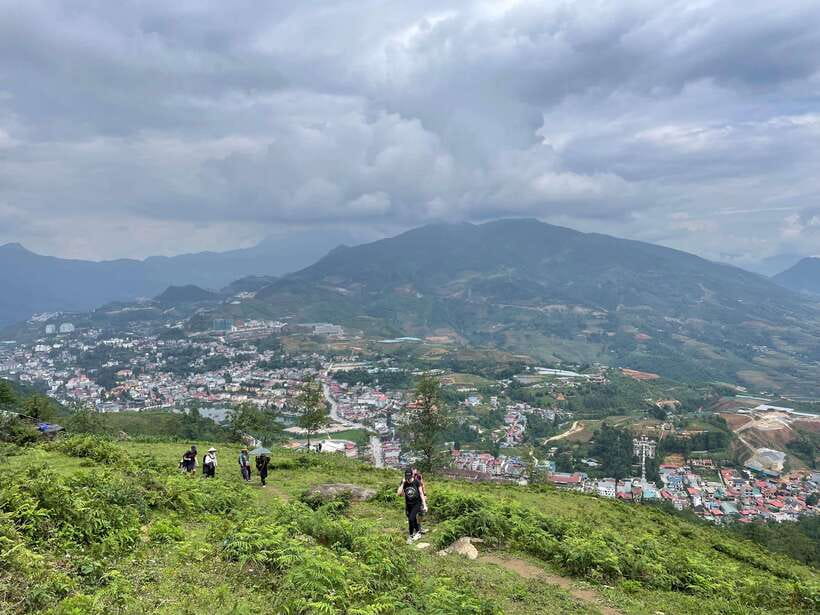
The day ends in Ban Bo Village with a museum visit. The guide introduces traditional clothing, customs, and local culture, giving you a chance to connect the people and places you have passed during the trek.
This stop is especially useful because the physical scenery can otherwise dominate a Sapa outing. A rice terrace is beautiful, but the museum helps explain how clothing, houses, and customs fit into local life. The stop is not presented as a large formal institution, so keep your expectations modest. Think of it as a compact cultural visit at the end of a village route.
After the museum, transport takes you back to Sapa town or your accommodation. That return ride is included, which is helpful after six hours of walking. You do not need to arrange a separate taxi from the final village.
How difficult is the six-hour trek?
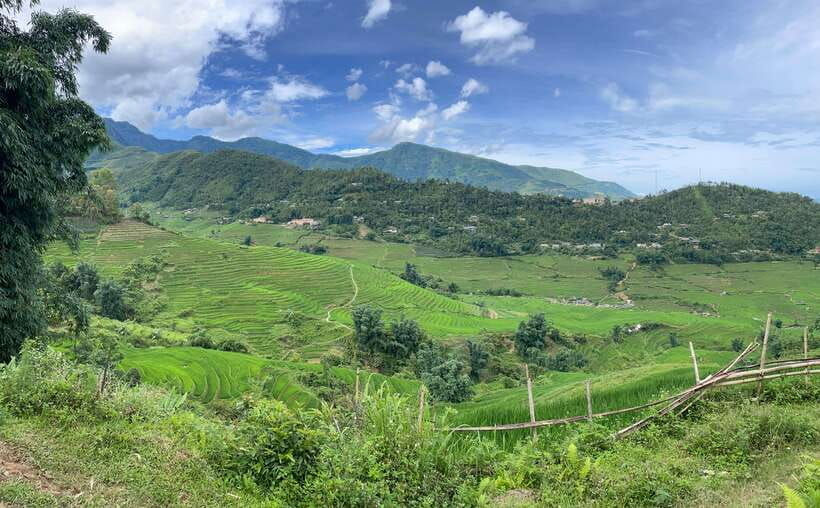
The tour calls for a moderate to challenging level of fitness. The main difficulty comes from the combination of uphill walking to Dragon Jaw, narrow trails, steep descents, and potentially slippery ground. Rain can make the route much harder.
You should be comfortable walking for several hours over uneven mountain paths. The tour is not suitable for wheelchair users or people with heart problems. Comfortable hiking shoes are specifically advised, and I would treat warm clothing as essential because mountain weather can change.
The route can be adjusted to some extent. Tung Jacob asked about the group’s preferred difficulty and offered a choice between a harder and easier route. Still, an easier version does not turn this into a flat walk. Ask about the options at the morning briefing, before the group is already on the steep section.
Bring:
- Hiking shoes with strong grip
- Warm clothing
- A camera
- Water, although one bottle is included
- Rain protection if the forecast looks unsettled
What $24 includes, and where the value lies
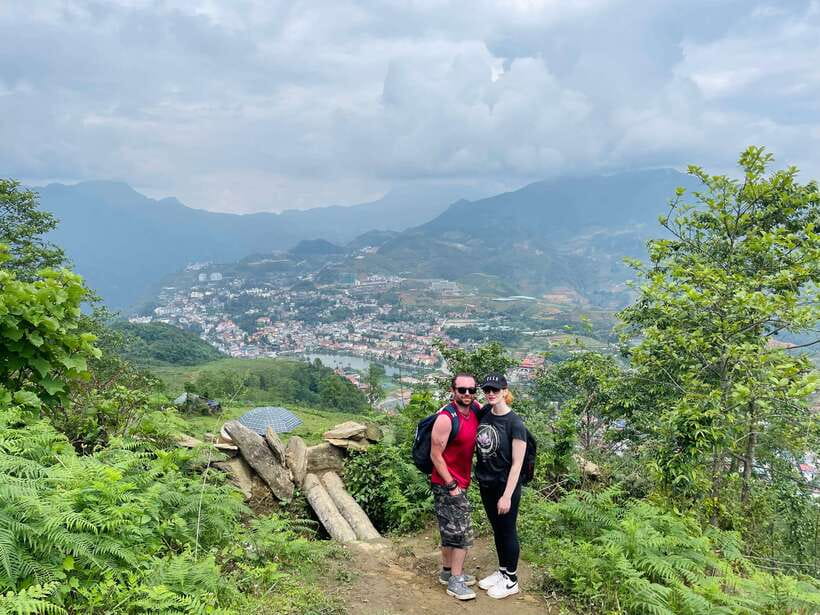
At $24 per person, this is a good-value outing if you want a full half-day in the mountains rather than a short viewpoint visit. The price includes an English-speaking guide, one bottle of water, lunch, entrance fees, and transport back to Sapa or your accommodation.
The value comes from the amount packed into the route. You get a high mountain viewpoint, village walking, food, a museum, and return transport. If booked separately, transport and a guide would add cost and hassle. The tour also gives you a route through several communities rather than leaving you to find the trails yourself.
There are limits. The lunch is simple, and the cultural explanation may vary by guide. English communication was considered adequate with Tung Jacob, while his strongest qualities were friendliness and route support rather than a long prepared talk about Sapa’s past. If your priority is detailed cultural interpretation at every stop, ask for that when booking and during the initial briefing.
The tour has free cancellation up to 24 hours before departure, and you can reserve now and pay later. Those terms help if mountain weather is uncertain, but they do not remove the need to check your fitness and clothing before booking.
Which guide and group style should you expect?
The listed language is English, and the guide leads the route, explains the program, and handles the included transport arrangements. Named guides associated with this experience include Nhu, Tung Jacob, and Keyni.
Nhu was praised for being well informed and fun. Keyni was praised for fitness, patience, and encouragement on a difficult course. Tung Jacob checked the preferred difficulty level and kept conversation going, though you may need to ask questions to draw out more historical and cultural information.
The supplied details do not state the group size. Do not assume a private trek or a small fixed group unless the operator confirms it. If group size matters to you, ask before booking.
Who should book this Sapa trek?
I would choose this tour if you want:
- A physically active day with strong mountain views
- A route that includes villages and farm areas
- A chance to see Sapa from above rather than only from town
- A simple local lunch included in the price
- An English-speaking guide and return transport
- A short cultural stop at the end of the trek
I would look elsewhere if you want a relaxed walk, a luxury meal, a fully accessible route, or a long formal lesson in local history. This tour gives you scenery first, village contact second, and cultural explanation in a shorter final stop.
It also suits people who like some uncertainty in a mountain day. Clouds may hide Fansipan. Rain may alter the feel of the trail. The strongest part of the outing is not a guaranteed postcard view, but the changing route through ridges, farms, bamboo, animals, villages, and terraces.
Should you book it?
Book this trek if you have sturdy shoes, reasonable fitness, and six hours to spend outdoors. Dragon Jaw Mountain and the Muong Hoa valley views are the day’s main rewards, while Hang Da lunch and the Ban Bo museum keep the route tied to local life.
Skip it if steep, slippery trails are a serious concern or if you need a wheelchair-accessible activity. For the price, the mix of scenery, lunch, guide service, village paths, and return transport is strong. Just go in expecting a simple meal and ask your guide questions if you want more cultural detail. That small adjustment will help you get more from a demanding but rewarding day above Sapa.
FAQ
How long does the Sapa trek last?
The activity lasts about six hours, including the mountain walk, lunch, village visits, museum stop, and transport back to Sapa or your accommodation.
What time does the tour begin?
Pickup begins at 9:00am from a hotel around Sapa Center. If you do not have hotel information or have not booked a hotel, meet the guide in front of Sapa Church.
Which language does the guide speak?
The live guide speaks English.
Is lunch included?
Yes. Lunch is provided in Hang Da Village and may include simple local dishes such as fried noodles or rice. Tell the operator about dietary restrictions in advance.
What is the highest point on the route?
Dragon Jaw Mountain reaches about 1,900 meters above sea level.
Can I see Fansipan on the trek?
You can see Fansipan from Dragon Jaw Mountain if weather conditions allow. Clouds and changing mountain weather may limit the view.
Is the trek difficult?
The route is described as moderate to challenging. It includes uphill and downhill sections, narrow trails, bamboo forest paths, and steep or slippery slopes.
What should I bring?
Bring comfortable hiking shoes with good grip, warm clothing, and a camera. The tour includes one bottle of water.
Is the tour suitable for wheelchair users or people with heart problems?
No. The activity is not suitable for wheelchair users or people with heart problems.
More Walking and Hiking Trips in Sa Pa
- Trekking Through Rice Terraced Fields – 1Day
★ 5.0 · 173 reviews - Mountain views & Rice Terraced Fields Hiking – 2D 1N
★ 5.0 · 99 reviews - Sapa Trekking Tour Full Day
★ 5.0 · 65 reviews - Sapa 2-Day Trek & Homestay in Ta Van Village – Be a Local
★ 5.0 · 8 reviews
More Rice Terrace Tours in Sa Pa
- From Sapa : 1 Day Amazing Sapa Trek To Terrace rice field
★ 4.6 · 17 reviews - Private Half-Day Tour of Villages, Terrace Rice Fields by Car
★ 5.0 · 16 reviews - Sapa Motorbike Tour 1 Day| See All Of Rice Fields & Valleys in One Day
★ 5.0 · 9 reviews - SaPa: 2-Day Villages,Rice Fields, Love Waterfall Hiking Tour
★ 5.0 · 9 reviews
Just added around Sa Pa
- Sapa 2-Day Trek & Homestay in Ta Van Village – Be a Local★ 5.0 · 8 reviews
- 5 Hours Trekking with Terraced Rice Field in Sapa★ 5.0 · 2 reviews
- Sapa Private Trekking Through Rice Terraced Fields – 1Day★ 4.5 · 8 reviews
- Sapa Motorbike Tour 1 Day| See All Of Rice Fields & Valleys in One Day★ 5.0 · 9 reviews
- Sapa Private Car Tour – 1 Day Enjoy the Rice Terraced Fields★ 4.5 · 3 reviews
- Private Trekking through Terraces Rice Fields in Sapa★ 5.0 · 3 reviews
- Sapa Half Day Local Farming Experience★ 5.0 · 3 reviews
- Sapa Full Day Trekking Through Rice Fields Terrace★ 4.0 · 2 reviews
Sapa Farm Tours, compared.
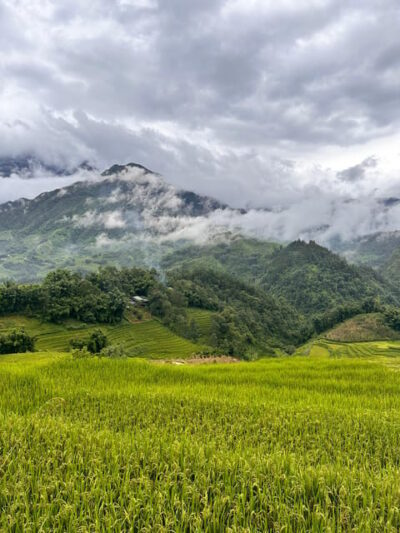
Explore Sapa by TrekkingAdventures, Mountain,Rice fields
Read our review →
Motorbike 1 Day Off The Beaten Track, Hidden Villages, rice field
Read our review →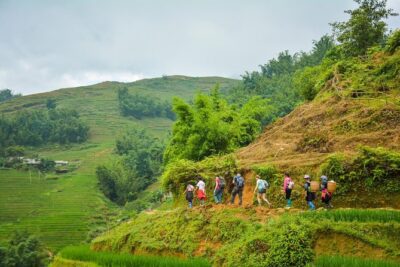
Rice Terraced Fields & Homestay Experience– 2D 1N
Read our review →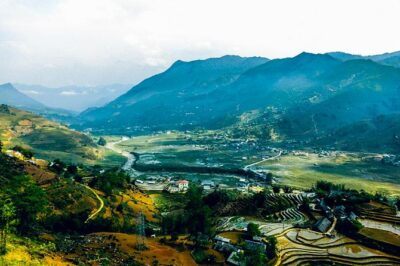
Mountain views & Rice Terraced Fields Hiking – 2D 1N
Read our review →
1-Day Sapa Long Trek – Rice Field Terrace, Ethnic Culture
Read our review →Browse the lists this tour appears in