
Review · NEW ORLEANS
New Orleans: Whitney Plantation Tour with Transportation
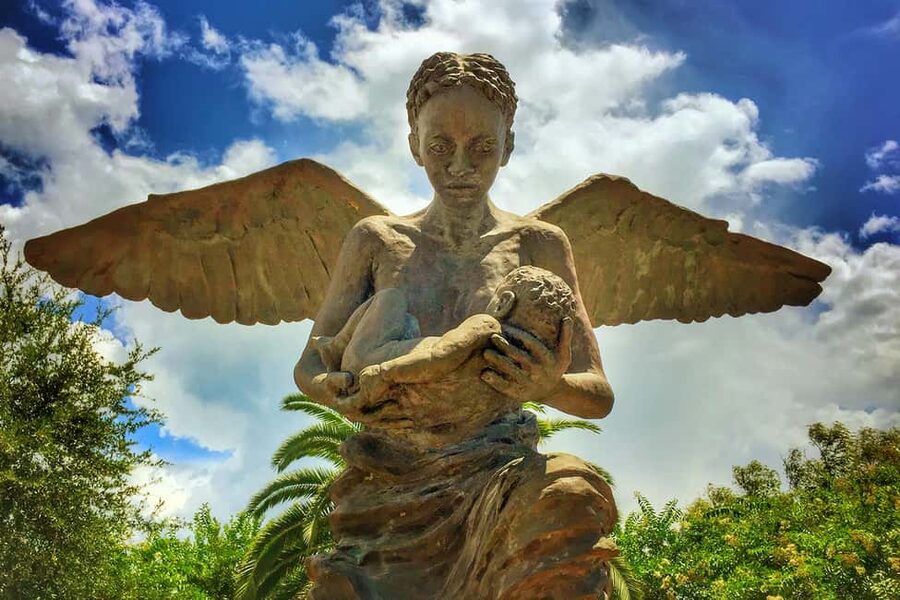
Whitney Plantation does something many plantation tours do not: it places enslaved people at the center of the story. The self-guided audio tour, memorial artwork, first-person narratives, and restored buildings make this a serious visit to a place of memory, not a tour of grand rooms and wealthy owners.
I like the clear focus on the lives of enslaved people and the freedom to move at your own pace. I also like the ride from New Orleans, where guides such as Alton, Melinda, Stacey, Bryant, and Robert have made the journey more useful with stories about Louisiana, Hurricane Katrina, wildlife, geography, and nearby plantations.
The main drawback is the fixed amount of time at Whitney, usually about two hours. That is enough for the main route, but you may feel rushed if you read every panel, pause at each memorial, and spend time in the museum. The optional swamp boat ride adds variety, though it makes an already full day longer.
Key points to know before booking
- Whitney is dedicated to the history of slavery: The visit focuses on enslaved people, their work, families, treatment, and voices rather than presenting plantation life as a graceful story of architecture and wealth.
- The audio route has about 14 stops: You can listen through the Whitney app on your phone, tablet, or iPad, and a handheld recording device may also be available on arrival.
- The journey is part of the experience: The coach passes Laura, Oak Alley, Evergreen, Felicity, and St. Joseph plantations along the Mississippi River.
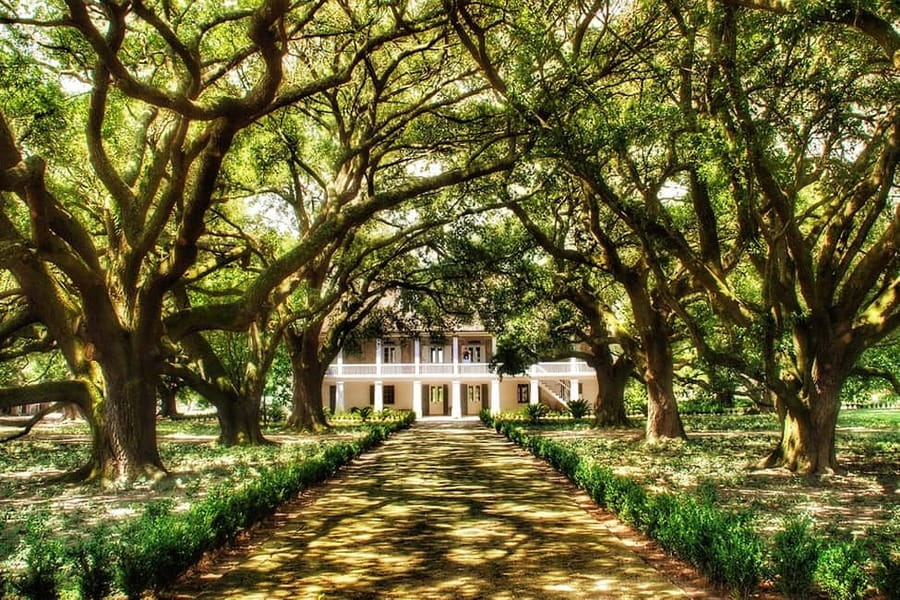
- The Big House is architecturally important: It is one of Louisiana’s earliest raised Creole cottages and a fine example of Spanish Creole design.
- The swamp upgrade adds a 90-minute boat ride: At Manchac Swamp, a local captain takes you through a private wildlife refuge in a covered pontoon boat.
- Plan for heat and uneven ground: The plantation paths are gravel, and the outdoor portion can be demanding in hot weather.
Why Whitney Plantation feels different
Louisiana has several plantation sites open to the public, but they do not all tell the same story. Some place most of their attention on the house, decorative details, gardens, and families who owned the land. Whitney takes another route.
The property opened to the public in 2014 as Louisiana’s only plantation museum devoted entirely to the history of slavery. That focus changes what you notice. The handsome Big House is still here, but it is not allowed to become the whole story. The memorials, cabins, work areas, museum displays, and recorded narratives keep pulling your attention back to the people who were forced to live and work here.
You will hear first-person accounts and follow a route designed to show the human cost of the plantation system. The tone is direct. It does not soften the cruelty or turn slavery into a picturesque backdrop for a day in the country.
That makes Whitney an emotional visit. You may leave feeling sad, angry, thoughtful, or simply quiet. I would not plan this as a light afternoon attraction. It is educational and worthwhile, but it asks you to pay attention.
More Plantation Tours in New Orleans
- Swamp Boat Ride and Oak Alley Plantation Tour from New Orleans
★ 5.0 · 3,303 reviews - Oak Alley Plantation Tour with Transportation from New Orleans
★ 4.5 · 1,747 reviews - Whitney Plantation Tour with Transportation from New Orleans
★ 4.5 · 1,351 reviews
Leaving New Orleans from the Mississippi River
The meeting point is the Lighthouse Ticket Office at Toulouse Street and the Mississippi River, at the Steamboat Natchez dock behind the JAX Brewery. You should arrive 15 minutes before departure with your barcoded voucher ready.
The coach ride takes roughly an hour each way, depending on conditions. That may sound like dead time, but it gives the driver-guide room to explain the region. Several guides, including Alton, Melinda, Stacey, Bryant, Robert, and Dwayne, have been praised for adding useful local context rather than simply driving to the site.
The commentary can include New Orleans, the Mississippi River, plantation agriculture, Cajun culture, wildlife, geography, and Hurricane Katrina. Some drivers have also pointed out places along the route and stopped briefly so people could take photographs.
The drive passes several famous plantation properties:
- Laura Plantation
- Oak Alley Plantation
- Evergreen Plantation
- Felicity Plantation
- St. Joseph Plantation
You generally view these from the road rather than tour their grounds. Still, seeing their entrances and settings helps you understand how closely the plantations were placed along the river. Sugar cane, cotton, and indigo once moved from this fertile corridor toward trading ports.
The road commentary is one of the better reasons to use organized transport. You avoid arranging a rental car, finding the site yourself, and dealing with unfamiliar roads. It also gives you a wider sense of the plantation corridor instead of seeing Whitney as an isolated attraction.
Vehicle quality can vary. Many people have found the coach clean, comfortable, and air-conditioned, while one detailed account described an older bus with weak air conditioning and rattling windows over bumps. If you are sensitive to heat or motion, keep that possibility in mind.
The self-guided route at Whitney Plantation
Whitney is not a standard guide-led house tour. You walk the grounds on your own and follow an audio program with about 14 stops.
Download the Whitney Plantation app before you go, using your phone, tablet, or iPad. It is wise to bring headphones and make sure your device is charged. Depending on the day, you may also receive or use a handheld recording device at the plantation.
The self-paced format has real advantages. You can pause, replay a section, sit at a stop, or spend longer at a memorial without holding up a group. Several stops have seating, which helps if you need a break or want to listen without standing in the sun.
The limitation is time. The transportation schedule commonly allows about two hours at Whitney. That gives you enough time to complete the main trail and museum if you keep moving, but a slow reader may need to choose carefully. Start with the outdoor route, especially in warm weather, then use the indoor spaces to cool down and think through what you have seen.
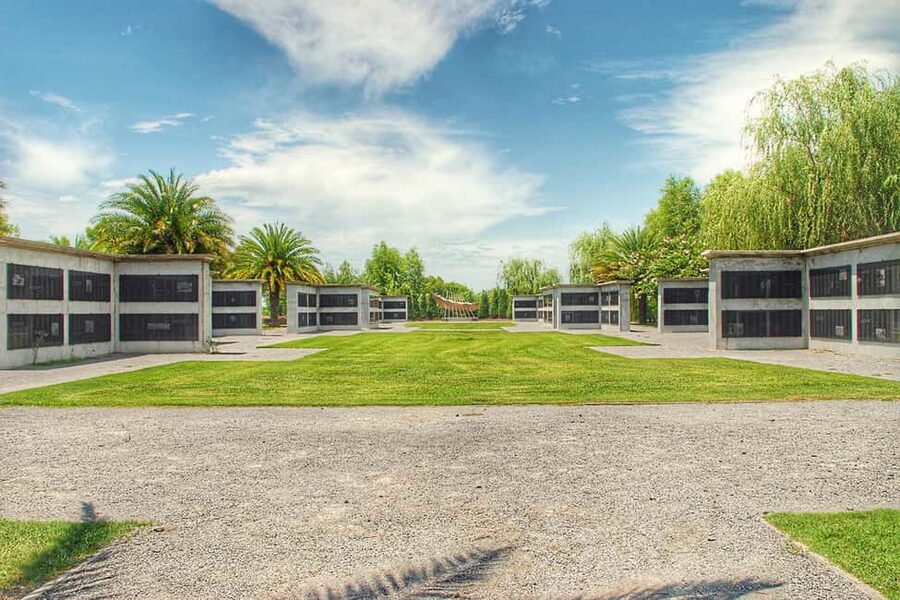
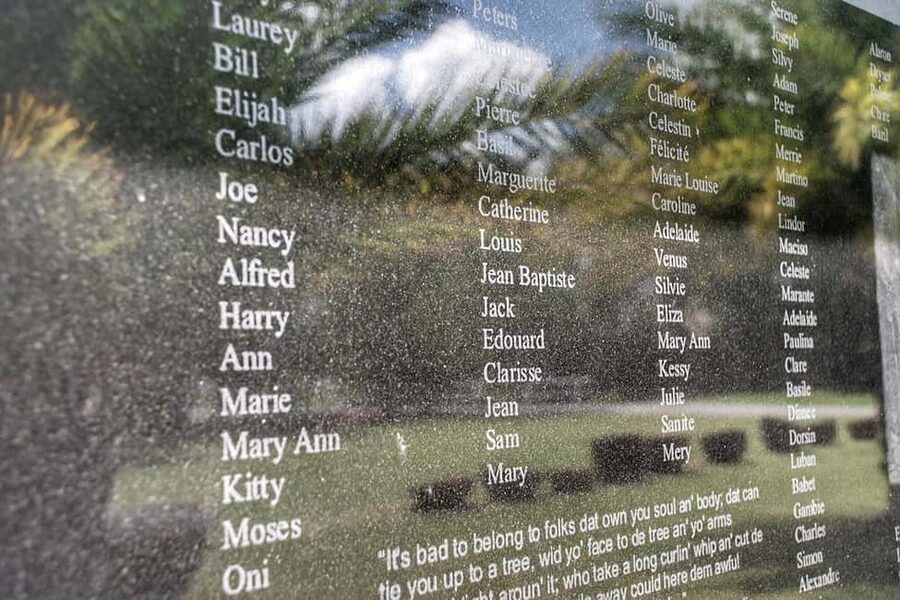
Do not rush past the memorials. They are not decorative stops added to a historic property. They are central to the visit and help give names, numbers, and personal meaning to a system that is often discussed in broad figures.
The Big House and the working plantation buildings
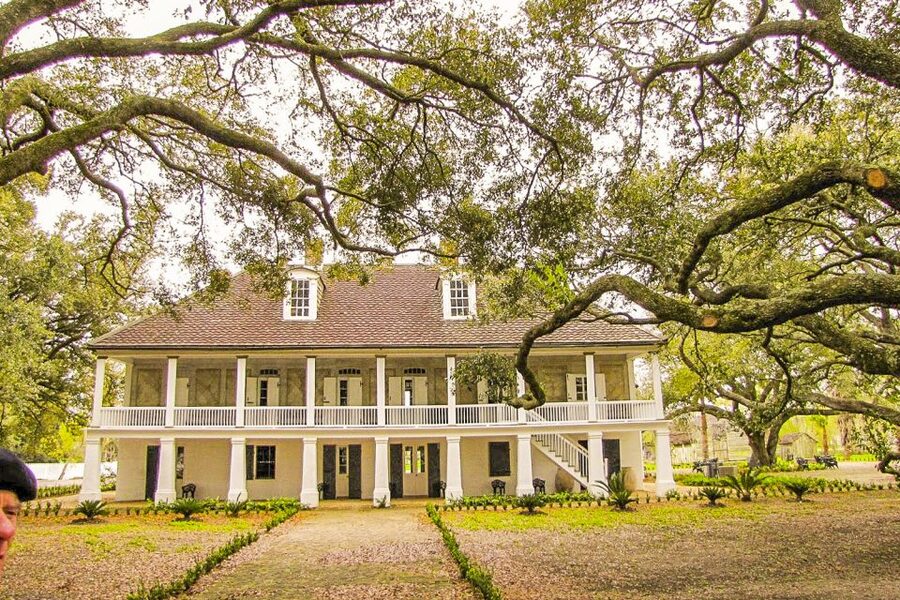
The Big House is one of the earliest raised Creole cottages in Louisiana and one of the strongest surviving examples of Spanish Creole architecture. It gives you a useful lesson in building style, but Whitney does not use the house to excuse or overshadow the plantation system.
The site is also important because of its collection of historic outbuildings. These structures show how a working Louisiana plantation developed over time. You can see more than a single grand residence and gain a better idea of the buildings needed to house, feed, supervise, and organize plantation labor.
The early owners of Habitation Haydel, the property later called Whitney Plantation, built their wealth through indigo. In the early 1800s, production shifted to sugar. That change matters because sugar cultivation relied on intense labor and brought its own machinery, schedules, dangers, and demands.
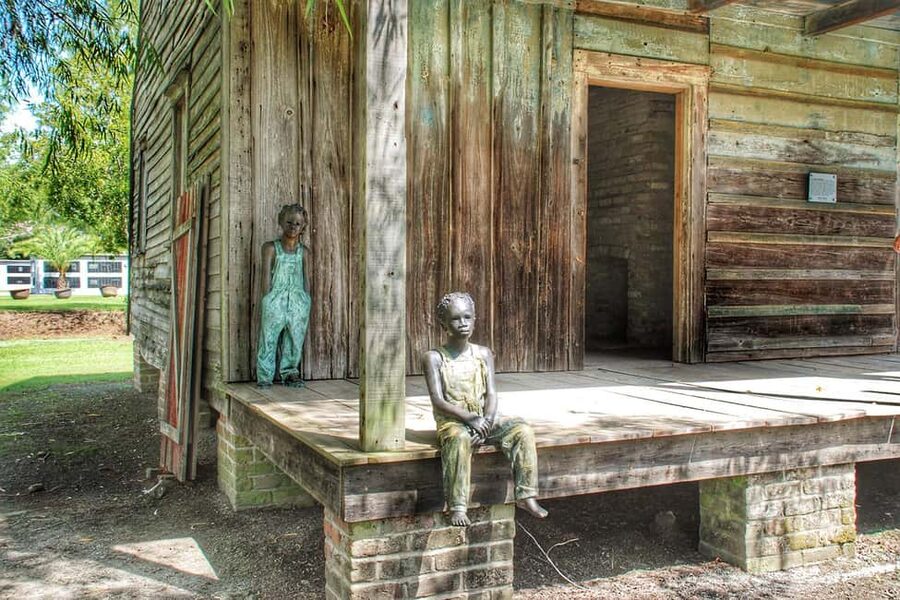
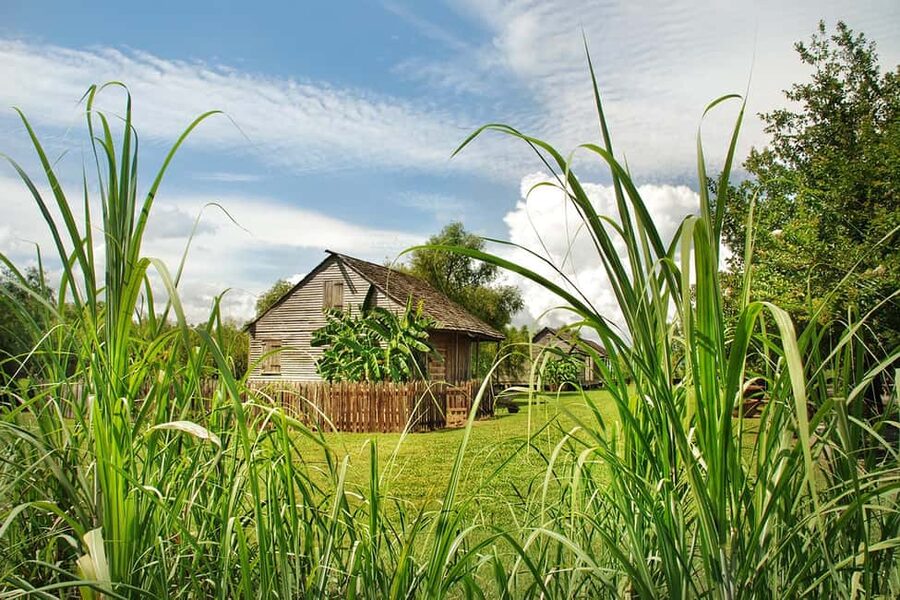
The restored cabins and work buildings can be difficult to absorb. Their plain appearance may seem quiet, but the audio accounts give them a human weight. You are not simply looking at old structures. You are being asked to consider who was confined there, who worked nearby, and how the plantation economy depended on their forced labor.
More Plantation Tours in the USA
- Laura Creole Plantation Guided Tour
★ 5.0 · 1,279 reviews - Airboat and Plantations Tour with Gourmet Lunch from New Orleans
★ 4.5 · 1,246 reviews - New Orleans: Bayou Swamp Tour and Oak Alley Plantation Tour
★ 4.7 · 1,147 reviews - New Orleans: Oak Alley Plantation & Airboat Swamp Combo Tour
★ 4.7 · 906 reviews
Memorials, museums, and first-person accounts
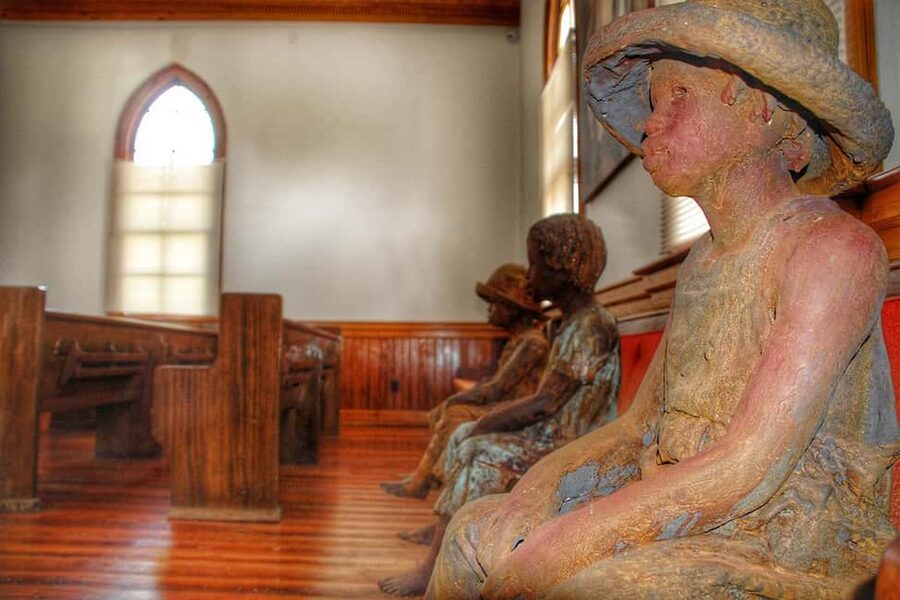
The museum displays and memorial artwork make this more than a walk through preserved buildings. They frame Whitney as a place of remembrance and public education.
The audio program uses hundreds of first-person narratives. That approach is especially useful because it moves the story away from dates and owners alone. You hear about people who lived under slavery and encounter the system through human experiences rather than only through plantation records.
The presentation can be hard to hear. That is not a criticism. The subject requires honesty, and the site does not hide the violence, separation, control, and loss tied to slavery.
Give yourself time at the memorial areas. The schedule may tempt you to keep moving, but a few quiet minutes can be more meaningful than trying to absorb every label. If you want to read every wall panel, browse the gift shop, and replay parts of the audio, two hours may feel short.
The gift shop includes books and other items connected to the subject. One useful purchase mentioned by the tour information is a book about the Jim Crow era, selected as a staff recommendation. Food and drinks are not included, so plan around the departure and return schedule.
Adding the Manchac Swamp boat trip
The optional Whitney and Swamp combination adds a 90-minute cruise at Manchac Swamp. After Whitney, you travel to a private wildlife refuge and board a covered pontoon boat with a local captain.
This changes the mood of the day. Whitney is focused, heavy, and reflective. The swamp trip gives you time outdoors, with attention to wildlife, local geography, and the Cajun traditions of fishing, hunting, and trapping.
Alligators are a major attraction, and the captain may offer snacks that encourage them to come close to the boat. Sightings are part of the appeal, but wildlife is never fully predictable, so do not book the upgrade as a guarantee of a particular animal encounter.
The covered boat is a practical choice in Louisiana’s heat. It provides shade while still giving you views of the water and surrounding vegetation. The swamp stop is best for people who want a fuller day and a contrast to the plantation visit.
I would choose the upgrade if you have limited time in the region and want to combine two classic south Louisiana settings in one outing. Skip it if Whitney is your main reason for booking and you want more breathing room at the plantation. The combined schedule leaves less flexibility, and the plantation itself already deserves your full attention.
Is the $89 price fair?
At $89 per person, the value depends on how you would otherwise reach Whitney. The price includes round-trip transport from central New Orleans and admission elements tied to the self-guided audio visit. You are also paying for the driver-guide’s local commentary and the convenience of not arranging a car.
The plantation tour itself is self-guided, so you should not expect a private historian walking beside you for the full visit. The strongest live interpretation comes during the coach ride, where drivers such as Alton, Stacey, Bryant, Melinda, and Robert have added local facts and practical help.
For someone without a car, $89 is a reasonable way to reach a site outside New Orleans. It is less compelling if you already have reliable transport and are mainly paying for a guided plantation experience. In that case, compare the cost with admission and your own driving expenses.
The high rating reflects the parts that matter most: comfortable transport on many departures, strong driver commentary, and Whitney’s serious presentation. But value is personal. You need to decide if the convenience and transportation are worth the price, especially since food and beverages are not included.
The booking terms are flexible: you can cancel up to 24 hours ahead for a full refund, and you can reserve now and pay later. The advertised duration appears as both about five hours and 465 minutes in the booking information, so check the exact departure and return timing when you select a date.
Accessibility, weather, and practical preparation
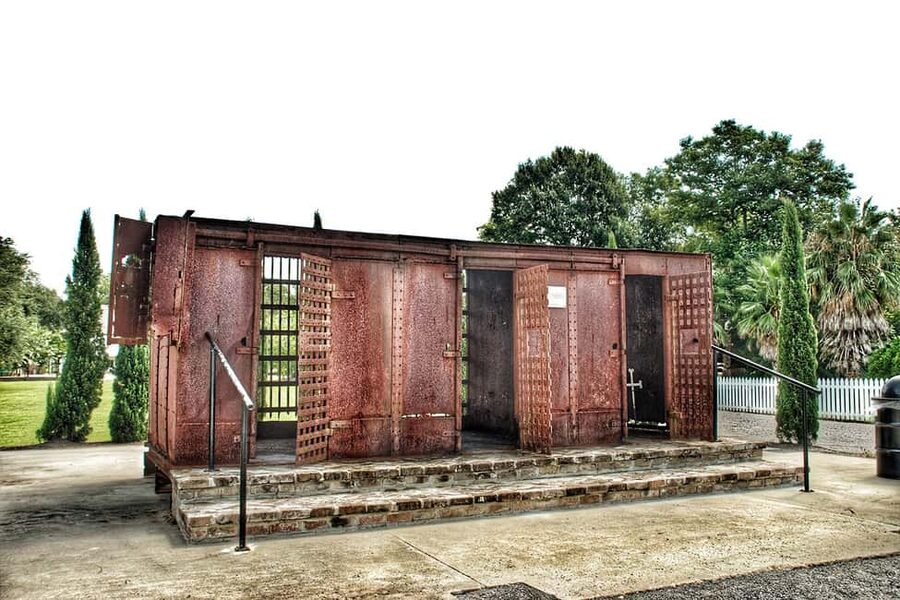
The plantation grounds are accessible, but some routes use uneven gravel. Wheelchair users can reach the museum, gift shop, and restrooms. The slave quarters can be viewed, but wheelchairs cannot enter them.
The outdoor route is exposed to Louisiana weather. Wear practical shoes, carry water, and bring sun protection. The coach is air-conditioned, but you may move quickly between heat and cool indoor spaces.
You should also prepare your phone before leaving New Orleans. Download the Whitney app in advance, bring headphones, and charge your battery. If you depend on the audio program, do not assume you can rely on a weak signal or a last-minute download.
English is the listed language for the tour and audio experience. Some guides speak quickly, and accents may take extra concentration for some listeners. If you have hearing concerns, ask about the available device or headphone setup before setting out.
Who should book this tour?
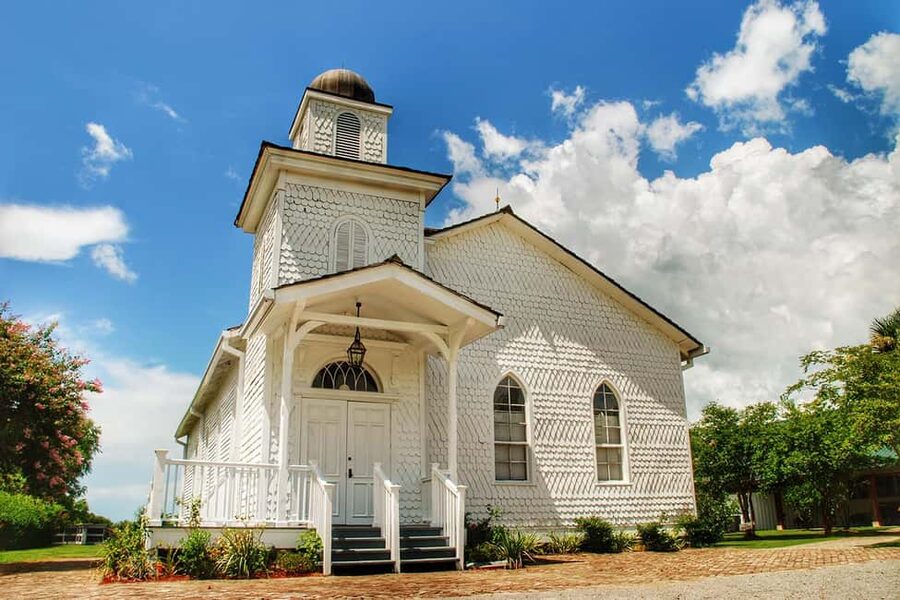
I recommend this tour to anyone who wants a plantation visit centered on slavery rather than on the owners’ lifestyle. It is especially suitable for first-time visitors to New Orleans who want an organized trip with transport and useful regional commentary along the way.
It also suits people who prefer to control their pace. The audio route lets you pause and replay sections, and seating at several stops helps you listen without standing throughout the visit.
Families with older children and teenagers may find the experience valuable, but the subject is painful and the presentation is direct. Use your judgment based on age and temperament.
I would not choose it for a quick, cheerful sightseeing outing. I would also avoid adding the swamp upgrade if you want a slow, reflective day at Whitney. The combo works best when you want a full south Louisiana excursion and can handle a long schedule.
Should you book the Whitney Plantation tour?
Book it if you want the most direct plantation experience in this area, with slavery and the lives of enslaved people treated as the central subject. The audio tour, memorials, restored buildings, and first-person accounts make the visit worth your attention.
Choose the basic plantation option if you want more time to read and reflect. Add the Manchac Swamp cruise if wildlife and Cajun culture appeal to you and you prefer to combine both stops in one day.
The tour is not perfect. The two-hour visit can feel tight, buses vary, and the self-guided format may disappoint if you expect a guide beside you at every stop. Still, the transport is practical, the road commentary can be excellent, and Whitney offers an honest account of a part of American history that should not be dressed up as a genteel plantation story.
FAQ
Where does the Whitney Plantation tour depart from?
The tour departs from 400 Toulouse Street in New Orleans, at the Lighthouse Ticket Office near the Mississippi River. This is at the Steamboat Natchez dock, directly behind the JAX Brewery.
How early should I arrive?
Arrive 15 minutes before your scheduled departure and have your barcoded voucher ready to show at the ticket office.
How long does the tour last?
The activity is described as lasting about five hours, although the booking information also lists 465 minutes. Check the exact schedule for your selected date.
Is transportation included?
Yes. Round-trip transportation from New Orleans is included.
Is the Whitney Plantation visit guided?
Whitney Plantation is self-guided. You follow an audio tour with about 14 stops across the grounds and museum areas.
Do I need to download an app?
The instructions ask you to download the Whitney Plantation app on a phone, tablet, or iPad. A handheld recording device may also be available at the plantation.
What does the Whitney audio tour focus on?
The audio tour focuses on slavery and uses first-person narratives connected to the enslaved people who lived and worked at the plantation.
Can wheelchair users visit Whitney Plantation?
The museum, gift shop, restrooms, and plantation grounds are accessible. Some paths are uneven gravel, and wheelchairs cannot enter the slave quarters, though those buildings can be viewed from outside.
Is food included?
No. Food and beverages are not included in the tour price.
What is included with the swamp upgrade?
The upgrade includes a 90-minute covered pontoon boat ride through a privately owned wildlife refuge in Manchac Swamp, led by a local captain. The trip includes information about the area and Cajun fishing, hunting, and trapping culture.
Just added around New Orleans
- Whitney Plantation Tour with Transportation★ 4.0 · 29 reviews
- Whitney Plantation and Soul of New Orleans City Tour Combo★ 5.0 · 13 reviews
- Two Plantation Tour: Oak Alley and Laura or Whitney★ 5.0 · 7 reviews
- St. Joseph and Felicity Plantation Combo Tour★ 5.0 · 4 reviews
- St. Joseph Plantation Tour★ 4.5 · 30 reviews
- Private Airboat Ride and Plantations Tour with Gourmet Lunch from New Orleans★ 5.0 · 50 reviews
- Small Airboat and Oak Alley Plantation Tour from New Orleans★ 4.5 · 23 reviews
- N’awlins Luxury: Laura, Oak Alley or Whitney Plantation Tour w/Transportation★ 4.5 · 46 reviews
New Orleans Farm Tours, compared.

Swamp Boat Ride and Oak Alley Plantation Tour from New Orleans
Read our review →
Oak Alley Plantation Tour with Transportation from New Orleans
Read our review →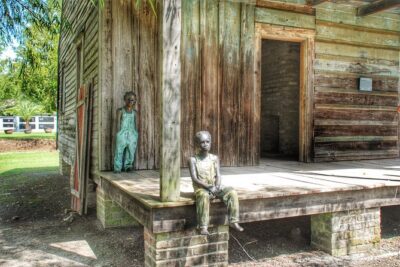
Whitney Plantation Tour with Transportation from New Orleans
Read our review →
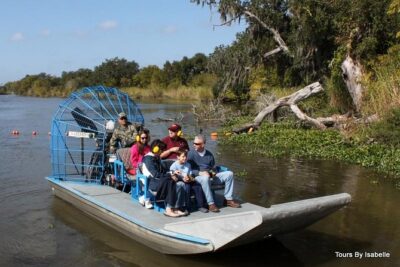
Airboat and Plantations Tour with Gourmet Lunch from New Orleans
Read our review →
Bayou Swamp Tour and Oak Alley Plantation Tour
Read our review →
Oak Alley Plantation and Large Airboat Swamp Tour from New Orleans
Read our review →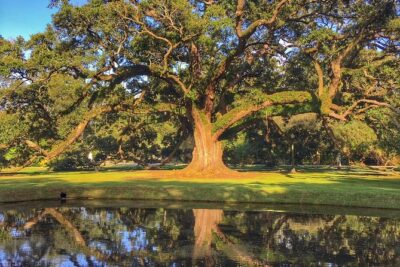
Browse the lists this tour appears in