
Review · NEW ORLEANS
New Orleans: Swamp Boat Ride & Oak Alley Plantation Tour
The best thing about this tour is the contrast: one morning takes you beneath a grand avenue of ancient oaks and into a Greek Revival mansion, then carries you into Manchac Swamp for alligators, raccoons, and Cajun stories. Guides such as Dionne, Kate, John, and Robi have been praised for making the long ride both useful and funny.
I like the two-in-one format, since it saves you from arranging separate transport to Oak Alley and the swamp. I also like that Oak Alley is not treated as a pretty house alone: the grounds include slavery exhibits, reconstructed cabins, sugar-cane displays, gardens, and a blacksmithing exhibit. The main drawback is the length and price, $131 per person, plus food and drinks, so this works best as a full-day outing rather than a quick side trip.
Key points to know before booking
- 28 ancient oak trees: Oak Alley’s quarter-mile entrance is the visual star of the plantation and one of the most memorable photo settings near New Orleans.
- A more complete plantation visit: The Big House tour is paired with exhibits about enslaved people, sugar production, former owners, gardens, and the original forge.
- Private Manchac Swamp: The covered pontoon boat moves through a privately owned wildlife refuge, with local captains explaining Cajun fishing, hunting, and trapping traditions.
- Wildlife is a real possibility: The boat ride may bring you close to alligators, raccoons, and wild boars, though nature does not follow a script.
- Comfortable all-day transport: Round-trip narrated bus service includes a coach with a bathroom, and transport received especially strong marks for cleanliness and reliability.
- Plan for stairs: The second floor of the historic plantation house is accessible by stairs only, and video recording is not permitted inside.
Why this pairing works so well
New Orleans has plenty of tours that focus on one theme. This one gives you two very different views of southern Louisiana in a single day.
Oak Alley explains the wealth created by sugar cultivation and the human cost behind it. Manchac Swamp shifts the focus to wetlands, wildlife, and Cajun traditions. I like that the day does not stay inside a single polished version of the past. You see an impressive mansion, but you also encounter exhibits about the people who worked there and the system that made the plantation profitable.
The total duration is 450 minutes, or 7.5 hours. That is a serious block of time, but it is reasonable when you factor in the drive from New Orleans, a house visit, time on the grounds, and a swamp cruise. The narrated ride is useful rather than dead time. Guides have covered New Orleans history, French and Spanish influence, slavery before and after American rule, Creole and Cajun culture, and local traditions.
The quality of the day depends partly on the guide assigned to your bus. Dionne, Kate, John, Robi, Lisa, Elizabeth, and others have been singled out for clear explanations, humor, and a willingness to answer questions. That makes a difference on a long excursion. A good guide turns the highway portion into part of the visit instead of a simple transfer.
More Plantation Tours in New Orleans
- Swamp Boat Ride and Oak Alley Plantation Tour from New Orleans
★ 5.0 · 3,303 reviews - Oak Alley Plantation Tour with Transportation from New Orleans
★ 4.5 · 1,747 reviews - Whitney Plantation Tour with Transportation from New Orleans
★ 4.5 · 1,351 reviews
Reaching Oak Alley beneath the 28 oaks
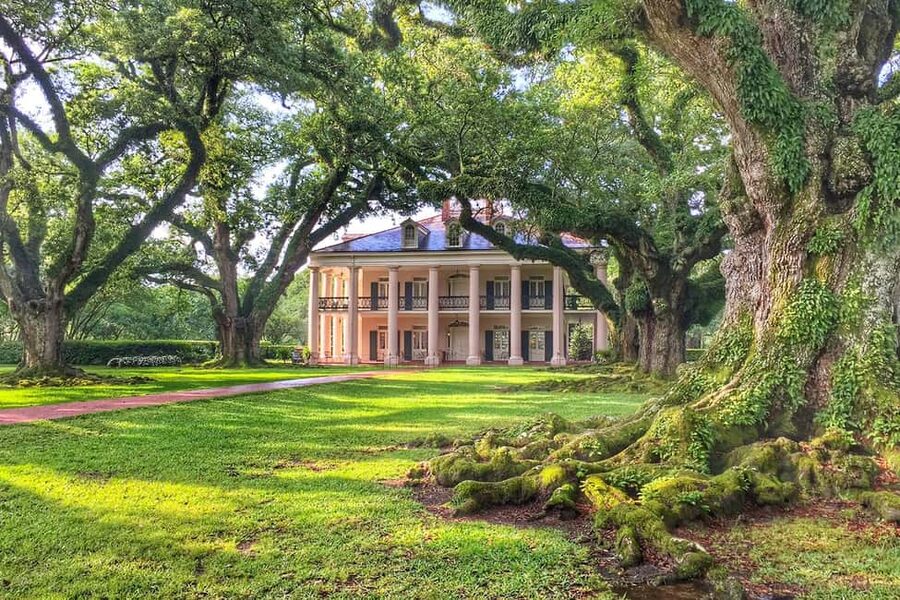
Your first major sight at Oak Alley is not the mansion. It is the tree-lined approach.
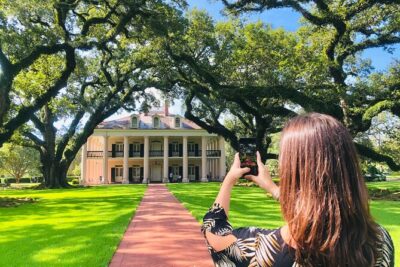
Twenty-eight large live oaks form a quarter-mile corridor toward the house. Each tree is described as nearly 300 years old, and the row gives the property its name and much of its visual power. The trees frame the mansion in a way that explains why Oak Alley has appeared in films and television productions and why it is one of the area’s most photographed plantation settings.
This is a place where you should slow down before rushing to the house. The view changes as you move along the avenue, and the scale of the trees makes the approach feel theatrical. You will want photos here, but give yourself time to look at the relationship between the trees, the lawn, and the building.
The beauty also needs context. Oak Alley represents a period of enormous wealth created through sugar production and enslaved labor. The plantation does not present only a glamorous antebellum image. Its current interpretation includes the lives and legacies of people who lived and worked there, which gives the visit more weight than a simple mansion tour.
Inside the 1839 Big House
The guided tour of the Big House focuses on the 1839 Greek Revival mansion. You will see the architecture and rooms as part of the story of plantation wealth, not just as a collection of elegant furnishings or movie backdrops.
The house is the most formal part of the visit, and group size can affect it. One person specifically found the house group too large and would have preferred a self-guided option. That is worth keeping in mind if you prefer to set your own pace or spend extra time on individual rooms.
The plantation’s historic structure also creates a practical limit: the second floor is reached by stairs only. If you use a wheelchair, the vehicle can store a folding chair, but a scooter requires an accessible bus arrangement made with the local partner at least 48 hours before the tour. The property is smoke free, and videography is not allowed inside the house.
The house tour is only one part of Oak Alley. I would not book this experience solely for the interiors. The strongest visit comes from combining the guided mansion tour with the outdoor exhibits and the tree-lined grounds.
The grounds tell the harder story
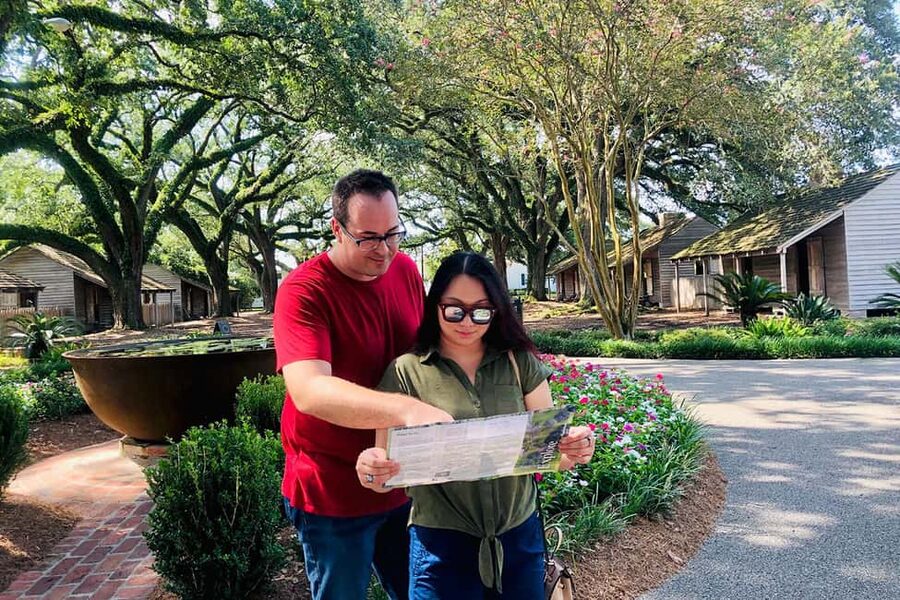
After the Big House, you have time for a self-guided look around the plantation grounds. This is where the visit becomes more substantial.
The exhibits include a film about sugar-cane production, reconstructed slave cabins, and a slavery exhibit with an interpreter. There is also a display about the dozen families who owned the property, along with east and west gardens and the original blacksmith forge.
That range matters. A plantation can be easy to reduce to columns, gardens, and old furniture. The sugar-cane display helps explain the economic engine. The cabins and slavery exhibit point toward the people whose work sustained the property. The ownership display shows that the site changed hands over time rather than belonging to one single family story.
You should allow enough time for the grounds instead of treating them as a short photo stop. The self-guided format lets you choose where to linger, which balances the more structured house tour. If you want a full study of plantation history, this visit will still feel limited by the day’s schedule, but it gives you more than the usual grand-house snapshot.
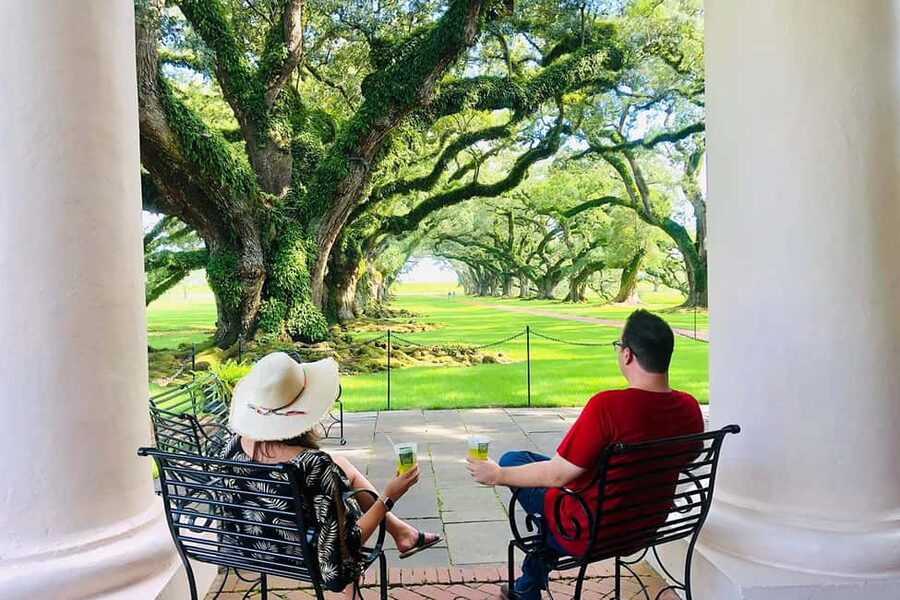
There is a plantation cafe with grab-and-go meals and snacks, plus a gift shop. Drinks are also available, and one family enjoyed ordering a mint julep while listening to the guide. Food is not included, so plan to buy something there or bring your budget with you.
More Plantation Tours in the USA
- Laura Creole Plantation Guided Tour
★ 5.0 · 1,279 reviews - Airboat and Plantations Tour with Gourmet Lunch from New Orleans
★ 4.5 · 1,246 reviews - New Orleans: Bayou Swamp Tour and Oak Alley Plantation Tour
★ 4.7 · 1,147 reviews - New Orleans: Oak Alley Plantation & Airboat Swamp Combo Tour
★ 4.7 · 906 reviews
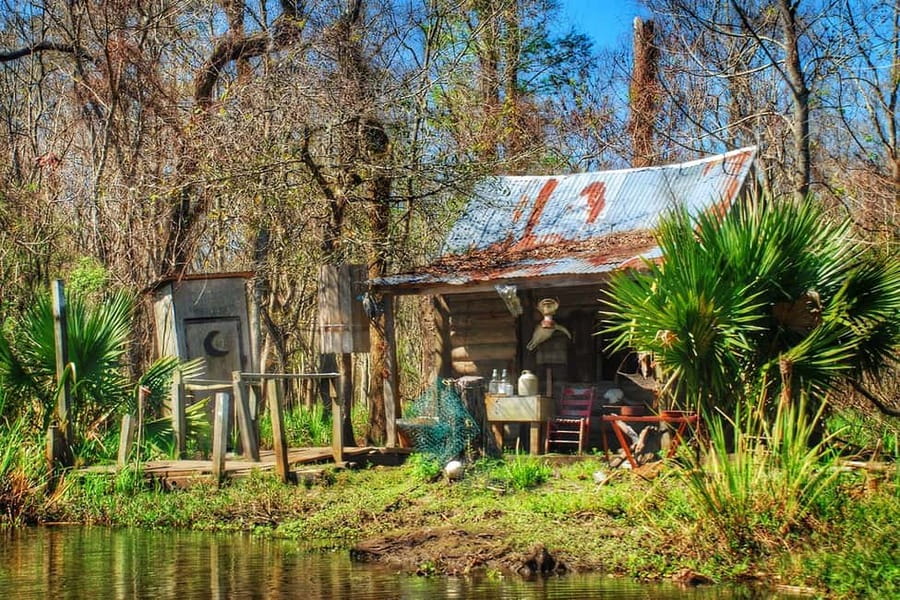
The shift from plantation to swamp
The day’s mood changes after Oak Alley. You leave the formal grounds and head toward Manchac Swamp, where a local captain takes over the storytelling.
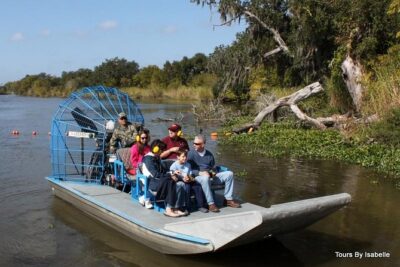
The boat is a covered pontoon, not a high-speed airboat. One person would have preferred a longer ride with a fan-propelled boat, so speed seekers should set expectations correctly. The pontoon is a better fit if you want a steady, open view and a more relaxed wildlife search.
The swamp section takes place in a privately owned wildlife refuge. The captain explains the nearby community of Frenier and the Cajun traditions tied to fishing, hunting, and trapping. That local connection gives the ride more purpose than simply circling water and waiting for an animal to appear.
The captain is central to the experience. Brandon, Danny, Jim, Tom, and other captains have been praised for humor, local knowledge, and taking time to help people get photographs. In colder conditions, one captain reportedly adjusted the route to find a sunny area where alligators were more likely to be active. That kind of flexibility is useful, since wildlife sightings depend on weather and animal behavior.
Watching for alligators on the pontoon
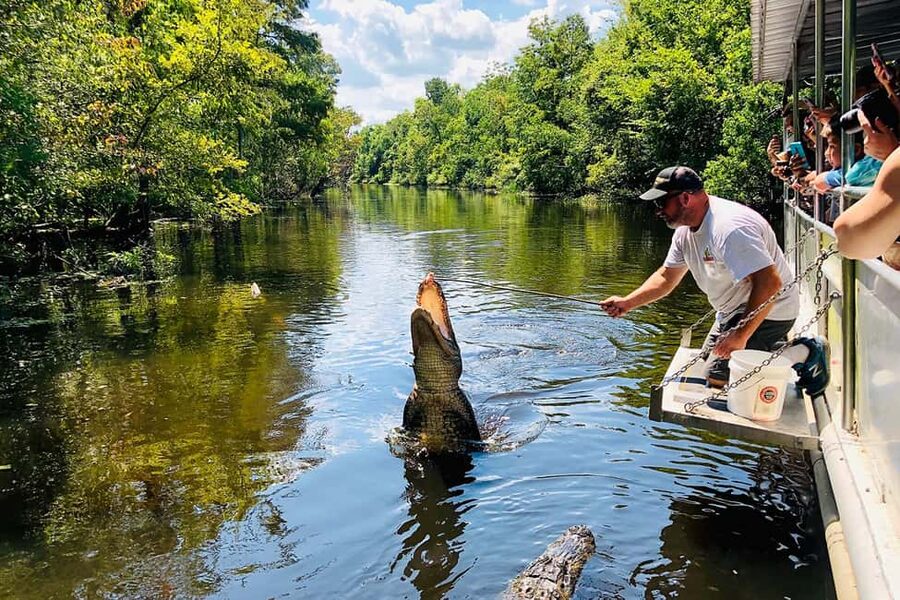
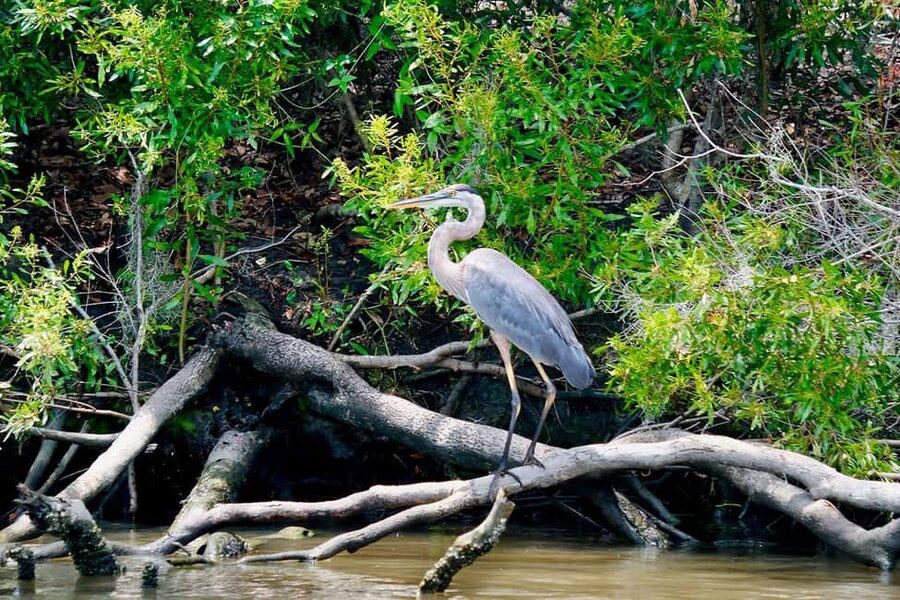
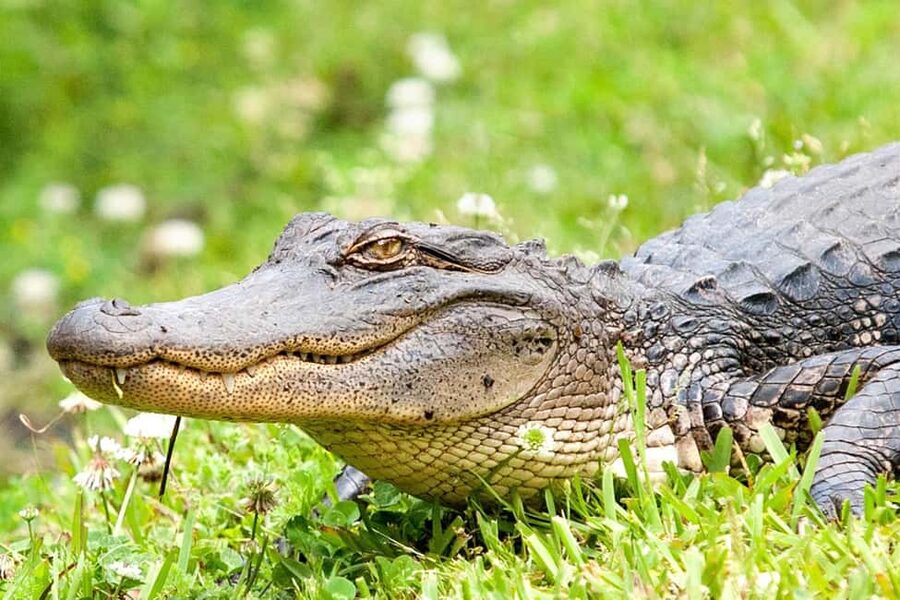
The main draw is the chance to see alligators close to the boat. Captains may offer snacks to bring them up, and the animals can appear only a few feet away. Some tours have also seen raccoons and wild boars.
You should treat sightings as a strong possibility, not a promise. The supplied experience specifically highlights alligators, and many outings have seen several, but a swamp is not a zoo. Season, temperature, sunshine, and timing all affect what comes out.
The covered boat helps with comfort, though conditions can still vary. Early spring can bring surprisingly few bugs, while warmer months may feel more humid. Bring sun protection and water, and keep a light layer handy for the bus, where the air-conditioning has been described as very cold. You can ask the driver to adjust it rather than quietly freezing through the ride.
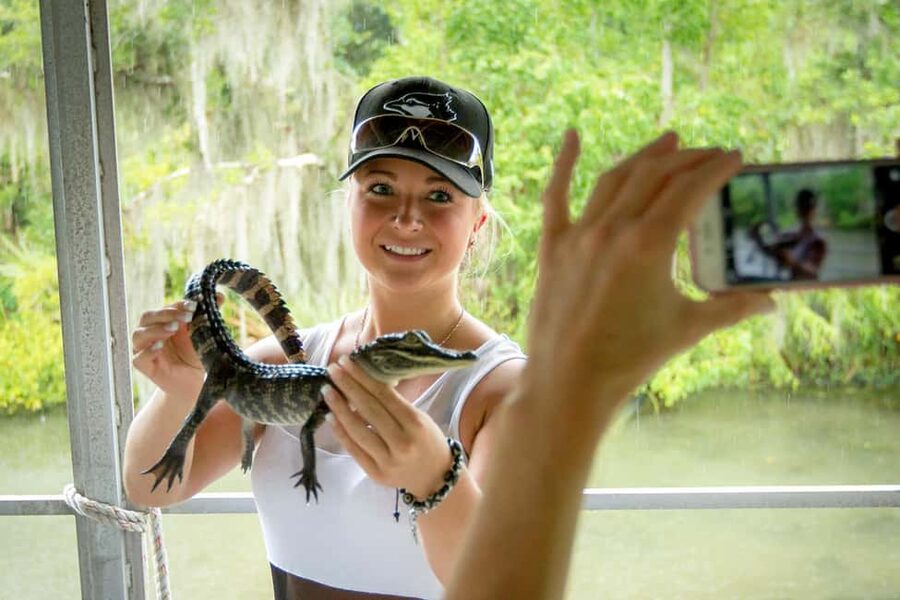
Families should find the wildlife portion easy to enjoy. Children as young as nine and twelve were especially excited by the alligators, and some outings have included the chance to hold a baby alligator. That kind of hands-on moment depends on the captain and current conditions, so do not treat it as a guaranteed feature.
Bus comfort, timing, and the long day
The tour departs from the Lighthouse Ticket Office at Toulouse Street and the Mississippi River, at the Steamboat Natchez dock behind JAX Brewery. You should display the barcoded voucher 15 minutes before departure. The listed address is 400 Toulouse Street, New Orleans, Louisiana 70130.
The coach is described as clean and comfortable, with a bathroom. Round-trip transport is narrated, and the ride gives your guide room to explain the region before and after the visits. Some guides, including Lisa, have also allowed quiet time to rest after lunch, which is welcome on a 7.5-hour schedule.
The day is organized around two fixed attractions, so you will not have unlimited time at either one. One person wanted less time at both stops, while another wanted a longer overall visit. That difference tells you something useful: the pace will suit most people, but not everyone will find it ideal.
I would wear comfortable shoes and keep your day simple. You are moving between a historic property, outdoor exhibits, and a boat. Leave room in your budget for food, drinks, and perhaps the gift shop, since none of those costs are included.
Is the $131 price fair?
At $131 per person, this is not the cheapest way to see a plantation or a swamp. It becomes easier to justify because the price combines admission to Oak Alley, the Big House tour, access to the grounds and exhibits, round-trip transport, and the pontoon cruise.
The value is strongest if you do not have a rental car or do not want to arrange two separate outings. You also receive live narration on the road, which adds context about New Orleans, slavery, Creole and Cajun culture, and the region around the swamp.
The price is less attractive if you only want a quick plantation visit, prefer independent touring, or already have transport. Food, drinks, gratuity, and purchases at the plantation and swamp are extra. Still, the high overall rating and repeated praise for the guides and drivers suggest that the organization is a major part of what you are paying for.
Free cancellation is available up to 24 hours before the tour, and you can reserve now and pay later. Those terms help if your New Orleans schedule is still shifting.
Who should book this tour?
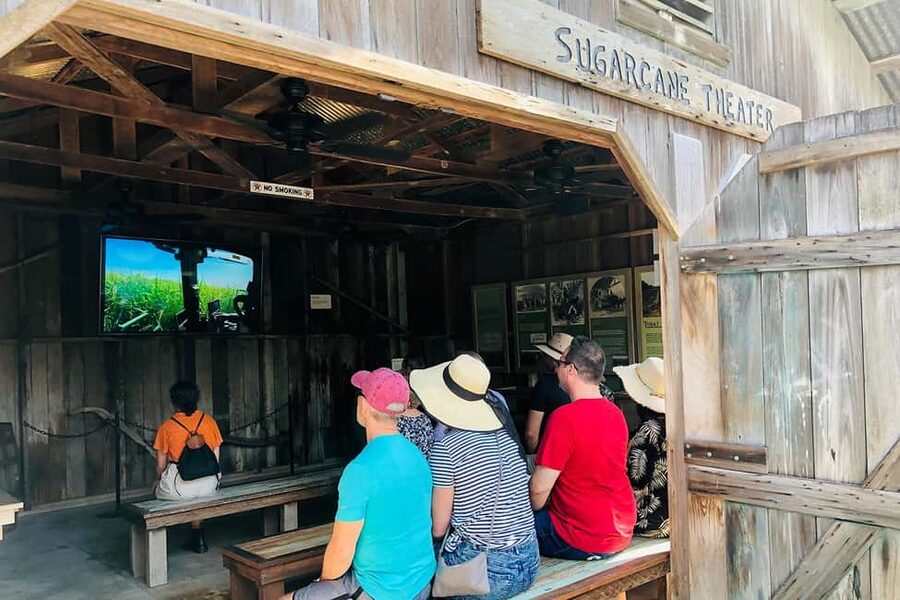
I would choose this for a first New Orleans visit when you want more than French Quarter architecture and restaurants. It is also a strong family option because the swamp wildlife gives younger children something immediate to watch for, while the plantation grounds provide history and scenery for adults.
It suits you if you value a guide, want door-to-door structure from a central meeting point, and like the idea of combining two major regional attractions. It is less suitable if you dislike long organized days, need complete control over timing, or want a small private group.
The plantation portion also deserves thoughtful attention. You should come ready to look beyond the grand facade and ask how sugar production, slavery, ownership, and daily work shaped the place. The exhibits make that possible, even if the house tour itself may feel crowded.
Should you book Oak Alley and Manchac Swamp?
Book it if you want a well-organized day that combines plantation history, Cajun culture, and wildlife without renting a car. The guides and captains are a major strength, and the contrast between Oak Alley’s oak avenue and the swamp’s moving water gives the day a satisfying range.
Skip it if $131 feels high for a group excursion, or if you prefer a faster, more independent visit. For most first-time visitors with one free day outside New Orleans, though, the combination is sensible. You get the famous view, the harder historical questions, and a genuine chance to see Louisiana wildlife in one outing.
FAQ
How long does the Oak Alley and Manchac Swamp tour last?
The tour lasts 450 minutes, which is about 7.5 hours. The time includes narrated round-trip transportation, the Oak Alley visit, and the pontoon boat ride.
Where does the tour depart from?
You meet at the Lighthouse Ticket Office at Toulouse Street and the Mississippi River, at the Steamboat Natchez dock behind JAX Brewery. The listed departure address is 400 Toulouse Street, New Orleans, Louisiana 70130.
What should I bring to check in?
Display your barcoded voucher as your ticket 15 minutes before the scheduled tour time.
Is food included in the price?
No. Grab-and-go meals and snacks are available at the Plantation Cafe, and snacks and alcoholic and non-alcoholic drinks are available for purchase at the swamp.
Is the tour wheelchair accessible?
The vehicles can store a wheelchair if it folds and collapses. If you use a scooter, special arrangements for an accessible bus must be made with the local partner 48 hours before the tour.
Can I reach the second floor of the plantation house without using stairs?
No. Because of the historic nature of the building, access to the second floor is by stairs only.
Can I cancel the tour?
Yes. You can cancel up to 24 hours before the tour for a full refund. You can also reserve now and pay later.
Just added around New Orleans
- Whitney Plantation Tour with Transportation★ 4.0 · 29 reviews
- Whitney Plantation and Soul of New Orleans City Tour Combo★ 5.0 · 13 reviews
- St. Joseph and Felicity Plantation Combo Tour★ 5.0 · 4 reviews
- St. Joseph Plantation Tour★ 4.5 · 30 reviews
- Two Plantation Tour: Oak Alley and Laura or Whitney★ 5.0 · 7 reviews
- Private Airboat Ride and Plantations Tour with Gourmet Lunch from New Orleans★ 5.0 · 50 reviews
- Small Airboat and Oak Alley Plantation Tour from New Orleans★ 4.5 · 23 reviews
- N’awlins Luxury: Laura, Oak Alley or Whitney Plantation Tour w/Transportation★ 4.5 · 46 reviews
New Orleans Farm Tours, compared.
Swamp Boat Ride and Oak Alley Plantation Tour from New Orleans
Read our review →
Oak Alley Plantation Tour with Transportation from New Orleans
Read our review →
Whitney Plantation Tour with Transportation from New Orleans
Read our review →
Airboat and Plantations Tour with Gourmet Lunch from New Orleans
Read our review →
Bayou Swamp Tour and Oak Alley Plantation Tour
Read our review →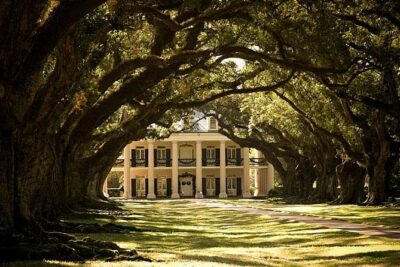
Oak Alley Plantation and Large Airboat Swamp Tour from New Orleans
Read our review →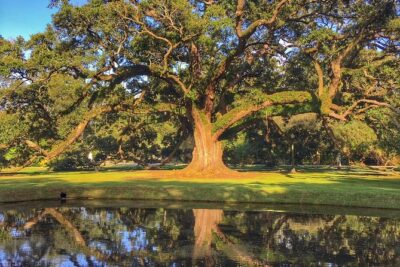
Browse the lists this tour appears in