
Review · NEW ORLEANS
New Orleans: Laura Plantation Tour with Transportation
Laura Plantation is more than a grand house with pretty gardens. Its strongest story is about the Creole women who ran the sugar plantation for more than 60 years, along with the enslaved people whose labor made that life possible. You’ll walk through the house, gardens, work buildings, and 1840s slave quarters, with the past presented through personal stories rather than just dates.
I like the easy hotel pickup and the fact that the visit goes beyond the main house to 12 historic buildings, including the 1829 Maison de Reprise. I also like the Br’er Rabbit connection and the careful rebuilding after a 2003 fire. The main drawback is the long day, about 390 minutes, and the tour is not suitable for wheelchair users.
Key points to know before you book
- The 70-mile ride is part of the day: You’ll spend substantial time on the road between New Orleans and the plantation, with the chance to see other plantation sites and possibly a gator.
- Laura’s story centers on Creole women: The house tour gives you a different angle from the usual plantation narrative.
- You visit more than the mansion: The grounds include three gardens, barns, overseers’ cottages, and the 1829 Maison de Reprise.
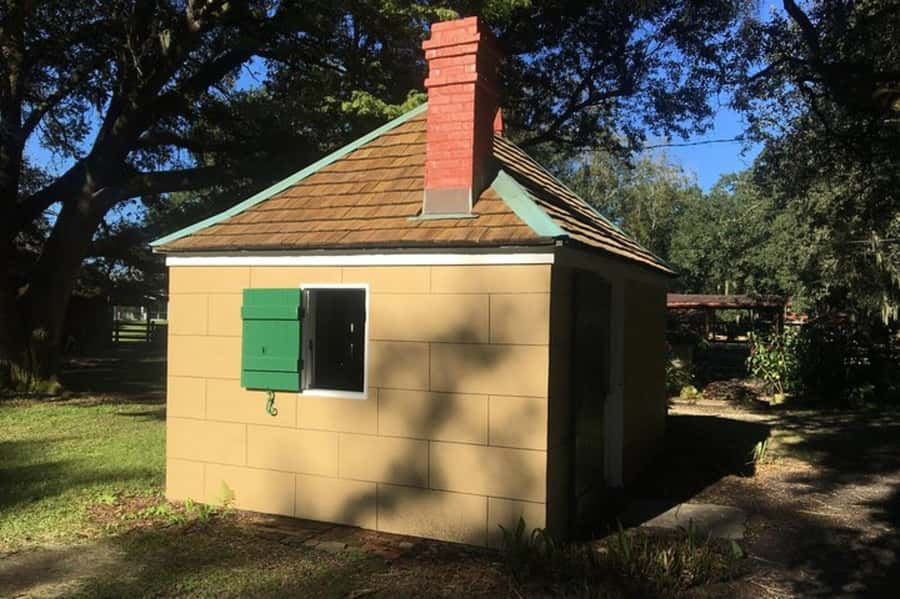
- The 1840s slave quarters are an important stop: This part of the tour addresses the lives and labor of the enslaved people who lived there.
- The Br’er Rabbit stories were written here: That literary link gives the property an unusual place in American folklore.
- Transportation adds real value: Pickup and drop-off from most New Orleans hotels save you from arranging a rental car or finding the plantation on your own.
Why Laura Plantation feels different from a standard plantation visit
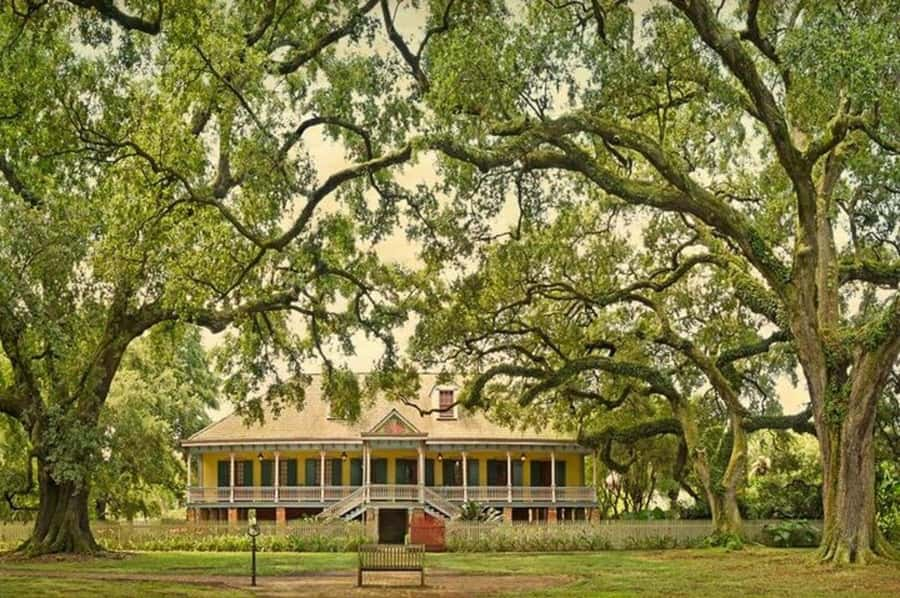
Many plantation tours focus first on architecture, formal rooms, and wealthy owners. Laura Plantation certainly has an attractive house, but its story is more complicated and, in some ways, more personal.
The tour explains how Creole women managed the property for over six decades. That gives you a useful counterpoint to the usual plantation story, which often centers on male owners and grand political figures. You’ll hear about the women who directed daily operations and kept the plantation going through changing times.
That focus does not soften the darker parts of the site. The plantation depended on enslaved labor, and the tour includes the 1840s slave quarters and stories about the people who lived and worked there. I consider this essential. A plantation visit should not treat the main house as if it existed separately from the labor system around it.
The setting also has a literary connection. The Br’er Rabbit stories were written at Laura Plantation, giving the property a link to a familiar part of American folklore. You’ll likely find this detail especially interesting if you know the tales but have never considered where their setting and characters came from.
More Plantation Tours in New Orleans
- Swamp Boat Ride and Oak Alley Plantation Tour from New Orleans
★ 5.0 · 3,303 reviews - Oak Alley Plantation Tour with Transportation from New Orleans
★ 4.5 · 1,747 reviews - Whitney Plantation Tour with Transportation from New Orleans
★ 4.5 · 1,351 reviews
The ride from New Orleans takes about 70 miles
Your day begins with hotel pickup in New Orleans. Pickup is available at most hotels, and if your exact hotel is not on the list, you can select the nearest pickup point. The listed pickup locations are within three or four blocks of one another, so check the meeting point carefully before leaving your room.
The ride to Laura Plantation covers about 70 miles. That distance matters. This is not a quick city excursion that leaves you back in New Orleans by lunchtime. The full activity lasts about 390 minutes, or six and a half hours, including transportation and the plantation visit.
The drive can be useful preparation for the day. You move out of the city and toward the plantation country along the Mississippi River region. The scenery is part of the experience, though the exact views depend on the route and weather.
You may also see other plantations along the way. One ride included a gator sighting, which is a pleasant reminder that this is rural Louisiana, not simply a museum district outside town. Your driver is part of the experience, too. Brian, one named driver associated with this tour, has been praised for keeping the ride lively and informative.
Do not expect the drive to function as a full plantation tour in itself. Its main purpose is to get you there and back. Still, hotel transportation makes this a much easier choice than renting a car, working out directions, and trying to fit the visit into your own schedule.
Entering the Laura Plantation house
Once you arrive, a plantation guide leads you through the main house. The visit explains the building’s past and introduces the people who lived and worked there.
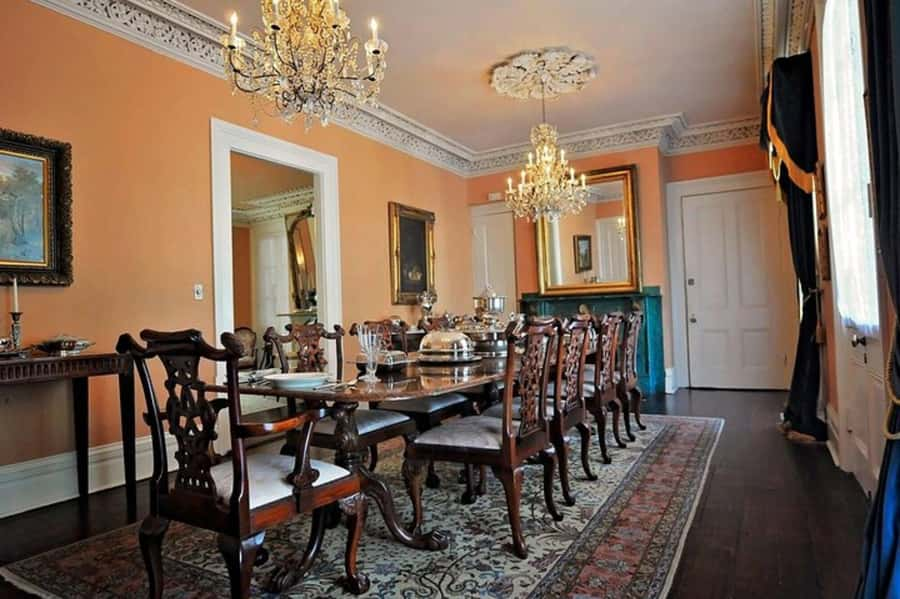
The focus on Creole women is the main reason to pay attention here. You are not simply looking at old furniture or decorative rooms. You are hearing how the plantation operated and how women held responsibility for the property over a long period.
The house is also part of a complicated restoration story. A fire in 2003 came close to destroying it. The rebuilding used materials from antique homes, which means the restored structure reflects careful reconstruction rather than an untouched survival from the plantation era.
That distinction is worth keeping in mind. Parts of the house have been rebuilt, but the reconstruction itself tells an important story about preservation. It shows how much work goes into saving an old building after major damage, and it gives you a clearer sense of what is original, what was recovered, and what had to be recreated.
The exact pacing depends on the guide and the group, but the guided format is a strength. A guide can point out details you might miss on your own and explain how the house connects to the rest of the property.
Lindie has been praised for making the plantation tour engaging and informative. If she is leading your visit, expect a guide who puts energy into the storytelling. The tour is conducted in English, so you’ll get the most from it if you are comfortable following a spoken historical tour in English.
Three gardens with three different purposes
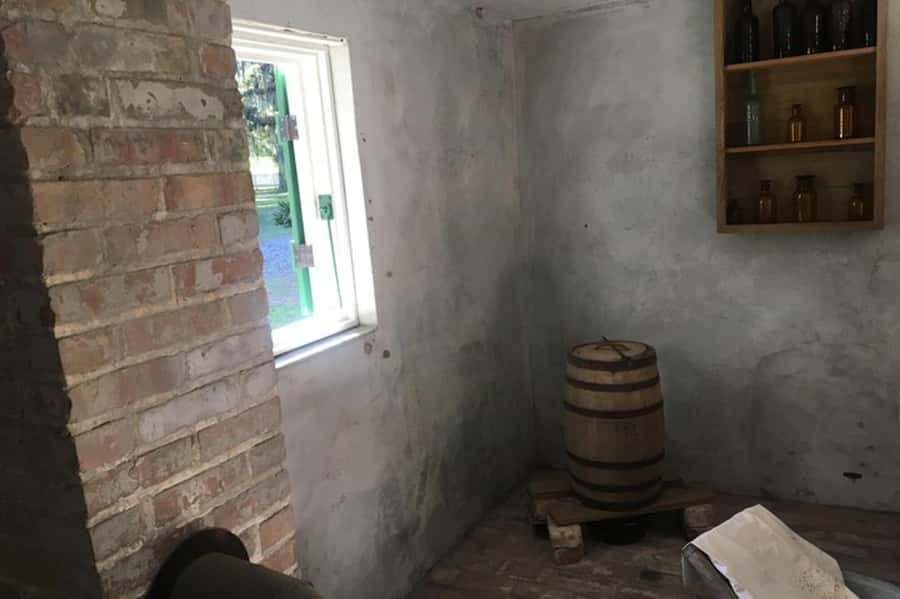
After the house, you’ll walk through three gardens: the Jardin Français, the kitchen potager, and the Banana Land grove.
The Jardin Français gives you the formal side of plantation grounds. Its layout helps you picture how a wealthy estate presented itself to visitors and residents. It is also likely to be the most photogenic part of the visit, particularly if you enjoy clipped paths, garden symmetry, and house views.
The kitchen potager offers a more practical contrast. This was the kind of garden tied to food and daily work rather than display. That difference matters because it helps you see the plantation as a working property, not only as a grand residence.
The Banana Land grove adds another layer to the grounds. Together, the three gardens show that the property had distinct spaces for appearance, food production, and cultivation.
You’ll have time for photos, but remember that this is a guided visit first. The guide sets the pace during the formal tour, and your free time comes afterward. If garden photography is your priority, keep your camera ready during the walk and use the later free time for additional shots.
More Plantation Tours in the USA
- Laura Creole Plantation Guided Tour
★ 5.0 · 1,279 reviews - Airboat and Plantations Tour with Gourmet Lunch from New Orleans
★ 4.5 · 1,246 reviews - New Orleans: Bayou Swamp Tour and Oak Alley Plantation Tour
★ 4.7 · 1,147 reviews - New Orleans: Oak Alley Plantation & Airboat Swamp Combo Tour
★ 4.7 · 906 reviews
Twelve buildings make the property feel like a working place
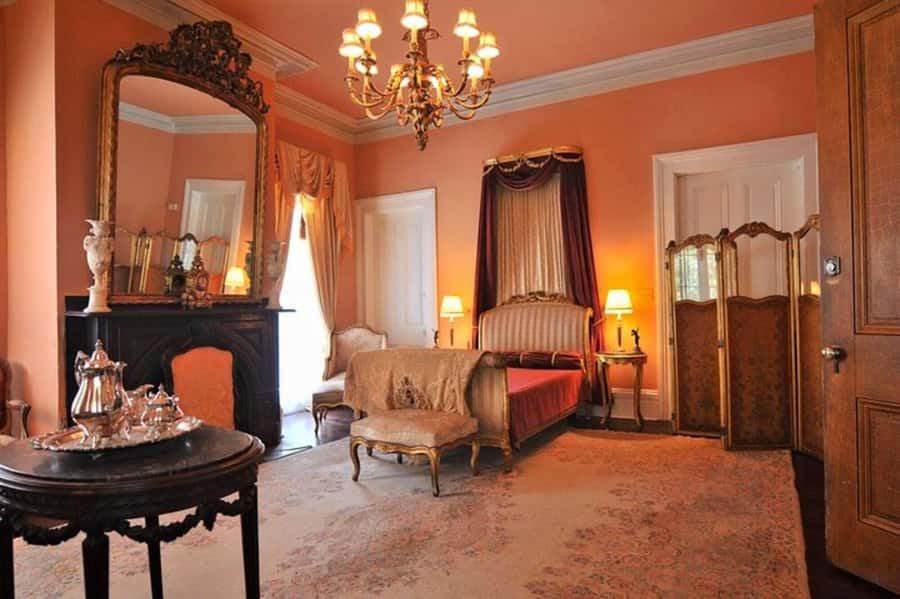
Laura Plantation includes 12 buildings on the National Register. That number changes how you read the site.
A single restored mansion can make plantation life look narrow and polished. The additional structures show the network needed to keep the property running. You’ll see animal barns, overseers’ cottages, and the 1829 Maison de Reprise.
The Maison de Reprise is one of the more unusual stops. Its name and age mark it as a specific piece of the plantation’s development, rather than a generic outbuilding added for display. The barns and cottages help you picture the daily systems behind the main house: animals, supervision, storage, food, and labor.
Do not rush this part. The smaller buildings can tell you as much as the mansion, especially if you are interested in how people actually lived and worked. The main house shows status. The outbuildings show function.
The property is also listed on the National Register, which reflects its historic importance, but that designation should not replace your own judgment. The value of the visit comes from the stories and the range of spaces you can enter, not from a plaque alone.
The 1840s slave quarters require your attention
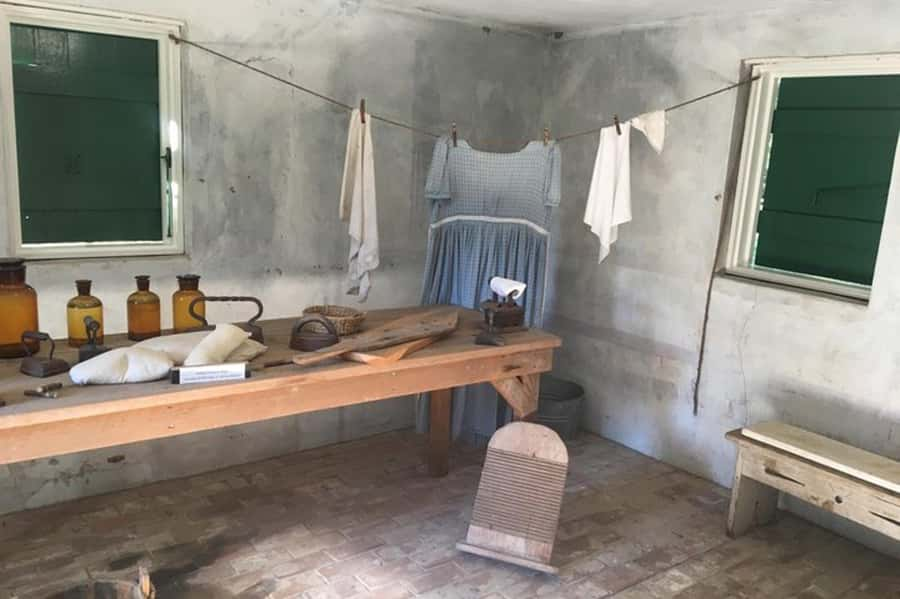
The visit to the 1840s slave quarters is one of the most important parts of the day. Here you confront the lives of the enslaved people who lived and worked at Laura Plantation.
This stop can be more affecting than the main house because it makes the plantation’s labor system harder to ignore. The polished rooms in the mansion represent one side of the property. The quarters show the conditions experienced by the people whose work supported that household and the sugar operation.
Expect the guide to share stories about the people connected to these buildings. These details give the tour a human focus. You are not only hearing about a system in the abstract. You are learning about people who lived under it.
I recommend listening closely here and saving casual photography for later. The subject deserves more attention than a quick stop between the gardens and gift shop.
The site is not suitable for wheelchair users, so this tour is a poor fit if you need wheelchair access. The provided information does not give a detailed account of every surface or walking distance, so anyone with other mobility concerns should ask the operator before booking.
A literary link to Br’er Rabbit
Laura Plantation has a distinctive connection to the Br’er Rabbit stories, which were written here.
That detail gives the tour a useful cultural angle. Br’er Rabbit is often treated as a collection of entertaining folktales, but the plantation setting adds historical context. You’ll hear how the stories are tied to the people and place connected with Laura Plantation.
This is a memorable part of the visit because it links the property to something many people recognize from childhood or American popular culture. It also reminds you that plantations were places where stories, traditions, and oral history circulated alongside agricultural work.
The connection does not turn the tour into a literary program. The main focus remains the plantation, its buildings, its residents, and the enslaved community. Still, the Br’er Rabbit material adds texture and gives you one more way to understand why Laura Plantation is different from a simple house museum.
Time to explore, photograph, and visit the shop
After the guided portion, you can explore the grounds at your own pace. This is your chance to revisit a garden, take more photos, look again at a building, or simply slow down before the ride back to New Orleans.
The free time is useful because a guided tour cannot give every visitor the same amount of time for every interest. You may want to focus on the house, while someone else cares more about the gardens or the outbuildings. The gift shop provides another short stop before departure.
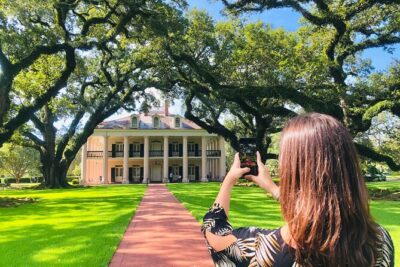
You also get a glimpse of the front of Oak Alley Plantation during the trip. This is not a full Oak Alley visit, so keep your expectations in check. It is a bonus sighting rather than a second plantation tour.
If you want to tour both plantations properly, you’ll need a different arrangement. This experience gives you Laura Plantation as the main visit, with Oak Alley as a visual extra along the route.
Is $81 a fair price?
At $81 per person, the price is reasonable if you value convenience and a guided visit. You are paying for hotel pickup and drop-off, the ride to and from a property about 70 miles away, admission, the guided plantation tour, and access to the gardens.
The price also saves you the work of arranging transportation to a rural site. For many visitors staying in New Orleans, that is the key value. A rental car adds its own cost and planning, while a taxi or rideshare over that distance may be inconvenient or expensive.
Meals and drinks are not included, so plan accordingly. The day lasts six and a half hours, and the tour is not designed as a restaurant outing. Bring the food and beverages you need within the operator’s rules, or ask ahead about meal timing.
The value is weaker if you only want a quick look at a grand house. You spend a good part of the day in transit, and the property visit includes walking, gardens, outbuildings, and difficult historical topics. That is exactly why it works for a history-focused day, but it may feel too long if your main goal is casual sightseeing.
Who should book this plantation tour?
I would recommend Laura Plantation to you if you want more than architecture. It suits visitors interested in Creole culture, women’s history, slavery and plantation labor, historic preservation, gardens, and American folklore.
It also works well if you prefer a planned outing with transportation. The driver handles the road, the plantation guide handles the interpretation, and you do not need to build a rural Louisiana itinerary from scratch.
Families with older children may find the Br’er Rabbit connection useful, especially if they already know the stories. The subject matter is serious, so parents should decide if the discussion of slavery is suitable for their children.
You should think twice if you dislike long rides, have limited mobility, or want lots of independent time. The tour is conducted in English and follows a structured schedule. The plantation is not wheelchair accessible, and meals are not included.
Cancellations are allowed up to 24 hours before departure for a full refund, and you can reserve now and pay later. Those policies make it easier to fit the tour into a changing New Orleans schedule.
Should you book Laura Plantation?
Book this tour if you want a thoughtful plantation visit with hotel transportation and a guide who explains the people behind the buildings. The Creole women’s story, the 1840s slave quarters, the three gardens, the 12 historic buildings, and the Br’er Rabbit link give the day plenty of substance.
Skip it if you want a short excursion, full wheelchair access, or a visit focused only on glamorous architecture. For everyone else, $81 is a fair price for a six-and-a-half-hour outing that combines transportation, admission, and guided interpretation. It is a full day, but the schedule gives you a serious look at one of Louisiana’s more unusual historic properties.
FAQ
How long does the Laura Plantation tour last?
The activity lasts 390 minutes, which is about six and a half hours.
How far is Laura Plantation from New Orleans?
The trip includes a scenic ride of about 70 miles from New Orleans to the plantation.
Is hotel pickup included?
Yes. Hotel pickup and drop-off are included at most New Orleans hotels. If your hotel is not listed, choose the nearest available pickup location. Pickup points are within three or four blocks of one another.
Is the tour conducted in English?
Yes. The live tour guide and activity language are English.
What is included in the price?
The price includes hotel pickup and drop-off, entry to Laura Plantation and its gardens, and a guided tour of the plantation.
Are meals and drinks included?
No. Meals and beverages are not included.
What buildings will I see at Laura Plantation?
You’ll see the plantation house, three gardens, the 1829 Maison de Reprise, animal barns, overseers’ cottages, the 1840s slave quarters, and other buildings within the group of 12 historic structures on the National Register.
Is Laura Plantation wheelchair accessible?
No. The activity is not suitable for wheelchair users.
Can I cancel the booking?
Yes. You can cancel up to 24 hours in advance for a full refund. You can also reserve now and pay later.
Just added around New Orleans
- Whitney Plantation Tour with Transportation★ 4.0 · 29 reviews
- Whitney Plantation and Soul of New Orleans City Tour Combo★ 5.0 · 13 reviews
- St. Joseph and Felicity Plantation Combo Tour★ 5.0 · 4 reviews
- St. Joseph Plantation Tour★ 4.5 · 30 reviews
- Two Plantation Tour: Oak Alley and Laura or Whitney★ 5.0 · 7 reviews
- Private Airboat Ride and Plantations Tour with Gourmet Lunch from New Orleans★ 5.0 · 50 reviews
- Small Airboat and Oak Alley Plantation Tour from New Orleans★ 4.5 · 23 reviews
- N’awlins Luxury: Laura, Oak Alley or Whitney Plantation Tour w/Transportation★ 4.5 · 46 reviews
New Orleans Farm Tours, compared.
Swamp Boat Ride and Oak Alley Plantation Tour from New Orleans
Read our review →
Oak Alley Plantation Tour with Transportation from New Orleans
Read our review →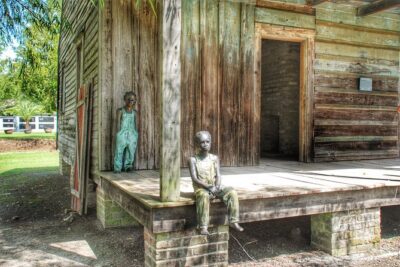
Whitney Plantation Tour with Transportation from New Orleans
Read our review →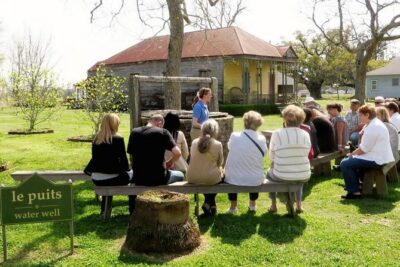

Airboat and Plantations Tour with Gourmet Lunch from New Orleans
Read our review →
Bayou Swamp Tour and Oak Alley Plantation Tour
Read our review →
Oak Alley Plantation and Large Airboat Swamp Tour from New Orleans
Read our review →
Browse the lists this tour appears in