
Review · NEW ORLEANS
New Orleans: Destrehan Plantation Tour
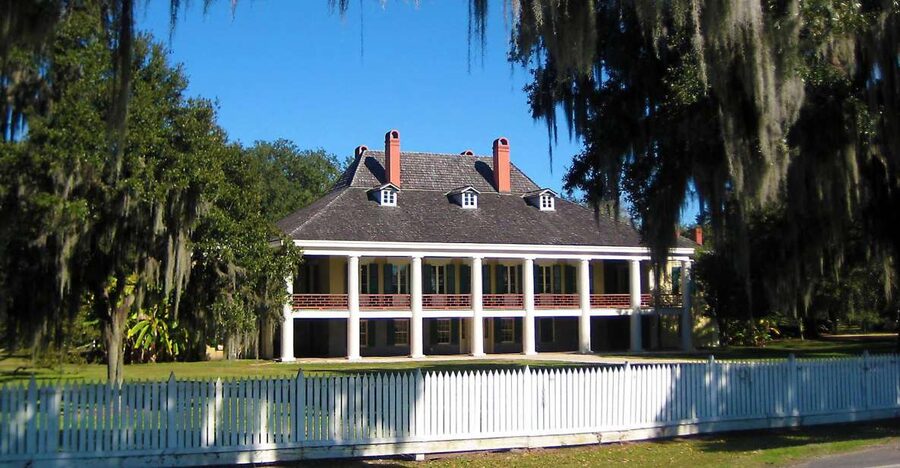
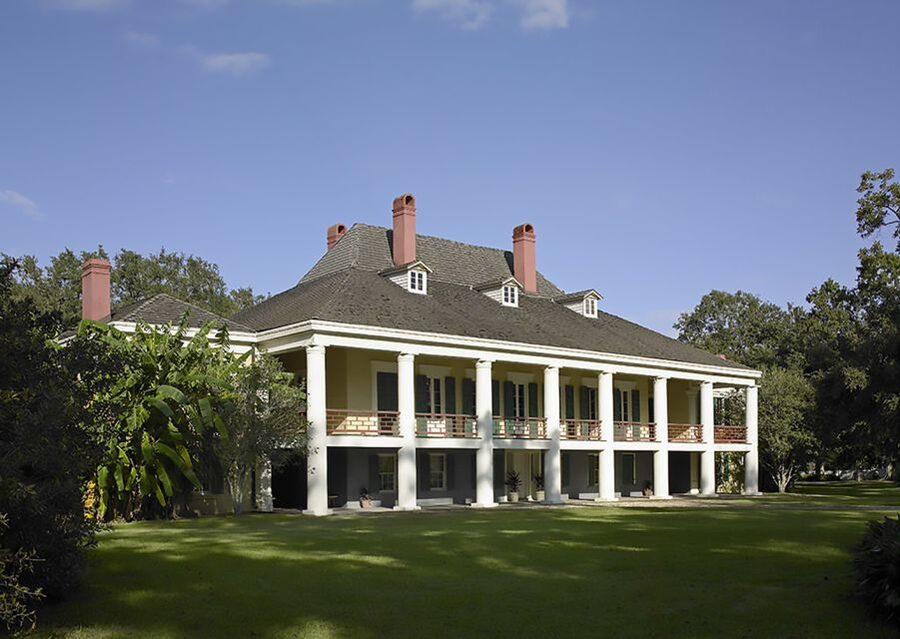
Destrehan Plantation is not just a pretty old house. It is a place where Louisiana’s plantation economy, slavery, politics, and family life come together in one visit. The tour begins with a personal interpreter, then moves through the house and several outbuildings that show how free and enslaved people lived and worked.
I like the document signed by Thomas Jefferson and James Madison, a small object with a direct link to Louisiana’s past. I also like the slave cabin, overseer’s cabin, and 1811 Slave Revolt exhibit, which push the visit beyond polished architecture and family stories. The main drawback is that the guided portion may feel short if you want a long, room-by-room historical tour. You’ll need to explore some of the buildings on your own.
Key points to know before you go
- Louisiana’s oldest plantation: Visit an important surviving site tied to the state’s colonial and plantation past.
- A personal guided tour: An interpreter leads the house visit, with guides such as Beverly and Ann praised for making the history clear and engaging.
- A rare political document: See an original document signed by Thomas Jefferson and James Madison, with its connection to Louisiana explained.
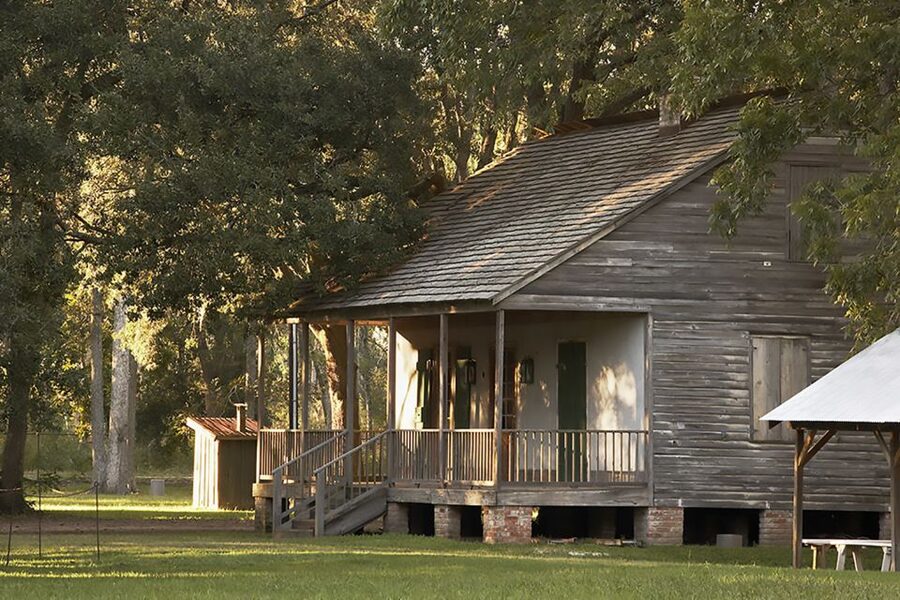
- History beyond the mansion: Explore a slave cabin, overseer’s cabin, outdoor kitchen, washroom, trapper’s cabin, and other buildings.
- A close trip from New Orleans: The plantation is about a 25-minute drive from Downtown New Orleans, with free parking.
- Good practical value: Admission costs $29 per person and includes the guided visit and grounds, but hotel transportation is not included.
A 25-minute drive from Downtown New Orleans
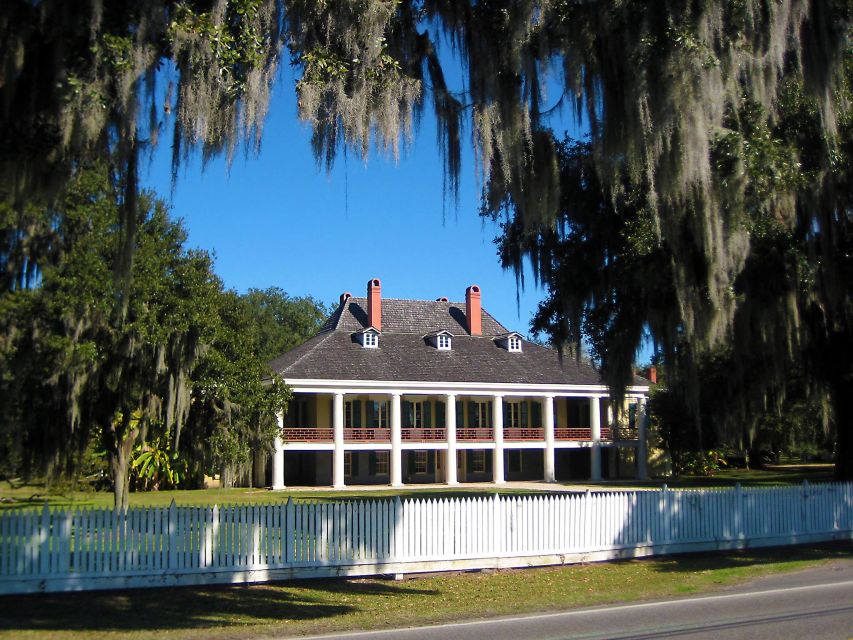
Destrehan Plantation makes a useful half-day addition to a New Orleans trip because it is only about a 25-minute drive from Downtown New Orleans. You arrange your own transportation, but parking is free once you arrive.
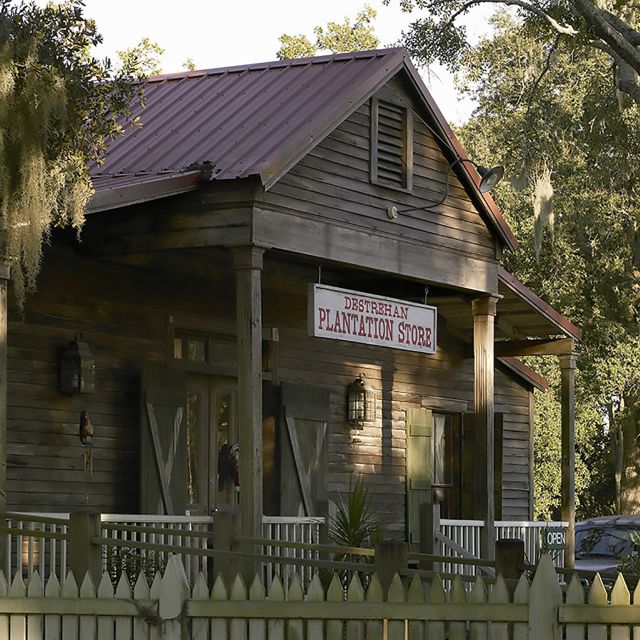
Look for the old Plantation Store when you reach the site. You enter through the store and gift shop, then leave through the back door onto the plantation grounds. That arrangement is practical, though it can feel slightly unexpected if you arrive expecting the historic house to be the first sight.
You should wear comfortable shoes. The visit includes the main house, outdoor buildings, and paths across the grounds, so this is not a stop where you simply walk into one room and leave. Scooters are not allowed inside the plantation home, and video recording is not permitted.
The activity is wheelchair accessible, which is useful for visitors who need step-free access. Still, the experience includes outdoor movement between buildings, so you may want to confirm any specific mobility needs before booking.
More Plantation Tours in New Orleans
- Swamp Boat Ride and Oak Alley Plantation Tour from New Orleans
★ 5.0 · 3,303 reviews - Oak Alley Plantation Tour with Transportation from New Orleans
★ 4.5 · 1,747 reviews - Whitney Plantation Tour with Transportation from New Orleans
★ 4.5 · 1,351 reviews
Meeting the interpreter under the live oaks
After passing through the store, you meet a personal interpreter outside. This is where the visit shifts from ticketed attraction to guided history lesson. The interpreter introduces the people who lived on the plantation, both free and enslaved, rather than treating the house as an empty architectural shell.
That distinction matters. A plantation mansion can easily turn into a tour about columns, furniture, and wealthy owners. Here, the stated focus includes the wider group of people who shaped life on what was known as the German Coast. You hear about the people who owned the property, but also about those whose labor made the plantation function.
You may have the option of a guided tour with a descendant of Jean Destrehan. That can add a personal family connection to the visit, though the exact guide depends on availability. Guides Beverly and Ann have been especially effective at explaining the exhibits and keeping the tour engaging. If your guide is as strong as those two, expect a clear presentation rather than a dry list of dates.
The site has a 4.8 rating from 52 reviews, and the most consistent praise centers on the guides. That is important here because the value of a historic house depends heavily on interpretation. The buildings are old, but the guide gives them meaning.
Inside the plantation house
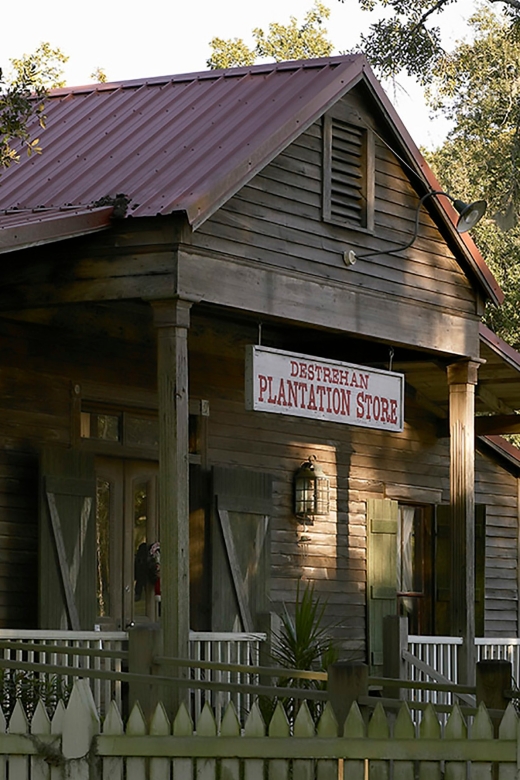
The house tour gives you the formal center of Destrehan Plantation. You see the setting connected with the Destrehan family and the plantation’s place in Louisiana’s past.
The supplied details do not give a room-by-room list, so you should not expect a detailed inventory of every room before you arrive. The strength of this portion is the personal interpretation and the connection between the home, the family, and the larger plantation system.
A guide may also explain how different peoples shaped the German Coast. That wider frame helps you understand that the plantation was part of a working community, not an isolated mansion. The history includes the Destrehan family, enslaved people, free residents, workers, and the political forces that shaped Louisiana.
The possible weakness is timing. One visitor specifically wished the tour had been longer and had gone beyond the house. That is a fair warning for anyone who wants an extended architectural tour with long stops in every room. The visit gives you a solid introduction, but you may need to spend extra time on the grounds to get the fullest experience.
The Jefferson and Madison document
One of the most distinctive objects at Destrehan is an original document signed by Thomas Jefferson and James Madison. You do not just see two famous names on paper. The guide explains why the document matters to Louisiana history.
That connection is valuable because it links the plantation to national politics and the formation of the United States. The document gives you a concrete way to connect local history with the larger political changes that affected Louisiana.
Historic documents can be easy to overlook in a house tour. Here, this one deserves a deliberate stop. Ask yourself what the document tells you about the people and political decisions that shaped the region. Its value is not only in the signatures, but in the explanation of how those signatures relate to Louisiana.
More Plantation Tours in the USA
- Laura Creole Plantation Guided Tour
★ 5.0 · 1,279 reviews - Airboat and Plantations Tour with Gourmet Lunch from New Orleans
★ 4.5 · 1,246 reviews - New Orleans: Bayou Swamp Tour and Oak Alley Plantation Tour
★ 4.7 · 1,147 reviews - New Orleans: Oak Alley Plantation & Airboat Swamp Combo Tour
★ 4.7 · 906 reviews
The slave cabin and the story of enslavement
The slave cabin is one of the most important stops on the property. It helps you move from the owners’ home to the living conditions of enslaved people whose labor supported plantation life.
An enslavement registry is displayed in the cabin. That kind of record can make the system feel painfully specific. Instead of thinking only in broad terms about slavery, you are confronted with names, records, and the way people were controlled and documented.
The visit is strongest when you give this building the same attention as the main house. The mansion shows wealth and status. The cabin and registry show the human cost behind that wealth.
This is also why the site is best approached as a history visit, not simply a scenic photo stop. The live oaks and Spanish moss are attractive, but they sit beside evidence of forced labor and restricted lives. That contrast is central to the experience.
The overseer’s cabin and the 1811 Slave Revolt
The overseer’s cabin contains an exhibit about the 1811 Slave Revolt. This gives the visit a different focus from the house and slave cabin. You are not only learning how the plantation operated, but also about resistance to enslavement.
The exhibit helps place Destrehan within a wider story of power, violence, and rebellion. It is a worthwhile stop for anyone who wants to understand slavery as a system that people resisted, not as a passive way of life.
The overseer’s cabin also helps explain the structure of plantation control. The location and purpose of the building connect the daily running of the property with the enforcement of labor. Take your time here, especially if the main house tour moves quickly.
The 1811 material is one reason this experience offers more than a standard mansion visit. The visit does not leave the difficult parts of the past outside the front door.
The folk-life demonstration and working buildings
After the house tour, you see a folk-life demonstration and can explore several dependency buildings on your own. These include:
- An outdoor kitchen
- A washroom
- A trapper’s cabin
- The slave cabin
- The overseer’s cabin
- The Legacy Room
These smaller buildings help you picture the practical work required to maintain the plantation. The outdoor kitchen and washroom focus on daily chores. The trapper’s cabin adds another view of life and work beyond the main residence.
Because the self-guided buildings follow the formal tour, you control the pace. If you want to spend more time with the 1811 Slave Revolt exhibit or the enslavement registry, you can do that instead of being hurried from one stop to the next.
This open-ended part is useful, but it also requires attention. The guide may not explain every building in detail, so read the displays and make your own route. If you prefer constant narration, you may find this section less satisfying than the guided house tour.
The Legacy Room and original artifacts
The Legacy Room displays original documents and artifacts connected with family members. It provides another look at the people associated with Destrehan and adds material evidence to the stories told by the guide.
This room works best after you have seen the house and the other buildings. By then, you have a basic sense of the property and can place the papers and objects in context. The combination of objects, documents, and buildings gives you several ways to approach the past.
I would not rush through this room. Historic objects often carry details that a large guided group cannot cover. Look closely at the labels and connect what you see with the stories about free and enslaved people, the German Coast, and the plantation’s political setting.
Taking photos beneath the live oaks
The live oak trees covered in Spanish moss provide the site’s most obvious photo opportunity. The setting is unmistakably South Louisiana, and you can take attractive exterior photographs around the grounds.
Still, keep the scenery in perspective. The moss, trees, and old buildings make a beautiful frame, but the plantation’s importance comes from the history attached to them. The most meaningful photographs may be the ones that help you remember the relationship between the house, the work buildings, and the surrounding grounds.
Take photos outside, since video recording is not allowed. The property gives you enough visual variety to make the visit worthwhile for photographers, but the experience is not built around photography alone.
Is $29 good value?
At $29 per person, Destrehan Plantation offers solid value if you want a guided historic site rather than a quick exterior visit. The price includes entrance fees, the interpreter-led experience, access to the house and grounds, the folk-life demonstration, and the self-guided buildings. Free parking also keeps the extra cost down.
The value depends on how you use your time. If you only follow the house tour and leave immediately, you may feel the visit is brief. One visitor specifically wanted a longer tour, and that is useful advice for anyone who prefers extended guided interpretation.
If you explore the slave cabin, overseer’s cabin, Legacy Room, kitchen, washroom, and trapper’s cabin, the admission price makes more sense. You are paying for access to a collection of buildings and exhibits, not only a mansion.
Hotel pickup and drop-off are not included. Since the site is about 25 minutes from Downtown New Orleans, you need to handle the drive yourself. For people already renting a car or planning a day outside the city, that is simple. For visitors without transportation, the lack of hotel transfer is the main practical drawback.
Who should book this plantation visit?
I recommend Destrehan Plantation to anyone who wants plantation history presented through both architecture and the lives of enslaved people. The slave cabin, registry, 1811 Slave Revolt exhibit, and overseer’s cabin give the visit needed balance.
It also suits readers who enjoy personal guides. Beverly and Ann have both made a strong impression through clear explanations and engaging presentations. A descendant of Jean Destrehan may also lead the tour, depending on the schedule.
Families with older children may find the buildings and documents more useful than a long lecture, though the subject matter is serious. History students, photographers, and anyone interested in Louisiana’s political past should also find plenty to consider.
I would be less enthusiastic if you want a full-day guided program with constant commentary. The activity is listed as valid for one day, but the exact tour length is not stated, and part of the property is self-guided. Set aside enough time to explore instead of expecting every stop to be covered in a long narrated walk.
Should you book Destrehan Plantation?
Book it if you want a manageable trip from New Orleans that combines a historic house with direct evidence of slavery, resistance, family life, and Louisiana politics. The Jefferson and Madison document is a rare draw, while the slave cabin and 1811 Slave Revolt exhibit give the visit moral and historical weight.
You may want a different option if you need hotel transportation or prefer a long, fully guided tour. For everyone else, $29 is a fair price, especially if you take time with every dependency building and the Legacy Room. Bring comfortable shoes, plan for outdoor walking, and give the difficult exhibits the attention they deserve.
FAQ
How far is Destrehan Plantation from Downtown New Orleans?
The plantation is about a 25-minute drive from Downtown New Orleans.
How much does the tour cost?
Admission costs $29 per person.
Is parking included?
Yes. Free parking is included.
Is hotel pickup and drop-off provided?
No. Hotel pickup and drop-off are not included, so you must arrange your own transportation to the plantation.
Where do I meet the tour?
Look for the old Plantation Store when you arrive. You enter through the store and gift shop, then go out the back door to the grounds to meet the interpreter.
What language is the tour in?
The tour is conducted in English.
Is the plantation wheelchair accessible?
Yes. The activity is wheelchair accessible.
Can I record video during the visit?
No. Video recording is not allowed.
What should I bring?
Bring comfortable shoes. Scooters are not allowed inside the plantation home.
Just added around New Orleans
- Whitney Plantation Tour with Transportation★ 4.0 · 29 reviews
- Whitney Plantation and Soul of New Orleans City Tour Combo★ 5.0 · 13 reviews
- Two Plantation Tour: Oak Alley and Laura or Whitney★ 5.0 · 7 reviews
- St. Joseph and Felicity Plantation Combo Tour★ 5.0 · 4 reviews
- St. Joseph Plantation Tour★ 4.5 · 30 reviews
- Private Airboat Ride and Plantations Tour with Gourmet Lunch from New Orleans★ 5.0 · 50 reviews
- Small Airboat and Oak Alley Plantation Tour from New Orleans★ 4.5 · 23 reviews
- N’awlins Luxury: Laura, Oak Alley or Whitney Plantation Tour w/Transportation★ 4.5 · 46 reviews
New Orleans Farm Tours, compared.
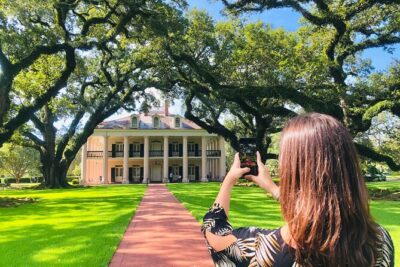
Swamp Boat Ride and Oak Alley Plantation Tour from New Orleans
Read our review →
Oak Alley Plantation Tour with Transportation from New Orleans
Read our review →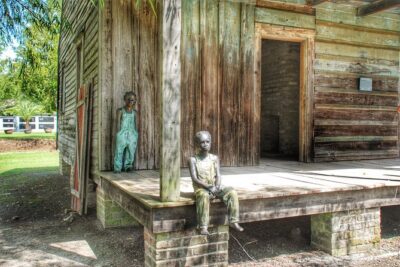
Whitney Plantation Tour with Transportation from New Orleans
Read our review →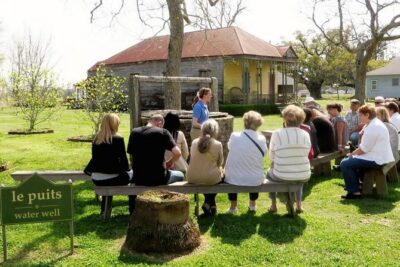

Airboat and Plantations Tour with Gourmet Lunch from New Orleans
Read our review →
Bayou Swamp Tour and Oak Alley Plantation Tour
Read our review →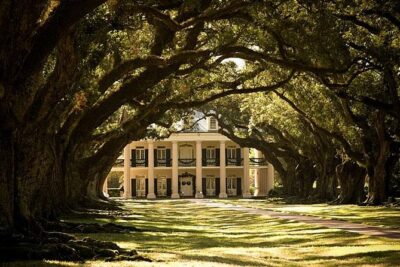
Oak Alley Plantation and Large Airboat Swamp Tour from New Orleans
Read our review →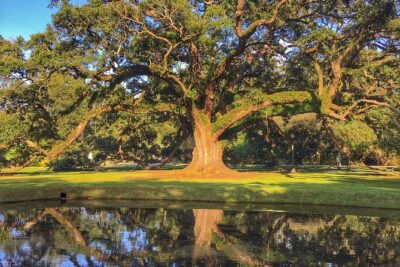
Browse the lists this tour appears in