
Review · ITALY
Guided tour of the Marsala Salt Pans and salt harvesting
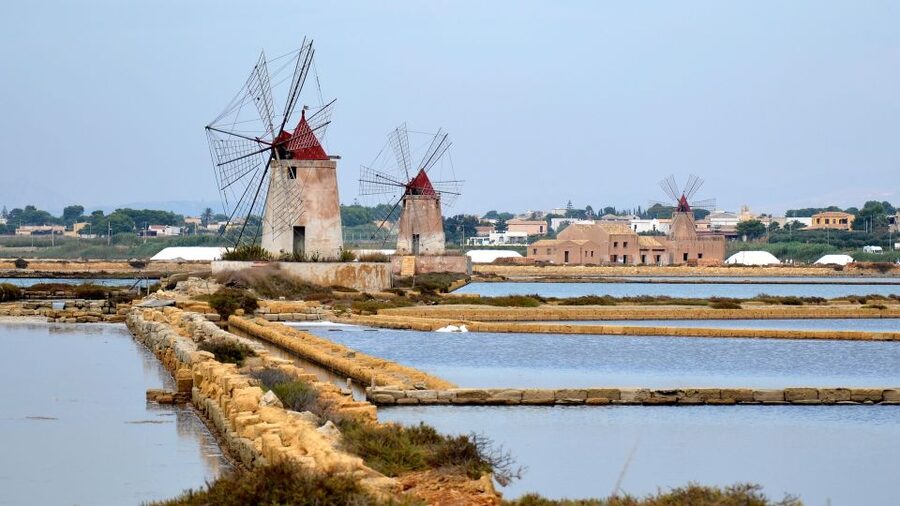
The best part of this Marsala tour is that you do not just look at the salt pans from a distance. You walk through the working area, put on provided boots, and help gather salt by hand. The shallow tanks, small canals, windmills, and white salt piles create one of Sicily’s most unusual coastal scenes.
I like the clear link between place and daily life here. You learn why salt has mattered to Marsala since the 1500s, then see how different types are used in cooking and cosmetics. I also like the hands-on harvest, which gives the one-hour visit a real purpose. The main drawback is the short length: this is an introduction, not a long nature walk or a full-day farm visit.
Key points to know before you go
- Hand-pick salt in the working pans: You get to take part in the harvest rather than only watch a demonstration.
- Visit the historic Infersa Mill: Multimedia displays explain the old methods of making sea salt.
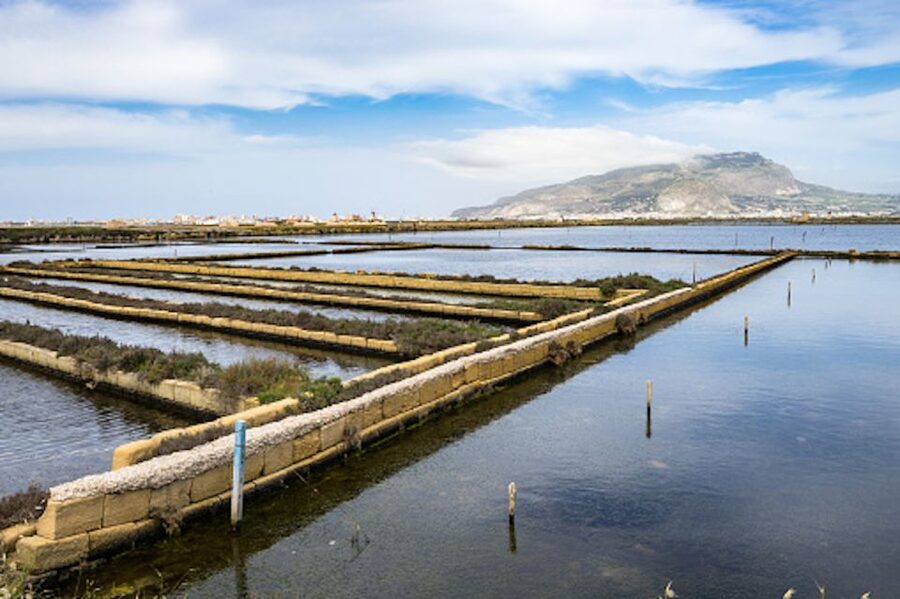
- See a rare Sicilian setting: Windmills, canals, salt tanks, and piles of drying salt fill the Stagnone area.
- Compare several salt types: Look for hand-picked whole salt and flavored fior di sale.
- Learn beyond the kitchen: The tour explains salt’s role in cosmetics and skin-care products.
- Plan for a quick visit: The tour lasts one hour, so it fits neatly into a day around Marsala.
Why Marsala’s salt pans are worth your time
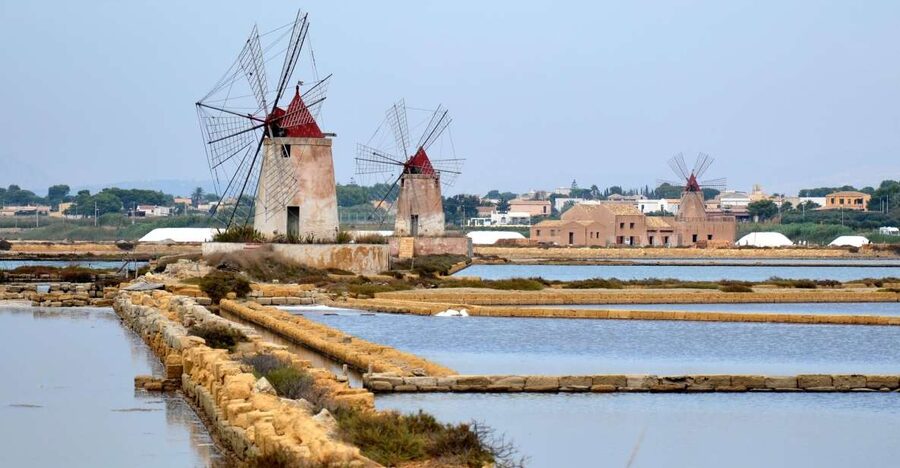
Marsala is known for wine, but its salt pans tell another important part of the town’s story. Salt production here reaches back to the 1500s, and the work has shaped both the local economy and the appearance of the Stagnone area.
The salt pans are not one large open body of water. They are a network of shallow tanks linked by narrow canals. Water moves from one tank to another and becomes more concentrated as it evaporates. The result is a carefully arranged patchwork of water, earth, white salt, and working equipment.
You will also see windmills, one of the most recognizable features of the area. They are not just decorative props for photographs. They are part of the old system used to move water through the pans. This gives the setting a practical character that many scenic stops lack.
I find this kind of visit useful because the scenery and the history explain each other. The canals are there because salt production needs controlled water movement. The piles of salt are there because evaporation and hand work remain visible parts of the process. The windmills make more sense once the guide explains what they do.
More Guided Trips in Italy:
- Catania: Pozzo di Gaspare Farm Guided Tour with Tastings
★ 5.0 · 34 reviews - Alberobello: Guided e-bike tour + mill & donkey farm
★ 5.0 · 32 reviews - Catania: Guided Tour of Etna with Farm Visit & Food Tasting
★ 4.6 · 30 reviews
Starting inside the Infersa Mill
The meeting point is inside the mill, where the guide will be waiting. That makes arrival fairly simple, since you do not need to search for a separate outdoor meeting spot.
The mill visit introduces the production process through a multimedia route. You can expect visual material about the older methods of making sea salt, followed by explanations of how salt is collected and prepared. This is especially useful if you arrive with little knowledge of salt production.
The displays help put the outdoor part in context. Without them, the tanks and canals could look like a scenic collection of shallow pools. After the mill presentation, you can see them as parts of a system, each with a role in producing and drying the salt.
A recent Italian-language visit was praised for especially strong explanatory videos, described as being at the level of a high-quality science program. That detail matters because the mill is not simply a small room with a few objects. The multimedia material carries much of the background information in a clear, visual way.
Your guide then adds the human explanation. Tours are offered in Italian and English, and one highly praised visit was led by Antonetta, who also helped visitors take part in the harvest and suggested a nearby restaurant afterward. Guide assignments can vary, so you should not assume Antonetta will lead every departure, but the experience is designed to include a live guide rather than only a self-guided display.
Walking among tanks, canals, and salt piles
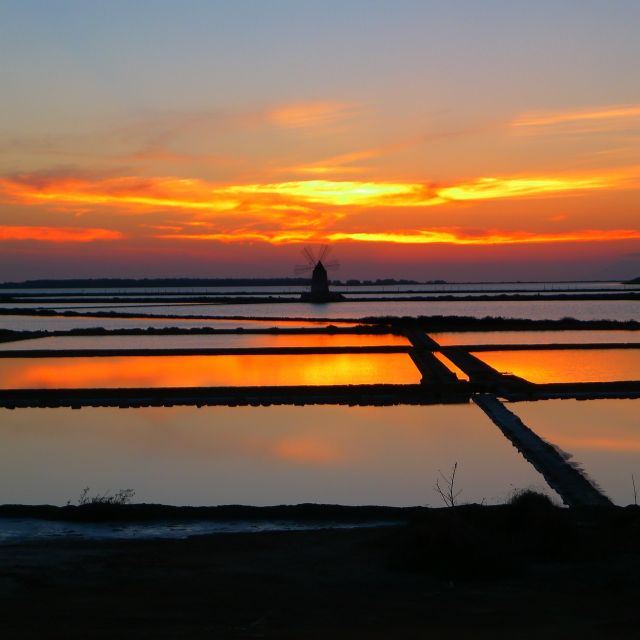
After the mill, you continue along a nature trail through the salt-producing area. The route is short, but it gives you close views of the features that make the Stagnone salt pans distinctive.
You will see shallow tanks with changing colors and textures, small channels that connect the pools, windmills, and heaps of salt gathered for drying or processing. The exact appearance can change with weather and production conditions, so the scene is not fixed like a museum exhibit.
This is also the part where practical footwear matters. Boots are included, and you need to provide your shoe size when booking so the correct pair can be prepared. Wear clothing that you do not mind getting a little dirty or damp, particularly if you take part in the harvest.
The route should be manageable for most people who can walk for a short period, but the provided information does not give a detailed accessibility description. If you have mobility or footwear concerns, ask the provider before booking. The salt pans are a working outdoor area, not a polished indoor attraction.
The best views may come from the mill’s windmill terrace. One Polish-language visit singled out the view from there, along with the chance to collect both fior di sale and salt crystals. It is a good reminder to allow a moment for looking around, even though the tour schedule is compact.
Taking part in the salt harvest
The harvest is the tour’s most memorable feature. With guidance, you can join the work and collect salt yourself. This changes the visit from a talk about an old trade into a short sensory activity involving the salt, the tools, the water, and the texture of the crystals.
The experience can include gathering the delicate top layer known as fior di sale as well as larger salt crystals. The distinction is worth learning. Fior di sale is prized for its fine texture, while other crystals may be used in different ways during cooking or processing.
You may also have a chance to leave with salt you collected yourself. That was a particularly appealing part of one private visit, where the guide helped participants take home their own harvest. Confirm the current arrangements when booking if bringing salt home is important to you, since the supplied information does not state a fixed souvenir policy for every departure.
Children can enjoy this section because it gives them a task rather than asking them to listen for the full hour. Adults who like food, crafts, or local production will find more to it than a simple photo stop. Still, the harvest is guided and brief. Do not expect to perform every stage of salt production or spend hours working in the pans.
A few more farm days around Italy worth a look
- Florence Pizza or Pasta Class with Gelato Making at a Tuscan Farm
★ 5.0 · 6,801 reviews - Cooking Class and Lunch at a Tuscan Farmhouse with Local Market Tour from Florence
★ 5.0 · 4,831 reviews - Sorrento Farm and Food Experience including Olive Oil, Limoncello, Wine tasting
★ 5.0 · 2,524 reviews - Sorrento: Pizza Lesson, Wine, and Limoncello at a Local Farm
★ 5.0 · 1,513 reviews
Understanding the different kinds of salt
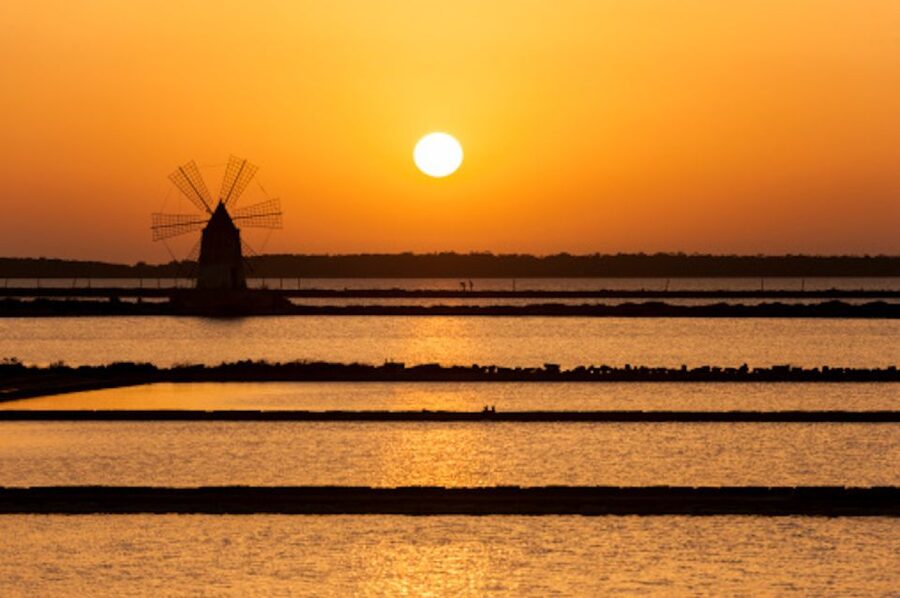
Inside the mill, the guide introduces several varieties. The tour specifically highlights strictly hand-picked whole salt and flavored fior di sale. These details make the visit more useful for anyone who cooks, since you can connect what you see in the pans with the products sold for the kitchen.
The hand-picked whole salt reflects the labor involved in collecting and preparing the crystals. The flavored fior di sale shows how salt can become a finished food product rather than just a raw mineral. You may also taste several varieties during the visit, based on the experience described by past participants.
I appreciate that the tour does not treat salt as only a seasoning. It also explains its use in cosmetics. Salt’s moisturizing power is presented in connection with skin-care and well-being products, giving you a wider view of how the material is used after it leaves the pans.
This part is not a replacement for a cooking class or a cosmetics workshop. Instead, it gives you a concise introduction to the range of products made from salt and helps explain why some types cost more than ordinary table salt.
Is one hour enough?
For most people, one hour is enough for a focused introduction. You visit the mill, see the multimedia material, walk the trail, hear about production, and take part in the harvest. Because the tour stays centered on one subject, it does not feel padded with unrelated stops.
The short duration is also useful if you are building a day around Marsala or the Stagnone Islands. You can fit the salt pans between other plans without giving up half a day. It is a practical choice for families and for anyone who wants a specific local experience instead of another long guided walk.
The trade-off is depth. You will not have time for an extended exploration of the entire reserve, a long technical lesson about water management, or a leisurely meal. Food and drinks are not included, so plan any tasting or lunch separately unless the guide offers a current recommendation.
The one-hour format also means you should arrive ready to start. With a short tour, even a late arrival can cut into the mill visit or the harvest. The guide waits inside the mill, which makes the meeting point clear, but you should still allow enough time to find the site.
What the $41 price gets you
At $41 per person, this is not the cheapest quick stop in Sicily. The value depends on what you want from a one-hour activity.
You are paying for entry to the Infersa Mill, an Italian- or English-speaking guide, the multimedia presentation, access to the guided outdoor route, boots, and participation in the harvest. The boots matter because buying or carrying suitable footwear for a short visit would be inconvenient.
The price feels strongest if you care about local production and want more than a view of the salt pans. You get background, a close look at the working setting, a chance to handle the salt, and an explanation of culinary and cosmetic uses. The hands-on element gives the visit more substance than a simple lookout stop.
The value is weaker if you only want photographs or if you already know a great deal about traditional salt making. In that case, one hour and $41 may feel high for a compact presentation. The tour makes the most sense when you want a guided introduction with a small activity built in.
Free cancellation up to 24 hours before the start and the option to reserve now and pay later make it easier to fit into a changing Sicily itinerary. Weather can lead to changes or modifications, so keep that in mind when planning the salt harvest.
Who will enjoy this Marsala experience?
I would recommend this tour to families, food lovers, photographers, and anyone curious about old trades that still shape a place. Children have a clear activity in the harvest, while adults can focus on the history, the salt varieties, and the unusual scenery.
It also suits visitors who prefer a small, focused visit. You do not need to commit to a long excursion, and the mix of indoor explanation and outdoor activity breaks up the hour nicely.
The tour may be less suitable if you want a full nature reserve expedition, a long boat trip, or a meal-based food tour. It is also not the right choice if you are looking for a fully self-guided visit, since the guide is central to the explanation and the harvest.
English speakers should be comfortable booking, since English is offered alongside Italian. The quality of the experience will still depend on the guide assigned that day, but the feedback connected with the tour points to friendly, clear explanations and good participation in the salt work.
Should you book the Marsala salt pans tour?
Book it if you want to understand why this corner of Sicily looks the way it does and you like experiences that let you do a little work yourself. The combination of Infersa Mill, windmills, canals, salt piles, and hand harvesting gives you a close look at a local craft that is easy to miss when you only drive past the pans.
At $41, it is best judged as a guided, hands-on introduction rather than a cheap sightseeing stop. The hour passes quickly, but you leave with a better sense of how sea salt is made, how different varieties are used, and why the Stagnone salt pans matter to Marsala.
FAQ
Where does the tour meet?
The guide waits inside the Infersa Mill.
How long does the tour last?
The tour lasts one hour.
What languages are available?
The tour is available in Italian and English.
Is the visit guided?
Yes. A guide leads the mill visit, outdoor nature trail, and salt-harvesting activity.
Are boots included?
Yes. Boots are included in the tour.
What should I provide when booking?
You should provide your shoe size so the correct footwear can be prepared.
Can I take part in salt harvesting?
Yes. The tour includes the chance to join the salt harvest and collect salt with guidance.
Are food and drinks included?
No. Food and drinks are not included.
Can I cancel for a refund?
You can cancel up to 24 hours in advance for a full refund. The reservation may change if weather conditions are unfavorable.
Just added around Italy
- Traditional Farmhouse Cooking Experience in Lucca with Lunch or Dinner★ 5.0 · 34 reviews
- Farm-to-table Food Experience★ 5.0 · 23 reviews
- La Maliosa Farm Experience & Wine Tasting★ 4.5 · 29 reviews
- Sorrento: Authentic Lemon Experience at a Farm with Tastings★ 5.0 · 6 reviews
- Sorrento Half-Day Farm Experience: Pizza, Cheese Making and Wine★ 5.0 · 17 reviews
- Marì Cooking Class in a Family Farm with Amalfi Coast view★ 5.0 · 11 reviews
- Amalfi Coast & Sorrento Cooking Class School at Farmhouse★ 5.0 · 25 reviews
- Paestum and Buffalo Farm Day Tour from Sorrento★ 5.0 · 3 reviews
Italy Farm Tours, compared.

Florence Pizza or Pasta Class with Gelato Making at a Tuscan Farm
Read our review →
Cooking Class and Lunch at a Tuscan Farmhouse with Local Market Tour from Florence
Read our review →
Sorrento Farm and Food Experience including Olive Oil, Limoncello, Wine tasting
Read our review →
Pizza Lesson, Wine, and Limoncello at a Local Farm
Read our review →
Pizza or Pasta Class with Gelato at a Tuscan Farm
Read our review →
Hands-On Cooking Class & Farmhouse Tour on the Amalfi Coast
Read our review →
Pizza School with Wine and Limoncello Tasting in a Local Farm
Read our review →
Authentic Farm Tour with Pizza, Cheese, Wine & Limoncello Tasting
Read our review →Browse the lists this tour appears in